Introduction
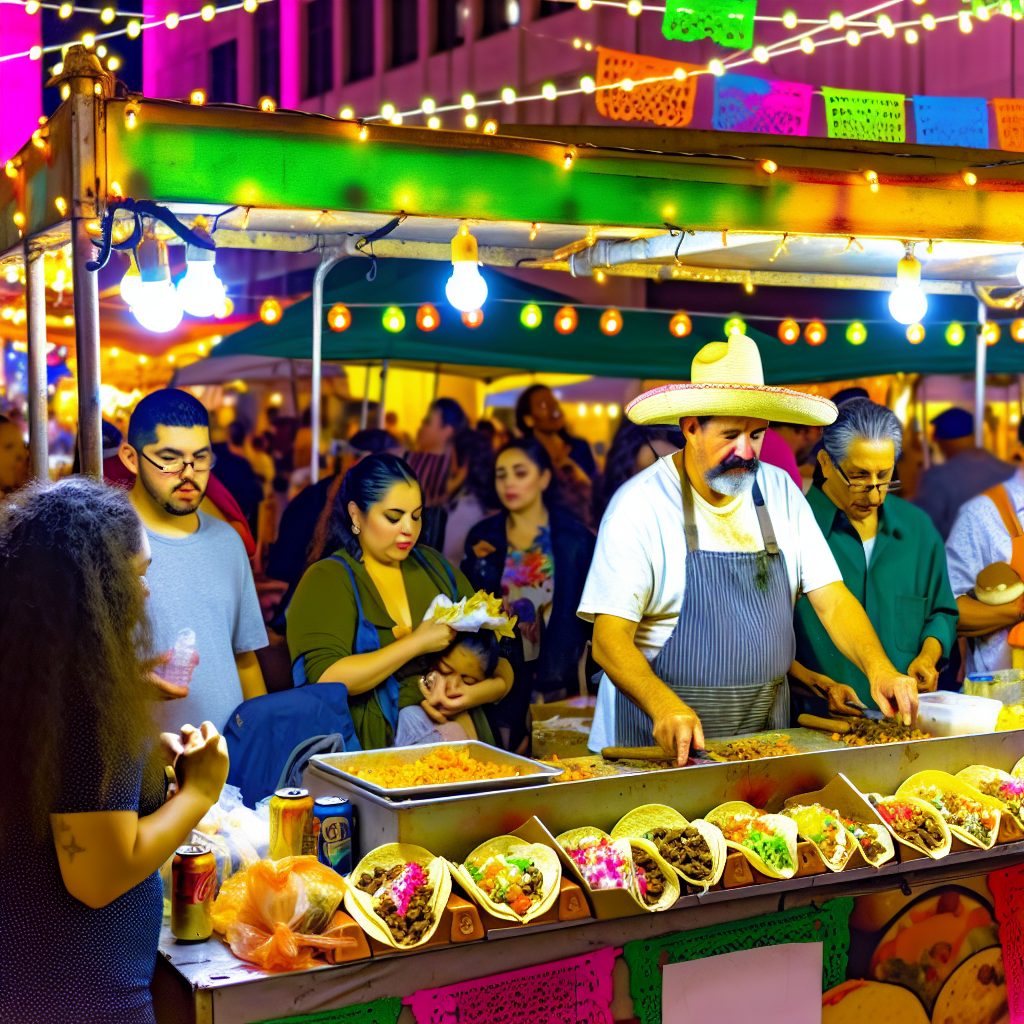
Have you ever wondered how the taco truck became a staple of vibrant street food culture and the culinary delight of countless fans? From its humble beginnings to the colorful, flavorful beacons they are today, taco trucks offer a delicious journey of innovation, tradition, and community. Picture this: a cheerful truck, its bumper adorned with sizzling, mouthwatering tacos, pulling up to your neighborhood or a bustling event, ready to serve up happiness in a tortilla. But just like any captivating culinary story, there are twists and turns, particularly when some taco trucks face unexpected challenges. Join us as we dive into the rich history of taco trucks and explore how one particular truck, known for its love of flavors, found itself paralyzed by unforeseen circumstances. It’s a tale sprinkled with laughter, a dash of adventure, and insights into what makes taco culture so resilient and beloved. Whether you’re a local resident craving an authentic bite or an event planner scouting the perfect catering solution, the journey of taco trucks is bound to stir your appetite for more! Learn more about the fascinating world of taco ingredients!
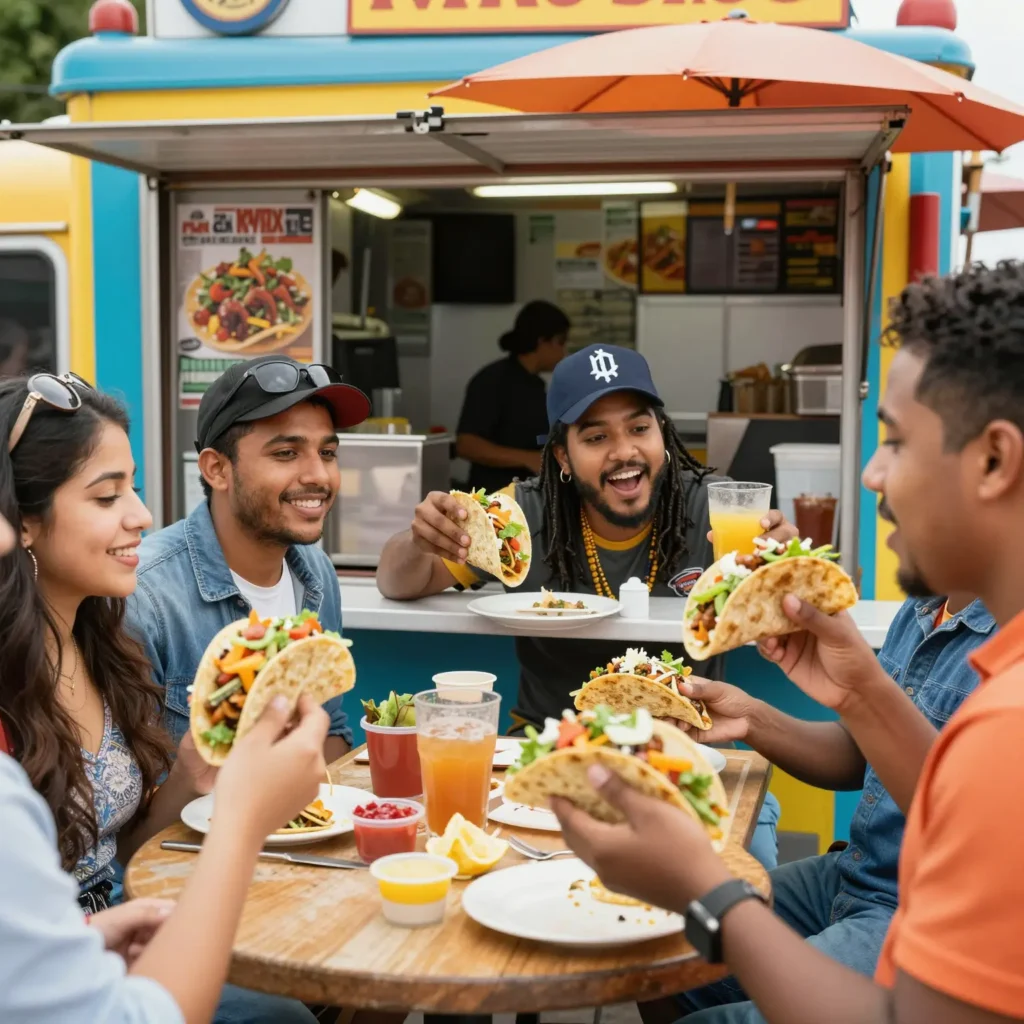
Taco trucks have become a beloved staple in many cities, offering a burst of flavor on wheels, but where did it all begin? The history of taco trucks can be traced back to the mid-to-late 20th century, particularly in Southern California. The concept likely arose as a creative solution to both culinary cravings and economic needs.
Evolution and Cultural Significance
The earliest taco trucks were often run by Mexican immigrants who sought to share their traditional recipes while also making a living. These trucks allowed them to bring authentic street food to bustling urban areas where such cuisine was scarce. One fun fact? The success of taco trucks may have been inspired by the taco stands of Mexico, where food is served fresh on the go, integrating food into the everyday lifestyle of locals.
As the taco truck trend grew, so did the diversity of offerings. From simple carne asada tacos to creative fusion options such as Korean BBQ tacos, these mobile kitchens began to reflect the local culture and demographics. It became common to see lines of eager customers waiting for their turn, creating a sense of community around these gastronomic gatherings.
A Culinary Adventure
In 2012, a documentary titled “Taco Truck Revolution” highlighted this movement, showcasing taco trucks as a valuable component of American street food culture. These trucks not only offer delicious food but also a sense of location, introducing new flavors to city-life dwellers. Also, for those considering which flavors to try first, check out our tips on choosing the right salsa for tacos to elevate your taco experience!
Today, taco trucks serve millions, feeding everyone from busy office workers to foodies at festivals. According to anecdotal accounts, you haven’t truly experienced a taco truck until you’ve indulged in your favorite taco late at night, enjoying vibrant music and mingling with locals!
As taco trucks continue to thrive and evolve, they undoubtedly remain more than just food on wheels; they are cultural touchstones, bringing communities together, one taco at a time.
| Taco Truck Name | City | Specialties | Pricing (Average) | Customer Rating |
|---|---|---|---|---|
| Taqueria con Salsa | Los Angeles | Authentic Tacos, Quesadillas | $3 – $10 | 4.8/5 |
| Taco Company | Austin | Tex-Mex Tacos, Burritos | $4 – $12 | 4.6/5 |
| El Gringo & Co. | San Francisco | Fusion Tacos, Nachos | $5 – $15 | 4.7/5 |
| Tacos El Gordo | Las Vegas | Street Tacos, Tacos De Asada | $2 – $8 | 4.9/5 |
| Los Tacos Al Pastor | New York City | Al Pastor Tacos, Street Corn | $4 – $11 | 4.5/5 |
Taco Trucks: Enriching Community Events
Taco trucks have become a staple at community events and local gatherings, playing a pivotal role in enhancing the vibrancy and enjoyment of these occasions. Here’s how taco trucks contribute to making local events a hit:
1. Community Engagement
Taco trucks serve as communal gathering points during events like festivals, fairs, and corporate gatherings. They not only provide delicious meals but also foster conversations among attendees, creating a friendly and welcoming atmosphere. As people wait in line or enjoy their tacos, they share stories and experiences, nurturing connections within the community.
2. Cultural Representation
Taco trucks are a culinary representation of Mexican culture, bringing authentic flavors and recipes to diverse audiences. They celebrate the richness of Mexican cuisine, allowing various communities to experience traditional dishes and learn about their cultural significance. This not only enriches the palate of attendees but also promotes understanding and appreciation of Mexican heritage.
3. Economic Contributions
Operating a taco truck supports local economies by creating jobs and encouraging customers to spend in their neighborhoods. Many taco truck owners are small business entrepreneurs who contribute to the local business ecosystem. Their presence at community events helps stimulate local commerce and can draw in crowds that might visit other vendors and shops in the area.
4. Culinary Experience
Taco trucks provide unique culinary options that often differ from typical event fare. They can offer various taco styles, fillings, and salsas that cater to diverse dietary preferences, serving everything from traditional carne asada to vegetarian and vegan options. This diversity not only pleases food enthusiasts but also allows for an inclusive dining experience for all attendees.
Conclusion
In summary, taco trucks are not merely food vendors; they are essential players in the tapestry of community events. Their ability to bring people together, provide cultural insights, support local economies, and offer diverse culinary experiences makes them invaluable at gatherings. Next time you’re at an event, don’t forget to grab some tacos and savor the communal spirit they encourage!

Taco Truck Contributions to Community
| Category | Details |
|---|---|
| Cultural Representation | Taco trucks serve as a cultural icon and representation of Mexican heritage, bringing traditional cuisine to diverse communities. |
| Community Engagement | Taco trucks often participate in local festivals and events, enhancing community interactions and providing a shared culinary experience. |
| Economic Contributions | These mobile vendors contribute to local economies by providing jobs and stimulating local spending in neighborhoods. |
| Culinary Experience | Taco trucks offer unique culinary experiences with diverse menu options that showcase regional and traditional Mexican flavors. |
Taco Trucks Growth Over the Years
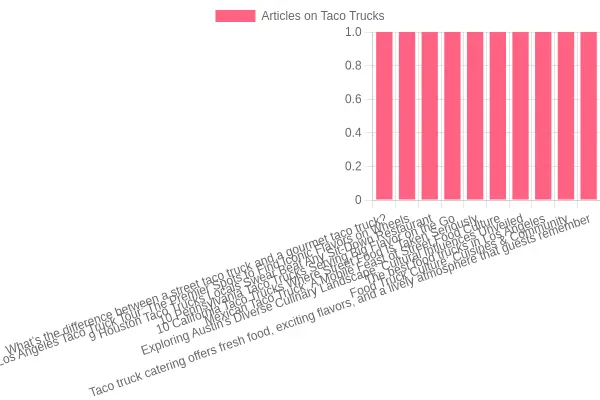
Taco trucks have become an integral part of the street food culture across key U.S. cities. Over the last decade, their popularity has soared, reflecting a growing demand for quick, flavorful, and authentic taco experiences among locals and visitors alike.
Here’s a chart depicting the steady increase in the number of taco trucks from 2013 to 2023 in major cities Los Angeles, Austin, New York, and San Francisco. This growth showcases not only the culinary significance of taco trucks but also their expanding footprint as vibrant hubs of community and culture on wheels.

As you can see, Los Angeles leads with the highest number of taco trucks, with Austin, New York, and San Francisco also experiencing meaningful growth. This trend highlights the increasing love for street-style tacos nationwide.
For taco fans and event planners looking to integrate this popular food option into their gatherings, understanding this growth pattern can help in sourcing and booking the best taco trucks to create memorable culinary experiences.
Explore more about choosing the right salsa for tacos to complement your taco truck experience perfectly!
-
Al Pastor Tacos – Description: Marinated pork cooked on a vertical spit, much like shawarma. It’s served with pineapple, onion, and cilantro for a sweet and savory flavor explosion.
-
Carnitas Tacos – Description: Slow-cooked pork that’s incredibly tender and juicy, often enhanced with a splash of lime juice and served with fresh cilantro and diced onions.
-
Baja Fish Tacos – Description: Crispy battered fish topped with tangy cabbage slaw and a creamy chipotle sauce. This dish perfectly captures the essence of coastal Mexican cuisine.
-
Barbacoa Tacos – Description: Flavorful, tender beef stewed with spices like cumin and cloves. Usually topped with onions, cilantro, and a squeeze of lime for balanced zestiness.
-
Veggie Tacos – Description: A mix of seasonal grilled vegetables, often accompanied by black beans or chickpeas, garnished with avocado and fresh herbs for a refreshing and hearty vegetarian option.
-
Chorizo Tacos – Description: Spicy pork sausage that’s crumbled and cooked, providing a spicy kick. Often served with cheese and fresh toppings like avocado or pickled onions.
-
Tacos de Lengua (Beef Tongue Tacos) – Description: A delicacy where the tongue is cooked until tender, sliced, and served in warm tortillas, typically garnished with onions, cilantro, and salsa.
-
Shrimp Tacos – Description: Grilled or fried shrimp seasoned with garlic and lime, paired with a zesty salsa and crisp cabbage. Each bite is a taste of the ocean.
-
Chicken Tinga Tacos – Description: Shredded chicken simmered in a smoky chipotle sauce. This tasty dish offers a mildly spicy flavor profile that’s simply irresistible.
-
Tacos de Pescado (Fish Tacos) – Description: Featuring lightly battered and fried fish, these tacos are topped with pico de gallo and avocados, making for a refreshing and crunchy experience.
Taco Truck Owner’s Passion for Tacos
Taco trucks are more than just food on wheels; they are a cultural staple that brings communities together. As one passionate taco truck owner put it:
“Tacos are not just food; they’re a love letter wrapped in a tortilla.”
- Taco Truck Owner
This sentiment captures the essence of what taco trucks represent: a fusion of flavors, traditions, and love for culinary artistry. The joy they bring to customers can transform an ordinary day into a delightful experience, and for many taco truck owners, each taco served is a piece of their heart shared with the world.
To discover more about taco truck culture, learn more about salsa choices and how authentic flavors make a difference!
Common Challenges Faced by Taco Truck Owners
Operating a taco truck can be a rewarding venture, bringing the flavors of your culinary creations to eager customers. However, it is not without its challenges. Here’s a closer look at some of the primary issues faced by taco truck owners:
Regulatory Hurdles
Every taco truck owner must navigate a maze of regulations that can vary widely by city and state. Understanding the local health codes, securing permits, and adhering to safety standards are crucial to running a compliant business. According to UpCounsel, taco truck operators need to engage with local health departments, police, and fire departments to ensure compliance with food safety rules and public safety codes. This often entails a steep learning curve and can delay the start of operations due to permitting processes.
Intense Competition
The food truck scene can be overcrowded, with numerous vendors competing for the same spots and customer base. Differentiating one’s offerings is vital, especially in bustling urban areas where taco trucks are a staple. As noted in an article from Business Plan Templates, reliance on technology and creative marketing can help overcome the fierce rivalry that taco truck owners encounter.
Seasonal Fluctuations
Seasonality significantly impacts taco truck sales. Factors such as weather changes, holidays, and local events can lead to fluctuations in customer traffic. For instance, during winter or rainy seasons, foot traffic may drop as people prefer to stay indoors. Moreover, certain events can lead to increased business, but competition for spots can be fierce on these days. Owners must be strategic in their operations, often adjusting menus and locations based on seasonal trends, as highlighted by insights from various resources.
Conclusion
While operating a taco truck does come with its set of challenges, overcoming these obstacles with creativity and hard work can lead to a vibrant business. Taco truck owners who can navigate regulatory demands, differentiate themselves from competition, and adapt to seasonal changes are likely to find success in the street food scene.
Conclusion
Taco trucks are more than just mobile kitchens; they are vibrant cultural hubs that celebrate the rich tapestry of flavors from diverse culinary traditions. They bring communities together, sparking joy and conversation with every delicious bite. Whether it’s the sizzle of the grill or the aroma of freshly prepared salsa, these trucks evoke a unique experience that transcends mere dining.
As we navigate the ever-expanding world of gastronomy, it’s essential to support these culinary champions. They often face challenges, such as theft, which can threaten their operations learn more about the challenges taco trucks face. However, by appreciating their art and enjoying their offerings, we can help ensure their survival in our neighborhoods.
This also leads us to think about how we can elevate our own adventures. Just as taco trucks improve their fare with personalized touches, you too can enhance your journey. Why not elevate your ride with custom fairings from Summit Fairings? They provide the perfect blend of style, performance, and individuality for your vehicle. Discover how you can transform your experience on the road today!
Embrace the fusion of flavor and freedom-make it an adventure on all fronts!