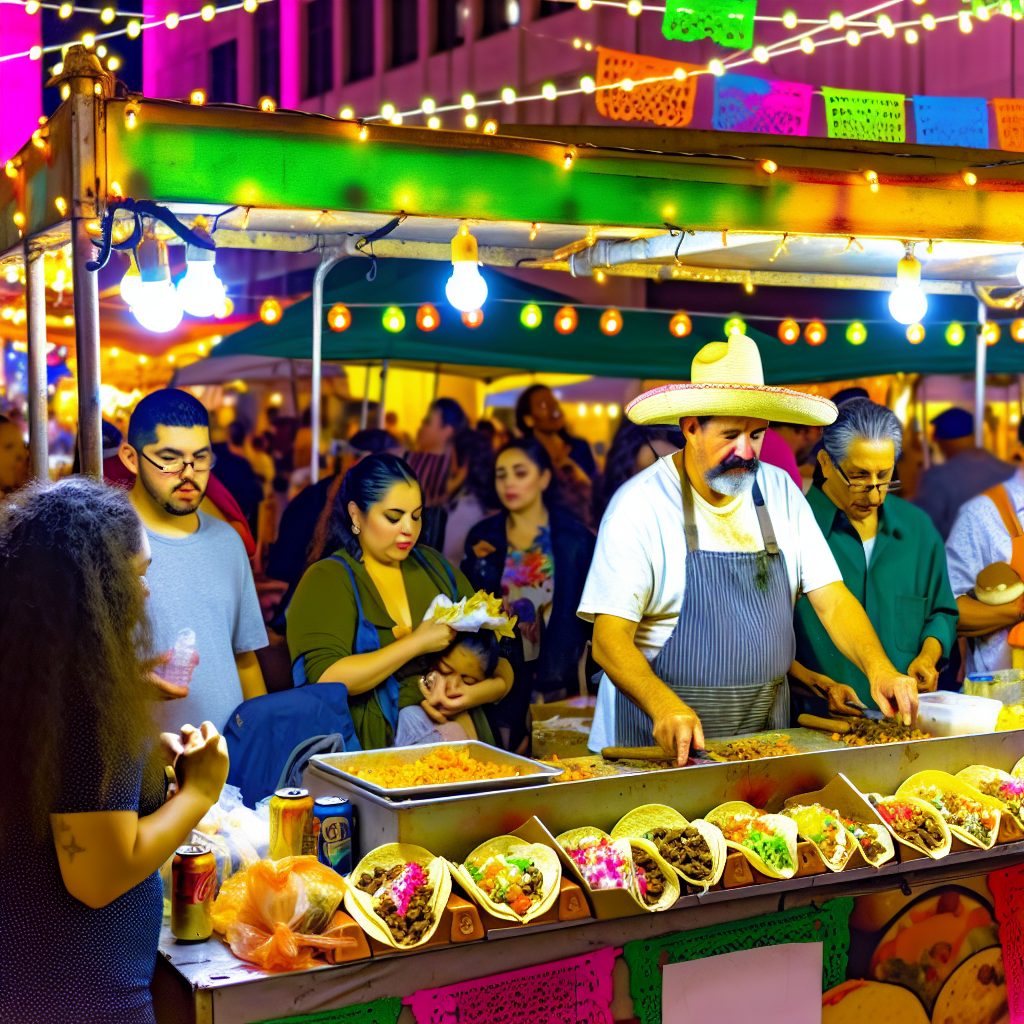
Taco trucks have become culinary landmarks in cities across the United States, especially in hotspots like Austin, TX, and Los Angeles, CA. With a vibrant and engaging culture around them, these mobile kitchens serve delicious offerings that cater to the cravings of locals and visitors alike. As we explore whether taco trucks are open in your area, we’ll uncover how technology keeps these beloved vendors operational, their essential role in local cultures, and practical ways for you to enjoy their delights, whether you’re a taco enthusiast, office worker on a break, or an event planner looking for catering options. Buckle up as we take a savory journey into the flavorful world of taco trucks!
Taco Trucks on the Streets: Why Austin and Los Angeles Keep Their Tacos Flowing Late and Daily
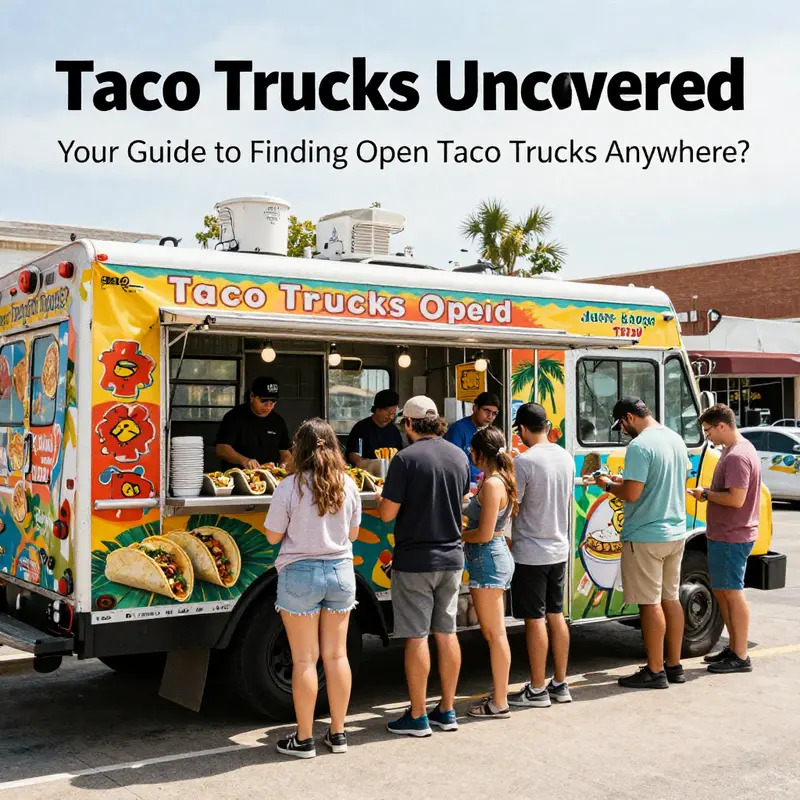
Taco trucks are open, busy, and woven into city life in Austin and Los Angeles. Across both cities, these mobile kitchens serve as more than quick meals. They are social hubs, creative kitchens, and essential night-shift options for many residents. The scene in each city differs in flavor and rhythm. But the result is the same: taco trucks operate widely, reliably, and with a local flair that keeps customers coming back.
In Austin, taco trucks began as small family stands and weekend pop-ups. Over time they grew into fixtures of the nightlife and daytime lunch crowds. Many operate near entertainment districts, university areas, and transit hubs. Their flexibility allows operators to test menus and move to where demand is highest. Some trucks cluster in curated pods, creating mini food halls on asphalt. Others park alone in busy corners. The result is variety within convenience. You can find simple, traditional offerings and bold, experimental tacos on the same block.
Late-night service is a hallmark in Austin. On weekends, several trucks stay open until one to three a.m. That schedule meets the needs of late-shift workers, students, and people leaving concerts or bars. For many, a taco truck is the natural choice after a night out. Low overhead and a short menu help these vendors remain profitable while offering affordable prices. Reports note that popular trucks can serve hundreds of customers each day, underscoring how central they are to the food landscape.
Los Angeles tells a complementary story, scaled by population and history. In LA, taco trucks form a deep cultural thread. They carry the lineage of street food from many communities. Neighborhoods across Southern California host trucks that serve classic tacos and modern mashups. The city’s geography and traffic patterns create opportunities for trucks to serve commuters, tourists, and local residents alike. LA’s taco truck scene has also influenced national food trends. Documentaries, food columns, and social media celebrate its role in shaping American expectations for street tacos.
Numbers amplify the scene in Los Angeles. Estimates place thousands of taco trucks on LA streets, reflecting demand and entrepreneurial energy. Many trucks operate daily and build loyal followings. Some become destination spots for both locals and visitors. Others rotate between neighborhoods to reach new customers. Trucks often set up near work centers, nightlife corridors, and busy intersections. The variety of offerings ranges from traditional carne asada and al pastor to inventive vegetarian and fusion options.
Across both cities, the logistics of staying open depend on predictable supply, efficient service, and safe operations. Many vendors see over 200 to 300 customers on busy days. That volume requires streamlined ordering, fast cooking, and consistent ingredient supply. Operators often source locally when possible, keeping menus fresh and costs stable. Food safety, permits, and local ordinances also shape hours and locations. Some trucks follow strict schedules, while others publish on-the-fly updates through social media.
Finding an open truck is easier than ever. Mapping apps and review platforms list operating hours, locations, and customer reviews. Dedicated trackers and community forums offer real-time tips and alerts. For visitors or residents who want to plan, these tools reduce guesswork. They also highlight the most popular trucks. Customer reviews often mention wait times, portions, and whether a truck runs out of certain items during rush hours. That feedback loop helps trucks improve and helps customers choose where to go.
Beyond convenience, taco trucks reflect and adapt to local culture. In Austin, that means late-night creativity and a willingness to experiment. In Los Angeles, it means a depth of traditional recipes, regional styles, and multicultural adaptations. Trucks in both cities often respond quickly to trends. Specials change with seasons, festivals, and neighborhood events. These vendors also participate in community life. Food truck events, block parties, and pop-ups give trucks visibility and steady business. Their mobility makes it easier to join such gatherings.
The industry’s resilience also owes something to advances in vehicle technology and energy systems. As trucks aim to run longer with lower emissions, many owners consider updated power solutions. Innovations in battery systems, for example, can cut generator noise and pollution. Those upgrades matter when trucks operate late at night near residential streets. They also reduce fuel costs and simplify maintenance. For a closer look at these shifts, explore perspectives on how modern battery solutions are changing mobile food operations. how lithium battery systems are revolutionizing food trucks for a sustainable future
Regulatory landscapes shape operating patterns. Both cities require permits and health inspections. Permitting processes differ by neighborhood and event type. Some areas restrict street vending during peak hours or require special consent. As a result, trucks that operate reliably usually have experience navigating these rules. They build relationships with local officials and event organizers. Those connections help when new regulations appear or when a truck seeks a permanent pod location.
Supply chains are another important piece. Trucks must manage perishables carefully. Fresh tortillas, meats, and salsas move fast from vendor to counter. Some trucks build strong relationships with local suppliers. Others rely on wholesale distributors that specialize in quick deliveries. In major cities, the density of the market supports specialized suppliers who understand food truck demand. That networkability allows many trucks to serve consistent menus, even as they scale up or travel between neighborhoods.
Community trust plays a large role in sustained operation. Regular customers keep trucks in business. Word-of-mouth recommendations create steady traffic. For many owners, reputation matters more than flashy marketing. A consistent product and friendly service create returning customers. Over time, some trucks become institutions. They appear in food guides and city roundups. Their presence signals reliability to hungry residents and visitors.
Taco trucks also influence the broader culinary economy. They provide entry points for cooks who might later open restaurants. They offer low-cost test beds for menu ideas. Success on wheels can translate into brick-and-mortar ventures or catering opportunities. That pathway keeps the food scene dynamic. It also means the trucks feed the broader restaurant ecosystem with talent and innovation.
Safety, sanitation, and staffing remain daily challenges. Trucks must maintain clean prep spaces and follow food safety rules. Training staff for rush hours and late shifts is crucial. Many vendors cross-train team members. That approach ensures speed and continuity when shifts change. Security can be an issue during late-night hours. Good lighting, neighborhood cooperation, and clear signage support safe operations. Some trucks rely on mobile payment systems to speed service and minimize cash handling.
For a visitor wondering whether taco trucks are open now, the short answer is yes. In both Austin and Los Angeles, truck owners aim to meet demand at lunch, dinner, and often late at night. Their hours shift with neighborhood rhythms and special events. Checking online listings gives the best real-time guidance. Reviews and community forums provide context on what to expect, including typical wait times and signature items.
Taco trucks are more than open windows. They are active economic actors. They shape nights out and weekday lunches. They launch culinary careers and keep tradition alive. Whether you seek a simple street taco after a show or a creative mashup for dinner, these vendors are available in both cities and in many neighborhoods. Their presence keeps the streets lively and the menus adventurous. For the most up-to-date profiles on the best truck-only tacos in one major city, see a recent local feature that highlights top options and scene dynamics. (https://www.austinchronicle.com/daily/food/2026-02-17/the-best-tacos-in-austin-tx-strictly-from-food-trucks)
Open Roads, Open Doors: The Open-Access Culture of Taco Trucks and the Pulse of Urban Food
Open kitchens on wheels have become a mobile public space where meals and conversations travel together. They invite a sense of audition and welcome that urban life needs. The trucks move with the cities rhythms, catching workers at dawn, night owls after shifts, and curious passersby who want a taste of something immediate and familiar. The open status of a taco truck is not only about hours on a sign but about the promise that anyone can join the table. It is a moving suggestion that a street corner can be a gathering place, a simple meal the pretext for a shared moment of belonging.
To understand why these trucks endure as urban fixtures, we can look at where they began. In Mexico tacos are woven into daily life and appear at late night gatherings, early commutes, and midday breaks. The taqueros keep a tradition alive by serving flavors with a personal touch. When that experience travels north into the United States it adapts to new cities and social landscapes. The physical mobility of a taco truck becomes culinary diplomacy and a way to bridge cultures while elevating local ingredients and regional techniques into a shared plate. The result is not simply a meal but a model of permission to belong and to negotiate space in a crowded urban canvas.
The practical openness is immediate. Taco trucks park near workplaces with long hours, near transit hubs, near neighborhoods with scarce fresh meals, or in areas that lack a sit down option. Mobility means they can pivot to areas that need nourishment rather than wait for customers to find them. Open access here is economic as well as geographic, with lower overhead, faster startup, and the possibility for a family to launch a storefront on wheels with modest investment. A kitchen on wheels can grow from a weekend stand to a daily operation while keeping menus flexible to seasonal produce and shifting demographics.
City life has embraced this flexibility. In scenes across Austin, Los Angeles, and other urban centers, taco trucks are a daily feature, serving as practical options and cultural signposts. They fit into a wider ecosystem of street food vendors, farmers markets, and walkable corridors that sustain vibrant urban life. Their capacity to reach thousands of customers daily—often through a rotating cast of vendors—shows how open access translates into real community value. Platforms that list open trucks, crowd sourced reviews, and social media updates empower customers to navigate this landscape with confidence. The open status of a truck signals reliability, consistency, and presence in a neighborhood when it matters most.
Beyond hours and proximity, the cultural significance rests on their role as social hubs. They function as informal gathering places where conversations flow as freely as the salsa. They are stages where stories are told, recipes are shared, and neighbors become familiar faces. In many communities a truck is a regular meeting point that people plan around. The act of purchasing a meal becomes a moment of social contact: a nod to a neighbor, a chat about ingredients, a memory carried across borders. The truck is not merely selling food; it sustains a form of urban sociology that prioritizes belonging and accessibility. It is where the idea of the public square persists even as planners debate grids and curbside rules.
The economic dimension is also important. The taco truck story is one of democratized entrepreneurship. Many operators began as small family runs, gradually becoming neighborhood fixtures through perseverance. Mobility allows cooks to test ideas, adjust menus, and reach underserved neighborhoods. In places where access to affordable, fresh, culturally resonant food is limited, taco trucks fill a vital gap. They offer nourishment at a price that works for working families and students, while representing traditions that might feel distant in the urban foodscape. The open road model can be a pathway to upward mobility within the culinary economy where effort and ingenuity translate into livelihoods and community service.
But openness faces tension. The social and political life of street food intersects with debates about public space, regulation, and labor standards. Critics may view trucks as disruptive, while supporters celebrate them as expressions of city life and immigrant entrepreneurship. The conversations reveal fault lines about how cities allocate space and who gets to occupy it. Yet despite debates the trucks persist as inclusive spaces. They remind us that urban life is not static but moving and resilient. They stand as evidence that open access matters for quick bites, cultural exchange, and community belonging.
Technological and logistical realities reinforce openness. Digital platforms, maps, and user reviews help customers locate open trucks in real time, ensuring accessibility extends beyond chance encounters. With updates, customers decide where to go based on which trucks are open what they offer and how long the line is. This ecosystem supports reliability and predictability, two ingredients that customers expect when seeking a meal on a street corner. The result is a feedback loop: trucks that stay open and well regarded attract repeat customers and build belonging that makes the street feel like a shared commons rather than a random drift of vendors.
The cultural resonance of open taco trucks is amplified by how they reflect urban identities. In many cities the trucks are aspirational symbols of cultural pride and resilience. They show immigrant stories translating into thriving local enterprises, a narrative that resonates with diverse communities who see their histories mirrored in the food and the stories told by cooks and families. The open kitchen on wheels becomes a mobile classroom of flavor from spice blends to sourcing ethics and labor practices. Customers learn about a dish and about a people, a place, and a history that converges on a plate. The open taco truck becomes a cultural archive in motion inviting new interpretations at every corner.
For readers curious about wider impact the discussion extends beyond local experiences. Street food as an open public good intersects with urban planning health and safety standards and cultural policy. Communities invest in ways to keep streets safe clean and welcoming for vendors and diners. The street level economy can be a powerful driver of neighborhood vitality. The ongoing conversation involves city agencies residents vendors and advocates who argue for processes that support open access while maintaining fairness and safety. In this way the open status of taco trucks becomes a lens through which to examine urban life balance between spontaneity and accountability and quality.
As a closing reflection the question are taco trucks open invites a broader inquiry into how cities sustain liveliness access and cultural exchange in everyday moments. The answer is not simply yes or no but a recognition that openness manifests in many forms hours that align with work and transit locations that prioritize visibility and safety menus that honor tradition while embracing local ingredients and communities that support vendors as essential participants in the urban economy. When these conditions are met the trucks do more than satisfy appetite they reinforce a shared sense of possibility and a proof that a city table can be welcoming and dynamic ready to serve the moment when hunger meets generosity and culture meets everyday life. This is the ongoing story of urban food culture on wheels a lived practice that keeps cities hungry for connection and fed by community.
Wired for Flavor: How Technology Keeps Taco Trucks Open and What Automation Could Change
Technology as Ally; Automation as a Horizon
Taco trucks have long been nimble by design. Their mobility, low overhead, and direct connection to neighborhoods let them open where demand is highest. Today, technology deepens that advantage. It improves speed, preserves quality, and amplifies reach. It also introduces new uncertainties as automation advances. This chapter traces the technologies already keeping taco trucks open and thriving, and it explores how future automation might reshape the ecosystem without wiping out what makes street tacos vital.
Innovations in food packaging and handling matter more than they sound. Hinged, reusable-style containers and improved insulation systems protect fragile ingredients during transit. For gourmet or premium taco offerings, packaging now helps preserve temperature and texture from trailer to customer. Better packaging reduces waste, lowers food spoilage, and supports delivery across a wider radius. For a taco truck operator, that means being able to serve events and delivery orders without sacrificing quality.
Power and refrigeration have also evolved. Modern energy systems, including advanced lithium battery setups, enable trucks to run efficient refrigeration, lighting, and cooking equipment off-grid. These systems reduce idling, lower fuel costs, and shorten setup times. The result is a cleaner operation that can stay open longer and serve more customers, even in locations without electrical hookups. For a deeper look at how battery systems transform mobile kitchens, see the article on how lithium battery systems are revolutionizing food trucks for a sustainable future.
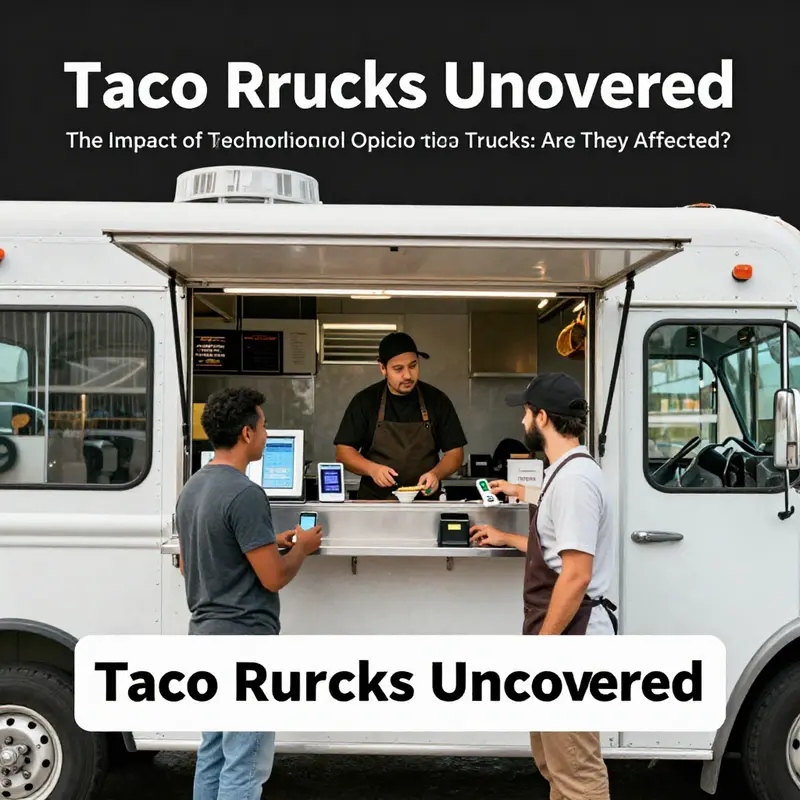
Point-of-sale technology and mobile payments are now baseline tools. A compact point-of-sale terminal, connected to a smartphone or tablet, can accept cards, contactless payments, and digital wallets. This removes a common bottleneck: waiting for cash or change. Transactions speed up, lines move faster, and average ticket times fall. Faster service means more customers served during peak hours. Many taco trucks report hundreds of daily customers, and every minute saved compounds into greater daily throughput and revenue.
Digital ordering and delivery platforms broaden reach. Online menus, pre-orders, and delivery integrations let customers secure meals ahead of time. Real-time order tracking reduces uncertainty for both operators and patrons. Integration with scheduling tools lets truck owners plan service at high-demand time windows and for events. At the same time, social media and mapping services function as modern cornerstones of discovery. A well-timed post or an updated map listing can fill a truck in minutes. These channels replace the old model of static, word-of-mouth routes with dynamic, data-informed placement.
GPS and route optimization affect operations in multiple ways. Real-time location broadcasting helps customers find a truck on the move. For operators who move between neighborhoods, GPS trails reveal where foot traffic and order volume peak. That data shapes smarter daily routes and long-term planning. Fleet operators can also analyze patterns to decide where to station trucks for maximum impact. For trucks that participate in catering or events, GPS-connected scheduling and route planning cut travel time and fuel costs.
Back-of-house systems benefit too. Inventory management apps alert operators when staples run low. Simple scanning and low-stock alerts prevent last-minute shortages of tortillas, proteins, or salsas. Data from sales and inventory can guide procurement decisions, which helps smaller operators scale without overstocking. Automated reordering and supplier integration are now within reach for many trucks, reducing time spent on administrative tasks and increasing hours spent cooking.
Marketing and customer engagement are both tech-enabled. Loyalty programs, email lists, and in-app push notifications keep regulars informed about location changes and daily specials. Visual platforms let chefs showcase new creations, while review sites provide social proof. Good reviews and high ratings drive more discovery, and location-based advertising can target hungry people nearby. For a nimble taco truck, this kind of direct line to customers keeps lines full and menus moving.
Safety and regulatory compliance benefit from technology as well. Temperature sensors and digital logs simplify compliance with health codes. Cameras and alarm systems deter theft and protect staff. Contactless ordering reduces handling and improves hygiene. Together, these systems help trucks remain open by lowering regulatory friction and enhancing customer trust.
Still, the horizon includes transformative automation. Advances in artificial intelligence and autonomous vehicles are reshaping transport industries. Autonomy promises cheaper and faster delivery logistics. For taco trucks, this could mean automated last-mile delivery partnerships. Driverless delivery vans or small autonomous pods could collect orders from a truck and distribute them within a neighborhood. That would let a single truck serve a wider area without needing to relocate constantly.
The immediate effect of autonomy is likely to be logistical. Autonomous systems excel at repetitive, predictable tasks. They can reduce delivery costs and increase delivery windows. That makes delivery a more viable revenue stream for more trucks. But automation also raises questions. If delivery and transport jobs shrink, supply chains may change. Fewer commercial drivers could mean new consolidation among logistics providers. That consolidation could reshape pricing and access for small operators.
Human interaction remains central to the taco truck experience. The sizzle of the grill and the banter with the cook are cultural touchstones. Automation cannot replicate that authenticity. For many operators, the human edge is their strongest defense against commodification. Emphasizing hospitality, storytelling, and live preparation keeps customers choosing trucks over faceless, automated options.
Regulation and infrastructure will influence outcomes. Cities control curb access, parking permits, and food vending zones. As autonomous vehicles enter public spaces, regulators will adapt rules for safety, parking, and curbside loading. Those decisions will affect how easily autonomous fleets can serve food trucks. Truck operators who engage with local policymakers can help shape rules in ways that protect small vendors while enabling innovation.
There are pragmatic steps operators can take now. Invest in robust point-of-sale and inventory systems. Adopt efficient packaging and battery systems to expand service areas. Build direct lines to customers through social platforms and email. Track sales data to choose service locations. Prioritize safety and compliance with digital logs. Most important, design a customer experience that automation cannot replace. Host events, tell the story of your food, and build community ties. Those practices defend against disintermediation by automated delivery platforms.
Automation also presents opportunity. Trucks that partner early with autonomous logistics services can increase delivery volumes while maintaining a physical presence. Shared autonomous collection points could aggregate orders from multiple trucks, cutting delivery costs and expanding hours. Likewise, automated inventory systems and AI-driven demand forecasting can reduce waste and improve margins. Operators who embrace selective automation will likely enjoy efficiency gains without losing the soul of their business.
Technology amplifies choices for taco trucks. It lowers some barriers and raises new strategic questions. For now, automation is not an immediate existential threat. It is an accelerating trend that will reshape delivery and logistics first. The core appeal of taco trucks—their food, immediacy, and human connection—remains intact. Operators who use technology to enhance those strengths will continue to open, operate, and thrive in their communities.
Ultimately, the future will be hybrid. Taco trucks will keep the human heart of the operation. They will also pair that heart with smarter tools. Batteries and efficient packaging will preserve flavor. Point-of-sale and online ordering will speed service. Data will guide where and when trucks set up. Autonomous logistics may expand reach. Operators who balance innovation with authenticity will be best positioned to keep serving neighborhoods for years to come.
For more on how modern energy systems change mobile kitchens, read how lithium battery systems are revolutionizing food trucks for a sustainable future.
Further reading on the broader effects of automation in transport is available from international research on the topic: https://www.itf-oecd.org/automation-changing-work
Final thoughts
The taco truck phenomenon is not just about the food; it’s a blend of culture, community, and culinary creativity. Whether you’re looking for your lunch spot during a busy office day or planning an event to impress guests with the delightful tastes of tacos, knowing where to find these charming trucks matters. As we’ve explored the operational frameworks, cultural importance, and the integration of technology in maintaining these mobile kitchens, it becomes clear that taco trucks are open and ready to serve! Remember, the next time you’re in search of a meal that resonates with flavor and community spirit, taco trucks are undoubtedly the way to go!