
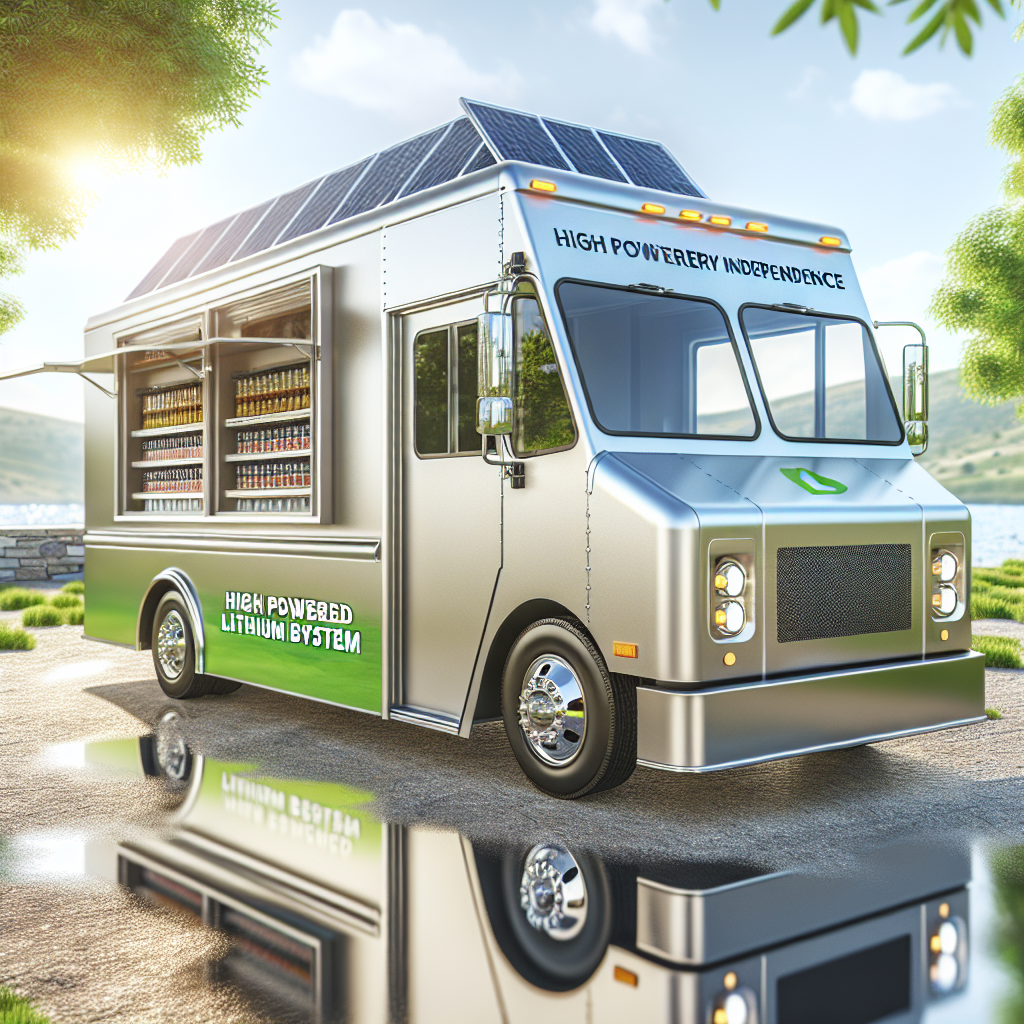
In recent years, the mobile food truck industry has experienced a transformative shift towards more sustainable and efficient energy solutions. Central to this evolution is the rising popularity of lithium battery systems, which provide food truck operators with the reliable power needed to operate kitchen equipment and appliances seamlessly on the go. These advanced battery systems not only enhance operational efficiency but also contribute to reducing the carbon footprint of food truck operations.
With the integration of food service technology, such as sustainable energy solutions and battery management systems, the food truck sector is embracing eco-friendly practices that meet the growing consumer demand for sustainability. As the demand for such solutions continues to grow, lithium batteries are becoming a popular choice, enabling food vendors to serve their customers in diverse locations without being tethered to traditional power sources.
This robust and adaptable energy solution is reshaping the landscape of mobile food operations, marking a significant milestone in the industry’s journey towards sustainability and innovation.
Advantages of Lithium Battery Systems
Lithium battery systems have emerged as a crucial asset for mobile food trucks, due to their diverse advantages that elevate operational efficiency and sustainability. Below are the key benefits:
- Longer Lifespan: Lithium batteries are known for their longevity, typically lasting over 2000 charge cycles, whereas standard lead-acid batteries may only endure 300 to 400 cycles. This extended lifespan reduces replacement frequency, leading to lower long-term costs and less waste.
- Lightweight Design: Compared to traditional battery types, lithium batteries are significantly lighter. This lightweight design results in improved fuel efficiency for food trucks and makes installation easier, allowing for better weight distribution in the vehicle.
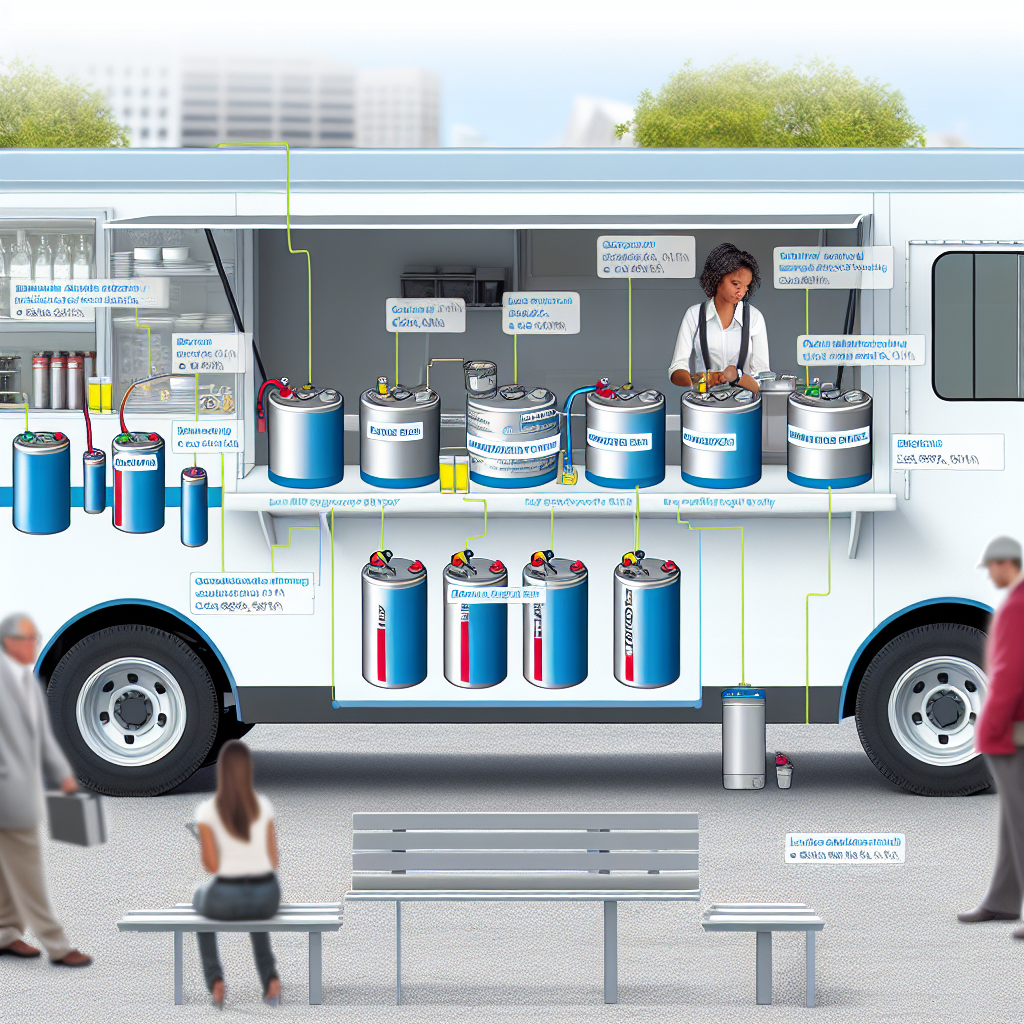
- High Efficiency: These batteries deliver power more efficiently. BBGC3 batteries, for example, provide 10.3 kWh of usable energy at 100% depth of discharge, maximizing power availability for operating kitchen equipment during peak hours.
- Enhanced Safety: Lithium battery systems incorporate advanced management mechanisms that monitor battery health, including voltage and temperature. This proactive management minimizes the risks of overcharging or overheating, providing a safer operating environment.
- Environmental Considerations: When managed properly, lithium batteries have a lower environmental impact both in production and disposal compared to lead-acid batteries, aligning well with the sustainable practices many food trucks aspire to adopt.
These advantages position lithium battery systems as a reliable and forward-thinking option for food truck operators aiming to optimize power management while promoting a sustainable business model.
Enhancing Food Truck Operations with Lithium Batteries
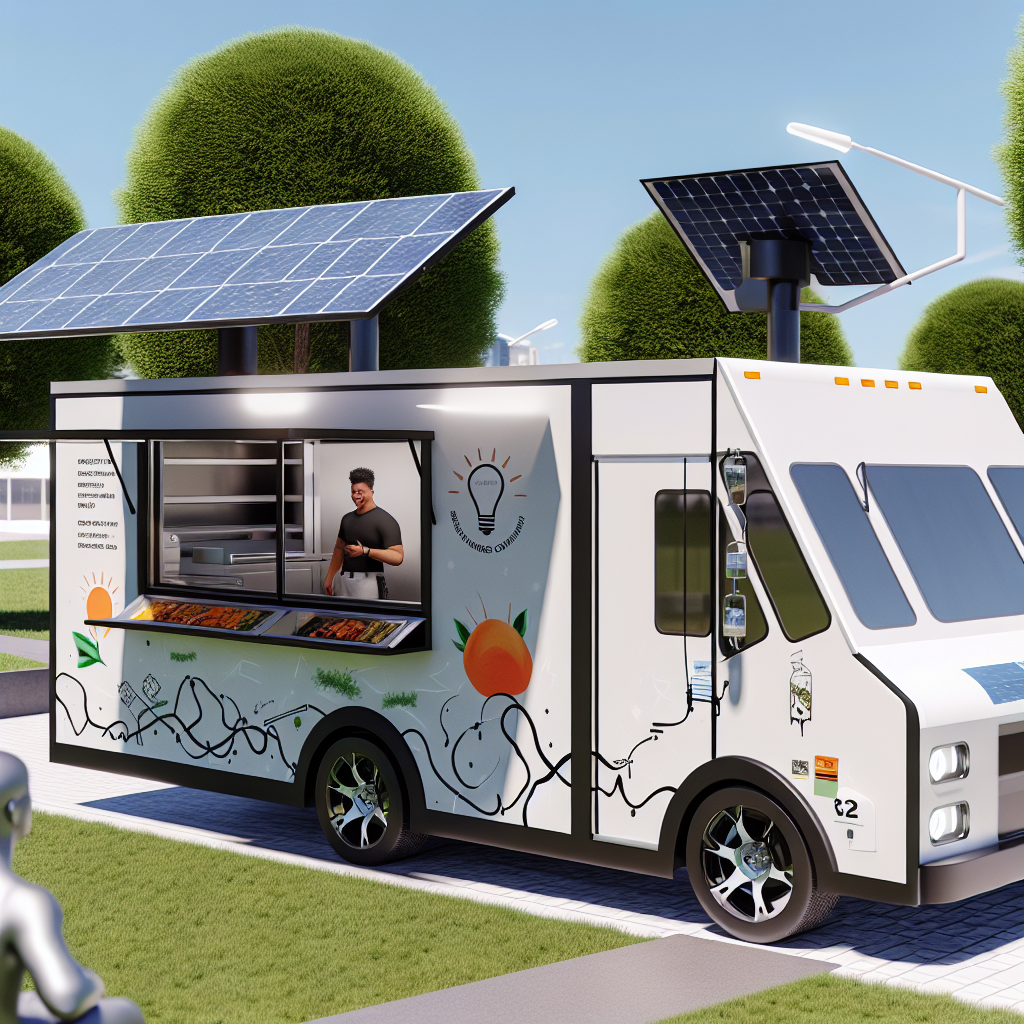
Integrating lithium battery systems brings numerous advantages for food trucks, as highlighted by testimonials from operators like Eric Murphy of the Scream Truck. Murphy estimates millions in savings over time due to the elimination of fuel expenses, showcasing the significant cost reductions that lithium technologies provide. These systems are also appealing to eco-conscious customers, with 78% of consumers prioritizing sustainability in their choices. Furthermore, food truck owners, such as Pari Thitathan from Thai Burger Company, praise the reliability and quiet operation of lithium batteries, saying, ‘It took away my anxiety altogether; these systems are bulletproof.’ By adopting lithium technologies, food trucks not only improve their efficiency but also enhance their brand loyalty and overall customer experience.
The Role of Dragonfly Energy and Airstream Partnership
Dragonfly Energy and Airstream have solidified their partnership to redefine energy standards in the mobile food truck industry. This collaboration has encouraged the integration of Dragonfly’s Battle Born lithium battery systems into Airstream’s product lines, significantly benefiting food trucks that seek robust energy solutions for reliable operation in diverse environments.
The most notable step came with the announcement that Airstream’s Model Year 2026 Interstate and Atlas motorized lines will standardize Battle Born LiFePO₄ batteries, reflecting a commitment to powerful, sustainable energy solutions. These batteries offer 10.3 kWh of usable energy at a 100% depth of discharge, promoting off-grid capability crucial for mobile food operations. An extra boost of power is available through optional additional battery capacities, supporting extended cooking, refrigeration, and service times that food trucks operate during busy hours.
Incorporating advanced features such as cold-weather heating, solar compatibility, and alternator charging, this partnership not only enhances operational efficiency but also aligns perfectly with the growing trends towards sustainable practices. By enabling food trucks to operate independently of traditional power sources, this collaboration sets a new standard that can influence the entire food service industry. As the mobile food truck sector increasingly looks to integrate eco-friendly solutions, Dragonfly Energy and Airstream are paving the way for a future where sustainability and reliability go hand in hand.
This partnership illustrates the possibilities of modern technology in mobile food operations, encouraging other suppliers and manufacturers to consider similar integrations that support a more sustainable approach to food service operations.
By showcasing the reliability of lithium technologies, food trucks utilizing Airstream’s chassis can enjoy efficient energy management systems that favor lower emissions and less fossil fuel dependence, setting a precedent for industry practices as mobile food solutions advance.
Comparison of Lithium Battery Systems for Food Trucks
| Battery Model | Capacitance (kWh) | Weight (lbs) | Depth of Discharge (%) |
|---|---|---|---|
| Battle Born BBGC3 | 10.3 | 31 | 100 |
| Renogy Smart Lithium | 12.8 | 31 | 95 |
| Aims Power Lithium | 12.8 | 28 | 100 |
| Lion Energy Safari | 14.0 | 33 | 100 |
Case Studies of Food Trucks Using Lithium Batteries
The transition to lithium battery systems has proven transformative for various food trucks, enhancing operational efficiency, sustainability, and customer satisfaction. Here are two notable case studies:
Scream Truck
Scream Truck has successfully transitioned from conventional generators to Joule Case lithium battery systems. This shift has brought about significant improvements, including:
- Cost Savings: By eliminating fuel expenses, the food truck is projected to save millions of dollars over time.
- Environmental Impact: The shift has led to reduced emissions, contributing to a smaller carbon footprint.
- Operational Flexibility: The food truck can now explore new business opportunities without the noise or pollution typically associated with generators, positively enhancing its brand image.
Melissa’s Truck
Melissa’s Truck adopted an electric battery system following recommendations from her builder, leading to multiple benefits:
- Regulatory Compliance: By switching to battery power, the food truck could adhere to regulations in locations that restrict the use of generators.
- Efficiency Gains: The food truck has experienced improved energy efficiency, resulting in minimal downtime during operations.
- Enhanced Customer Experience: Quieter operations have led to higher customer satisfaction and lower maintenance costs compared to traditional combustion engines.
Engines Off Program
This program helps food trucks transition to battery systems, providing substantial benefits:
- Financial Aid: Food trucks can receive up to 80% coverage of costs (capped at $20,000) when switching.
- Operating Cost Reduction: On average, food trucks can save $50,000 over five years compared to relying on generators.
- Noise and Emissions Reduction: Battery systems provide a quieter and cleaner power alternative, greatly improving the customer experience.
Challenges Faced by Food Trucks with Battery Systems
Integrating lithium battery systems in food trucks brings a suite of challenges that operators must navigate.
- Cost: The initial investment for lithium batteries can be higher compared to traditional power sources. While they promise long-term savings, the upfront costs can be a significant consideration, particularly for new food truck operators.
- Space: The limited space in food trucks can make it difficult to install larger battery systems. Space constraints necessitate careful planning and often lead to compromises in battery capacity or functionality.
- Weight: Although lithium batteries are lighter than conventional lead-acid batteries, maintaining an optimal weight balance for fuel efficiency remains a key concern. Proper weight distribution in food trucks is essential to ensure smooth operation and avoid handling difficulties.
- Electrical Compatibility: Ensuring the battery system integrates seamlessly with existing electrical setups can be tricky. Food trucks often have unique electrical needs, making it crucial to evaluate compatibility before making a purchase.
- Maintenance and Lifespan: Users must be aware of how to properly maintain lithium batteries to maximize their lifespan. Inadequate maintenance can lead to performance issues, and evolving technology may render some systems obsolete quickly.
Solutions and Advice
To effectively overcome these obstacles, food truck operators can consider the following solutions:
- Prioritize Appropriate Systems: Choose battery systems that fit the space and weight requirements for the vehicle. Investing in compact yet powerful options can help mitigate some spatial issues.
- Explore Financing Options: Look for financing or subsidy programs that can alleviate the burden of upfront costs. Many states or local governments offer grants to promote clean energy solutions.
- Engage Skilled Technicians: Employ qualified technicians for installation to ensure compatibility with the existing systems and adequate performance.
- Educate on Maintenance: Operators should invest time in learning proper maintenance practices to extend battery life and achieve optimal efficiency, enhancing overall operational performance.
By proactively addressing these challenges, food truck operators can successfully integrate lithium battery systems, reaping the benefits of modern energy solutions while maintaining efficient and sustainable operations.
Conclusion
In conclusion, lithium battery systems are revolutionizing the mobile food truck industry by providing a reliable and efficient energy source that aligns with the growing demand for sustainability. These advanced systems not only enhance the operational capabilities of food trucks by supplying consistent power to kitchen equipment, but they also offer significant environmental benefits by reducing reliance on fossil fuels and minimizing emissions.
As food truck operators increasingly seek to optimize their power management solutions, lithium batteries present an optimal choice that supports innovation and eco-friendly practices. With partnerships like that of Dragonfly Energy and Airstream setting new standards, the potential for lithium battery systems in mobile food operations seems limitless. Embracing these technologies equips food truck vendors not only for the current market demands but also positions them favorably for the future, where sustainability is paramount to success.
“We’re committed to not only meeting today’s energy storage demands, but also shaping the future of the industry through advanced performance, reliability, and sustainable innovation.”
— Dr. Denis Phares, CEO of Dragonfly Energy
Connecting the Dots: Dragonfly Energy and Battery Systems
The partnership between Dragonfly Energy and Airstream is not only transforming mobile food trucks; it sets the stage for the entire battery systems landscape. With Dragonfly’s innovations in lithium technology, especially their Battle Born batteries, food trucks can confidently operate off-grid. This seamless integration facilitates a greater diversity in service options for food vendors, as they now have the power to explore various locations without being confined to traditional electrical sources.
Following the overview of Dragonfly Energy’s partnership, it is essential to compare the various battery systems available for food trucks. Understanding the differences between models allows operators to make informed decisions tailored to their specific operational needs, ensuring their business remains both efficient and sustainable.
Industry Insight
“The future of the food truck industry is directly tied to sustainable and efficient energy solutions. The innovations in battery technology are not just enhancements; they are essential for survival.”
— Chris Rahrig, Industry Expert

