
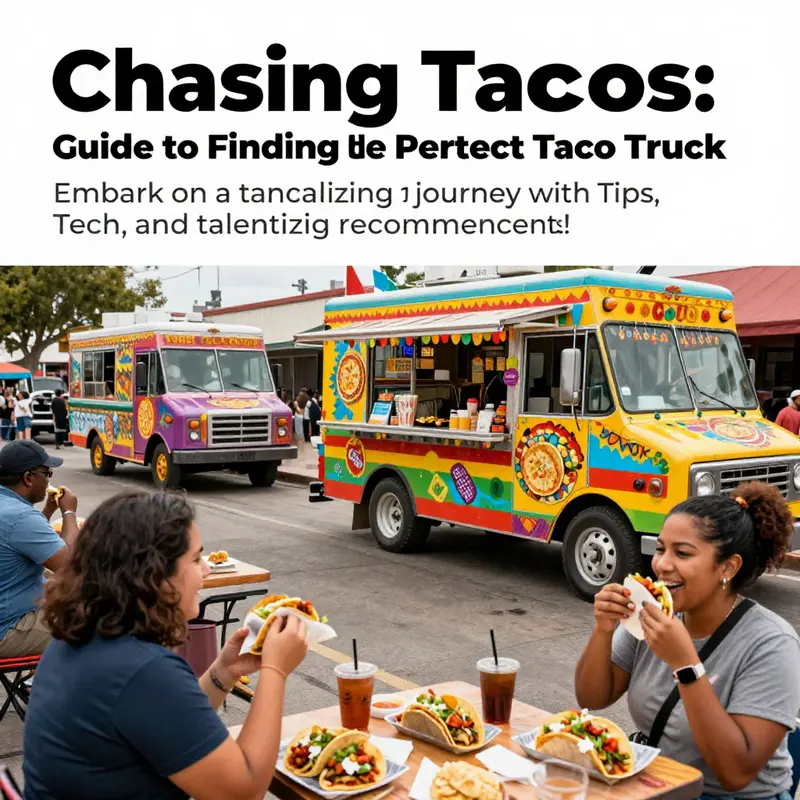
Tacos are more than just food; they are a vibrant experience brimming with culture, flavor, and community. Whether you’re a taco aficionado or simply craving a flavorful lunch on a busy workday, locating a taco truck near you can be a delightful adventure. In this guide, we will explore dynamic ways to find the taco truck that’s closest to you, the technology that can streamline your search, must-visit taco hotspots, and insider secrets for enhancing your experience. Ready to dive into a world of tantalizing tacos? Let’s get started!
Finding the Taco Truck Near Me: Real-Time Strategies to Locate the Best Street Tacos
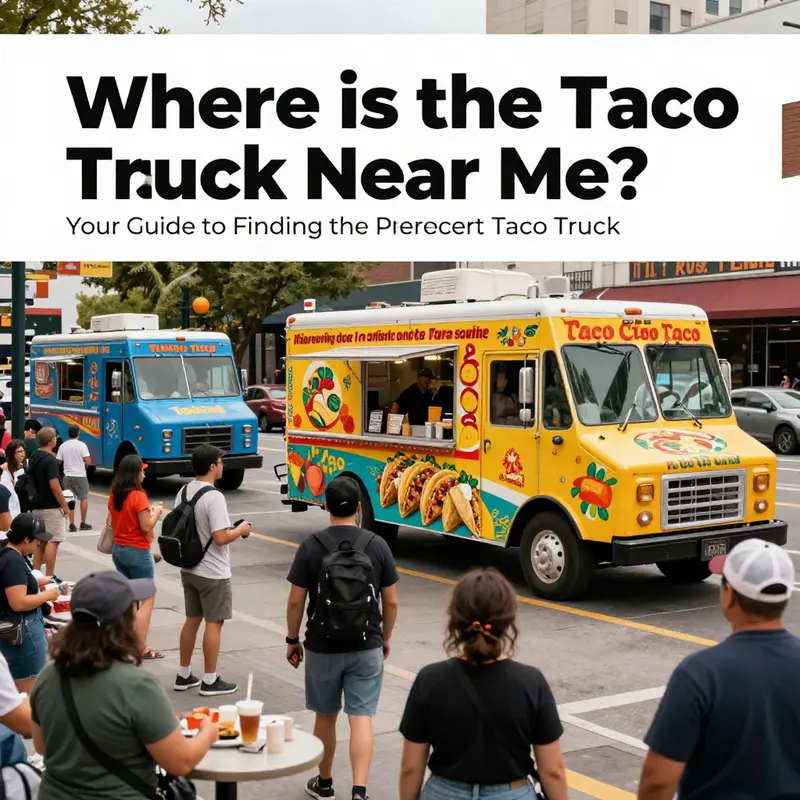
When you want a genuine taco from a truck nearby, speed and accuracy matter. The difference between wandering blocks and arriving at a steaming window is a few simple choices. Use tools that show live locations, cross-check with local chatter, and learn how trucks move through neighborhoods. That combination delivers not only where the taco truck is, but which one matches your cravings.
Start by enabling location access on your phone. Allowing a mapping or finder service to use your GPS gives you precise results. Many food-truck trackers and map services display trucks currently open and their short-term stops. They also show operating hours and ratings from people who were there the same day. If a truck lists a menu in its profile, you can confirm whether it serves your favorite filling before you go. These live signals save time and prevent disappointment.
Look for tools that focus on mobile vendors and that offer filters. Filter by distance to avoid long detours. Filter by cuisine when you want tacos specifically. Filter by hours to find trucks open now. Good trackers also provide push notifications when a favorite truck parks near you. If you want regular access to a particular truck, saving it in a favorites list or subscribing to updates is invaluable. Notifications mean you don’t have to hunt; the truck finds you.
Social media remains one of the fastest ways to catch a truck’s real-time location. Many vendors post their daily route and last-minute changes there. Local food communities do too. Search recent posts or stories tagged with the neighborhood name and the cuisine. That lightweight approach often reveals pop-ups, special menu items, and collaborations with nearby businesses. Community groups also note sudden cancellations or long lines, which helps you decide whether to walk over or choose another option.
If you prefer an offline angle, learn where trucks commonly gather. Lunch shifts often cluster near business districts and construction sites. Evenings draw more customers to parks, plazas, and popular nightlife corridors. Markets, fairs, and late-night event spaces are reliably productive places to find a variety of trucks. Developing a mental map of these hotspots in your city reduces the need for constant searching.
Health and safety are part of the decision. Many local enforcement agencies publish permit statuses or health inspection records online. A quick check of a truck’s visible permit and cleanliness at arrival is good practice. Trucks that display their certifications usually operate openly and responsibly. If you have dietary concerns, examine the menu for ingredient transparency. Trucks that list allergens or offer built-to-order options are often more accommodating.
Payment options can influence your choice. Some trucks still accept cash only. Others take cards or mobile payments. Confirm the payment methods in advance to avoid awkward waits or missed meals. If you plan to tip, bring small bills. That speeds service and shows appreciation to the people preparing your food.
Timing is critical. Peak lunch windows and late-night rushes tend to be busiest. If you want a shorter line, aim for the opening minutes of a shift. Arriving at the tail end of a service block can also be quieter, but it risks a sold-out menu. If you’re chasing a specific menu item, check whether the truck limits quantities. Popular items may sell out quickly; ordering early or calling ahead helps.
Understand the rhythm of routes. Many vendors have fixed weekly stops and rotating schedules. Others roam unpredictably, appearing at private events and pop-ups. Regulars often share these patterns in comments or group chats. After a few visits, you’ll recognize a truck’s cadence: where it parks on Tuesdays, which neighborhood it favors on weekends, and which events attract its presence. That knowledge turns random hunts into reliable outings.
When a finder or map lists multiple taco trucks nearby, use ratings and recent reviews to choose. Recent comments are more useful than long-ago praise. Look for notes about consistency, portion sizes, and flavor profiles. Photos from other customers can reveal plating and portion scale. If a truck posts its menu, match that to your preferences—some specialize in traditional fillings, others in experimental combinations. Pick the truck whose style fits your craving.
If you often seek trucks, assemble a short list of reliable vendors and their typical neighborhoods. A personal directory makes spontaneous decisions faster. Include notes like payment types, best times to arrive, and signature items. After a few visits, you’ll know which trucks to prioritize for quick weekday lunches and which ones are worth a longer trip for exceptional tacos.
Respect local rules and private property. Trucks park on designated spots and permitted lots. If a truck is on private property, the owner might limit access or require purchases from the host. Follow posted signs and the instructions of staff or property managers. Parking in unauthorized zones can lead to fines or service interruption for the vendor.
If you plan to attend events where multiple trucks gather, arrive early. Food lines build quickly at popular festivals. Bring portable seating or plan to eat while walking. Larger gatherings are the best chance to try several trucks in one outing. They also let you compare styles side by side and discover new favorites.
When a tracker shows no trucks in your immediate area, expand your radius. A five- to ten-minute drive often reveals several options. If driving, check local parking rules where the truck will stop. In denser urban areas, choose a truck within walking distance to avoid parking hassles. Public transit can also be an efficient way to reach concentrated food-truck zones during busy hours.
For group orders, contact the truck in advance when possible. Some vendors accept pre-orders or scheduled pickups. That approach ensures timely service, especially for larger crowds. Pre-ordering also helps vendors manage inventory and keeps lines moving for all customers.
Be mindful of rush costs and inventory limits. Popular vendors may raise prices or reduce portions during busy events. Pay attention to menu notes about special pricing. If a truck is part of a private event, offerings might differ from their regular menu. Expect variations and keep an open mind—limited-time specials are often the best discoveries.
If safety is a concern, choose trucks that operate in well-lit, busy areas. Trucks with visible staff and orderly queues typically provide safer, more reliable experiences. Trust your instincts about the setup and surroundings. If something feels off, step away and check another option.
Over time, build relationships with vendors you frequent. Regular customers often receive early notices of route changes and special menu days. They also get better service, personalized recommendations, and sometimes priority during busy periods. A friendly rapport benefits both you and the vendor.
Finally, if you’re exploring the taco-truck scene as a newcomer or visitor, try local curated guides and event calendars. They spotlight gatherings, collaborations, and seasonal tours. These curated lists cut through noise and highlight vetted vendors. For those who want a deeper look at the equipment and models behind successful mobile kitchens, a short guide on top taco truck models can provide background and context—see Top taco truck models for culinary success for more on how trucks are built to serve efficiently.
For live, up-to-date locations of food trucks, consult a dedicated real-time food-truck finder to pinpoint who’s parked near you now: https://www.truckfindr.com/
Where is the Taco Truck Near Me? Utilizing Technology to Find It
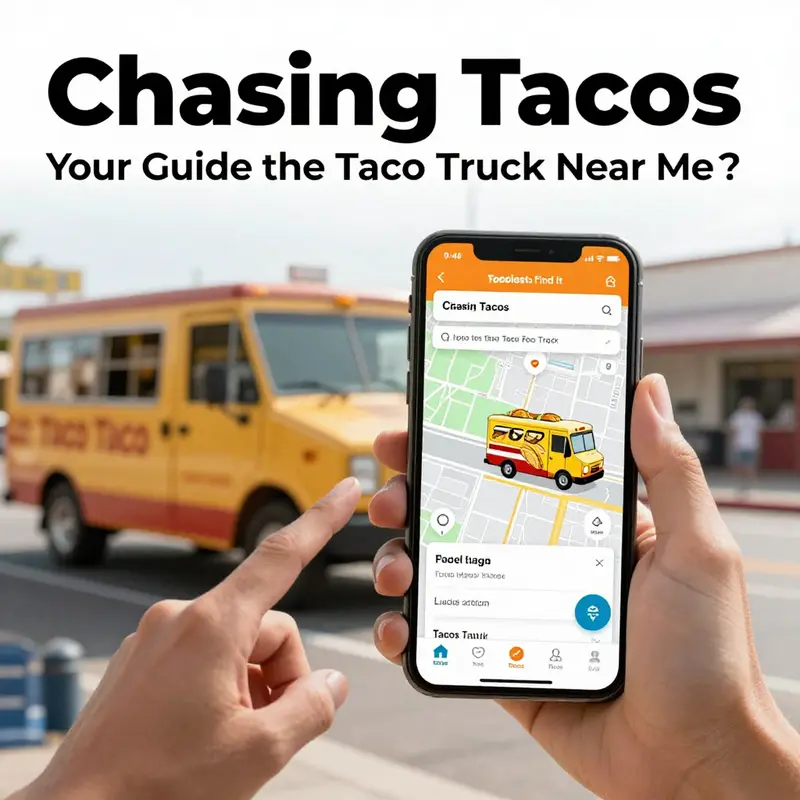
A single bite often begins with a search that happens in real time. In cities and towns across the country, the familiar ritual of chasing a taco truck becomes a seamless, technology-assisted quest rather than a guess-and-hope endeavor. The moment you open a location-enabled app or a browsable map, a live constellation of mobile kitchens lights up your screen. Each dot represents a vehicle in motion, each flicker of a pop-up reveals not just where the truck is but where it is headed, what it is serving, and when it will be back in your neighborhood. This is not a casual map game; it is a practical, on-demand system built around real-time data, dynamic routing, and user-generated signals that tighten the link between hunger and hand-held convenience. The experience turns the hunt into a service—the meal appears where you are, sometimes within minutes, sometimes after a short detour that’s worth the extra kilometers when the taco is right.
At the heart of this transformation is real-time location data. Mobile platforms digest streams from GPS signals broadcast by the trucks themselves and from volunteers who check in, creating a living map of current activity. On your end, you don’t just see a static list of vendors; you see live markers on a map, sometimes accompanied by a scaled indicator of how busy a truck is likely to be, and an estimated time to reach. The information layers extend beyond location. A quick touch reveals a truck’s menu highlights, its operating hours for the day, recent customer feedback, and, in many cases, the expected wait time. It is a compact bundle of practicality: what’s cooking, where it is right now, when it will turn the corner into your neighborhood, and whether the line is worth joining.
The shift toward this integrated experience has a practical impact on how people plan their meals. Previously, hunger could lead you to wander or to hazard a late-night search that yielded a few nearby options with uncertain hours. Now, the map becomes a planning tool. You can compare nearby options at a glance: proximity, variety, price range, and times. You can tailor your search to the moment—today’s craving for a specific style of street taco, or perhaps a lighter option when you’re near a park bench or a late-night stop after an evening class. With a couple of taps, you can switch from casual curiosity to a precise plan, and then monitor changes in real time as trucks move or shift routes to serving windows near you.
This is facilitated by multiple layers of technology that feed the map. The most obvious is the live positioning feed—each truck acts as a mobile node in a network that keeps itself up-to-date through continual signaling. But the map also ties into richer data streams: the truck’s most recent updates about the day’s menu changes, seasonal offerings, or substitutions if a key ingredient runs short. The engine behind the experience also takes advantage of the crowd. Community signals—check-ins, photos, and quick user notes about trends in wait times—offer a qualitative overlay that helps determine whether a stop is a quick bite or an occasion. The result is a dynamic, responsive ecosystem where diners get not only directions but a sense of the moment’s flavor and tempo, a snapshot of street-food life in motion rather than a fixed storefront with fixed hours.
For those who own or operate a taco truck, this network has a different, no-less-significant value. Real-time location systems overlap with supply-chain and fleet-management concepts, allowing operators to optimize routes, balance demand, and respond quickly to city regulations or weather disruptions. A strategic sourcing perspective that has emerged in recent years emphasizes turnkey, responsive mobility—vehicles that can be deployed, repositioned, or upgraded with minimal downtime. In practice, this means a truck can re-chart its day based on live demand signals, or a fleet operator can adjust coverage in a given zone to meet peak mealtime appetites. The capability to monitor and adjust on the fly is turning the street-food business into a more agile, data-informed enterprise, where uncertainty is managed rather than endured.
The legal and ethical landscape also shapes how these tools are used. Location services rely on consent, privacy settings, and transparent data handling. As platforms surface more personalized recommendations, the question becomes not only what is offered but how it is inferred. The most robust systems incorporate safeguards that minimize intrusive profiling while still delivering value—suggestions informed by your current location, your recent choices, and the times you typically search for food. In this sense, the technology works best when it remains a helpful assistant, not a surveillance engine. As a diner, you gain convenience; as an operator, you gain insight that can refine service, menus, and hours to better meet the rhythms of neighborhoods.
The practical use of these tools extends beyond the immediate hunger pang. On a broader level, the same family of platforms helps illuminate the ecosystem around taco trucks as a form of urban commerce. The data feeds reveal patterns about where street-food activity clusters, which neighborhoods become favorites for certain cuisines, and how seasonal or culinary trends shift across a city. This isn’t merely about finding a truck for tonight; it is about understanding the street economy that brings vibrant flavors to urban life. Even the sourcing narrative—how operators acquire equipment, refurbish, and set up in new venues—gets a data-driven gloss. The interconnected web of live-location networks and procurement dashboards shows a market where small, mobile kitchens can scale with the right partners, the right permit structures, and the right access to materials.
In the end, what makes the near-me taco truck a reliable, repeatable experience is a combination of accurate positioning, timely updates, and interpretive signals from a broad user network. The map is more than a gateway; it is a situational interface. It invites you to compare tempo—the speed of service, the pace of the line, the cadence of a truck’s rotation through neighborhoods—and to calibrate your choices to the moment. The result is a practical choreography: you walk into a restaurant window, the truck rolls into the lot, or the cart pivots to a curbside stand, all guided by a constellation of real-time data that feels almost instinctual.
If you want to explore the technology deeper, consider how these systems are presented and what they encourage. A user can start with a broad sweep of nearby options and then refine by cuisine type, price, or distance. Machines surface trends, but it is the human palate that judges the results—the aroma drifting from a window, the sizzle of meat on a flat top, the balance of heat and brightness in a salsa. The technology does not replace taste; it accelerates discovery, lowers friction, and expands the geographic horizon of street-food lovers. And as the appetite travels with the person, the map travels with it, translating appetite into movement with elegance and speed.
For readers curious about how technology shapes the broader taco-truck world beyond locating them, there is a deeper conversation about how different platforms contribute to the entrepreneurial ecosystem. See top-food-truck-models-for-entrepreneurs to explore how operators tailor fleets, menus, and service models to local demand and logistics. This link offers a gateway to understanding how technology underpins the business decisions that turn a mobile kitchen into a sustainable venture rather than a temporary spectacle.
As you journey through the urban map, remember that the same tools you use to find a taco truck can be used to plan a broader culinary excursion. Check hours, compare fare, gauge popularity, and look for patterns in where the trucks congregate on different days of the week. The system rewards curiosity and iteration: the more you engage with it, the more accurate and personalized the suggestions become. And because the internet-connected food-truck economy is global in its reach and local in its flavor, you may discover a neighborhood you had never explored, a dish you had not tasted, or a new combination that reshapes your idea of a taco.
In closing, the near-me taco truck is not just a mobile vendor; it is a node in a living network. Technology has given it legs, a memory, and the ability to adapt in real time. The consumer gains a map that feels almost prescient, one that respects your time, your hunger, and your sense of adventure. The overlap of live location, user feedback, and adaptive menus creates a culinary experience that is as flexible as it is flavorful. And as the city continues to evolve, so too will the ways you find and enjoy the tacos you crave. For a broader view of how technology intersects with the street-food entrepreneurship that powers these moments, the linked article on taco-truck models offers a thoughtful extension into how operators balance innovation with tradition, scale with sustainability, and local appeal with nationwide visibility. External resource: https://www.truckfindr.com/
Finding the Taco Truck Near Me: Cities, Real-Time Strategies, and Trusted Recommendations
Finding the Taco Truck Near Me: Cities, Real-Time Strategies, and Trusted Recommendations
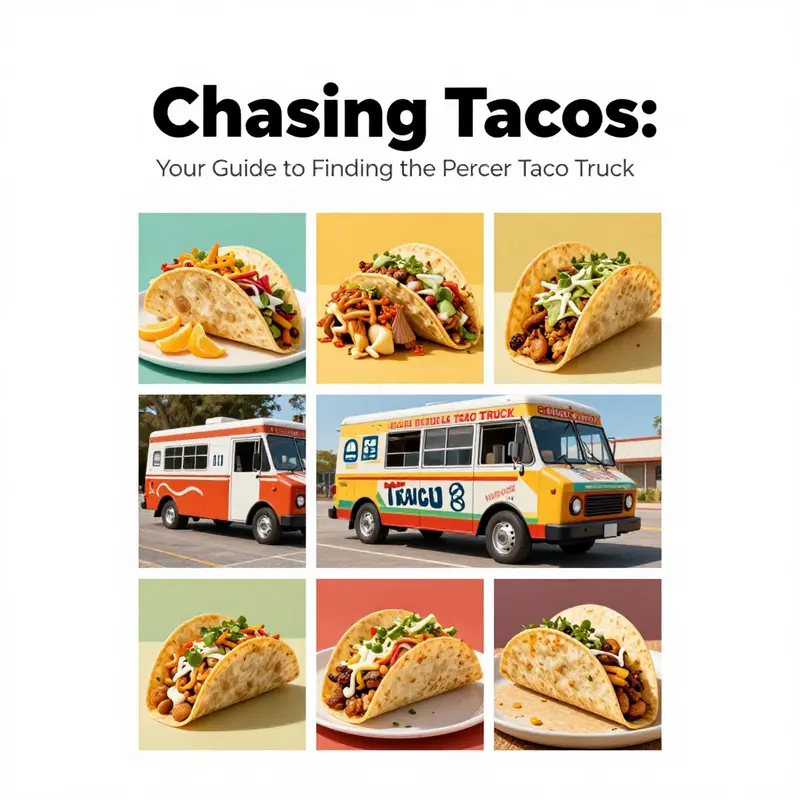
If you want to locate a taco truck nearby, you need more than luck. The best results come from combining live location tools with a few on-the-ground habits. This chapter walks through how to spot the best nearby mobile taco vendors, what to look for in different cities, and how to choose a reliable option when you find one.
Start by thinking like a local. Taco trucks tend to cluster where people gather — commercial corridors, industrial edges at lunch hour, night markets, and neighborhoods known for late-night dining. In large cities you’ll find them at curated food truck parks and cultural festivals. In smaller towns they often base near busy street corners, university gates, or event spaces. Patterns repeat across continents: a well-reviewed mobile vendor in Milan draws steady evening crowds, while another in Melbourne does well near sports and concert venues. Those are examples of how context matters more than brand names.
Real-time location matters. Use a live map or finder to see which trucks are reported as active. These tools show current operating status, hours, and sometimes menus and recent photos. When a truck appears as open and has several recent check-ins, chances are good the food is fresh and the line moves. Look for entries with multiple, recent reviews and pictures taken the same day — that indicates current service, not an outdated listing.
Social signals are another immediate cue. Many mobile vendors post live updates on social feeds: where they’ll park, when they’ll restock, or whether they’re off for a private event. If you spot a vendor announcing a stop near your neighborhood, that’s often the fastest way to find them. When live posts match a map listing, you can be confident the location is accurate.
Timing changes everything. Lunch shifts tend to favor business districts and healthcare campuses from late morning through early afternoon. Evening crowds often form at nightlife hubs and food truck parks starting mid-evening. Late-night taco trucks gravitate toward areas with bars or late-shift workers. If your goal is a short wait, aim for the moment when a truck opens up or after the first wave of customers leaves.
Neighborhood knowledge helps refine searches. In international cities, mobile Mexican-style vendors often appear near tourist quarters and multicultural districts. In the U.S., look for neighborhoods with a history of street food culture; those areas usually support rotating vendors with distinct menus. In European and Australian cities, taco-style trucks can be found where street food markets thrive. When you see a gathering of food trucks, odds are at least one will offer tacos or taco-style food.
Evaluate listings carefully. A complete listing will include approximate hours, recent photos, and multiple reviews. Pay attention to recent comments about speed and consistency. A vendor with steady five-star reviews across months signals quality and reliability. Conversely, lots of recent complaints about inconsistent hours suggests the truck might be operating on an irregular schedule.
Health and safety are practical considerations. Mobile vendors operating in cities with strict health codes will often display inspection scores or link to relevant permits. If available, check recent health inspections. If not public, you can still use indirect indicators: visible food prep areas that look clean, staff using gloves, clear labeling of allergens, and a steady flow of customers are reassuring signs.
Menu clarity saves time. The best taco trucks focus on a concise set of items done exceptionally well. Look for a short, clearly written menu and a few signature items. If a listing includes photos and descriptions of ingredients, it makes ordering faster and reduces surprises. Many vendors highlight vegetarian or gluten-conscious options; those that do typically cater to broader crowds and understand food safety.
Pay and pickup options matter for convenience. Some mobile vendors accept cash only, while others offer contactless or mobile payments. Listings that specify accepted payment methods help you arrive prepared. Similarly, check whether the truck offers curbside pickup or preorders through third-party apps; preordering can cut wait times significantly.
What to expect in different cities varies. In continental cities known for vibrant street food, a well-reviewed taco truck might rank among thousands of local restaurants. There, the truck likely serves a fusion-style menu blending local tastes with traditional flavors. In cities with an established street food and nightlife culture, mobile vendors often adopt late hours and creative pairings designed for go-to crowds. Recognize that regional adaptation is normal: you may find local twists on classic taco fillings.
If you plan to follow a vendor or explore multiple options, create a short checklist: confirm the truck’s latest post or map status, note payment methods, peek at recent images for queue length, and check reviews for wait-time comments. These quick checks save minutes and reduce disappointment.
For those dreaming beyond finding a meal, the mobile-vendor market is also a place to learn about sourcing and operations. Entrepreneurs considering a taco truck can explore available vehicle models, kitchen layouts, and supplier options. If you are curious about what makes a reliable truck platform, see this guide on the most effective taco truck models for culinary success: Top 5 taco truck models for culinary success. It covers how design choices affect service flow and menu possibilities.
When you identify a promising truck, there are smart ways to order. Choose one or two signature items first; vendors with limited prep space excel when they specialize. Ask about popular modifiers and portion sizes, and request estimated wait times. If the truck is busy, consider ordering a popular item that cooks ahead; this often shortens the queue. Offer clear, simple payment to speed up the transaction.
Respect the operations. Mobile vendors often juggle supply, prep, and serving with minimal staff. Line etiquette helps everyone: have payment ready, group orders together, and avoid lingering in crowded service zones. If you enjoy the food, a quick compliment goes a long way. Many vendors rely on word-of-mouth and social posts, so share a photo or a short review to help others find quality options.
Expect regional price variations. In some cities, a taco plate is a budget-friendly street-food staple. In others, particularly tourist-heavy or high-rent neighborhoods, prices may be higher to account for licensing and logistics. Checking a recent menu photo and comparing it with local norms gives you a sense of value before you commit.
Finally, use the right tools wisely. Live map tools, vendor posts, and local listings together give the most accurate picture of where a taco truck is and whether it’s worth the trip. When these sources align, you can head out confidently. When they don’t, choose the most recent signal: a post from the truck itself or a map entry updated minutes ago usually beats older reviews.
For a quick, reliable route to what’s active nearby, try a dedicated food-truck finder that streams live updates. These finders aggregate vendor locations and status in real time, saving you time and guesswork. (https://www.truckfindr.com/)
This approach — combining live tools, social signals, neighborhood know-how, and a shortlist of ordering priorities — turns the hunt for a nearby taco truck into a predictable, rewarding routine. Whether you’re in a major metropolis or a smaller community, the same core steps help you locate great mobile tacos more often, faster, and with less guesswork.
Pinpointing the Nearest Taco Truck and Getting the Street Taste at Home
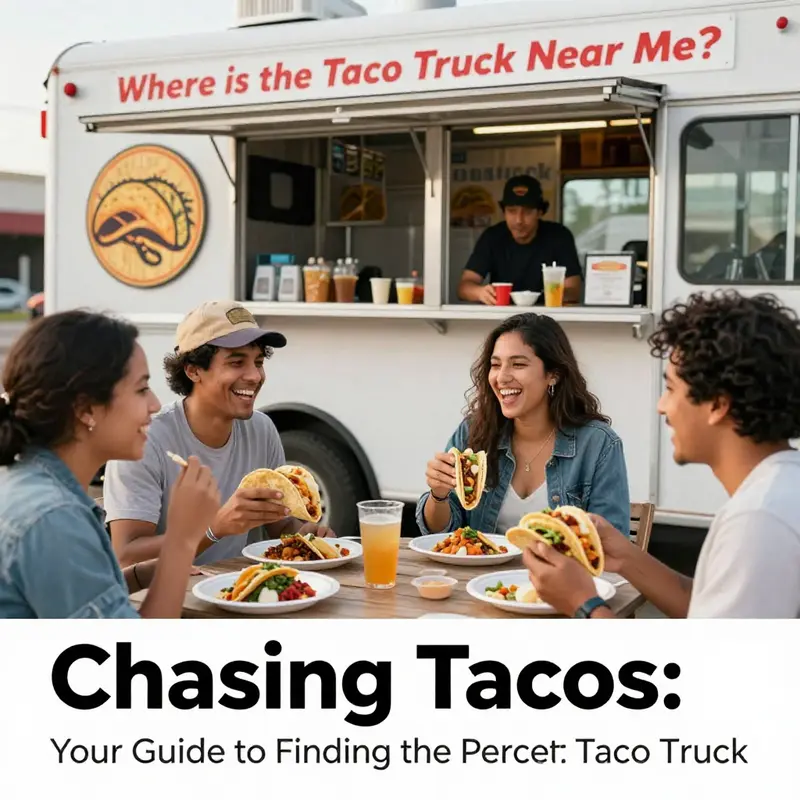
Finding the truck fast while keeping the experience memorable
When you ask where the taco truck is near you, what you really want is more than a location. You want the smell of char, the sound of sizzling meat, and that lightning-quick order that turns into a perfect, handheld meal. Start by using a real-time food-truck locator or map query that reads your device location. These services show vendors currently operating, their hours, and recent customer photos. Treat the map result as a live tip, not an immutable fact; trucks move, they park for events, and their hours can change on short notice.
Open the map or locator and enable precise location. Give the tool permission to see your position. Zoom into the neighborhood rather than scanning a whole city. Look for pins or markers that show trucks, pop-ups, or street vendors. Click a listing and check three quick things: an approximate schedule, a recent photo, and any available menu notes. If the listing shows user comments, prioritize recent posts. A positive comment from days ago is worth less than a photo taken an hour ago.
If a truck looks promising, call or message if a contact is provided. Many vendors update a social feed or a locator entry when they change location. When a direct contact is unavailable, use the freshest customer photo as your confirmation. Scan images for the truck’s signage, a visible menu, and the crowd size. A crowd often signals consistent quality, but a tiny line can mean faster service. Plan for both: arrive early to beat the rush, or time your arrival mid-service when cooks will be focused but not overwhelmed.
When you arrive, observe the setup before you step into the service window. Note where orders are placed, where pickup happens, and whether the truck accepts digital payments. If a truck accepts only cash, allow a minute to find an ATM or prepare exact change. If tips are customary in your area, have small bills ready. Be polite, and keep your place in line. The simple etiquette of a clear order and a quick thank you speeds service for everyone.
Look for signals of authenticity and quality. Freshly made tortillas, visible smoke from a griddle or trompo, and simple ingredient lists point to a vendor that prioritizes flavor. High-rated trucks often focus on a tight menu done well. Fewer items usually mean each item gets more attention and better execution. If a menu highlights marinated meats and fresh salsas, that is a promising sign. Ask about heat level rather than assuming. Many cooks prefer to adjust seasoning at the end rather than over-spice a taco from the start.
Photos and reviews are helpful, but context matters. A glowing review about a breakfast burrito does not guarantee the evening al pastor is equally good. Look for multiple mentions of the same dish. If several recent customers praise a particular taco, it is likely the truck’s specialty. Check the timestamp on reviews and photos. A two-year-old glowing post has less value than a picture taken today of a full grill.
Safety and accessibility should come first. Park legally and be mindful of bike lanes and sidewalks when walking to a truck. If you are in an unfamiliar neighborhood, consider a buddy or a short walking route from a nearby, well-lit area. If you see food-safety practices like separate utensils for raw and cooked foods, covered containers, and visible handwashing stations, that indicates attention to hygiene. Trust your instincts; a busy truck can still practice poor safety standards.
Ordering smart saves time and elevates the meal. If the truck offers a combo or a sampler, it is a quick way to taste the vendor’s range. Order a basic version of a dish first, then add extras if you want to try more. When the cook asks how you want it, specify one or two preferences. Too many special requests can slow down a busy line and increase the chance of errors. If you want to replicate a street taco at home later, ask the cook a brief question about the meat cut or the salsa base. Many cooks will answer a friendly query.
If the truck allows preorders through a website or an app, use that for larger groups. Preorders minimize wait time and reduce the stress on the crew. For single orders, be ready with payment and a concise order. Smile and keep your interaction efficient; crews at peak times appreciate brisk communication.
Turn the street experience into a reliable habit. Many vendors attend the same locations on regular days. Track them in your calendar or follow a vendor’s official updates where available. If you have a favorite, make a note of the best time to arrive. Some trucks finish certain dishes quickly; getting to the window during their prime ensures you taste the best fare.
Bringing the street taco home: a simple pressure-cooker method for tender, flavorful meat
If you can’t reach the truck, recreate the experience at home with a pressure-cooker technique that produces tender, juicy meat and concentrated flavor. Use a high-quality cut of beef or pork trimmed of excess fat. Season the meat with salt, pepper, and cumin. Add a dry rub or a marinade with garlic, onion powder, and chili flakes for depth. Place the seasoned meat and a cooking sauce into an electric pressure cooker. The sauce should provide both moisture and flavor—tomato-based or citrus-chile blends work well.
Set the cooker to high pressure and cook for 45 minutes. Natural release yields the best texture, so let the pressure come down slowly for ten minutes before quick-releasing the rest. The meat will shred easily and retain savory juices. Reserve a few tablespoons of the cooking liquid to moisten the shreds when assembling tacos.
Warm corn tortillas on a flat griddle or skillet until they begin to puff slightly. Light charring adds aroma. Use smaller tortillas to mimic street-size tacos. Keep tortillas wrapped in a clean cloth to stay warm while assembling.
Fresh toppings transform the meat into a street taco. Dice white onion finely and chop cilantro. Slice limes and prepare a salsa with roasted tomatoes, chiles, and garlic, or use a raw pico for brightness. Offer crumbled cheese or a tangy crema if you prefer. Let diners build their own tacos, starting with a modest portion of meat, then adding onions, cilantro, and their choice of salsa. Squeeze lime just before eating.
For a closer approximation of the vendor experience, keep presentation simple. Serve on small plates or butcher paper. Eat with your hands. Encourage tasting different salsas to find the combination that matches the truck memory.
Pairings and small additions matter. A light beer or a citrusy agua fresca complements the tacos without overpowering them. Pickled vegetables add crunch and acidity. A small side of grilled onions or charred peppers bridges the home kitchen to the street grill.
If you want to learn more about how trucks are built for flavor and durability, and about the vehicles savvy vendors choose, a guide to top taco truck models can be useful. Read a short overview of truck designs and features in this piece on Top taco truck models for culinary success: https://ordertacoselpelontacotruck.com/blog/taco-trucks-unleashed-top-5-models-for-culinary-success/
A final practical note: real-time locators are the quickest way to find a taco truck that is open now. Visit the link below to try a live truck finder that lists vendors by current location and event schedule.
This chapter links the on-the-ground routine of finding a vendor with the at-home tactics that reproduce its best flavors. Use live locators, observe simple signals of quality, practice polite ordering, and keep a pressure-cooker method in your arsenal for nights when the truck is out of reach. Those steps will keep the authentic taco experience close, whether you are chasing a taco truck down the block, or bringing the street taste to your table.
Final thoughts
Finding a taco truck near you can transform a simple meal into an engaging culinary experience. By leveraging local insights, technology, and popular recommendations, you can enjoy delicious taco delights wherever you are. Don’t forget to savor each bite and the fun ambiance that comes with taco truck culture—because every taco tells a story! So, whether you’re at a bustling event or simply on your lunch break, go forth and indulge in the savory freedom of tacos that are just around the corner!

