
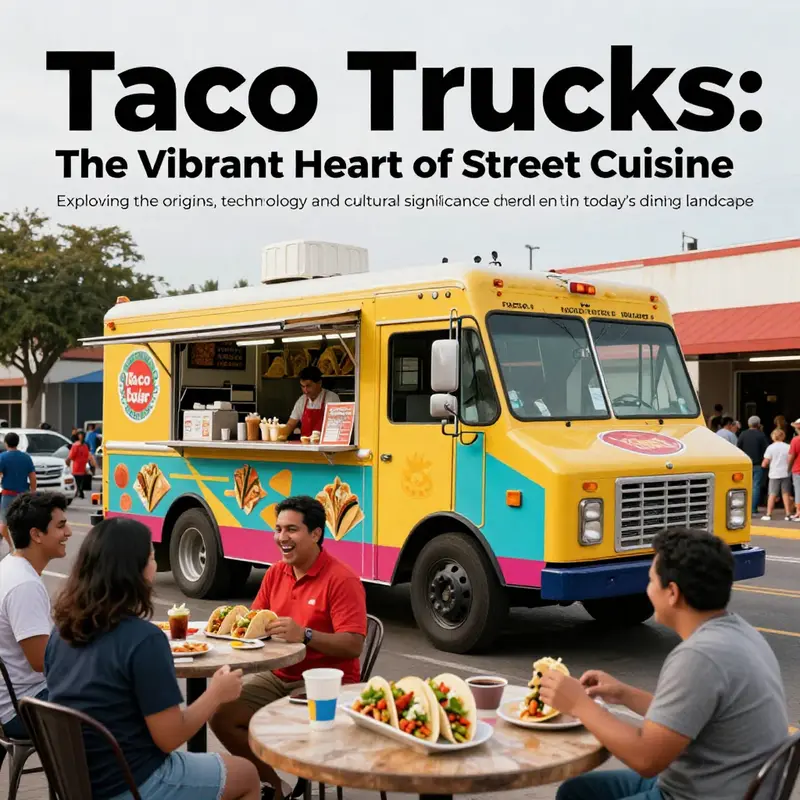
Taco trucks have become icons of American street cuisine, serving up fresh and flavorful tacos while embodying the spirit of community and culture. Originating from Mexican roots, these mobile eateries have brought a unique dining experience to urban landscapes across the United States. In this exploration, we’ll delve into the origins and cultural significance of taco trucks, understand the technology that powers them, examine their economic impact, discuss regulatory considerations, and celebrate their role in community engagement and culinary innovation. Join us as we unfold the colorful tapestry of taco trucks, where every bite tells a story.
From Carts to Cultural Institutions: The Story of Taco Trucks
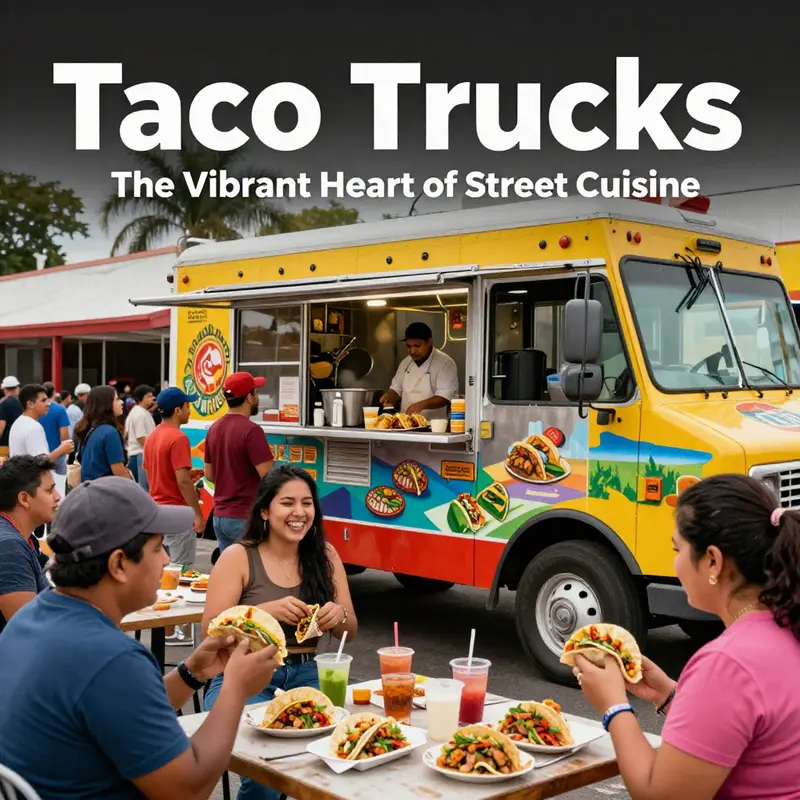
A taco truck is more than a vehicle. It is a portable kitchen, a small stage on wheels where ingredients meet tradition, innovation, and the energy of city streets. Its journey from a curbside cart to a recognizable culinary emblem reveals a history braided with migration, entrepreneurship, and a shared love of flavor. In many American urban landscapes, the taco truck stands at the center of daily life, offering a quick, joyful bite that is at once comforting and adventurous. The earliest iterations grew out of communities that carried recipes across borders and generations. In places like Los Angeles and Oakland, families turned street corners and weekend markets into micro-restaurants, testing recipes that blended centuries-old techniques with new textures and spices. The result was not merely food, but a dialogue—between home kitchens and the public square, between memory and the present moment, between a traveler’s hunger and a chef’s ambition. The truck’s mobility allowed that dialogue to travel with it, moving through neighborhoods like a cultural rumor that could be tasted. It enabled cooks to follow demand, minimize risk, and respond to shifting urban rhythms without the fixed costs of a brick-and-mortar operation. Each mile the truck covers is a line in a story about resilience, adaptation, and community, a narrative that continues to unfold in cities from coast to coast.
That mobility is central to the taco truck’s cultural significance. In the American Southwest and beyond, the truck became a lens for understanding how immigration, labor, and cuisine shape urban identity. It is not simply about the food—though the food is often bright, honest, and improvisational. It is about how a recipe travels, how a family preserves its culinary heritage while negotiating new markets, and how a neighborhood conventionally tied to predictable dining options can become a place of surprise. In Austin, Texas, a city renowned for its live-music vibe and food foreplay, the taco truck has become something of a cultural institution. Here, the truck embodies a blend of independence and communal belonging: chefs gain creative latitude, customers discover flavors that reflect the city’s layered demographics, and the act of sharing a meal on a curb becomes a small civic ritual. This is not nostalgia—it’s an ongoing experiment in making street food equitable, accessible, and continually relevant.
The equipment inside a taco truck is compact by restaurant standards, but it is purpose-built for performance, speed, and reliability. A typical mobile kitchen includes a grill or plancha, a stove or burner system, refrigeration for perishables, a prep station, and storage that keeps ingredients within easy reach during rushes. Some operators customize their rigs with tents or portable bars to accommodate indoor and outdoor events, while others retrofit vintage or generic trailers to blend portability with personality. The design choices reflect why the truck works: it is a balance of simplicity and flexibility. A small footprint keeps overhead manageable, while clever layouts allow cooks to assemble tacos, burritos, and a handful of Mexican-inspired dishes with speed and precision. The result is a dynamic space that can reinvent itself with the seasons, the neighborhood, or the chef’s evolving palate. When a cook swaps carnitas for al pastor, or experiments with plant-based fillings that echo regional flavors, the truck becomes a mobile laboratory for taste, a test kitchen that can move faster than the broader restaurant market.
That sense of experimentation is part of what draws a wide cross-section of customers to taco trucks. They are accessible without sacrificing authenticity. The trucks often source fresh, local ingredients when possible, while maintaining a core menu that honors traditional techniques—tender braises, smoky chiles, bright salsas, and tortillas made with ancestral corn masa. In practice, the menu grows as the operator learns from customers and from the city itself. A neighborhood can push for spicier salsas, a festival can demand gluten-free options, and a late-night crowd can inspire tweaks to presentation and portion size. The result is not merely a meal but a social moment: people gather around a bright, bustling cart, share indices of spice and texture, and leave with a memory that is inseparable from the truck’s silhouette and the aroma of sizzling meat or sizzling peppers.
Economics also shapes the taco truck’s enduring appeal. The mobile format reduces many of the fixed costs that weigh down restaurants: rent, long-term mortgages, and a formal brick-and-mortar footprint. This lowered barrier to entry invites a wider spectrum of entrepreneurial voices, including family operations that began as weekend ventures and matured into steady neighborhoods staples. Mobility means operators can calibrate their routes to match demand—setting up near offices for lunch crowds, returning to weekend markets, or cruising to events and fairs where a different audience awaits. The flexibility extends to the menu itself. Without a dining room’s spatial constraints, cooks can introduce regional specialties or experiment with fusion concepts that echo the city’s diversity. A taco truck can be a rolling gallery of taste, a small-stage platform where tradition and innovation perform together under strings of lights or the glow of a parking lot. It is a model of agile food service that mirrors broader shifts in the industry toward less waste, more mobility, and closer ties to local supply chains.
As cities grew more diverse, taco trucks helped democratize access to authentic flavors. They offered a counterpoint to the homogenized expectations of mass-market fast food by delivering dishes that were rooted in memory, yet adaptable to present-day palates. The trucks emphasize freshness and speed in ways that feel both artisanal and practical. The cooks often know their ingredients intimately, from how a masa rests before grinding to how a salsa sings with the brightness of lime and cilantro. This intimate knowledge is part of why customers perceive the food as more than quick nourishment; it becomes a connection to a family recipe, a hometown, or a memory of a market stall seen in a different light. In this sense, the taco truck functions as a cultural ambassador, translating years of tradition into a portable format that can be appreciated across generations and geographies.
For those curious about the broader arc of this phenomenon, studies and journalism have traced how the taco truck rose from neighborhood sidewalks to national prominence. The narrative is not linear: it includes improvisation, regulatory navigation, and the constant negotiation of space—public, private, and commercial. Even as some trucks evolve into larger ventures, many operators preserve a spirit of mobility and community. They curate a sense of belonging through the choice of music, the pace of service, and the stories told by customers who return to the same corner week after week. The cultural resonance extends beyond taste; it speaks to a shared longing for affordable, robust meals that feel connected to a street-level, everyday democracy of food. In this light, a taco truck becomes a moving forum where recipes travel, identities connect, and neighborhoods become more navigable through flavor.
For readers drawn to practical pathways as they think about starting or sourcing a taco truck, the landscape offers both opportunity and caution. Operators evaluate suppliers for technical capability, material quality, and after-sales support, all while ensuring compliance with local health and safety regulations. The process may include verifying adherence to standards and obtaining the necessary permits for public service on wheels, a reminder that the romance of the street kitchen sits atop a framework of safety and accountability. Importing used trucks, for instance, requires due diligence to ensure the vehicle meets regional requirements and regulatory expectations. The balance of romance and regulation is not a contradiction; it is the steady rhythm that sustains a sustainable, thriving mobile dining culture.
If you are exploring the possibilities and challenges of this path, a closer look at how different models approach the craft can be illuminating. For a concise view of popular configurations and their implications for culinary creativity, consider our guide on top taco truck models for culinary success. It offers a practical lens on layout, workflow, and the balance between speed and quality, while keeping the focus firmly on delivering authentic flavors to diverse communities. This practical guide sits alongside the larger cultural narrative, helping translate tradition into a viable business with the flexibility that makes taco trucks so enduring. You can explore it here: top taco truck models for culinary success.
The story of the taco truck is a story of cities themselves: their willingness to host new voices, their appetite for bold flavors, and their capacity to absorb and reframe cultural influences. It is a narrative in which mobility, memory, and invention converge on wheels. The next chapter in this evolving saga will look at how communities regulate and support these mobile kitchens, how new markets emerge, and how chefs continue to push the boundaries of what a street corner can offer. In the meantime, the image of a bright truck parked at dusk, steam rising from a sizzling plancha, remains a palpable reminder that food can travel farther than any single kitchen—and still feel like home. For a broader historical lens on the rise of the taco truck, see JSTOR Daily, which traces how these humble origins grew into a major force in the mobile food revolution: https://daily.jstor.org/the-rise-of-the-taco-truck/.
On the Move: The Technology Shaping Taco Truck Kitchens
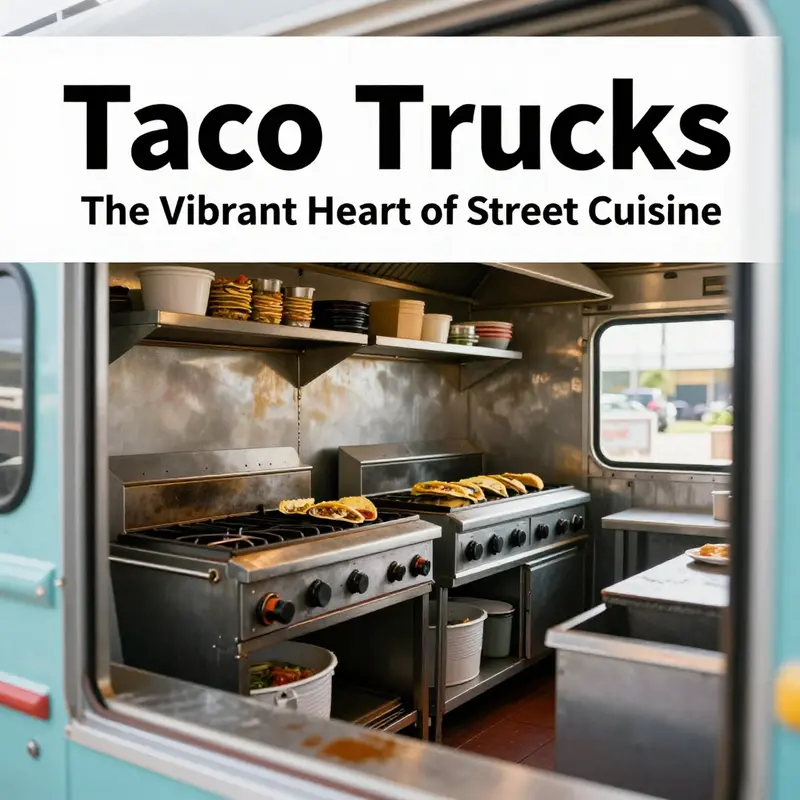
A taco truck is more than a grill on wheels; it is a compact, highly engineered kitchen that travels the city, bringing fresh flavors to neighborhoods and events with speed and reliability. The technology behind these roving kitchens is as much about workflow science as it is about heat and sizzle. In a space that can be as small as a parking stall, every square foot is a component of a system designed to deliver quality quickly, safely, and consistently. The modern taco truck kitchen balances mobility with durability, efficiency with sanitation, and flexibility with standardization. It is this balance that lets a family recipe become a regional staple while the business scales to meet changing demand. The road becomes a testing ground where design decisions, from layout to equipment, ripple outward to influence menu variety, service speed, and even interactions with customers. When we look at what makes a taco truck work, we see a study in disciplined trade-offs rather than a single flashy solution.\n\nAt the heart of a well-designed mobile kitchen is a workflow that minimizes the distance between action and result. A modular layout reduces the unnecessary back-and-forth between prep, cooking, and assembly. The best configurations place tortillas, meats, salsas, and toppings in a logical sequence that mirrors how orders move from sight to plate. This kind of flow is not just about speed; it also reduces the chance of cross-contamination and enhances safety in a cramped environment. Within this flow, the cook’s eye is continually drawn to a few critical cues: how quickly an item will leave the window, how easily a component can be replaced, and where hot surfaces or pans demand careful handling. In practice, a well-planned kitchen reduces order turnaround time by eliminating dead space and unnecessary movement, while still allowing cooks to pivot quickly when a crowd arrives with a specialty request or a seasonal offering. The ability to adapt without a full redesign is a core advantage of mobility, and it is built into the kitchen’s DNA from the moment the vehicle is outfitted.\n\nThe equipment that makes this possible is compact but densely featured. Commercial-grade griddles stand at the center for tortilla warmth and quick toastings, while convection ovens provide versatile heating for baked components and accompaniments kept warm without lingering heat that can dry out delicate items. Under-counter refrigerators slot neatly beneath work surfaces, keeping ingredients within arm’s reach and improving line speed. Built-in sinks with hot water supply ensure hygiene standards are met without forcing cooks to leave the line to wash hands at a distant faucet. Every piece of equipment is chosen not just for performative capacity but for reliability in a mobile, sometimes harsh environment. The result is a kitchen that behaves like a larger, stationary setup, but with less surface area and more thoughtful placement.\n\nBeyond the core appliances, the kitchen’s intelligence comes from systems that monitor what matters most during service. Energy-efficient heating options, whether propane- or electric-powered, reduce fuel waste and keep operating costs predictable. Integrated ventilation hoods pull away smoke and steam, maintaining air quality and comfort for workers while staying compliant with safety codes. Smart temperature monitoring applies to both storage and cooking surfaces, helping cooks maintain consistent results and prevent costly waste. In a space where a slight temperature shift can compromise ingredients, this real-time awareness becomes a differentiator between good service and great service.\n\nDurability in a taco truck starts with materials designed to withstand weather, road wear, and frequent cleaning. Stainless steel and galvanized steel are common choices because they resist corrosion and endure the tough life of a vehicle that lives outdoors. Seams and joints are sealed to prevent moisture ingress, a small but critical detail that can determine the lifespan of a kitchen in transit. The interior finish favors cleanability; glossy or lightly textured surfaces scrub down easily, resisting stains from grease, chili, and salsa. A durable interior is not just about cleanliness; it also ensures the kitchen remains sanitary over time, a requirement that health inspectors routinely verify.\n\nCertification and safety are essential in every mobile kitchen. The mobility of a taco truck means compliance extends beyond the kitchen to the road itself. Vehicles may carry certifications for roadworthiness and safety that ensure safe operation during transit and at events. When a kitchen is part of a mobile business, the equipment inside must work in harmony with the vehicle’s structure—reinforced frames, locking wheels for stable setups at markets or festivals, and reliable power and water systems to support ongoing use. The sanitation approach aligns with local health regulations, integrating compliant handwashing stations, waste management plans, and clear separation between raw ingredients and finished products. These controls do not merely satisfy regulators; they protect customers and staff alike, upholding the trust that turns a one-off street meal into a beloved recurring ritual.\n\nAs the market for mobile food grows, operators increasingly seek scalable, adaptable solutions. Platforms that offer ready-made mobile kitchen trailers with configurable layouts illustrate how a business can start with a core design and mold it to a unique concept. Closely related to this scalability is the ability to reconfigure a space to support new cuisines or seasonal specials. A taco truck can rework its prep zones to accommodate different meat cuts, new salsa stations, or beverage corners without a full rebuild. Such flexibility supports experimentation, a driver of culinary innovation in street food culture. The breadth of options—from compact units to larger trailers—allows a startup to align its capital with its ambition, trading upfront cost for long-run adaptability. In this sense, the truck becomes not only a vehicle of commerce but a small act of culinary engineering that can evolve as a brand grows. The journey from humble weekend markets to full-fledged street-food fleets often traces a line of thoughtful design choices and pragmatic procurement decisions. The landscape of options begins with exploring top taco truck models for culinary success.\n\nIn addition to the core design and equipment choices, operators consider how the kitchen integrates with the business’s broader mission and customer experience. The mobile kitchen is a stage on wheels, where speed, aroma, and sight combine to invite a crowd. A well-lit service window, a clean and orderly prep area, and a visible workflow can reassure customers about the quality and safety of what they are about to eat. The design also has to account for the realities of street service: varying weather, shifting crowds, and the need to pack up and relocate quickly after a busy shift. This reality shapes decisions about insulation, weatherproofing, and the durability of floor surfaces that must withstand spills, grease, and foot traffic. The result is a kitchen that not only feeds people efficiently but also survives and retains its character across dozens of daily relocations and seasonal cycles.\n\nAs the sector continues to professionalize, owners are increasingly mindful of sourcing and supply chain considerations that affect quality and consistency. Reputable suppliers with track records for delivering reliable equipment, quick parts availability, and after-sales support become a cornerstone of sustainable operation. Even when a menu remains simple, the reliability of the kitchen translates to fewer service interruptions, a smoother daily routine, and a better customer experience. The equipment selections, materials, and certified safeguards all converge to create a dependable engine beneath the sizzle. In this sense, the taco truck is a small factory on wheels—an artisan operation that relies on precise engineering to preserve the integrity of its food and the integrity of its business.\n\nFor those considering the practical side of outfitting a mobile kitchen, the numbers matter as much as the design. Budgeting for a modular layout means weighing upfront costs against the potential to scale. A streamlined interior can deliver fast turnaround times and reduce waste, but it may require higher-quality components to stay reliable through months of outdoor service. Conversely, a more economical setup may squeeze more profit per hour but constrain future expansion. The best operators balance these factors, recognizing that a well-designed kitchen reduces labor strain, speeds service, and improves consistency across a day’s worth of orders. The result is not merely a working space but a carefully engineered environment where technique, temperature, and timing converge to deliver a superior taco experience. In this way, the technology of taco truck kitchens becomes a narrative about performance under pressure, adaptability, and the sustained craft of street food as it moves through neighborhoods and across events.\n\nExternal resource: https://www.alibaba.com/product-detail/BELYOO-Mobile-Kitchen-Food-Truck-fully_1601499788170.html
Economic Impact of Taco Trucks: How Mobile Kitchens Reshape Business Models and Market Trends
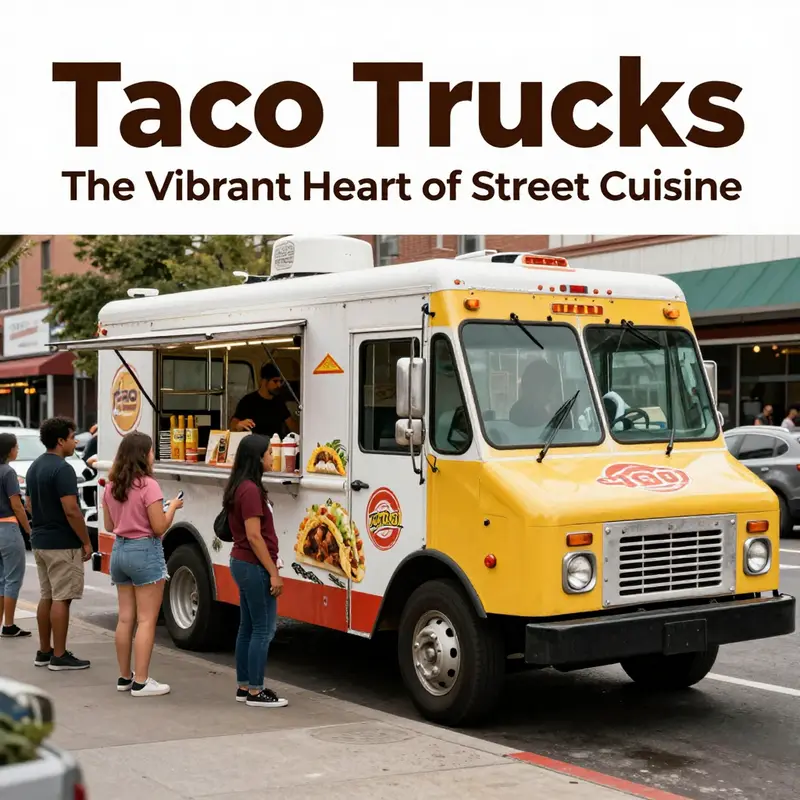
Taco trucks sit at the crossroads of culture and commerce, a vivid reminder that food is as much a business instrument as a craft. They are not merely a convenient way to eat; they are an adaptive economic model that has reshaped how small operators enter the market, how urban appetite is served, and how neighborhoods value street-level entrepreneurship. The economic story of these mobile kitchens is anchored in data that point to a growing global appetite for mobility in dining. The food trucks market, as a broader category, is projected to expand from roughly 2.88 billion dollars in 2026 to about 4.17 billion by 2034, a compound annual growth rate of around 4.7 percent. These numbers are more than statistics; they map a landscape where convenience, variety, and affordability converge in motion, bringing high-quality meals to diverse neighborhoods without the overhead of permanent brick-and-mortar spaces. In this environment, taco trucks exemplify how a scalable, low-overhead business model can gain traction in crowded urban markets and changing consumer preferences.
The beauty of the taco truck model lies in mobility itself. A compact kitchen on wheels lowers many entry barriers for aspiring food entrepreneurs. Rather than committing to costly real estate, operators can test menus, refine techniques, and locate themselves in locations where foot traffic naturally aggregates. This flexibility is not just logistical; it is strategic. The ability to reposition for events, festivals, or shifting neighborhood demographics allows vendors to capture short-lived opportunities and build a rhythm of revenue that adapts to seasonal and local conditions. The economic leverage here is not merely in saving rent; it is in the capacity to reallocate resources quickly, experiment with offerings, and build a brand that travels with the crowd. The result is a business environment where strong branding and consistent quality can scale with lower upfront risk compared with traditional restaurants.
Brand is a critical asset for taco trucks, and successful operators treat their vehicle as a storefront that travels. A memorable name, distinctive signage, and a cohesive menu identity can turn a single truck into a recognizable local force. The branding work extends beyond the plate to the social sphere, where digital tools amplify reach. Online ordering platforms and digital payments streamline the customer experience, while social media channels serve as dynamic showcases for new flavors, special events, and collaborations with local communities. The trend toward technology-enabled service is not unique to taco trucks, but it aligns particularly well with the mobile, improvisational character of street food. A well-executed online presence can translate into reliable daily demand, even in neighborhoods where competition for culinary attention is intense.
The composition of revenue streams is another aspect that makes taco trucks economically compelling. On-site sales remain core, but many operators diversify into catering, pop-up events, and partnerships with festivals or venues that host large crowds. Such collaborations extend the reach of a single truck beyond its usual perch, creating recurring seasonal revenue and opportunities for cross-promotion with other local artisans, music, or cultural happenings. In cities with vibrant event ecosystems, this model thrives on the synergy between flavor, timing, and crowd dynamics. A well-choreographed schedule—where a truck shifts between a fixed weekday core in a high-traffic district and a rotating presence at weekend markets—creates a predictable cadence for both cooks and customers, smoothing cash flow and enabling reinvestment in equipment, menu refinement, or even vehicle upgrades.
The operational spine of a taco truck is its kitchen infrastructure. These vehicles are designed to be compact yet capable, equipped with grills, stoves, refrigeration units, and storage arranged to maximize speed and efficiency. The choice of equipment influences not only the menu repertoire but the cost structure and maintenance needs. Efficient layouts reduce prep time, minimize waste, and boost throughput during peak hours. This efficiency translates into the economics of scale: a single truck can serve hundreds of customers per day across multiple locations, producing substantial revenue with relatively modest labor force requirements. The working capital needs for a mobile operation—corners of the market where ingredients are rotated, permits managed, and compliance maintained—are typically more manageable than those of a full-service restaurant, enabling a broader spectrum of aspiring entrepreneurs to enter the market.
A deeper economic dimension is the way taco trucks interact with local labor markets and supply chains. In many urban centers, families and small teams built on generations of cooking craft enter the market through a mobile model that preserves cultural specificity while offering flexible employment opportunities. The mobility aspect also influences sourcing choices. Ingredients can be sourced locally or regionally, and operators often adapt menus to reflect seasonal availability and customer feedback. This adaptability fosters resilience; when a supplier faces a disruption, a truck can pivot to alternate ingredients or a different regional flavor profile without laying off staff or shuttering operations. The same adaptability informs pricing strategies, as operators calibrate their menus to neighborhood income dynamics and the value proposition of fresh, flavorful, affordable meals.
Yet the taco truck economy is not without challenges. The same mobility that enables opportunity also introduces regulatory and operational complexities. Health and safety regulations require proper ventilation, food storage, and sanitation procedures, and many jurisdictions impose strict standards for mobile kitchens. Permits, vehicle inspections, and compliance are ongoing costs that must be integrated into business planning. Because a taco truck operates in varied environments—from curbside corners to festival grounds—operators must be nimble about licensing, waste management, and safety protocols. Importantly, the financial mathematics of these requirements can be as telling as the cooking: upfront permit fees, annual inspections, and the cost of insurance and maintenance all factor into the break-even calculation. Smart operators manage these costs by bundling compliance into a predictable operating budget, forging relationships with local health departments, and investing in durable, easy-to-clean equipment that withstands the rigors of daily street service.
What holds true across markets is the power of a Taco truck to democratize access to entrepreneurship. The business model lowers the barrier to entry for cooks with a vision and a palate for innovation. It invites experimentation—fusion flavors, regional classics, or seasonal riffs—without the heavy capital expenditure of a traditional restaurant. This democratization is not merely about individual success; it also shapes community economies. Street-level food culture attracts foot traffic, supports related small businesses (like markets, music venues, and cultural events), and contributes to a vibrant urban climate where people come not just to eat but to experience a place. In this sense, a taco truck becomes a micro-economy, a mobile platform that supports livelihoods, preserves culinary heritage, and invites new ideas to travel across neighborhoods.
As the market grows, so too does the potential for strategic collaboration and scaling. The blueprint of success often includes a balance of mobility, branding, and operational efficiency. A single operator may begin with one truck, but the model invites expansion through additional units, live-event catering, or partnerships with local farmers and artisans to curate a rotating menu that reflects the region’s flavors. For those studying the path from weekend markets to multi-truck fleets, the key lies in a deliberate approach to location strategy, brand consistency, and customer experience. The growth trajectory is not linear, but the direction is clear: mobile food has become a durable component of urban dining, supported by a growing professional ecosystem of financing, training, and logistics that enables more cooks to translate culinary skill into scalable commerce.
An illustrative thread in this tapestry is the learning embedded in industry models. Operators who study successful pathways often seek inspiration from top-tier examples of entrepreneurial models that align with street-level realities. The potential of a taco truck to serve as a launchpad for a broader food business is evident in the way entrepreneurs curate menus, control costs, and engage communities. For readers looking to explore specific scalable concepts, a concise overview of practical approaches to models—such as modular truck designs, adaptable service setups, and cost-conscious supply networks—offers a blueprint grounded in real-world practice. See an accessible take on these ideas in a guide that distills the most effective entrepreneurial models in the space: Top Food Truck Models for Entrepreneurs. This reference highlights a spectrum of configurations and strategies that have proven successful for those who treat mobile kitchens as a serious, repeatable business.
The broader market dynamics reinforce what any observer would intuit from the street: taco trucks are part of a larger trend toward on-demand, experiential dining. The appeal of a fresh, flavorful meal prepared before your eyes in a mobile kitchen resonates with urban dwellers who crave speed without sacrificing quality. The growth of the sector is thus a sign not only of taste but of a shifting economic logic—one that rewards adaptability, efficiency, and an intimate connection to local communities. As cities continue to grow, and as consumer expectations evolve toward convenience with elevated flavors, the taco truck model appears well positioned to endure, to innovate, and to continue shaping how people think about what a meal on wheels can be.
External resource: For broader industry context and quantitative trends beyond the narrative, see the Global Food Trucks Market report. https://www.grandviewresearch.com/industry-analysis/food-trucks-market
Behind the Window: Navigating Health Codes, Permits, and Vehicle Rules That Define Taco Trucks
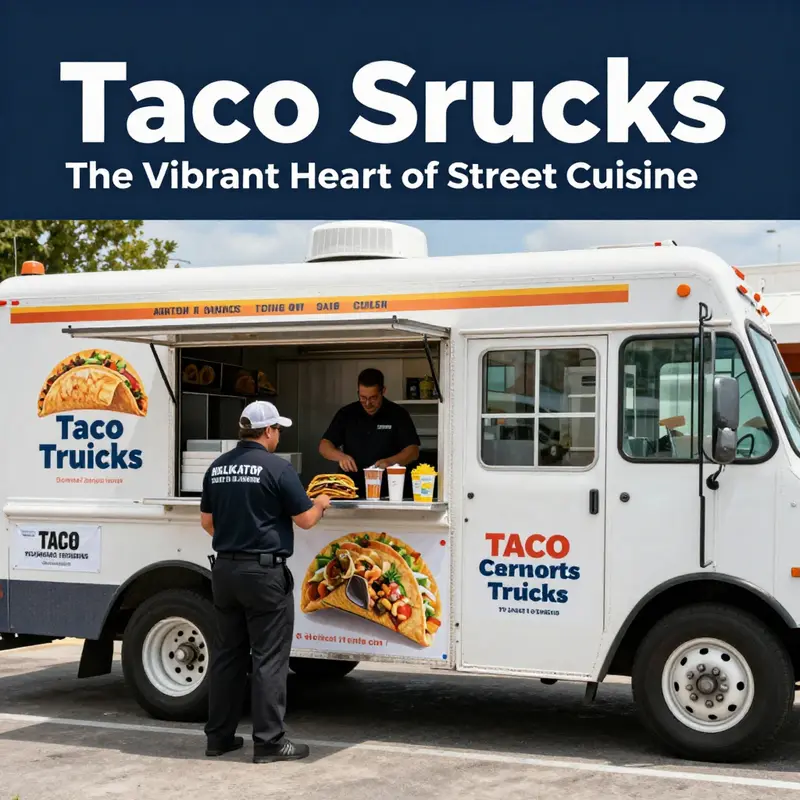
On a warm afternoon, a taco truck curates a small theatre on wheels. The aroma of grilled meats, cilantro, and lime mingles with the sizzle of a hot griddle. Yet behind that open window lies a complex matrix of rules designed to protect eaters, workers, and neighborhoods. For many cooks, these trucks are not mere vessels of flavor but portable kitchens that must meet the same standards as stationary restaurants while navigating a different logistical landscape. The regulatory environment surrounding taco trucks is not a single monolith but a patchwork of local ordinances, state guidelines, and federal advisories that together shape what is served, where, and how. Understanding this framework is essential for anyone who wants to operate responsibly and sustainably, as it funds the trust that keeps customers returning and communities welcoming.
Food safety practices form the foundation of any mobile food operation. In practice, this means cooking proteins to safe temperatures, maintaining hot foods at safe holding temperatures, and preventing the growth of harmful microbes at every step. Tactics include keeping perishable ingredients on calibrated refrigeration and using dedicated cutting boards for raw and ready-to-eat items to reduce cross-contamination. The compact space in a taco truck makes these routines more visible and more demanding. A single lapse—forgetting to monitor a grill’s thermometer, leaving a cooler door ajar, or storing raw poultry beside fresh salsa—can cascade into a violation that jeopardizes licenses and consumer confidence. Regulators expect written procedures, routine temperature logs, and demonstrated competency from staff, not perfection at one moment.
Sanitation standards emphasize cleanliness as a lived practice, not a cosmetic aspiration. Cleanliness matters in the air you breathe, the surfaces you touch, and the utensils you reuse. Sanitation plans typically require daily surface cleaning, weekly deeper sanitization, and strict rules about waste handling. In a truck, where a sink may be small and water supply limited, staff learn to choreograph multiple tasks—wiping, washing, sanitizing—without letting the tempo of service slip. Regular pest control plans also figure into inspections, since even the smallest droplet of spilled salsa can attract insects if housekeeping is lax. Health departments watch not only the cook line but the back of the truck where waste is stored and where the cleaning tools live. The goal is to prevent any opportunity for contamination before it reaches a plate.
Proper handling and storage of ingredients hinges on controlled environments. Perishables require refrigeration with temperatures monitored and inventories rotated to reduce spoilage. Vendors are often required to keep cold items at or below 40 degrees Fahrenheit and hot items above 135, with discrete cold and hot holding zones within the unit. Shelving should be corrosion-resistant and easy to sanitize. Storage areas must separate raw ingredients from ready-to-eat components. Food safety inspectors expect a clear flow from delivery to prep to service, with visible checks that trace back to supplier invoices and batch codes. In practice, many operators develop a simple routine: label, date, rotate, and record. These habits may look mundane, but they become a shield against the kind of errors that lead to cross-contact or time-temperature abuse.
Employee hygiene acts as the last line of defense against illness. The people on the truck are central to safety. Health codes specify that workers wash hands frequently, wear clean uniforms or aprons, and practice good personal hygiene. Some jurisdictions require handwashing stations within the unit, a nonnegotiable feature for any mobile kitchen. Training programs may be short but essential; staff should recognize symptoms that warrant staying home and know how to handle hot surfaces, knives, and raw ingredients safely. When operators hire temporary crews for weekends or events, maintaining a consistent standard becomes more challenging, which is why formal onboarding processes and periodic refreshers are valuable. The regulatory emphasis on hygiene reinforces a broader culture of responsibility that extends beyond the immediate order to the community at large.
Vehicle inspections and equipment are not afterthoughts but core components of daily operations. A taco truck is not just a menu but a moving piece of equipment that requires regular checks. Vehicle inspections ensure the chassis, brakes, lighting, and gas lines meet safety standards and that the unit can traverse streets without mechanical risk. Inside, the kitchen must be outfitted with equipment that is up to code: properly installed grills, ventilation hoods with filters, leak-free water lines, and electrical systems that avoid short circuits. Fire suppression systems, when mandated, are not decorative but life-saving features. Many inspectors expect that alarms and monitors function continuously, with maintenance logs that prove regular servicing. The choice between a custom-built unit and a converted trailer can influence compliance, because different construction methods bring distinct regulatory expectations, including mounting locations for tanks, fuel lines, and exhaust systems. The goal of these checks is not only safety but reliability, so vendors and operators know they can serve a neighborhood without interruption, rain or shine.
Licensing and permits mark the formal gatekeepers of the mobile kitchen world. In most cities, you cannot legally park and serve without a handful of permissions. Applications may require background checks for proprietors, proof of liability insurance, and documentation of a business address. A permit to operate in designated zones—often tied to a street market or event schedule—can determine where you can locate your truck and when you can operate. Some areas also demand a health department permit that ties directly to inspections and compliance status. Renewal cycles vary, but keeping licenses current is essential for avoiding fines or a forced closure during a busy season. The administrative path can be opaque, which is why many operators work with consultants who understand local expectations, from filing fees to the precise language health inspectors expect on standard operating procedures. That transparency matters because it reduces the risk of a surprise shutdown that could ripple through a business plan and the communities that rely on it.
Health department inspections and the FDA Food Code provide a bridge across diverse local rules. While rules differ by jurisdiction, the FDA Food Code often provides the underlying framework that many local departments adapt. The Food Code is a model that outlines recommended practices on temperatures, pest management, and personal hygiene. It is not a binding federal statute, but it serves as a reliable reference point for operators seeking to align with widely accepted standards. Inspectors use similar checklists to verify that temperatures are correct, cross-contamination is prevented, and waste is disposed of properly. Because local enforcement can diverge, it helps to anticipate the most stringent elements of nearby codes and adopt them as baseline operating procedures. The code also emphasizes preventive controls, requiring written procedures and records to demonstrate ongoing compliance, even when a truck is moving between neighborhoods and events. A thoughtful operator treats these guidelines as a dynamic toolkit rather than a static rulebook, adapting to shifts in menu, season, and neighborhood expectations while preserving core safety principles.
In practice, equipment and facilities in a mobile kitchen can meet high standards when design and discipline converge. Refrigeration units must be properly sized for the menu, with reliable temperature monitoring and backup power solutions in case of a supply disruption. Hot-holding equipment, like steam tables or warming drawers, should keep food at safe temperatures during busy periods. A clean, enclosed handwashing sink is not only a sanitation feature but a way to maintain momentum during service. Water supply must be sufficient for washing and sanitizing, with waste lines that drain correctly to prevent backflow. These requirements also extend to food contact surfaces and utensils, which should be sanitized between tasks and stored to prevent contamination. Jurisdictions may require proof of equipment certification, or the unit may need to pass specific inspections before it can be used in the field. The broader point is that a well-designed mobile kitchen reduces risk by making safe practice part of the daily rhythm rather than a special event.
Another often overlooked area is waste disposal and pest management. Separating recyclables from trash, providing secure dumpsters, and scheduling regular pickup all influence sanitation and odor control. Operators should have a plan for grease, used oil, and waste water that complies with environmental rules and health codes. Pest management plans should be proactive, with routine inspections of the unit and surrounding areas. Even the best food handling cannot compensate for sloppy waste practices. A single overflowing container can invite rodents or insects, triggering both public health concerns and enforcement actions. Consequently, most operators develop written procedures for waste handling that are simple to audit during a routine health inspection.
Record-keeping, training, and continuity round out the regulatory picture. The lifecycle of compliance depends on documentation. Temperature logs, cleaning schedules, maintenance records, and staff training certificates create an auditable trail that inspectors can follow. In some places, digital systems streamline this work, while others expect traditional paper records. The important part is consistency: records should be legible, complete, and readily retrievable during an unannounced visit. Training cannot be a one-off event; it must be reinforced over time with refreshers and drills that keep kitchen teams aware of evolving rules, changes in the menu, and new equipment. Continuity matters as well. When a key operator moves on, a new owner must be able to navigate the same regulatory landscape without losing compliance momentum. This is not merely bureaucratic discipline; it is the backbone of community trust, safety, and the ability of a taco truck to thrive across seasons and neighborhoods.
Brokered realities and the path forward acknowledge that the patchwork of rules can feel intricate, but it also offers a path for differentiation. A truck that prioritizes regulatory readiness can leverage its compliance as a market signal. It signals to customers that the kitchen is under control, that ingredients arrive in safe conditions, and that service happens within predictable safety margins. The same mindset helps when negotiating with event organizers, landlords, or markets that require enhanced safety standards. The emphasis on training, sanitation, and documentation can translate into smoother startup processes, lower long-term risk, and better relationships with neighbors who value clean, reliable street food. For operators seeking inspiration or a practical sense of how to integrate safety into daily operations, consider exploring recent discussions on safety advancements in food trucks, which highlight how design and process innovations contribute to a safer cooking environment. See the linked resource for a current perspective: Safety advancements in food trucks.
In closing, the health and safety standards governing mobile food vendors are not bureaucratic hurdles; they are the scaffolding that supports a thriving, diverse, and flavorful street-food culture. The law codifies a standard of care that aligns with the culinary values these businesses celebrate: attention to detail, accountability, and a commitment to the public good. In the crowded streets where these trucks become temporary neighbors, compliance becomes a form of hospitality. It invites customers to linger, to taste, and to trust that what arrives on their plate has been prepared with care, protected by systems designed to catch mistakes before they become incidents. The broader takeaway for readers is clear: the regulatory landscape for taco trucks rewards operators who plan for safety, document their processes, and treat every service as an opportunity to demonstrate reliability to a community that loves the taste of travel and the promise of responsible practice.
External resource: https://www.fda.gov/food/fda-food-code
On Wheels and in Conversation: How Taco Trucks Forge Community, Culture, and Culinary Innovation
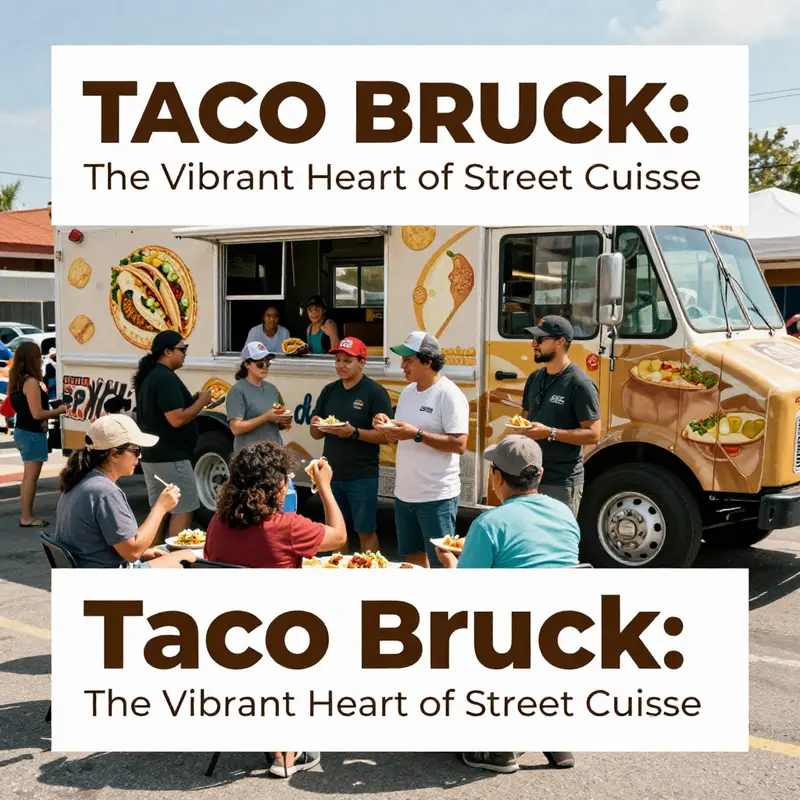
Taco trucks are more than a way to satisfy hunger; they are living forums where neighborhood life, family history, and culinary curiosity intersect. In many American cities, especially in places with dynamic food cultures like Austin, these mobile kitchens have become part of the everyday fabric. They began as small, family-run ventures that staked a corner at weekend markets or street fairs and slowly grew into neighborhood institutions. What began as a practical solution to a family kitchen’s limits—fewer overhead costs, direct contact with customers, and the ability to travel where demand appears—has evolved into a broader social phenomenon. The trucks travel with them stories of migration, labor, aspiration, and the stubborn joy of feeding others. They offer not just nourishment but a public space where language, memory, and shared appetite can mingle under a canopy and a grill’s glow, sometimes with a portable speaker playing a favorite song, sometimes with a parent teaching a child to flip a tortilla with confidence. The result is a culinary practice that is intimate yet expansive, anchored in tradition yet open to experimentation.
Mobility is the engine of this dynamic. Because the kitchen is mounted on wheels, chefs can respond quickly to changing tastes and shifting neighborhoods. They ride the pulse of a city the way a neighborhood market does, but with the speed and flexibility of a traveling servant-leader in the kitchen. This adaptability invites innovation without losing fidelity to core flavors. A chef can keep a time-honored combination of maize, chili, lime, and cilantro while weaving in local ingredients—seasonal produce, regional cheeses, or a local twist on a spice blend. The result is a cuisine that feels both authentic and present, a fusion born out of proximity rather than proclamation. The best taco trucks craft menus that evolve with the city’s mood, turning a simple staple into a canvas where tradition meets contemporary technique, and where the communal act of eating becomes an ongoing conversation rather than a fixed performance.
And yet the most striking thing about taco trucks is not merely their food but the social space they create. They transform underused corners of the urban grid into temporary cultural centers. The truck becomes a meeting point where longtime residents and newcomers alike cross paths, share stories, and negotiate belonging. Academic scholarship has shown that immigrant food practices often reclaim public space by turning small, mobile platforms into stages for cultural expression. The truck’s bright colors, the open flame, the shared aroma of simmering meats, and the clatter of utensils all signal welcome and accessibility. In this setting, food is not only sustenance but a vehicle for identity formation and community resilience. When families, workers, and students congregate around a modest mobile kitchen, they rehearse a sense of place, a sense that they have a stake in the city’s ongoing story.
The political dimensions of taco trucks emerge in subtle and sometimes provocative ways. Food, after all, is never merely about taste; it carries with it claims about who belongs and who has the right to public space. In the last decade, taco trucks have become part of civic conversations around urban transformation, labor, and immigration. They challenge the city to rethink street life as legitimate public space and to consider how mobility affects access to affordable, high-quality meals. A notable, if provocative, example from the public sphere—where food intersects policy and discourse—occurred when a satirical food truck was used to critique national political dynamics. While critics may disagree about the message or intent, the moment underscores how deeply food trucks can embed themselves in the city’s political imagination. They are not just sources of flavor but actors in public life who can spark conversation, humor, and critique, reminding us that culinary culture can be a form of civic participation.
This deeper significance is inseparable from the practical realities of running a taco operation. The soul of a taco truck rests in its kitchen layout, its equipment, and its ability to keep food safe and delicious in a variety of conditions. Compact, purpose-built kitchens with reliable grills, stoves, refrigeration, and storage enable gas- or charcoal-fueled precision on a mobile stage. Some operators retrofit or customize trailers to optimize airflow, sanitation, and speed, while others add features such as tents for shelter or portable bars for special events. The equipment is not glamorous in the abstract; it is the backbone that sustains a daily ritual of cooking, serving, and cleaning, day after day. The design choices reflect a philosophy: efficiency and quality do not compete; they reinforce one another. A well-planned truck can turn a simple menu into a platform for experimentation, because the operator can shift menus with less risk and less capital than a brick-and-mortar restaurant would require.
From an entrepreneurial vantage point, the truck is a flexible gateway to community ties and local supply networks. The ability to move between neighborhoods lowers barriers to entry for aspiring cooks who may lack the capital for a fixed storefront. They can build a clientele, test a concept, and scale up incrementally. This path is often reinforced by relationships with farmers, abuelas, and neighborhood grocers who supply corn, peppers, cilantro, onions, and lime in ways that keep menus fresh and seasonal. The social economy around taco trucks—mutual aid among vendors, cross-referrals, and shared maintenance know-how—creates a web of support that extends beyond the food itself. It is a microcosm of a more expansive urban ecosystem where small business, cultural exchange, and public space co-create value.
In this networked environment, a single truck’s influence can ripple through a broader food culture. The vibrant, on-the-street dining experience invites a curious eater to become a participant in a longer conversation about taste, memory, and identity. The act of choosing a taco becomes an act of cultural listening: what traditions survive, what adaptations are needed to stay relevant, and what new combinations signal the city’s evolving palate. For those with an eye toward culinary innovation, the mobility of the truck offers a laboratory in which ideas can germinate and move quickly—from concept to plate to audience feedback. A line outside a busy late-evening corner can be as informative as a focus group; the community’s spontaneous reactions become immediate data for refining recipes, adjusting heat levels, and calibrating portion sizes. In this sense, the taco truck is not a static product but a dynamic, community-driven platform for ongoing culinary experiment.
To those watching from a distance, the image of a taco truck might evoke a simple, comforting scene. Yet the practice sits at a crossroads of immigration, labor, neighborhood change, and urban policy. The more it is understood as a social process, the more clearly its value emerges: it is a form of urban culture, a way of making public space feel hospitable to difference. The family history behind many trucks adds another layer of meaning. The recipes carried forward through generations carry not only flavor but also memory, obligation, and gratitude. When a parent shows a child how to balance fire, control the heat, and season properly, they are teaching a form of stewardship—of culture, of craft, and of community. In this light, a taco truck becomes a portable seminary of everyday democracy, where shared meals teach shared responsibility and where every bite is a reminder that city life is built by collective effort as much as by individual ambition.
The practical mechanics of sourcing and safety also shape the story. Buyers looking to acquire a taco truck must weigh technical capability, compliance with local health and safety regulations, material quality, and the breadth of after-sales support. Operational realities—electrical systems, propane or gas lines, waste management, ventilation, and hygiene standards—are all part of the craft of keeping a mobile kitchen trustworthy. Even the choice of model or trailer can reflect a philosophy about resilience and scalability. A well-chosen platform can adapt to different venues, from a bustling street corner to a packed festival, with minimal downtime between gigs. This adaptability matters because it amplifies the truck’s ability to stay connected to the community through changing seasons, large events, and shifting demographics. The result is a business model that remains lean yet capable of substantial social impact.
Within this broader frame, one can see how a single unit of street food can contribute to an ever-evolving city palate and a more inclusive urban narrative. The stories carried in a line of customers—grandparents sharing a plate with grandchildren, coworkers trading bites during a long shift, students testing new flavors on a budget—are stories of belonging in a city that continuously redefines itself through its streets. As culinary practice, as social space, and as a political symbol, taco trucks reveal that flavor is never neutral. It is a medium for memory, a lever for equity, and a spark for creativity. For readers curious about the concrete ways these mobile kitchens influence culinary culture and neighborhood life, the exploration of chef-led models offers a practical lens. See the discussion on top models for culinary success in taco-trucks-unleashed-top-5-models-for-culinary-success.
Ultimately, the taco truck embodies a philosophy of urban life that prizes mobility, inclusion, and experimentation. It invites a city to taste its own evolving story and to recognize that good food can be a catalyst for cultural exchange, economic opportunity, and civic dialogue. The street corner becomes a classroom, the grill a teacher, and the napkin a record of a shared moment. In this sense, the mobile taco operation is not merely a business but a practice—one that reveals how communities improvise, sustain, and celebrate together.
External reading for deeper context on the sociopolitical dimensions of taco trucks can be found in scholarly work that situates these vehicles within broader debates about power, identity, and urban transformation. For a rigorous examination, see The Taco Truck: A Symbol of Power, Identity, and Urban Transformation (JSTOR): https://www.jstor.org/stable/10.1525/9780520968438
Final thoughts
Taco trucks are more than just mobile kitchens; they are cultural establishments resonating with community spirit, culinary creativity, and economic vitality. From their humble beginnings to their status as food revolutionaries, taco trucks reflect the soft power of food in bridging cultures and creating shared experiences. Embracing the rich traditions and innovative approaches within this industry allows cuisine lovers, local residents, and event planners to engage with food in a meaningful way. So, the next time you see a taco truck, know it’s not just a place for a quick bite—it’s a culinary landmark.

