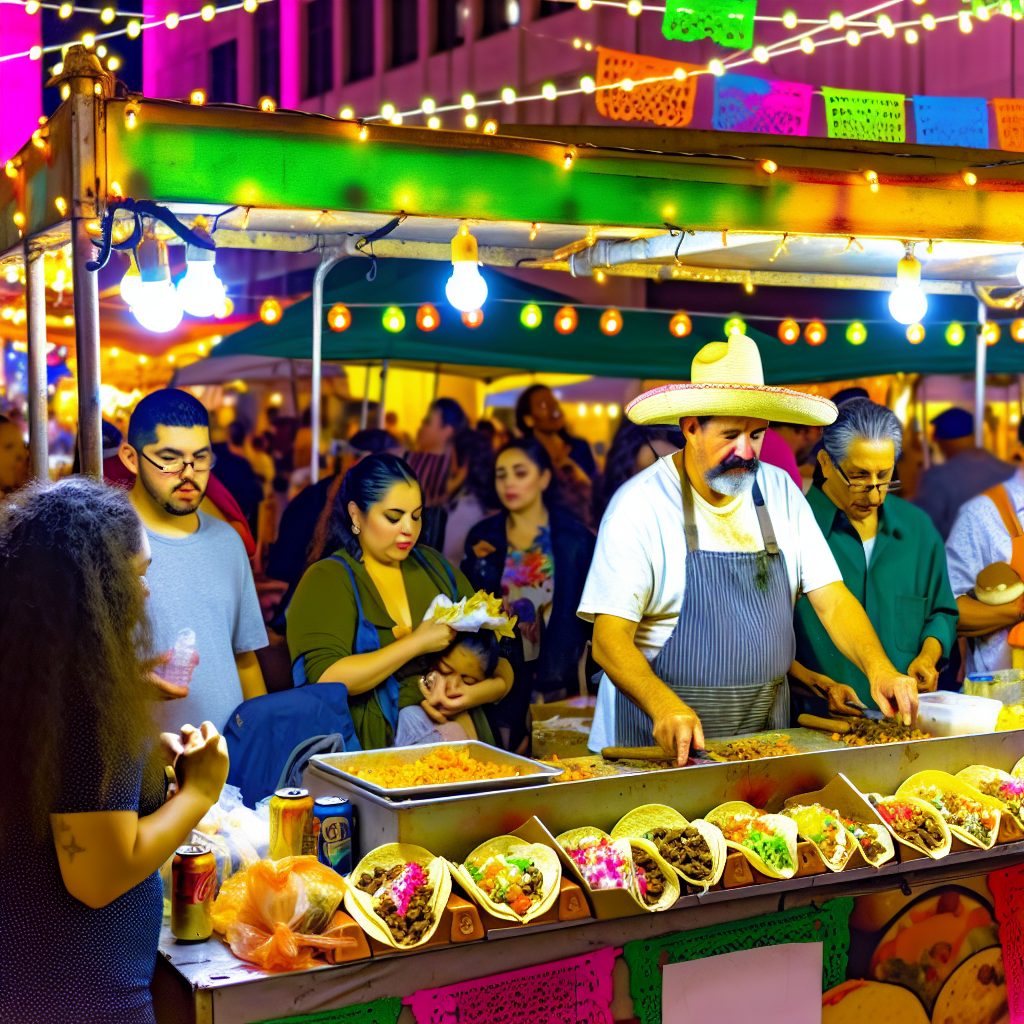
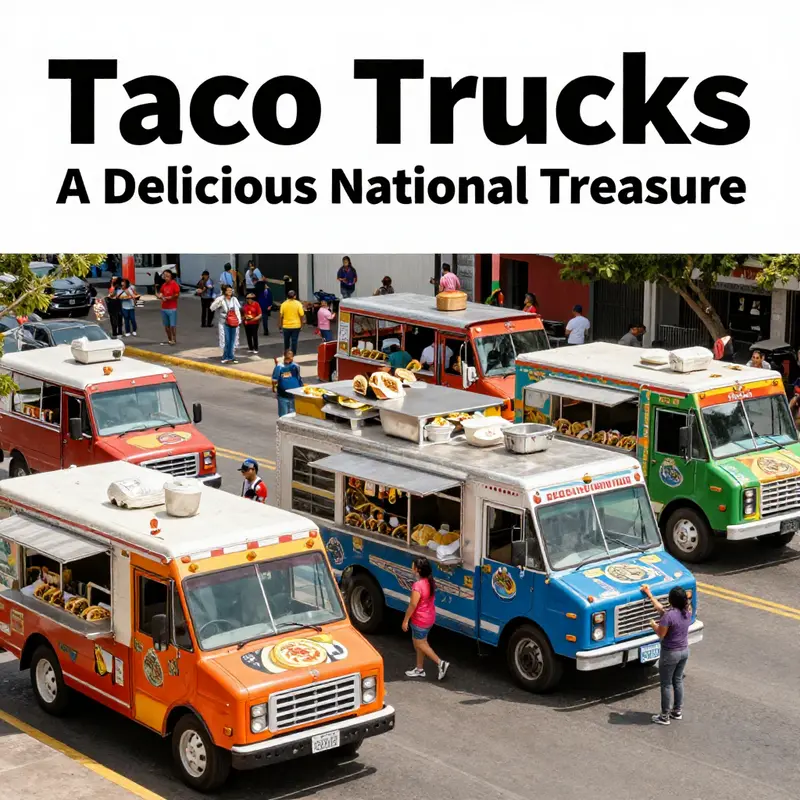
Taco trucks in Mexico are more than just a quick bite; they are a celebration of culinary artistry and community connection. From the bustling streets of Mexico City to quiet towns, taco trucks serve as vibrant landmarks, offering locals and visitors alike a taste of traditional flavors packed into freshly made tortillas. As we explore the integral role of taco trucks in Mexican culinary culture, their urban presence, the authentic ingredients that define them, and their appeal to tourists, we uncover how these mobile kitchens not only satisfy hunger but also nourish the soul. Join us in diving deep into the world of taco trucks, where every bite tells a story and every salsa has a secret!
On Wheels, In the Heart: The Integral Role of Taco Trucks in Mexican Culinary Culture
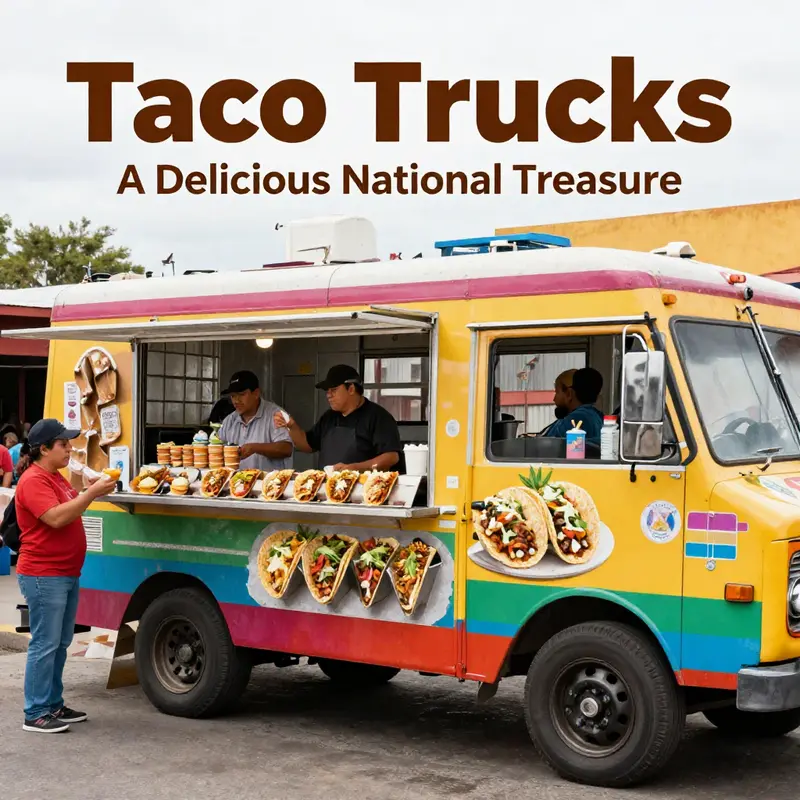
Taco trucks in Mexico are more than convenient eateries set on four wheels; they are living, breathing threads in the social fabric of daily life. Across cities and towns, from sunlit dawns to the witching hours of the night, these mobile kitchens move through neighborhoods like a street-level music, each stop offering a shared memory of the country’s most beloved flavors. The question of whether there are taco trucks in Mexico is almost trivial by now; the answer is yes, and the deeper question is why they matter so much. To understand their place in Mexican culinary culture, one must listen to the stories that unfold around the cart, the cart’s glow, and the steady rhythm of a line that gathers a community around simple, honest food.
Historical roots anchor this story in the long arc of Mexican street food. Before modern trucks and formal storefronts, cooks fed laborers and families from modest stalls and portable grills. The idea that a meal could be prepared with skill, speed, and communal warmth on a curbside or a market corner was not new; it was a practical tradition that grew in tandem with urban life. The taco truck, then, is not a break from history but an evolution that adapts an old format to the pressures and possibilities of contemporary cities. It preserves a lineage of nourishment that travels with people, season, and circumstance, which is precisely what makes it so resonant in a country where food is not just sustenance but an everyday ritual.
In Mexico City (CDMX), Guadalajara, and Monterrey, the taco truck and the al pastor stand that often accompanies it function as everyday infrastructure. They pop up near markets at closing time, along busy avenues, or at the edge of schools and factories. The setup is deliberately economical: a charcoal grill or a small gas burner, a stack of corn tortillas, a handful of sizzling meats, and a repertoire of bright toppings. Yet within that economy lies a deliberate artistry. The sizzle of al pastor, the precise slice of carne asada, the aroma of citrus and cumin, and the way onions, cilantro, and lime are folded into a tortilla—all of these become a language spoken by generations of cooks who have learned to balance fire, timing, and texture so that the bite is both familiar and transformative. In this language, the tortilla is not a mere wrapper but a page where a story is told with each fold and fold-back of meat and garnish.
What makes the taco truck more than a stall is its mobility and its capacity to translate tradition into immediacy. In a country where urban life is rapid and crowded, the truck makes authentic flavor accessible without a reservation, without a formal table, and often without a long wait. This democratization of good food is a core component of the Mexican culinary ethos: great taste should not be reserved for the few but shared with the many. The rhythm of the street—vendors calling out, customers negotiating, the clatter of metal and salsa jars—establishes a social microclimate where food becomes a catalyst for spontaneous gatherings, conversations, and common experiences. A person standing in line may strike up a conversation with a neighbor or a tourist, and suddenly the act of eating becomes a small, shared excursion into the soul of the city rather than a routine meal.
Generations of families have stewarded this craft, passing down recipes, timing, and techniques with pride. The taco truck becomes a portable family kitchen, a mobile archive of taste and technique. In many episodes of daily life, a grandmother’s advice on grilling meat or her favorite salsa recipe is not written in a cookbook but echoed in the way the cook seasons the skillet or adjusts the heat to maintain a glossy crust while preserving juiciness. This transmission underscores a broader truth: food here is not static; it travels and evolves. The same street corner might host a different lineup on a different night, yet the spirit remains constant—the commitment to offering something fresh, affordable, and unmistakably Mexican.
The culinary team behind a taco truck often embodies a sense of resilience and ingenuity. Small-scale, often family-run operations rely on intimate knowledge of local markets and seasonal ingredients. They might source corn from a nearby molino, citrus from a vendor who ensures the fruit’s early freshness, or herbs from a neighbor who grows them in a tiny backyard patch. The logistics are a dance of improvisation and reliability: knowing where to park for the safe and legal operation, how to navigate a city’s changing regulations, and when to shift a recipe to honor a seasonal harvest. In this context, the taco truck becomes a municipal resource as much as a culinary vehicle. It feeds workers and students, it nourishes neighbors in the evenings, and it serves as a small business engine that can adapt to the ebbs and flows of urban life.
Culturally, the importance of taco trucks extends beyond taste. They function as social spaces that foster a sense of belonging and continuity. The act of gathering around a truck to eat creates a communal ritual—the chance to exchange a smile, share a joke, or compare the day’s experiences while tasting something that is widely recognized as part of the national palate. The language of the street, including the playful banter between cook and customer and the choreography of assembling a taco, becomes a performance of cultural identity. Eating from a taco truck can feel like participating in a living history, a microcosm of Mexican urban life where tradition and improvisation coexist gracefully.
This cultural significance stretches beyond the borders of Mexico. In diaspora communities, taco trucks morph into symbols of homeland and community resilience. They become hubs where music, art, and language converge, offering an accessible space for cultural exchange. In the United States, for instance, taco trucks and taquerías have become recognizable landmarks in cities with large Mexican-American populations. They function not only as eateries but as community gathering spots that support local artists and activists through pop-up events and collaborations. Yet this cross-border vitality has not always been without friction. Debates over street vending, zoning, and public space have sometimes framed taco trucks as informal or precarious rather than as legitimate economic and cultural actors. The 2008 debates in Los Angeles, where regulatory measures targeted taco trucks in the name of urban planning, underscored how cultural vitality can collide with policy and public space management. Still, the resilience of these mobile kitchens has persisted, illustrating how tradition can adapt to new political and economic environments without losing its essence.
The sustained appeal of taco trucks lies in the intimate, immediate encounter they offer with Mexican food—food that is flavorful, fresh, and anchored in a centuries-old tradition of shared meals on the street. When a cart lights up at night and a line forms, the city becomes a stage for a familiar ritual: a quick yet meaningful escape into what many consider the true heart of the cuisine. The experience is not only about protein and heat; it is about the harmony of textures, the brightness of lime and salsa, the crispness of a correctly warmed tortilla, and the sense that one is part of something larger than a bite. In this context, the truck operates as a mobile custodian of memory and flavor, a traveling ambassador for a culinary culture that values craft, community, and accessibility.
To understand the scope of this phenomenon, it helps to consider how the taco truck has adapted to urban life without sacrificing its core identity. In large cities, space is scarce and competition for customers is fierce. The truck’s mobility allows it to navigate these constraints and stay relevant in a landscape saturated with dining options. It can pivot to reach new neighborhoods, participate in food festivals, or serve during late hours when other options are scarce. The adaptability extends to the menu as well. While al pastor or carnitas may anchor many offerings, cooks often tailor toppings to reflect regional preferences, seasonal ingredients, and even the crowd’s feedback. The result is a dynamic culinary field where tradition provides a sturdy backbone and innovation provides color and texture. This duality—the pull of heritage and the push of novelty—defines the taco truck as a culinary institution that is at once rooted and ever-evolving.
For readers who want a sense of how this evolution plays out in real life, consider the way the experience is framed by guided itineraries and the street-level culture that surrounds it. Nighttime taco truck tours in Mexico City have become popular precisely because they offer a curated doorway into authentic street food while preserving the spontaneity and energy that make the street scene so compelling. These tours, while designed for visitors seeking a closer bond with local life, highlight how the culture of the taco truck extends beyond a single bite. They illuminate the interplay between taste, place, and memory that makes the truck a cultural phenomenon rather than a mere vending operation.
The significance of the taco truck goes beyond the appetite it satisfies. It embodies a democratic approach to food that has excited chefs, anthropologists, and everyday diners alike. The premise is simple: authentic meals can be affordable, accessible, and deeply satisfying when prepared with skill, care, and pride. The taco truck demonstrates that a high-quality, deeply Mexican meal does not require a formal dining room or a fixed kitchen. It can travel, adapt, and still deliver a sense of home, a sense of belonging, and a memorable sensory experience. That is why scholars describe eating from a taco truck as participating in a living history—one that keeps pace with urban life while honoring the centuries-old practice of sharing food on the move.
In the broader cultural imagination, this mobility and accessibility also challenge stereotypes about who can feed a city. The taco truck is a reminder that food systems can be resilient and inclusive, offering an avenue for family livelihoods and community connection without the grandeur of a Michelin-starred kitchen. It is a public, communal space where flavor is the shared currency and every bite reaffirms the idea that cooking is both an art and a social act. And while the image of a sleek, modern food truck might dominate headlines abroad, the heart of the Mexican taco truck lies in its unpretentious steel, its astringent salsa, its labor of love, and its capacity to turn a street corner into a place of nourishment, laughter, and memory.
For readers curious about the practical and cultural dimensions of this phenomenon, a broader look at the culinary ecosystem reveals why taco trucks are not merely a backdrop to urban life but a central, indispensable character. They intersect with markets, festivals, family economies, and even local politics, influencing how people eat, how food is valued, and how communities imagine what it means to feed themselves well. The taco truck thus stands as a living symbol of Mexican culinary culture: adaptable, democratic, and persistently flavorful.
To glimpse how this vitality translates into a wider culinary landscape, explore a succinct view of the broader scene through a practical lens: Taco Trucks Unleashed: Top Models for Culinary Success. This internal reference offers a glimpse into how mobile kitchens have evolved to meet contemporary demands while staying true to the tradition that gave them life. It is a reminder that the street—far from being a mere thoroughfare—serves as a classroom, a market, and a public square all at once.
Ultimately, the question of whether there are taco trucks in Mexico is answered not only by counts or maps but by the quality of the encounters they enable. A good taco truck offers more than a quick meal; it offers an invitation to participate in a centuries-old practice of social eating that remains vibrant today. In cities that bustle with traffic, work, and late-night chatter, the truck is a luminous thread weaving together memory, identity, and flavor. It is a reminder that Mexican cuisine is not confined to formal restaurants or glossy pages; it thrives on the sidewalk, in the glow of a streetlight, and in the shared joy of bite after bite. The taco truck is, in this sense, a cultural institution—a rolling testament to the idea that food, done with care, can nourish not just the body but the collective memory of a people.
External resource for further reflection on how taco trucks have shaped urban food culture beyond Mexico is available here: https://www.latimes.com/food/story/2023-10-15/taco-trucks-la-culture-history. This piece offers an expansive look at how the taco truck movement has become a cultural force in a major American city, illustrating how a local tradition can resonate across borders and continue to adapt amid changing cityscapes.
Moving Tastes on City Streets: The Taco Trucks That Animate Mexico City
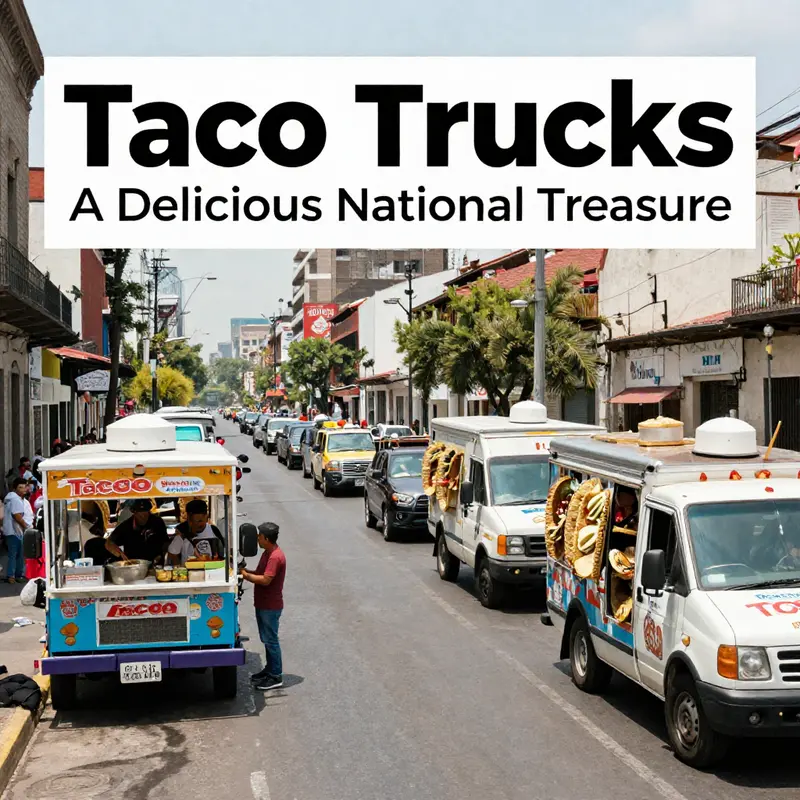
In Mexico City, as the sun slides behind the centuries-old silhouettes that define the skyline, a different cityscape emerges along the sidewalks: rows of grills, carts on wheels, and a chorus of sizzling meat. The taco truck here is more than a portable kitchen; it is a moving microcosm of the metropolis’s bustle, memory, and appetite. These mobile vendors thread through the capital’s dense fabric, turning street corners into temporary markets and opening lanes of flavor that anyone can access after a long day’s work or after a night out. The urban taco truck is a symbol of how Mexico City negotiates space, food, and identity in a metropolis that never truly sleeps. It offers a direct, unmediated link to the country’s culinary heart and to the everyday rhythms of daily life that a fixed restaurant row could only approximate from a distance.
The first impression is sound and scent. The hiss of hot griddles, the clink of metal spatulas, and the rhythmic turning of a vertical spit release familiar aromas that travelers can identify from blocks away. In a world where convenience often implies compromise, the taco truck asserts that a truly good meal can be both quick and deeply rooted in tradition. The tortillas, typically corn and small enough to fold with one hand, carry a toasted corn flavor that many locals insist is essential to the experience. The meats, whether slowly shaved from a spit or crackling on a grill, arrive steeped in a trio of elements: heat, seasoning, and time. Achiote, citrus, and a respectful nod to the original marinades render a profile that is at once instantly recognizable and endlessly adaptable. The most classic of these combinations is al pastor, a preparation that has traveled from Middle Eastern influence to the heart of Mexican street food, with a bright pineapple counterpoint that brightens the spices rather than overpowering them. But the menu is not a one-note melody. Across the city’s neighborhoods, you can encounter carnitas that shimmer with rendered fat and crisp edges, beef asada with the sear that only a hot skillet can coax, and lesser-known but equally compelling offerings like suadero or slow-braised birria that arrive in a tortilla-soft embrace after hours of patience over a simmering pot.
What makes Mexico City’s taco trucks uniquely urban is not merely the range of fillings but the social geography they inhabit. They dot neighborhoods from the oldest lanes of historic districts to the modern arteries of Roma and Condesa, and they inhabit a kind of ritual space that exists between private dining and public street life. A truck can appear at any moment, stopping briefly near a corner where a line forms, or lingering along a busy thoroughfare where late commuters and night owls press elbows and smiles against the smoky air. In this setting, food is not just sustenance; it is a social act, a shared moment in which strangers become neighbors and neighbors become critics who compare salsas and warmth of the tortillas with a playful seriousness. The ritual of ordering—watching the meat carve or slice, hearing the sizzle, choosing whether to fold the taco once or twice—becomes a little performance, a brief theater that collapses the distance between street and home. The presence of a cart, its illumination, and the rhythmic juggling of orders contribute to a street culture that feels both intimate and expansive, the same way a city feels both small in a narrow alley and vast when observed from a rooftop at dusk.
The culinary craft behind these mobile kitchens rests on a blend of generational know-how and entrepreneurial risk-taking. Many vendors carry long family lineages of recipes and techniques, with secrets handed down through the years like heirlooms. The al pastor that a bite may recall as the heart of a grandmother’s method is not easily replicated; it requires the right cut of meat, the right blend of spices, and the patience to let heat do the work. The grills and spits are portable but robust, built to withstand the demands of daily operation, the sun’s heat, and the knocks of passing crowds. The tortillas—corn, masa-ground, quickly warmed on a flat metal surface—are the essential vehicle, and the choice of toppings—cilantro, onions, lime, a kaleidoscope of salsas—turns the basic taco into a personal canvas. Yet the real magic lies in how these trucks respond to the city’s tempo. Some nights, a line of two or three blocks lengthens into a long, patient queue that moves with the city’s mood; other nights, a truck may be the only source of warmth on a cold street, inviting a few chairs and a brief, glowing pause before the next wave of pedestrians passes by.
Innovation also abides within this traditional ecology. While the core remains anchored in time-honored recipes, many vendors experiment with new combinations, textures, or plant-based options to appeal to younger palates or travelers seeking something beyond the familiar. The street-food ecosystem thus becomes a living archive and a creative studio, where the past and present meet at a grill’s edge. This is not simply about nostalgia; it is about evolution. The best taco trucks manage to preserve the essence of the older styles while offering a sense of novelty that still feels authentic. They might introduce a variant that uses a different cut of meat, a technique borrowed from another region, or a vegetarian filling that respects the same balance of heat, salt, and acidity that makes a good taco sing. In this sense, the mobile vendors serve as a stage for culinary adaptation, translating tradition into everyday life without erasing its roots.
This dynamic is reinforced by the city’s attitudes toward street food. In Mexico City, street vendors have become woven into the urban fabric rather than pushed to the margins. The municipal environment recognizes their contribution to daily life, tourism, and the informal economy. The result is a landscape in which a vendor who operates a taco truck can reach a loyal, recurring audience without the need for a fixed storefront. Prices remain accessible, a crucial factor in the city’s social fabric. A handful of pesos can secure a meal that is not only filling but soulful, made to order, and constructed from ingredients that echo regional flavors, markets, and family cooking traditions. The affordability of a good street taco makes it possible for someone to grab dinner after work, a quick lunch between errands, or a late-night bite that feels like a gateway to local culture. The currency of these meals is not simply money; it is time saved, shared conversation, and the thrill of discovery along a crowded boulevard.
For a visitor to Mexico City, the lure of the taco truck is not only the promise of a quick, tasty meal. It is an invitation to observe and participate in a living street culture. The trucks are venues where warmth, humor, and pride mingle with scent and flame. You can watch a cook prepare several tortillas in rapid succession, each one catching a little extra toasting on the pan, while a line of customers calls out preferences—more onions, less cilantro, extra salsa—turning a simple order into a minor negotiation that, in the moment, feels almost ritualistic. And yet the complexity goes beyond the immediate meal. The trucks form part of a broader urban network: they appear near markets at dawn to catch the early workers, they linger near universities and employment centers before class or shift changes, and they vanish just as quickly as they arrive, returning to a rotation that makes room for new routes and neighborhoods. The city’s geography of taste is, in effect, a map drawn by wheels. In this sense, the taco truck is not simply a vendor but a node in the city’s living economy of food, family, and flavor, a mobile portal to a shared, evolving cuisine.
The city’s street-food ecology reflects a broader truth about urban life in modern Latin America: the fastest way to understand a place is to follow the aroma and the line. When a grill heats up on a corner, locals instinctively decide whether to stop, walk on, or pivot to a different route. A truck becomes a point of social contact where stories are exchanged as quickly as orders are filled. One person might swing by for a quick lunch before returning to a busy afternoon, while another may linger for longer conversations with the cook, learning about cut selection, salsa balance, or how pineapple pairs with peppers in a way that brightens rather than overpowers a savory filling. The most successful trucks deliver all this through a single, well-made tortilla—simple, honest, and deeply satisfying.
The culinary variety that travels on wheels is one reason the street scene remains so popular. In a single neighborhood you might encounter al pastor with pineapple, carne asada with a crisp edge, and tender birria served in a way that makes the tortillas the perfect cradle for a rich, slow-cooked interior. You may also notice other, less familiar options that reflect the city’s own trends and regional influences from within Mexico. Some vendors adapt to dietary preferences by offering plant-based fillings that maintain the same textural appeal and the same acidity of a well-balanced salsa. Others experiment with different moles or spice blends, pushing the envelope without losing the core of Mexican street cooking. This constant push and pull between tradition and experimentation is what sustains the trucks’ relevance across generations. It is a reminder that culinary memory can travel while still feeling fresh, and that the art of street cooking can be both intimate and expansive, accessible to the first-timer and cherished by the seasoned local.
What does this mean for someone who is planning to explore Mexico City’s street-food scene? It means embracing a pace that respects the city’s rhythm rather than rushing to a single destination. It means approaching each encounter with a generous appetite and a belief that the best tacos are not just a product but a conversation between cook and eater. It means letting time slip away while sitting at a curb or standing near the truck to catch the scent of the charcoal, to listen to the chatter of the neighborhood, and to allow the meal to finish with the ritual of a squeeze of lime and a final dip into a bright, tangy salsa. The value of the experience is as much about immersion as it is about nourishment—a chance to be momentarily part of something bigger than a simple purchase. In this way, the street taco becomes a kind of portable history lesson, written in salt, chili, and the quiet pride of a cook who has fed countless days and nights with the same simple ingredients.
For readers who want to understand the practicalities behind these mobile kitchens, a short detour into the logistics of street-trade sheds light on why taco trucks can survive and thrive in such a dense urban ecosystem. The vendors operate with a careful balance of supply and demand, moving in patterns that align with foot traffic, school schedules, and the city’s own daily pilgrimage from home to work and back again. They source ingredients from nearby markets, often relying on familiar suppliers who understand the tempo of a street-food vendor. Because the trucks are mobile, they can adjust their routes in response to weather, city events, or shifts in consumer mood. They are nimble businesses, sometimes run by families who treat the cart as a portable kitchen that travels with a version of home cooking to a wider audience. And because the city has learned to coexist with the presence of these vendors, the government and communities often provide spaces where the trucks can operate, ensuring basic sanitation and safety while preserving the spontaneity that makes the experience feel alive rather than manufactured.
The city’s embrace of street food is not a passive tolerance but a dynamic partnership. It recognizes that taco trucks can be an economic lifeline for cooks who might otherwise rely on a single brick-and-mortar venue, and it also acknowledges that these mobile stalls contribute to the city’s cultural richness. In many neighborhoods, a midnight taco run is as much a social ritual as a late-night coffee break, a moment when people gather to decompress after a half-day’s work, catch up on gossip, or simply share the vitality of the city’s night market energy. The sheer number of trucks and the variety of offerings on any given night illustrate a democratic form of cuisine: affordable, flavorful, and accessible to all, from students to office workers, from interns to elders who have seen Mexico City transform across decades. This is not a scene isolated to tourist routes but a visible, vibrant component of daily life that nourishes both body and sense of belonging.
As the night deepens, the lights along the street become beacons that guide late walkers to familiar flavors and the sense of home that a good taco can evoke. The aroma of grilled meat, the soft crackle of tortillas, and the bright bite of salsa weave together with the soundscape of the city—the distant hum of trains, the laughter from a nearby doorway, and a radio or a street musician playing a tune that seems to belong to this shared scene. It is not simply sustenance; it is memory made portable, a portable feast that can be carried anywhere within the city’s porous, sprawling geometry. The street taco, in its ongoing dialogue with urban life, becomes a lens through which to view how a city like Mexico City negotiates its own identity in the twenty-first century: with a reverence for the past, a readiness to adapt, and an unshakable trust in the power of a well-made tortilla to make strangers into friends, if only for a few bites.
For the curious reader, this is a reminder that the question “are there taco trucks in Mexico?” is not a yes-or-no inquiry but a gateway to a living, breathing culinary culture. The trucks are, in effect, a mobile culinary cabinet that holds the flavors of a country with deep regional roots and a robust urban present. They carry forward recipes that small families have guarded and refined over generations, while welcoming innovations that speak to performers of all ages who want their meals to be as expressive as the music that might drift down the street at dusk. They are a reminder that food, when designed for mobility and speed, can still be a vehicle for memory, family, and place. That is the essence of Mexico City’s taco trucks: a fleet of small, flame-warmed stages where tradition and innovation meet in a single fold of warm tortilla.
As a final note, the appeal of the street taco goes beyond the act of eating. It invites an entire sensorial engagement with the city—the smoke curling upward, the grit of the street beneath your feet, the banter with the cook over how spicy the salsa should be, and the moment of choosing between a familiar favorite and a new, unfamiliar combination. In a city where modern life often feels rushed and segmented, the taco truck offers a pause that is brief but meaningful, a chance to savor a tradition that remains stubbornly current. The trucks prove that a city’s identity can ride on wheels, and that a single bite can forge a connection between urban experience and culinary memory. The next time you wander a Mexico City street at twilight, listen for the telltale sizzle, follow the scent, and let the night guide you to a cart where a tortilla is warmed, a story is told, and a meal becomes part of your own urban mythology.
Internal link for readers curious about the hardware and design that makes these wagons work: top taco truck models.
External resource: https://www.tripadvisor.com/Attractions-g147318-Activities-c66-TopAttractionsMexicoCityCDMX.html
Authenticity on Wheels: The Ingredients, Techniques, and Cultural Fabric Behind Mexico’s Taco Trucks
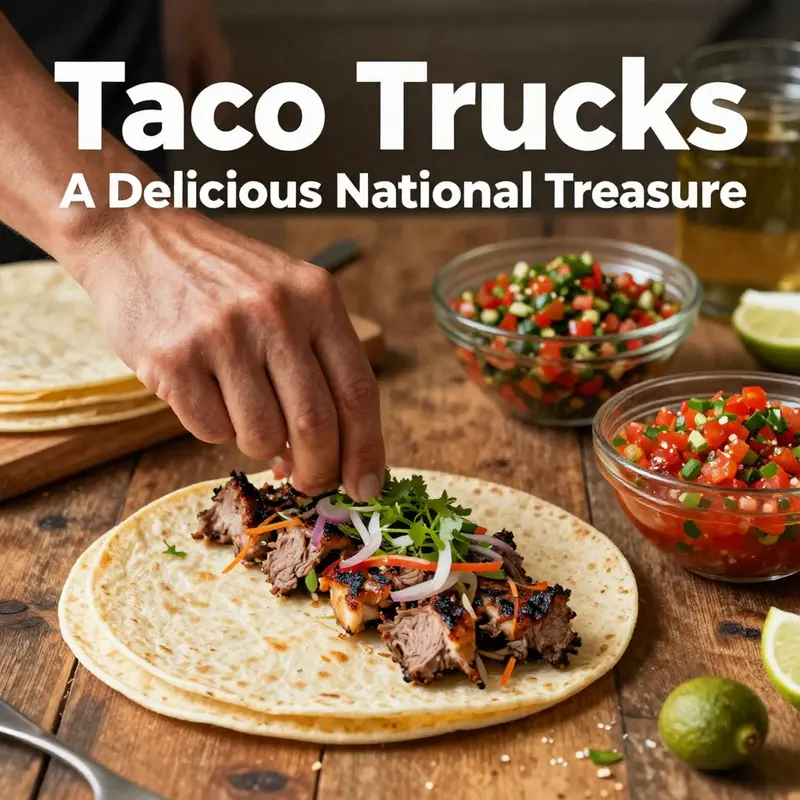
In Mexico, the taco truck is more than a mobile eatery; it is a moving thread in a centuries-old tapestry of taste, memory, and community. The scent of freshly nixtamalized corn rising from a small griddle, the hiss of fat as meat meets flame, and the chorus of orders spoken in quick, musical cadence—all of it reveals how authenticity travels with speed and volume through the city streets. This chapter follows that journey from masa to plate, exploring how taco trucks in Mexico strike a balance between time-honored technique and the evolving expectations of diners who crave transparency, character, and unmatched flavor in every bite. The topic is not merely whether such trucks exist—though they do, everywhere from dense urban centers to quiet neighborhood corners—but how they sustain a living culture by honoring ingredients, methods, and regional identity in a constantly changing street-food ecosystem.
At the heart of every authentic taco is masa, the ground corn dough that must be made with care to unlock texture and sweetness. Many forward-thinking trucks choose to work with fresh masa harina rather than relying on pre-formed tortillas or factory-made bases. The choice matters; masa is a living starter for flavor, not a mere medium. When masa is prepared on site, the cook can coax brightness from the corn’s inherent starch, coaxing a tortilla that carries the filling with a delicate chew and a hint of sweetness that only time and proper cooking can unlock. The technique is simple in concept but exacting in execution: water at the right temperature, the right balance of salt, and a masa that rests long enough to hydrate without losing its elasticity. The tortilla becomes a boundary between culture and appetite, a small round canvas that carries everything from a slow-cooked carnitas to a sliver of cilantro, a squeeze of lime, and a smear of salsa that has been crafted in the same neighborhood as the truck itself. The result is not mass production but a local echo chamber where each tortilla is a passport to the region the vendor is representing.
The preparation of meat on a taco truck has its own vocabulary of patience. Carnitas, for example, is traditionally slow-cooked in rendered fat until the meat is tender and the edges crisp with a roasted, almost nutty note. The cook’s hand—careful, unhurried, and practiced—transforms the pork into something more than protein; it becomes memory encased in a crust of caramelized fat. Al pastor, another pillar of authentic street cuisine, is built on a vertical spit, a trompo, where the pork is marinated in a blend that may include achiote, pineapple, and a chorus of spices. As the spit turns, the chef slices thinly onto a warm tortilla, the fat from the outer layers mingling with the bright acidity of salsa and the fragrance of char and smoke. These techniques carry the same discipline found in land-based kitchens but adapt to the rhythm of the road. They demand a tempo dictated by the traffic of the street, the pace of the grill, and the patience required for meat to surrender its moisture while developing a crust that crunches under the bite.
Regional ingredients play a crucial role in giving each taco truck its distinctive voice. Epazote, hoja santa, and puya chiles are more than decorative notes; they are regional signature signals that tell a person where the truck is rooted. Epazote’s savory, slightly medicinal edge can lift a bean or herbaceous taco, while hoja santa lends a camphoraceous, aromatic depth that elevates meat fillings or roasted vegetables. Puya chiles contribute a clean, bright heat that sustains rather than overpowers. These ingredients are often gathered from avenues not far from where the trucks operate, reflecting a culinary geography that is still intimately tied to the land and its harvest rhythms. In a city that breathes through its markets, a chef who respects these plants is telling a local story with every disc of tortilla and every drift of steam rising from the grill. The result is a taco that tastes of the season and of memory—an edible map of a region, a snapshot of terroir translated into salsa and salsa into shared conversation.
Yet the story of authenticity does not end with tradition alone. Contemporary taco trucks are expanding the reach of Mexican flavors by embracing premium proteins and culinary techniques that push street food into a more elevated culinary space. A growing number of operators are experimenting with duck confit, grass-fed beef, or even lobster, preparing and presenting these ingredients with a level of care usually associated with fine-dining kitchens. When a truck braises duck leg until it shreds tenderly, or when it grills a piece of grass-fed beef over live flame until the fat glistens and the meat rests to retain moisture, the street becomes a theater for technique. Sous-vide finishes, carefully controlled temperatures, and precise timing can yield textures and flavors that surprise the palate while staying faithful to the simplicity of a good tortilla and a well-balanced salsa. These high-end infusions do not erase tradition; they extend it, offering a bridge for food lovers who want authenticity to coexist with craft and innovation. The guardrails of quality remain strict: the intent is to amplify flavor without sacrificing the sense of place that defines street tacos, ensuring that price, accessibility, and skill all align with the expectation of sincere nourishment on the go.
The commitment to authenticity also manifests in a vendor’s approach to seasoning. Instead of relying on pre-packaged blends, many cooks craft their own spice mixtures from whole spices and freshly ground components. The sensory profile—where the bite of a peppercorn, the warmth of cumin, and the brightness of citrus can be traced to a deliberate, personal process—is part of the experience customers seek. The tortilla, the meat, the salsa, and the herbs are not a single flavor; they are a balanced composition, each element chosen to support the others and to reveal the cook’s hand. For people who follow food trends, this is a compelling distinction: the truck’s flavor is not an anonymous composite but a narrative that changes with vendors, neighborhoods, and seasons. The craft becomes a performance, with the cook singing through the sound of the grill, the crackle of fresh tortillas, and the hiss of vibrant peppers, creating a memory that travels far beyond the first bite.
This culinary authenticity resonates beyond taste alone. For many Millennials and Gen Z diners, the appeal lies in transparency and craft. They want to know where ingredients originate, how they are prepared, and who is cooking. A truck that makes tortillas by hand, that refuses to hide behind convenience, and that can articulate a clear relationship between ingredient, technique, and flavor earns trust. The street becomes a living classroom where food lovers, locals, and visitors can observe nixtamalization, fire management, and spice selection in real time. And because the trucks are a frequent sight in major cities, these teachable moments occur over dozens of conversations with vendors who are often part of the neighborhoods they serve. The cultural appeal is not merely in the final bite but in the ongoing exchange—the way a cook explains al pastor’s marinating routine, or the way epazote is added to a simmering pot to impart a whisper of herbal depth. It is this dynamic learning experience—the sense that one can glimpse the labor, hear the crackle, and taste the history—that makes authentic taco trucks a defining feature of urban Mexican life.
Tourists seeking genuine encounters often curate experiences around these trucks, sometimes guided by nighttime routes where clusters of trucks gather along known corridors. The appeal is not only the food’s richness but the social atmosphere—the shared tables, the improvised rituals of topping, and the spontaneously created networks of conversation around a simple plate. In a city that moves with the day’s heat and the night’s breeze, the taco truck becomes a social anchor, a place where strangers begin to speak as neighbors over a common appetite. The cultural economy that grows around these trucks—customers returning for a specific tortilla texture, or for the way a particular salsa strikes a note of brightness—becomes part of the city’s identity, an edible map of its neighborhoods, languages, and stories. In essence, authenticity here is not a static ideal but a living process shaped by the cooks, the ingredients, and the pedestrians who drift toward the aroma.
For readers curious about how authenticity translates into practice on the street, consider how safety, sustainability, and mobility intersect with artisan technique. The best trucks combine rigorous handling of ingredients with respect for the local environment, adopting practices that minimize waste, optimize heat management, and protect the freshness of produce and meat throughout a long night of service. This balance—between artisanal care and practical efficiency—keeps the tacos affordable and accessible without compromising the craft. It is a pragmatic philosophy that aligns fully with the broader story of street food: a relentless commitment to quality within constraints, a willingness to innovate without erasing heritage, and an ability to share the results with a diverse audience who values flavor as much as provenance. For those who want a deeper dive into how street-food operations evolve to meet modern expectations while preserving core techniques, a related discussion on safety advancements in food trucks offers useful context. Safety advancements in food trucks.
In the end, authentic ingredients and preparation methods in taco trucks are not about nostalgia alone. They are about translating centuries of culinary practice into a portable, live experience that can travel across neighborhoods and generations. They are about honoring the maize from which tortillas spring, treating meat with patience, and weaving regional flora into each bite so that no two tacos taste exactly the same—yet every bite tells a story of place and purpose. They are about giving diners a chance to observe, participate, and taste the living culture that makes Mexican street food not just a meal but a cultural practice in motion. This is the essence of the taco truck as a cultural institution: a vehicle that carries both flavor and memory, delivering an authentic experience that echoes far beyond the curb where it first sizzles.
For those who want to explore broader reflections on how these trucks integrate with other trends in mobile food and culinary storytelling, the street offers abundant lessons. The evolving palate of street food reveals a community that values craft, curiosity, and community as much as it does convenience. A population that seeks flavor with clarity about its sources will continue to support trucks that cook with honesty, that balance tradition with invention, and that keep the pulse of Mexican street cuisine steady as it travels through time and space. The road, in this sense, is not a barrier but a conduit—one that helps authentic preparation methods reach new tables, new neighborhoods, and new generations of diners who crave a taste of Mexico that feels both immediate and enduring.
External note: an outside perspective on the evolving landscape of authentic taco experiences can be found at a widely read cultural chronicle of street-food tacos, which examines how cities beyond Mexico interpret and reanimate these flavors for local audiences and visitors alike. The article offers comparative insight into how authenticity travels when tortilla, meat, and salsa leave the cart and enter a different culinary conversation. See here for a broader regional perspective: The Best Tacos In Austin, TX Strictly From Food Trucks.
Tourism and Taco Trucks: A Vital Experience in Mexico
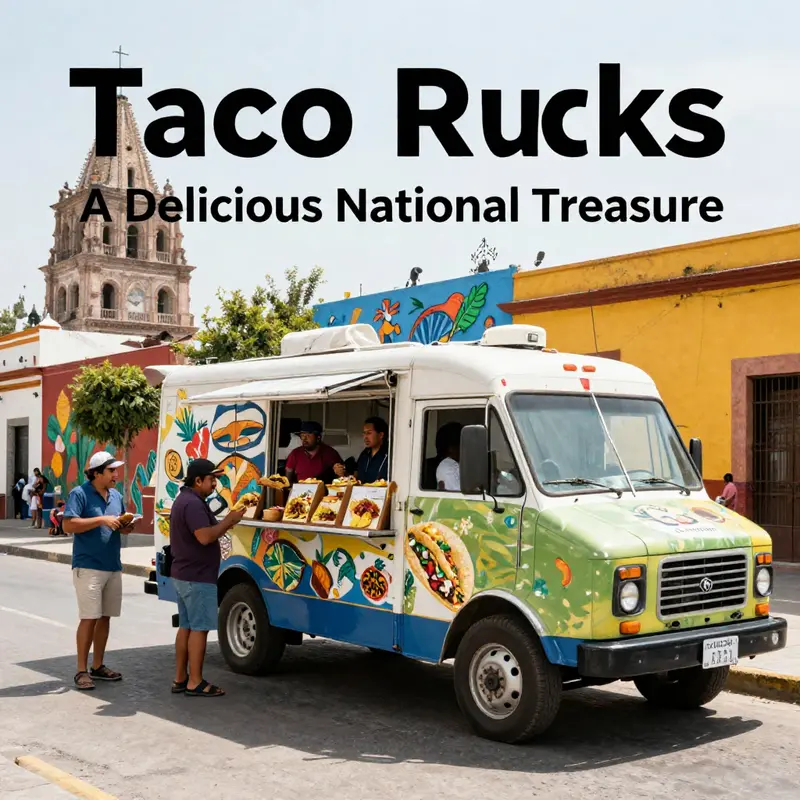
In Mexico, the street is not simply a thoroughfare but a moving kitchen, a classroom, and a shared memory all rolled into one neon-glow moment. The taco truck—more precisely, the small, wheeled kitchen on which a cook coins, chops, and sizzles—appears at street corners, near markets, and along busy avenues with a ready chorus of sizzling meat, warm tortillas, and bright salsa jars. These trucks are not novelties; they are enduring forms of daily life, as familiar to a grandmother scanning the park for her favorite al pastor as they are to a visitor chasing an authentic bite that can only come from a metal-and-gas-powered stove on wheels. The scent of char, lemon, and cilantro does not merely announce food; it announces a culture in motion. The taco truck is a portable portal into Mexico’s layered culinary identity, a country where meals are not consumed in isolation but shared in the open air with neighbors, strangers, and the chance encounter that shapes a story for a lifetime.
The experience of the taco truck in Mexico is thus inseparable from the rhythms of urban life. In Mexico City, the capital’s ceaseless energy is matched by a forest of color-coded carts and trucks that seem to sprout along every major artery as the evening fog settles. A traveler can wander a handful of blocks and find a cluster of vendors offering tortillas that crackle in the pan, guacamole that tastes like it was made moments before, and salsas that wake up the senses with a push of heat and brightness. The ingredients are simple in theory—corn tortillas, grilled meats such as al pastor, carnitas, or carne asada, and a spectrum of salsas—but the assembly is where tradition and skill fuse. The al pastor spit, the precise layer of pineapple, and the careful chop of onions and cilantro reveal a craft that has been handed down through generations and refined by cooks who have learned to read a crowd’s pace and appetite as deftly as they read a recipe.
Travelers are often drawn to the taco truck scene because it is one of the most affordable doors into genuine Mexican flavors. The price point makes everyday access possible for locals and visitors alike, but the value goes far beyond the wallet. Every bite carries a sense of place—a memory of a curb corner at dusk, a conversation with the cook, a ritual of choosing toppings that might include a smoky salsa verde, a tangy habanero, or a peppery pico de gallo. Street food in Mexico, including taco trucks, is not a concession to convenience; it is an expression of hospitality and a visible thread in the country’s social fabric. The trucks are where language barriers melt in the heat of the grill and where a shared smile about a perfectly crisp tortilla can replace a dozen words.
Those who seek a deeper, more guided encounter often sign up for experiences like the Nighttime Taco Truck Tour in CDMX. This immersive excursion does more than introduce a tourist to late-night flavors; it invites a conversation with the city’s nocturnal palate. Guests wander through neighborhoods where urban life is most electric after dark, sampling regional specialties—tacos al pastor, tacos de suadero, and tacos de barbacoa—while absorbing the kinetic interplay of vendors, pedestrians, and the city’s glow. The experience has earned a noteworthy following, with over 3,400 traveler reviews on a leading platform and countless candid photos captured along the route. Those numbers reflect a broader truth: for many travelers, food is not a side quest but a central lens through which to view Mexico’s culture, history, and daily resilience. The tour earns praise not merely for taste but for the sense of inclusion it offers—an invitation to observe, participate, and perhaps even barter in the same space where locals negotiate the flow of a city that never fully sleeps.
Beyond the sensory allure, the taco truck habit speaks to larger economic and diplomatic dynamics that have shaped Mexico’s place in global travel narratives. In 2025, tourism surged on multiple fronts, with China emerging as a growing source market for Mexican destinations. A significant share of Mexico’s international foot traffic came from travelers who arrive curious not only about archaeological ruins and beaches but also about living cultures and the everyday scenes that breathe life into a place. In response, cross-cultural exchange programs and training initiatives flourished, including efforts like the First Overseas Mexican Tourism Management Training Program conducted in Mexico City in late 2025. The program brought together tourism experts from neighboring regions to exchange ideas on innovation, smart travel technologies, and cultural product development. Food—especially street food that travelers can touch and taste—stood at the center of many of these conversations, reinforcing how culinary experiences can act as bridges between nations. The result is a tourism ecosystem that values the taco truck as a cultural ambassador, a portable ambassador that travels with a guest and returns home with a memory that feels deeply Mexican.
The geography of Mexican street food broadens this picture even further. While CDMX offers a dense, neon-lit theater of trucks and carts, other regions contribute their own drama. In coastal and inland towns alike, travelers encounter a mosaic of taco expressions—corn tortillas still warm from the comal, grilled meats with a char that whispers of the grill master’s patience, and an array of salsas that range from bright citrus to earthy, roasted peppers. In Oaxaca and along the coast, for instance, vendors adapt to local ingredients and regional tastes, yielding a dynamic culinary map where street-food culture travels as fluidly as the city buses and market stalls that sustain it. The sense of discovery is continual: one truck may specialize in a slow-cooked carnitas with a tangy onion-cilantro relish, while the next offers a modern riff that pairs smoky barbacoa with a crisp, lime-bright finish. For travelers seeking a kind of “eat like a local” moment, these encounters offer not only nourishment but also a living narrative about how communities sustain themselves through shared sustenance.
In this ongoing exchange between street life and tourism, timing matters. The dry season, from November to April, brings weather ideal for wandering and lingering in the streets as the sun fades. Festivals such as Día de Muertos heighten the vitality of the sidewalks, where vendors braid old-world charm with contemporary taste. The streets become stages where tradition is performed rather than displayed, and each cart or truck offers a performative micro-story of family recipes, regional pride, and improvisation born of necessity. The local scene—where a cook checks a grill, flips a tortilla, and adds a song-like cadence of salsas—offers a sensory passport for visitors who want more than a photo diary of places to visit. It offers a chance to listen, to learn, and to participate in a rhythm that has sustained a vast culinary landscape for generations.
In the chorus of voices that describe this space, a few names surface with regularity, not because they are advertisements but because they embody the trust an eater places in a truck’s craft. In Mexico City, for example, the taco scene includes widely beloved spots that visitors categorize as essentials. These are places where a traveler can align appetite with a city’s character, tasting al pastor that slides onto a soft corn tortilla with a whisper of pineapple, or carne asada that brings a bright, peppery snap to each bite. The mobility of trucks also means that neighborhoods change with the hour. One block might offer a smoky, late-night al pastor, while the next corner hosts a daylight cart serving a delicate suadero with a citrusy slant. The food travels, but its roots remain domestic—tender meat, simple tortillas, and a handful of herbs that carry a neighborhood’s memory across days and districts.
For those who want to trace the continuum between tradition and modern travel commerce, a deeper dive into the practical side of these mobile kitchens can be enlightening. A resource that explores how mobile food labor translates into durable culinary craft can be found in a detailed examination of truck models and their culinary potential. This exploration shows how the physical form of a mobile kitchen—its layout, its exhaust systems, its cold storage, and its ability to reach diverse neighborhoods—matters as much as the recipe itself. It is a reminder that the taco truck is not merely a vendor; it is a small, resilient business that wears its craft on its hood and its cultural significance on its sleeve. The simplest taco, made with a handful of ingredients, can be a vehicle for learning about supply chains, urban work, and the social networks that keep street life alive.
The traveling taco scene also provides a lens into how destinations curate experiences for visitors who want to immerse themselves in local life. Guided tours, culinary events, and neighborhood walks highlight the way street food is woven into the social fabric. The allure rests in the combination of tangible flavors and intangible values: the generosity of a cook who shares a recipe passed down through generations, the pride of a community that keeps its grill hot even when the neighborhood changes, and the way a bite can spark a story that becomes part of the traveler’s own memory. In this sense, the taco truck becomes a trusted companion on the road—a portable, edible reminder that Mexico’s hospitality is not a performance but a daily ritual that travelers are invited to witness and join.
If readers want a practical glimpse into how these experiences translate into contemporary travel realities, a focused look at a well-known, model-focused narrative is worth a moment of attention. taco-trucks-unleashed-top-5-models-for-culinary-success offers a concise tour through the idea that the truck is not just a vehicle but a malleable, modern kitchen designed to bring flavor to communities wherever the road takes it. This perspective underscores the broader point: the taco truck is a flexible engine of culinary mobility, capable of adapting to changing tastes, urban environments, and sustainable practices without sacrificing the sense of place that makes Mexican street food so enduring.
All these threads—the sensory richness, the social immediacy, the economic vitality, and the international interest—coalesce into a simple conclusion. Taco trucks in Mexico are not peripheral; they are central to how people eat, celebrate, and travel. They offer an honest, unpretentious route to understanding that good food is a shared language, one that travels as easily along a curb as it does across an ocean. For travelers seeking to connect with Mexico beyond its famous ruins and beaches, the taco truck scene provides a vivid classroom in a single bite. It is, in every sense, a vital experience—one that invites the curious, nourishes the local, and remains accessible enough to become a daily memory rather than a distant highlight.
External resource for further exploration: https://www.yelp.com/search?finddesc=taco+truck&findloc=Mexico+City,+CDMX
Final thoughts
The journey through the world of taco trucks in Mexico is a tantalizing exploration of culinary heritage and communal joy. These mobile kitchens not only provide a convenient and delicious way to enjoy authentic flavors but also embody the rich traditions of Mexican cuisine. As taco trucks continue to flourish in cities like Mexico City and beyond, they invite us all to connect with the vibrant culture that lies on every street corner. The next time you take a bite from a taco truck, remember it’s not just food; it’s a celebration of life, creativity, and community spirit.