
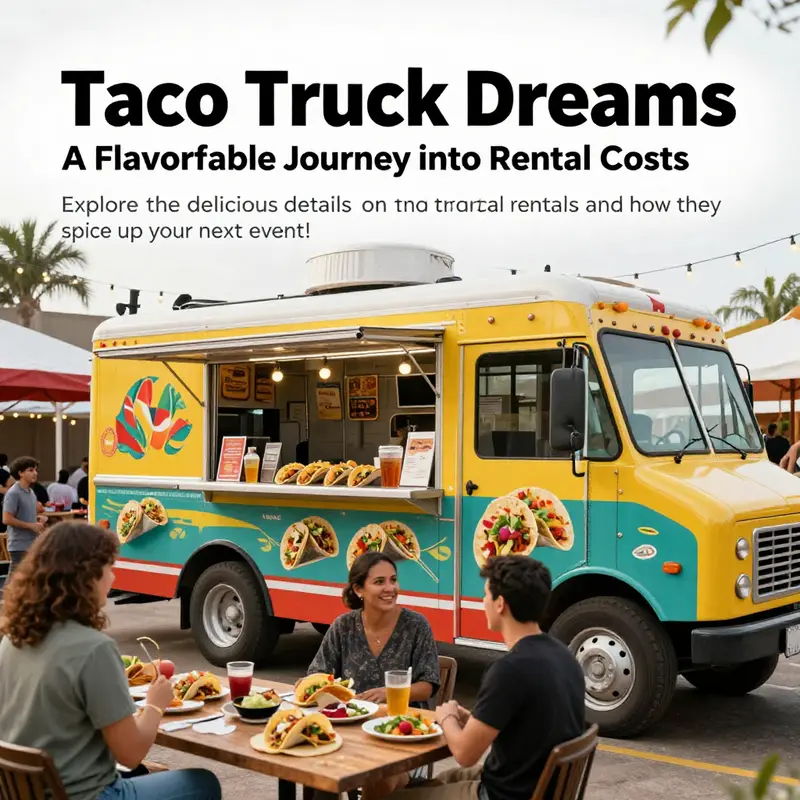
Taco trucks have become the beating heart of culinary gatherings, turning mere events into vibrant fiestas filled with tantalizing tacos, bursting with flavor, and a dash of culture. Whether you’re planning an office lunch, a birthday bash, or a corporate gathering, renting a taco truck can be an exhilarating way to serve freshly made tacos right at the scene. But how much is a taco truck rental? This question unveils a colorful tapestry influenced by factors like location, equipment, and whether you opt for a sleek, new model or a seasoned truck that has seen years of delicious service. As you dive into this savory exploration, each chapter will decode the costs, factors influencing those figures, compare rental to purchasing, uncover regional price variances, and analyze market trends. Ready to taco ‘bout it?
Pricing in Motion: Understanding How Much a Taco Truck Rental Really Costs
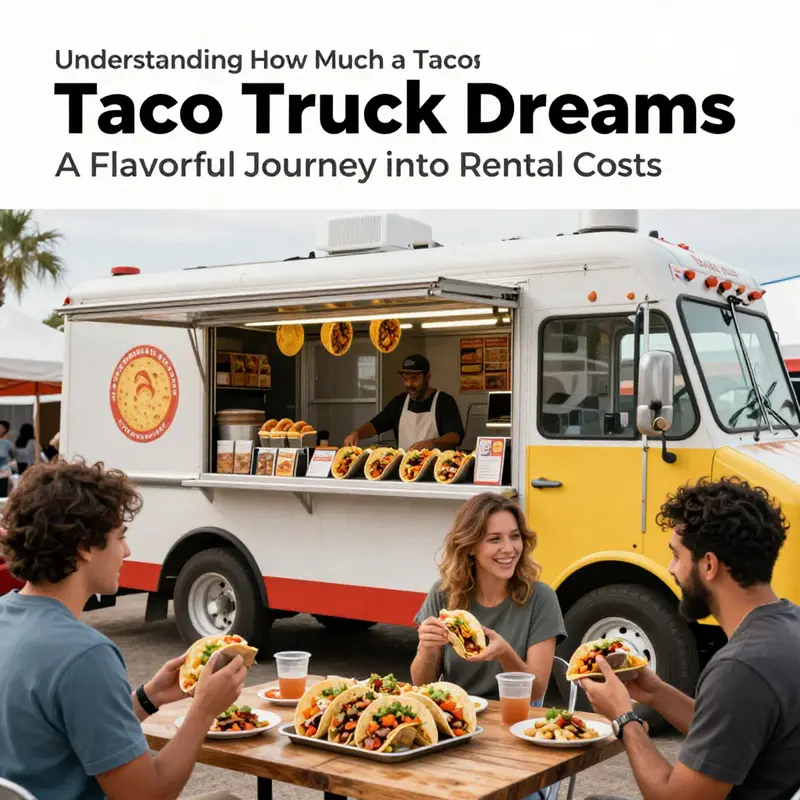
Pricing a taco truck rental isn’t a single fixed number; it’s a moving target driven by location, duration, vehicle type, and what’s included in the package.
Rental rates typically range from a few hundred dollars per day for a basic shell or compact unit to well over a thousand dollars per day for a fully outfitted, industry-grade mobile kitchen, with longer leases often unlocking discounts. The exact figure depends on factors like equipment quality, the size of the kitchen, and whether essential items such as refrigeration, exhaust, and power are included.
Other cost components matter too: insurance, permits, fuel or energy surcharges, maintenance, and even cleaning fees can surface in quotes. Regional demand, competition, and regulatory requirements can push daily rates up or down. A local truck with limited travel will usually be cheaper than a unit designed for multi-market touring.
When comparing quotes, look for itemized breakdowns: base rental, equipment upgrades, insurance, permits, fuel, and any mandatory service charges. Some vendors offer all-inclusive plans, while others bill separately for add-ons. The smarter approach is to map quotes to your needs: determine the required kitchen capability, the expected duration, and the exact events, then compare apples to apples.
For planning, consider a few ballpark ranges as a starting point: a lean, basic-equipped truck might sit in the lower end of the daily spectrum, while a fully outfitted mobile kitchen can push toward the higher end, especially in high-demand markets. Always verify what’s included in the price and request a written, itemized quote before committing. If you’re evaluating across markets, focus on core drivers of cost: truck type, kitchen equipment, insurance, permits, fuel, and the duration of use. For broader context on vehicle rental pricing practices, you can explore general vehicle rental platforms, such as Kayak: https://www.kayak.com
Price on the Move: The Real-World Factors That Determine Taco Truck Rental Costs
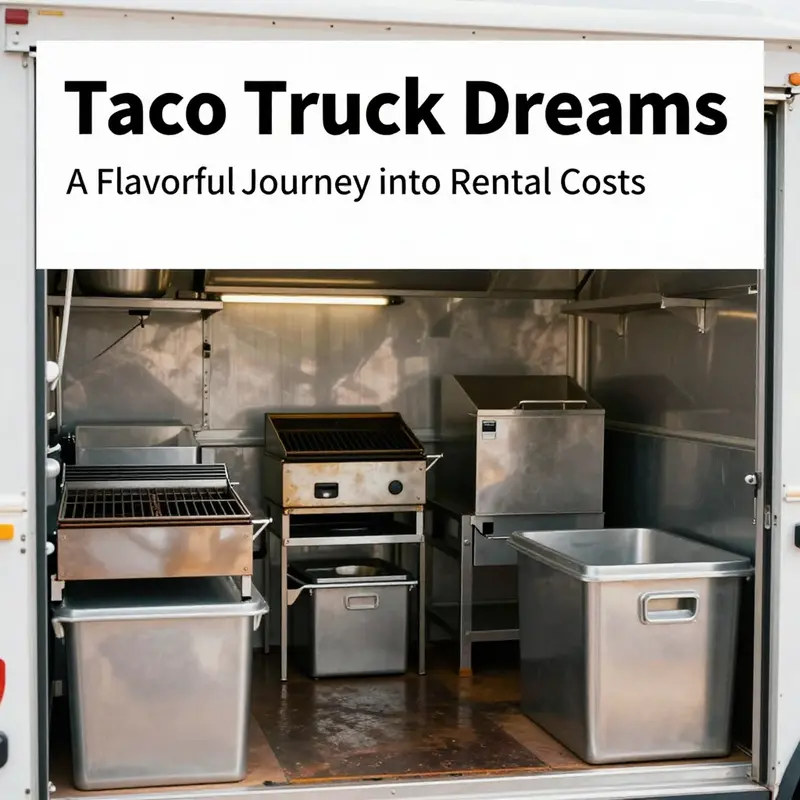
Prices for renting a taco truck do not sit on a single line of a price sheet. They move with market conditions, the specifics of what you need, and the real-world costs of keeping a mobile kitchen compliant, safe, and reliable. When you start planning, you quickly learn that the rental figure is a composite, built from several interacting variables rather than a fixed tag. The most obvious starting point is the vehicle itself. A brand-new, fully customized taco truck with top-tier kitchen equipment will command a premium that dwarfs the rate charged for a smaller, used truck with basic appliances. Size matters here too: a larger footprint means more kitchen space and a more comfortable customer area, but it also carries higher operating and storage costs for the rental company, which get passed along in the daily or monthly rate you pay. It’s common to see a wide spectrum of options, from compact, basic units to expansive, chef-grade setups, and each end of that spectrum comes with its own price ceiling and value proposition. For readers who want a quick sense of how these factors translate into price, consider that the range can widen dramatically if you opt for a fully loaded, brand-new unit, versus a lightly equipped used truck. A mid-range approach, with a reliable used truck and a solid but not extravagant kitchen setup, often lands in a more approachable price band that still supports a strong business operation. The practical takeaway is simple: don’t assume a single number will cover every scenario. Instead, map your needs against the realities of the market, and let the figures reflect your particular blend of size, equipment, and reliability. A good starting point for understanding the broader landscape of truck models and what they typically offer is to explore top taco truck models for culinary success, which provides context on how different layouts and features can influence price. Top taco truck models for culinary success. While this chapter isn’t a catalog of specific price tags, it helps frame what features drive costs and what you should expect to prioritize when evaluating quotes. It’s worth noting that the bare cost of the vehicle is only one piece of the puzzle. In most markets, the rental price also includes or excludes a variety of ancillary charges that can move the total far from the baseline daily rate. Insurance, routine maintenance, and cleaning services are frequent add-ons. Some providers bundle these into a single package, while others itemize them separately, which can make a quote look deceptively low at first glance. If you’re budgeting, assume there will be some level of insurance cost on top of the base rental, and recognize that maintenance and cleaning can vary with usage, event frequency, and the condition of the truck you’re renting. There is also the reality that a truck’s operational kit—refrigeration, exhaust systems, cooking appliances, and electrical infrastructure—will require ongoing upkeep. If a unit has more advanced equipment or a larger electrical load, it may incur higher maintenance or ancillary-charge demands. The effect is twofold: while a premium truck promises better performance and capacity, it also raises the baseline risk and the administrative burden on the rental company. That tension often translates into a higher daily rate, but with the potential for fewer headaches during your event, including quicker service support and fewer unplanned outages. Understanding this balance is essential to budgeting effectively for a food-service pop-up or a multi-event schedule. The urban-rural dynamic further complicates the math. In metropolitan areas with intense competition for prime street spots and higher permit costs, rental rates tend to be at the higher end of the spectrum. In more rural or smaller-town settings, you can often secure more favorable daily rates, partly due to lower overheads for the rental company and a different demand profile. Regulations also matter. Some cities impose stricter permit regimes, health inspections, and sourcing requirements that can add hidden fees or complicate scheduling. Even if the truck is rented with a turnkey kitchen, the cost of complying with local health codes, fire-safety inspections, and waste disposal can appear as additional line items on a quote, particularly for short-term hires or one-off events in newly chartered markets. The duration of your rental is another lever you can pull. Short-term rentals, such as a weekend festival or a single fair, come with higher per-day rates because the provider must cover setup, breakdown, and the risk of wear and tear in a compressed window. Long-term arrangements—think several weeks or months—often come with discounted monthly rates or bundled service packages. In other words, the longer you commit, the more room there is for negotiation and for the rental company to optimize scheduling, maintenance, and staffing. Yet even with a lower monthly rate, the total cost can escalate if the agreement includes heavy insurance, extensive cleaning, or frequent on-site support. A consumer or small business should weigh the benefits of a more predictable monthly cadence against the flexibility of a shorter commitment. The presence or absence of branding, too, subtly shifts cost. A fully branded unit, designed to be a turnkey sales machine with custom graphics and built-in customer contact points, tends to carry a premium. Conversely, a plain, unbranded truck may offer leaner rates but require you to invest more in your own marketing, signage, and customer experience. Service packages offered by perceived reliable providers can also tilt the value proposition. A premium package might include routine maintenance, on-site support during events, and rapid-response troubleshooting, which reduces downtime but raises the upfront price. A leaner package may save money but impose potential downtime if issues arise mid-event. In this environment, the best approach is to quantify what speed and reliability you need for your business plan. If your schedule depends on back-to-back events and you cannot afford a breakdown, investing in a robust service package can save time, stress, and money in the long run. If, on the other hand, you have a more flexible calendar and a personal willingness to manage minor hiccups, a leaner rental can free up capital for other growth initiatives. An essential step in any planning process is to request detailed quotes from local providers and scrutinize what is included or excluded. The numbers can look deceptively small at first glance, but once you factor in insurance, cleaning, maintenance, permit-related surcharges, and potential downtime, a more accurate picture emerges. Budgeting, therefore, becomes less about chasing the lowest daily rate and more about understanding the total cost of operation during your chosen time frame and event mix. For those who want a quick sanity check on the landscape of truck models and their typical implications for price, the linked model guide offers a rooted starting point to ground expectations in real-world configurations. And if you want to see how a multi-faceted offering—the combination of equipment, support, branding, and service—can influence value, consider how a turnkey setup compares to sourcing components separately. In parallel with these considerations, it’s prudent to think about regional price norms. A festival in a major city often demands more staffing, more elaborate electrical needs, and higher security and sanitation requirements, all of which can push up the overall rental package. A smaller community event, while offering lower rates, may require you to provide more oversight on compliance or more hands-on management of the truck, which can also affect the perceived value of the rental. With all these moving parts, the practical question becomes how to estimate a realistic budget for your particular plan. Start with a baseline for the vehicle and essential kitchen equipment that can comfortably produce the menu you intend to serve. Then layer in the cost of power, plumbing, refrigeration, and ventilation, along with insurance and maintenance expectations. Add the administrative cost of permits and health compliance, then factor in potential charges for cleaning and downtime. Finally, consider whether a comprehensive service package might reduce risk and downtime, and how that trade-off aligns with your event frequency and revenue goals. For readers seeking a concrete contact path tailored to their region, local vendors and specialized mobile-kitchen suppliers remain the optimal route for quotes and availability. The numbers live in the quotes, and the quotes live in your prepared budget, which should be written with room for the unexpected—because in the world of mobile food service, costs rarely stay static. For current rental options and pricing in specific regions, you can explore platforms that connect operators with available trucks, though you should expect variability and a need for direct negotiation. External resource: https://www.rentaltrucks.com
Riding the Road: Weighing Taco Truck Rental Against Buying for Your Street-Side Vision
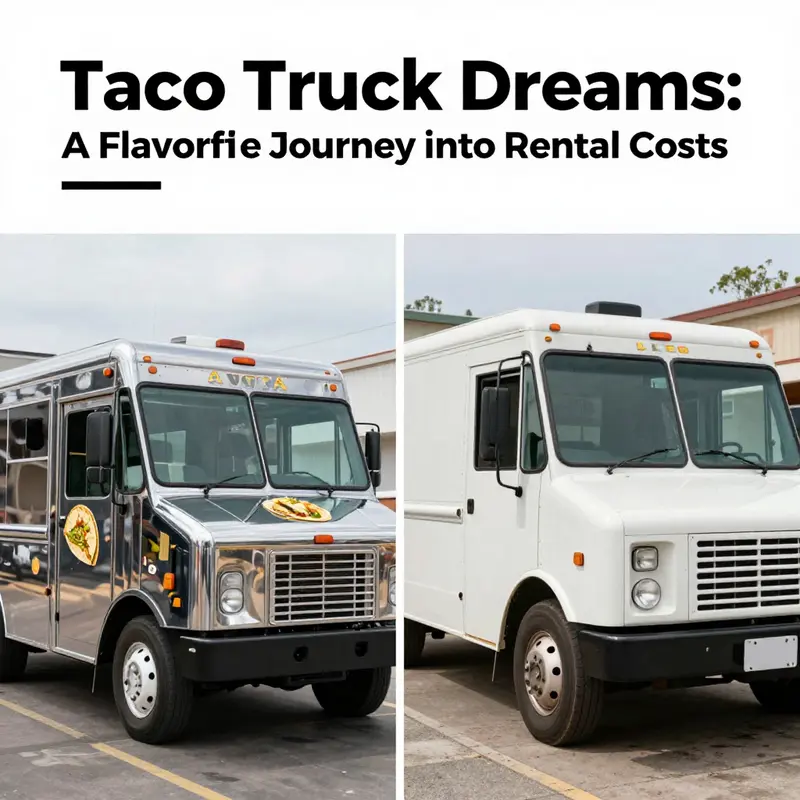
When you chart a path into the world of mobile tacos, the first big decision often comes down to ownership versus access: should you rent a taco truck or buy one outright? The answer isn’t a single figure, because costs shift with location, duration, equipment level, and your long-term ambitions. Yet the question remains essential: how much are you willing to invest upfront, and how much are you prepared to pay over time to stay on the road? A clear-eyed look at rental and purchase options helps shape a plan that fits your appetite for risk, your appetite for growth, and the realities of cash flow in a business that thrives on consistent, tasty timing as much as on sizzling equipment. The price picture becomes a guidepost, not a verdict, steering you toward a model that aligns with your test phase, your market, and the speed at which you want to scale.
Renting a taco truck offers a lower upfront barrier and a built-in safety net that many first-time operators value. In practice, daily rental rates can fall in a broad range, depending on region and what’s included in the package. For example, in a Southern California corridor, a base pickup-truck configuration suitable for a mobile food concept might start around the mid-60s per day, according to recent regional data. This kind of price point makes it feasible to launch a pop-up idea with relatively modest monthly outlays, test demand, and refine your menu without locking capital into a fixed asset. When you add higher-end kitchen equipment, branding, or a turnkey mobile kitchen package, the daily rate climbs, and the decision tree expands: do you want the flexibility of trying a concept in a short window, or do you want a more predictable platform that resembles a traditional commercial kitchen on wheels? The rental model often includes perks that matter in the early days—maintenance, roadside assistance, and some level of support—so you can focus on cooking, not on mechanical surprise repairs.
Beyond the day rate, rental terms can vary by region and by what the vendor bundles with the vehicle. Short-term trials are common, but many operators eventually consider longer-term leases. When you compute the annualized cost of a daily rental, the arithmetic can be revealing. Consider a scenario where you rent at roughly $67 per day and operate around 200 days in a year, closer to a robust part-time schedule for a starter concept. That comes to about $13,400 in annual rental costs. It’s a meaningful expense, yet still far short of the typical price tag that a purchased unit can command. If your plan is to grow quickly, or you anticipate operating at peak capacity for many months, the rental expense might still be preferable to absorbing a large upfront loan or depleting working capital on a single asset. And, as noted in industry conversations, rental agreements often incorporate maintenance and support services, which reduces the unpredictability of costs that can derail a cash flow plan during a busy season.
Buying, by contrast, introduces a different kind of clarity—and risk. A new or custom-built taco truck can range from roughly $60,000 to well over $150,000, depending on size, equipment, and the degree of customization. A solid used truck, if well maintained and appropriately configured, often lands in the $15,000 to $40,000 band, sometimes even less when the market is soft and the unit has room for refurbishment. These price bands reflect not only the chassis but the kitchen layout, refrigeration, venting, grease management, and the quality of the cooking equipment that makes your menu possible in the first place. The decision between new versus used touches not just cost, but risk and potential downtime. A newer truck may deliver reliability and a showroom finish that commands branding advantages, while a used truck can accelerate time-to-market but may require a heavier ongoing investment in repairs or upgrades to meet regulatory and efficiency standards.
Owning a truck carries ongoing costs that renters typically do not shoulder, or shoulder to a lesser degree. Insurance is a constant line item, as is maintenance and routine servicing to keep the kitchen and a vehicle in sync. Fuel efficiency, engine wear, tire replacement, and unexpected repairs all eat into operating margins. You must also account for depreciation, which affects tax strategies and the long-term value of the asset on your balance sheet. If finance is used, loan payments become a regular monthly charge, and interest compounds the total cost of ownership. Taxes, permits, fuel, and even branding investments that help you stand out in a crowded market are often factored into the cost of ownership in a way that rental pricing doesn’t require in the same way. In short, ownership aligns with a longer horizon and a more predictable cadence of growth, but it also demands discipline in asset management and cash reserves to weather downturns or seasonal lulls.
From a strategic standpoint, the decision hinges on how you intend to use the truck and how learnings from early operations translate into long-term business value. Renting can be ideal for pilots, collaborations, or temporary events where a fixed facility would be impractical. If you’re evaluating a market test or a single season of catering, renting minimizes the risk of tying capital to an asset that may not generate expected returns. It’s also worth noting that rental programs occasionally include maintenance and roadside assistance—reducing the headaches of breakdowns when you’re on a tight service window. If you foresee regular usage and a steady workload, however, buying may yield a higher return on investment, particularly once you spread the cost over several years or leverage financing to manage monthly outlays. The ability to brand, customize, and refine your kitchen to suit a signature menu—while preserving the vehicle’s resale value—can make ownership financially attractive over time, even if the initial price hits six figures in some configurations.
Longer-term considerations add another layer to the equation. A rental contract that covers maintenance converts what might be surprise costs into predictable operating expenses. Yet the total rental expense over a number of years can add up, and the absence of equity can feel uncomfortable as you plan to scale. If you intend to operate the business for multiple years with high daily volume, buying often comes out ahead when you factor in the depreciation benefit and potential tax incentives that reward asset ownership. Financing options, when carefully structured, can turn ownership into a manageable monthly commitment that competes with the monthly burden of renting, especially if you expect to operate at high volume for an extended period. In that sense, the choice resembles a classic business dilemma: should you maximize flexibility and minimize risk in the near term with renting, or build equity and control in the long term by purchasing?
The practical answer is: align your decision with your plan for the next 12 to 36 months. If you’re testing a concept, entering a new market, or supporting a one-off festival or series of events, renting can be a sensible, less risky approach that preserves capital for food costs, staffing, and branding. If you are building a scalable operation with repeat events, a stable route to regular service, and a plan for regional growth, buying can create a platform for continued investment in style, efficiency, and menu evolution. In either case, it helps to model cash flow across seasons and to run a short- and long-term break-even analysis that accounts for the full spectrum of costs—upfront, ongoing, and residual.
For readers seeking a quick orientation on practical configurations and the kinds of models operators consider when weighing these choices, a recent guide on taco-truck configurations and model options offers a helpful frame of reference. It highlights how different layouts, equipment packages, and design choices influence both upfront price and long-run operating efficiency. You can explore that framework here: Top food truck models for entrepreneurs. This resource can help you picture how a particular build affects your price ceiling, your menu pace, and your branding potential as you move from concept to street-level reality.
In the end, the path you choose should reflect your confidence in the market, your appetite for risk, and your readiness to manage a mobile kitchen as both a culinary and a business instrument. Renting lowers the barrier to entry and accelerates market testing, while buying creates a durable platform for growth, branding, and optimization. The right choice may even blend both strategies over time—a temporary rental to test a new route, followed by a purchase once you’ve validated demand and refined your recipe and service model. Either path demands disciplined budgeting, careful due diligence on the truck’s condition and equipment, and a clear plan for how you’ll convert a good taste into repeat customers and steady revenue.
For ongoing pricing and regional options as you explore your path, consider consulting regional rental data and current listings, along with a detailed comparison of scenarios that reflect your target market. And if you’re curious about how specific truck configurations influence cost and performance, you can reference industry guides that explore the top models and layouts tailored to culinary entrepreneurs: Top food truck models for entrepreneurs. (Internal link) And for a practical, up-to-date sense of rental availability and pricing across regions, you can check industry-standard aggregation resources such as Kayak, which often features vehicle rental options that help frame the market context as you plan your launch: https://www.kayak.com.
External reference: https://www.kayak.com
Pricing on the Move: How Regional Differences Shape Taco Truck Rental Costs
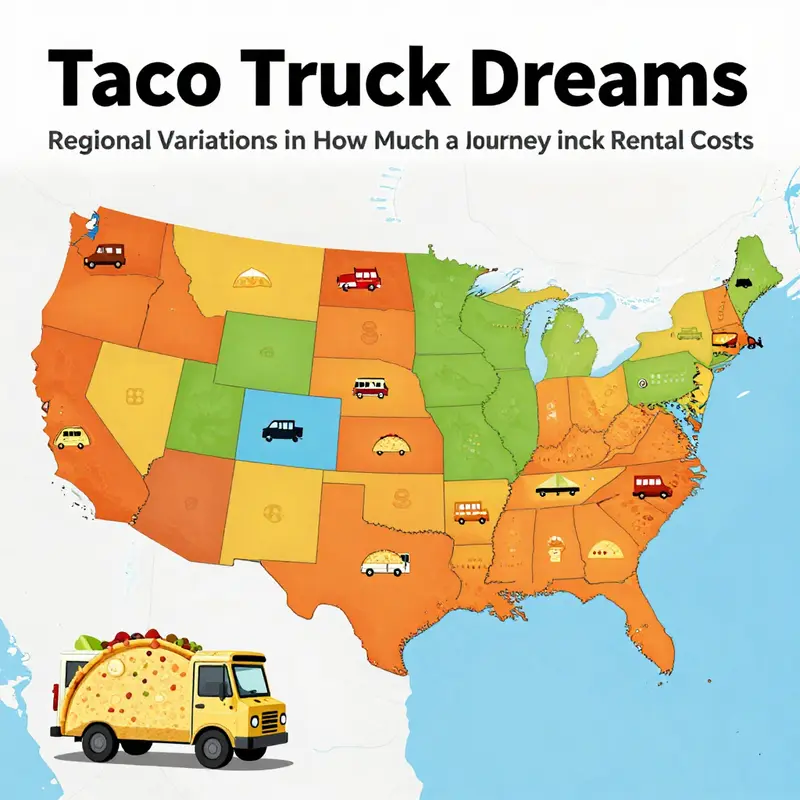
When you start budgeting for a taco truck, the instinct is to pin costs to a single number: the daily rent, the purchase price, or the sticker on a used unit. In truth, regional variation is the quiet driver of what you’ll actually pay. There isn’t a national price tag for taco truck rentals that fits every city, state, or festival calendar. What you’ll see instead are broad ranges that shift with location, duration, and the configuration of the vehicle itself. The most visible distinction is between buying and renting. A used taco truck can carry a surprisingly wide spread—roughly from fifteen thousand dollars to forty thousand—depending on size, condition, and the equipment included. Those numbers reflect not only the shell of the vehicle but the kitchen footprint, storage, and the reliability of the appliances inside. If you’re aiming for something closer to a turnkey mobile kitchen—brand-new or custom-built—the cost climbs steeply. A fully equipped unit can land somewhere in the range of sixty thousand to well over a hundred thousand dollars, especially when premium cooking gear, refrigeration, branding, and a tailored interior design are part of the package. For many newcomers, the renting route offers a practical bridge between concept and operation because it minimizes upfront commitments while testing the market and the workflow of a mobile kitchen. Daily rental rates for taco-truck setups generally fall between one hundred and three hundred dollars, with the variance driven by the region, the level of equipment, and the length of the rental period. If you’re evaluating a rental, you’ll want to factor in what’s included: a basic shell versus a full kitchen, along with the necessary permits, insurance, and any service support. It’s a reminder that the headline rental price is just one line in a larger monthly or seasonal cost picture. A broader view reveals how regional economics shape the bottom line, even before you start cooking for crowds. For a sense of how these regional dynamics show up in practice, consider a couple of concrete data points where the landscape is visible enough to be meaningful. In Pueblo, Colorado, a Ford F-150 pickup—often used for light food service duties—commands a daily rate around one hundred and six to one hundred eleven dollars. That price sits within a mid-range band for pickup-based approaches, but it also hints at the costs that come with a vehicle that can handle a modest kitchen add-on if you’re configuring it for food service. In Palmdale, California, the same practical footprint can look quite different. A Toyota Tacoma can start as low as about sixty-seven dollars per day, with a weekly average hovering around five hundred eighty-nine dollars and a monthly figure near twenty-five hundred dollars. The California numbers, in particular, point to a broader regional pattern: California often exhibits competitive daily rates in some markets due to high supplier density and fierce competition. Colorado, by contrast, tends to show higher rates in certain corridors, influenced by topography, distance to major event hubs, and the costs involved in sustaining a small fleet in a rugged environment. Taken together, these data points aren’t a single verdict so much as a guide to what can shift from one region to the next. They also caution against reading a single number in isolation. The daily rental price is a snapshot; the true cost of operation includes insurance, fuel, maintenance, and the often-overlooked expenses like parking, permits, and inspections. And if you’re evaluating rental versus ownership, the calculus changes again: a rental might deliver the flexibility to test demand without tying up capital; buying adds depreciation, maintenance obligations, and the need to manage a mobile kitchen as a long-term asset. Those trade-offs matter more when you’re planning around a region’s event calendar and its local regulatory climate. The regional pattern also feeds into how you design your testing and growth trajectory. In California, a robust supplier network can push down daily rates for some configurations while still leaving space for premium-grade kitchens that push the cost up. In Colorado, while some markets are price-competitive, others draw higher figures as operators invest in capable all-season setups to handle mountain towns and festival itineraries. The practical implication is simple: you should anchor your budget to more than the headline number. Ask for a full quote that itemizes the vehicle, the kitchen configuration, the duration, and the included services. Ask about what happens if you extend the rental, or if you shift from a single event to a seasonal run. An informed quote will reflect the region’s pricing pulse and the specifics of the build you’re considering. For those who want to compare configurations and learn what’s possible, a broader exploration of taco-truck models can be illuminating. A related overview of common configurations highlights how a basic shell with a compact kitchen differs from a larger, fully equipped mobile kitchen on wheels. That context can help you interpret regional price signals more accurately. taco-trucks-unleashed-top-5-models-for-culinary-success serves as a helpful reference for understanding how different setups shape capability and cost, without getting lost in a sales pitch. The point is to connect the regional price picture to practical decisions about equipment, capacity, and schedule. The cost picture also interacts with the realities of running a mobile food operation in different markets. A region with high labor costs, tighter permit regimes, and stricter health and safety standards will push ongoing costs higher, even if the daily rental rate is competitive. Insurance requirements might differ for a region with denser traffic or more frequent street festivals. Fuel prices, maintenance logistics, and the cost of keeping a fleet in service will all feed into the final monthly expenditure. These are not abstract drags; they’re the everyday realities that determine whether renting makes sense for a given season or a given city block. In practice, the smartest move is to approach pricing as a conversation with a few local providers rather than a one-off price quote. Ask about the typical rental configurations in your target area, and request quotes for the same duration with the same equipment package so you’re comparing apples to apples. If you’re planning multi-city events, map out budget envelopes by region and season, and factor in travel or relocation costs that can accompany a broader rollout. You’ll often find that the same vehicle or kitchen configuration commands different price points depending on where you are, which underscores the core message: regional economics shape the economics of taco truck rentals. For readers who want a quick sense of how the math plays out in the field, it’s worth noting that the cheapest path in one region might not be the most cost-effective over a longer engagement elsewhere. A three-month test in a high-competition market could justify a more robust rental package or even leaning toward a mid-range used truck with a lighter kitchen. A week-long festival run in a rural area could favor a simpler setup with lower daily rates and reduced insurance costs, while a city-center block party might demand premium equipment, quicker service, and a larger crew, all of which lift the price tag. In short, regional variations aren’t just about the dollars on the page; they reflect the practical realities of supply, demand, and the operating environment. When you stitch together the numbers, the regional story becomes a smarter guide for planning, rather than a barrier to entry. It helps you decide whether a rental aligns with your current stage, your appetite for risk, and your confidence in testing a mobile kitchen concept in a given market. This approach also sets the stage for the next stage of the planning process, where you’ll weigh whether renting, buying used, or investing in a new build best serves your goals, your cash flow, and your appetite for growth. The regional lens makes that decision more precise, helping you forecast not just a price, but a practical, regionally informed path to a thriving taco operation. External resource: https://www.tacotruckrentals.com
Tasting the Market: A Practical Guide to the Real Cost of Renting a Taco Truck
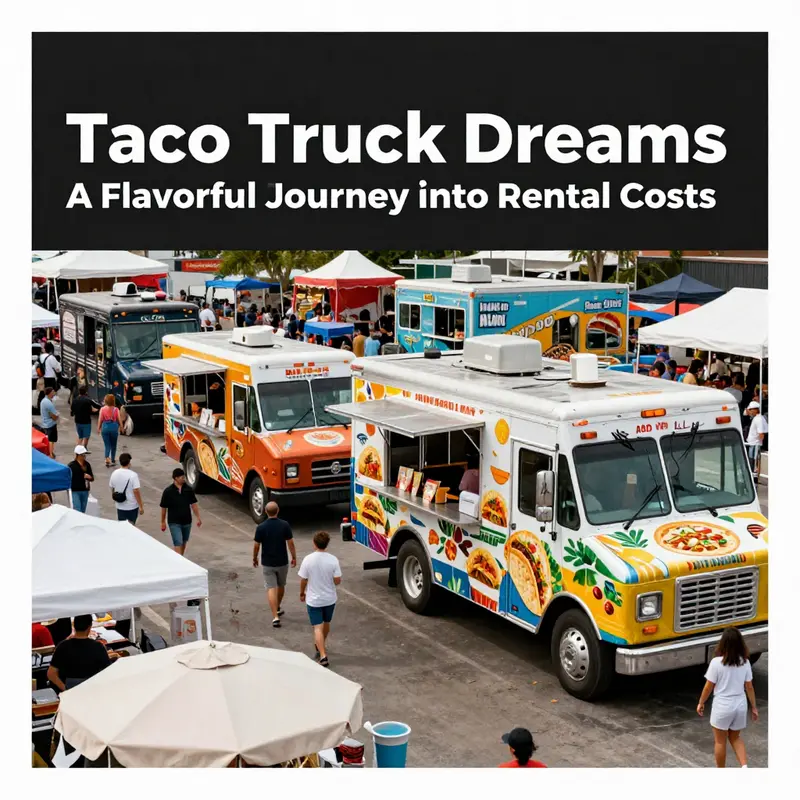
When people start exploring a venture in street food, one of the first questions is deceptively simple: what is the price to rent a taco truck? The reality is more nuanced than a single price tag. A taco truck rental—if you can call it that—often isn’t a single, uniform offering. It ranges from renting a bare vehicle to leasing a fully equipped mobile kitchen that can churn out meals with the speed and consistency of a permanent storefront. And just like any commercial kitchen, the cost is influenced by location, duration, the condition of the vehicle, and how much of the kitchen you actually need on wheels.
To begin with, the market tends to split into a few broad pathways. There are used taco trucks, which can range from roughly fifteen thousand to forty thousand dollars depending on size, equipment, and how well they’ve been maintained. Then there are new or custom-built taco trucks, which can swing from sixty thousand to well over a hundred thousand dollars, particularly if the build includes high-end appliances, branding, and a tailor-made layout. Finally, for teams that want to test the waters without committing to ownership, there are rental or lease options that typically run from around one hundred to three hundred dollars per day. The exact numbers depend on region, the sophistication of the kitchen setup, and the terms of the lease, such as whether maintenance is included, how fuel is handled, and what kind of insurance is required.
Taken together, these figures aren’t just numbers; they sketch out a decision tree. If you’re a new entrant testing a concept, renting a fully equipped truck could be a way to learn the business with limited capital. If you’re planning a more ambitious operation, an owned or custom-built truck might be necessary to support a reliable schedule, consistent branding, and the kind of kitchen workflow that keeps a menu moving during peak hours. The challenge is that there isn’t a national price standard for taco truck rentals. Local vendors set the terms, and a host of variables can tilt the monthly or daily cost by a noticeable margin.
The most transparent way to frame this is to acknowledge what you’re actually renting. A bare vehicle is cheaper but offers little value for a food company. A basic, pre-equipped taco truck can deliver a fast track to service but may still require you to secure permits, install your own branding, and arrange for a commissary space for downtime and storage. The premium option involves a fully customized kitchen on wheels: exhaust hoods, venting, fire suppression, high-output refrigeration, prep counters, handwashing stations, and sometimes a tuned power system capable of running at full tilt for long shifts. Each of these elements adds cost, but they also expands capacity, quality control, and the ability to service a larger clientele.
Understanding these layers is essential because the rental or purchase price only tells part of the story. Ongoing costs—insurance, maintenance, fuel, generator fuel, and periodic equipment replacement—shape the total cost of ownership or the true expense of a long-term lease. The numbers you’ll encounter may fluctuate by region, season, and regulatory climate. Urban markets with strict health and safety standards often push up the price for certified kitchens and the equipment that keeps them compliant. Rural or developing-market scenarios may offer lower sticker prices but come with trade-offs in logistics, availability of services, and easier access to a commissary network.
From a planning standpoint, you’ll want to translate the sticker price into a real budget line item by projecting how many events you’ll attend, how many days you’ll operate per week, and how many meals you expect to serve. A simple way to start is to separate upfront costs from ongoing costs. Upfront costs include the base price of the vehicle, the kitchen fit, and any initial licensing or permit fees. Ongoing costs encompass insurance, maintenance, fuel, generator operation, utilities, cleaning, and routine equipment replacements. When you combine these components, you begin to see whether a rental arrangement or a purchase makes more sense for your business model and cash flow.
To illustrate, consider a hypothetical scenario that mirrors many real-world decisions. A startup plans to operate at weekend markets and private events in a mid-sized city. They’re weighing a used taco truck with basic cooking equipment versus a newly built, fully equipped model. The used option sits in a price band around the low to mid range of the market—say, roughly fifteen to forty thousand dollars—and might include a standard griddle, a charbroiler, refrigeration, and storage. It’s important to scrutinize the condition of each component: engines, electrical, plumbing, and gas lines. Any latent issues can escalate costs quickly once the truck is in service. On the other hand, a new or custom-built unit, continuing with typical ranges, can push the price well beyond sixty thousand dollars, reaching into the triple digits if it includes brand tailoring, premium equipment, and turnkey branding that differentiates the business from the outset.
When rental is the chosen path, the arithmetic shifts. A daily rate of one hundred to three hundred dollars might apply in a market with high demand and sophisticated kitchen packages. The business owner must decide whether to operate seven days a week, or a handful of weekends with flexible staffing. The economics hinge on utilization: how many days will the truck be in operation, and what is the expected revenue per event? If a truck is rented for most Saturdays and Sundays but requires a commissary or a dedicated parking and power solution, those ancillary costs must be added to the daily rate to reveal the true cost of each service window. In many regions, a rental that includes a fully equipped kitchen also bundles basic maintenance and some level of on-call support, which can be a significant value-add. If you’re more hands-on and capable of handling minor repairs, you might negotiate a leaner package with correspondingly lower daily fees.
One striking takeaway from exploring the market is how the data landscape shapes the advice you’ll receive. The information that’s readily accessible often centers on pickup truck rental prices in a spectrum of cities—places like Dallas, Madison, Twin Falls, and several others. These listings are generally for standard vehicles and do not reflect the scale, equipment, or compliance requirements of a true mobile kitchen. It’s easy to misinterpret a low daily rate for a taco truck rental if you’re not comparing apples to apples. The rental of a non-commercial vehicle, or a bare chassis, should not be confused with a freighted mobile kitchen on wheels that complies with health regulations and can operate on a menu with safety and efficiency.
That gap is precisely why the advice from seasoned operators is to approach pricing with specificity. If you’re serious about the taco truck path, you’ll want to contact local vendors or mobile kitchen specialists who can tailor packages to the exact specifications you require. A practical starting point is to map out your required equipment, space, and power needs before reaching out. For instance, you might list the essentials: a two-burner griddle, a flat-top surface, cold storage for perishables, a handwashing station, a grease management system, proper ventilation, and fire suppression. Then, you’ll compare not just the price, but the capacity for future growth—whether you’ll need extra refrigeration for peak season, additional burners for larger menus, or branding options that help you stand out at events.
In the process of evaluating options, consider how a supplier frames a package. Some providers bundle branding, permitting assistance, and a maintenance plan into a single monthly rate. Others unbundle these services, allowing you to cherry-pick the components that fit your strategy and cash flow. The right fit depends on your projections for event volume, staffing, and the availability of a commissary or the space you’ll use to stage the truck between gigs. The key is clarity: you should be explicit about what is included, what is excluded, and what contingencies exist if you need to extend a rental period, swap equipment, or relocate the truck on short notice.
If you’re curious about configurations and the strategic choices behind them, you can explore industry perspectives on the topic. For example, a segment of the food truck community highlights how different truck models support varying culinary approaches and business scales. You can learn more about the kinds of configurations that are popular among entrepreneurs by visiting resources like this overview: Top food truck models for entrepreneurs. It isn’t a price guide, but it helps translate your concept into a physical setup and a workflow that aligns with what you can afford and what the market expects.
Of course, practical budgeting must anchor decisions in real-world data. Because pricing is so region-specific, you should treat any initial figure as a starting point and then obtain formal quotes. A good approach is to solicit several quotes that include the same scope of work, such as a fully equipped kitchen on a trailer or truck, a turnkey branding package, and the costs associated with permits and commissary access. Don’t forget to factor in ongoing costs: insurance, which protects your investment and protects your customers; maintenance, which covers wear and tear on kitchen equipment and the vehicle itself; and utilities, such as fuel and generator consumption, which can be substantial if you’re operating at multiple events across a long weekend.
In parallel with the cost considerations, there is a strategic dimension. Renting or buying is not just about immediate cash flow; it’s also about how the operation fits into your long-term identity and market strategy. If you want a fast launch with a polished brand, investing in a new, custom-built unit with a strong design and a reliable power system may provide a competitive edge. If you’re testing a concept, a shorter commitment to a used truck or a lean rental arrangement could preserve capital and reduce risk while you validate customer demand. The decision will often depend on your confidence in your revenue model: typical prices per taco, expected daily volume, and the seasonality of the location you plan to serve.
For those readers who want to cross-check benchmarks beyond the price tag, note that general vehicle rental platforms can be a useful starting point, but they don’t capture the full scope of a food-service setup. As a practical note, they’re best used as a boundary marker for what you might expect to pay to rent a vehicle, rather than what you would pay for a fully equipped mobile kitchen. If you’re seeking a benchmark or are simply curious about rental economics in a broader sense, a widely used consumer platform can offer a sense of the market’s rhythms, while you pursue specialized quotes for a true taco kitchen on wheels. In all cases, a careful comparison of scope, terms, and total cost of ownership will save time and money in the long run.
Ultimately, the market rewards specificity and a willingness to negotiate. When you walk the line between ownership and rental, you’ll discover that the most meaningful numbers aren’t the headline prices but the month-by-month cash flow implications, the reliability of the equipment, and the flexibility to adapt as your business evolves. To the aspiring taco entrepreneur, the lesson is clear: gather precise specs, seek multiple quotes, and translate the sticker price into a full operating budget. Then you can decide whether rental, lease, or purchase aligns with your vision, your capital, and your appetite for growth.
External resources and practical starting points can guide you as you move from concept to reality. For broader benchmarks on vehicle rental, see Kayak: https://www.kayak.com
Final thoughts
In conclusion, renting a taco truck can be an exhilarating way to brighten up any event, united by the love of tacos and shared experiences. Understanding how much a taco truck rental costs is crucial in planning your gathering. From the initial rental price to the delicious food you’ll serve, each aspect invites you to immerse yourself in your culinary adventure. Whether opting for a new truck gleaming with kitchen tech or a trusted used truck seasoned with years of flavor, each choice can elevate your taco game. So, as you dive into your next event planning journey, remember: the taco truck adventure is one that turns mere gatherings into unforgettable feasts. Taste the difference!

