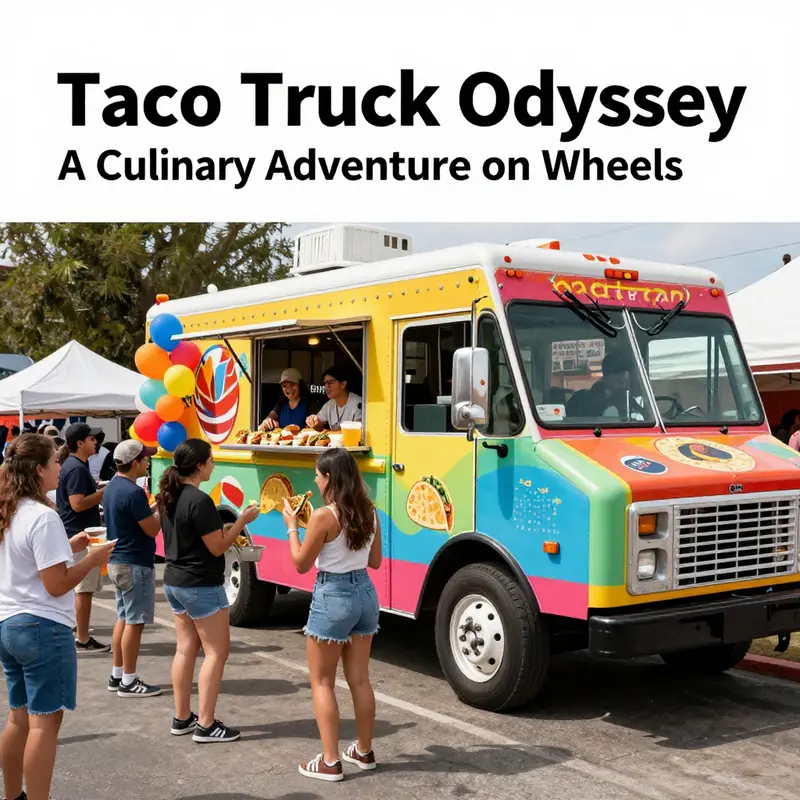
Taco trucks, those vibrant mobile kitchens adorned with colorful graphics and tantalizing aromas, have taken urban food scenes by storm. They serve not just a meal, but a slice of culture, showcasing the rich culinary heritage of Mexico while also evolving to meet modern tastes. From bustling city streets to corporate events and lively neighborhood gatherings, these trucks bring communities together with quick, delicious, and affordable taco options. In the upcoming chapters, delve into the cultural significance of taco trucks, examining their contributions to urban food scenes and local economies. Next, we’ll uncover the economic impact these culinary icons have on communities, boosting local business and driving job creation. Finally, discover the innovative trends shaping the taco truck industry, as they adapt to changing consumer preferences and culinary landscapes. Together, let’s celebrate the fascinating world of taco trucks and their place in our hearts—and our plates.
Rolling Kitchens at the Heart of the City: The Cultural Significance of Taco Trucks in Urban Life
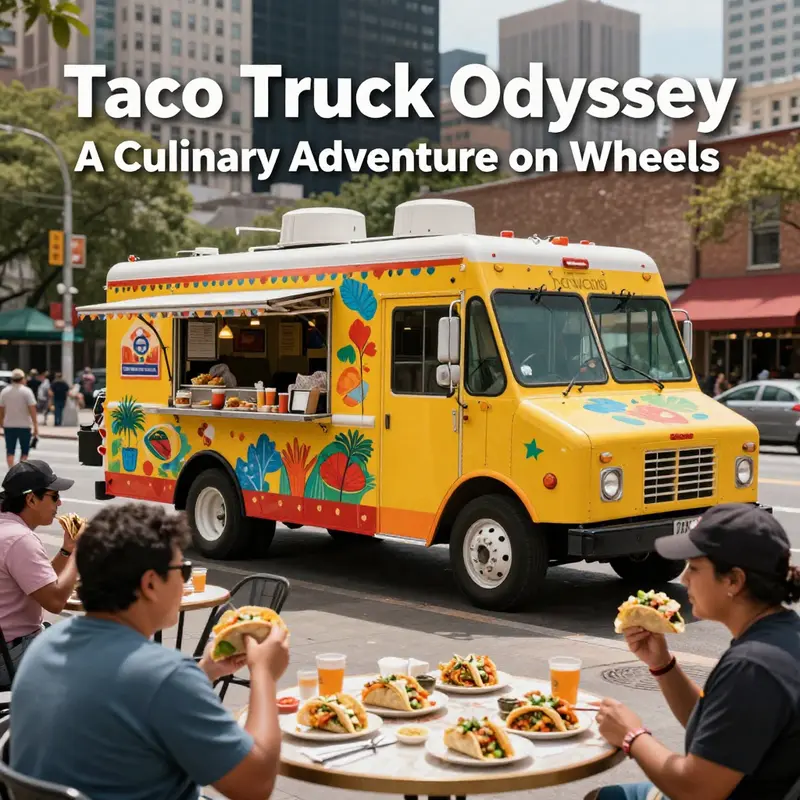
On city streets, a taco truck arrives like a portable stage. A grill glows, a line forms, and the air fills with cilantro, lime, garlic, and almost cinematic sizzle. In the crowded hours of lunch and late afternoon, a single truck becomes a point of intersection for people who otherwise may never share a table. The phenomenon of the taco truck is more than a convenient bite between meetings; it is a flexible, adaptive engine of urban culture. The rhythm of its appearance—the whistle of a burner, the clatter of utensils, the careful arrangement of toppings—speaks to a city’s appetite for immediacy, affordability, and craft. Each stop writes a short, public chapter in a larger city narrative about how people eat, move, work, and connect. The truck is not merely a food source; it is a moving forum where flavors travel as freely as neighbors, workers, and visitors do across a metropolitan map.
These trucks trace a lineage to family kitchens and weekend stands that learned to travel. Their mobility is not just a gimmick; it is a strategic choice. By moving from neighborhood to neighborhood, they avoid the fixed overhead of a brick-and-mortar restaurant, yet they still curate a precise dining experience. They show the way a kitchen can scale up or down in response to demand, weather, events, and the rhythms of the city. In places like Austin, the scene has grown into a living map of regional Mexican cooking. Traditional styles such as al pastor from Mexico City, carne asada from northern Mexico, or Baja California’s fish tacos materialize in the same street where burritos are sold and churros are fried. The different accents of flavor converge in a single cart, and that convergence becomes a city’s shared flavor. The truck’s exterior—its paint, its sign font, the way the steam curls from the exhaust—helps sculpt a visual memory, a kind of edible graffiti that marks where people have been and where they might return for a repeat encounter with a favorite cook.
From the outset, many of these operations were family-run ventures built on weekends and in gaps of time between other work. The trucks learn to travel, to weather the heat and the rain, and to arrive at moments when people want a quick, reliable meal. The kitchen on wheels carries recipes carved over generations, translated into a portable format, and designed to hold up under constant movement. This is not merely a shift in business model; it is a shift in how a family’s culinary heritage interacts with the urban tempo. The truck becomes both a business and a cultural ambassador, a way for a family to translate home cooking into public nourishment without surrendering the sense of place that comes from sharing meals in a familiar setting. The caravan’s itineraries often reflect family histories—migratory arcs that align with seasons, festivals, and the ebb and flow of work in a city’s neighborhoods. In that sense, the taco truck becomes a mobile museum of memory, where each stop reconstitutes a sense of origin while rewriting it for a new municipal audience.
Mobility matters beyond the dollars and hours saved. It reshapes the social texture of the city. When a taco truck stops in a park, near a transit hub, or outside a construction site, it operates as a social space where strangers become neighbors for a moment. Immigrant communities find in it a familiar rhythm— a chance to listen to music, to smell the sizzling grease, to trade stories, and to practice the language of daily life. Day laborers who gather after a workday are not just customers; they become a community who share jokes, weather, and recipes, and who leave with a little warmth and a full stomach. Robert Lemon notes that these gatherings transform the truck into more than a place to eat; they create a hub of interaction, exchange, and belonging. A line forms not merely to order food but to connect, to confirm presence, and to witness a shared urban routine. The scene thus becomes a microcosm of urban resilience: when some sectors of the city feel fragile, the taco truck offers predictable nourishment and human connection, a portable social infrastructure that travels with the people who need it most.
Visual media has captured this energy with particular clarity. A video titled Taco Truck Food Videos offers a window into the rhythm of a Mexi-Tacos truck on a busy city street, letting viewers feel the pace of the grill, the choreography of the cook turning carne on the spit, the moment the toppings slide into place, and the quick, careful handoff of a warm tortilla to a waiting customer. Such footage does more than entertain; it preserves the craft of street cooking and the spontaneity of service, allowing someone far from the street to imagine the roundness of a hot, well-seasoned taco as if they stood beside the truck. The imagery reinforces the sense that these mobile kitchens are not merely places to eat; they are performances—short, intense acts of culinary theatre that animate sidewalks and parks, and that give texture to a city’s day-to-day life. In a world that often privileges fixed, curated dining experiences, the truck asserts a different aesthetic: food as event, service as performance, and space as negotiable, reconfigurable, shared.
This vitality has been recognized in city guides and cultural discussions that invite residents and visitors to seek out the most iconic experiences. In Austin, for example, a widely cited resource emphasizes that some of the city’s best tacos arrive not from a dining room but from food trucks, each with its own story, its own route, and its own neighborhood fan base. The guide highlights the importance of authenticity and accessibility, arguing that the city’s identity is partly written in the lines that form around these mobile kitchens. For readers who want a curated map of what to try, a link to a resource such as Discover The Best Tacos In Austin Tx Strictly From Food Trucks helps connect the flavor with the place where it originates. The phrase itself captures the idea that the best tacos are not made in a single building but in a moving conversation between cook, customer, and street. Discover The Best Tacos In Austin Tx Strictly From Food Trucks becomes more than a recommendation; it is a doorway into a local ecosystem where a neighborhood, its schedules, and its people converge around a shared meal.
Traditionally, the taco truck menu blends the familiar and the regionally distinct. You can expect a lineup of core street-food staples—tacos with grilled meats, onions, cilantro, lime, and a handful of salsas—paired with seasonal adjustments. The flexibility of the mobile kitchen invites chefs to innovate without sacrificing speed. Vegetarian and vegan options have become common as people seek lighter or plant-based alternatives that still convey the joy of bright flavors. Fusion-style creations—where Mexican techniques mingle with ingredients drawn from other culinary currents—illustrate how mobility fosters experimentation. A truck need not commit to one style; it can test a concept at a neighborhood festival, refine it, and then pivot. And pivot they do, often in response to auditory cues from the street: the chatter of a crowd, a festival bell, a school pickup line, a late-shift workforce returning to a neighborhood after a long day. The ingredients tell a story of place as much as of palate: the farmers’ markets that supply the cilantro, the coastal markets that stock fresh fish, the butchers who provide slow-cook-ready cuts, and the local producers who bring handmade salsas and sauces to the cart’s assembly line.
Community and competitiveness coexist in this mobile world. The low overhead of a truck means entrepreneurs can begin with modest savings, sometimes launching as a weekend side project that expands into full-time operation as demand grows. The family or owner-operator who drives the truck often has an intimate understanding of the city’s rhythms—the times when lunch crowds swell, the pockets of neighborhoods with the strongest appetite for late snacks, the events that draw the most foot traffic. The result is a culinary ecosystem that is dynamic and grassroots, where the joy of the dish is matched by the joy of the business model. The urban street becomes a testing ground for ideas about what resonates: a heat level, a tortilla thickness, the balance of cilantro and onion, the brightness of a squeeze of lime, the shadow of a sizzling grill. The street, not the dining room, shapes flavor. With every stop, a new feedback loop forms: customers test a tweak, cooks observe, the truck adjusts, and the next crowd experiences a slightly refined version of the same beloved classic. The iterative nature of this process anchors the truck in a culture of continual renewal rather than a one-off culinary trend.
Cities benefit from this mobility in several subtle ways. The trucks meet people where they live, work, and play, which reduces barriers to access. They reach students and office workers who might not have time to seek out sit-down meals, as well as families who crisscross the city on weekends. They also respond quickly to seasonal shifts and population movements. If a neighborhood experiences a spike in demand for late meals because of sports events or concerts, a truck can reposition to that corridor, test a new taco, and adapt that taco for that audience. The approach mirrors a broader pattern in urban food culture: the fastest routes from kitchen to table are those that traverse the street rather than the corridors of a mall. In this sense, the taco truck embodies an ethic of immediacy and accessibility that is hard to replicate in traditional restaurants. The result is a city where food choices distribute more evenly across time and space, and where late-night hunger can be met with warmth, not a long drive or a long wait.
The social value extends beyond appetite. The trucks often become routines in the fabric of daily life. They provide a familiar meeting point for people who share a place in the city but come from different backgrounds. The shared ritual of lining up, negotiating with the cook, and tipping with a friendly nod becomes a small ceremony of belonging. In immigrant neighborhoods, the truck becomes a cross-cultural bridge, offering familiar flavors while inviting others to explore and understand. The act of cooking and serving becomes a portal through which language, hospitality, and memory travel across generations. The value of such spaces becomes especially clear when considering how urban life tends to fracture into discrete, self-contained pockets. A truck that moves between locations can knit those pockets together, linking schools, parks, construction sites, and airports into a single, albeit shifting, street-level network of communal nourishment. The existence of these spaces also challenges stereotypes about street food, reminding us that culinary craftsmanship, discipline, and care operate at the heart of mobility. The cook’s workstation—compact, efficient, well organized—demonstrates a remarkable blend of performative skill and practical engineering, where every tool earns a purpose in a tight, mobile choreography.
When we consider the broader social geography of the city, the taco truck stands as a flexible, resilient node. It is not a symbol of casual eating alone, but a form of urban infrastructure—one that carries people, stories, and ingredients across space with minimal friction. It invites questions about where meals come from, who grows, cooks, and sells them, and how the city recognizes and supports these mobile economies. In this sense, taco trucks are not just vendors; they are crafters of place, painting the city with the scent of grilled proteins and coriander and building a sense of shared urban memory. As a result, the presence of taco trucks contributes to the texture and identity of a city’s culinary map. They become part of how residents define “home” in a landscape where homes can be as much on the corner as in a fixed storefront. The truck’s persistence in many neighborhoods offers a counter-narrative to the idea that authentic street food is a relic of history; it is, in fact, a living practice that continues to shape contemporary urban life by offering a portable, replicable sense of place wherever the wind carries it.
Finally, the story of the taco truck is inseparable from images, media, and the ways we tell urban stories. Visual documentation—whether through videos, photographs, or feature essays—captures more than food; it captures an ethos of movement, labor, and family history. The truck becomes a character in the urban drama, its garnishes and sauces the props of daily life. In Austin, the ongoing conversation about which trucks are essential and which routes best capture neighborhood pride demonstrates how a city can learn from its mobile kitchens. The shared emphasis on affordability ensures that the food remains accessible to workers, students, and families alike, and that the city’s street corners do not become exclusive spaces but open stages for a wide range of voices to be heard. In this way, the taco truck is a living archive of urban culture, a portable gallery that travels from block to block and, with every stop, records a little more of the city’s evolving story. The truck’s presence on the street invites residents to reimagine what a public meal can be: quick, flavorful, communal, and deeply rooted in the everyday life of a city that moves with purpose and joy.
These observations align with broader cultural narratives that present street food as a democratic form of nourishment. The taco truck remains anchored by tradition even as it travels, always returning to a core question: what does it mean to feed a city? The answer, in these wheels, is that food can be both humble and aspirational at once. A single cart can parallel a grand culinary tradition while adapting to the hands, budgets, and schedules of countless city dwellers. The child who learns to recognize a particular truck’s voice may grow up to develop a taste memory that anchors their sense of place. The retiree who stops for a quick bite can hear the sizzle of the grill and feel reminded of earlier evenings in shared kitchens. The truck, in other words, performs repetition with variation—a daily practice of honoring heritage while welcoming new flavors to the table. The urban landscape thus becomes a living classroom of culinary education, where curiosity about new tastes coexists with reverence for the long-standing habits of neighborhood rotation and seasonal specials.
In closing, the urban taco truck embodies a philosophy of food as a public, democratic experience. It asserts that nourishment ought to be accessible, adaptable, and social. It demonstrates how mobility can enable culinary authenticity to travel with people, crossing borders in both sense and flavor. It makes the city feel less like a predefined layout and more like a living space where neighbors meet, stories are exchanged, and plates come with the memory of the person who cooked them. The taco truck matters not merely because it serves a good taco, but because it reveals how urban life could be organized around small, shared rituals that travel through streets, plazas, and parks—rituals that bind the city together and keep its culture moving forward. External resource: https://www.austintexas.gov/news/discover-best-tacos-austin-tx-strictly-food-trucks
On Wheels in the Heart of the Neighborhood: The Economic Footprint of Taco Trucks
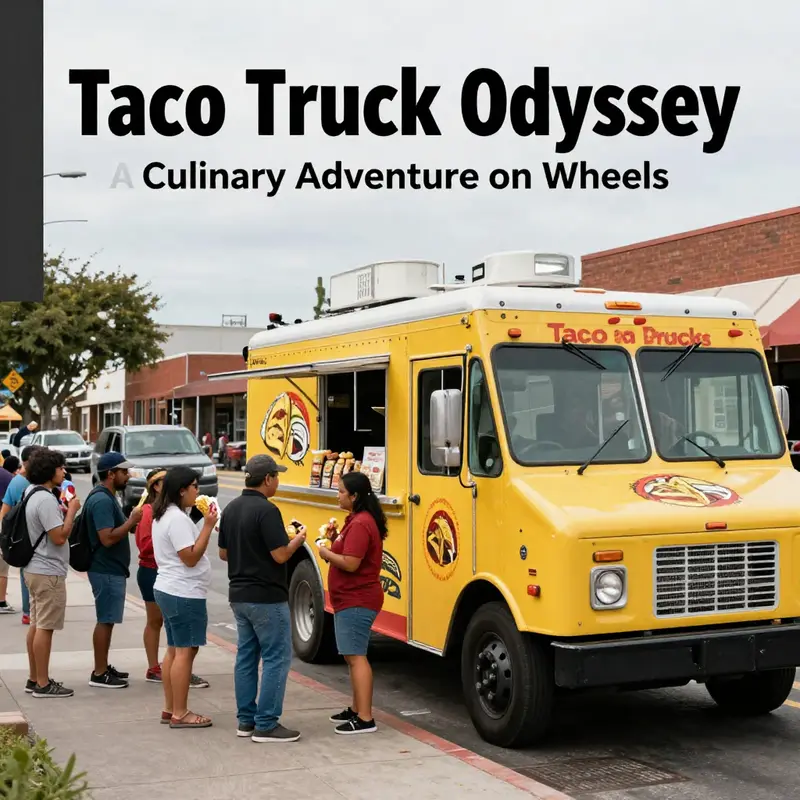
Community Roots on Wheels—the taco truck is more than a kitchen on wheels; it is a moving pivot in a neighborhood’s economic and social life. A street corner becomes a small, dynamic marketplace where flavors travel as easily as people do. The truck’s metal siding glints in the sun, a portable business that carries recipes, stories, and a network of relationships into places that brick-and-mortar restaurants may overlook or avoid. In many cities, these trucks arrive at parks, office corridors, and school campuses, creating predictable rhythms that locals begin to anticipate like a seasonal festival. The economic impact they generate is not merely measured in tickets closed or dollars earned; it is the way a neighborhood breathes when a familiar cart sets up, how foot traffic swells around a corner, and how small suppliers become essential cogs in a larger local economy. The narrative around taco trucks is a story of mobility paired with stability: mobility in the sense of moving across streets and neighborhoods, and stability in building reputations, customer loyalties, and recurring demand that can steady a family’s income over time.
The core economic contribution of taco trucks begins with the light touch of entrepreneurship that they lower into crowded urban landscapes. A family or a single operator who starts with a weekend stand often ends up anchoring a community’s lunchtime routine. The initial capital needed to begin is modest relative to a brick-and-mortar restaurant; the truck itself, the equipment, basic permits, and a portable kitchen setup can be assembled over months rather than years. This lower barrier to entry invites a wider circle of would-be business owners, including recent immigrants who carry culinary traditions as portable capital. The result is a diverse micro-economy: cooks, prep staff, drivers, and seasonal helpers who contribute to a neighborhood’s bottom line. When the truck parks and a line forms, it’s not just a queue for food; it is a micro-eal of economic activity where neighbors exchange dollars, conversation, and social capital. The lunch crowd includes office workers, students, service providers, and weekend visitors who discover a repeated destination, turning a daily routine into a small ritual. In this way, the taco truck fosters a sense of place through consistent presence and familiarity.
Mobility is the mechanic behind many of these economic ripples. The truck can relocate to respond to shifts in demand, festivals, or community events, and that responsiveness enhances the operator’s resilience in a fluctuating urban economy. A mobile kitchen manages inventory efficiently, often with a smaller footprint than a stationary restaurant, which reduces waste and improves cash flow. The ability to pivot menus—introducing regional specialties, seasonal toppings, or vegetarian and vegan options—enables the operator to test tastes without incurring the heavy fixed costs of a full-scale restaurant refurbishment. When demand from a particular neighborhood spikes, the truck can linger, participate in a neighborhood festival, or partner with a local market for a longer stretch. This flexibility not only boosts revenue but also builds a narrative of accessibility. The operator is able to meet people where they are, saving time for busy workers and families while offering a price point that keeps meals affordable. The affordability, in turn, invites more frequent visits, reinforcing the cycle of repeat business and stable daily revenue.
Entrepreneurship flourishes in taco-truck culture, especially among immigrant communities that bring a tapestry of culinary tradition to urban streets. The low entry barriers create a pathway into self-employment where formal barriers, such as extensive capital requirements or credit history, are less obstructive. This is not merely a matter of survival; it is a form of cultural entrepreneurship, where family recipes, cooking methodologies, and regional flavors travel with the vehicle itself. In many neighborhoods, the truck becomes a moving classroom: a place where younger family members learn budgeting, customer service, and compliance with health and safety standards, while older relatives pass down techniques and stories that add value to the neighborhood’s shared memory. The economics of these operations extend beyond profit and loss statements. They contribute to a broader social economy that values heritage, skill transfer, and the creation of interim employment opportunities. The trucks also help diversify the supplier landscape. Local markets and farms supply ingredients, creating a chain of commerce that benefits small producers and distributors who might otherwise struggle to reach urban customers. A tidy advantage emerges when the truck’s route intersects with farmers’ markets or neighborhood events that showcase local products, knitting together a compact ecosystem of food vendors, farmers, and service workers who all benefit from the proximity of people and the demand for quick, affordable meals.
Job creation is a fundamental piece of the economic picture, but it is not merely about a few wages. A taco truck creates multiple entry points for work: the operator who oversees operation, the cooks who prepare fillings and assemble plates, and the support staff who handle prep, cleaning, and maintenance. Each position often serves as a stepping stone to other opportunities in the larger food economy. Because the truck operates on a lean model, it can scale gradually; hire more hands during peak periods, invest in training, and pass on skills that translate to longer-term employment in more formal culinary settings. The presence of a truck can also stimulate demand for nearby goods and services. Nearby grocery stores, markets, and even sterile parking lots transform into sources of foot traffic. Colleagues and neighbors come to see the truck as a community event, a meeting place, and sometimes a social hub where people gather after work or school. This social function has its own economic value. It encourages people to linger in the area, contributing to increased sales for adjacent shops and services and enabling cross-pollination among different local businesses.
Beyond direct employment, taco trucks contribute to small-business growth through a broader network of relationships. Local suppliers become familiar with the truck’s needs—ingredients, napkins, utensils, and packaging—creating dependable demand that helps keep small suppliers afloat. When a neighborhood ecosystem is robust, nearby services such as maintenance shops, car washes, and fuel stations experience incremental demand driven by the truck’s daily operations. In this way, the truck’s presence stimulates the economy in layers: the operator’s earnings sustain the household; the crew’s wages circulate; suppliers’ revenue rises; and the surrounding businesses gain from incremental foot traffic. The cumulative effect can be seen in the transformation of a corridor into a vibrant stretch that becomes a destination rather than a passing route. The result is a more resilient local economy, in which a single mobile enterprise can seed a chain of economic activity and social interaction.
Cultural dining options are an economic asset in themselves. The diversity of tacos and Mexican-inspired offerings that a well-run taco truck can provide creates a cultural draw that extends beyond immediate sales. People travel to try the flavors that reflect different regions and traditions, and they in turn share discoveries with friends and family, extending the truck’s reach through word-of-mouth and social networks. This cultural vibrancy enhances neighborhood identity, making a district appealing to residents and visitors alike. The economic impact, then, includes the intangible benefits of a more dynamic local culture: a sense of pride in place, a richer menu of experiences, and a story of culinary exchange that enriches the community’s social fabric. The presence of affordable, culturally distinct food options lowers barriers to enjoying a public space and supports a more inclusive food landscape, where people from varied backgrounds can connect over a shared meal.
Public-space activation is another dimension of impact. Taco trucks often populate underutilized areas—empty lots, park edges, or vacant storefronts—transforming them into temporary community hubs. This activation is more than a feast for the senses; it is a form of urban vitality that can justify renewed investment in public infrastructure, lighting, and safety measures. When a truck parks on the edge of a park during a weekend festival, it becomes part of a larger event ecosystem that includes musicians, artists, and service providers. The pedestrian flows generated by such gatherings can encourage additional informal commerce—pop-up artisan stalls, mobile caffeine carts, or impromptu seating arrangements—that further energize a locality. The economic uplift here is incremental but meaningful: more foot traffic translates into more opportunities for informal enterprises to emerge and sustain themselves, often without the heavy regulatory burden that can accompany permanent storefronts.
Tax revenue is a straightforward measure of the city’s benefit from taco trucks, but it is also a proxy for the ongoing legitimacy and integration of street-food commerce within formal economies. Licensing fees, inspection costs, and sales taxes accompany everyday operations, contributing to local budgets that fund schools, parks, and public services. The reciprocal relationship between policy and practice matters; clear, reasonable permitting processes help steady the entry and operation of trucks, while overly burdensome regulations risk pushing entrepreneurial activity underground or out of town. A city that strikes a balance between safety, quality control, and business friendliness can cultivate a thriving, legible street-food economy that enhances the city’s image and livability. Neighborhoods that see a steady flow of compliant, well-maintained trucks may also experience less turnover and a more predictable shopping environment, which in turn stabilizes rents and investment in adjacent parcels. The cascading effects of responsible governance align with the street-level reality of a mobile kitchen that must navigate street permits, health inspections, and seasonal fluctuations in demand, all of which shape the long-run viability of this type of entrepreneurship.
Local identity and social cohesion emerge as powerful, if non-monetary, outcomes of sustained taco-truck activity. The truck becomes a meeting point—a place where neighbors greet each other, where a regular customer can share a recipe with a curious newcomer, and where celebrations, fundraisers, and community gatherings can be organized around the truck’s schedule. In this way, economics and culture reinforce one another. The same street that hosts a lunch crowd can host a small fundraiser for a local school or a neighborhood improvement project. The social capital generated by these interactions translates into a more predictable, inclusive sense of belonging. This social fabric is valuable because it underpins trust, cooperation, and mutual aid—elements that ultimately support economic resilience. When times are tight, neighbors who know each other through shared meals and common spaces are more likely to support one another, whether by sharing meals, collaborating on temporary ventures, or simply providing informal feedback that helps a local operator refine the menu and service. The taco truck, in this sense, becomes more than a business; it is a social infrastructure that underpins everyday life and, by extension, the economic health of the district.
Zoning, licensing, and the broader regulatory environment touch every layer of this picture. While the economic advantages of mobility and low overhead are clear, they co-exist with policy constraints that aim to protect consumers, ensure safety, and preserve neighborhood character. A thoughtful regulatory framework recognizes the value of short-term street-food entrepreneurship while maintaining transparent standards of operation. When policy sits alongside the reality on the ground, it can harmonize street-food activity with larger urban goals—reducing food deserts, increasing access to culturally diverse cuisines, and enriching the texture of daily life. The best policies encourage fair competition, clarity in permit processes, and predictable inspection schedules, which helps operators plan ahead and investors feel confident in long-term community support. It is in this balancing act that the economic impact is most fully realized: not merely in the dollars that change hands, but in the way policy helps sustain a living, breathing micro-economy that can adapt to changing demographics, tastes, and urban dynamics.
As neighborhoods evolve, the taco truck’s role intersects with other forms of culinary and commercial activity. A street with one or two trucks can become a magnet for pedestrians and short-term commerce; a corridor with three or more trucks, perhaps paired with a few prepared-food stalls and beverage kiosks, may become a weekend destination. The synergy among these food vendors can exchange ideas, share best practices about safety and waste management, and collaboratively advocate for policies that support sustainable street-food economies. This kind of collaboration helps to stabilize revenues and encourages operators to invest in better equipment, more durable fixtures, or improved processes for reducing food waste. The result is a more professional, resilient sector that still thrives on the grassroots vitality that makes taco trucks so compelling in the first place.
At the same time, the economics of taco trucks are a reminder of the fragility of small ventures in the face of larger economic forces. Fuel prices, supply chain disruptions, and weather patterns can all ripple through a truck’s daily operations. The most enduring operators are those who cultivate a loyal customer base, maintain tight cost control, and embrace community partnerships that diversify revenue streams—such as catering for local events, collaborating with schools for lunchtime programs, or participating in farmers’ markets during the season. The adaptive capacity of a well-run truck—its ability to respond quickly to shifting demand, to adjust menus, to forecast inventory needs, and to maintain clean, compliant operations—becomes an invaluable asset in a city that prizes flexibility. The combination of personal history, technical know-how, and community ties creates a business model that resonates with people who value quick, affordable, flavorful meals alongside a sense of belonging and place.
To connect these threads to a practical path for aspiring operators, consider the example of market entry as a deliberate, staged journey. Begin with a focused route, a compact menu that emphasizes core strengths, and a routine that builds reliability for regular customers. As trust and understanding grow, extend the route, refine the supply chain, and expand the menu thoughtfully to reflect local preferences. The strategic placement of a truck near a large employer, a university, or a major transit hub can provide stable mid-day traffic, while evenings and weekends can be carved out for community events and local gatherings. This phased approach reduces risk, builds a track record, and makes it easier to attract support from community partners, local lenders, and potential collaborators. The emphasis remains on a balance between affordability for customers and sustainable earnings for the operator. When the numbers are grounded in realistic expectations and the operation remains nimble, the economic contributions multiply—not as grand, headline-grabbing sums, but as a steady cadence of growth that strengthens families, uplifts local suppliers, and animates neighborhoods.
A practical path toward maximizing community impact lies in deliberate relationships: with neighborhood associations, schools, parks departments, and small-scale suppliers who can provide fresh ingredients, packaging, and gear at favorable terms. The truck becomes a hub of collaboration rather than a solitary venture, and the financial health of the operation benefits from the surrounding ecosystem’s strength. By aligning with community needs—offering budget-friendly meals near schools during after-school hours, providing vegetarian or vegan options to complement traditional offerings, and participating in city-led initiatives to activate vacant lots—the truck reinforces its own sustainability while contributing to a broader civic mission. In a city that values street food as a legitimate and valuable urban asset, these relationships can translate into preferential access to event slots, co-hosted fundraisers, and shared logistics that reduce costs and increase visibility. The net effect is a more cohesive, interconnected local economy in which a single, mobile enterprise catalyzes ongoing opportunity.
The narrative of the taco truck as an economic catalyst is not a simple ledger of receipts and taxes, but a portrait of a living, evolving community engine. It blends the emotional with the economical: the pride of keeping a family business alive, the pride in serving dishes that carry cultural memory, and the pride in contributing to a neighborhood’s growth and resilience. When the vehicle is parked and customers line up, the moment feels both ordinary and extraordinary—the ordinary practicality of a daily meal meets the extraordinary potential of local entrepreneurship to shape livelihoods, neighborhoods, and city life over the long arc of time. That is the chapter’s through line: the mobility of a humble kitchen translating into a durable, inclusive, and locally rooted economic footprint. It is a reminder that the street is a place of commerce, culture, and community all at once, where the simplest acts—sharing a meal, exchanging a few dollars, and exchanging stories—build something larger than the sum of its parts.
For readers curious to explore how these themes translate into real-world pathways for entrepreneurial growth, consider the practical models and frameworks that support aspiring operators. A closer look at the best practices and model approaches for launching and scaling a food-venture on wheels can offer actionable guidance for communities seeking to nurture street-food economies while maintaining safety, quality, and consistency. And as communities continue to experiment with how best to balance mobility, affordability, and neighborhood character, the taco truck will likely remain a vital instrument in the urban playbook: a portable business that anchors local economies, sparks social exchange, and contributes to the vitality of streets and neighborhoods in ways that only a kitchen-on-wheels can.
To connect these reflections with a broader conversation about the entrepreneurial landscape of mobile food and the opportunities that come with it, readers can explore related insights on one of the site’s community-focused pages, which discusses how business models can adapt to local conditions and traveler patterns in the food-entrepreneur space: top food truck models for entrepreneurs. This resource situates the chapter’s themes within a longer arc of street-food entrepreneurship, offering practical steps for those considering entry into this sector and highlighting how mobility, community orientation, and careful menu design can yield sustainable outcomes.
For further reading outside the local context, consider the broader literature and case studies that illuminate the street-food economy’s role in urban life and the social value that accompanies economic activity. An external resource that provides a wider lens on how street food scenes intersect with cultural identity and urban development can be found here: austin chronicle external article. This piece reflects how diverse, portable cuisines contribute to local economies by drawing people into neighborhoods, supporting nearby businesses, and increasing the visibility of urban culinary traditions. The reader will find that the taco truck does not exist in isolation; it is part of a larger system of public life, markets, and cultural exchange that animates cities and sustains livelihoods across diverse communities.
Taco Truck Innovations: Speed, Safety, and Social Connection
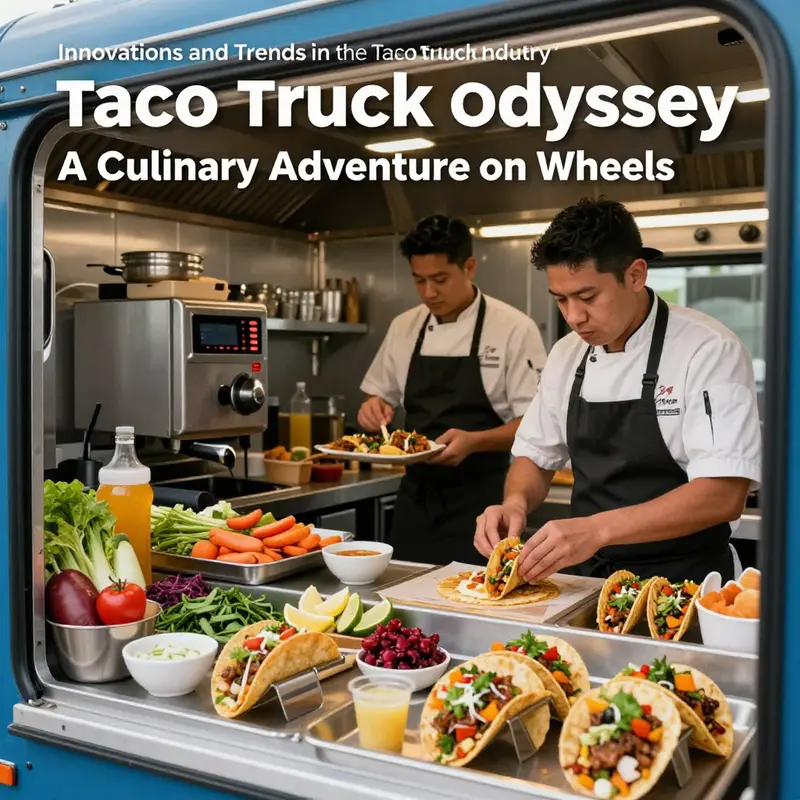
The taco truck is more than a vehicle with a stove on wheels. It is a portable microbusiness incubator, a moving kitchen that balances speed, safety, consistency, and personality. As the street becomes the main dining room for urban life, these mobile kitchens shape neighborhood conversations, test ideas, and model agile entrepreneurship. Innovations once seen as luxuries—modular interiors, digital systems, and data-driven scheduling—have become essential tools for survival and growth.
A central thread is modular interior design, which converts a small space into a versatile workspace. The prep area, cooking station, service counter, and cold chain are not fixed in place but composed of interchangeable modules that can be swapped as the menu or crowd shifts. This flexibility helps maintain health-code compliance while delivering consistent results, and it supports seasonal menus or unexpected demand surges.
Technology has moved from optional add-ons to core practice. Modern POS systems track inventory in real time, forecast demand, and generate reports that reveal trends in toppings and peak service times. Inventory management becomes predictive, enabling smarter pricing, reduced waste, and cleaner data trails for inspectors.
GPS tracking underpins reliability for customers and efficiency for operators, guiding route planning, parking decisions, and staffing. When paired with AI analytics, it can forecast spikes around events or weather shifts, informing what to cook and when to push a special.
AI supports practical optimization rather than automation for its own sake: it helps with labor scheduling, prep sequencing, and procurement timing to keep a steady rhythm on the line without sacrificing craft.
Social media transforms the truck from a storefront into a community hub. Platforms show the choreography of service, highlight the moment a customer tastes a new topping, and invite followers to join a route or a pop-up event. The truck’s voice—humor, heritage, or culinary curiosity—builds loyalty and invites feedback that becomes a form of culinary data.
New entrants see opportunities in buying pre-owned mobile trailers, which can offer a faster start with lower upfront costs while still enabling upgrades. The key is due diligence: assessing condition, maintenance history, and the pathway to modernizing electrical and ventilation systems. Refurbishers are increasingly adding modular workstations and safer electrical panels to keep these rigs competitive.
The broader market context frames these innovations as a pathway to economic mobility: a way for cooks to translate heritage into local business without a traditional restaurant. Well-designed modular layouts, data-informed pricing, and social storytelling can turn casual passersby into regulars while keeping the operation lean and resilient.
Ultimately, the taco truck resolves into a moving laboratory of dining: a platform for culinary experimentation that travels with the city and a narrative that invites the community to participate in a shared meals experience. With careful design, disciplined operation, and a human-centered approach, innovation amplifies craft without compromising hospitality.
Final thoughts
Taco trucks stand as more than just vessels of culinary delight; they are vibrant symbols of cultural exchange, community unity, and economic revitalization. They bring flavors from the streets of Mexico to diners craving authenticity in their meals while adapting to contemporary tastes. From traditional al pastor to innovative vegan options, the taco truck experience exemplifies the beauty of diversity and innovation in food. As we savor these delicious creations, let’s also appreciate the pivotal role that taco trucks play in shaping our urban landscapes and culinary ecosystems. They represent a flavor-filled journey that continues to evolve—ensuring that every bite is a testament to culture, creativity, and community.