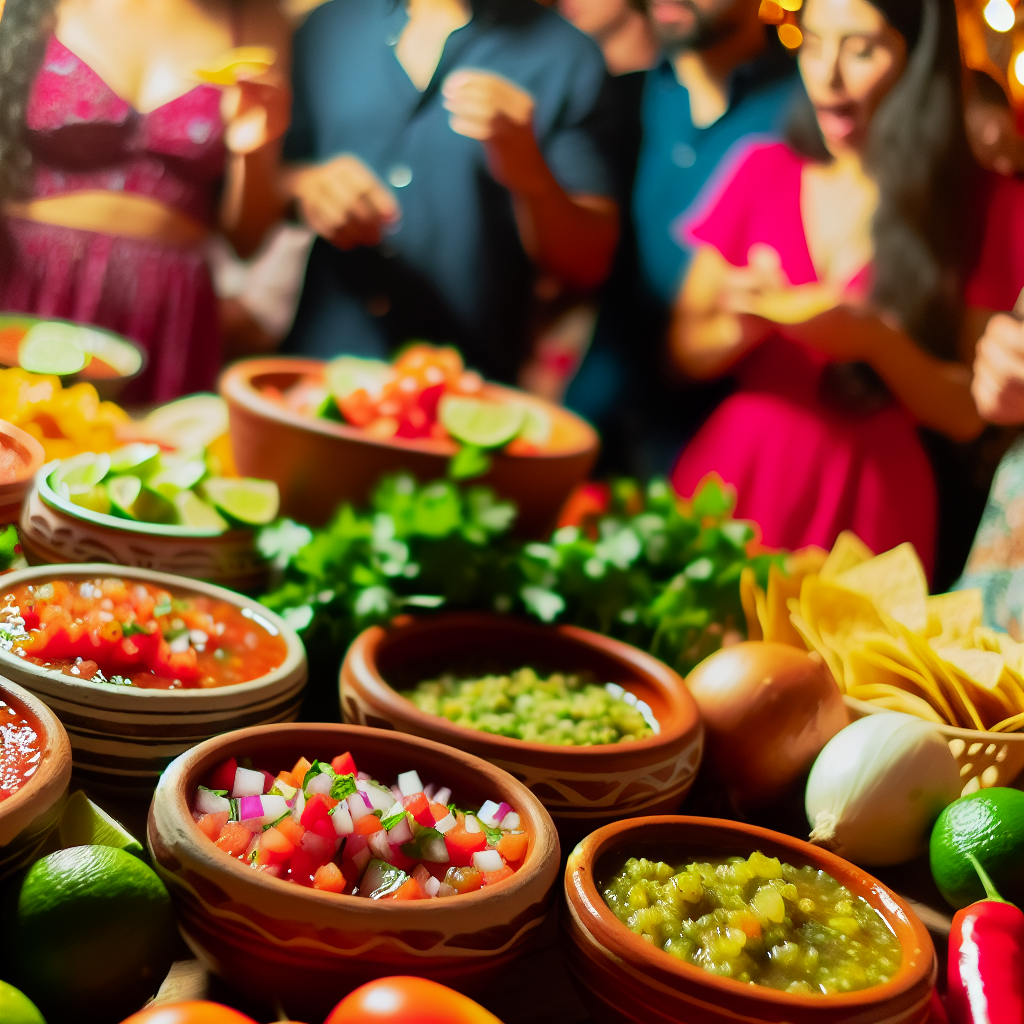

If you’ve ever visited a taco truck, you know that the secret weapon behind those mouth-watering tacos is often a killer green sauce. This vibrant condiment, known as Salsa Verde, is a staple in Mexican cuisine, exuding freshness and zest that perfectly complements a variety of dishes. In this guide, we will embark on a flavorful journey to create the ultimate Taco Truck Green Sauce. You’ll discover essential ingredients to gather, easy step-by-step instructions to whip up this sauce at home, and delightful serving suggestions to impress your guests or brighten your office lunch. Let’s dive in and transform your taco experience!
Verde Essentials: Gathering and Balancing the Core Ingredients for Taco Truck Green Sauce
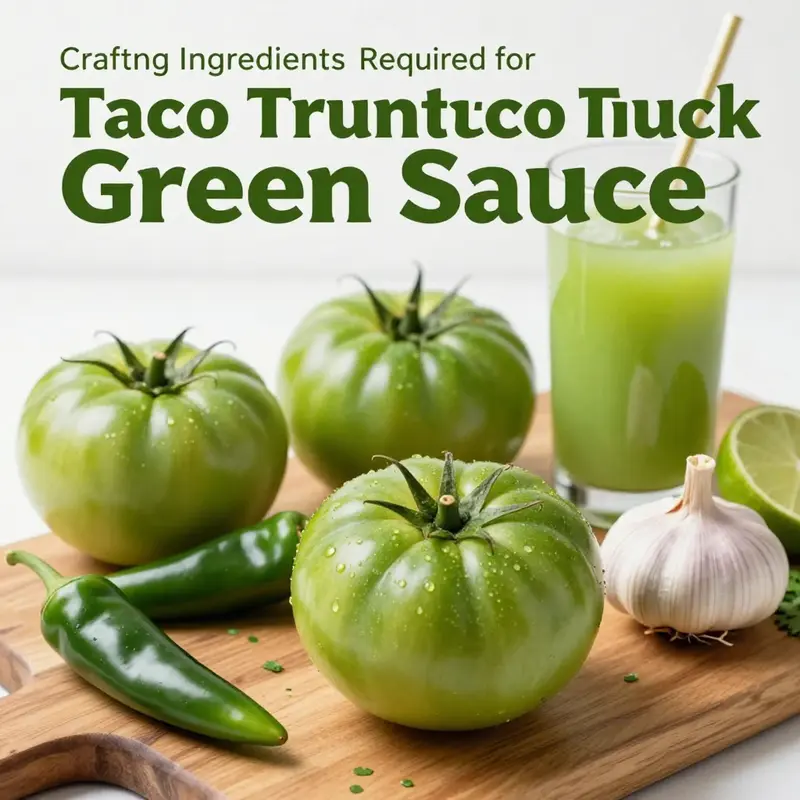
The green sauce that spills from a taco truck is more than a condiment; it is a signature, a quick-witted chorus that announces what’s coming next with every bite. In the best street-style versions, salsa verde carries brightness, herbal lift, and a subtle smokiness that cuts through rich meats and starchy tortillas alike. The heart of that flavor is a carefully chosen set of ingredients that, when harmonized, feels both timeless and distinctly street-smart. This chapter dives into those indispensable elements, not as a rigid recipe checklist but as a sensorial guide to assembling the verde that every mobile kitchen deserves. The goal is to create a sauce that tastes fresh, vibrant, and versatile enough to pair with al pastor, carne asada, fish, or even a simple plate of eggs at dawn, while remaining faithful to the spirit of traditional Mexican mercado salsa verde.
Begin with the base. Traditional taco truck verde centers on green fruits that become the sauce’s backbone. Tomatillos are the classic choice for authenticity; their tangy, lemony brightness provides a crisp backbone that a busy line of customers relies on. Green tomatoes offer a milder, slightly sweeter profile but can still carry the same herbal bite when treated with the right balance of heat, acid, and aromatics. The choice between tomatillos and green tomatoes will shape the sauce’s acidity and texture. If you chase classic brightness and a true green hue, tomatillos are the safer bet; if you’re working with seasonal constraints or prefer a creamier, fleshier body, green tomatoes can work as a reliable stand-in. Either way, the vegetables are not just the canvas but the conductor that guides every additional note you add.
A quick char is a small ritual with outsized impact. The recommended approach—though entirely optional—invites the vegetables to meet the heat of a dry skillet or a quick brush with an open flame. Charred surfaces blister and darken, releasing roasted aromatics that carry smoke and depth without turning the sauce into a heavy, roasted mash. This step is not a gimmick for heat alone; it unlocks a nuanced smoke that brightens the herbal brightness and makes the sauce linger on the tongue with a savory echo. In a busy truck kitchen, you can achieve this on a cast-iron griddle or a flat-top grill, turning each vegetable until lightly blistered and just charred around the edges. The resulting fragrance is immediate and persuasive, an olfactory promise that the sauce will elevate whatever it touches.
Next come the peppers. Fresh jalapeño or serrano peppers are the go-to choices for heat and personality. The heat level you choose should be tuned to your audience and your menu’s overall balance. Serranos tend to offer a crisper, cleaner bite with a bit more bite per ounce, while jalapeños bring a milder, rounded heat and a touch of fruitiness. For a smoky edge that fits the verde theme, you can even include a roasted poblano as part of the blend, adding a velvety sweetness and a deeper aroma. The seeds and membranes carry most of the heat, so you can adjust the spiciness by removing or retaining them. A handful of peppers, blistered and cooled, can be blended with the rest to reach a level of heat that keeps the salsa lively without overwhelming the plate. Remember: verde is bright, not harsh, and the goal is a fresh, balanced kick that complements meats and custard-like toppings rather than dominating them.
The aromatics—onion and garlic—are the next layer that carries the verde’s personality. White onion gives a sharp, clean bite that cuts through richness and a hint of sharpness without turning the sauce savory to the point of bitterness. Onion can be raw for a sharper, more direct bite or roasted for a mellower sweetness that softens the brightness and introduces a touch of caramel. Garlic adds a quiet depth, and a little goes a long way. A couple of cloves, sometimes lightly roasted alongside the onions, settle into the mixture as a warm whisper rather than a thunderclap of flavor. The balance between onion and garlic is a crucial one; too much of either can blur the salsa’s green freshness, while too little can leave the verde feeling thin. In practice, aim for a clean, aromatic foundation the moment you first taste the blended sauce.
Cilantro, with its bright, almost lemony herbal note, is the green thread that ties the whole sauce together. Use fresh cilantro leaves, and don’t forget the stems. The stems carry a surprising amount of vitality and contribute to the overall brightness. When cilantro is blended with lime, onion, and garlic, it creates a fresh-green aroma that makes the sauce feel like a crisp breeze rather than a dense sauce. Lime juice is the other crucial acidic component. A good squeeze of lime—roughly the juice from one large lime, depending on your fruit—brightens the mixture and helps balance the natural sweetness of the vegetables. The citrus note should feel clean and crisp, not sour or excessive; a measured hand with lime juice can lift the flavor without turning the verde into a tart, one-note condiment.
Salt is the flavor custodian here. It should be added gradually as you blend, allowing the mixture to reveal where it needs more. Salt does not simply enhance flavor; it helps all the individual elements recognize one another, turning the disparate notes into a coherent chorus. Start with one teaspoon and adjust in small increments, testing as you go. The goal is a sauce that tastes lively and balanced, with each component’s character present but not shouting. If you find the sauce missing a dimension after the blend, a very light touch of cumin or oregano can add warmth and complexity without steering the verde away from its refreshing core. A pinch will suffice to hint at Mexican seasoning traditions without turning the sauce into something wholly departed from its verde identity.
Optional accents are the seasoning nuances that let a kitchen’s personality shine through. A pinch of cumin adds warmth and a subtle earthiness that pairs well with grilled meats and smoky notes. A whisper of oregano—preferably Mexican oregano—gives the sauce a faint, resinous perfume that echoes citrus and cilantro. Some cooks even experiment with a small amount of avocado blended in toward the end. Avocado brings a creamy counterpoint that can transform the texture, producing a smoother, almost velvet finish while mellowing the acidity. This is not traditional for every version of salsa verde, but it can be a welcome variation in a busy taco truck that wants a silkier mouthfeel without introducing dairy. If you’re embracing avocado, blend it in gradually after the initial blend, checking texture and taste as the sauce thickens slightly.
Texture is a matter of preference, and your blender’s power, the amount of liquid you introduce, and how finely you blend all contribute to the final feel. Some operators prefer a smooth, almost pourable verde that coats the kernels of corn on a taco with a glossy sheen. Others favor a slightly chunky texture, where visible bits of onion and cilantro punctuate the green field. For a smoother finish, you can add a splash of water or vegetable stock during blending and continue until the sauce reaches the desired consistency. For a thicker, more dip-like sauce, use less liquid and give the mixture a longer, steadier blend with shorter pulses. The texture you choose should align with how your trucks serve the sauce—whether drizzled sparingly over warm tacos or thickly spooned onto a plate of grilled meats.
A resting period is not a luxury but a practical virtue. Let the blended verde rest in the fridge for about 30 minutes before serving. The rest allows the flavors to meld, the acidity to find its partner in the herbs, and the smoky notes to settle into the base. A few extra minutes can make a surprising difference, giving every component a chance to harmonize and for the lime to soften ever so slightly into the mix. When you bring the sauce back to service temperature, you’ll notice a coherence that you didn’t feel straight from the blender. This is the moment when the verde earns its street credibility—your customers will taste the evidence of slow mingling in a quick-service context.
In practice, you’ll likely adjust the process to fit your truck’s workflow. If you are batching for a full service day, you can char a larger portion of vegetables in a few rounds, cool, and refrigerate, reheating and blending with fresh cilantro and lime as needed. The ability to scale without losing finesse is essential in a mobile kitchen where time and space are precious. A well-balanced verde that holds its own against sizzling meats and soft tortillas will help your tacos stand out, and the sauce’s brightness becomes an anchor in a crowd of competing flavors. The key is to keep the ingredients as vibrant as possible and to respect the role of acidity, herbs, and heat in shaping a sauce that is both assertive and versatile.
For the curious, a practical note about sourcing and consistency matters. The ensemble of ingredients—green fruits, peppers, onion, garlic, cilantro, lime, and salt—needs to remain consistently fresh. Fresh cilantro and lime juice amplify brightness, while dull onions or tired peppers mute the verde’s sparkle. In a high-turnover setting, establish a simple, repeatable process for selecting and prepping components. A quick rinse, a standard roasting or charring routine, and a single, reliable blending approach help maintain consistency across a week’s worth of servings. When you train your staff, emphasize the balance between brightness and depth, and encourage them to adjust salt and lime in small increments—never all at once. A well-tuned team, with a dependable mise en place, can reproduce a superb verde batch that travels from the prep table to the steam table in a blaze of green glory.
The culinary logic of verde hinges on a single truth: brightness must meet depth, and herbal character must stay legible when paired with meat and starch. The best verde sauces carry a sense of place—the markets where ingredients ripen, the smoke from a grill, the bite of a lime, and the crunch of a fresh tortilla. The technique matters, but the soul comes from honoring the ingredients’ natural characters and letting them speak in concert. If you’re building a routine for a taco truck, you’ll likely create a base verde that you can flavor with confidence, then adapt with small adjustments for seasonal produce and customer feedback. A dependable, well-balanced verde is the kind of sauce that makes a line of hungry customers pause, lean in, and say yes—the sign of a truly successful green sauce.
For those curious to see how a truck-oriented workflow evolves around flavor and equipment, consider exploring how equipment choices shape the kitchen’s rhythm and the way sauces like this verde travel through service. A practical reference on equipment and workflow can be found here: taco-trucks-unleashed-top-5-models-for-culinary-success. This link offers a sense of how trucks balance space, heat, and prep speed, which in turn influence how a verde is prepped, stored, and dispensed during peak service. In the end, verde is not just a recipe; it is a reflection of a street-food ecosystem—how ingredients arrive, how heat meets herb, and how the crew coordinates, night after night, to keep the flavor vibrant and reliable.
As you refine your method, remember to keep the palate curious. A splash more lime can lift a heavy bite; a touch more cilantro can add that razor-sharp herbal edge; a whisper of cumin can lend an earthy warmth that makes the verde feel rooted in Mexican sensibilities without overpowering the bright notes. The most successful verde sauces are those that feel both familiar and alive, capable of seasoning a dozen different tacos with the same sense of purpose. The ingredients outlined here are not a rigid protocol but a foundation upon which you can build, adapt, and ultimately own. They are the verde essentials, the backbone of a green sauce that travels with a taco truck and leaves a memory on the tongue long after the last bite.
External resource: https://www.seriouseats.com/taco-seasoning-guide
Smoke, Spark, and Freshness: Crafting Taco Truck–Style Green Sauce That Feels Streetwise and Bright

The scent of chiles and citrus hangs in the air as a cook stands at a makeshift line, where a grill crackles and a crowd shifts with the rhythm of a sidewalk market. In that rhythm, the green sauce is not just a dip; it is a signal. It says, this is where the day begins for many tacos, where the sun hits the cilantro like a green spotlight, and where the LED sign of a truck angle glints just so. To capture this on a home stove is to chase a memory of a taco truck’s smoke and tang, a bright herbal lift that cuts through fat and heat. The key is to treat the sauce as a living, breathing component of the meal—something that carries the day’s accidic bite, the herbaceous breath of cilantro, and the gentle heat of green chiles without dissolving into sameness. Authentic green sauce leans on a few simple yet intentional choices: the freshness of tomatillos or green tomatoes, the right mixture of green chiles for heat, and a careful balance of lime, salt, and cilantro that respects acidity without dominance. The process itself mirrors the street experience: you start with robust ingredients, you coax depth by roasting or charring, you blend to bring everything together, and you let the flavors meld so the sauce can ride the tacos rather than overwhelm them. This is not a glossy bottled condiment; it is a hand-crafted companion for the kind of tacos that move with the momentum of a busy block, where the steam from a grill meets the cool air and the result is a sauce with brightness, smoke, and a gentle kick. The method I describe folds traditional cues with a practical kitchen approach, so home cooks can produce something restaurant-evocative without needing a commercial roaster or a street-cart setup. The result should feel both fresh and comforting, a green that carries the herbaceous lift of cilantro and the mineral note of unripe citrus, a texture that sits between pourable and scoopable, and a heat level that invites a bite rather than shouting over the rest of the plate. In short, the sauce should feel alive and ready to wake up the tortilla, the carne asada, and the grilled onions that often accompany street-style tacos. If you want a quick frame of reference, imagine the bright herbal profile of a salsa verde that remains distinctly green, never muddy, with a smoky undertone that comes from roasting the core ingredients rather than simmering them. The following guidance stitches together a traditional backbone with practical tips for a modern kitchen, and it invites a moment of care at the stove that mirrors the attention a taco truck devotee pays to every customer who orders a plate and a scoop of green on the side. The process begins with the core ingredients—green chiles, tomatillos or green tomatoes, onion, garlic, cilantro, lime, salt, and a touch of oil—then moves through careful roasting, blending to a texture that still reveals a bit of character, and ends with a quick heat and taste adjustment that balances brightness with depth. In this framework, the beloved truck sauce becomes something you can reproduce with consistency and soul, a sauce that honors both traditional methods and the home cook’s kitchen constraints. The first move is letting the ingredients speak for themselves, and that starts with choosing the greens. Fresh green chiles from the jalapeño family, serranos for more heat, or poblano peppers for a milder, fruitier note each contribute a different layer of character. The tomatillos, if you can find them, are the anchor of acidity and body; if you must substitute green tomatoes, choose varieties that offer a sturdy, less watery fruit. The onion and garlic provide the aromatic base, but the real brightness comes when cilantro is allowed to shine. The stems, often overlooked, carry a concentrated herbal note that can amplify the final sauce. A quick squeeze of lime is the finishing kiss, a reminder that here acidity is not a rival to the other flavors but a partner that brightens and balances. A practical approach is to char the vegetables, not until they blacken into bitterness, but just enough to blister the skin and coax a smoky sweetness from the flesh. This is the moment when the kitchen begins to smell like a street corner after a rain, with smoke curling and green notes lifting above the heat. If you have a gas burner, you can lay the vegetables directly on the grate; if not, a dry skillet on medium-high heat does the job. The goal is to impart a gentle char that gives the sauce depth and a hint of complexity—the kind of complexity that makes a taco truck’s green sauce feel layered rather than flat. When the vegetables are blistered, they should rest briefly in a warm bowl so their steam can further coax a tender, pliable texture. This rest is small but meaningful; it softens the bite of the raw aromatics and makes the blending step less punishing, especially if you prefer a thinner sauce. The next turn is to blend with intention. Transfer the charred vegetables to a blender, and add the onion, garlic, cilantro, lime juice, and salt. A light drizzle of olive oil helps emulsify the sauce and gives it a satin mouthfeel that clings to tortilla and topping alike. Begin blending on a low speed, then gradually increase. The texture you’re aiming for sits somewhere between a smooth milkshake and a rustic, spoonable mash—a balance that gives the sauce a gentle pour while still providing a little texture. If the mixture is too thick, thin it with a small splash of water or vegetable broth. If it’s too thin, rest your blender and blend a few seconds longer with less liquid, or add a few more chopped herbs to lift the body. One of the most satisfying aspects of the street-style green sauce is its rustic charm. A fully ultra-smooth canvas can feel a touch clinical, whereas a sauce with a touch of texture suggests handcraft. It’s a reminder that this sauce is assembled by a cook who tastes with intent and adjusts with confidence. After blending, heat the sauce briefly in a small pan to marry the flavors and bloom the aromatics. A gentle simmer for five to eight minutes is enough to integrate the lime and herbs, to soften the raw edge of the onion, and to encourage the cilantro to release its fragrance. This is your moment to calibrate acidity and seasoning. If the lime’s bite is dominant, you may counterbalance with a tiny touch of sugar or honey; if the sauce tastes sharp but lacks depth, a half teaspoon of cumin or a pinch of dried oregano can help. The idea is to let the sauce rest for a few minutes after heating, so the flavors settle into a cohesive harmony that behaves well as a topping or dip. The resting time also eases the edge of heat that can feel sharp on the palate, especially when you spoon the sauce onto robust meats or eggs. A final tasting should reveal a profile that is bright, herbal, lightly smoky, and balanced. The brightness should come from the cilantro and lime, the smoke from the roasted chiles and tomatillos, and the depth from the gentle warmth of the onions and garlic. The heat should be present but not aggressive; it should invite more, not demand it. In this balance lies the street-ready soul of the sauce: it should uplift the taco without overpowering it, and it should be forgiving enough to pair with a range of proteins, from carne asada to fish to eggs at dawn. The texture, meanwhile, should be smooth but not silky to the point of losing character; there should be a hint of bite as you scoop with a tortilla chip or a tortilla-wrapped bite. The sauce’s color is more than a visual cue—it’s a promise of freshness. A vivid green signals lime and cilantro are doing their job, while the subtle sheen on the surface speaks to the oil that has coaxed the mixture into a cohesive, coat-worthy glaze. The finishing touches matter as well. A light shower of chopped cilantro leaves on top can add a fresh, leaf-green aroma when the sauce hits the plate. A small wedge of lime tucked beside the dish invites a final kiss of brightness that brightens the entire plate as the eater approaches. When you spoon this green sauce over tacos, it should seem to complete the experience rather than compete with it. It is a partner that helps the meat sing, that cools the heat of a salsa, and that invites you to dip, bite, and return for more. It’s worth noting that the street version often carries a few subtle riffs—sometimes a tiny pinch of sugar or a pinch of cumin to deepen the sense of warmth, or a dash of chipotle powder if smoke is the preferred emphasis. You can also fold in roasted corn kernels for a sweet crunch that echoes street corn, or keep it strictly green for a cleaner, herb-forward profile. The aim is a versatile sauce that tastes of the local market: bright, tangy, and just a touch smoky, with enough body to cling to a taco and enough clarity to brighten a bite. In practice, this means a sauce that tastes best after a short rest in the fridge—about 30 minutes—to let the flavors mingle and the acidity mellow slightly. Store leftovers in a clean container, covered, for up to three days in the refrigerator. If you want to keep it longer, freeze it in small portions for up to a month. When you thaw, give it a quick whisk or pulse to refresh its texture. The process invites a sense of ritual rather than speed. It rewards attention: the roasting heat that kisses the skin of the peppers, the careful balance of lime and salt, the gentle emulsification of oil into the blend, and the patient taste adjustments that bring everything into harmony. It is a sauce designed to travel with a taco, to hop from one vendor to another as a memory of a street corner, and to carry the same sense of place from the first bite to the last. The texture of a good taco truck green sauce should invite a dab on a tortilla and a slow twist of the wrist as you fold in toppings. It should deliver a clean, grassy freshness with a hint of earthiness, a surprising depth that comes from the simple act of roasting, and a brightness that makes everything taste more alive. This is the heart of the experience: a sauce that feels custom-made for the street, yet simple enough to be recreated in a home kitchen with basic tools and a calm, careful approach. It’s a small component, but in a meal it announces itself with confidence. For those chasing a more overtly smoky angle, a touch more charring or the addition of a pinch of smoked paprika can carry the same smoky signature without veering too far from tradition. If you want a version that leans into a tighter, more pure herbal brightness, you can trim the onion fraction slightly, boost cilantro and lime, and keep the blend a touch rougher. Either direction remains faithful to the spirit of taco-truck green sauce: fresh, vibrant, and deeply, satisfyingly green. A note on sourcing helps here as well. Fresh ingredients make a real difference, especially tomatillos when they are in season; their husks shed easily, their skins gleam with a light bloom, and their tart, distinct flavor cannot be easily replicated by green tomatoes alone. If tomatillos are scarce, you can rely on a few green tomatoes with extra lime and cilantro to approximate the acidity and body, but if possible, seek the real thing. The external layer of quality in a street-food-inspired sauce is the attention paid to temperature and timing. Do not rush the roasting; let the peppers soften and blister naturally. Do not skip the rest step after roasting; a tightly covered bowl concentrates aromas and helps the mixture come together more cohesively when blended. Best of all, this green sauce is not a rigid template but a flexible canvas. It invites adaptation—more heat for a crowd that enjoys spice, more cilantro for a herbal emphasis, or a touch of sugar to soften aggressive acidity. It can accompany a range of dishes beyond tacos, including eggs, grilled vegetables, roasted meats, or even steady chips and salsa. The scent in the kitchen after following this method is a reflection of street markets everywhere: a shared fragrance of green herbs, citrus, and smoke that feels welcoming and bright. The final plating is where technique meets memory. A drizzle across a plate of carne asada, a dollop beside grilled onions, and a few avocado slices is all you need to bring a dish into balance. If you want to set a scene, consider serving on small warm tortillas with a fresh cilantro garnish and a lime wedge; the sauce can act as the bridge between the meat’s richness and the tortilla’s grainy texture. And if you are documenting this for a blog or cookbook, you can reference a well-regarded culinary resource that captures the street-food spirit behind green sauce, much as a taco truck would share a story with its patrons. For a linked pont of inspiration from a street-food-oriented perspective, you can explore the culinary adventures in the wild: the Jeep Gladiator’s role in modern street food, which reflects how culinary gear and mobility shape the flavor experience on the move. Culinary adventures in the wild: the Jeep Gladiator’s role in modern street food. This memory, the gust of lime, the smoke, and the herbaceous lift, stays with you long after the last bite. The everyday cook who tastes this sauce will have captured a small slice of the street’s essence: the care in roasting, the balance of tang and salt, the lift of cilantro, and the soft heat that keeps the plate harmonious rather than fighting for attention. The craft is humble, yet it travels with pride. A final thought for cooks who want to understand flavor depth: let the lime brighten the dish and the cilantro sing, but never let either dominate. The true victory is a sauce that feels clean, fresh, and alive—ready to mentor every bite it touches. For those who want to explore more background on green sauces with a methodical lens, Serious Eats offers a well-tested exploration of homemade green chili sauce that complements this approach and broadens your practical understanding of balance and texture. In the end, you will have a green sauce that not only tastes authentic but also echoes the spirit of the taco truck—lean, bright, and wonderfully capable of elevating every taco you serve to a small, sizzling celebration.
Bright, Tangy Horizons: How Taco Truck Green Sauce Elevates Street-Food Pairings
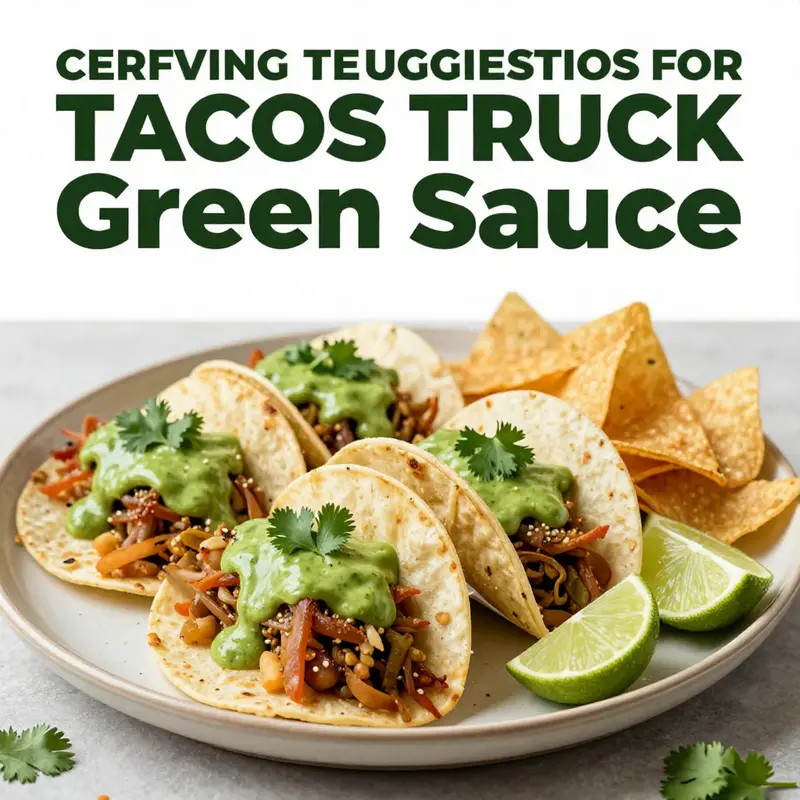
The scent of fresh cilantro and lime carries across a busy alley as a taco truck sizzles under string lights. In this setting, green sauce—Salsa Verde in its most vibrant form—acts as more than a condiment. It is a bright, herbal anchor that ties together the savory, smoky, and fried. When a vendor reaches for this green elixir, they are weaving a story of freshness into every bite. Salsa verde, especially the kind that fuels the best taco trucks, carries a balance of tang, herbaceous brightness, and a gentle kick. It is not merely accompaniment; it is the conduit through which a meal becomes memorable. The way it sits atop a taco or swirls through a plate of nachos can elevate the entire dining moment, turning simple street food into a dining-cruise of contrasts and textures. In this chapter, we explore how to use Taco Truck Green Sauce—an authentic, bright, and adaptable salsa verde—in ways that deepen flavor, unify plates, and invite diners to come back for more.
At its core, the sauce is a reflection of its base ingredients. Tomatillos, when used, offer a tartness that feels almost zesty rather than sour, a crispness that wakes the palate. When tomatillos give way to green tomatoes, the sauce takes on a sweeter note, but the same brightness remains if the balance with chiles, onion, and cilantro holds. The chiles deliver heat, but the heat is a conversation starter rather than a blunt punch. The forgiveness of this sauce lies in its ability to be tuned to the crowd. A truck in a bustling border city might lean a shade hotter, with more serrano or jalapeño to match a bold carne asada or al pastor. A neighborhood staple in a calmer district might favor milder peppers, relying on the cilantro and lime to carry the profile and leave room for the tortilla’s warmth to do the heavy lifting. Either way, the sauce is designed to enhance, not overpower.
The preparation itself invites a ritual that feels both practical and celebratory. Char the vegetables on a dry skillet or over an open flame to unlock a smoky depth that echoes street-roasted flavors from grills that glow at dusk. A few minutes of blistering on each side can transform the simple blend into something with character, something that lingers with the eater long after the last bite. This smoky note is not merely a garnish; it is a layer that adds complexity to plain ingredients. When the char is done, the vegetables are blended with onion, garlic, cilantro, lime juice, and salt. The result is a smooth, bright green sauce that can be thinned with a splash of water or broth or thickened by reducing the liquid slightly. The texture is a result of intention—as much as technique. A thinner sauce washes over a taco like a fresh drizzle of rain over a leaf; a thicker, more concentrated version clings to the meat, offering a concentrated burst of brightness with every bite.
Flavor balancing is where the artistry of serving this sauce lives. A quick taste test after blending should reveal a harmony among acidity, salt, and the herbs’ vividness. If the lime juice seems sharp, a touch more cilantro or a whisper of sugar can soften the edge while preserving the drink-like brightness. If the sauce feels flat, more salt can unlock a deeper savor, while a pinch of cumin or oregano can introduce a desert-meadow warmth that brings the dish together. The sauce is forgiving enough to accommodate a range of palates, yet precise enough to make a claim over the plate. For a traditional taco of any kind—from al pastor to grilled chicken—the sauce should feel like a cooling, herbal fountain that contrasts with the meat’s fat and with the tortilla’s soft, starchy bite.
Serving suggestions emerge from the same philosophy: the sauce is a companion that heightens the main courses it meets. On tacos, it is a kiss of brightness that can be spooned generously over carne asada, carnitas, or chicken. For vegetarian options, roasted vegetables or black beans take on a new life when kissed by green salsa, their earthiness lifted by the herb and citrus. Fajitas benefit from a spoonful of salsa verde as a bright counterpoint to peppers and onions that have blistered on a hot grill. Nachos become a festival of contrasts when drenched in salsa verde—the cheese melts into the sauce rather than losing the sauce’s crisp herbaceous edge. The sauce also shines as a finish for grilled meats and vegetables, a bright plate rest for eggs, or a vibrant dip for chips and raw vegetables. In breakfast applications, a dollop over huevos rancheros or stirred into a bright herb scramble can reposition a morning plate from ordinary to celebratory.
The textures matter as much as the flavors. A silky, well-pureed salsa verde can blanket a taco with a smooth coat that gleams under the truck’s lights. A chunkier blend gives a rustic mouthfeel that offers bursts of cilantro and onion in every bite, echoing the truck’s rustic, street-food ethos. The choice of liquid to reach the desired consistency—the splash of water, vegetable broth, or none at all—affects not just mouthfeel but aroma. A thinner version carries more volatile citrus and herb notes with each breath, while a thicker one anchors the flavors more densely on the tongue. For dipping, a moderate thickness is ideal; for finishing tacos, a touch of thinness ensures it coats without pooling, allowing the tortilla to carry the sauce with each fold.
Temperature also plays a role in how diners experience the sauce. Some vendors serve the green sauce fresh, at room temperature, or slightly chilled, letting the bright herbs sing without the heat of the kitchen masking them. Others opt for a cooler chill, which can give a refreshing finish to a hot, spicy bite. Resting the sauce in the fridge for about 30 minutes before serving gives the flavors time to meld, the cilantro’s green notes to bloom, and the lime’s zest to harmonize with the onions and garlic. This pause is not wasted; it is a moment of quiet that allows the characters in the sauce—the herbs, the citrus, the pepper—to introduce themselves to one another in the same way a crowd settles before the first bite.
Beyond tacos, this salsa verde plays well across an array of settings. It brightens a platter of grilled fish or steak, providing a counterpoint to the savoriness and a lift that prevents fatigue from heavy meat dishes. It can be a quick, lively addition to a plate of fajitas, lifting the vegetables and the protein with a crisp, herbal kiss. It is a natural dip for tortilla chips, plantain chips, or raw vegetables, offering a green, citrusy palate cleanser between bites. The sauce’s versatility is part of its street-food magic: it makes possible a wide range of menu configurations without sacrificing authenticity or depth. A truck that serves a rotating lineup—tacos one night, breakfast burritos the next, then a plate of chilaquiles—can rely on Salsa Verde to provide a unifying voice across the menu, a bright thread that ties dishes together with consistency and character.
In terms of operations, the sauce is forgiving enough for a busy stand. The method benefits from a routine: char, blend, season, rest. This routine can scale from a single cook to a small crew, adapting to peak hours with ease. The critical factor is quality control—keeping cilantro fresh, lemons or limes vibrant, chiles at a heat level that matches the clientele, and ensuring the salt balance remains correct as quantities increase. A practical practice is to prepare a base batch of verde and then tailor it at the counter for individual orders. A squeeze of lime and a pinch more salt can personalize each cup, each taco, each plate. The ability to adjust on the fly—more heat for some, less for others—keeps the sauce a living component of the meal rather than a fixed afterthought.
The cultural dimension of Salsa Verde adds another layer to its serving power. Authentic street-done verde is a bright, tangy, herbal profile with a subtle kick. It should feel alive, almost porous, so that the eater senses herb, citrus, and chile as a single breath rather than separated notes. As a vendor, you set the tempo for the tasting: a light drizzle that teases the palate, a generous pour that posters the plate with color and aroma, or a robust spoonful that stands up to a heavier protein. When you serve it chilled or at room temperature, you honor the tradition of fresh sauces found in markets and taquerias across Latin American neighborhoods and diaspora communities. Salsa Verde belongs to the moment—quick, bright, flexible. It is the kind of sauce that travels well on a cart, because it tastes like a memory of a Mexican street, where the vendors know the balance between crispness, heat, and refreshment.
To close the circle, consider the possibility of linking this verde to your broader culinary story. The recipe’s core concept—char, blend, season, rest—maps onto how a mobile kitchen builds its repertoire. The sauce becomes a storytelling device, a way to connect menus with guests who return for the familiar brightness that marks a trusted truck. The practice invites experimentation, too: introducing a hint of cilantro stems, a touch more cumin during cooler months, or a splash of a fruit-forward juice to soften acidity without sacrificing the sauce’s core brightness. Each variation, each adjustment, is another chance to invite guests to taste an intersection of tradition and improvisation. In that sense, Salsa Verde is not just a recipe; it is a culinary philosophy for a taco truck that aims to serve not only meals but moments—moments of color, aroma, and balance that make a stop at the window feel like a small celebration.
For readers seeking a broader sense of how these ideas fit into a larger, street-focused culinary strategy, consider exploring a resource on the best-performing taco truck concepts. Top taco truck models for culinary success offers a framework for understanding how pairing bright sauces with efficient production, engaging service, and vibrant menus can elevate a business as well as a dish. Top taco truck models for culinary success. This connection between technique and operation underlines the idea that a well-crafted verde sauce supports both flavor and business outcomes, reinforcing the link between kitchen craft and street-side performance.
External resource for further inspiration and visual guidance: https://www.tiktok.com/@tacoblog/video/7423519086724132865?lang=en
Final thoughts
Creating your own Taco Truck Green Sauce at home doesn’t just elevate your meals; it opens the door to endless culinary creativity inspired by vibrant Mexican flavors. With fresh, high-quality ingredients and just a few easy steps, you can prepare a sauce that embodies the essence of the bustling taco truck scene. So, the next time you fire up the grill or gather friends for taco night, remember this recipe, and take your dishes to the next level. Enjoy the zesty kick and freshness at every bite!