
Planning a wedding is a culinary adventure, and for taco lovers, what could be more exciting than a taco truck celebration? This delightful catering option is not just a way to serve delicious meals but an event in itself! However, understanding how much a taco truck for your wedding will cost can feel daunting. From average pricing to the myriad options vendors offer, we’ll break down everything you need to know. Each chapter will guide you through cost breakdowns, package options, potential additional expenses, regional vendor comparisons, and the possibility of customizing your taco truck experience. Get ready to spice up your wedding menu in an unforgettable way!
Taco Truck Weddings: Understanding Costs and Planning with Flavor
Choosing a taco truck for a wedding involves more than a price tag; it is about the experience, timing, and how the truck fits the day’s flow. Typical base fees for a taco truck wedding range from $2,500 to $5,000, with per-person costs often in the $20s to $40s depending on guest count, menu complexity, and the service window. Location, season, and customization—such as dessert add-ons, branded setups, or specialty proteins—can push prices upward, while midweek dates or rural venues may offer savings. When comparing quotes, request itemized breakdowns that separate base fees, travel and setup, overtime, and menu surcharges, and consider the value of the experience in relation to your budget.
Delivery, staffing, and equipment are usually bundled, but some vendors itemize them; read contracts carefully to understand what’s included (power, water access, permits, insurance). Plan for a flexible timeline to accommodate lines and kitchen flow, and ask about how the truck will operate within the venue’s loading zones.
Finally, use a side-by-side comparison to prioritize what’s most important: speed, flavor variety, theme coherence, and whether the setup supports late-night bites or dessert options. With careful quotes, a taco truck can be a memorable, cost-effective centerpiece for your wedding meal.
Package Options Reimagined: What a Taco Truck Wedding Package Really Includes—and How It Shapes the Price
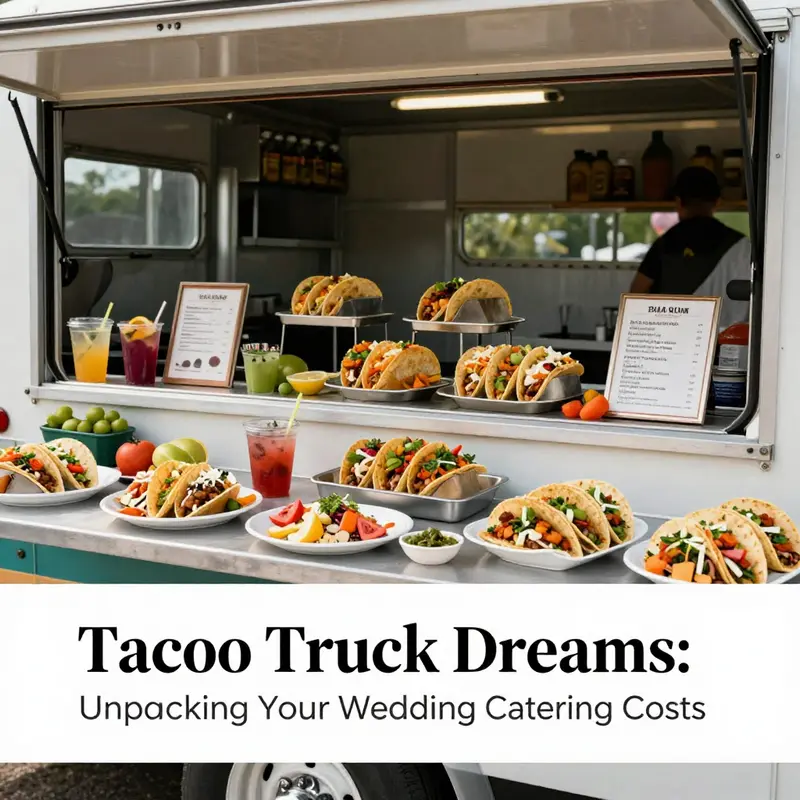
A wedding needs delicious food, but the way you serve it can become part of the celebration itself. A taco truck brings more than a menu; it creates atmosphere, movement, and a touch of spontaneity that a plated meal often cannot. When couples ask, “How much is a taco truck for a wedding?” they are really asking: what does the package include, and how does each element affect the bottom line? The answer is: the price is a reflection of the entire service ecosystem surrounding the mobile kitchen, not just the tacos on the tray. As of early 2026, most wedding catering packages based on a taco truck fall into a range that depends on guest count, service duration, and how elaborate the menu and décor are. In practice, you’ll typically see a per-person figure, often combined with a base fee for the truck and staff, rather than a simple menu price. This means the final number can swing widely depending on choices, timing, and location, even for the same number of guests.
At the core, the package includes the truck itself as a fully functional kitchen on wheels. It is more than a vehicle; it is a moving culinary station built to expedite cooking, warming, and service while maintaining health standards. The trucks commonly feature grills or broilers, warming stations, refrigeration units, a tortilla station, and sometimes a grease management system. This isn’t merely equipment; it is a portable kitchen designed to deliver consistent quality while staying compliant with local health regulations. The presence of a grease trap or similar sanitation infrastructure is not a luxury but a baseline requirement that governs how long the truck can operate and how smoothly food service runs across a venue’s layout.
Then comes the culinary crew. A traditional taco truck package includes a team that can range from one to several people, depending on the scale of the event. The lead cook or chef oversees menu execution, while stationed staff handle assembly, toppings, and continuous service during peak hours. This is not a single chef with a spatula; it is a coordinated team that ensures fresh tortillas, hot fillings, and timely garnishes, maintaining a steady rhythm from the first taco to the last. The choreography matters because guests often form in lines that must move quickly without sacrificing quality. The cost, therefore, accounts for labor, not just food cost.
Customization is where pricing becomes personal. A customized menu is one of the most impactful levers in a taco truck package. Beyond the familiar carne asada and al pastor, modern weddings embrace vegetarian, vegan, and gluten-free options, with sides like house-made salsas, guacamole, rice, and beans that align with the wedding’s color palette and theme. The ability to design a menu that resonates with the couple’s story—and their guests’ tastes—adds value but can also raise the per-person price if premium ingredients or fewer standard options are chosen. A thoughtful menu designed around guest preferences and dietary needs helps ensure a smoother service flow and higher guest satisfaction, which many couples consider priceless even when it shows up as a line item on the invoice.
Beverage service is another variable that can sway cost. Some packages offer a beverage component that ranges from agua fresca and horchata to curated margarita stations, depending on local licensing, venue rules, and the package tier. Alcohol service has its own set of requirements, and in many jurisdictions it requires permits, additional staffing, and health and safety considerations. When a package includes beverages, it is often offered as an add-on or a higher tier that reflects both product costs and the logistical complexity of serving drinks legally and reliably in a wedding setting. If a couple wants to keep things non-alcoholic, packages frequently accommodate this with specialty drinks that echo the wedding’s flavor profile while avoiding licensing hurdles.
Setup and breakdown are the unseen backbone of any mobile catering arrangement. The vendor must coordinate a smooth arrival window, connect to electrical power or arrange a generator if the venue cannot supply sufficient power, and manage water supply for cleaning and food preparation. Waste disposal, trash management, and post-event cleanup are integral; a professional team will leave the venue in as good a condition as when they arrived. The more intricate the venue’s access points, the longer and more carefully the setup can take, which can push the total service time and, consequently, the price.
Branding and decor are often sprinkled into the package to amplify the wedding’s vibe. The taco truck can be branded with the couple’s names or a wedding logo, and some packages include signage, bunting, or coordinated color palettes that echo the event’s theme. For couples who want a photo-worthy backdrop, the truck becomes a focal point in the ceremony or reception spaces. This level of personalization adds a decorative layer that has real cost implications, but it also yields tangible returns in guest experience and social-media shareability.
In more premium configurations, packages can extend beyond the basic service. Live music or a DJ component, even if not on the same site as the truck, can be bundled into a single vendor relationship to simplify coordination. Additional stations—such as a dessert bar, a build-your-own toppings corner, or after-dinner coffee and churro stations—can transform a taco-forward reception into a longer culinary narrative. Some couples also opt for lounge seating or interactive elements that revolve around the food experience, turning the meal into a multi-sensory event rather than a simple service line. Each of these choices affects the overall cost, but they also elevate guest engagement and the wedding’s storytelling power.
So how do all these pieces translate into dollars? The ballpark range most couples encounter—roughly $25 to $45 per person for a taco truck wedding reception—reflects a mix of these core components and the level of customization chosen. A base package for a smaller wedding might sit around $4,000 to $4,300, including the truck, staff, ingredients, and basic equipment. But that figure is usually a starting point rather than a final tally. As with any catering decision, the final invoice can drift higher as you add hours, upgrade ingredients, or request specialized branding and décor. For example, extending service beyond standard hours, opting for premium fillings or regional specialties, or requesting a branded experience can push per-person costs upward. It is not uncommon for couples in high-demand markets or at larger venues to see per-person pricing diverge significantly from the baseline, especially if travel, delivery fees, or peak-season surcharges apply.
To navigate this landscape, it pays to approach pricing as a complete experience, not a menu price alone. Get precise quotes by reaching out to several vendors who specialize in wedding events and mobile kitchens. Compare what each package truly includes—what is covered in the base price, what is offered as an add-on, and what fees may be hidden in delivery, setup, or staffing. The difference between two seemingly similar quotes often comes down to the depth of the service and how well it aligns with the couple’s vision for the reception. When evaluating options, consider not only the food itself but also the choreography of service, the reliability of the crew, the sanitation assurances, and the ability to scale the operation to your guest count.
For those who want to dig deeper into design and equipment nuances, one useful resource highlights the top models of taco trucks and how their configurations support different culinary approaches. This perspective can help you imagine how a truck’s layout influences both menu creativity and service efficiency. See top taco truck models for a sense of how equipment, workflow, and presentation come together on wheels.
As you assemble the picture of your wedding feast, keep in mind that pricing is not just about the numbers on the quote. It is about the experience you are curating: the moment guests watch fresh tortillas emerge, the aroma of spiced meat filling the air, and the sense that the meal is part of the celebration rather than a reaction to it. A well-constructed taco truck package can deliver a memorable, interactive dining experience that supports the wedding’s tone, from intimate and rustic to festive and modern. The trick is to balance the aspirational aspects with practical considerations—guest comfort, venue rules, timing, and budget—and to let the vendor relationships you build early in the process guide you toward choices that feel both magic and manageable.
For readers seeking a broader context on pricing and planning in this space, there is value in consulting industry guides and vendor directories that offer comparisons across regions and event sizes. A reliable external resource provides general guidance on wedding food trucks, pricing ranges, and planning timelines, helping you calibrate expectations against real-world scenarios. See https://www.theknot.com/food-and-drink/wedding-food-trucks for an industry overview and planning tips.
null
null
Pricing on the Move: How Location Shapes Taco Truck Wedding Costs
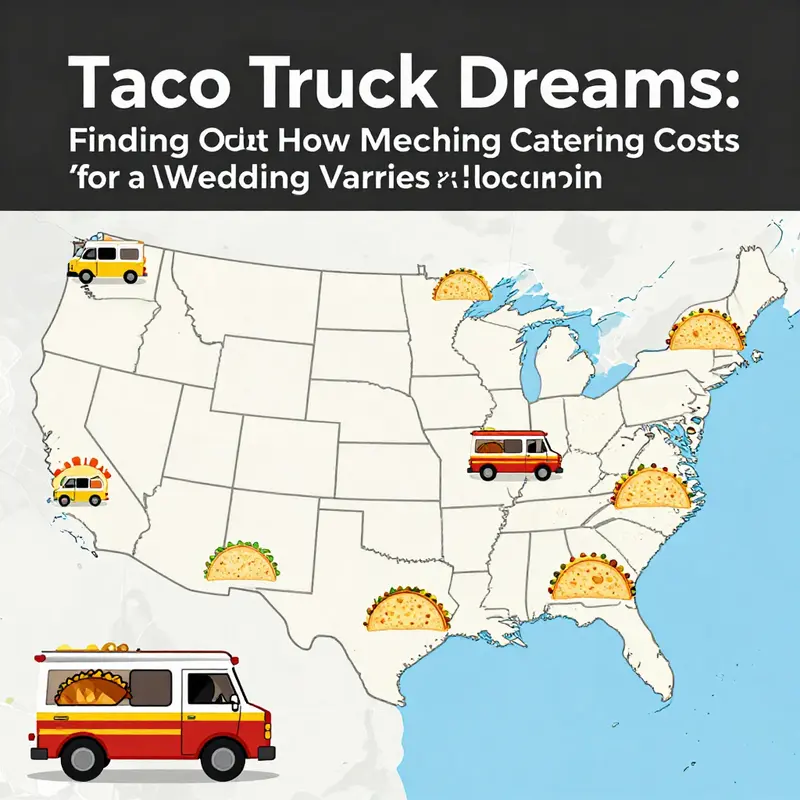
The aroma of grilled tortillas and smoky al pastor has a way of turning a wedding into an informal, communal feast. A taco truck at a reception isn’t just about food; it’s an experience—colorful, interactive, and decidedly social. Yet behind the sizzle lies a practical equation. The base cost of hiring a taco truck for a wedding can be surprisingly elastic, driven as much by geography as by the menu or the length of service. Industry chatter often frames pricing in broad strokes: roughly $25 to $45 per person, with revenue-friendly packages that can start around $4,000 to $4,300 for a compact truck setup that covers food, staff, and basic equipment. Those figures capture the essence of a wedding-focused operation, but they miss the nuance that location injects into the final bill. To plan with confidence, couples must look beyond the headline numbers and map how place, scale, and preference reshape the price tag, right down to the last taco and the last minute of service.
Location matters in tangible ways. In major metropolitan areas—think New York, Los Angeles, or Chicago—the rental interval for a full-day event often comes with higher baseline costs. A taco truck that stays put from the early set-up through the last dance may demand $2,500 to $5,000 or more, depending on the day’s demand and the vendor’s schedule. The higher price in these hubs isn’t only about a longer footprint; it reflects the realities of operating in dense markets where labor costs climb, space is at a premium, and competition intensifies. Health codes also become a sharper factor. Temporary food vendor licenses, grease trap compliance, and stringent permit processes can add a layer of administration that nudges the total price upward. The upshot is a more curated, premium experience: fresher ingredients, more elaborate menus, and the capacity to handle demand spikes during peak wedding seasons in spring and fall.
Contrast that with smaller cities or rural areas, where the math shifts in favor of the couple’s budget. In places like Boise or Des Moines, the same truck might be priced between $1,200 and $2,500 for a full-day service. The generous bit of headroom those figures imply comes from a different cost structure: lower overhead, less red tape, and a less crowded market. Vendors can offer longer stays or more flexible setups at a value that still preserves quality. However, even in these areas, the price is not a flat line. Menu complexity, the size of the truck, and the extent of service—whether a simple flat-rate feed or a multi-taco display with bespoke toppings—can alter the bottom line. A couple dreaming of al pastor, carne asada, or plant-based taco options may find that premium ingredients or specialty preparations push costs higher, even in a rural setting. And just as in the city, the day’s logistics—timing, travel distance from the venue, and the need for additional equipment—will tint the final quote.
Every wedding is a tapestry of choices, and the taco truck experience is no different. A common base package often includes the truck, drivers, cooks, and some level of on-site staffing, plus ingredients for a defined number of guests. But many couples discover that the base price is only the starting point. The clock is a silent actor in the pricing drama. Longer hours, extra service windows, or a late-night dessert station can all push the number upward. If the celebration drifts into after-hours territory or if the venue requires extended clean-up, the bill can reflect those added minutes and labor. And there are the extras that sound small but add up quickly: premium ingredients, signature or chef-tuned taco recipes, custom branding on cups or signage, delivery and set-up fees, and, if alcohol is part of the plan, the additional licenses and controls that come with serving beverages from a mobile kitchen.
The star of a taco truck wedding is the menu, and with menu variety comes cost variability. A straightforward lineup of classic street-style tacos, rice, beans, and a modest sides spread might sit at the lower end of the per-person spectrum. A more elaborate display—think live-fire stations, build-your-own taco bars with a wide array of toppings, or rotating taco options that change with the season—can elevate the per-person price and the overall package. Seasonal ingredients, sourcing from local farmers, or specialty proteins can push the ticket higher, but they also enrich the wedding day narrative with freshness and regional character. The relationships between menu complexity and price are not linear; a single chef’s special can unlock a premium feel without overcomplicating the workflow, while a heavily themed menu can demand more resources, staff training, and equipment to pull off smoothly.
For couples still assembling their guest list and budget, quotes are the most reliable compass. Direct conversations with vendors provide the clearest picture of what is included in a given package and what would be extra, and they let couples gauge how well a truck aligns with their wedding’s mood and logistics. A standard invitation to discuss pricing should cover potential travel fees, which are not uniform. Destination weddings or venues requiring long-distance travel may incur travel costs or require additional staffing to handle the relocation and setup. The destination aspect, in particular, can shift value from “good deal” to “worth it” as couples evaluate how much atmosphere travel adds to the guests’ experience. The certainty of what you’re paying for matters as much as the dollar amount itself: a clear menu, defined service times, and transparent terms reduce the risk of surprise charges on the final invoice.
As with any form of catering, timing is not just a practical matter but a strategic one. A wedding that unfolds with a two-hour cocktail hour followed by a concise dinner service might pair with a leaner pricing structure. The same truck, working through a longer reception, or coordinating with multiple stations, can generate incremental charges for staffing and equipment uptime. A well-balanced approach can also help. Couples who choose flexible service models—such as a base price with add-ons calibrated to guest count and duration—often achieve a more predictable spend while preserving the spontaneity that makes a taco truck so alluring. The labor component, in particular, is a recurring driver of cost. Chefs who are adept at managing high volumes while maintaining the integrity of each taco may command higher wages, which translates into higher quotes. Yet their efficiency can also yield savings elsewhere, such as shorter wait times for guests and a more seamless service flow that reduces idle time and waste.
Pricing psychology matters, too. The per-person framing—$25 to $45, for instance—helps couples visualize the scale of the investment across a guest roster. It’s intuitive to compare this to the cost of other catering options, but tacos carry a different value proposition. They evoke a social, interactive dining experience rather than a formal plated service. The value, then, is not only the quantity of food but the quality of the experience: the theater of a taco station, the opportunity for guests to curate their own combinations, and the festive energy the truck adds to the dance floor and speeches alike. This experiential layer can justify higher price points to some couples, just as a more streamlined, no-fruss budget might appeal to others seeking a lean, efficient reception.
To bring these threads together, imagine a couple planning a wedding in a mid-sized city who wants a mid-length reception with a vibrant taco offering. They learn that the truck price might sit in the $2,500 to $3,500 range for a full day, including staff and core ingredients, with a la carte options for premium tacos or dessert add-ons that push the total to $4,000 or more. In a nearby rural community, the same menu could be set up for substantially less—$1,400 to $2,000, with possibilities to add a carefully chosen premium taco lineup at modest incremental cost. The variability is real, but so is the opportunity to tailor the experience to match the couple’s vision and budget. The path to clarity often involves a few thoughtful steps: define the event timeline, decide which elements are non-negotiable, and articulate how important the taco experience is to the day’s identity. When vendors see that clarity, they can provide more precise, apples-to-apples quotes that reflect both the locale and the desired atmosphere.
For readers who want a broader sense of how trucks are configured and priced across different scenarios, a recent explainer on truck models and culinary setups can offer a useful backdrop. The piece delves into how configuration choices—from compact burger-stall vibes to full-service mobile kitchens—shape pricing and performance. It’s a reminder that the price a couple pays is not solely about the food; it’s about the entire on-site experience, the workflow behind the scene, and the storytelling that unfolds at the buffet line. To explore these ideas further, one can look at a comprehensive overview of taco truck configurations: Taco Trucks Unleashed: Top 5 Models for Culinary Success.
In the end, the final cost of hiring a taco truck for a wedding emerges from geography, customization, and expectations. Location sets the stage, menu choices set the tone, and service duration writes the length of the show. A smart budgeting approach treats price as a spectrum rather than a fixed target: identify non-negotiables, price for the experience you want, and leave room for a few delightful indulgences. If you’re trying to imagine the total, start with a realistic per-person target, add the base package for the truck and crew, and then layer in travel, permits, and any specialty toppings you envision. It’s a practical exercise, but one that yields a feast of possibilities—one that will leave guests not just full, but also talking about the trucks that parked at your wedding for years to come. For couples seeking up-to-the-minute pricing and vendor availability tailored to their location, exploring trusted wedding platforms can be illuminating and time-saving, helping to compare local taco truck options side by side.
External resource: https://www.theknot.com
Feast on Wheels, Your Way: How a Wedding Taco Truck Can Adapt to Your Vision—and Budget
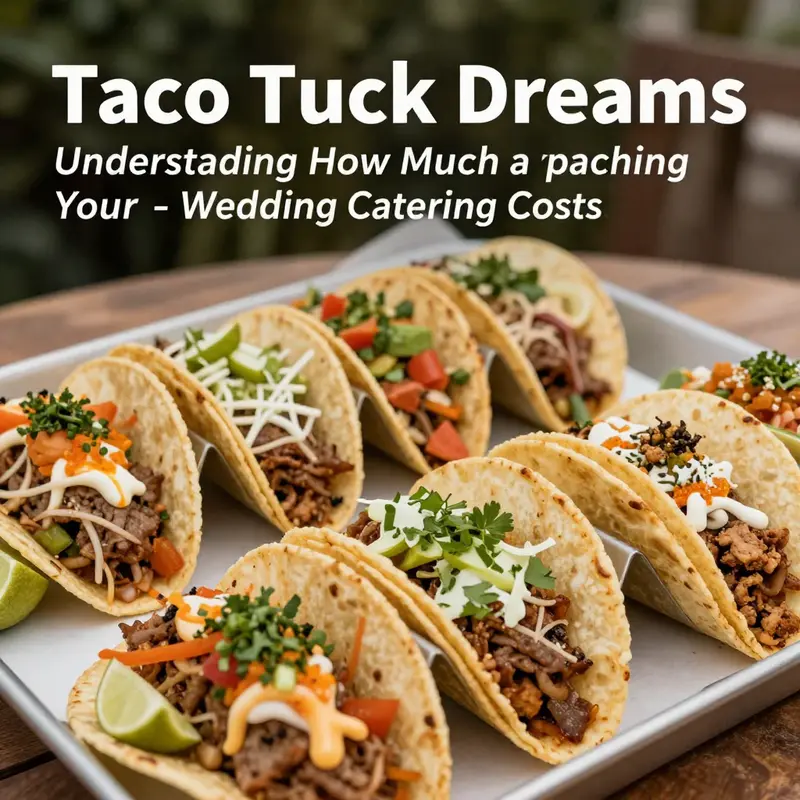
A wedding feast can bend to nearly any vibe, and a taco truck on site is one of the most flexible options you can choose. It blends the informal charm of street food with the personal touch of a carefully planned event. When you start mapping out a taco truck for your celebration, the conversation quickly shifts from “is this possible?” to “how much will this cost, and how can we tailor it to fit our day?” The answer rests on two intertwined levers: what you want to serve and how you want to present it. Both are within reach, and both scale with your guest count, venue, and priorities. At the core, a taco truck is a mobile kitchen with a menu that can expand or tighten, a service style that can be casual or curated, and branding that can echo your wedding’s theme or stay clean and understated. The result is a dining experience that feels custom without sacrificing the ease and rhythm of a well-run celebration. Yet the idea of customization can feel overwhelming if you don’t start with the right framework. Understanding how much a taco truck can adapt begins with a practical map of price ranges and a clear sense of where flexibility adds value to the day. On average, you’ll see a ballpark of roughly $25 to $45 per guest for a taco truck wedding reception. That per-person figure often sits atop a base package, which can run around $4,000 to $4,300 for a mobile setup with the truck, staff, ingredients, and basic equipment. These numbers are guides, not guarantees, because the final tally is shaped by location, the sophistication of the menu, and how long you want the truck to stay on site. A smaller wedding in a less saturated market might lean toward the lower end, while a larger or more metropolitan celebration could drift toward the higher end as you add features and services. The important takeaway is that a taco truck is not a one-size-fits-all solution; it’s a flexible platform that grows with your guest list and the atmosphere you want to create. It’s also worth recognizing that these base figures are rarely the final word. Costs creep in with the hours you want the truck to operate, the complexity and refinement of the menu, and any premium ingredients or specialty tacos you crave. If you want a dessert-focused blitz or a signature taco bar that doubles as a tasting experience, plan for a lift in price to reflect the extra labor, ingredients, and time. Some couples discover that a modest extension—an hour or two of service, a curated dessert display, or a few premium toppings—can dramatically elevate the moment without tipping into extravagance. Another layer of cost comes from branding and decor. A taco truck can be dressed to echo your wedding’s color palette and theme, with customized signage, branded serving ware, and coordinated linens or displays. While these enhancements are largely aesthetic, they imprint a cohesive look that photographs beautifully and feels thoughtful in the moment. There is also the logistical side to consider. Delivery fees, setup, and the distance the truck must travel to reach the venue can add to the bottom line. If you’re hosting in a location that requires special permits or additional staffing for extended hours, you’ll likely see a corresponding rise in price. For events where alcohol is involved, some vendors offer beverage options that pair with the food but may be priced separately or require a separate license, which can change how you budget per head. The broad message here is straightforward: customization costs are real, but they’re also highly controllable with planning and clear priorities. To ground your expectations, think about your non-negotiables first. Do you want a broad, regional taco menu that showcases several traditions, or a tighter set of signature bites that reflect your personal tastes? Is the goal a lively, interactive dining moment where guests assemble their own tacos, or a more formal, plated or buffet service with precise portions? Each choice nudges the price in a different direction and influences the overall experience. If you’re curious about how these elements play out in practice, consider a quick tour of the diverse designs in the taco-truck space. There is value in reviewing the available formats—some trucks focus on a few standout dishes, others offer a broader kitchen that can handle interactive stations or live demonstrations. You can explore a snapshot of these concepts in guides that summarize the top configurations and what they bring to a wedding setting. For readers who want a practical, image-rich sense of the variations, a concise resource on model diversity can be particularly enlightening. A good way to ground expectations is to review the range of truck designs in widely shared guides such as top taco truck models for culinary success. This reference helps you visualize how the same core service—the taco truck—can morph into a stage for a casual street-food vibe or a polished, theme-coordinated component of the wedding day. The value of these models is not merely aesthetic; it’s about how each setup supports your service style, kitchen efficiency, and budget discipline. Your vendor’s adaptability becomes a central asset. A responsible, well-prepared vendor will walk you through a menu grid that balances authenticity with inclusivity, ensuring options for vegetarian, vegan, gluten-free, and other dietary needs without sacrificing the core taco-centric appeal. The planning phase is less about locking into every detail immediately and more about establishing a communication rhythm. Early conversations with your chosen provider should cover lead times, tasting opportunities, and contingency plans for weather or site constraints. Tastings allow you to normalize expectations—taste a curated sample of sauces, fillings, and tortillas, and then align them with your guests’ preferences. If your vision includes a strong cultural or thematic note, you’ll want to discuss how the truck can carry that message through branding, signage, and even staff attire or choreography for certain moments in the reception. The most successful weddings often hinge on flexible sequencing: the truck arrives at a moment that preserves the flow of the day, perhaps during cocktail hour or as a late-night highlight after dancing. The transition from ceremony to reception can be seamlessly punctuated by a welcome display of flavors that feels both spontaneous and purposeful. In practice, the scope of customization is not merely culinary but experiential. You might opt for an interactive station where guests assemble their own tacos under the guidance of a skilled chef on wheels. Or you could choose a curated menu with a few crowd-pleasing staples and a couple of chef’s specials that showcase local ingredients or a nod to your heritage. Either approach can be executed with equal grace, so long as you clarify the expectations around quantity, timing, and service style. When it comes to budgeting, it helps to approach the numbers with a structure: estimate the per-person cost for your chosen menu, add any extended-hour charges, then factor in decor and branding costs, delivery, and staff. From there, it’s practical to examine your guest count and venue constraints to see where you can trim without dulling the overall experience. If you’re uncertain how the pieces fit, seek a transparent, itemized quote from your vendor, with line items for the truck, staff, ingredients, delivery, setup, any branded decor, and optional add-ons like interactive stations or dessert add-ons. This clarity makes it easier to compare bids and to identify where customization adds value rather than simply inflates price. For readers seeking broader context, a reputable guide on hiring a food truck for weddings offers practical, non-promotional advice that complements the hands-on planning described here. You’ll find practical tips in external wedding planning resources at https://www.theknot.com/content/food-truck-wedding. As you move forward, remember that customization is a spectrum. It can be as modest as a couple of signature tacos and some branded napkins, or as elaborate as a branded truck with live-fire stations, curated music, and a service style that feels like a well-orchestrated performance. The beauty of a taco truck is that it remains adaptable across that spectrum. If your goal is a wedding that feels uniquely yours without breaking the bank, you can achieve it with thoughtful prioritization and open dialogue with your vendor. The result is not a single rigid package but a tailored experience that travels with you to the dance floor, where guests celebrate with hands-on bites, vibrant flavors, and memories that are part of the story you and your partner want to tell. For additional context on how these options translate into real-world budgets and configurations, exploring a few model overviews can be instructive. A practical option is to review the available formats in guidepieces that summarize model families and their typical use cases. This is not a commercial pitch but a planning aid—much like reviewing a menu before meeting the chef. And if you’re ready to commit to the look and feel of your event, you’ll find that early planning, precise tastings, and a clear line of communication with your vendor unlocks a wide range of customizable possibilities. In the end, the question is less about what a taco truck can do on a wedding day and more about what you want your guests to remember. A mobile kitchen offers a delicious, social, and visually engaging centerpiece that can echo your theme, accommodate dietary needs, and adapt as the day unfolds. With careful budgeting, a thoughtful menu, and a collaborative planning approach, your taco truck can be the flexible heartbeat of a celebration that truly feels like it was built for you. If you’re seeking a broader framework for how this kind of culinary mobility fits into contemporary wedding planning, the external resource linked above provides a practical gateway to align your expectations with industry guidance and real-world insights.
Final thoughts
Choosing a taco truck for your wedding can bring a fun, interactive, and flavorful experience that delights guests. Understanding the costs involved helps you make informed decisions tailored to your vision. From creative packages to customizable options, taco trucks can enhance your wedding with exciting flavors and, of course, an unforgettable experience. Whether you’re a taco enthusiast or simply want to offer something unique to your guests, you’re sure to create culinary memories that linger long after the last taco bite.

