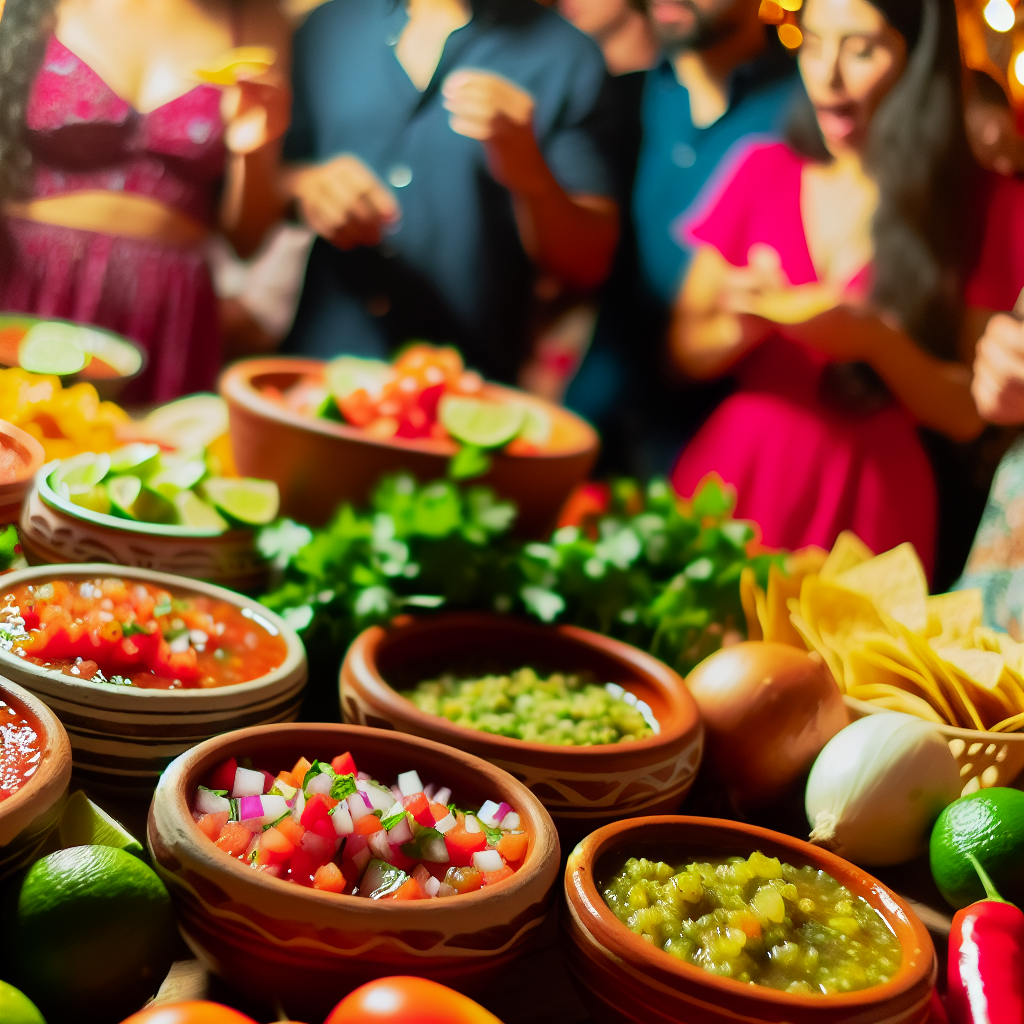
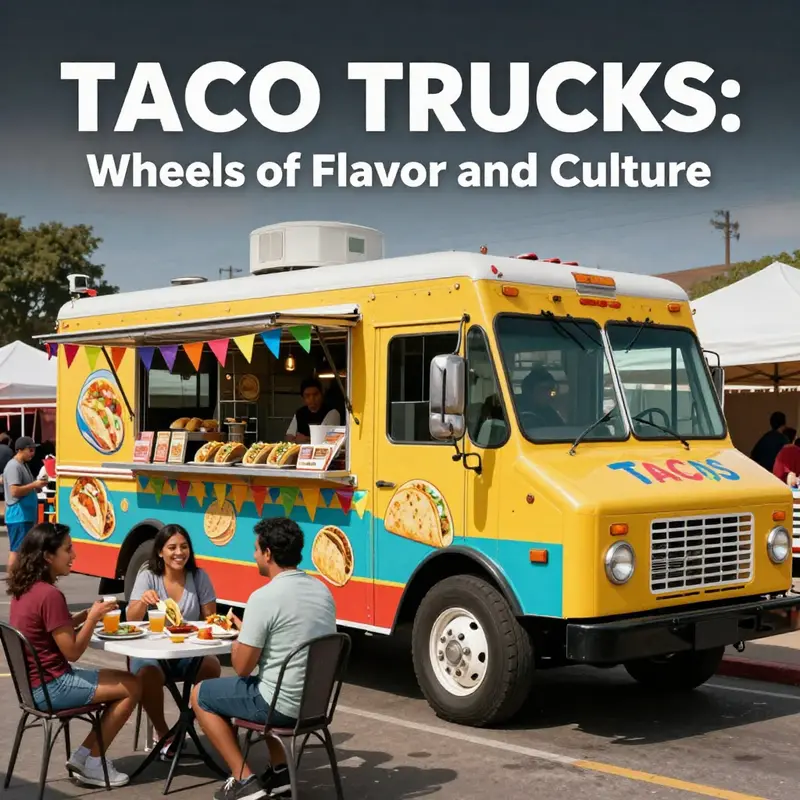
Taco trucks are not just mobile eateries; they are a cultural phenomenon rich in authenticity and flavor. These culinary gems serve as vibrant hubs for community engagement, offering a taste of Mexico right in our neighborhoods. Students, office workers, families, and event planners alike benefit from the delicious options and lively atmosphere of taco trucks. Through this article, we’ll delve into the cultural significance of taco trucks, their operational mechanics, economic contributions, and the array of culinary diversity they provide. Each chapter is a step towards understanding why these trucks have become an essential part of our urban landscapes and culinary palates.
Wheels of Heritage: The Taco Truck as a Living Street Culture
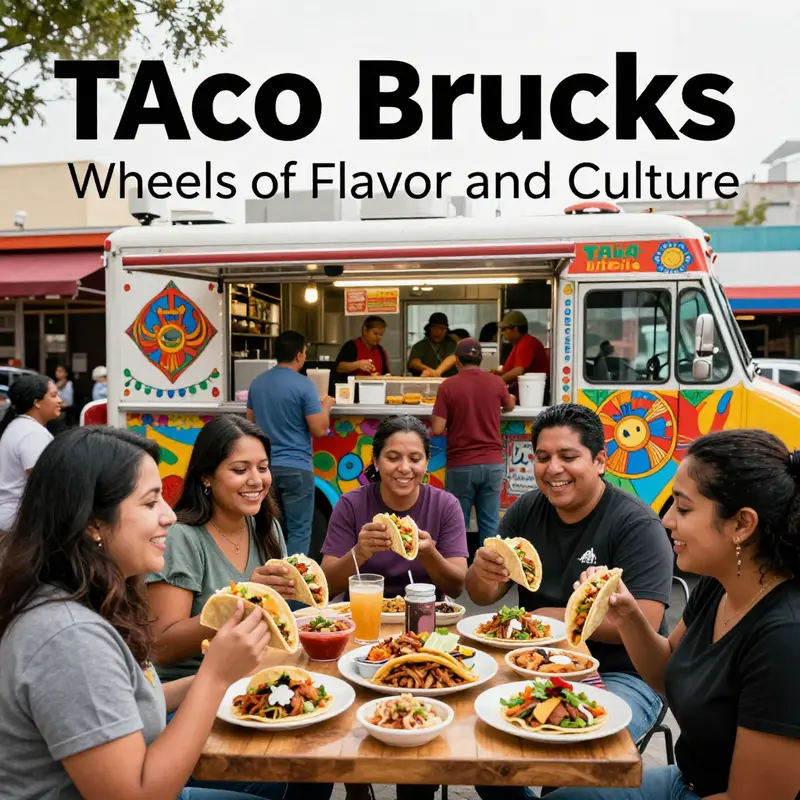
The taco truck is more than a kitchen on wheels. It is a mobile archive of labor, memory, and shared meals that travels through neighborhoods, shaping and reshaping a city’s sense of belonging. In many urban neighborhoods, the truck functions as a temporary commons where people from different backgrounds converge over a simple, honest meal. Its presence on a corner, at a festival, or outside a workplace signals a daily ritual: the return to a comforting taste, the communal exchange of stories, the conversation sparked by the sizzle of a grill and the aroma of herbs and lime. This is where identity becomes cuisine, and cuisine becomes identity, all carried by the hum of an engine and the warmth of a tortilla warmed on a steel surface. In the American urban landscape, this is not just commerce; it is a living expression of a people’s endurance and adaptation under pressure from rapid neighborhood change, rising rents, and the ever-accelerating tempo of city life. The taco truck becomes a lens through which we can read both history and possibility, especially for Mexican and Latinx communities whose culinary traditions are being continuously renegotiated in places far from their places of origin.
In a city like Sacramento, the truck is deeply woven into the fabric of daily life. It serves day laborers who need nourishment that is quick, affordable, and flavorful, yet it also appeals to office workers, families, and night owls looking for a late bite after performances or shifts. The truck’s route might change from week to week, yet the ritual remains constant: a warm tortilla, a bright cilantro-flecked finish, a salsa that carries a memory of home, and a sense that someone on four wheels is offering a familiar welcome. This mobility matters not just for business agility but for culture itself. The truck embodies a way of life that can be as fragile as it is durable. In the face of urban renewal and gentrification, these mobile kitchens face displacement, their streetside stages narrowed or erased. Yet they persist, adapting their locations, menus, and hours to stay connected to their communities. They become a study in resilience, where the act of serving a meal is inseparable from the act of sustaining a community under pressure.
The cultural significance of the taco truck extends beyond recipes and flavors. It roots itself in the social dynamics of the people who run and frequent it. Many operations begin as family efforts, with generations sharing duties—from grinding corn and preparing fresh salsas to teaching the younger siblings how to greet customers with warmth and a confident smile. This familial approach creates a continuity that transcends the mere need for profit. The truck offers a space where language, tradition, and humor mingle with the daily demands of entrepreneurship. In this sense, the cart becomes a platform for the transmission of culture—an edible pedagogy, if you will—where stories of migration, labor, and aspiration find form on a plate. The city’s street corners then transform into classrooms of taste, where newcomers learn not only how to cook but how to belong. This dynamic is visible in cities across the United States, where taco trucks have become integral to the cultural fabric and daily life, connecting people through shared appetite and curiosity.
As the urban landscape evolves, so too does the meaning of being a taco truck operator. The economic calculus behind these ventures makes a compelling case for their cultural importance. Initial investments are often modest compared with brick-and-mortar restaurants—figures that still require careful budgeting and a belief in the market. In recent years, data shows that early-stage investments can range from roughly thirty thousand to eighty thousand dollars, with a typical cost recovery window of six to nine months when the operation is well managed. These numbers matter because they frame the truck not as a risky bet but as a viable, repeatable form of entrepreneurship that lowers barriers for aspiring immigrant business owners. The margin potential translates into a pragmatic form of cultural sustainability: the truck is not only preserving a culinary heritage but also creating the conditions under which that heritage can be passed on to the next generation while providing a livelihood. In practice, well-run operations have reported monthly profits in a substantial range, often between eight thousand and twelve thousand dollars, underscoring the business viability that makes perpetuating this street culture possible even as urban land uses shift around them. The appeal, then, is twofold: affordable, authentic food for customers and a relatively accessible pathway into business ownership for immigrant families that may lack access to traditional financing or formal restaurant space.
Culturally, the taco truck also serves as a bridge—between neighborhoods, between generations, and between culinary traditions and contemporary tastes. Its mobility means it can respond to local preferences with astonishing speed. A family might begin with a weekend stand that slowly builds a dedicated following, then expand to a mobile operation that tests different fillings, scaling the menu by listening to what customers want in their own neighborhoods. This adaptability fostered the rise of a broader gourmet street-food movement in the United States, where chefs use the truck as a testing ground for techniques and flavors that later influence more formal dining, or at least the broader consumer palate. The transformation is not merely about elevating the food. It is about redefining what a “restaurant” can be, turning street corners into culinary venues that celebrate improvisation, seasonality, and the fusion of cultural influences. In this sense, the taco truck can be seen as a catalyst for culinary innovation, offering a decentralized model of culinary experimentation that challenges the hierarchy of the kitchen and democratizes access to flavor.
The significance of the taco truck also carries political weight. It intersects with debates about migration, labor, urban planning, and cultural preservation. The trucks operate in landscapes that are frequently contested—areas where economic development, housing pressures, and zoning laws create friction between old community networks and new urban investments. When a street begins to push back against the slow erosion of familiar storefronts and the influx of upscale dining or high-rise development, the taco truck stands as a counter-narrative: a reminder that communities resist erasure not only through activism but through everyday acts of nourishment and presence. In that sense, preserving taco trucks becomes part of safeguarding a broader, evolving American cultural identity. The trucks offer not only sustenance but also a form of memory-making and community resilience that communities claim and defend through time. The ongoing conversation about what cities should look like, who gets to shape public space, and how immigrant labor contributes to local economies is inseparable from the street-level reality of these mobile kitchens. Their stories intersect with policy, education, and community programming, suggesting that any meaningful approach to urban culture must consider the role of street vendors as stewards of tradition and engines of adaptation.
The narrative of the taco truck is not a simple tale of appetite; it is a richer, more complex account of mobility, home-making, and entrepreneurial grit. It traverses landscapes where tradition meets pragmatism and where a family recipe can become a citywide phenomenon. This is a story about belonging, but also about how belonging evolves when space becomes scarce and time becomes scarce as well. The taco truck teaches us to read a city through the scent of cilantro and lime and the rhythm of a grill that never seems to sleep. It invites us to listen for the quiet resilience embedded in every order that leaves it: a reminder that culture is not a museum piece but a living, breathing practice enacted daily on streets, in tenders of heat, and in the patient faces of customers who keep returning for more. The continuity of this practice depends on more than taste. It requires a network of cooks, family members, customers, and neighbors who recognize the value of these mobile kitchens and who work—often implicitly—toward policies and spaces that allow them to thrive.
For readers curious about how vehicle design and mobility shape street-level cuisine, the broader conversation about culinary innovation in travel-ready kitchens can be explored through related discussions that highlight how equipment, space, and design influence menus and service. This broader lens helps explain why the taco truck’s value goes beyond the plate. It shows how a community negotiates space and resources, how a family navigates entry into a competitive market, and how taste travels along with people as urban neighborhoods shift. The vehicle is, in effect, a portable stage for cultural exchange, one that travels from neighborhood to neighborhood, offering a warm invitation to partake in tradition while witnessing adaptation in real time. This ongoing exchange—between movement and memory, between old-world technique and new-world appetite—embodies the essential spirit of the taco truck as a living street culture.
In this light, preservation becomes not a nostalgic impulse but a practical necessity. The taco truck answers a fundamental human need: the need to eat well, to feel seen, and to see one’s heritage reflected in the food served on a curb or at a festival. It also answers the need for economic opportunity, especially for immigrant entrepreneurs who might lack access to traditional capital or brick-and-mortar space. The numbers, when read together with the stories, reveal a form of resilience that is neither romantic nor naive but pragmatic and enduring. These are the reasons many cities have begun to recognize taco trucks not as a nuisance to be managed but as a valuable part of urban life—one that adds flavor, color, and a sense of possibility to the public realm. The result is a more inclusive culinary culture that invites everyone to participate, observe, and share in the evolving story of what street food can be when it is anchored in community and carried forward by craft, courage, and care.
The chapter closes not with a tidy verdict but with an invitation to listen closely—to hear the sizzle and to hear the stories that accompany it. The taco truck, with its flame, its cilantro, its salsa, and its smiling cooks, remains a practical classroom in which the city learns to value heritage while embracing change. It teaches that culture is not static, that identity is not fixed, and that the street can host both memory and invention, simultaneously. As neighborhoods continue to evolve, the truck will continue to travel, carrying with it the flavors that connect people across generations, languages, and borders. The street, it seems, is not just a path for transit but a living venue where culture is performed, negotiated, and renewed with every order fulfilled and every shared bite.
For readers who want to explore the broader literary and practical discussions of street-food culture as it intersects with mobility, there are resources that illuminate how these mobile kitchens shape the culinary landscape. The conversation is ongoing, and the taco truck remains a central figure in that dialogue—a reminder that food is a powerful social instrument capable of forging community ties wherever wheels meet pavement.
External resource for further reading: https://www.sacramentonews.com/2026/01/21/the-cultural-landscape-of-the-taco-truck-in-sacramento/
In related reflections on the relationship between mobility and culinary practice, consider the transportation-enabled stories of street-food culture found in connected explorations such as culinary adventures in the wild, where the Jeep Gladiator’s role in modern street food illustrates how vehicle design and terrain influence menu, service pace, and community reach. culinary adventures in the wild: the Jeep Gladiator’s role in modern street food
Operating in Motion: The Hidden Mechanics That Make a Taco Truck Run on the Street
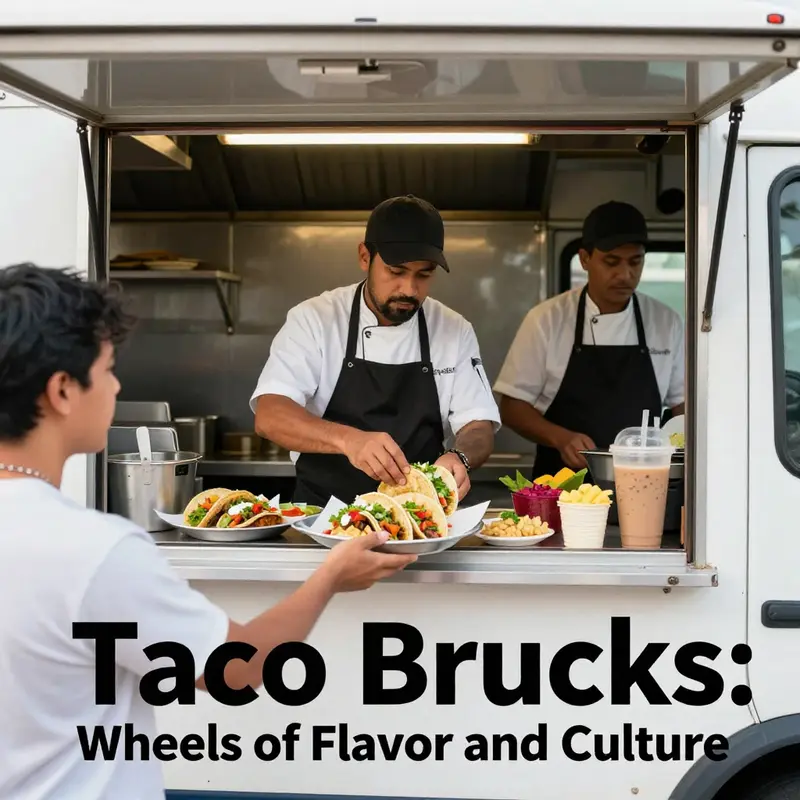
A taco truck is more than a mobile stall; it is a compact, purpose-built kitchen that travels with purpose, delivering flavor with precision at the tempo of the city. The operational mechanics that keep it functioning depend on a careful orchestration of mobility, preparation, storage, and service. The best trucks pull these elements into a seamless flow, so a cook can transform raw ingredients into warm tortillas and sizzling fillings with consistency and speed, even as the vehicle rolls from one location to another. To understand how a taco truck succeeds, it helps to picture it as a kitchen on wheels whose design and workflow are shaped not just by the menu but by space, safety, and uptime. Every inch of stainless steel, every switch of the electrical system, and every route between prep, cooking, and service is part of a larger logic that preserves quality under pressure and in weather, crowd, or chaos.
At the core, the truck operates as a fully equipped kitchen on film-coated steel and aluminum, engineered to deliver a reliable, repeatable product. The layout is rarely accidental. It follows an invisible geometry that minimizes motion waste and maximizes hygienic separation between raw and finished products. A well-conceived operation distinguishes three concentric zones: a prep zone where ingredients are portioned and cold storage is managed; a cooking and finishing zone where meat, fish, or vegetables are seared, stewed, or grilled, then dressed with onions, cilantro, and sauces; and a service zone where tacos are assembled and handed to customers through a window. The flow must be clean and intuitive, so the person at the window can beckon a line without creating a bottleneck or asking a new worker to chase the plan while a crowd gathers.
One of the most important design choices is the decision to use a prep food truck model. Rather than trying to cram all tasks into a single unit, some operators deploy a separate prep unit that handles ingredient preparation, portioning, and cold storage. This approach centralizes prepping for multiple serving lines or curbside windows, which improves efficiency and ensures consistency across service points. It reduces clutter on the main cooking truck and prevents guests from seeing the more volatile stages of production. From a food safety perspective, centralized prep allows for controlled temperature regulation, better cross contamination controls, and easier cleaning routines. The prep unit becomes a quiet, reliable backbone that keeps the frontline operation fast and predictable, especially when the menu grows more complex. The same principle applies when menus change with the season or the region; the prep unit can adapt without forcing a complete rebuild of the cooking truck.
The choice of physical structure and materials is not merely cosmetic. High-quality mobile kitchens lean on corrosion-resistant materials, particularly 304 stainless steel, for countertops, shelving, and interior surfaces. This choice is about durability under harsh conditions—the constant motion, heat, moisture, and possible exposure to acidic or salty ingredients. Stainless steel provides a hygienic surface that resists corrosion and stands up to repeated cleaning. It also matters for health and safety regulations, which require materials that do not contaminate food and can be sanitized to destroy harmful microbes. Because many taco trucks operate in back lanes, parking lots, or crowded street corners, procurement teams must perform thorough technical due diligence when sourcing used equipment. They demand verifiable details on material composition and construction quality, since non-compliant parts can lead to operational shutdowns or fines. The interior is more than a cosmetic finish; it is a professional environment assembled to endure long hours and frequent transport, with seams and joints sealed for cleanability and longevity.
Beyond the shell, the operational model itself shapes how a truck behaves. In addition to traditional manual setups, some operators explore vintage aesthetics married to automation. A vintage style can be paired with automated dispensing systems or touchscreen ordering to reduce staff requirements and alter the pace of service. This hybrid approach suits campuses, late night scenes, or tech-forward brands seeking a distinctive vibe. The trade-off is not trivial: higher upfront investment in automation, ongoing maintenance for mechanical dispensers, and a potential reduction in menu flexibility. A vendor may pivot toward automated elements to extend hours or elevate throughput, but the essence of taco making—freshness, precise seasoning, and hand finishing—remains a human skill. The operator must balance romance and practicality, ensuring that technology complements rather than eliminates the touch that gives the product a sense of craft.
The operational choreography of a taco truck emerges from a simple truth: every movement costs something, and the cheapest movement is the one you never have to make. The prep area feeds the cook line in a sustained rhythm, and the service window converts that rhythm into customer satisfaction. The path of ingredients through the truck resembles a careful sculpture: cold ingredients are kept in a refrigerated zone, ready to be portioned, then moved to a hot or assembly station where they are heated or crisped as needed, and finally dressed and wrapped for delivery. Keeping cold storage reliable is non-negotiable. Everything that touches a finished product must be traceable, cleanable, and within safe temperature ranges. Temperature regulation is a system in itself, requiring not only a well-insulated box and reliable cooling but a monitoring routine that flags any drift toward unsafe ranges. The aim is not merely to avoid illness but to preserve texture and flavor as ingredients travel across space, time, and frequency of service. The workflow must tolerate a rushing kitchen during peak hours, yet still preserve quality when demand tapers to a trickle. In other words, the system must be forgiving enough to handle the unpredictability of street business while strict enough to protect the product and the brand.
A critical but often understated part of the mechanics is how power, water, and waste are managed in a small, mobile footprint. Generators, plugs, and battery systems have to be reliable enough to weather a night market, a sports event, or a long street corridor without fail. A taco truck typically needs steady electrical supply for heat sources, refrigeration, lighting, and electronic controls. Water supply is not glamorous, but it is essential for cleaning, food preparation, and beverage service if offered. Drainage and waste handling must be integrated into the design so that cleaning can occur on the move or between events without creating hazards or odors near customers. Ventilation is another invisible but vital component: the hood over the cooking area, the way exhaust escapes from the vehicle, and the way heat and smoke are managed so the inside remains comfortable for staff and the outside remains inviting for patrons. A well-designed ventilation and exhaust plan prevents fatigue, protects equipment, and preserves the integrity of the service window atmosphere, which in turn affects how long customers stay and how much they buy.
The service experience on the street is shaped by the same spectrum of decisions that govern kitchen layout: speed, accuracy, and flavor. The line of customers grows when the process is predictable and the finish is consistently well dressed with a balanced blend of onions, cilantro, lime, and a choice of salsas. The goal is not just speed but reliability, so a cook can trust that a portion will be the right size, the tortilla will be warmed properly, and the toppings will be fresh. Achieving that level of consistency on a moving platform is a matter of disciplined routines, clean scheduling, and routine checks. A clean, organized space is easier to navigate under pressure; it reduces errors, improves safety, and makes it possible to scale up to meet a growing demand without sacrificing quality. The team recognizes that a well-organized truck is a selling tool in itself—the window becomes not only a place for handing over meals, but a stage where the care put into each taco is visible to the customer.
In practice, the operational mechanics are also about balance. A truck must be nimble enough to reposition quickly when a street corner becomes crowded or a festival expands into a new zone. It must be robust enough to handle the rigors of daily operation across a range of climates and road conditions. It must be adaptable enough to adjust the menu or the prep flow as the business grows; perhaps a shift toward more intricate fillings and toppings or a push toward standardized batch prep. Each decision—whether to invest in a larger prep area, a more sophisticated refrigeration system, or a slightly longer service window—affects throughput, labor needs, and the customer experience. The most successful taco trucks are not flashy machines but well-tuned ecosystems where mobility, safety, hygiene, and taste converge. The result is a product that travels well in time as well as space: consistently flavorful, safe to eat, and delivered with a level of service that makes diners feel they are getting something crafted just for them, even if they only have a few minutes to spare.
The practical takeaway from these mechanics is that a taco truck’s success rests on an architecture of decisions as much as on a recipe. The prep model, the materials, the possible automation, and the workflow together form a system designed to deliver a high quality meal under the constraints of mobility. A truck that negotiates those constraints with care earns trust from suppliers, staff, and customers alike. The choice to centralize prep into a dedicated space, the insistence on corrosion-resistant surfaces, and the willingness to explore hybrid models where vintage charm meets modern automation are all strategies to stabilize output and protect the brand across locations. The operator who understands this is not merely cooking on a wheel but engineering an experience that travels well, tastes excellent, and remains dependable no matter where the street takes it.
For those who want to dive deeper into the evolving safety and process enhancements in mobile kitchens, the field is increasingly populated by studies and guides that examine how new standards, training, and design practices reduce risk and raise quality. The advances cover everything from improved cleaning protocols and safer electrical practices to smarter layouts that minimize cross contamination and shorten the distance between prep and plate. These developments reflect a broader trend in street cuisine: the drive to combine the immediacy and warmth of traditional Mexican flavors with the precision and reliability of modern hospitality operations. When a truck master speaks of efficiency, they are really talking about a careful alignment of people, space, and procedures so that every taco is born from a system that respects both craft and conditions. And as the city continues to choreograph its own rhythms, the robust mechanics of the taco truck will remain its own quiet revolution—an ever adaptable kitchen that can move as easily as a melody crescendos and always return to the same crisp, bright chorus of flavors.
The sensory payoff—smell, taste, heat, and texture—comes from this disciplined orchestration. The aroma of seared meat and cilantro riding the steam of a warm tortilla becomes a signal to the customer that order and care are at work. The scene on the street is a testament to how design considerations translate into experience. When the prep area is calm, the cook line is efficient, and the service window glows with steady activity, the street becomes a stage where flavor is rehearsed and delivered with confidence. The trick is not to chase novelty at the expense of reliability but to build a system flexible enough to accommodate both a classic carne asada taco and a more experimental plant-based option without breaking the rhythm. In such a setup, the truck’s operational mechanics are more than a set of technical constraints; they are the invisible conductor of a public ritual—the moment when a person joins the line, chooses a filling, and receives a warm taco that was crafted with care in a kitchen that traveled there just for them.
As the sun shifts and traffic patterns alter, the same kitchen on wheels can reposition, adjust its prep load, and reallocate staff in a way that preserves service quality. The most enduring lesson is that the mechanics of a taco truck are not static; they evolve with the menu, the customers, and the streets themselves. The mastery lies in recognizing which choices produce reliable, scalable output without sacrificing the personal touch that makes street food feel intimate and fresh. The resulting operation is not merely a point of sale but a mobile craft community—one that can flex, sustain, and still tell the story of how a single, well-composed taco began its journey on a crowded curb and ended on a grateful plate.
For operators who want to connect more deeply with the practicalities of keeping a mobile kitchen safe and efficient, a closer look at the evolving safety and process literature can be illuminating. In particular, the question of how safety considerations weave through every stage of prep, cook, and service is not just about compliance but about preserving the quality and consistency that customers expect. The interplay of the prep unit with the main kitchen, the material choices that ease cleaning and sanitation, and the design that minimizes waste and movement all contribute to a resilient operation that can weather the unpredictability of street life. The result is not simply a menu on wheels but a system that honors the craft behind each taco while respecting the realities of mobility, energy use, and urban rhythms. And as the city continues to change, so too will the mechanical logic of the taco truck, expanding what is possible while staying faithful to the core promise of a great, fresh, handmade meal served with speed and a smile.
To explore practical aspects of safety and continuous improvement in mobile kitchens, read further on the topic of safety advancements in food trucks, which offers insights into how teams evolve their processes to protect staff and customers while maintaining efficiency on the street.
On the Open Road to Prosperity: The Subtle, Street-Level Economic Pulse of the Taco Truck
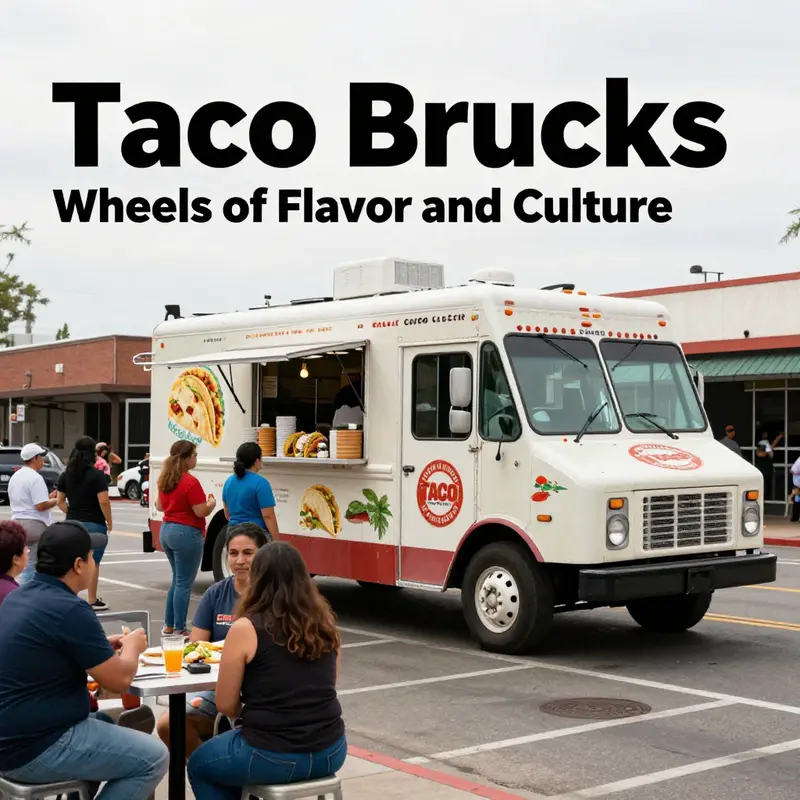
The taco truck is more than a portable kitchen on wheels; it is a moving micro-economy that stitches together neighborhoods, labor, supply chains, and local culture into a durable, if fragile, form of urban resilience. Its economics are not glamorous in the way a flagship restaurant district can be, but they are significant in their cumulative effect. A taco truck operates with a lean calendar of hours, a nimble menu, and a low barrier to entry that invites new entrants to test a business idea in real time. When you sit in a city block and watch a bright, steaming griddle wake up to sizzling carne asada and gleaming corn tortillas, you are not merely watching a cook at work; you are observing a small enterprise that folds itself into the rhythm of the streets, earning and spending in ways that ripple outward through the surrounding economy. The economic story of a taco truck, when told at scale, reads like a map of modern, ground-up entrepreneurship: it begins with an individual dare, touches families through employment, and meets neighborhoods at the point where supply, demand, and cultural preference converge.
To understand the scale of impact, it helps to first reckon with job creation on the local level. If each truck staffs a crew of three—cook, server, and driver—that trio becomes a gateway to income stability, social connection, and, crucially, a sense of possibility. Multiply that effect by dozens, then by hundreds, and you begin to glimpse the broader labor-market implications. The historical imagination of the taco truck economy often centers on a recurring, almost symbolic refrain: a taco truck on every corner. While the image broadcasts a vivid potential, the real economics lie in the steady, repeatable presence of these businesses across a city, town, or region. The 9 million-jobs figure that circulates in some discussions is more a thought experiment than a forecast, yet it underscores an essential truth: small, nimble food enterprises can collectively contribute meaningfully to employment, especially for groups that face barriers to traditional employment paths.
The economic footprint of taco trucks extends beyond direct employment. Each truck anchors a micro-supply chain that connects farmers, wholesalers, and small suppliers to the daily rituals of street-level commerce. Fresh produce, dairy, tortillas, napkins, cups, and condiments move through a web of local vendors that often rely on repeat business and proximity. This is not merely a supply chain in the abstract; it is a living network that supports livelihoods, sustains small businesses, and keeps neighborhood economies vibrant. When a truck stops for a moment at a busy intersection or outside an office complex, it is also creating a demand pulse for nearby street vendors, pop-up retailers, and transit-accessible services. The street-level economy, frequently overlooked in grand budgeting exercises, is precisely where the taco truck’s impact crystallizes: in foot traffic, spontaneous purchases, and the cross-pollination of culinary taste with urban life.
This logic of local spending matters because it demonstrates how one car-sized business can multiply effects through what urban economists call the multiplier of daily commerce. A customer who buys a taco at noon may dine later at a nearby cafe, visit a market on the way home, or contribute to a parking-lot economy of small transactions that collectively keep a district alive after dusk. The taco truck’s daily routine is a study in micro-scale demand management; it can adapt its offerings to the mood of a neighborhood, its schedule, and the changing taste of passersby. In this sense, the truck is not a static storefront but a flexible instrument of neighborhood economics. That adaptability, in turn, encourages the entry of new vendors and the expansion of existing ones, creating a virtuous circle where the success of one truck makes it easier for another to try a similar venture nearby.
Culinary opportunity itself becomes an economic asset in this framework. The taco truck lowers many of the traditional barriers to opening a restaurant—rent, interior design, long-term leases, and the risk of a fixed-location commitment. By reducing these barriers, the truck opens a door for newcomers, including recent immigrants and aspiring small-business owners who might otherwise be excluded from brick-and-mortar venues. In this sense, the taco truck aligns with broader trends toward micro-entrepreneurship and gig-based work, where the ability to test an idea, adjust quickly, and scale incrementally becomes a path to economic footholds. The portability of the business invites experimentation: if a neighborhood’s demographics shift, a truck can reposition, switch fillings, or adjust pricing without the heavy sunk costs of a permanent storefront. This flexibility is not merely a business advantage; it is a social benefit, granting communities a way to adapt to changing economic tides while preserving cultural flavors that might otherwise struggle to find space in larger, slower-moving retail ecosystems.
The cultural dimension of the taco truck contributes to its economic significance in ways that are sometimes overlooked by traditional business metrics. Food is a form of social capital, and the taco truck serves as a gathering point where people meet, exchange news, and form loyalties—between neighbors, coworkers, and school families. In many cities, the truck becomes part of the daily rhythm, offering familiarity as a counterbalance to the impersonal feel of anonymous corridors and corporate campuses. This cultural role translates into measurable economic outcomes: increased foot traffic supports nearby businesses, and the presence of a vibrant street-food scene can lift property values by offsetting the perceived stagnation of a corridor. The social energy generated by taco trucks becomes, in business terms, a form of intangible asset, one that attracts people, time, and spending to a district, thereby supporting a more dynamic, inclusive urban economy.
Of course, the path from a single truck to a robust, city-wide street-food ecosystem is not automatic. The economics of scale in this sector hinge on a careful balance of costs, pricing, location, and reputation. Ingredient costs, for instance, reflect both global supply chains and local sourcing choices. A truck owner can capitalize on bulk purchasing where feasible while keeping menus flexible enough to exploit local harvests and seasonal specialties. The decision to emphasize carne asada one week or al pastor the next is not just culinary preference; it is a strategic economic calculus about maximizing margins while maintaining wide appeal. Packaging, branding, and customer service—elements that might seem ancillary in a low-overhead enterprise—become competitive advantages when every dollar counts. A well-run kitchen on wheels can produce high-quality dishes with relatively low waste, translating into healthier margins and the possibility of gradual reinvestment. In turn, reinvestment fuels acquisitions like additional trucks, improved equipment, or better mobility strategies, enabling operators to chase more favorable sites, extend service hours, or explore new formats such as catering or event-specific offerings.
The mobility of the business adds a layer of strategic value in how it interacts with urban policy and civic planning. Street-food economies are sensitive to regulations around health, safety, and location permissions, yet they also benefit from policy environments that recognize the role of small, mobile vendors in filling service gaps, reducing commute times, and offering affordable meals. Where policy fosters clear, predictable rules and scalable licensing, taco-truck operators can plan with confidence and invest in staff development, safety training, and quality control. Conversely, a patchwork regulatory regime can impede growth, forcing vendors into constant relocation or into more costly formalization routes that erode margins. As cities grapple with how to keep streets vibrant while maintaining standards, the taco truck presents a useful case study in how flexible, low-barrier businesses can contribute to urban vitality when supported by thoughtful policy that balances risk with opportunity.
An interesting layer in the economic conversation about taco trucks is how it intersects with the broader shifts in work and commerce—especially the rise of micro-entrepreneurship within the gig economy. The ability to operate on a weekly schedule, to pivot locations, and to tailor offerings to specific groups—office workers during lunch, festival-goers on weekends, or students post-class—reflects a business model built for agility. This agility is its strongest asset in a volatile economy, where demand can spike suddenly and then recede. The taco truck framework demonstrates that resilience does not always require high capitalization; it often requires keen sense-making of local tastes, rapid adaptation, and a disciplined approach to cost management. The same principles that guide a single cart can scale, with responsible planning, to a cluster of carts sharing back-end functions: procurement, compliance, branding, and even centralized marketing. In other words, the economic impact of a taco truck is not merely a sum of individual profits; it is a playbook for distributed, small-scale economic activity that can adapt to the contours of modern urban life.
The symbolic dimension of the taco truck should not be underestimated, either. In political and economic discourse, small businesses are often hailed as engines of growth, while broader policy is scrutinized for reliability and predictability. The street-level presence of taco trucks embodies a belief that entrepreneurship can thrive in everyday spaces, not only in glossy marketplaces or well-funded startup hubs. In this sense, the taco truck becomes a living symbol of economic possibility—proof that a personal dream can, with dedication and smart management, contribute to a community’s sustenance and its sense of shared life. The practical takeaway is straightforward: when policymakers, urban planners, and communities recognize and nurture these micro-enterprises, they invest not only in a single business but in a network of livelihoods, cultural expression, and local commerce that helps stabilize neighborhoods during downturns and invigorate them during upswings.
For readers looking to explore the practical side of growth and replication in the taco-truck model, there is value in examining how the best operators structure their offerings, manage costs, and navigate zoning and licensing with clarity. The visual appeal of a well-designed truck is more than cosmetic; it is a signal of reliability and consistency that reassures customers and investors alike. The culinary heritage of tacos, combined with the mobility and adaptability of the truck, creates a unique platform for sustainable small-business development. The potential is not merely in serving meals but in shaping an ecosystem where culinary craft, labor opportunity, urban vitality, and community connection reinforce one another. In this sense, the economic impact of a taco truck is a chapter in a broader narrative about how cities can sustain livability, culture, and opportunity through accessible, scalable, and adaptive forms of commerce.
For readers who want to connect this discussion to practical, hands-on resources, consider exploring one of the more comprehensive guides on how to translate this model into a viable, scalable operation. It offers a compact playbook on site selection, menu planning, and mobility strategies that keep a business lean while ensuring quality and consistency. As you explore that resource, you may notice how the meat of the advice aligns with the themes raised here: labor stability, supply-chain flexibility, local spending multipliers, and the social value of street-level entrepreneurship. The taco truck is not a silver-bullet economic policy; it is a community-scale experiment in timing, taste, and logistics. Its true impact emerges through steady practice, attentive management of costs, and a willingness to learn from the neighborhoods it serves. When these elements converge, the result is an economic microcosm that, over time, contributes to a city’s broader prosperity while preserving the vibrant, inclusive character that makes street food so essential to urban life.
To situate this discussion within a broader context, readers can also examine how the evolving landscape of nearshoring in regions where ingredients are sourced might affect the taco-truck economy. Closer sourcing can reduce transport costs, shorten supply chains, and increase price stability, all of which influence a truck’s margin and ability to hire more staff. The connection between regional supply resilience and micro-entrepreneurship is tight: steadier ingredients, more predictable costs, and stronger vendor relationships translate into predictable cash flow, which in turn supports hiring and investment in equipment and training. The result is a more robust local economy where small operators contribute to, rather than merely ride along with, larger macroeconomic cycles. This is not about a single venture thriving in isolation; it is about a network of street-level businesses that, together, create a resilient urban fabric capable of weathering shocks while preserving cultural flavor and accessible meals for all.
As we reflect on the economic impact of the taco truck, the most compelling insight is that its value lies in its combination of mobility, adaptability, and community integration. It is a business model that turns personal initiative into public benefit in a way that is tangible, scalable, and deeply local. The economic footprint may appear modest when viewed as a standalone enterprise, but its cumulative effect, multiplied across a city or region, becomes substantial. And because the truck invites ongoing experimentation—different fillings, different locations, different times—it remains an instrument of continuous learning, a way for families to build generational opportunity while honoring culinary heritage and neighborhood identity. In this sense, the taco truck is not merely an economic actor. It is a cultural and social catalyst, a small business with big implications for how price, flavor, labor, and place come together to shape the everyday life of a community.
For readers seeking a concrete handhold in this expansive landscape, a practical takeaway is to observe how successful operators balance price with value, maintain consistent quality, and cultivate repeat customers through reliability and speed. The strongest players in this street-food economy are those who treat each day as a chance to refine their operations—cutting waste, negotiating fair terms with suppliers, and cultivating a friendly, memorable customer experience. When these small-scale operators share knowledge through community networks, mentorship, and informal collaboration, the entire taco-truck ecosystem gains resilience and adaptability. In the end, the economic story of a taco truck is a longer narrative about a city’s capacity to sustain low-cost access to nutritious meals, empower aspiring entrepreneurs, and nurture a lively street culture that makes urban life both affordable and enriching.
Internal resource: Top taco truck models are often discussed as blueprints for culinary scalability and operational efficiency. For a compact overview of the practical configurations and why they matter for growth, see the guide on taco truck models here: Top taco truck models for culinary success.
External resource: For a broader take on how market signals shape investor sentiment and policy expectations in related contexts, see the Financial Times discussion on economic signaling and policy perception. https://www.ft.com/content/4f3d7a1b-8c3b-4d1a-8a4e-2b5e7c6d8f1a
A World of Flavors on Wheels: How a Taco Truck Becomes a Mobile Kitchen of Cultural Expression
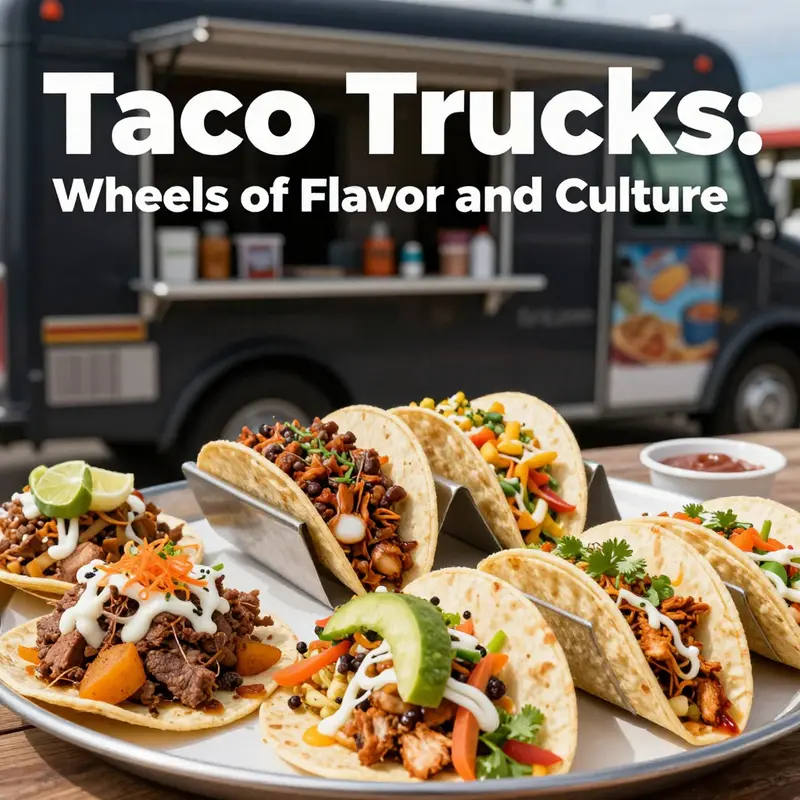
A World of Flavors on Wheels: How a Taco Truck Becomes a Mobile Kitchen of Cultural Expression
A taco truck is more than a vehicle fitted with a grill and a window. It is an organizing idea for taste, memory, and craft. Inside its compact kitchen live techniques and recipes passed down across generations, adapted on the fly to suit local produce and customer rhythm. This chapter explores how culinary diversity takes shape inside a taco truck: the choices chefs make, the traditions they honor, the fusion experiments they undertake, and the practical constraints that shape the menu. The result is a moving, living showcase of culture and creativity.
The core of a taco truck’s diversity starts with identity. Many trucks are launched by families or chefs who bring a specific culinary lineage to the mobile format. They choose the fillings they know best—carne asada, carnitas, al pastor—or the regional specialties that tell a story about where they come from. Those choices anchor the menu. When a truck commits to a regional style, it often commits to method: slow-cooked meats, house-made salsas, handmade corn tortillas. These practices are time-consuming but essential to authenticity. A small window and a line of waiting customers turn those methods into a public performance. Watching meats carved off a vertical spit or seeing tortillas pressed and cooked in front of you is part of the experience; the food becomes a tangible link to a place and a history.
At the same time, mobility invites experimentation. Unlike a brick-and-mortar establishment, a taco truck can test new recipes across neighborhoods, at events, and during different times of day. This flexibility encourages playful combinations and seasonal pivots. In one week a truck might serve classic al pastor; in another it may offer a fusion taco that pairs Korean-style barbecue with pickled vegetables and a squeeze of lime. Fusion is not mere novelty here. It arises from the contact points that define urban culinary life—immigrant communities, ingredient availability, and the chef’s own palate. When done with respect for technique and balance, fusion can highlight contrasts in texture, heat, and acidity that elevate the taco form rather than obscure it.
A practical advantage of taco trucks is their lower overhead. That reality has two important effects on culinary diversity. First, a truck can afford to specialize. Operating costs are smaller than those for a full restaurant, so a truck can focus on perfecting a single set of offerings. A stall that becomes known for fish tacos will refine its batter, its slaw, and its citrus marinades until the combination is unmistakable. That focus builds a loyal following. Second, the same smaller overhead allows trucks to adapt quickly. Chefs can add a limited-time item or swap out an ingredient when a new crop appears at the market. This nimbleness rewards creativity and helps trucks remain relevant in competitive food landscapes.
Ingredient sourcing plays a central role in culinary identity. Some trucks prioritize hyper-local produce, buying from neighborhood farms and daily markets. Others import specific items to preserve a regional profile—think a truck that insists on a particular style of cheese or a certain chili variety. Sourcing decisions are also shaped by scale. Trucks that operate across many events or cater to festivals will buy ingredients in bulk to maintain consistency and reduce price volatility. Whether local or imported, the ingredients become the palette that defines each taco. The same masa recipe yields a different taco when the corn is heirloom nixtamalized versus when it is from generic masa harina.
Technique matters every bit as much as ingredients. The ways meats are marinated, slow-cooked, shredded, and finished shape the taco’s final character. Techniques brought from home kitchens—wood-fired grills, charcoal pits, overnight braising—often distinguish a truck from fast-casual competitors. Even simple steps, like finishing a taco with a squeeze of citrus or a dash of oil, can make a profound difference. Sauces and salsas are also technical expressions. A bright, raw salsa verde tells a different story than a smoky chipotle salsa or a mole with many layers of toasted seeds and chocolate. The range of possible sauces is almost infinite, and each one signals a lineage or an influence.
Presentation and service practices also reflect cultural values. Some trucks serve tacos stripped to their simplest form—corn tortilla, a modest protein, onion, cilantro. Others elaborate the plate with pickled vegetables, slaws, and multiple salsas. The choice reflects a philosophy of eating. Minimalist presentations emphasize tradition and directness. More elaborate plates showcase the chef’s inventiveness and often cater to diners seeking a complete composed bite. Service rituals—how the server wraps the tortilla, whether they heat a stack of tortillas at the order counter, whether they offer hot sauces displayed in jars—create a distinctive personality. These seemingly small gestures help customers recognize and remember a truck.
Cultural events and neighborhood contexts amplify diversity. In areas with dense immigrant populations, trucks often become extensions of home kitchens. They serve as gathering points where languages and recipes travel across generations. At markets and festivals, trucks specialize to meet the crowd. Some trucks tailor their menus to late-night revelers who want spicy, savory comfort; others gear offerings toward daytime office workers seeking quick, fresh lunches. The ability to adapt by hour and by crowd keeps taco trucks central to the city’s culinary map.
Economics and logistics sharpen innovation. Limited space demands streamlined workflows and inventive equipment layouts. A narrow counter must house a grill, a fryer, refrigeration, prep space, and storage. These constraints force menus to be concise, highlighting items that can be produced quickly without sacrificing quality. Yet constraints can be creative catalysts. When chefs refine processes to fit a small kitchen, they often discover new efficiencies and flavors. One truck might perfect a single marinade that works across chicken, tofu, and vegetables. Another might design a sauce station that allows customers to customize heat and acidity without adding prep time.
Technology and design also permit culinary expansion. Modern trucks can include upgraded refrigeration, better exhaust systems, and modular equipment that enables a greater range of cooking methods. These upgrades allow for more delicate items—like seafood or dairy-based sauces—to be offered safely. Sustainable tech, such as efficient refrigeration or solar panels, reduces fuel reliance and broadens where trucks can operate. These innovations help bridge tradition and modern food safety standards, enabling recipes that require careful temperature control to be executed reliably.
Beyond individual menus, a city’s ecosystem of taco trucks creates a dialogue. In some neighborhoods, trucks specialize and cluster around complementary styles: one known for barbacoa, another for vegetarian tacos, a third for a regional seafood tradition. This diversity fosters a culture of comparison and appreciation. Patrons move between trucks, developing preferences and gaining a richer understanding of the range of taco styles. Food critics and local writers amplify this dialogue by documenting distinctions—technique, spice, tortilla texture—turning the taco scene into a terrain of discovery.
A taco truck’s success grows from balancing reverence for tradition with the courage to experiment. Chefs who honor technique and source well-produced ingredients will win respect. Those who innovate thoughtfully—by integrating other global flavors in ways that respect core taco elements—expand the taco’s language. The best trucks are clear about what they stand for while remaining open to influence. They are both storytellers and technicians: they carry memory and make new memory in the moment of service.
For entrepreneurs and chefs, the taco truck model holds lessons. Starting small allows for refining recipes and operations before committing to larger investments. Specializing builds a strong brand; adaptability keeps the brand responsive. Investing in quality tools and sourcing pays off in repeat customers. Equally important is listening: to customers, to community tastes, and to the supply chain. A truck that tracks which salsas sell out fastest, or which fillings bring repeat orders, learns quickly what resonates.
A taco truck also serves as a cultural ambassador. It can introduce a neighborhood to a regional variant or a creative fusion. It can preserve practices that otherwise might recede and can provide a stage for new culinary voices. As a mobile format, it reduces barriers between kitchen and customer, making the preparation visible and the exchange immediate. That transparency builds trust and deepens appreciation.
In short, a taco truck’s culinary diversity is born of lineage, logistics, and imagination. It is the product of careful sourcing, practiced technique, and an openness to change. Whether rooted in a specific regional tradition or experimenting at the edges of fusion, a well-run truck offers a compact, potent culinary narrative. Each plate is an invitation to taste a place and time, and to witness how tradition and innovation meet. For many cities, these trucks are not a marginal novelty but an essential thread in the broader food culture, carrying flavors across streets and tying communities together.
For further reading on how food trucks shape and express a city’s culinary soul, see an in-depth exploration of regional taco scenes from this external resource: https://www.austinchronicle.com/food/2026-01-06/discover-the-best-tacos-in-austin-tx-strictly-from-food-trucks/.
For insights into truck selection and models that help realize diverse culinary ambitions, consult this practical guide to taco truck setups: taco-trucks-unleashed-top-5-models-for-culinary-success.
Final thoughts
In conclusion, taco trucks symbolize more than just nourishment; they represent community spirit, cultural heritage, and economic vitality. Their role extends far beyond serving quick, savory meals; they are a crucial part of the urban tapestry, enriching our lives with authentic flavors and shared experiences. As we celebrate the taco truck phenomenon, let us appreciate the delicious diversity they bring and how they foster connections among people from all walks of life.