
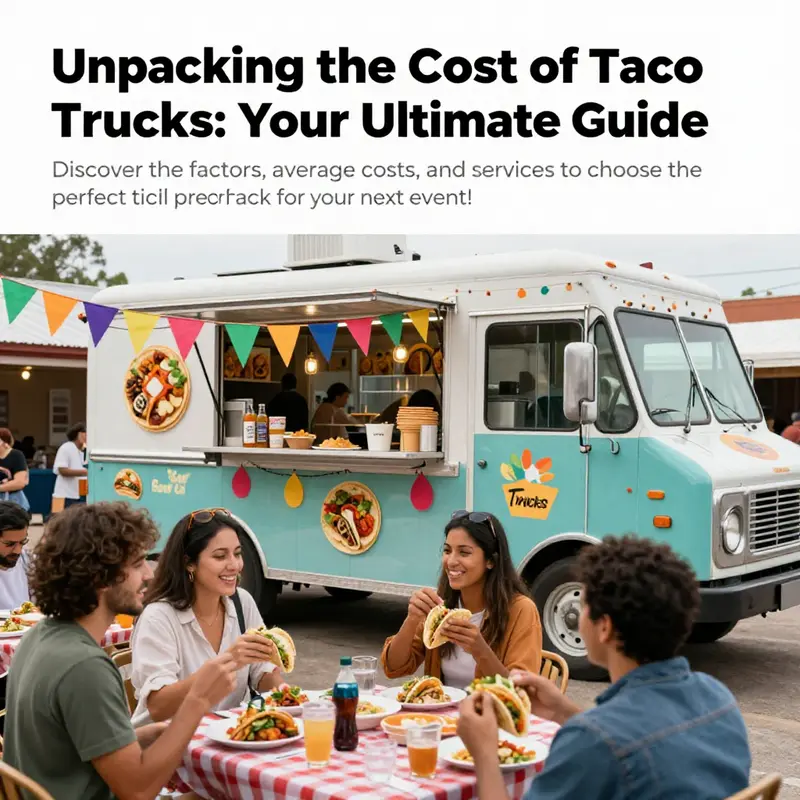
Taco trucks are more than just food on wheels; they’re culinary experiences that can spice up any event! Whether you’re planning a lively office fiesta, a vibrant neighborhood gathering, or an elegant wedding, knowing how much a taco truck costs for a party is crucial. In this guide, we’ll break down the factors that influence taco truck pricing, give you an average cost overview, explore regional price variations, and take a look into additional services that can elevate your taco truck experience. Prepare to dive into the delicious world of taco truck catering and budget like a pro!
Counting the Flavor and the Fee: What Dictates Taco Truck Costs for a Party
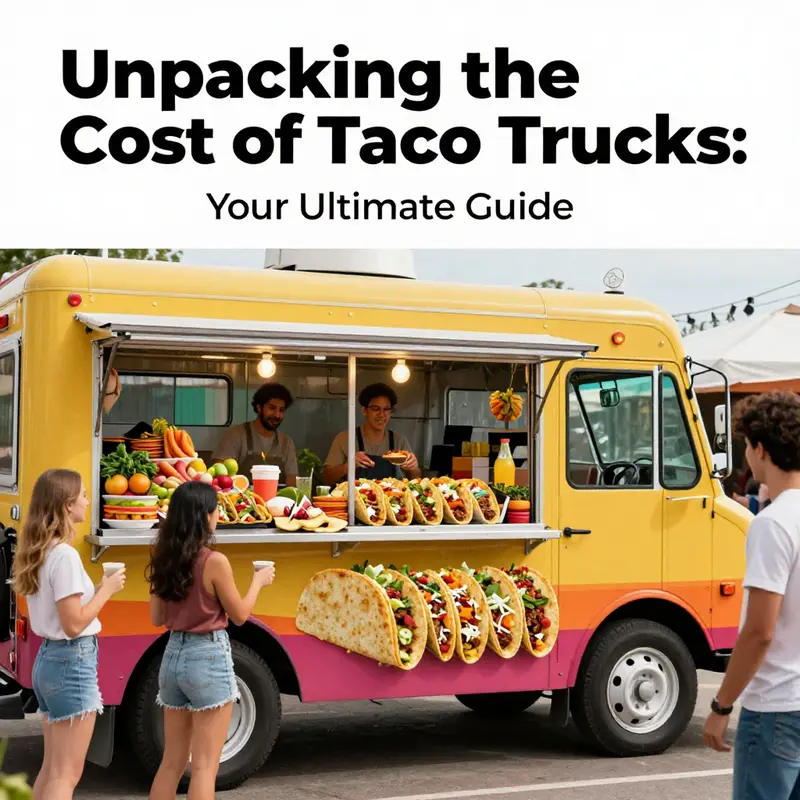
When you start planning a party with a taco truck, the conversation quickly shifts from appetite to arithmetic. A taco truck can bring the energy and texture of a street market to your event, but the price tag hides a web of decisions. The cost isn’t a single number stamped on a single truck; it’s a tapestry woven from the truck’s type and size, the customization and branding you want, where the event is held, how long the truck is on site, and how elaborate the menu and service style will be. Understanding these elements helps you forecast a realistic budget rather than chasing a phantom average that doesn’t reflect your particular needs. In practice, most party planners start with a practical range and adjust as they clarify what matters most for their guests, their venue, and their timeline. The key is recognizing how each variable interacts with the others and how vendors price those interactions.
Take the most straightforward lens first: duration and footprint. For a four- to six-hour celebration, rental fees can cluster around a broad middle, but the shape of that middle matters. Some vendors price by the hour, with typical ranges hovering around the mid to upper tens per hour, while others quote a flat event fee that covers setup, service, and teardown. The longer a truck is required, the more time-based costs accumulate, but there are often incentives for extended hours or multi-day events. The math isn’t just how many hours but what experience the guest experience require. A party that asks for a steady stream of tacos from a single window can be priced differently from one that expects a multi-item tasting menu with live grilling, a smaller window for service, and a dedicated staffer to handle drinks or dessert. This nuance is where pricing stops being a blunt number and becomes a reflection of service design.
Then there’s the truck itself—the backbone of the operation. A basic mobile setup, almost pared down to a cart with a compact kitchen, may be more modest in price but not always in value. In some cases, a more minimalist unit is perfectly adequate for classic, simple fillings with predictable volumes. On the other end of the spectrum, larger, more elaborate configurations with upgraded kitchen equipment and greater capacity can push costs higher. The size and equipment level directly influence how many guests you can serve smoothly, how quickly the line moves, and how efficiently the kitchen can operate during peak service. It’s reasonable to think of the truck as a scalable platform: you trade off upfront capability for flexibility and speed of service, and that trade-off shows up in the final price of the rental.
Customization and branding also shape what you pay, sometimes in surprisingly large ways. A plain white shell might be the most economical aesthetic choice, while custom paint colors and branding, branding that aligns with your event’s theme or your wedding colors, for instance, can add to the price. It’s not just about the look; branding helps guests remember the event. A well-branded truck can become a visual centerpiece, a moving advertisement in the best sense, and it carries a cost premium because it often involves design work, material costs, and sometimes longer production timelines. If you want the truck to reflect a particular culinary narrative, say a regional depth in toppings or a specific cultural angle, that narrative may also influence the menu and the equipment, which in turn nudges the price.
Location matters more than most planners expect. Urban venues with dense foot traffic, strict permitting regimes, and higher labor costs naturally drive up quotes. A party in a city center might entail permit fees, parking or curb-cut permissions, and possibly longer travel or delivery fees. Conversely, a suburban or rural setting can reduce some of these overheads, though you still contend with the basics: how far the truck must travel, where it can load-in, and whether power and water hookups are readily available on site. When a truck has to operate off generators or bring in external power or water, those additional logistics translate into charges that accumulate over the event window. The place where you throw the party becomes part of the recipe for price.
Duration, yet again, reframes the conversation. As noted, pricing models vary: some vendors present hourly rates, others present a bundled event price. Discounts for longer engagements are common if the vendor can accommodate them. The ability to secure a lower per-hour rate for a six- or eight-hour block can be attractive if you’re hosting a sizeable guest list over a longer timeframe. But a longer window also means more food to produce and more staff to maintain the level of service you’ve promised. The staffing question introduces another layer: how many cooks, servers, or beverage specialists are needed to maintain consistent quality and speed? A plan that includes premium ingredients or a broader menu naturally requires more hands on deck, and those labor costs, while necessary, push the total price higher. The equation is simple in formula, but the reality of service creates a richer texture in the final quotation.
Menu complexity is another reliable price dial. A straightforward menu with a few staple fillings and consistent portion sizes can keep costs predictable. Add varied proteins, like carne asada or al pastor, or introduce vegan options to accommodate dietary preferences, and you’re likely to see the ticket rise. Gourmet ingredients, specialty sauces, and a wider assortment of toppings increase not only the cost of ingredients but also the labor required to assemble and serve. It’s not merely the number of items but the precision and timing demanded by a more complex menu. In some cases, a multi-item tasting or a curated menu pairing with drinks can be worth the premium for guests who expect variety and a curated culinary arc. And, since staff handling more elaborate preparations demands greater attention to health and safety protocols, you may also see added costs in insurance or compliance fees. These are not mere add-ons; they are essential components that ensure a smooth, confident experience for guests and hosts alike.
The broader package often includes extras that can swing the budget in meaningful ways. Some trucks come with built-in beverage stations or dessert options, or with a dedicated team that handles service, setup, and cleanup. Others may price these services separately, requiring you to opt in or out depending on your guest count and schedule. If you want a particular aesthetic to accompany your food, such as a coordinated drink menu or a dessert station that mirrors the truck’s branding, these choices contribute to both ambiance and cost. In the end, the total price reflects a blend of culinary ambition, service design, and logistical feasibility. A party that marries an ambitious tasting menu with a generous staffing plan will naturally fall toward the higher end of the spectrum, while a simpler, more focused service can live comfortably in the middle.
For those who are budgeting, it helps to keep an eye on the real-world numbers and to think through a few practical scenarios. A four- to six-hour rental might land in a broad middle range, with urban events tipping toward the higher side due to permitting, delivery complexity, and demand. It’s not unusual to see quotes in the range of several hundred to a couple thousand dollars, depending on whether you’re paying for just the truck, the staff, and basic service, or for a more expansive package that includes specialty ingredients, staffing, and coordinated beverages. The numbers are fluid because the factors we’ve discussed are not isolated. A single decision—like choosing a larger truck with more capacity—can ripple across the schedule, the staffing plan, and the total cost. Your goal as a planner is to map these ripples to your guest experience and your budget. This is where pragmatic planning meets culinary imagination; you weigh what your guests will remember and how much control you have over the cost arc.
If your event is a one-off celebration and you want to minimize risk, you may favor vendors who present clear, itemized quotes with a straightforward fee structure. An itemized approach helps you see where every dollar goes—from the base rental to the extra staffing or the premium ingredients. It also clarifies any travel or setup fees that otherwise might surprise you on the day of the event. In planning, you should ask about minimum hours, whether the quote includes labor and power, and what happens if your guest count shifts up or down. The more precise the forecast, the smaller the chance of a cost overrun at the end of the night. And if you’re truly unsure, you can explore alternative configurations that still deliver a vibrant, festive dining experience without compromising the event’s rhythm. For a broader view of models and configurations that vendors use, you can explore one guide on top food truck models for entrepreneurs, which helps you imagine how different setups translate into service and pricing.
Beyond the rental, you may also face decisions about whether a truck is the right solution for your party. For some hosts, buying a used or refurbished unit could be a longer-term investment if parties happen regularly. In a few cases, ownership can bring cost efficiency over time, especially when you juxtapose it against frequent catering needs and the opportunity to customize the vehicle for recurring events. Yet, ownership carries inherent maintenance, insurance, licensing, and storage costs, which can be substantial. For many hosts, renting remains the more prudent choice, blending flexibility with predictable costs and inclusive service options. The right choice depends on your event cadence, space, and appetite for risk. The conversation about value becomes less about a single price tag and more about the experience you want to deliver, the reliability you need, and how well the kitchen on wheels harmonizes with the venue, the guest list, and the night’s energy.
As you shape your plan, consider the contextual backdrop of the setting and the guest experience you want to cultivate. A well-priced taco truck can deliver vibrant flavors, a memorable spectacle, and efficient service if the ride from start to finish is well choreographed. The price is the price, but the value is in how smoothly the service runs, how consistently the food lands on plates and in mouths, and how the whole tableau, sound, scent, color, and motion, contributes to the party’s mood. When you align the truck’s capabilities with your event’s tempo, you don’t just hire a vendor, you curate a moment that resonates with guests long after the last tortilla is folded. And in the math of that moment, the price becomes a reflection of choices: the breadth of your menu, the scale of your service, and the degree to which you want the truck to blend into the celebration or to stand as a focal feature.
To close this thread and keep the planning on track, it helps to approach quotes with a clear sense of the constraints and opportunities that matter most to you. Gather a few bids, verify what each bid includes, and test how changes to the menu, staffing, and duration shift the bottom line. A thoughtful comparison will reveal not only the price differences but the ways in which each option affects the guest experience. When the time comes to finalize the budget, anchor your decisions in a realistic expectation of the service level you want. A taco truck isn’t only about food; it’s about tempo, ambiance, and the shared joy of communal dining under open skies or oven-warmed porches. If you want to survey the broader landscape of equipment and configurations in a practical way, you can also explore listings that illustrate how these mobile kitchens are assembled and deployed in diverse settings see this external resource: https://www.alibaba.com/product-detail/Hot-Dog-Food-Cart-Taco-Truck-Fast-Food-Trailer_1600748317391.html?spm=a2700.100176.0.0.5d9f1b30vPZlNk. The path to a satisfying, well-budgeted taco truck experience lies in thoughtful choices, clear communication, and a willingness to adapt as you learn what your party truly needs to shine.
Counting Salsas and Cents: A Realistic Budget Blueprint for Hiring a Taco Truck for Your Party
Hiring a taco truck for a party blends flavor with budgeting. A well planned menu brings excitement and helps you avoid surprises at checkout. When you separate base fees from variable costs, you gain a realistic view of the total spend. Most hosts should plan a total in the range of roughly $1,000 to $3,000 for a four hour event, with many mid sized gatherings landing around $1,500 to $2,500. This spread reflects market, timing, and menu ambition. A practical framework is to separate the base price from the cost drivers that swing the final tally up or down depending on your choices and constraints.
Most taco trucks price with a base fee and an hourly or event length rate. The base price for a typical four hour event might start around $1,500, and this figure covers the core elements that make service reliable. The base price usually includes setup, a staffing team, and a predefined number of tacos per guest, typically two to three tacos per person. In short, the base price is a promise that you will have a functioning kitchen on wheels and a crew to manage lines.
Beyond the base fee, the main cost drivers fall into three buckets: labor, food, and transportation. Labor costs are substantial because most trucks operate with a small crew, usually two to four staff members. Wages can range from roughly $15 to $25 per hour. Even at the lower end, multiplying by staff and hours produces a meaningful share of the total bill. In bigger parties or high cost cities labor costs rise accordingly. Efficient service can reduce wait times and guest fatigue, which can lift guest satisfaction beyond a cheaper alternative with long lines.
Food costs vary with ingredients. A truck that features house made tortillas, premium beef, or organic produce will be higher per guest, but the payoff is a more craft driven experience. Per person food cost is a useful lens; the same event with premium ingredients could push the total food bill up by several hundred dollars, a trade off that often pays for itself in guest satisfaction and perceived value.
Transportation costs are generally included in the quote but can be a swing factor when the site is distant or difficult to access. If travel requires special routes, extra fuel, or after hours delivery, vendors may add a surcharge or renegotiate terms.
Optional services are where you customize the experience and price. Custom menus widen choices and can be a budgeting decision. Specialty beverages, desserts, decorative setups, and plate options can add to the total. Some vendors offer all inclusive packages; others price each element separately. The choice often depends on how much flexibility you want and whether you value a single invoice or menu style.
Booking terms reflect risk and formality. It is common to require a deposit of 20 to 50 percent at booking, with the remainder due on the event day. Deposits secure the date, staff, and supplies. To get value, gather multiple quotes and push for itemized estimates. Ask what is included in the base price and which components are optional. If the event is on weekends or peak season, quotes may be higher, but you can negotiate by adjusting timing or demand. A practical tactic is to request proposals for off peak times or weekday events where some vendors offer lower rates.
Budgeting model. Start with a baseline four hour event at the base price. Add labor costs by estimating two to four staff members and multiply by hours. Layer in food costs by applying a per guest figure based on the expected menu. Include transportation if not included. Add a line for add ons such as custom menus or beverages. A simple example helps: starting at 1500 base, for 60 guests and 2-3 tacos per person, food could be around 720 at around 12 per guest. Labor for four staff at 20 per hour for four hours is about 320. If transportation is included, you may be near 2,540; if not, add 100 contingency. With a cushion for add-ons you land near 2,200 to 2,900 depending on choices.
A practical tip: request written, itemized quotes that break out base fees, labor, food, transportation, and optional services. Confirm power and water requirements early; ensure venue can support mobile kitchen or vendor can provide self sufficient setup. Permits and insurance may be required in urban settings and can affect availability and pricing.
The bottom line: remain flexible. The more you demand from the menu and logistics, the higher the spend. But a thoughtful budget balances capabilities and expectations, delivering a flavorful experience that stays within a reasonable range.
For readers exploring live pricing, using a booking platform can streamline comparisons and help verify typical costs in your city.
Geography at the Grill: Navigating How Location Shapes Taco Truck Costs for a Party
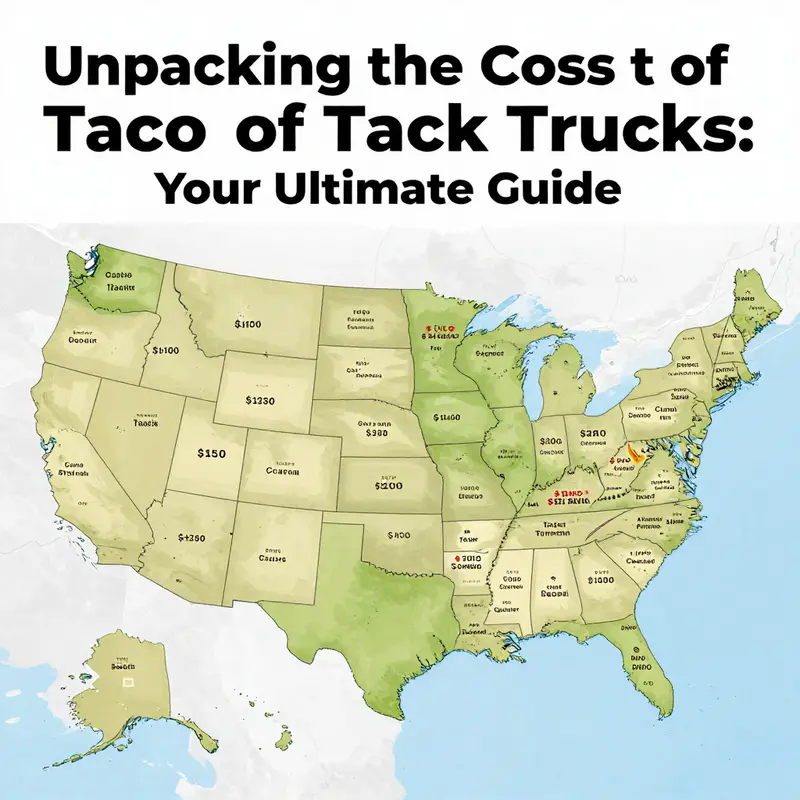
When you start planning a party with a taco truck at the center of the feast, the first question you’re likely to ask is simple: how much will this cost? The short answer is nuanced, because location acts like a hidden chef’s spice that can tilt the price in subtle or dramatic ways. A party in a dense urban core, where demand is high and logistics are more complex, often ends up with higher baseline costs than a similar event set in a smaller town or rural area. The longer answer is a tapestry of variables that intersect at the moment you sign a contract: duration, menu choices, permitting, staffing, and the truck itself, all tethered to the geography of where the event takes place. In this chapter, we explore how location changes the math behind renting a taco truck for a party, and how planners can navigate those differences with intention rather than guesswork.
Begin with the baseline: duration and core pricing. Across many markets, a typical taco truck rental for a 4- to 6-hour party sits in a broad band—from roughly $500 to $1,500 in many regions. But this range hides the underlying gravity that location exerts. In major metropolitan areas—cities that pulse with nightlife, work events, and weekend celebrations—the same 4 to 6 hours can push the price into a higher band, often $1,500 to $3,000. The premium in these places reflects several realities: the higher cost of doing business in the city, greater permit and insurance overhead, and the need to secure staff and vehicles that navigate crowded streets, tighter loading zones, and stricter municipal rules. The logistics alone—the drive time, parking coordination, and on-site setup in a crowded event space—matter as much as the food itself.
In contrast, smaller cities and rural regions present a different calculus. Here you’ll frequently encounter $800 to $1,500 for the same 4- to 6-hour window. The drivers of this disparity are familiar: lower competition among vendors, less pressure on permits and insurance, and more straightforward access to venues. When a market has fewer trucks competing for the same night, each operator may be more willing to negotiate, and travel fees or minimums may be more forgiving. The overall burden of getting a truck to a location—fuel, time, and miles—still exists, but the arithmetic often tilts toward more favorable outcomes for the party planner.
The story of location costs does not end with urban versus rural. Within-city differences matter just as much. A truck that parks in a premium downtown plaza with parade routes, security escorts, or a hotel district is likely to incur higher permitting fees, city-imposed charges, and sometimes higher insurance premiums than one that serves a neighborhood block party on the far side of town. Even within the same city, a truck that can access a loading zone during a narrow window may save the vendor from labor and overtime expenses, enabling them to offer a more competitive package than a truck that requires an all-day permit and a complex barricade plan. These micro-differences accumulate and ultimately shape the final quote you receive.
Another critical layer is menu complexity and the type of truck you choose, which are inseparable from location. In the urban core, where events often aim to impress a broad range of tastes and dietary needs, the tendency is toward more elaborate menus—carne asada, al pastor, and vegan options—that require more ingredients, more equipment, and sometimes additional staff. Each of these factors elevates cost, but the impact is magnified in high-cost markets where even basic overheads are amplified by rent, utilities, and compliance expectations. Conversely, in smaller markets, a simpler menu and a leaner setup can align with tighter budgets, though the quality and curb appeal must still be preserved to satisfy a diverse guest list.
A third dimension is the infrastructure surrounding the truck. In major metros, costs climb because permits, insurance, and licensing are priced at a premium, and the vendors must budget for extended travel times and the possibility of delays caused by traffic, city inspections, or restricted curb space. The result is a pricing floor that feels higher even before any menu decisions are made. In less congested areas, these barriers are less onerous, easing the way for trucks to operate with lower overhead and pass some savings along to clients. It’s not just about the truck’s capacity; it’s about the path to getting that capacity onto your event site without friction.
In all of these dynamics, duration remains a primary lever. Hourly rates, or event-length charges, typically fall in a range such as $75 to $150 per hour, but the exact figure depends on the location, the vendor’s operating model, and whether the agreement includes service elements beyond food service. If a client wants staffing for setup, a formal food station, beverage options, or dessert add-ons, these elements are frequently appended as separate fees. In a crowded market, every added service is a point for negotiation, and that negotiation can differ dramatically from one city to the next because it interacts with the vendor’s labor market, peak-season demand, and the availability of nearby support staff.
Where location intersects with the supply chain introduces another set of subtleties. The global market for used taco trucks has grown as a cost-containment option for operators, especially in markets where capital costs and depreciation pressures are significant. Industry observations from late 2025 note that used trucks can be sourced at substantial discounts—sometimes 20–35% below Western market prices—as manufacturers or refurbishers in other regions supply the U.S. market. This sourcing dynamic has downstream effects for event planners who value cost predictability. A vendor’s choice between a fully equipped, newer unit and a refurbished, budget-friendly option can tilt the price by hundreds or even a couple thousand dollars for a single event. The caveat, of course, is that lower upfront costs may come with higher ongoing maintenance, more frequent service calls, or trade-offs in insulation, power supply, and reliability under a busy event schedule.
For readers seeking to understand the full landscape, this geography-driven pricing is not just a local quirk. It’s a reflection of how regional demand, labor costs, and the availability of mobile food providers shape what the market can bear. In urban centers, the premium is often a signal that a party will benefit from the convenience and brand impact of a chef-on-wheels in a prestigious setting. In rural regions, the same signposts—fresh ingredients, unique menu options, and a personable service style—may translate into better value and a more intimate guest experience. As planners, recognizing this spectrum helps prevent sticker shock and invites creative budgeting.
To navigate this terrain with clarity, it helps to approach quotes as a bundle rather than a single line item. Ask vendors to break out what is included: the core food service, staffing, setup and teardown, travel time, and any required permits or insurance. Make sure to verify whether the quoted price assumes standard hours or if overtime costs could apply if the event runs late or if traffic creates delays in arrival or departure. If you’re operating in a high-cost market, consider negotiating for a reduced minimum, a capped travel fee, or a bundled package that includes staffing and a fixed-on-site setup. In lower-cost markets, you may gain negotiating room on menu add-ons or on-site services, especially if you’re willing to adjust the event timing or offer a shorter service window.
The path to an accurate quote, in short, depends on how well you translate your location into a set of concrete requirements for the vendor. The most reliable way to start is by reaching out to multiple local taco truck operators and asking for tailored proposals that reflect your event’s size, location, and timing. Rather than relying on a single estimate, you’ll want a small portfolio of options that reveal how pricing shifts with the same event in different neighborhoods or towns. This approach not only reveals market norms but also exposes opportunities for cost-effective improvements that don’t compromise the guest experience. And if you’re curious about how truck design and model choices can influence your decisions about menu and presentation, consider a resource that surveys the best-performing configurations for culinary events: taco-trucks-unleashed-top-5-models-for-culinary-success.
As you map price against place, you’ll also notice that the very best events aren’t driven purely by the lowest quote. Location informs the overall value: the ease of access for guests, the visual impact of a stand-out mobile kitchen, and the vendor’s ability to deliver consistent service in a busy environment. A central plaza in a city with a high-end audience may justify a higher price because it promises a reliable flow, reduced wait times, and a premium impression that aligns with a broader event strategy. A rural backyard, by contrast, rewards simplicity, personal rapport, and a kitchen that can be deployed quickly with minimal permit complexity. In each scenario, the objective is the same: maximize guest satisfaction while maintaining financial discipline. The chapter’s core takeaway is simple but powerful—location is not merely a backdrop; it is a lever you can pull, often with measurable impact on total cost and guest experience.
The broader market context also matters for longer-term planning. Vendored food services in major cites contend with higher insurance and permit costs, as well as more rigorous compliance regimes. The premiums associated with these requirements feed into the price, but they also contribute to risk management for the event organizer. In markets where used-truck availability is robust, the cost structure can tilt toward lower upfront prices with trade-offs in maintenance or service intervals. A thoughtful buyer can balance these elements by requesting a clear breakdown of what “extras” are included in the basic price and what would warrant a separate charge in a particular locale. A well-structured quote will specify whether staff are included, if beverages or desserts are part of the package, and what the chain of service looks like from loading dock to plate.
Finally, the path from location to cost is not a solitary journey. It benefits from a pragmatic, research-backed mindset. If you’re estimating for a large party in a dense metropolitan area, budget with a margin that accommodates permits, insurance, and potential staffing surges, while leaving room to upgrade a few elements of the menu for a higher-end guest experience. If you’re planning in a smaller city or a rural setting, start with a conservative baseline and explore add-ons that deliver flavor and showmanship without pushing the total over your cap. In all cases, ask vendors to present a few scenario-based options: one lean, one standard, and one premium, each aligned with realistic location-based costs. By framing the decision this way, you avoid sticker shock and cultivate a menu of choices that respects both your event’s aspirations and its budget.
For readers who want a sense of how the market is evolving beyond local considerations, it’s useful to review the broader industry trend: the global used taco truck market’s expansion, with China as a major export hub, shaping cost structures and availability across regions. This context helps explain why even in some markets you might encounter unusually favorable pricing for refurbished units or equipment upgrades that unlock better efficiency on event days. The long view suggests a future where location-based pricing will remain dynamic, but the fundamentals—clear communication, robust quotes, and a focus on value over price alone—will empower planners to deliver memorable experiences without overspending. External resource: https://www.bloomberg.com/news/articles/2025-11-27/global-used-taco-truck-market-grows-with-china-as-export-hub
Beyond the Menu: How Add-Ons and Logistics Shape Taco Truck Pricing for Your Party

When you picture a party on wheels, the taco truck often rises as a bright, flavorful centerpiece that promises energy, color, and a hands-on dining experience. But the price of that centerpiece isn’t baked into a single number. It emerges from a tangle of choices, from what’s on the menu to how the truck is treated on the day of the event. For hosts planning a 4- to 6-hour gathering, the base cost of renting a taco truck typically lands in a broad range, often between $500 and $1,500. In more demanding markets or with more elaborate setups, the price can push past the $2,000 mark. It’s a reminder that a party’s flavor comes with a price tag that reflects more than the tortillas and carne asada. The key, then, is to map out not just the food but the full array of services and logistics that surround the truck, because each option carries its own incremental cost and value.\n\nThe duration of service stands as the most straightforward cost driver. Vendors commonly price by the hour, with typical rates ranging from about $75 to $150 per hour. A shorter window might reduce the total, but you’ll still face minimums that ensure the truck crew can set up, operate smoothly, and clean up. If you’re hosting a longer event, the math shifts quickly. It’s not unusual for the same truck to offer a discount for a longer block of time, while others stick to a strict hourly rate. The total hours you book, plus any travel or delivery fees, will define the bottom line. It’s also worth noting that some operators prefer to price by the event length rather than by the hour, which can simplify budgeting but may limit flexibility if your timeline shifts on the day.\n\nMenu options represent another major divergence in pricing. A standard taco lineup—think a few straightforward meats with a simple fixings bar—will be more affordable than a gourmet or fully customized menu that includes specialty proteins, regional flavors, or vegan and vegetarian alternatives. Each protein or option adds to the ingredient bill and often to the kitchen labor required to prepare and plate the food in a timely fashion. Carne asada and al pastor, for example, may carry higher ingredient costs and labor demands than a basic set of tacos, while plant-based options sometimes require different sourcing and preparation workflows to meet expectations for flavor and texture. When you opt for a broader variety, you’re paying for both the increased procurement and the extended or reconfigured workflow. If you want to surprise guests with a signature creation or a chef-curated tasting, the price per head can rise accordingly, but the payoff is a more memorable experience that aligns with a specific theme or celebration.\n\nLocation is another influential factor. In urban centers with dense demand, the costs can climb due to higher permit requirements, stricter health and safety standards, and the need for more robust power sources and equipment. A truck visiting a major city often faces stricter street-closure rules, additional parking or curb-use fees, and more complex logistics around serving from a fixed point. In contrast, a rural or suburban setting may offer more predictable access and lower overheads, even though longer travel distances can still add up in delivery fees. The practical reality is that what you pay for the venue you’ve chosen includes the local regulatory environment and the associated operational overhead.\n\nBeyond these basics, a handful of add-ons can tilt the final bill in one direction or another. Custom branding or themed decor, for example, is a popular way to elevate the guest experience and create a cohesive party atmosphere. A taco truck can offer personalized menus, branded signage, or themed setups—think a festive Mexican fiesta with papel picado banners, mood lighting, and curated music. These touches require additional design work and materials, as well as extra setup time, and it’s not unusual for branding and decor to add roughly $100 to $300 or more to the total. The investment here goes beyond the aesthetic; when guests encounter a coherent, immersive theme, the event tends to feel more polished and memorable, which can be worth the extra expense if it aligns with the occasion.\n\nStaffing and service level form another meaningful fork in the pricing road. Some taco trucks operate as self-serve stations, with guests choosing from a built-out menu and servers limited to quick replenishment and line management. Others offer full-service staffing, with attendants who guide guests, portion out servings at tables, or manage a buffet-style setup. Full-service staffing increases labor costs, and the additional hands might range from about $25 to $50 per hour depending on the number of staff members and the duration of the event. The choice between self-serve and full-service is less a matter of right and wrong than of guest experience and logistics. A bustling party with long lines and a need for consistency at peak times might justify the extra cost, while a smaller, more intimate gathering could run smoothly with a leaner crew.\n\nEquipment rental and logistics are the quieter, often unseen cost drivers that quietly shape the day’s efficiency and safety. If a truck is traveling from a distant location or needs special permits, the price can rise quickly. Power sources, back-up lighting, and cooling units for perishable ingredients are sometimes essential, especially for longer events or venues without reliable on-site infrastructure. Delivery fees, when the truck must cover substantial distances—say, over 50 miles—can range from $50 to $200, and in some cases higher depending on the distance and the complexity of the transport. It’s easy to overlook these elements until you’re sketching the final budget, but they can be the difference between a smooth, well-stocked event and a sputtering service that hurries through a tight window.\n\nAll these layers—duration, menu diversity, location, branding, staffing, and logistics—combine to produce the final bill. The math isn’t just about adding a few numbers; it’s about balancing the guest experience you want with the costs you’re prepared to manage. A savvy approach is to begin with a realistic guest count and a rough timeline, then request itemized quotes that separate base food costs from add-ons and logistics. Ask for explicit breakdowns: the per-hour rate or per-event rate, the cost of each protein option, the branding or decor line items, the staffing plan with hourly rates, and any delivery or permit fees. When you can see every component laid out, you can adjust elements to hit a desired target budget without sacrificing the core experience you’re aiming for.\n\nThis is where a broader perspective helps. Talk through the event’s goals with the vendor—whether it’s a family celebration, a corporate offsite, or a milestone party—and ask how each option contributes to the flow of the event. A well-timed, efficiently run service can sometimes be worth more than the most elaborate menu, especially if it minimizes wait times and keeps the energy high. Consider how branding, decor, and staffing can be leveraged across different parts of the venue: a branded signage wall near the serving area can serve as a photo backdrop, while a small crew stationed at a buffet or tabletop service can manage peak moments without creating bottlenecks. The best vendors will help you tailor a package that aligns with both your budget and your vision, showing how each add-on translates into a tangible guest experience.\n\nFor hosts who want a sense of practical, event-ready packaging, some turnkey approaches in the market illustrate how these elements come together. See, for example, Adlar Overland Package Taco Truck Events, which demonstrates how a cohesive, themed setup can accompany a focused menu and a streamlined service plan. This kind of turnkey approach isn’t a mandate, but it helps illustrate how branding, staffing, and logistics can be orchestrated to deliver a professional, reliable experience while keeping costs transparent and controllable. Adlar Overland Package Taco Truck Events\n\nAs you begin to assemble your budget, it’s helpful to anchor your expectations to broader market data while keeping room for the unique touches you want. The general range for a taco truck rental—$500 to $1,500 for a typical 4- to 6-hour event, with higher-end or specialty trucks pushing beyond $2,000 in major urban markets—already accounts for a wide spectrum of possibilities. Your chosen add-ons can nudge the total up or down, depending on what you value most. A simple, solid menu with a lean staffing plan might stay closer to the lower end, while a high-concept menu assembled for a milestone celebration and backed by a full-service staff and bespoke branding could easily land in the upper tier. The uncertainty inherent in event planning isn’t a flaw; it’s a feature. It invites you to negotiate, to test options, and to discover the combination that delivers both flavor and value.\n\nThe practical takeaway is straightforward: be explicit in your conversations with taco truck vendors. Ask for a line-item estimate that separates the base food costs from any extras, and request notes on delivery logistics, permit considerations, and power or equipment needs. If you’re in a location where permitting or on-site power is a known challenge, bring it to the table early so the vendor can propose effective solutions and a realistic price. If something in the quote feels uncertain or opaque, press for clarity rather than accepting a single lump sum. A thoughtful vendor will walk you through how each element contributes to the overall experience and will help you decide which pieces you can trade or scale to fit your budget without compromising the party’s core vibe.\n\nIn planning a taco truck experience, you’re not simply arranging a meal; you’re choreographing a moving, interactive event. The scent of sizzling meat and fresh cilantro, the sight of vibrant toppings arranged in neat lines, and the convivial hum of guests choosing their own toppings can transform a space. The money you invest in add-ons—be it a polished branding setup, attentive service, or robust logistics—shapes how smoothly that experience unfolds. A well-considered combination of offerings keeps lines moving, ensures consistent portions, and preserves the energy of the celebration as the sun shifts and the evening unfolds. The goal is not to overspend on every possible enhancement but to weave together the elements that create the most resonance for your guests while staying mindful of the budget you’ve set.\n\nFor further reading on the broader economics of mobile food services and how costs typically break down across different trucks, you can consult external resources that examine the cost structures and planning considerations in more depth. How you translate this knowledge into a party budget depends on your venue, guest count, and the tone you want to set. The following resource provides additional context on pricing dynamics in the food truck sector: How Much Does a Food Truck Cost?.
Final thoughts
Hiring a taco truck for a party can be a deliciously rewarding experience, bringing flavor and fun to any gathering. By understanding the factors that impact pricing, getting a clear idea of average costs, considering regional variations, and exploring additional services available, you can make informed decisions that fit your budget and cater to your guests’ tastes. Embrace the joy of tacos as you bring a unique culinary adventure to your next event. Now, go ahead and make that taco truck a reality!

