

Tacos have transcended mere food to become an experience that fosters joy and connections at gatherings. If you’ve ever craved a fiesta of flavors for your next event, renting a taco truck might be the key to unforgettable gastronomic memories. This guide dives into how much it costs to rent a taco truck for a party, dissecting everything from pricing strategies and factors influencing costs to comparing these culinary delights with traditional catering. We’ll also explore the latest trends while wrapping up with enlightening insights to help you make informed decisions. Ready to rev up your taco truck adventure? Let’s taco ’bout it!
Beyond the Price Tag: Mapping the Real Cost of Renting a Taco Truck for Your Party
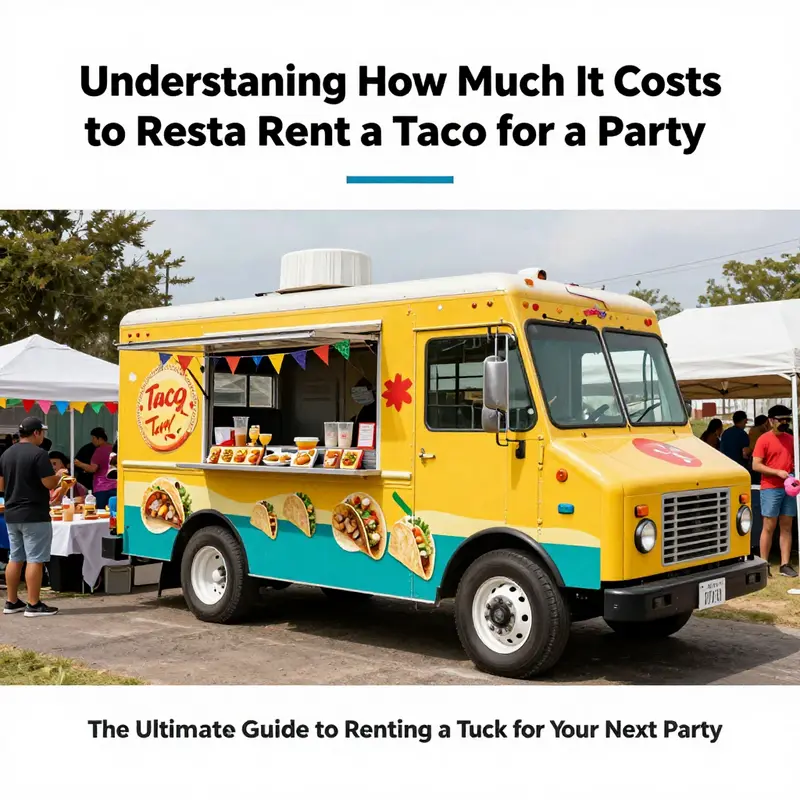
When you imagine a party spiced with the bright sizzle of street food, a taco truck often rises to the top of the guest list in both mood and menu. It promises flavor, atmosphere, and a touch of culinary theater that a traditional caterer sometimes struggles to replicate. Yet the glitter of that idea can obscure the practical math behind it. A taco truck is not a simple line item on a single-page budget; it is a package that weaves together location realities, event duration, menu ambitions, and a host of ancillary considerations that can reshape the final price in surprising ways. To plan well, you move beyond the sticker price to understand what drives cost, how those factors interact, and where smart choices can keep a party both delicious and affordable. In practice, budgeting becomes a blend of art and arithmetic, a careful map that takes you from a tentative wish list to a concrete, executable plan.
At its core, the price you will likely encounter for a taco truck rental falls in a broad range. In major U.S. cities where demand presses hard and operations carry higher overhead, a full-day rental—typically six to eight hours—often lands somewhere between seven hundred fifty dollars and one thousand five hundred dollars. That spread is not just a reflection of the truck itself but of the experience, the quality of the ingredients, and the hands available to operate the service. If your event is smaller, perhaps three to four hours, or you engage a local or independent vendor with simpler offerings, the price can start closer to five hundred and rise into the eight hundred-dollar zone. These figures are useful guardrails, but they are not a forecast. The real cost hinges on the decisions you make around menu scope, service style, add-ons, and the logistics of where the party will unfold.
To translate those numbers into a workable budget, it helps to anchor the discussion in a few concrete scenes. Picture a backyard party for fifty guests on a warm Saturday afternoon in a mid-sized city. A basic taco lineup—with a couple of staple options, standard toppings, tortillas made fresh but not from house-made masa—could land around six hundred to eight hundred dollars for the truck and basic staff for a four-hour window. Now extend that event to a corporate picnic with two hundred guests in a busier downtown district. The same truck, if it remains the core entertainer, will likely command a higher daily fee to accommodate longer hours, travel costs, a broader menu, and potentially additional staff to manage lines and food safety at scale. In both cases, the ballpark price is a useful anchor, but the final figure is shaped by what you insist on having in the lineup and what the venue will tolerate or require.
Menu complexity is one of the most influential levers in the cost equation. A lean, classic menu—think carne asada and a couple of chicken or fish options with standard toppings—requires fewer ingredients, less specialized prep, and often a shorter service window. It is typically cheaper than a more elaborate, gourmet approach that features house-made tortillas, premium proteins, and seasonal or regional sauces crafted in-house. The move from basic to gourmet is not merely an uptick in price; it frequently expands the logistics footprint. Specialty items demand careful sourcing, heightened food safety controls, and sometimes a longer stall setup time. The effect on cost can be cumulative: more intricate menus often mean greater prep time, more expensive ingredients, and higher labor costs, especially if the truck is expected to entertain guests with live-fire stations, custom tasting portions, or chef-driven demonstrations.
Add-ons have a way of quietly expanding the total. Beverage service, whether sodas, agua fresca, or other non-alcoholic options, is a common add-on that some vendors price separately. Desserts, like churros or other fried sweets, can be a delightful complement but come with its own equipment and staffing requirements. The decor or thematic elements—colorful banners, branded napkins, or signage—often sit in a separate line item, and if you want them integrated with the service flow, plan for a modest premium. It is essential to confirm what is included in the stated price and what requires an extra fee. If your venue lacks power access or a designated prep area, you may be asked to cover the cost of generators or portable handwashing stations. Each addition compounds the bottom line, but it can also alter the guest experience in meaningful ways, turning an ordinary meal into a memorable moment that aligns with the party’s tone.
Another practical consideration is what is included in the equipment suite. A well-rounded taco truck rental should come with the operational gear needed for safe, efficient service: the grill or griddles, warming stations, serving counters, utensils, and a trash management plan. Some vendors bundle these essentials with the rental; others separate them as an optional inclusion. The decision affects not only the price but also the convenience of your event planning. If you do not own the space required to accommodate the truck, or if you have limited outdoor seating and shade, you may incur ancillary costs for seating arrangements, shade tents, or portable power sources. In practice, you will pay for the truck and the crew, but you also must be mindful of the space around the truck itself: a functional zone that includes a safe cooking radius, food staging, guest queuing, and waste disposal. As your guest list grows, so does the footprint you need, and that footprint has a cost attached to it through logistics and venue coordination.
Understanding quotes requires a page turned toward directionality and transparency. The most reliable way to secure a solid price is to reach out to multiple vendors and request formal quotes that reflect your event’s date, duration, guest count, and preferred menu items. Inquiries should also ask about travel charges, taxes, and any service fees that might apply. Many operators will provide an online tool or an instant quote form that requires you to specify core details: the date and time window, the expected headcount, and a rough menu sketch along with any special dietary needs. The pattern of these forms is a mirror of how the industry organizes risk and planning: the more you outline, the more accurate the quote, the less chance you have of unpleasant surprises later. In this sense, the price is not merely a number but a negotiation envelope that shelters both you and the vendor from misalignment as the event approaches.
The sourcing process also invites a broader market view. Real-time pricing often reflects on-the-ground realities such as competition for dates, travel constraints, and the vendor’s capacity to staff a busy shift. An online market or a curated directory can help you compare prices, read reviews, and assess availability across a region. The quotes you receive should clearly itemize taxes, travel charges outside usual service areas, and any other fees. It is equally important to confirm what is included for the given price. A lower daily rate can evaporate if the vendor adds on a mandatory beverage package, a separate gratuity for the crew, or a required cleaning surcharge after the event. Because these items can be buried in the fine print, a careful read of the contract and a direct clarifying conversation with the vendor are essential. When you maintain a line of sight on all these elements, you transition from a rough budget to a dependable plan that holds weight as you approach the date.
If you are seeking a practical point of reference for how the pieces fit together, imagine two contrasting paths through the budgeting landscape. Path A centers on a single evening event at a moderate budget: a four-hour window, a compact menu, and a straightforward setup. In this scenario, the base rental sits in the six to eight hundred range, and you may allocate a thousand or a touch more once add-ons and service fees are appended. Path B envisions a larger daytime gathering in a dense urban core with a bigger guest count, a more ambitious menu, and more elaborate production needs. Here, the sticker price can drift toward the higher end of the spectrum, possibly reaching around the thousand five hundred mark or beyond if you seek premium ingredients and comprehensive staffing. It is in such scenarios that the value of early planning becomes apparent: by aligning expectations with the reality of the space, the event timeline, and the menu compass, you maximize the joy guests feel while maintaining the integrity of the budget.
Several hidden costs deserve explicit attention so they do not erode your planning clarity. First, tipping is customary in this sector, often recommended at fifteen to twenty percent of the total bill, depending on the level of service and hospitality you’ve experienced. It is a discretionary gesture, yet one that vendors frequently rely on to acknowledge the crew’s hard work. Second, permits and regulatory requirements can creep into the total if your venue sits on private property with unusual jurisdictional constraints or if your city requires a vendor permit for street-side operations. A quick call to the venue’s management and a quick web check can save you from a last-minute permit scramble. Third, the physical footprint matters. Sufficient seating, space for queuing, and a designated area for the truck to operate safely will influence the total footprint you need to reserve and, by extension, the cost. Some venues charge delivery or setup fees for this space; others assume it as part of the rental. Fourth, deposits are common and typically non-refundable if you cancel close to the date. A 25 to 50 percent down payment is not unusual, and understanding the cancellation policy in advance is essential to avoid financial stress should plans shift.
The cumulative effect of these elements is what makes the final cost feel specific to your event rather than a generic price point. A thoughtful budget emerges when you break the process into a few practical steps: decide on your event’s size and timing; sketch a menu that balances crowd-pleasers with a few distinctive flavors; confirm what equipment and staffing are included; and then quantify the ancillary costs and potential savings you can negotiate with vendors. In this synthesis, cost becomes clarity rather than a foggy figure. And once you see the numbers align with your priorities—quality, speed, and delight for your guests—you can proceed with a sense of confidence.
For readers who want to explore how equipment choices can influence the menu experience and the overall vibe of a taco truck event, a deeper look into model options and configurations can be illuminating. A resource that outlines how different truck models support culinary storytelling—without tying you to a single brand—can be a helpful compass in the early planning stages. tacotruckrentals.com serves as a useful reference point for comparing how various layouts accommodate different service styles, from compact setups ideal for intimate gatherings to more expansive configurations designed for high-volume receptions. By examining a range of configurations, you can gauge how much kitchen real estate, power supply, and manpower your event would require, which in turn helps calibrate the budget with greater precision. For readers who want a focused guide on model diversity and culinary versatility, consider a deeper dive into the topic via ](https://ordertacoselpelontacotruck.com/blog/taco-trucks-unleashed-top-5-models-for-culinary-success/). The discussion centers on how different layouts and equipment configurations influence menu execution, service speed, and guest engagement. It is a reminder that the most memorable taco truck experience often arises where practical constraints and creative ambition converge.
Finally, no budget is truly complete without a plan for real-time price checks and flexible negotiation. The pricing landscape is dynamic, shaped by seasonality, calendar crowding, and the vendor’s own scheduling challenges. Rather than viewing quotes as rigid figures, treat them as starting points for a constructive dialogue. You can often negotiate a package deal that combines multiple service elements—such as a broader menu with a reduced beverage surcharge or a bundled setup and cleanup arrangement—provided you are transparent about your needs and timelines. Strong communication, a clear itinerary, and reasonable expectations about the venue’s restrictions—all of which you establish early—translate into cost savings and a smoother event. The goal is not to trap yourself in a single price but to build a robust, realistic budget that reflects how you want the party to feel: warm, communal, and delicious.
In the end, the decision to rent a taco truck for a party is a decision about experience as much as it is about expense. It is about choosing a culinary character that orients the entire event, inviting guests to gather around a shared, interactive table rather than simply dining from a plated menu. It is about optimizing the equation so that the joy of the food—and the ease of delivery and service—emerges as a central virtue of the celebration rather than a mere closing line on a receipt. If you approach budgeting with open eyes—recognizing that price is a function of time, menu ambition, and logistical complexity—you can design an event that keeps the flavors bright and the budget balanced. And when the day arrives and the truck hums into place, the memories you’ll carry with you won’t be measured solely in dollars but in the lingering warmth of the shared meal, the laughter around the truck, and the sense that the feast was crafted with care, not just charged as a line item.
External resource for broader market context and pricing dynamics: https://www.tacotruckrentals.com
What Drives the Price: Key Factors That Determine Taco Truck Rental Costs
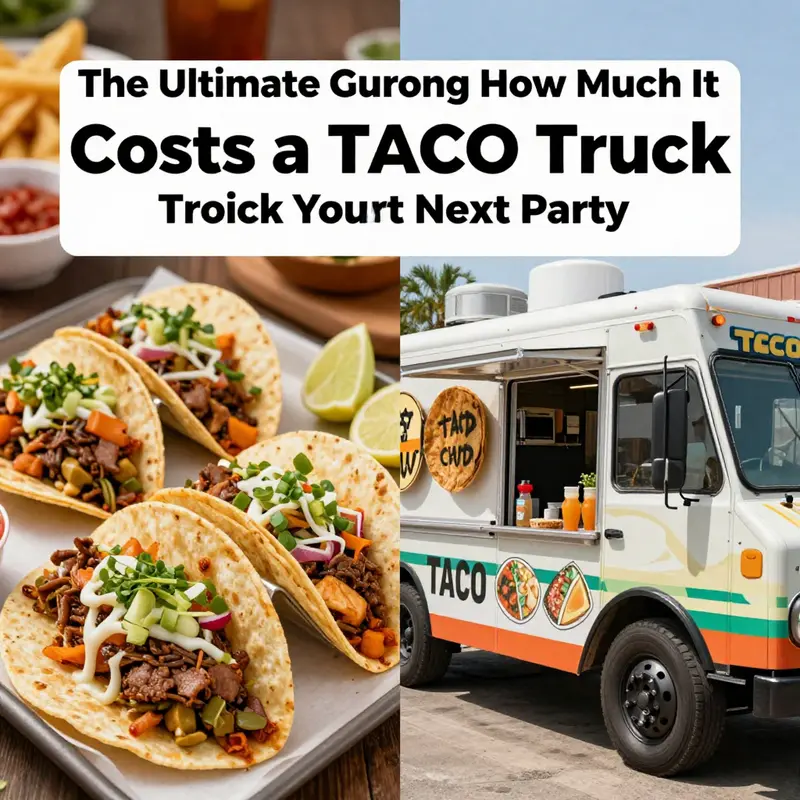
Understanding the cost of a taco truck rental means looking beyond a simple price tag. When you begin planning an event, the headline range—often cited as $500 to $1,500 per day—serves as a starting point. That range hides a lot of nuance. Variables such as where the event takes place, how long the truck will serve, the menu complexity, vendor reputation, and optional services all shape the final quote. Grasping how these elements interact helps you set a realistic budget, negotiate wisely, and get the right experience for your guests.
Location is the single most immediate cost driver. Urban centers with high demand and steep operating costs naturally push prices upward. A truck in a dense city might face higher fuel, permit, and parking fees, and those costs are reflected in the rental rate. Conversely, trucks in smaller towns or rural areas usually have lower overhead and may offer more competitive pricing. But location influences more than base cost; it also affects logistics. Permits, parking restrictions, and local health code requirements vary by jurisdiction, and vendors often factor the time they must spend obtaining permits and coordinating with local authorities into their pricing. If your venue is in a congested area, expect to cover additional fees for parking validation or off-street loading zones. If the location requires a long drive or an overnight stay for staff, mileage and lodging can appear as add-ons.
Duration and timing shape cost in clear ways. Most vendors provide hourly or half-day and full-day rates. A short cocktail-hour service may cost less than a multi-hour dinner service because food prep and staffing needs scale with time. However, there are threshold effects: many trucks impose a minimum service window—often two to three hours—because setup, prep, and cleanup take time regardless of guest count. Weekends and peak wedding or festival seasons command higher rates, too; demand peaks translate to premium pricing. Late-night events or services that extend past typical operating hours can trigger overtime charges for staff. If your event spans meal transitions, such as a late lunch into early evening, expect a blended pricing approach to cover the extended service.
Menu choices and ingredient quality can swing a rental toward either end of the price spectrum. A basic menu of classic tacos with a few protein options and standard toppings is typically more affordable. Introducing specialty proteins—braised short rib, slow-smoked brisket, citrus-marinated seafood—or gourmet elements like housemade pickles, artisan tortillas, or unique sauces raises ingredient and labor costs. Dietary accommodations, such as plant-based proteins or allergy-safe preparations, require additional planning and sometimes separate cooking procedures, which can add to the fee. Trucks that source local, organic, or premium ingredients often charge more to cover their supply chain and storage expenses. Portion size and expected consumption patterns matter as well: if you want generous, plate-style tacos rather than smaller handheld servings, the truck will calculate a higher food cost per guest.
Vendor reputation, experience, and popularity influence pricing in subtle ways. Trucks with strong followings, high review scores, or social media clout can command premium rates because their brand brings perceived value. They may justify higher prices by offering consistent quality, efficient service, and a smoother event experience. Experienced vendors also understand how to manage guest flow, maintain safe food temperatures, and execute service under pressure. That expertise reduces the risk of problems on event day, which can be worth the extra cost. Newer trucks might offer lower rates to build a portfolio, but they may lack the event-day finesse that seasoned vendors provide.
Service scope and extras are where quotes vary the most. The base cost might include a set number of staff, a standard menu, and minimal setup. From there, every add-on increases the total. Common extras include staffing beyond the standard team, setup and teardown, dishware and utensils, beverage service, linens, and a dedicated event manager. Beverage service deserves special mention: some trucks offer full beverage programs, including non-alcoholic drinks and cocktails, while others limit drinks to bottled water and sodas. If you want the truck to handle alcohol, you may need a licensed bartender or a partnership with your venue to manage permits. Branding and customization—such as a custom menu design, signage, or coordinated uniforms—add production costs. If you request a custom dish developed for your event, vendors will often charge a development fee and require a tasting prior to the event.
Guest count and consumption estimates matter because vendors price food and staffing to match expected demand. A truck that serves 50 guests will price differently than one designed for 300. Many vendors offer per-head pricing for food, typically calculated on the assumption of two to three tacos per person, plus sides. If your guest list includes heavy eaters or you plan a hungry crowd like late-night college students, adjust your per-person estimate upward. Some vendors set a minimum guest count; if your party falls below that minimum, you may still pay the minimum fee for the truck. Additionally, peak service windows—when many guests eat at once—require more staff to keep lines moving, which will be reflected in labor charges.
Logistics and venue constraints can create hidden costs. If the truck must operate in a restricted area—indoor courtyards, rooftops, or narrow streets—special equipment or additional staff may be necessary to manage safe access. Venues with no dedicated electrical hookups force the truck to use generators, which increases fuel and maintenance costs. If the truck must park a long distance from the guest area, you may pay for setup time and additional staff to shuttle food. Some venues require proof of insurance or specific certifications; vendors who maintain higher insurance or specialized certifications may charge more to cover those overheads. Weather is another consideration: a rainy forecast could necessitate tents, sidewalls, or heaters, and trucks might bill separately for weather-related accommodations.
Contract terms, deposits, and cancellation policies influence your final outlay. Most vendors require a deposit to secure a date and sign a contract outlining the scope of service. Read the contract carefully: it should specify exact hours, menu, guest counts, cancellation windows, and any penalties. Cancellation closer to the event often triggers forfeiture of the deposit or a larger fee. Rescheduling policies vary; some trucks will apply a deposit to a new date, while others will require a fresh deposit. Payment schedules are also important—vendors typically request a portion of payment before the event and the balance on the day of service.
Negotiation and transparency can reduce costs without sacrificing quality. Sharing a clear guest count, preferred menu limitations, and a firm service window lets vendors provide an accurate quote. Consider trades-offs: limit menu complexity to reduce food costs, schedule service during off-peak hours to avoid overtime, or accept a delivery-and-setup model instead of full-service to save on staffing fees. Requesting a per-head price that includes everything can prevent surprise fees later. Many vendors will offer package deals for community events, corporate lunches, or repeat bookings, so ask about bundled options.
Finally, use market research to compare quotes. Look for sample menus and past event photos to assess value relative to price. If you want deeper industry context on cost factors and average pricing, consult a comprehensive guide on food truck costs to frame local quotes within national norms. And if you are curious about truck models and designs that influence setup and service efficiency, explore resources that showcase top truck models for culinary events to better understand how equipment and layout affect service capabilities.
By weighing these factors—location, duration, menu complexity, reputation, additional services, guest count, logistics, and contract terms—you can predict how a taco truck rental will fit your budget. Clear communication with vendors and an understanding of trade-offs will help you secure a service that matches both your financial constraints and your event goals. For inspiration on truck layouts that support faster service and better guest flow, see this overview of truck models and their event uses: taco trucks unleashed: top 5 models for culinary success.
External resource with industry averages and deeper context: https://www.eventbrite.com/blog/food-truck-costs/
null
null
Riding the Market Wave: What Really Drives the Cost of Renting a Taco Truck for Your Party

When you picture a party with a taco truck rolling onto the lawn, the image is often more than a meal; it’s an experience. The sizzle of the grill, the aroma of cilantro and lime, the sight of handmade tortillas being folded into bright, vibrant fillings—these elements create a memorable centerpiece for celebrations big and small. But turning that vision into a budget-friendly reality requires more than a craving for street-food flair. It requires an understanding of the market, the factors that push price up or down, and how to align those elements with the goals of your event.
In practice, renting a taco truck sits at the intersection of culinary appeal and event economics. The daily rental range most clients encounter hovers around five hundred to fifteen hundred dollars, yet the exact number for your party will reflect a tapestry of choices, constraints, and preferences. The core question—how much to rent a taco truck for a party—begins with recognizing that the price is rarely a single number, but a spectrum shaped by the event’s size, location, duration, and the menu’s ambitions.
The broader market signals are encouraging: the mobile food industry is expanding, and as experiential dining becomes a standard expectation rather than a novelty, more hosts discover the value of bringing a taco truck into their celebrations. A national frame helps translate the local quote into something you can plan around. Industry analyses show the food truck sector growing steadily, with models projecting continued expansion over the next several years. That growth translates into more options, more customization, and, understandably, a broader spread of price points as operators balance demand against costs. In short, the market is evolving in ways that both improve access to taco-truck experiences and require careful budgeting on the part of party hosts.
If you want a quick sense of how vendors position themselves in this space, it’s useful to note that many operators now market more than just food—they offer complete service packages that include staffing, setup and teardown, and sometimes on-site equipment. The ability to bundle services often shifts what appears as a “base rental” into a more comprehensive, transparent price. This shift can benefit guests who prefer a hands-off experience, ensuring the truck arrives, serves efficiently, and conducts cleanup without requiring the host to wrangle multiple vendors.
For readers who want a practical sense of how trucks vary, one accessible way to explore the landscape is through industry-focused content that compares different configurations and models. See the overview in Taco Trucks Unleashed: Top Models for Culinary Success, which provides context for how equipment, layout, and service philosophy influence both flavor and workflow on event days. This kind of resource helps you understand why two trucks with similar menus might deliver very different guest experiences and, yes, different price implications. Taco Trucks Unleashed: Top Models for Culinary Success.
The factors behind price are straightforward but worth unpacking. First, event size and the corresponding service window are the most direct levers. A party with fifty guests can often be served efficiently by a single truck during a two- to three-hour window, resulting in a modest daily rental because the truck schedules a tight service period and makes efficient use of its staff and cooking surface. Scale up to a larger crowd, say a hundred or more, and you’ll see two realities emerge: more trucks or longer service hours. Either option typically increases the day rate or introduces additional per-hour charges, because staffing needs rise, as does the risk of bottlenecks during peak service moments.
Second, the menu complexity influences cost. A simple menu with standard proteins and a limited number of sides will be priced lower than a gourmet or specialized menu featuring premium meats, house-made salsas, or regional takes on tortillas and fillings. The more customized and labor-intensive the menu, the greater the time on the line, the more skilled staff required, and the higher the cost.
Third, location matters. In dense urban centers or regions with higher operating costs, the same truck’s price can be noticeably higher than in smaller towns or rural settings. Travel fees, fuel, parking arrangements, and the need to secure permits or special access at certain venues all feed into the final tally.
Fourth, the duration of the event is a practical determinant. A four-hour party can align with a standard day rate, while a longer celebration might see incremental charges for additional hours, overtime, or extended staffing.
Fifth, add-ons such as setup and teardown, staffing beyond the minimum, or on-site equipment like extra warming stations, power sources, or water supply can transform a clean quote into a more complex invoice. Even when a vendor appears to offer a straightforward daily rate, the final price often reflects these options folded into a single, consumable package.
The market’s growth is also propelling a more sophisticated pricing ecosystem. Operators increasingly present clear, itemized quotes online, with menus, equipment lists, and service calendars that let hosts compare apples to apples. Digital marketing and booking platforms play a vital role here: they provide real-time availability, transparent pricing bands, and the option to request tailored quotes quickly. The upshot is that you’ll find not only a baseline figure but a menu of choices that can be combined to fit your event’s character and budget.
If you’re planning a wedding, a backyard birthday, or a corporate gathering, the approach to budgeting begins with clarity about what you want the taco truck to contribute beyond food. Do you want the truck to be a focal point that encourages guests to mingle around the service area? Or is the truck more about delivering a reliable, crowd-pleasing meal with minimal venue disruption? Your answer will guide how you allocate funds for the truck, the menu, and ancillary services.
The experiential dimension is real. People don’t just eat at a party; they participate in a social moment framed by the truck’s presence—the sizzle, the rhythm of the flames, the choreography of a well-run service line. That experiential premium is part of the reason the market remains robust and why many hosts are willing to invest more when the setting calls for a distinctive dining moment.
On the practical side, the budgeting process benefits from concrete planning steps. Start by establishing a cap for the food portion of your overall event budget. Then, request multiple quotes from local providers to gauge the typical range for your area and the time of year you’re planning. Don’t rely on a single quote as gospel; ask what’s included in the price, what the staffing levels look like, whether there are travel or setup fees, and whether the quote accounts for peak demand days such as weekends or holidays.
You’ll often see quotes that bundle the base rental with staffing and a standard menu, with optional add-ons clearly listed as separate line items. This transparency makes it easier to adjust the package in real time, whether you want more customization, more coverage, or a smaller footprint to fit a tighter venue.
When you’re negotiating, treat the vendor’s flexibility as a resource. If the event date is flexible, you may secure a more favorable rate by shifting the service window to a less congested time. If you can compromise on the menu—perhaps choosing a more standard protein or reducing the number of side items—you can preserve the core experience while trimming costs.
It’s also worth considering the logistical realities behind the price. Will the truck be supplying electricity, water, or a generator? Are there venue constraints that require a specific service style or a particular service setup? How much space is needed for the vehicle and the service line? These questions affect not only the final cost but the ease with which the event runs. A well-briefed host can help the vendor calibrate the operation to your space, which often translates into a smoother service and fewer on-site delays.
The market also rewards hosts who bring clear expectations into the conversation. A straightforward brief—guest count, desired service window, menu preferences, and any accessibility or safety considerations—helps vendors quote accurately and prepare accordingly. It also minimizes the chance of surprises on the day of the event.
In many markets, some host organizations and venues provide guidelines that can streamline this process. For example, certain outdoor event sites require specific food-truck requirements, insurance coverage, or health-permit documentation. Understanding these constraints in advance not only reduces friction but can also influence price by avoiding unexpected compliance costs that would otherwise be passed to the host later in the process.
The broader market dynamics reinforce the importance of timing and planning. The same market growth that makes tacos a popular attraction at festivals and weddings also means greater competition among operators. For a party planner, that competition should translate into more responsive customer service, a broader range of menu and service configurations, and competitive pricing that reflects both quality and value. It’s a balance: you want the authenticity, speed, and charm of a taco truck, but you also want predictability in your budget and a clear sense of what you’re getting for your money.
The documentation and the pathways to booking have improved as a result. Vendors commonly publish sample menus, service calendars, and policy statements on their own sites or via booking platforms. The digital convenience reduces guesswork and invites you to interact with the option that best matches your event philosophy.
As a host, your task is to translate the value you anticipate into a fair price by weighing the intangible experience against the practical cost. The more you align the vendor’s strengths with your event’s narrative—the social dynamic you want to create, the time you want guests to spend in line, and the type of flavors you want to feature—the more the documented cost begins to feel like a reflection of a carefully curated experience rather than a mere line item.
For those who want a broader context, the market backdrop is a helpful frame. The United States food truck sector, while not exclusively a taco-truck rental market, signals a robust growth trajectory, underscoring why more hosts are choosing mobile, customizable catering options to shape their events. The shift toward experiential dining, transparency in pricing through online marketplaces, and the ability to curate a highly personalized food moment all contribute to the appeal of renting a taco truck for parties.
If you’re curious about how the market structure translates into future price expectations or what to watch for as you compare quotes, you can explore the wider industry landscape through external research that situates food trucks within the broader catering ecosystem. For a broader industry view, refer to the report on food truck market size and trends: https://www.grandviewresearch.com/industry-analysis/food-truck-market
In sum, the question of how much to rent a taco truck for a party is answered not by a single number but by a set of decisions that shape the guest experience and the event’s rhythm. Recognize that the base daily rate is just the starting point. Factor in menu ambitions, the event’s scale, the venue’s constraints, and the logistical needs that come with mobile service. Embrace the opportunity to compare quotes with a clear brief, ask pointed questions about what is included, and consider add-ons that can elevate the guest experience without pushing the budget beyond what you’re comfortable spending.
With intentional planning, a taco truck can become not just a meal but a dynamic centerpiece that adds flavor, energy, and a memorable story to your gathering. For those who want to continue exploring how trucks fit into different event formats, the ongoing market conversation offers a wealth of perspectives—perspectives that emphasize not only cost but the way a taco truck can transform a party into an unforgettable social moment. And if you’re seeking broader technical context on how these trucks operate and what to expect from their configurations, check out the article series on taco-trucks and the experiences they enable. The linked resource can help you gauge how equipment choices and service models influence both flavor and flow on the day.
Final thoughts
Embracing the flavor of tacos through a food truck not only brings exceptional culinary experiences but also a unique social element to gatherings. Understanding the costs and factors involved in renting a taco truck can empower you to make choices that cater to your guests’ preferences and ensure a memorable event. As you explore this fabulous avenue for catering, remember to engage with vendors to lock in the best options for your special occasion. Now, it’s time to taco ’bout a fantastic party ahead!

