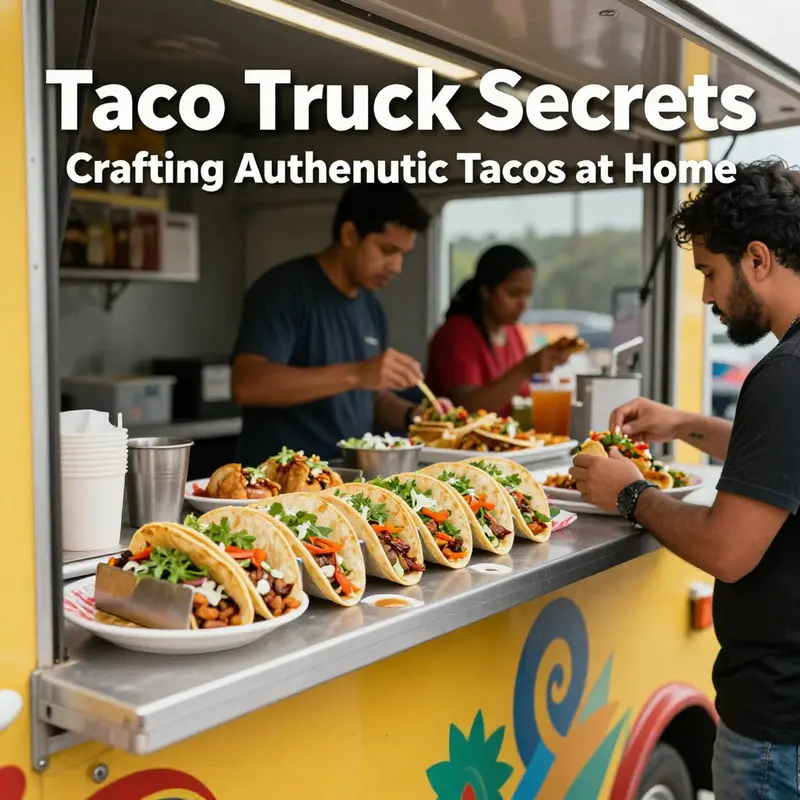
Tacos are more than just food; they are a celebration of culture, flavor, and community. To recreate that tantalizing taco truck experience at home, it begins with a commitment to quality, flavor, and authenticity. Each chapter of this guide reveals essential elements—starting with fresh tortillas that serve as the foundation, to the bold seasonings that create unforgettable fillings, vibrant toppings that elevate your creation, and the final presentation that ensures every bite is a delight. By the end, you’ll be ready to amaze your friends and family with tacos that rival those from the most popular taco trucks around.
Heartbeat of the Street: Tortillas as the Soul of Tacos That Taste Like a Taco Truck
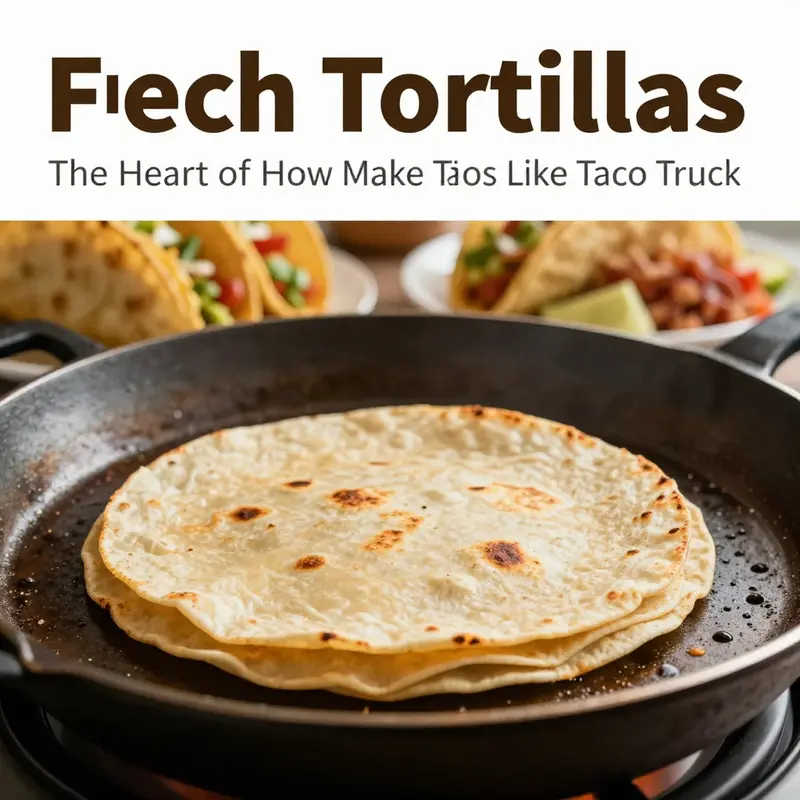
The tortilla is more than a vessel; it is the quiet conductor of every bite, the soft stage on which heat, fat, citrus, and smoke travel to greet the senses. In street-food rhythm, fresh tortillas carry the day from the first aroma of corn to the last lingering fragrance that clings to fingers and lips. A tortilla should not shout; it should support. It folds easily around a generous filling and holds its shape when cradling roasted vegetables or shredded meat, carrying a touch of char that reads as smoke and sun together. In this chapter we explore how to coax the best texture from masa harina or a trusted local supplier, how to hydrate the dough just right, and how the tortilla itself — warm, blistered, and pliable — becomes the heartbeat of tacos that feel authentic.
To start, focus on masa harina, salt, and water. Mix until a cohesive, springy dough forms. Hydration matters: too little water and the dough cracks; too much and it becomes sticky. A practical starting point is roughly two cups of masa harina with a pinch of salt, add warm water gradually, and knead until the dough holds its shape but remains soft. Let it rest ten to thirty minutes to allow the masa to hydrate evenly. Resting sets texture and makes future batches predictable.
When shaping, portion into small disks. A tortilla press yields perfectly round, consistent discs; if you don’t have one, a rolling pin with parchment works well. Aim for a disk as thin as a nickel and thick enough to hold filling. Let the disks rest briefly before heating to prevent cracking.
Heating should be done in a dry, seasoned pan over medium heat. A 15 to 20 second per side sear creates a gentle blister, a light puff, and a surface ready to fold. If you crave more character, finish with a touch longer heat to bronze the edges slightly. The goal is a warm surface with patches of color that read as flavor, not a char festival.
Keep tortillas warm and pliable with a clean towel or tortilla cloth. A freshly warmed tortilla folds with ease and supports the filling without collapsing. If you hold tortillas, reheat briefly in a dry pan to revive softness.
The tortilla is the neutral canvas that lets fillings shine. Its aroma, puff, and light char signal mastery of the technique. In a taco truck workflow, tortillas are made in small batches, warmed just before serving, and folded around bold toppings to create a cohesive bite. When you treat the tortilla with intention, every taco becomes a small performance, a street-made ritual that travels from the window to your table in a single breath.
Layered Heat and Freshness: Seasoning and Cooking Techniques for Authentic Taco Truck Flavor
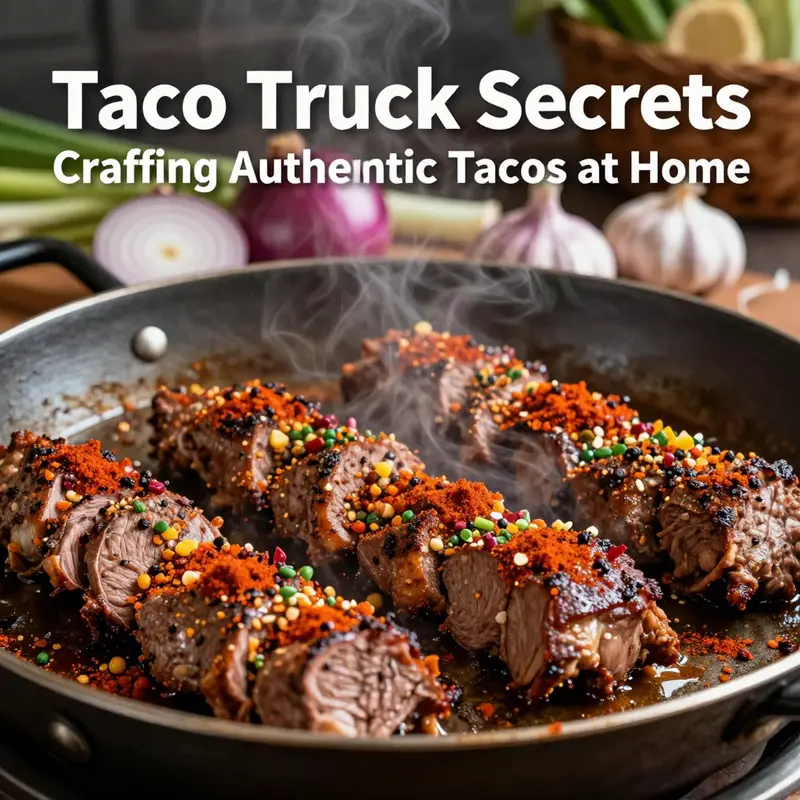
The scent of a late-night taco window carries the memory of sizzling cast iron, bright citrus, and a crowd gathered around a single, well-lit flame. This is the pulse of taco truck flavor—bold enough to slice through the chatter of a busy street, nuanced enough to linger on the tongue after the last bite. To recreate that experience at home, you need a careful balance of seasonings, a strategy for building depth, and a cooking rhythm that mirrors the quick, high-heat tempo of a roaming kitchen. The journey begins with seasoning that speaks softly at first and then reveals its fire in layers, followed by cooking techniques that coax aromatics to bloom and fat to render into a glossy, mouth-coating finish. Throughout, freshness remains the compass: bright lime, crisp onions, fragrant cilantro, and tender, juicy meat working in harmony with tortillas that provide both structure and a gentle chomp when warmed properly. This is the art of translating street-side aroma into a home kitchen that still feels like a mobile grill roving through a sunlit avenue.
At the heart of authentic flavor lies a seasoning foundation that respects both tradition and flexibility. A classic taco seasoning mix leans on chili powder for warmth, cumin for earth, garlic and onion powders for bite, smoked paprika for a subtle smoke, oregano for a wisp of Mediterranean brightness, and a careful hand of salt and black pepper to tie the profile together. Some cooks keep a touch of dried Mexican oregano for an peppery, herbaceous lift, while others lean into a whisper of cinnamon for warmth that lingers without turning sweet. If you prefer convenience, a high-quality store-bought blend can deliver consistent results with minimal effort; simply stir two tablespoons into your cooked meat and let the spices bloom as they mingle with the fat. Yet the most authentic flavor comes from crafting your own mix, adjusting heat and aroma to the protein at hand and the crowd you’re cooking for. This is where your control becomes your most powerful seasoning—the chance to tailor heat to personal tolerance and to tune brightness with acidity rather than relying on heavy sauces.
But seasoning alone does not carry the taco through the plate and into the mouth. The real game changer is the bold, fresh condiment setup that sits atop the meat and around the edges of the tortilla. A squeeze of bright lime is non-negotiable; it illuminates the spices and cuts through richness, giving the dish a lift that is instantaneous and undeniable. A sharp, vinegar-based hot sauce adds a sharp tang and a brisk note of heat that can reset the palate after each bite. Without naming specific brands, you want a condiment capable of delivering a clean, cleanly acidic heat that edges toward the meat’s savoriness without clashing with the citrus or the meat’s natural fats. The toppings then become a tapestry: diced tomatoes for sweetness and moisture, finely chopped white onion for bite, thinly sliced radishes for crunch and peppery bite, and a fresh cilantro flourish that perfumes the dish as you eat. A scoop of avocado or a dollop of crema helps smooth the heat, adding fat and silk that balance the spice with cooling richness. The trick is not to overload the palate; instead, think of each layer as a brushstroke on a small canvas, a small addition that improves the whole without overshadowing the core of the meat.
When it comes to cooking techniques, the path to depth starts with how you treat the meat. For beef fillings, two main approaches produce that signature “red oil” and a final, clingy glaze. One approach browns the ground beef directly in a hot skillet until the surface is deeply caramelized, letting the meat’s own fat render and concentrate. Then the meat is seasoned and simmered with a splash of water or broth until the liquid reduces to a thick, glossy glaze that clings to each fragment of meat. The reduction concentrates the flavors and creates a moist, cohesive texture that stays attached to the tortilla after each bite. Another approach layers aromatics—onions and garlic sautéed until their sweetness blooms—before the meat joins the pan. This method builds a warm, complex base where the spices ride on the back of a savory foundation. The choice between these paths can depend on the protein and the time you have, but both share a common goal: the fond developed in the pan should translate into a rich, almost meaty sauce that carries the seasoning forward rather than washing it away.
Texture plays a crucial supporting role. The tortilla itself is not a mere vessel but a participant in the flavor equation. A true taco truck rarely relies on soft, store-bought tortillas alone; the texture matters as much as the taste. One traditional route favors a crisp, fried tortilla shell that adds a satisfying crunch to every bite. The method is simple in theory but precise in practice: fold a piece of foil into a shallow, curved mold roughly the size of a tortilla, press a mini corn tortilla into the mold, and fry briefly in hot oil until the edges turn golden. A light sprinkle of salt after frying draws out the starches and heightens the overall savoriness. If you prefer something gentler but still Tex-MMex in spirit, you can simply warm the tortillas on a dry griddle or comal until pliable and slightly toasted. The warmth should perfume the corn and soften the starch, inviting the toppings to nestle in without tearing the tortilla when you bite.
Toppings arrive as a chorus, not a solo. The order matters because each layer should contribute a distinct texture and flavor note. Finely chopped red onion adds a crisp bite that snaps against the meat’s softness. Diced tomatoes bring a gentle sweetness that echoes the citrus brightness, while cilantro provides a fresh, almost herbal finish that lightens the heavier flavors. Slices of avocado or a light crema can deliver creaminess that sedates the heat without dulling the dish’s vibrancy. The final squeeze of lime, applied just as you portion the tacos, hits like a spark that unifies all the elements and elevates the overall brightness. The crunch from the tortilla, the bite from the onion, the coolness of the avocado, and the coaxing of the crema together create a texture map that your taste buds remember more vividly than any single component.
Keep the assembly simple and fast, a core ethic of any true food truck operation. One dish, done well, then moved along as another copper-scented skillet sings its tune. This approach prevents the meat from drying out as toppings are prepped and coins land on the counter in a rhythm of turnover. You’ll notice the magic happens when a tortilla is still warm and flexible, with the meat resting on top and the toppings draped over it like a carefully arranged bouquet. The moment of unity—the squeeze of lime, the last dollop of crema, the final sprinkle of chopped cilantro—happens at the last second, ensuring each bite carries the fragrance of citrus and the heat of the spices in equal measure.
A sense of craft also surfaces in how you choose to deglaze and deglaze again. A small splash of orange juice, lime juice, or a light broth can lift the fond and reintroduce moisture while concentrating the depth of the seasoning. The acid helps brighten the spices and keeps the fat from becoming too heavy, which is crucial when you’re preparing several tacos in quick succession. The goal is to achieve a balance where the meat remains juicy yet intensely seasoned, where the sauce clings to the meat rather than pooling in the tortilla, and where every bite delivers a chorus of textures rather than a single note of heat.
In the spirit of the road-worn cooks who taught us to respect the craft, the final flourish arrives not as a garnish but as a sequence. Begin with the meat and the warm tortilla. Layer on the tomatoes and onions to introduce moisture and bite. Add cilantro to perfume the aroma, then the avocado or crema to provide the gloss. Finish with a careful drizzle of lime and a dash of the hot sauce, ensuring the acidity rises to meet the fire without overpowering the meat’s savor. The result is a taco that tastes like it was built in a small kitchen on wheels, where the cook’s hands moved with purpose and the crowd reacted to the rhythm of sizzling fats and lime zest.
This chapter’s technique aims to translate that mobile kitchen’s soul into a home kitchen without losing speed or authenticity. It is not about chasing brand names or overfilling the plate with components; it is about letting the ingredients speak in chorus and ensuring each bite carries the memory of a street-side flame. The road-tested practice of browning, reducing, and finishing with brightness is your map, while the tortilla’s texture and the toppings’ balance guide the journey from prep to plate. If the idea of a taco truck’s flavor feels distant, remember that the essence sits at the intersection of smart seasoning, high-heat cooking, and careful assembly. When you master the sequence—season well, render the fat, develop the fond, complete with a crisp tortilla, and finish with brightness—you unlock a pocket of street-food truth that travels with you into your own kitchen.
For readers who want to explore the broader street-food ethos and as a touchstone for your own experiments, you can explore culinary narratives that celebrate on-the-road cooking and the adventure of flavor as it appears in other carts and vans. Culinary Adventures in the Wild: The Jeep Gladiator’s Role in Modern Street Food offers a visceral sense of how equipment, mobility, and food culture intersect in real-world settings. Culinary Adventures in the Wild presents a lens for thinking about the way flavor travels when you’re cooking outside a conventional kitchen, and it can inspire your own tweaks and timing as you approach your next batch of tacos.
As you iterate, you may also want a broader reference on seasoning science and the fundamentals of taco construction to deepen your understanding. A trusted guide to how seasonings, acids, and fats interplay can anchor your practice and sharpen your instincts for balance. External resources such as thoughtful explorations of taco seasoning and flavor development provide a complementary perspective to the hands-on technique described here and can help you calibrate heat, brightness, and texture across different proteins and tortillas. For a deeper dive into seasoning science and techniques, see a respected taco-focused guide online.
In the end, the goal is not perfection in a single attempt but consistency across batches, the kind of consistency that makes guests say they’re tasting a truck’s signature flavor even when they’re tucked away at home. The road to that flavor is paved with layered seasoning, bold yet controlled acidity, careful browning, and a tortilla that carries the mixture with confidence. When you can strand all of these elements into a single, cohesive plate, you’ve brought the essence of a taco truck into your kitchen and created a familiar, electrifying bite that transports you back to the curb with every mouthful. Its success rests in restraint—knowing when to push the spices and when to let the meat’s natural savoriness take the lead—and in speed, so that every taco arrives at the plate fresh, warm, and ready to hit the table with the same spark that makes a line of hungry customers cheer for more.
External reference: Serious Eats offers culinary insights into taco seasoning and construction that can broaden your framework for flavor and technique. See a practical guide to taco seasoning and preparation at https://www.seriouseats.com/recipes/articles/2017/04/how-to-make-tacos.html for further reading.
Fresh Layers, Bold Flavors: Elevating Tacos to Taco-Truck Quality with Fresh Toppings
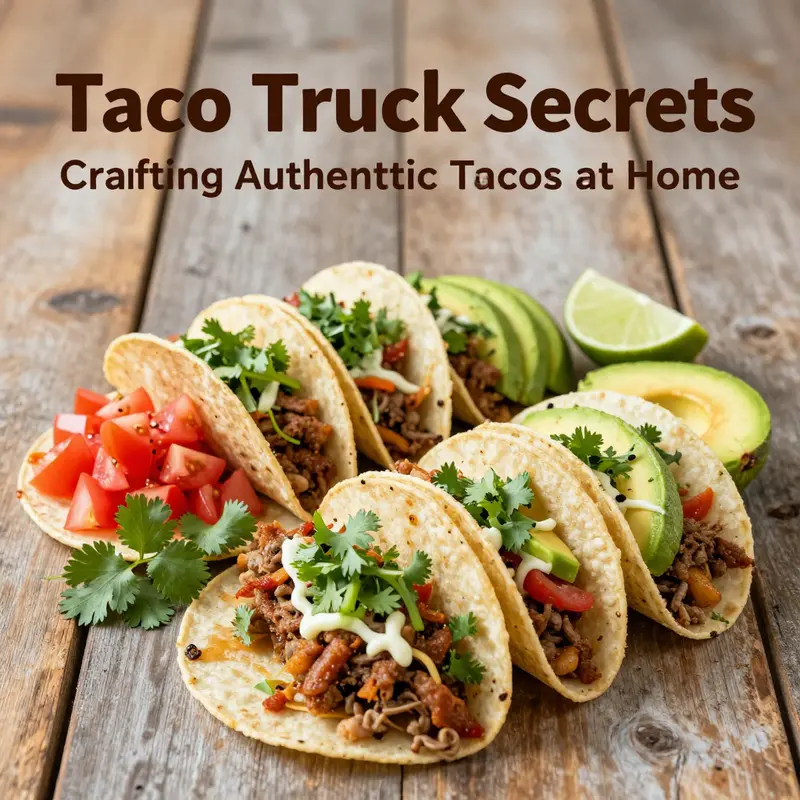
The magic of a taco truck often hides in plain sight, tucked in the glow of a warm tortilla and the bright kiss of toppings that wake the filling from its comfort zone. In the rush of service, flavor needs to sing quickly and cleanly, textures must counterpoint each other, and every bite should feel like a miniature festival that’s over before you know it. Fresh toppings are the secret weapon that turns a simple taco into a vibrant, multi-sensory experience. They aren’t afterthought garnish but the main chorus that carries the dish. While the protein provides the heart and the tortilla anchors the base, it’s the toppings—crunch, brightness, creaminess, and heat—that give the mouth something to chase and a finish that lingers. In many ways, they are the most democratic part of the equation: a handful of crisp cabbage, a handful of diced tomato, a squeeze of lime, and a dollop of crema can transform a modest filling into something that tastes street-smart and restaurant-worthy at the same time.\n\nTexture is the first sensation to land. A taco built with fresh toppings should deliver contrasts that keep the eater engaged bite after bite. Crunched by shredded cabbage or radish, softened by avocado or crema, and sharpened by a tangy onion or a bright salsa, the taco becomes a story told in layers. The cabbage leaves give a refreshing snap that remains even as the tortilla cools slightly. Radishes, thinly sliced, contribute a peppery crisp that wakes the palate without overpowering the main filling. These crunchy elements are not just about texture; they act as palate cleansers, refreshing the mouth between bites and making the next mouthful feel as fresh as the first.\n\nAcidity is the bright line that ties everything together. A squeeze of lime can lift the entire plate, turning fat into flavor and heat into balance. Pickled onions are another instrument in the acidity ensemble. Their tang and slight sweetness cut through richness and soften the edge of chili spices. The tang from pickled onions also helps highlight greens like cilantro, which brings a herbal brightness that reads as clean and unpretentious on the street—that essential kind of brightness that helps a home cook mimic the crispness of a busy taco truck without turning the kitchen into a lab.\n\nCreaminess is the counterpoint that carries fat and heat through the middle of the palate. Avocado slices deliver richness in a way that’s unaggressive yet luxurious. Guacamole adds a smoother texture and a deeper avocado flavor that lingers in the mouth. A cilantro-lime crema, cooler and lighter than guacamole, provides a silkiness that won’t overwhelm the filling but still makes a lasting impression. When a taco truck crafts its toppings bar, crema often becomes an anchor, a familiar, comforting element that invites experimentation without inviting chaos. A scoop of crema can calm a sizzling jalapeño moment and help the more delicate toppings shine.\n\nHeat, though not always the loudest voice on the plate, remains a critical companion. Salsa verde, with its tangy peppers and bright herbs, introduces a crisp note of heat and freshness that echoes the aroma of the grill. Cotija cheese, sprinkled in a light dusting, adds a salty bite that complements the sweetness of roasted peppers or caramelized onions. The saltiness of cotija doesn’t merely season; it elevates the other toppings, making the cabbage crunch more vibrant and the lime’s brightness more incisive. These elements work in harmony with the filling, ensuring that the taco arrives at the table with a well-considered balance rather than a single, loud note.\n\nThe cultural energy behind these toppings is as important as the ingredients themselves. Taco truck culture, especially in dynamic urban centers, rewards bold, fresh, and varied toppings that can be assembled quickly, customized on the fly, and served with confidence. This is not about complexity for its own sake; it’s about multiplicity—the ability to combine a handful of components in endless ways so that each taco feels personal and immediate. The emphasis on freshness aligns with broader consumer trends toward clean, seasonal ingredients and homemade preparations. People want food that tastes like it was assembled with care, even if it was prepared in a non-traditional kitchen under time pressure. The toppings bar becomes a stage for creativity, inviting cooks and diners alike to craft a bite that feels both spontaneous and deliberate.\n\nIf you want to bring that ethnic street-food spontaneity into your own kitchen, the toppings bar is a practical, affordable entry point. It gives you permission to experiment without fear of wasting ingredients. You can set out bowls of shredded cabbage, radish slices, diced tomatoes, cilantro, lime wedges, pickled red onions, avocado slices, a creamy element, a salsa verde, and a light dusting of Cotija. The goal isn’t to pile everything on every taco; it’s to provide a spectrum from which each person can curate their own balance of crunch, brightness, and creaminess. The result is a meal that feels contemporary and convivial, the kind of dinner that passes the “restaurant test” while still tasting home-cooked.\n\nFor those who enjoy the theater of cooking, the toppings bar can also be assembled as a feed of choices that mirrors the energy of a live truck service. A well-curated set of toppings makes the act of assembling tacos feel like a quick ritual, a moment when speed and flavor converge. You can imagine a line of guests choosing their toppings with the same confidence a street vendor displays when he flips a tortilla and meets the order with practiced ease. The beauty of this approach is its simplicity. You can stock a few reliable options, rotate in seasonal produce, and keep it accessible enough that anyone can recreate the magic without needing a culinary degree or a full restaurant setup.\n\nThe practical point is to design your toppings with intention and restraint. Start with core elements that sing in every bite—crisp cabbage, onion, cilantro, a tangy pickled component, avocado or crema, and a salsa or cheese that adds a finishing note. Then layer in a couple of more adventurous items for those who crave novelty. The idea is not to overwhelm but to offer a spectrum so a taco can be made to fit a person’s mood. When executed with mind, this approach yields a taco night that feels both sophisticated and two steps away from the curbside grill—precisely the magic of a well-tuned taco truck in your own kitchen.\n\nFor the hands-on home cook, this chapter connects directly with a practical tip: the clever, compact toppings bar. Think about your space like a small kitchen on wheels. Arrange containers in an order that makes sense for assembly: start with the crunch (cabbage and radish), move to brightness (tomato, onion, cilantro, lime), then to creaminess (avocado, crema, or guacamole), and finish with the heat and salt (salsa verde and Cotija). The order matters in the moment of service; it should feel intuitive, almost automatic. The goal is speed and consistency—every taco leaving the pan with a balanced bite and a confident, finished touch.\n\nIn practice, you can build a handful of distinct topping ideas that pair beautifully with typical fillings. A grilled mahi-mahi or a roasted sweet potato, as suggested by contemporary street-food research, can be matched with a bright cabbage slaw and a green salsa for a coastal, fresh profile. Or you might choose smoky spices on the filling and balance them with pickled onions, cilantro, and crema for a more robust, earthier profile. The point is not to lock yourself into one path but to offer a reliable set of options that feel connected to the culture of the street while remaining accessible for weeknight cooking at home. This is where the toppings become almost as important as the main protein: they frame, complete, and elevate the entire experience.\n\nIf you’re curious about how this philosophy translates into a broader truck setup and how to think about the flow of a small kitchen that can still deliver a crowd-pleasing menu, you can explore a broader overview of taco truck design in one resource that breaks down the logistics and choices involved in modern mobile kitchens. Top taco truck models for culinary success. This link isn’t just about machines or space; it’s about understanding how a strong toppings strategy fits into a streamlined service model. A well-planned toppings bar mirrors the efficiency of a well-designed truck, with accessibility, quick assembly, and the ability to scale as demand grows. In short, toppings are not an afterthought; they are a critical element of an efficient service that still feels artisanal and personal.\n\nThe rhythm of finishing a taco should feel almost ceremonial. A warm tortilla, a modest amount of protein, a careful sprinkle of cotija, a drizzle of crema, a sprinkle of cilantro, a few drops of lime, and a final, bright bite of salsa or salsa verde. The tortilla should remain pliable, the fillings should stay intact, and the toppings should contribute texture rather than mass. The best tacos—whether from a dockside stall or a neighborhood kitchen—achieve that balance: a clean, crisp bite, a whisper of heat, and a finish that lingers just long enough to invite the next bite. The toppings, in other words, are the brushstrokes that complete the portrait.\n\nFor those who want to explore beyond the prep and plating, consider a few practical tips to keep toppings vibrant and accessible. Use citrus juice sparingly but consistently to brighten, not drown, flavors. Slice onions and cabbage just before serving to preserve crunch. If you plan to prepare ahead, quick-pickle onions with sugar and salt to retain a crisp texture without turning them limp. Prepare crema with a light touch of lime and a subtle pinch of salt so it complements rather than competes with the other toppings. Store toppings in clear containers to invite curiosity and experimentation at the table. When guests can see the options, they’re more likely to be adventurous with their combinations, mirroring the spontaneous creation that makes a taco truck experience memorable.\n\nThis approach works well whether you’re feeding a family at home or running a small weekend stand. It creates a sense of theater without requiring a full staff. It invites conversation about flavor and texture, and it rewards those who take a moment to build their own perfect bite. And because the toppings are flexible, you can adapt to seasonal produce, dietary preferences, or simply the appetite of the crowd. The most satisfying experience, after all, is when each bite tastes both familiar and new, when the tortilla acts as a neutral canvas and the toppings supply the personality.\n\nTo deepen the idea of the toppings as a central craft, consider how this philosophy connects to the broader street-food mindset. The goal is not to overcomplicate but to deliver expressive, well-balanced flavors in a way that feels immediate and satisfying. When you approach toppings with that mindset, you’ll notice how swiftly a simple plate can transform into a sensory memory—the kind of memory people want to repeat with friends and family. The toppings become the story you tell with your plate, an edible map of textures, acidity, richness, and heat that guides the bite and invites a second helping.\n\nFor readers who want to anchor this approach in a broader exploration of the taco-truck world, the linked resource above offers a perspective on how mobile kitchens optimize space, workflow, and menu design to highlight these same toppings principles. It’s not about imitation; it’s about translating street-smart technique into home-cook confidence, making your kitchen feel like a small serve line where every plate is a promise kept. In practice, that means every shopping trip becomes a chance to curate a bright, flexible lineup of toppings, every shopping list becomes a plan for texture and balance, and every dinner becomes a little, flavorful triumph that tastes like it came from a well-tuned taco truck.\n\nExternal inspiration can be found in a guide that outlines the practical and musical elements of the taco truck toppings approach for those who want a longer-form reference. For further inspiration on toppings, see the Food Network’s Taco Truck Toppings guide: https://www.foodnetwork.com/recipes/food-network-kitchen/taco-truck-toppings-101-2173459.
Serving with Swagger: Presenting Tacos Like a Taco Truck Chef for Maximum Enjoyment
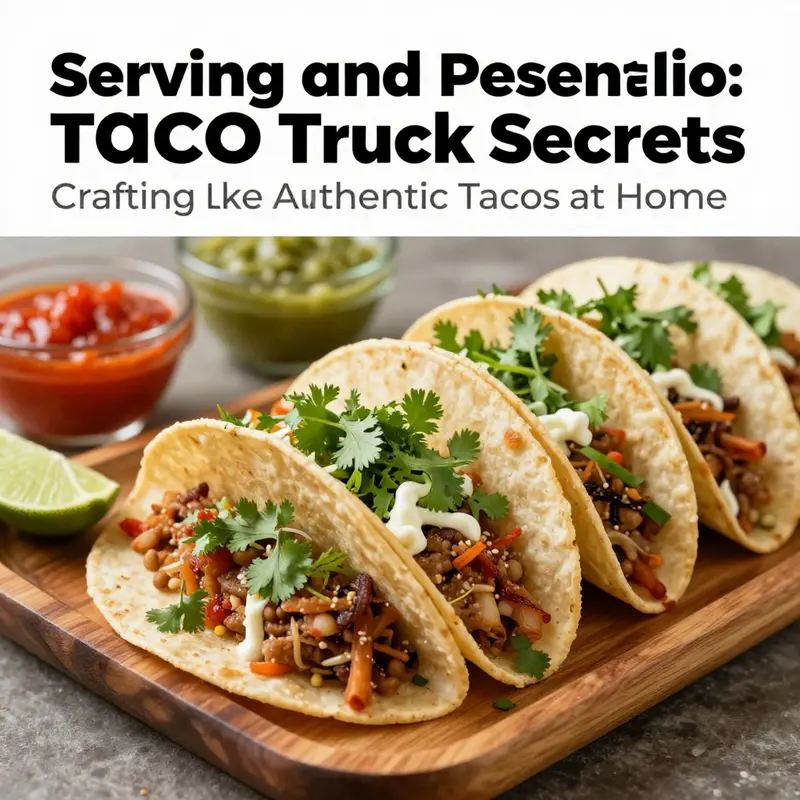
From the first moment a customer reaches for a taco from a street-side window, the experience begins before the first bite. It starts with how the taco sits in its wrapper, how the toppings catch the eye under warm light, and how the scent of peppers and sizzling meat reaches the nose in a single inviting rush. In a world where taco trucks become theaters of flavor, presentation is not garnish or window dressing; it is the first act of trust between cook and guest. The serving method, the visual storytelling of a taco bar, and the respect for roots work together to protect integrity, elevate aroma, and sustain excitement from the moment the order is placed to the final bite.
The container system matters as much as the filling itself. Hinged reusable containers designed to withstand rushes offer a rare blend of protection and efficiency. They keep the taco shape intact during transit, resisting jostling, while ensuring the tortilla stays soft and fillings stay neat. For a truck serving hundreds of tacos, the ability to grab, close and hand off without crushing translates into fewer complaints and higher repeat business. The same logic underpins any high-volume street kitchen: dependable packaging that respects the food and the customer’s time. When a shell stays pliable and fillings stay intact, the eating experience begins with confidence.
But the container is only the doorway. The real drama unfolds in how the taco is built and presented. The eyes lead the palate before the teeth, so the plate or wrapper must tell a story. A visually vibrant topping mosaic of diced tomatoes, crisp onion, sliced radish, fresh cilantro, and a squeeze of lime signals freshness and balance. A creamy element such as avocado slices or crema adds a luscious counterpoint to chili meat and herbs. The goal is not to overwhelm with variety but to curate a spectrum of flavors experienced in a single bite. Presentation becomes a negotiation between density and ease; the taco should look generous yet be easy to eat without disassembling toppings.
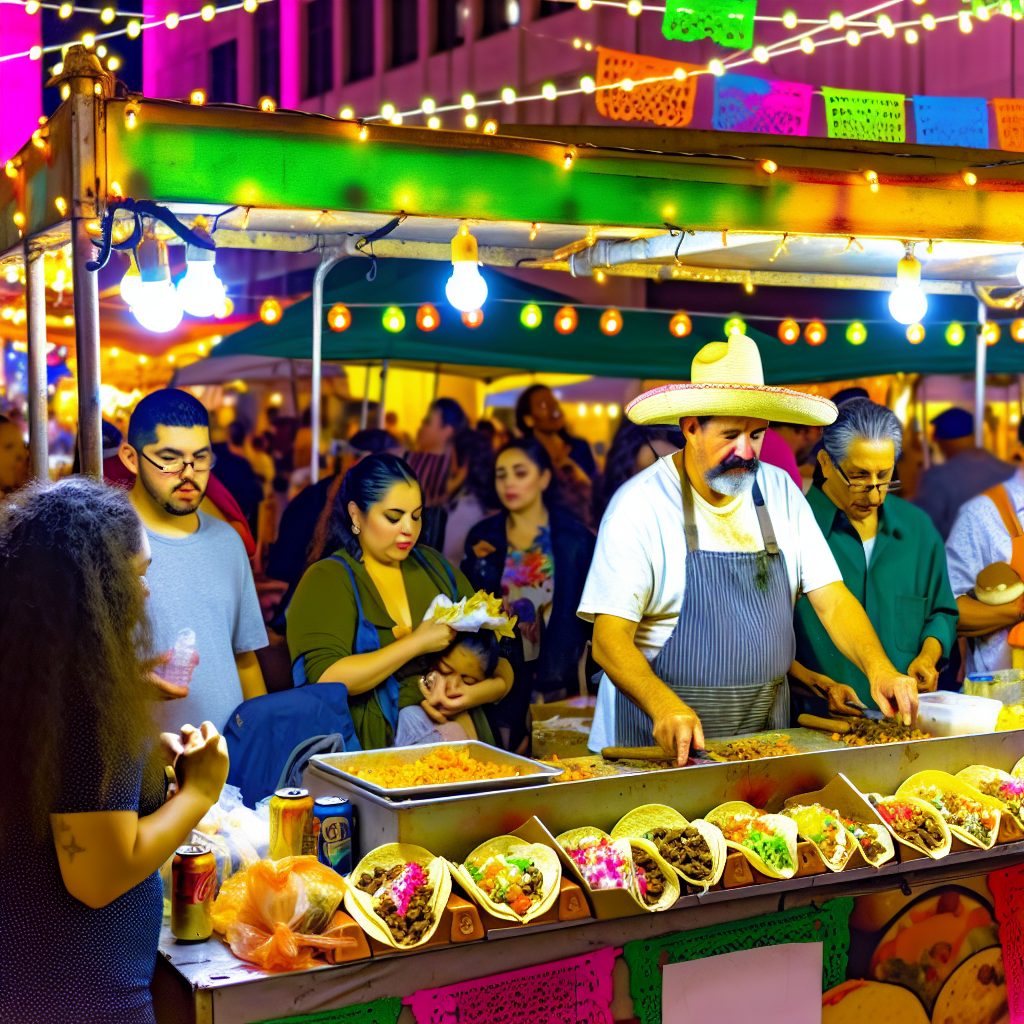
The setup of the serving station, a mini taco bar, can transform a routine order into an event. Separate bowls for toppings, clearly labeled and within easy reach, encourage customization without slowing service. A simple color palette helps the eye travel from meat to toppings to finishing acidity, guiding the customer through a sensory journey. The visual language matters: bright reds and greens, the gleam of citrus, and tortillas warmed to the right pliability. When these elements are arranged with care, they become more than ingredients; they become a narrative of street food culture.
Authenticity in presentation is not about replicating a kitchen’s decor but honoring the street vendors who first made tacos a universal language. In the lore of northern Mexico and beyond, tacos arise from simple means: a tortilla, a few ingredients, and a method that respects flame, salt, and citrus. To echo that authenticity, the plate and toppings should reflect restraint and precision. The toppings should be fresh and thoughtfully portioned, enabling the diner to build a bite that snaps with texture, and lime acidity brightening every layer. The act of eating becomes a quick lesson in cultural authenticity.
All of this must survive the journey from griddle to table. Material durability and design efficiency become a backbone of the experience. Paper taco holders may seem basic, yet they are effective in supporting both soft and hard shells, managing grease, and providing neat portion control. They balance grip and flexibility, prevent sogginess, and allow the tortilla to breathe to preserve char and aroma. The ideal setup also aligns with design efficiency: containers fit into the line, stack neatly, and are easy to dispose of or recycle without breaking service flow.
In this framework, the moment of assembly is a performance, a choreography that preserves heat and texture. The warm tortilla acts as a cradle; soft enough to fold but sturdy enough to hold fillings. The sizzle of meat, the glisten of fats, and the scent of roasted peppers mingle as the taco is wrapped or lightly toasted, depending on the operator. The best trucks know that less can be more, especially when speed and consistency matter. A single well-seasoned meat with a handful of crisp toppings placed with intention can surpass a more elaborate build that sacrifices balance for complexity.
The cultural authenticity extends to the surrounding environment and the way it is presented to customers. Signage, lighting, and the arrangement of toppings can evoke the bustle of a market stall or the warm glow of a sidewalk cafe. A well-considered setup can transform a simple purchase into a memory. The plan is to honor tradition while embracing the practicalities of street serving: short lines, rapid turnover, and consistent quality across dozens or hundreds of orders. The visual cues become part of the experience.
The discussion is not only about aesthetics; it is about designing a system that preserves the soul of the taco while ensuring reliability and efficiency. The cultural authenticity must be tangible in the food and in the way it is served. A truck that presents toppings in separate bowls with clear labels, or one that uses a decorative backdrop that nods to street scenes, invites interaction and customization. The act of the customer adjusting toppings becomes part of the performance, a micro-story of choice conducted at the curb. When a taco becomes a story told in bites, that story is reinforced by presentation. The packaging, the line, the toppings, and the cook’s steady rhythm all contribute to a memorable moment that lingers beyond the last bite.
To translate these ideas into a real world setup, start with structural choices: a reliable hinged reusable container system that protects the tortilla and fillings without forcing the taco to bow under pressure. Train staff to plate with consistency, using measured portions of toppings and aligning each taco to a visible line of toppings to create a repeatable silhouette. Create a mini-bar of toppings that invites customization yet remains easy to scan and replenish. Plan color and texture combinations in advance so the eye travels naturally from meat through vegetables to finishing condiments, producing a satisfying crescendo of aroma and color with every order. Finally, honor the cultural roots of the dish by keeping execution simple, precise, and soul-led. The result is not just a dish eaten on the go but a moment of shared street-food culture that feels both timeless and timely. External reference for practical packaging guidelines: https://www.example.com/taco-packaging-guide
Final thoughts
Bringing the taco truck experience to your home is about embracing fresh ingredients, bold flavors, and heartfelt presentation. With these techniques, you’re well on your way to becoming a taco maestro. Whether you’re hosting friends for a fun taco night or simply looking to elevate your meal prep, the secrets to making authentic tacos lie within your reach. Dive in, experiment, and let every taco reflect the vibrant street-food culture that inspired them. Time to gather your favorite ingredients and start crafting delicious tacos that will transport your taste buds straight to the heart of a bustling taco truck!