
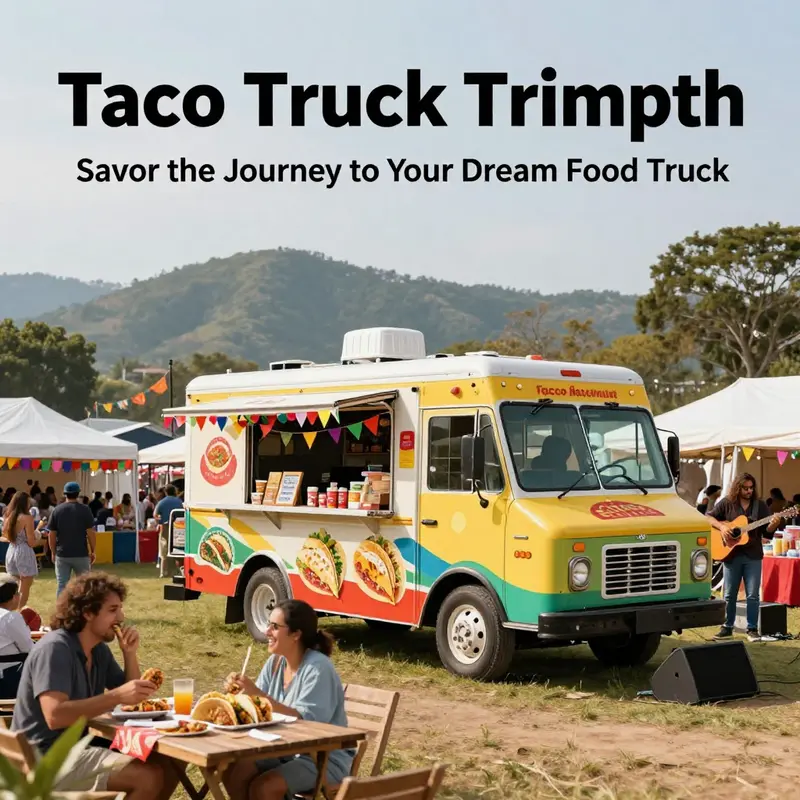
Taco trucks have become a vibrant part of our culinary landscape, offering everything from traditional to gourmet tacos that tantalize taste buds. For cuisine lovers, taco fans, and local office workers, a taco truck is not just a food truck; it’s a gathering place, a burst of flavor, and a taste of culture served on wheels. The journey to starting your own taco truck business can be an exhilarating blend of culinary creativity, community engagement, and entrepreneurial spirit. In this guide, we’ll navigate through the essential aspects of launching your taco truck—from developing a unique concept that captures your passion to ensuring you comply with local regulations, securing financing, and creating an irresistible marketing strategy. Get ready to turn your taco dreams into a reality!
Building a Culinary Identity on Wheels: Crafting a Convincing Concept for a Taco Truck
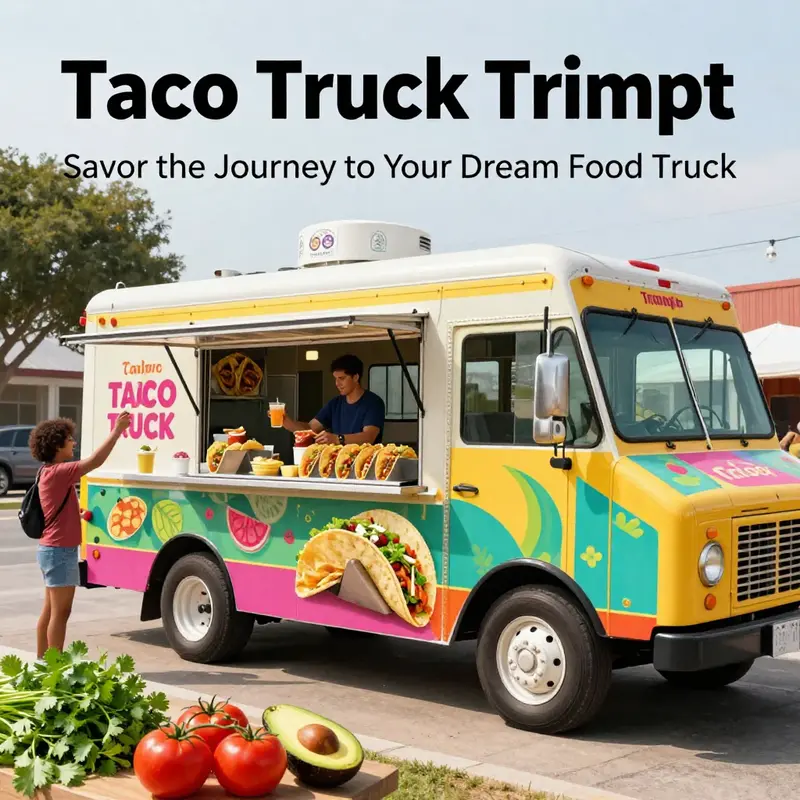
A taco truck is more than a menu on wheels; it is a compact ecosystem where concept, craft, and customer experience converge. The concept you choose from the outset will dictate everything from the menu and sourcing to the look of the truck and the rhythm of your service. A strong concept acts as a compass, guiding decisions when plans get complicated and helping you stay coherent as you scale. In practice, this means moving beyond a generic idea of just selling tacos and instead defining a precise culinary identity, a target audience, and a memorable experience that makes your truck a destination rather than a quick stop. Your concept should feel inevitable to a certain group of people in a specific place at a specific time. When it does, customers become ambassadors, and repeat visits replace one off encounters with a reliable pattern of enthusiasm.
The first layer of this concept is your niche and culinary identity. You have to decide early whether you are serving traditional Mexican street tacos with time-honored preparations, leaning into a fusion approach that blends flavors from other cuisines, or presenting a modern or even plant based interpretation of the taco. Each path has its own strengths and audience pull. Traditional tacos appeal to purists and crave authenticity, fusion concepts attract curious eaters and trend seekers, and vegan or gourmet twists attract diners who want indulgence without feeling weighed down by the menu. The question is not which is easiest to sell, but which you can execute with confidence, consistency, and supply chain reliability. A useful frame is to map your concept to a clear unique selling proposition. Do you source hyper local ingredients with a narrative around community gardens? Do you roast meat slowly overnight to achieve tenderness and depth of flavor that rivals traditional brick and mortar rivals? Is your focus on sustainability, organic practices, or cultural storytelling through your recipes? A recent industry note points out that a well defined niche helps a mobile concept stand out amid a crowded field, and this clarity translates into stronger branding and smoother operations.
Once you pin a niche, craft a brand story that makes your concept feel inevitable. The most enduring food frontiers are not just about food; they are about meaning. The Sainted Arepa Lady shows how authenticity and heritage can become a durable brand through decades of consistency and a personal narrative that customers can feel in every bite. You can translate that principle into a taco concept by sharing a formative moment that inspired the truck, such as a family ritual, a grandmother’s kitchen memory, or a culinary journey that opened your eyes to the flavors you now chase with your recipes. A compelling story humanizes your brand and invites customers to participate emotionally, not merely to consume. It is the kind of storytelling that translates into social media posts, menu descriptions, and the way you talk to guests at the window; it becomes your voice and your promise, carried in every interaction and every wrapper you hand to a customer.
A vivid brand story must live inside an immersive experience that extends beyond the flavor profile. Visual identity is the easiest entry point. Bold color schemes, a logo with cultural resonance, and a consistent look across the truck, the mural on the side, the menu boards, and the social channels create instant recognition. Design matters as a competitive asset because it reduces the cognitive load for potential customers who are scanning a sea of options. A busier, more visual era rewards simple, legible cues that tell a story at a glance: the theme of the truck, the colors that signal warmth or boldness, the typography that conveys energy or craft. The atmosphere inside and around the truck also contributes to the experience. The soundtrack you choose, the warmth of your dialogue with customers, and the speed and kindness of your service can transform a routine lunch into a memorable event. Consider how a family oriented, warm vibe can be fused with a modern, sustainable kitchen ethos to create a distinct personality. A well executed concept often blends these elements so the customer walks away with more than a meal; they carry a memory that they associate with your brand.
What you sell must be inseparable from how you sell it. The operation of a taco truck is a delicate balance between menu ambition and the realities of on the road constraints. This is where planning your logistics and location strategy becomes part of the concept, not an afterthought. Decide whether you will prepare all food on the truck or rely on a commercial kitchen for prep work. Each approach has implications for the truck’s size, the equipment you need, and the licensing required by your city. If you cannot prepare food directly on the vehicle in your jurisdiction, you will have to secure a separate commercial kitchen permit, which changes your workflow and sometimes the footprint of your brand. Then there is the question of where you sell. Your concept should inform location choices: downtown business districts for lunch crowds, arts districts and festivals on weekends, college campuses for youth markets, or near event venues where crowds gather after hours. The regulatory reality here also matters; obtaining a mobile vendor license and passing health inspections are steps that need to be integrated into your concept from the outset. A practical approach is to map out a few high-traffic streams that align with your target audience and to verify the zoning and permit requirements in those zones so your concept remains viable as soon as you launch.
In building the concept, you should also embed a sense of community and ongoing storytelling that feeds your marketing from day one. The concept should imply a plan for supplier relationships and menu development that keep you flexible without sacrificing vision. Hyper local sourcing can become part of your identity, a narrative that resonates with customers who want to feel connected to place. It is not merely about ingredients; it is about a story of neighbors and farmers, and the way your truck intersects with those relationships every week. The goal is to create a feedback loop: test a small set of recipes, collect quick feedback from customers and staff, and use that data to refine both the menu and the operational flow. This is where the concept becomes a living system rather than a static plan. You might begin with a tight menu that highlights a handful of core tacos and a couple of seasonal specials. As you gather data on sales velocity, prep time, and customer reaction, you can gradually broaden the menu in a controlled way. You also want to align your menu with your sourcing strategy: if you commit to organic and non GMO ingredients, your suppliers must be able to keep up with demand and quality standards. The end result is a concept that can survive the realities of street vending while still delivering a distinctive culinary experience.
To ground your concept in practical paths, you may look at vehicle options and how they influence your brand. The truck itself is a canvas that communicates your identity before a single order is placed. A compact, efficient design can be consistent with a fast, friendly service while maintaining your culinary ideals. Conversely, a larger trailer or a purpose built kitchen truck offers more room for equipment, more elaborate cooking methods, or a broader menu, but it carries higher upfront costs and potentially more compliance complexity. The concept should guide you toward a vehicle choice that harmonizes your culinary ambitions with budget, permits, and the rhythm of your day to day operations. This is not about chasing the biggest truck but about choosing the right one for your vision, your intended customers, and your capacity to sustain quality and service every day.
Your concept should also be a living bridge to your online presence. In today’s mobile food world, a strong digital footprint is a direct extension of your concept. A website that introduces your story, hours of operation, and upcoming events, paired with social channels that share behind the scenes look at prep, sourcing, and the people behind the food, helps you cultivate a community of loyal followers who will seek you out by name. The tone of your copy, the cadence of your posts, and the visual consistency across channels should reflect the same energy you bring to the window. A practical note is to reserve space on your site for menus, locations, and an occasional newsletter or notification system so your most engaged fans can plan their visits. When your concept is clear and your units aligned with that concept, you begin to see how a taco truck can evolve into a recognizable local institution rather than a single point of sale. The more coherent your concept, the more possible it becomes to design a modular growth plan that preserves your identity while scaling to additional trucks, more complex workflows, or partnerships that amplify your reach.
Finally, let a single practical touch-point anchor your development process. For a glimpse into how vehicle design can align with culinary concepts and optimize the customer journey, consider exploring options in the broader conversation around top food truck models for culinary success. Top food truck models for culinary success. This internal resource can help you visualize how different chassis, interiors, and layouts support your concept in a real world, on the street setting. It is not a blueprint, but a reference that reminds you that your concept and your vehicle are not separate priorities; they are two halves of a single operating whole.
As you proceed, remember that your concept is the first promise you make to a customer. It is the lens through which every decision is judged, from menu testing to the branding at the window, from the music you play to the speed with which you greet a line. The more precise and emotionally resonant that promise, the more reliable the execution will be. A well defined concept gives you the clarity to pick the right markets, the discipline to test ideas without overcommitting, and the creative energy to iterate in response to feedback. If you can articulate a concept that feels both authentic and distinctive to your team and to your neighbors, you are already halfway to turning a taco truck into a sustainable, scalable business that serves not just meals, but moments that people want to repeat.
External resource reference: For broad benchmarks and industry context on food truck trends and licensing practices, consult the National Restaurant Association’s insights on mobile food ventures. External resource: https://restaurant.org/industry-trends/food-truck-success
Navigating Permits, Parking, and Compliance: A Regulatory Roadmap for Launching a Taco Truck

Every taco on a truck begins with a map, and in this map the regulatory landscape sits at the core. Compliance is not a clunky add on; it is the foundation that lets creativity roam freely while keeping customers safe, neighborhoods peaceful, and your operation predictable. For a new taco truck entrepreneur, the first move is to translate the concept into a practical, compliant plan. The concept what style of tacos you will serve, who you will serve, where you will set up, and how your brand will be perceived must become a living document that threads through every permit, every inspection, and every relocation. The path from concept to street service becomes smoother when compliance is anticipated rather than chased after.
Begin with the basics that turn a rolling kitchen into a legal business. Vehicle licensing is the opening gate. You will need a vehicle license issued by the Department of Motor Vehicles, and your truck must meet road safety standards. This is more than registration; it is a clear signal to regulators and insurance providers that the vehicle is built to travel, not just to serve. Alongside the vehicle license, the truck’s physical condition matters. The brakes, tires, lights, and emissions controls must be up to the standards that keep you and the public safe on the road, especially in a mobile environment where the vehicle itself becomes a kitchen. A well documented, safe vehicle reduces the chance of delays when you arrive at a site or festival and helps establish a reliable operating rhythm.
Food safety begins with a credential that proves you understand the essentials: a food handler permit. This credential confirms you have completed the required food safety training and comprehend the basics of temperature control, cross contamination prevention, personal hygiene, and proper cleaning practices. The permit is not a one and done milestone; it is an ongoing credential that reminds you to uphold discipline in the kitchen. Health and safety are not just about preventing illness; they are about sustaining a business that customers trust to deliver consistent, quality meals every shift.
Next comes the business registration with the local health department and the food service permit that authorizes public service. Registration ensures the city or county knows who is handling food in public spaces, while the food service permit is tied to inspections and adherence to sanitation, facility layout, and operating procedures. The permit usually carries renewal requirements and periodic inspections. The combined effect of these steps is a framework that protects public health and anchors your operation in predictable regulatory cycles. When you understand the renewal cadence and inspection criteria, you can plan your operations around compliance dates rather than react to them.
Zoning and location rules form another layer that can make or break a schedule. Many jurisdictions designate mobile food vendor zones or allow operation only in specific corridors and times. The rules often extend beyond a simple you can park here to specify proximity to schools or parks, or to nearby brick and mortar restaurants. A successful taco truck does not just know where to park; it knows where not to park during certain times, and it respects quiet hours, waste management, noise limits, and neighborhood expectations. You may also encounter restrictions around safety codes, waste disposal, and water supply. Sanitation and clean water are not abstract concerns. They influence how you wash utensils, reuse gray water, and manage waste, all of which regulators monitor closely.
The equipment inside the truck is not only about cooking capabilities; it is also about compliance with sanitation and safety codes. Ventilation, grease management, handwashing facilities, and cleanable surfaces must align with health department expectations. In practical terms, this means a layout that keeps raw and cooked foods separate, ensures hot holding and cold holding temperatures are maintained, and provides a reliable system for cleaning and sanitizing. A well planned kitchen layout reduces the risk of cross contamination and makes inspections smoother. If a city requires a grease trap, a certified plumber may be needed to install and certify proper disposal. These are not cosmetic details; they are regulatory obligations that impact your day to day operations and long term viability.
Choosing the right truck is not just about brand, capacity, or aesthetics. It is a strategic decision that dovetails with compliance. Custom built food trucks offer extensive flexibility in kitchen layout, equipment placement, branding, and workflow design. They allow you to tailor every aspect to align with health codes and local inspection expectations. The upside is efficiency and a refined customer experience that looks and feels coherent with your concept. The downside is higher upfront costs and more complex financing, along with longer lead times for compliance demonstrations. For those starting lean, pre owned or modular units can still be brought into full compliance, but you will want to scrutinize how their layouts match sanitation, waste, and water considerations in your jurisdiction. The goal is a truck that not only cooks well but also cleans quickly, supports thorough recordkeeping, and accommodates inspections without drama.
Best practice in regulatory navigation is not glamorous. It is methodical, proactive, and anchored in official sources. Always begin with the local government’s official website or by directly contacting the city’s health department and DMV. They can provide current forms, fee schedules, and specific requirements that vary not just by city, but by neighborhood and even by festival or event. A broad, nationwide perspective can be useful, but you will rarely operate in a one size fits all environment. The smarter path is to build a compliance plan that evolves with your location and scale. It is worth investing time to study comprehensive guides from reputable sources that lay out steps in a predictable sequence. A chapter you might revisit often is the one that outlines how to start a food truck business in a practical, location aware way. This helps you anchor your road map in concrete actions and reduce the risk of missed renewals or failed inspections.
While the core permits matter, the regulatory landscape also presses you to stay current with safety and industry standards as they evolve. In this sense, the chapter on safety advancements in food trucks is more than a background read; it is a living guide that informs your maintenance schedules, equipment choices, and operator training. Keeping ahead of changes in ventilation, fire suppression, and sanitation practices helps prevent the kind of surprises that derail launches. You can find ongoing updates in industry resources and professional networks, and they often reflect what regulators will look for in the field. Staying engaged with these developments is a sign of professionalism and a commitment to reliability that customers notice and appreciate. See Safety advancements in food trucks for a concise overview of the latest trends in this space. Safety advancements in food trucks.
All these elements—vehicle licensing, health credentials, business registrations, service permits, zoning awareness, waste and water management, and kitchen design—coalesce into a practical workflow. The workflow is not about ticking boxes; it is about shaping a business that can move from one site to another with minimal friction. It is about demonstrating to regulators, customers, and partners that you understand the framework and you respect it. It also means budgeting for permits, inspections, and renewal fees as recurring line items in your financial plan. The penalties for noncompliance—fines, shutdowns, or even closure—are real, and they can upend dreams built on months of preparation. But when you approach compliance with a plan, the penalties transform into predictable costs that you can absorb and manage.
In practice, the regulatory journey begins long before your first pop up. It starts with a clear concept, a documented compliance checklist, and a calendar that tracks permit expirations and inspection dates. It continues with a commitment to daily cleanliness, accurate recordkeeping, and transparent communication with authorities. A credible operator is not surprised by questions inspectors ask; they anticipate them and have ready, well organized files. This mindset anticipation over reaction helps you secure stable locations, smoother permit renewals, and a reputation that makes partners and customers feel confident choosing your taco truck over others. It also fortifies your brand against the inevitable changes in local rules as urban spaces adapt to food on wheels realities.
As you advance, you will discover that the regulatory journey, while exacting, is built for a sustainable, scalable business. The more you align every decision with compliance, the more dependable your model becomes. You will learn to weave permits, inspections, and zoning into the fabric of your day to day operations rather than treating them as annual hurdles. Your supply chain, too, will reflect this discipline. When suppliers and distributors see a truck that is consistently compliant, they respond with greater reliability and flexibility. A well run compliance program also lends itself to safety, quality, and reliability that customers can taste, trust, and return for again and again. The tacos you serve become more than food; they become a signal of a professional enterprise that respects the rules as much as it respects flavor and service.
In closing this regulatory thread, the objective is not to dampen ambition but to empower it. Compliance when treated as a strategic partner, opens doors you might otherwise reach only after a stumble. It reduces risk, speeds up approvals, and creates predictable operations in a business that thrives on spontaneity and speed. The taco truck you envision will reach more places and serve more people because you built the backbone of your enterprise with diligence, curiosity, and a steady commitment to doing things the right way. This is the regulatory groundwork that supports the culinary creativity that follows. The road ahead requires regular checks, ongoing learning, and the discipline to keep your permits, your truck, and your team in alignment with the communities you serve. With that alignment, your taco truck becomes not just a mobile kitchen, but a trustworthy, durable business capable of growing, adapting, and delighting customers wherever your wheels take you. And as you scale, keep circling back to those official sources, because the rules evolve, and your plan must evolve with them.
For a nationwide framework and practical steps, many entrepreneurs reference the U S Small Business Administration guide on starting a food truck business. It provides a helpful map of the essential considerations and the sequence to follow as you move from concept to street service. https://www.sba.gov/business-guide/starting-a-business/how-to-start-a-food-truck-business
Funding the First Mile: Financing Your Taco Truck Venture for Long-Lasting Momentum
Financing the dream of a taco truck business is as essential as a perfect recipe. You can have a bold concept, a standout menu, and a clear plan, but without capital arranged to bridge concept and street service, the wheels stay in the lot. The truth about starting a taco truck is that the money question shapes every decision from the truck you buy to the location you chase. Financial planning isn’t a one-time hurdle; it is a continuous discipline that informs menu design, equipment choices, staffing, and the pace at which you scale. A well-structured approach to funding helps you test ideas with less risk, protect your initial cash, and position you to seize opportunities as they appear in a dynamic street-food landscape. As you map the financial terrain, you’ll begin to see how your concept, audience, and operational tempo each translate into a capital need—and how different funding routes align with your timeline and risk tolerance.
The most immediate step in this journey is to spell out the actual costs you will face before the first taco leaves the window. A taco truck isn’t just a culinary vehicle; it is a compact kitchen on wheels that must meet health and safety standards, carry the right equipment, and maintain the capability to deliver consistently, even in busy downtowns or at festivals. Startup costs can be broken into a few broad categories: the vehicle itself, whether you buy new or used; outfitting and equipment such as a grill, refrigeration, sinks, and fire suppression; initial inventory and branding costs; insurance, permits, and licensing; a basic marketing push to launch; and a reserve for the first several weeks of operating expenses. While the exact numbers vary by city and vehicle choice, it’s prudent to estimate clearly and conservatively, building in a cushion for surprises. Your business plan becomes the backbone of this estimate, translating the concept into a tangible, defendable forecast that lenders and investors can trust. It is this forecast—more than enthusiasm—that lenders want to see when the aroma of fresh tortillas is just a plan on a page.
A spectrum of funding options exists to turn that forecast into a working capital plan. The U.S. Small Business Administration (SBA) remains a central gateway for aspiring food entrepreneurs. SBA loans can finance significant costs, including the purchase or customization of a truck and essential equipment, while offering favorable terms that help you manage monthly repayments as you grow. If your startup cost is on the smaller side, SBA microloans are designed to bridge that gap. They typically range from five hundred to fifty thousand dollars and are often distributed through nonprofit lenders approved by the SBA. These programs can be especially helpful if you are still building a credit profile or if you want to pilot a test phase in your target market before scaling to a full fleet. The key with any SBA-related funding is preparation: a robust business plan, clear cash flow projections, and a path to profitability. If you can tell the story of how your truck will become a staple in your community, your application gains momentum as a credible, bankable venture.
Crowdfunding has transformed how many food entrepreneurs validate ideas and raise early capital. Platforms that blend storytelling with pre-sales allow you to gauge customer appetite while building an audience before you roll out. Crowdfunding works best when you offer something tangible for backers—limited-time menu items, branded merchandise, or reserved spots at events—paired with transparent milestones that show progress toward the launch. The upside isn’t just funding; it’s community. Your backers become early fans who will share your journey on social media, help you refine the menu, and turn into repeat customers once you’re on the street. If you pursue this route, craft a compelling narrative about the taco truck’s origin, the flavors you’re chasing, and the role your business will play in the neighborhoods you serve. A well-managed campaign can also improve your leverage when approaching traditional lenders later, as it demonstrates both market validation and brand interest.
Personal savings and the willingness of friends or family to participate are often the quiet engines behind early-stage food ventures. Self-funding provides maximum control, reduces debt burden, and signals to other lenders that you are committed. Yet self-funding also carries risk. Tapping personal assets means you are personally exposed if the venture falters or experiences delays. When family and friends contribute, it becomes essential to set clear terms and formalize expectations to avoid straining relationships. A transparent agreement, even a simple promissory note, helps keep future negotiations on solid ground and protects both sides as the business begins to hum.
Grants present another avenue, particularly for minority-owned or women-owned ventures. Grants can provide non-dilutive capital, which means you don’t have to give up equity or incur debt to access funds. They can also add credibility to your business plan and expand your networking circle. The challenge with grants is competitive selection and lengthy application processes. They require you to articulate a clear mission, measurable impact, and a feasible path to sustainability that aligns with the grant’s objectives. If you qualify, grants can be a valuable supplement to loans and equity funding, enabling you to invest more aggressively in essential equipment or a strategic marketing push that accelerates customer traction.
A deliberate, detail-oriented business plan is the bridge across all these funding avenues. Your plan should do more than list menus and prices. It must map your audience, footprint, and timing. It should present a disciplined approach to location scouting, a realistic forecast of traffic patterns, and a thoughtful strategy for scaling without compromising quality. Lenders and investors read hundreds of plans; yours will stand out if it conveys a clear understanding of the operational rhythm—from food prep to line speed to backup plans for equipment failure or supply disruption. A thorough plan includes a run-rate projection for the first year, with quarterly milestones that show how revenue climbs as you gain brand recognition. It also documents risk management—how you will handle health inspections, worker safety, and compliance with local parking and zoning rules. This is not simply a formal exercise. It is a tool that helps you prioritize investments, negotiate terms, and retain control over your business model as you respond to market feedback.
The scope of startup costs has a direct relationship with your financing approach. If you lean toward a high-end, gourmet taco concept and a brand that lends itself to premium pricing, you may justify a newer vehicle, advanced equipment, and a more elaborate storefront identity. In this scenario, you might rely more on SBA loans or investor capital to cover the premium built into your operating plan. If your concept emphasizes speed and affordability for high-traffic locations—think downtown lunchtime rushes or college campuses—your equipment may be simpler, and your location strategy more aggressive. In that case, a used truck, leaner outfitting, and staged investments could fit your cash flow, with microloans or personal savings carrying the initial load and crowdfunding used to validate the concept and fuel early marketing. Either path demands rigorous budgeting, a clear understanding of fixed versus variable costs, and a plan that forecasts cash flow before a single order is placed.
If you want to explore models and learn from what others are doing, consider the broader ecosystem of street-food vehicles. There is value in studying the different configurations that have proven effective in similar markets. A reliable way to approach this is to look for existing case studies or model overviews that highlight how successful operators balance cost, capacity, and customer experience. For example, many operators find that a versatile footprint—one that supports both quick-service tacos and larger, chef-driven plates—offers flexibility across seasons and events. This adaptability can influence your financing strategy: a modular equipment plan that lets you scale up or down without a major overhaul is often easier to fund and maintain.
As you assemble your financing plan, remember the importance of a credible location and a feasible growth trajectory. Lenders want to see that you have a strategy for securing consistent, compliant parking spaces in high-traffic zones, whether through permits, permits-plus locations, or event partnerships. They want to see that your forecast accounts for seasonal demand, weather impacts, and competition. They want to see that you have built an operational workflow that minimizes waste, protects food safety, and reduces the risk of downtime—because every hour of downtime is a direct hit to revenue. This is where your narrative becomes a practical blueprint: it links your culinary goals with a realistic path to profitability, and it demonstrates to any funder that you understand the inherent costs, the time horizon, and the seasonality of a mobile restaurant.
One practical way to tie all these threads together is through a staged financing plan that aligns with your launch milestones. In the earliest stage, you might rely on personal savings or microloans to cover the basics: a reliable truck, essential cooking gear, a small inventory, and basic branding. As you prove concept and begin to generate revenue, you can pursue a larger SBA loan or attract an investor who believes in your growth potential. Crowdfunding can accompany this stage, providing early customer involvement and additional marketing momentum. If you are in a community that values support for minority-owned businesses, grants might become a complementary source of capital that lowers your debt burden and accelerates menu development or marketing campaigns. A well-articulated timeline helps you communicate to every potential funder not only how much money you need, but when you need it and how you will deploy it to accelerate revenue.
Roving Brands, Prime Spots: Crafting Marketing and Location Strategy for a Successful Taco Truck

When you start a taco truck business, marketing and location strategy are not afterthoughts. They are the close partners that turn recipes into recurring customers and a few busy shifts into a sustainable venture. The best concept in the world can fail if you never reach the right crowds at the right times. Likewise, even a bold, photogenic menu won’t drive sales if your truck never pulls into places where people gather. This chapter invites you to see marketing and location as a single, living system. It is about telling a clear brand story while physically placing your flame-kissed tacos where hungry people are most likely to notice and then return for more. The aim is not to chase every possible crowd but to cultivate a focused, adaptable presence that grows with your business, season by season, block by block, festival by festival.
A strong concept informs every decision about where you operate and how you present yourself. If your tacos celebrate tradition with a modern twist, your location strategy should align with settings where curious diners seek authentic experiences in compact, shareable forms. If you lean into fusion or gourmet street food, your marketing voice should skew toward bold visuals, dramatic reveals, and rapid social storytelling. The clarity of your concept—your story, your price range, and your expected service level—acts as a compass that guides where you set up shop and how you communicate with potential customers. In practical terms, this means choosing routes, locations, and schedules that complement your food ethos and your brand’s personality, while your branding materials reinforce the message every time someone sees your truck pass by or posts about you online.
Location is both a science and an art. The science comes from scouting high-traffic zones that reliably generate footfall during peak hours: business districts during lunch, office parks with a captive workforce, parks near schools or campuses, and venues that host events or festivals on weekends. The art is knowing when to show up, how long to stay, and which nearby spots you can rotate through to keep your menu fresh in the minds of a broad audience. It’s also about understanding the regulations that govern mobile food operations. Different cities set different rules for where a truck can park, how long it can stay, and what permits are required. A plan that ignores those rules will quickly derail your momentum. This is not merely a compliance matter; it’s a way to protect your reputation and your cash flow. Your approach should include a map of permissible zones, a calendar with permit renewal dates, and a plan for temporary holds when a location is fenced off by events or weather.
Demographics matter as you pair locations with your menu. Urban cores with dense populations of young professionals and students tend to favor quick, affordable, flavorful bites that you can serve efficiently. If your concept emphasizes spicy, vibrant flavors or street-food crunch, try to locate near transit hubs or entertainment corridors where people are often looking for a satisfying meal on a time budget. In more residential or suburban settings, you might lean into family-friendly options and larger portions that justify a mid-day queue. The goal is not to chase a single ideal customer but to align your offerings with the rhythms of the neighborhoods you serve. This alignment should be reflected in the way you communicate—your social media language, your daily specials, and even the visual cues of your branding. A coherent story builds trust and makes a location feel like a natural extension of your brand rather than a one-off chance encounter.
Your online presence must be woven into the physical path you chart. A robust social media strategy is essential for telling people where you will be, what you will be serving, and why they should swing by today rather than tomorrow. Use Instagram and Facebook to post mouth-wwatering photos, but go beyond pretty pictures. Share behind-the-scenes glimpses of sourcing, prep, and the quick choreography of service. Real-time updates about location changes, detours, or weather contingencies create transparency and trust. Encourage followers to tag your truck when they visit and to post their own photos. User-generated content is not just social proof; it’s free, organic reach that expands your footprint beyond your own channels.
A loyalty mindset multiplies value without blowing up costs. Consider punch cards or digital stamps that reward repeat visits, but design these programs to be simple and stackable with your location strategy. For example, you can run short, location-specific promotions—discounts for the first 20 guests at a new site, or a free topping after a certain number of visits. Combine these with limited-time menu items tied to local events or seasonal ingredients. The best loyalty programs are not just about discounts; they create a sense of belonging to a community around your truck. People return not only for the food but for the reliability of the experience and the little joys they associate with your brand. Your staff can play a pivotal role here as well, delivering consistent service and greeting regulars by name, which reinforces the feeling of a neighborhood gathering rather than a temporary stall in a parking lot.
Partnerships amplify your reach in ways that advertising alone cannot. Partner with organizers of local events, farmers markets, or craft fairs to secure a presence where your target customers already gather. Cross-promotions with nearby businesses—like shared menu items with a coffee shop next door or a coordinated lunch-and-snack combo with a nearby gym—can capture customers who might not have otherwise discovered you. These collaborations also expand your credibility through association; when established venues vouch for your quality, new customers feel more comfortable trying you. Even informal alliances, like a mutual shout-out on social media or a collaborative photo shoot featuring multiple local vendors, can generate momentum without a heavy financial burden.
In practice, your location strategy should be as fluid as your menu. Flexibility is not a concession; it’s a strategic asset. Track sales at different sites and times, then adjust your schedule to prioritize outlets that perform well. A week of data can reveal patterns—maybe your taco al pastor sells briskly near an evening entertainment district, while a simpler, quicker lineup works better for a weekday lunch crowd in a business park. Use that insight to tailor not just where you go, but when you stay and what you serve. It’s a loop: test a site, collect feedback, refine your offering, and reallocate time and resources toward the most promising locations. A well-timed pivot can turn an ordinary shift into an unforgettable experience for a region that begins to associate your truck with dependable flavor and friendly service.
To ground these ideas, think about the visual and tactile cues of your truck as part of your location strategy. Signage, color schemes, and the layout of your service window should communicate your concept at a glance. A bold, legible menu helps busy passersby decide quickly, while high-contrast branding that looks good in photos invites social sharing. Packaging should reinforce your brand and promise consistent quality from the moment the customer places an order to the last bite. Every touchpoint is an opportunity to reinforce your story, from the aroma that meets a passerby as your door opens to the soundtrack of music and the tempo of your staff’s conversation with guests.
Seasonality and events offer natural hooks for both marketing and location planning. Festivals, outdoor concerts, and street fairs are goldmines for visibility, but they require advance planning. Securing a spot often involves applications and deposits, but the payoff can be substantial in both new customers and media attention. If you can’t secure a festival location, consider smaller community gatherings, farmers markets, or pop-up collaborations with nonprofit organizations or civic groups. These smaller stages can be testing grounds for new menu items, price points, and service formats. They also cultivate a network of loyal customers who will follow your truck to the next site, and they provide fresh content for your social channels that other brands would pay dearly to create.
A practical reminder: legality and safety are inseparable from marketing and location. Before you chart bets on a high-traffic corner, confirm that the zoning, permits, and health codes allow a truck to operate there during the hours you intend. Build your permits into your budget and your schedule. A misstep here isn’t just a fine; it can disrupt your entire day’s workflow and undermine customer trust. Keep a document trail of your permits, a calendar of renewal dates, and a quick-reference contact list for city officials or inspectors. When you present yourself as a compliant, professional operator, your opportunities multiply. Regulators remember responsible operators, and responsible operators earn repeat business.
If you want a concrete example of how location readiness translates into culinary reach, consider a strategy that blends a handful of geographically diverse sites with a predictable cadence. For instance, a weekday lunch route in a business district, a mid-afternoon swing near a college, and a weekend pop-up at a music venue or farmers market. Each site has its own flavor, its own audience, and its own peak times. Those differences should shape your menu updates, your promo calendars, and your social media storytelling. A disciplined, data-informed approach prevents you from spreading yourself too thin while still offering variety that keeps customers engaged. And when a customer learns you’ll be in a familiar corner at a regular time, they begin to plan around that meal, which compounds loyalty over weeks and months.
As you refine your approach, you may discover opportunities that feel like natural extensions of your brand. A recurring collaboration with a local coffee shop, a co-branded charity event, or a seasonal tasting menu with nearby vendors can create a sense of community that goes beyond the single-truck experience. These partnerships often generate word-of-mouth referrals that are more persuasive than any paid promotion. The most successful taco truck operators I’ve studied have built a network of allies who share audiences and reinforce a shared lifestyle: quick, delicious, and social food moments that fit a busy life. The emphasis is on consistency, quality, and a memorable sense of place. The truck becomes not just a mobile kitchen but a familiar stop along the rhythm of people’s days.
For readers eager to explore practical model considerations that align with mobility and efficiency, consider exploring the latest discussions on compact, efficient kitchen configurations and how they enable rapid, scalable service. Top taco truck models for culinary success gives a sense of how to balance space, workflow, and durability in a way that supports your marketing and location choices. While the specifics vary by geography and local regulations, the core insight remains: the best model is the one that enables you to deliver a consistent product across a variety of sites with reliability and speed. This is the backbone of a brand that people seek out, rather than one they stumble upon and forget.
In the end, marketing and location are less about clever slogans and more about predictable experiences. People should be able to find you when they crave your flavor, and they should receive that flavor consistently, regardless of where you park. A thoughtful blend of location scouting, regulatory prudence, audience understanding, brand storytelling, and strategic partnerships will help your taco truck become a recognizable, loved staple in your city’s curbside cuisine. As you persist, you’ll see the pattern emerge: the more you invest in understanding where your customers are and what they want, the more easily you can deliver both. The result is a business that grows not just through one loud campaign, but through an enduring cycle of location, service, and storytelling that keeps customers returning for more.
External resource for planning and strategy: https://www.shopify.com.nz/blog/box-truck-business-plan
Final thoughts
Starting a taco truck business is a delicious journey filled with creativity, community, and opportunities. By developing a captivating concept, ensuring compliance with regulations, securing financing, and employing effective marketing strategies, you’re well on your way to serving joy in every taco. Remember, the heart of your taco truck is not just in the flavors you create but in the connections you forge with your customers. Embrace the adventure, celebrate the culture, and prepare to fill the streets with the magic of tacos!

