
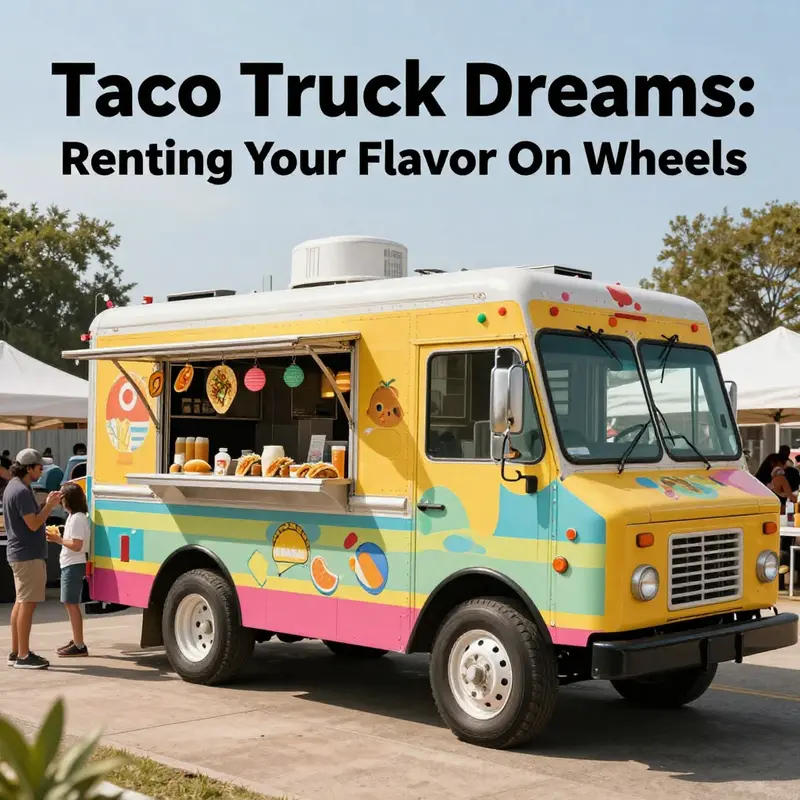
Imagine setting up a taco truck at your next event, bringing the vibrant flavors of Mexico directly to your guests’ plates. Whether you’re planning a corporate lunch, a neighborhood block party, or a festive wedding celebration, renting a taco truck can elevate your culinary offerings. In this guide, we will navigate the taco truck rental landscape, from understanding the options available to evaluating suppliers and securing the necessary permits. With each chapter, you’ll find the keys to unlocking a delicious taco experience that delights everyone, ensuring your event is both memorable and flavorful.
null
null
Renting the Taco Dream: Sourcing Options, Compliance, and a Flexible Path to Launch
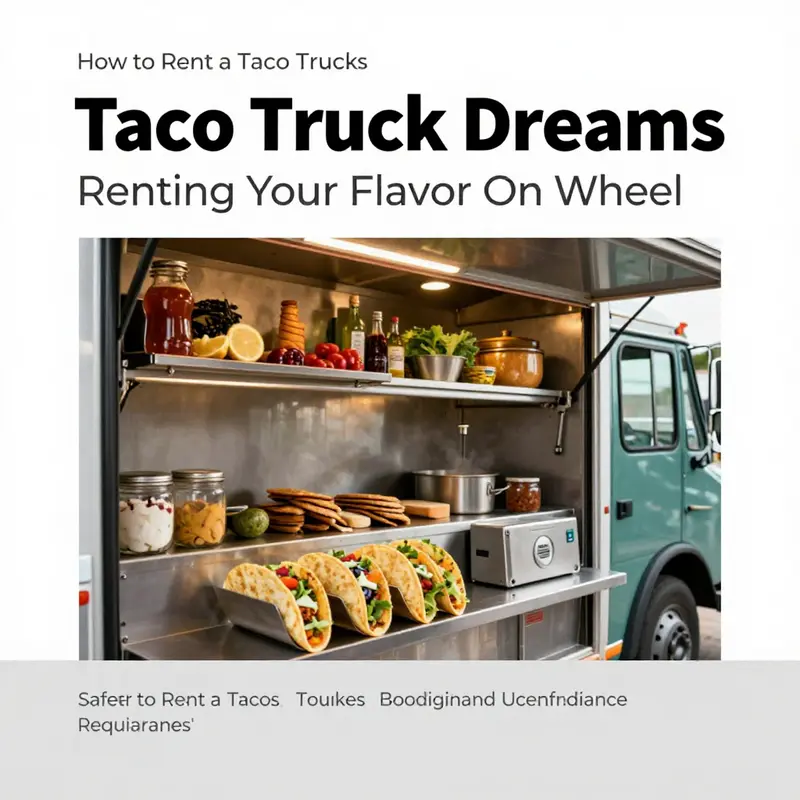
When you imagine a taco truck, the picture often focuses on ownership. But renting a taco truck is a practical option that suits certain goals: testing a market, scaling with flexibility, or bridging a capital gap while you validate demand. The landscape includes renting, leasing, buying new, buying used, and short term rentals for events. Each path has costs, commitments, and regulatory demands. The best choice starts with a clear business plan, knowledge of local rules, and a preference for the pace at which you want to grow.
The sourcing landscape is broader than many assume. Purchasing may be best if you have capital and want a long runway for customization and depreciation. A new truck offers the latest equipment and energy efficiency. A used unit can enable quicker entry with lower upfront costs, but requires careful due diligence. Renting or leasing introduces flexibility and predictable monthly costs, with maintenance and service handled by the provider in many cases. Short term rentals let you pilot at events with little commitment. A hybrid approach that blends models is common, letting you test demand in peak periods and scale down during quieter times.
When evaluating options, focus on what you are getting and for how long. For new or leased trucks, work with reputable operators who can show safety compliance and transparent maintenance records. For used units, perform a thorough inspection of core kitchen components, electrical and plumbing systems, insulation, and the chassis. Confirm the vehicle can meet local health codes and be cleared for operation in your city. Also estimate daily operating costs including fuel or power, generator reliability if you will be off grid, and routine maintenance costs.
A plan for renting or leasing should map a staged approach. Start by testing a short term rental for a season. If viable, you can consider a longer term lease aligned with anticipated revenue and seasonality. Economics should be transparent: the monthly outlay, insurance, maintenance expectations, and any penalties for wear or early termination. The relationship with a rental company should extend beyond paperwork to reliable support, scheduled services, and contingency options for break downs during busy periods. Many operators also blend models, using a rented or leased truck during peak months while pursuing catering gigs or pop ups that do not require a fully equipped kitchen at all times.
Compliance is not a one time checklist but a lifecycle discipline. Secure a business license and ensure permits align with local health department requirements. A health permit anchors routine inspections and approved processes. A food handler permit validates safe temperatures and hygienic practices. Vehicle registration is essential, with plates that reflect use in commerce. Zoning matters can shape where you can operate, especially near schools, hospitals, parks, or residences. If you plan fixed locations, coordinate with property owners; if you plan to serve at events, expect crowd control, permit durations, and venue safety rules.
Technical standards drive the build and the risk you take. Rules about materials, fire safety, and sanitation connect to safety and reliability. The choice between new or used becomes a risk management decision as much as a cost one. Core materials and construction affect cleanliness, durability, and energy use. If you work with international suppliers or operate across borders, align with local health and safety standards. Even when you rent, confirm that equipment meets safety benchmarks and that warranties cover critical components. Seek written confirmations of compliance, maintenance schedules, and availability of spare parts.
Your business model should anchor your decision. A hybrid approach that blends street vending with catering, pop ups, and delivery can offer profitability while controlling risk. Renting or leasing can fit nicely if you expect variable demand or need quick responses to market shifts. But this path still requires disciplined logistics, including shift scheduling, ingredient storage and restocking, and waste management in a mobile setting. Diligence in sourcing should extend to operations so a rented or leased truck does not become a liability when demand spikes.
At the end, safety and reliability are non negotiable. The equipment, power, water, and waste systems all support customer trust and regulatory compliance. A good supplier can provide scheduled maintenance, prompt repairs, and guidance on upgrades that boost efficiency and reduce risk. The insights you gain here lay a foundation for future growth, whether you stay with rental or move toward ownership.
A simple guiding principle helps you stay focused: rent or lease only what serves your immediate goals and respects the rules you must follow. If your market demands rapid response to events or evolving tastes, the flexibility of rental arrangements can be a competitive advantage. If you value long term equity and deeper customization, ownership may pay off. Whatever path you choose, pair it with clear cost projections, a realistic timeline for permits, supplier readiness, and an eye on the local event ecosystem. Stay connected to industry insights and safety advances to keep your operation compliant and competitive. For further context on standards in mobile food environments, seek reputable industry resources and technical guides to inform your rental or leasing strategy.
Note: This content uses plain language to outline considerations and does not constitute legal advice. Always verify with local authorities and service providers before committing to a specific sourcing path.
Rent, Reassess, Run: A Pragmatic Guide to Choosing a Used Taco Truck for Your Mobile Kitchen
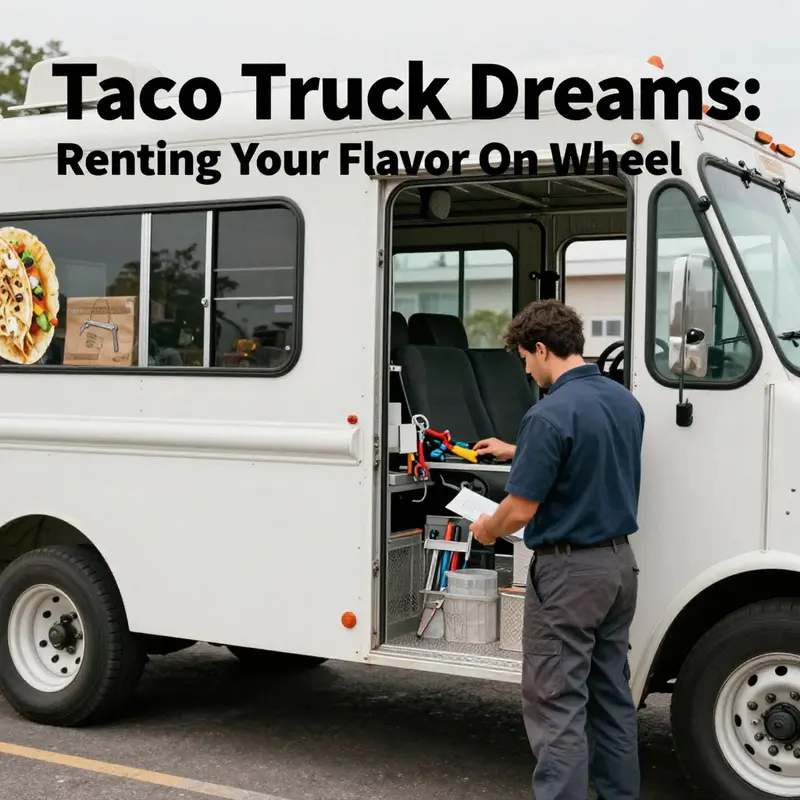
Whenever you consider renting a used taco truck, remember that the rental market is smaller than buying or leasing from a dealer. For someone testing the concept, a short- or long-term rental can be a viable bridge. The goal is predictable costs while you prove concept, location strategy, and workflow. But a used unit can have hidden maintenance needs, aging components, and layouts that don’t fit your menu. The path to a successful rental is to diagnose how well the shell supports your goals, markets, and food-safety standards.
A taco truck is more than a cooking space on wheels. It is a compact kitchen with cold storage, prep surfaces, heat sources, ventilation, a service window, and often a trompo. The trompo dictates power and space, and may require steady fuel or electricity, ventilation, and a workspace that accommodates its height. If electric operation, verify shore power or a generator with load management. If gas, you’ll need fuel lines, venting, and gas-safety compliance. These considerations drive rental terms, insurance, and permits.
The layout and equipment shape your routine and maintenance burden. A well-equipped truck with organized storage can be powerful for high-volume service, but increases cleaning and sanitation demands. When evaluating, assess refrigeration, ignition and heat sources, and electrical circuits under kitchen loads. A thorough mechanical inspection by a certified technician can reveal hidden wear in chassis, electrical, and plumbing. Just as the used-truck market emphasizes mileage history, your due diligence on a taco truck should foreground condition of critical systems.
To structure due diligence, look for documented service histories and demand a current inspection before rental. A unit with a clean maintenance trail is likelier to deliver uptime and predictable costs, essential when testing a model. The decision to rent a taco truck parallels guidance on evaluating used commercial vehicles: assess condition, confirm documentation, and bring a qualified eye to life-support systems. A practical framework is described in industry resources that walk readers through mileage considerations, ownership costs, and reliability factors as applied to taco-truck contexts. For a quick reference, consult a concise guide to model layouts and features.
Beyond the mechanics lies the business model. If you expect high-volume service at festivals or busy urban corners, a well-maintained used unit with efficient layout and built-in storage can be a differentiator. The trompo configurations demand cleaning routines and ingredient-management. It’s about turnover, waste control, and guest perception of freshness and care. A rental plan should weigh initial cost, ongoing maintenance, fuel or electricity, and availability of technicians. In markets with abundant used trucks, you may find opportunities that balance affordability with reliability. Regional dynamics vary; some markets offer good options if you scout carefully.
Permits and compliance are the quiet speed bumps. Before you operate, secure permits from your health department, business licensing, and possibly mobile-vendor permits. Requirements vary by city, so identify which permits you need, who issues them, and processing times. Map out your model: fixed locations, events, or a blend with delivery apps. A hybrid model offers resilience but demands robust scheduling, supply chain discipline, and a maintenance calendar. The most successful operators use a mix of street vending with catering and online orders to balance peaks with steady workload.
When assembling rental terms, expect trade-offs. Low monthly costs may carry higher maintenance liability; more maintenance support may raise price but reduce downtime. The choice hinges on your appetite for risk, technical comfort, and willingness to manage a mobile kitchen as a running operation. If you want to compare configurations, consult the model guide described above. Renting a used taco truck should be judged on uptime, safety, and your ability to deliver consistent food across venues.
As you decide, be disciplined in evaluation. The truck should feel like a reliable partner, not a liability. The goal is consistent performance, predictable maintenance, and a kitchen footprint that fits your venues. Take practical steps: obtain a transparent maintenance history, arrange a certified inspection of critical systems, verify electrical and ventilation meet safety standards, and confirm the layout matches your workflow and sanitation standards. With these in place, you can negotiate a rental or lease that aligns with your vision while preserving flexibility as you refine your model and scale.
Rolling the Keys: Permit-Wocused Pathways and Planning Mindset for Renting a Taco Truck
Renting a taco truck is less common than buying or leasing, yet it can be a smart way to test a market, minimize upfront risk, and learn the rhythm of street vending before making a larger commitment. The appeal lies in flexibility: you can run a menu with al pastor or other favorites, refine your process, and push forward with less capital tied up in a permanent asset. But even as a temporary or hybrid entry point, renting a taco truck requires a disciplined approach. It means moving beyond simply finding a vehicle and into a disciplined set of decisions about compliance, equipment, and the business motion you want to choreograph. The core idea is simple: a rental can be the vehicle for a tested concept, a chance to understand demand, and a way to calibrate your kitchen, your team, and your route to profitability before you own the machine that carries your brand.
To approach renting with the seriousness of a true entrepreneur, start by distinguishing what rental can offer versus the more common routes of outright purchase or lease from a financing partner. A rental often implies a shorter-term commitment and, in many cases, a turnkey package from a vendor who includes the truck, the essential kitchen specs, and some level of maintenance support. The trade-off is that the monthly or daily rate might be higher than a long-term lease, and the rental may come with constraints around customization, permit timing, or service locations. The best path is to treat a rental as a structured experiment: you gain access to a tested platform, but you still build a real business case around it—one that you can translate into a longer-term plan should you decide to own or continue renting.
The practical, on-the-ground reality is that permits and licenses drive most of the feasibility questions long before you serve your first taco. Local regulations differ widely from city to city and county to county, and even within districts, there can be distinct rules about where a mobile unit may operate, what kinds of facilities are allowed in a given zone, and what hours are permissible for street vending. A typical starting point is understanding whether your target area requires a Mobile Food Vendor Permit, a health department inspection, or a combination of both. Some municipalities designate specific food truck parks or permitted event spaces, while others demand careful route planning to stay within permitted zones and times. A truck with a trompo or other al pastor griller adds another layer of scrutiny because it introduces fire safety considerations, ventilation needs, and waste management demands that inspectors will want clearly documented and up to standard. The footprint becomes part of the permit calculus: how much space does the unit require, how will its power or fuel be supplied, and how does that footprint fit within the local zoning and safety expectations?
Compliance is not just about the vehicle; it is about the people who operate it. A rental often comes with a staff component, and every person handling food must meet basic safety requirements. In many places, you’ll need a Food Handler’s Permit for anyone who touches ingredients or serves customers. A seller’s permit might be required if you plan to collect sales tax, and an Employer Identification Number (EIN) can be essential if you intend to hire crew members. Some locales even require specialty permits for signature offerings—al pastor, for example—because the method involves a rotating trompo, which triggers fire safety and ventilation questions. The key is to view these licenses not as bureaucratic hurdles but as the scaffolding that allows you to operate legally, safely, and reliably in the places where your customers are most likely to show up.
As you map permits, think about the physical and procedural standards the rental should meet. A robust kitchen layout matters as much as the brand you’re building. A traditional taco setup, especially one that includes a large trompo, can demand a significant footprint and a stable power or fuel source for rotation. These needs influence not just your permit eligibility but also where you choose to park or operate during events or in designated zones. A spaceship-like efficiency is possible when the rental vendor has already accounted for health and safety in the design: proper insulation, dependable refrigeration, cleanable surfaces, and a layout that minimizes cross-contamination risks. A well-planned truck that covers sanitation, temperature control, and waste handling is a better partner for a growing menu, because it reduces the number of unknowns you’ll face as you scale.
In practice, the process of getting a rental ready begins with a careful vendor evaluation. You want a provider who treats safety and sanitation as non-negotiables and who offers maintenance support, quick service, and a transparent parts network. The right partner will ensure the truck you rent comes equipped with core tools—think a functioning trompo system, reliable refrigeration, and ample storage for fresh ingredients—while also supporting the administrative side of the operation. Some providers will assist with paperwork, helping you align permits with the truck’s capabilities and your intended schedule. You should walk away from any rental inquiry with a clear sense of what is included in the deal, what will require you to procure separately, and what kind of contingency plan exists if a critical piece of equipment falters during a busy service.
As you envision your first weeks on the road, keep your business model in sharp focus. Even with a rental, you need a plan that transcends the day-to-day cooking and serving. Define your target market with a clear lens: are you aiming at office workers in a downtown corridor, festival-goers in a weekend setting, or residents in a neighborhood with a growing appetite for authentic street food? Your menu and pricing strategy should reflect that audience, balancing the visual appeal and speed advantages of al pastor tacos with the realities of food costs, labor, and the rental rate. The operating schedule and location strategy should be built around traffic patterns, permit windows, and event calendars. A hybrid approach often works best: park near high-foot-traffic areas on weekdays, complement with catering gigs and group events on weekends, and leverage delivery platforms where appropriate. Draft financial projections that factor in rental fees, insurance, permits, and initial inventory, and compare them against expected revenue from your chosen locations.
To make the most of a rental, partner with an operator-ready truck that serves as a learning platform as well as a business engine. The right rental arrangement should enable you to test different locations, refine your workflow, and optimize your menu without committing to a long-term ownership decision. A practical metric emerges from this approach: if you can prove consistent daily revenue that covers the rental cost plus your operating expenses within a defined period, your business case for a permanent move becomes stronger. Conversely, if the numbers tell a different story, you will already have gathered the insights to pivot—whether that means choosing a different location mix, adjusting portion sizes, refreshing the menu, or moving to a longer-term lease with owner financing. In either outcome, renting acts as a controlled, data-driven trial rather than a leap into uncharted waters.
A useful way to frame your exploration is to view your rental as part of a broader ecosystem of street food success. The lessons you learn about location flexibility, service speed, equipment reliability, and regulatory navigation will not disappear when the truck is returned or when you transition to ownership. These insights feed into a continuous improvement loop, helping you refine operational processes, teach your team, and design a brand that resonates with locals and visitors alike. If you want a quick sense of the kinds of trucks people pursue as part of entrepreneurial journeys, you can explore a resource that surveys top models favored by aspiring operators. This reference highlights the practical realities of truck design, capacity, and ease of use, and it can offer a benchmark as you assess what a rental should deliver for your specific concept. Top food truck models for entrepreneurs
Ultimately, the rental decision is about alignment—alignment between what a vendor can reliably provide and what your concept requires to succeed. It’s about choosing a partner who understands the nuances of a rotating trompo, the hygiene standards demanded by health departments, and the marketing traction you want to build. It’s about designing a business frame that allows you to adapt as you learn: where to park, when to operate, which menu items perform best, and how to scale without overextending finances. The process asks you to be precise and practical while maintaining a sense of ambition. When you complete the permit work, secure the licenses, and align the financial math with a solid plan, you don’t simply obtain a vehicle—you unlock a platform for experimentation, a test kitchen on wheels, and a launchpad for a brand that could become a staple in your community. The journey—from permits to plates—becomes a disciplined cycle of testing, learning, and refining.
External resource: https://www.sba.gov/business-guide/starting-a-business
Final thoughts
Renting a taco truck can turn an ordinary gathering into a lively fiesta filled with delicious flavors and joyful memories. With the right knowledge about options, compliance, evaluation, and planning, you can ensure a smooth experience from start to finish. Whether you’re a cuisine lover or an event planner aiming to impress, the steps outlined in this guide will help you bring the taste of tacos to your guests. So, gather your friends and family, and get ready for a taco celebration like no other!

