

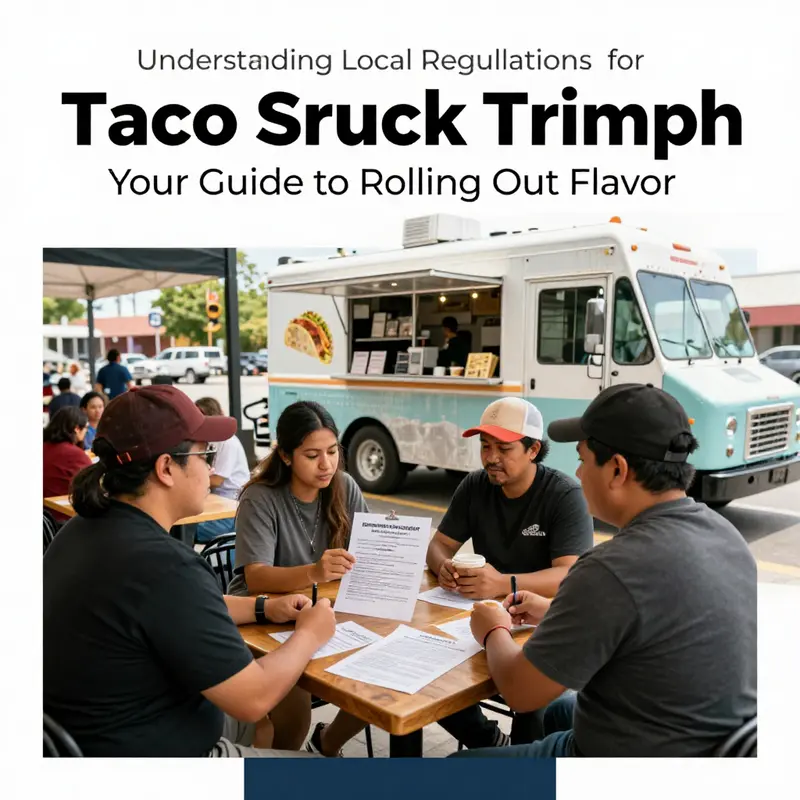
Picture this: the sizzle of fresh tortillas, the vibrant colors of toppings, and the unmistakable aroma of authentic tacos wafting through the air. For cuisine lovers, taco fans, local office workers, residents, event planners, and corporate HR teams, launching a taco truck can be an exciting venture that promises both delectable flavors and profitable rewards. Yet, before you hit the road, it’s essential to familiarize yourself with local regulations, develop a robust business plan, and design an inviting taco truck that captivates your audience. Embrace the journey ahead as we guide you through these vital steps, ensuring that your taco truck stands out among the crowd—offering customers not just food, but an unforgettable experience.
null
null
From Concept to Rolling Roadmap: Crafting a Robust Business Plan for Opening a Taco Truck
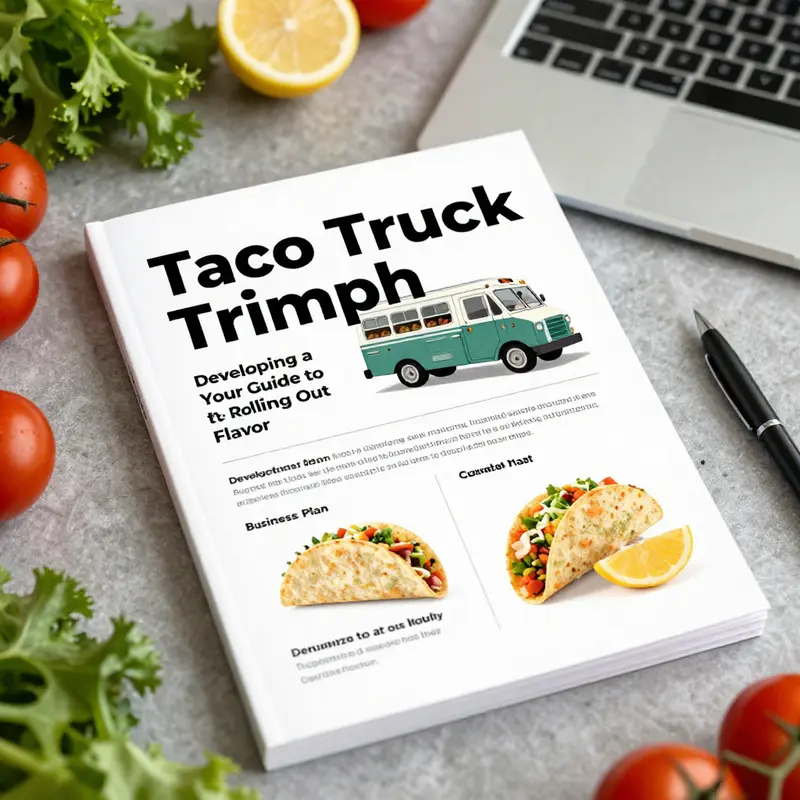
Culinary passion and street-smart entrepreneurship converge when you decide to open a taco truck. A great recipe for food is essential, but a winning business plan is the kiln that bakes it into a sustainable venture. In this chapter, we move beyond the sizzle of the pan to the steady flame of strategy. You’ll hear the language of numbers and timelines mingle with the art of flavor, because a taco truck that travels well through markets is built as much on planning as on pork al pastor or spicy carne asada. The goal is a living document that guides every decision, from choosing a concept and securing licenses to lining up suppliers and setting a route that matches the rhythm of a city’s lunch hours. A solid plan isn’t a lecture in hypotheticals; it is a practical, adaptable blueprint that keeps your truck turning, your customers fed, and your margins healthy, month after month, season after season.
Begin with the executive breath of clarity. The executive summary should be written last, even though it appears first on the page. It functions like the trailer for a movie you’re about to watch: a concise snapshot that invites lenders or partners to invest faith in the bigger story. In this domain, the story is twofold: a memorable concept and a credible path to profitability. Your concept might be a modern take on traditional street tacos, a fusion approach that blends Mexican flavors with influences from other cuisines, or a focused commitment to vegan or sustainable ingredients. The mission should land with a single, resonant line that captures both taste and purpose, such as delivering authentic, affordable Mexican street food that brightens urban neighborhoods while staying true to freshness and community.
The executive summary should also outline the scale of the venture. It’s where you answer the essential questions: What do you plan to achieve in the first year, and where do you see the brand in three years? How much funding do you need, and what will it be used for? Rather than burying these facts in a lengthy overview, present them plainly so readers grasp the financial heartbeat of the plan at a glance. This frame shapes every subsequent section, so it deserves careful attention, but it should be succinct and free of jargon. A one-page, compelling snapshot is a powerful tool to open doors, particularly when you’re seeking support for a mobile business that thrives on location, timing, and repeat customers.
Moving from overview to the more grounded sections of the plan, the company overview provides the identity and legal skeleton of the operation. Here you describe the business structure and where you’ll anchor your brand. The choice between a sole proprietorship, an LLC, or a partnership carries real consequences for liability, tax treatment, and continuity. An LLC, for instance, offers liability protection while preserving flexibility in ownership and profit allocation. You should also specify the geographic footprint—urban cores, university districts, business parks, or event venues—because location isn’t just about foot traffic. It’s about compatibility with permits, parking logistics, and the kind of crowd your concept is designed to attract. The overview should also reflect the brand’s vision: the long arc you aim to chart, such as expanding to a second truck within two to three years, or building a recurring presence at events and breweries while potentially moving toward a fixed storefront later on. Think of this section as the spine of your plan: it gives shape to the daily decisions that follow and anchors the plan to a future you’re actively pursuing.
To make the market real rather than hypothetical, the market analysis borrows the discipline of data-driven insight. Identify who you serve and why they will choose you over others. Your city’s demographics—the age, income, commuting patterns, and lunchtime habits—tell you where the demand sits and when. It’s also essential to map competitors within a reasonable radius. A truck’s success isn’t just about cooking; it’s about being visible, accessible, and consistently delivering great meals at a fair price. A useful lens is to view the market through the trend line of the broader food-service industry. In 2025, the U.S. Bureau of Labor Statistics reported notable growth in mobile food vending and related segments, underscoring the opportunity for clever operators who align quality, speed, and price with consumer appetite for convenience. This trend provides motivation to craft a concept that confidently stands up to competition, yet remains adaptable as customer tastes evolve. In practical terms, your market analysis should translate into a clear target audience: professionals seeking a quick, satisfying lunch; students needing affordable options near campuses; busy families during weekend events; or tourists exploring city neighborhoods who crave local flavor. The plan should tailor your menu and service style to that audience, ensuring that every taco, price point, and location choice speaks directly to their needs.
With market clarity in hand, the products and services section translates concept into tangible offerings. The menu becomes the instrument through which your brand identity is communicated, so design it with both delight and discipline. Core items—such as al pastor tacos or carne asada burritos—anchor the menu in tradition, while signature dishes—a “Firecracker Fish Taco,” or a plant-forward option—introduce branding that sets you apart. Pricing must strike a balance between accessibility and profitability. A practical target is to price individual tacos in a range that reflects ingredient quality, competition, and perceived value, while offering combination plates that encourage higher average tickets. Sustainability should be woven into operations, from using recyclable or compostable packaging to sourcing ingredients locally when possible. People will notice and appreciate that you’re mindful of waste, packaging, and the communal footprint of your business. The differentiation here rests on consistency and storytelling: the food must deliver a repeatable, high-quality experience, and the brand narrative—the story behind the truck, the people who cook the food, and the community you serve—must be authentic and memorable.
To illuminate the human side of the venture, the plan should include customer personas. These are fictional yet plausible profiles that represent the people most likely to engage with your truck. A well-crafted persona helps you tailor the user experience, from the speed of service to the visuals of the menu board and the tone of your social media. Consider a persona such as Alex, a 29-year-old marketing professional who values flavor, efficiency, and a photo-worthy presentation for social sharing. Alex needs a lunch option that is fast and satisfying, with clear indicators of what’s fresh and what’s healthy. This is not a caricature; it’s a reminder to design service routes, kitchen workflows, and menu item descriptions that speak to real moments in someone’s day. When the plan describes marketing and sales, it should translate personas into concrete tactics that can be executed reliably: how you’ll position your truck at peak hours, which messages resonate on which platforms, and how loyalty mechanisms incentivize return visits.
Marketing and sales strategy in a taco truck plan should feel practical and bound to reality. Social media becomes more than a showcase; it’s a real-time extension of your route. Daily posts featuring head-chef moments, fresh salsa prep, and customer testimonials keep your audience engaged between appearances. A loyalty program can reward repeat customers, encouraging a predictable rhythm of visits. Partnerships with local events, breweries, or coworking spaces extend your reach, while pop-up appearances at farmers’ markets or office parks help you test new locations and gauge demand. A useful tactic is geo-targeted advertising that focuses on customers within a few miles of your planned routes, so you maximize the value of each stop. The challenge here is to keep content authentic and timely: behind-the-scenes clips, live cooking demos, and quick, shareable updates that invite people to track your next stop. The more you can make fans feel part of your journey, the more likely they are to seek you out again and again. A well-designed plan also maps the operational cadence of your marketing: what you post, when, and how you measure impact—sound analytics that feed back into route optimization and menu tweaks.
Operations and logistics form the backbone of execution. The plan should specify the vehicle type—whether a converted cargo van or a full commercial food truck—and outline a kitchen layout that supports the menu and serves efficiently. Equipment lists should cover grills, fryers, refrigerators, handwashing sinks, and ventilation—plus safety and compliance with health codes, electrical standards, and fuel regulations. A professional builder with experience in food-truck conversions can help ensure the design is both compliant and practical for your daily routine. A good tip is to seek ISO-certified manufacturers for quality assurance, and to verify after-sales support and maintenance capabilities before committing to any build. Beyond the truck itself, the plan must lay out permits and licenses, a clear supply chain, staffing needs, and a realistic daily route schedule. It should also acknowledge potential legal constraints—noise ordinances, parking restrictions, and operating hours—that vary by city and require proactive negotiation with local authorities and venue managers. The aim is to create a road map that is not only feasible on paper but also adaptable to real-world contingencies, such as weather shifts, event cancellations, or sudden spikes in demand.
Sourcing and supplier relationships deserve careful attention because the quality and consistency of ingredients directly influence both flavor and margins. The plan should articulate a sourcing philosophy: where ingredients come from, how you preserve freshness, and how you handle storage to minimize waste. Building relationships with local farms or trusted distributors can stabilize supply, improve traceability, and support a community-local narrative that resonates with customers. In practice, this means establishing standard operating procedures for receiving, inspecting, and rotating inventory, plus a robust food-safety program that covers temperatures, cross-contamination controls, and sanitation. When properly managed, supplier relationships become a competitive advantage, allowing you to plate quality tacos consistently even as demand fluctuates across seasons and venues.
The financial plan anchors the plan in reality. Startup costs typically include the vehicle purchase or lease, equipment, permits and licenses, initial inventory, and a marketing budget. For a taco truck, a reasonable cost framework might allocate tens of thousands of dollars to the vehicle and build, with additional funds set aside for permits, licenses, and initial stock. Monthly operating expenses will include utilities, fuel, payroll if you’re not running solo, insurance, maintenance, and ongoing inventory. The revenue forecast should translate the expected daily volume and average ticket into monthly and yearly projections. A common approach is to estimate daily sales based on a target number of tacos sold per day at an average price, then extrapolate to a monthly figure. The plan should also present a break-even analysis that reveals when fixed and variable costs are covered by revenue. It’s crucial to be conservative in early years; cash flow can be tight, and the ability to approximate timing of capital needs is a vital part of fundraising discussions. Tools such as spreadsheet templates can make this process manageable, but the numerical discipline must remain grounded in real-world assumptions drawn from market research, pilot testing, and a clear understanding of operating hours and locations.
When it comes to risk and mitigation, a thoughtful plan doesn’t sensationalize threats but frames them as manageable challenges. Weather is a predictable adversary for outdoor commerce; you’ll need contingency plans such as indoor pop-ups or arranged events in covered spaces when rain disrupts street sales. Competition is a constant in popular cities; you’ll differentiate through your menu, speed, and consistent branding, but you should also map a response to competitive moves like new trucks appearing near your routes. Ingredient price volatility is a reality of food service; forward contracts, flexible menus, and a mix of core and rotating items can dampen swings in costs. The plan should not pretend risk doesn’t exist; it should show how you’ll monitor indicators and adjust operations to preserve profitability while maintaining quality.
Appendix material, while optional, can carry considerable weight when you’re seeking funding. It’s a place to show tangible evidence: sample menu designs, early guitar-slinger of a truck concept image, letters of intent from event organizers, resumés of key team members, and copies of permits. These documents don’t replace the narrative, but they bolster credibility and demonstrate your commitment. In a 2026 market where the street-food scene is evolving rapidly, a combination of a compelling narrative and verifiable evidence persuades lenders and investors that you’re serious and capable of delivering.
Finally, the plan should be practical about the tools you’ll use to run the business. Digital payments, inventory tracking, route planning, and social-media management can all be integrated into a cohesive system. The right tools reduce friction for customers and provide you with data that helps you refine the model over time. Embrace sustainability as an operating discipline: recyclable packaging, energy-efficient appliances, and responsible sourcing. These choices aren’t just ethical; they can improve margins through waste reduction and supplier relationships that favor local, seasonal ingredients. Staying agile is the core discipline: you’ll test routes, adjust menus, and shift marketing emphasis as you learn what resonates with your audience. Your plan should tell that ongoing story—how you learn, adapt, and grow while preserving the core promise of great-tasting, accessible tacos.
For readers who want a practical, fill-in-the-blank template, the field of food-truck planning offers a range of editable resources designed to align with current market expectations in 2026. A fully editable, professional template that matches the realities of modern taco trucking can be a powerful companion on this journey; it can help you translate the narrative above into concrete numbers and timelines that lenders recognize. As you move from concept to rolling execution, keep the plan flexible yet anchored: your routes will evolve, your menu will adapt, and your brand will gain the kind of resonance that draws regulars to your windows, rain or shine.
To explore the practical side of vehicle choices and layout options in more detail, you can explore deeper insights into how trucks can be configured to optimize both speed and flavor. For a focused look at model options and culinary-ready layouts, see this piece on taco trucks unleashed—top models for culinary success.
The strategic thread running through all of this is simple: treat the taco truck as a brand from day one. Your plan must weave together brand identity, customer experience, operations, and finance into a single, coherent story. You’re not just selling tacos; you’re delivering a trailer of culture, taste, and community that people can rely on when hunger strikes. The best plans do more than outline a path; they invite a future in which you can grow thoughtfully, weather challenges, and build a loyal following. In 2026, that combination—concept clarity, market insight, operational discipline, and adaptive finance—remains the true sweeter of success for a taco truck that travels well.
External Reading: For broader market trends and data that inform planning, see the U.S. Bureau of Labor Statistics resource on food service industry trends (2025). https://www.bls.gov/
Designing a Taco Truck as Brand, Kitchen, and Community: A Cohesive Path to Launch
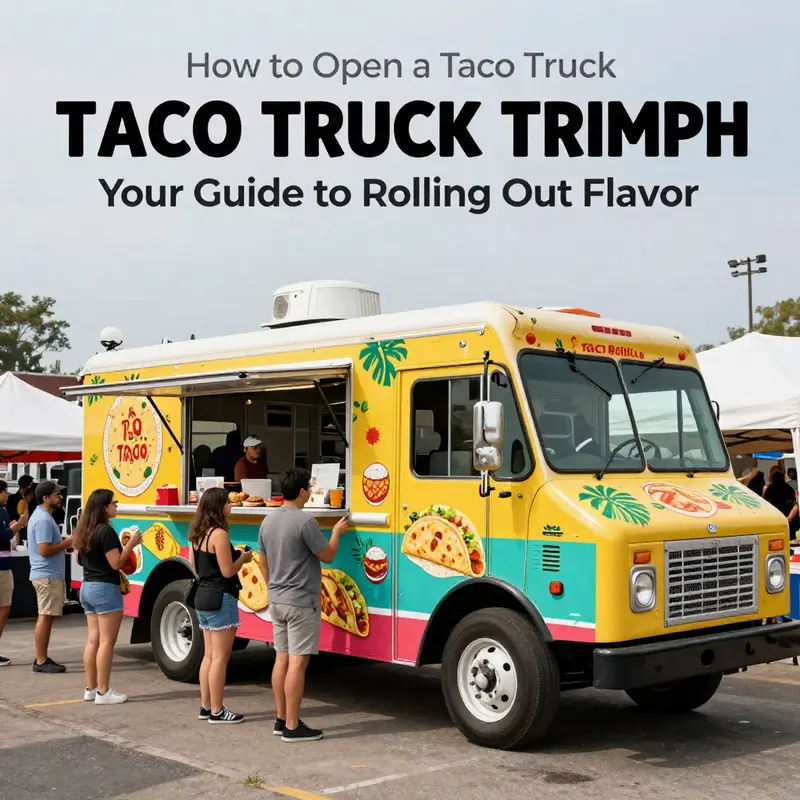
A taco truck is more than a mobile kitchen; it is a moving brand, a compact workspace, and a platform for community interaction. When you design it with intention, every inch of the vehicle becomes a tool for flavor, speed, and memory. The journey from concept to curb is less about assembling a list of equipment and more about shaping an experience that travels with you across neighborhoods, events, and markets. In this chapter, we explore how design decisions—brand identity, interior workflow, exterior visibility, and practical features—form a seamless whole that supports what you serve, how you serve it, and why people will seek you out again and again. This design-centric approach integrates with the broader plan discussed in earlier chapters, where concept, permits, and startup logistics establish the baseline. Now the truck itself should feel inevitable. It should communicate your story at a glance, deliver efficiency in every shift, and be durable enough to withstand sun, rain, and long days on wheels. As you consider your concept and audience, treat the truck as a three-part instrument: a stage for cooking, a canvas for branding, and a vehicle for connection with customers. You will want to translate your chosen niche—traditional Mexican flavors, bold fusion twists, or plant-based specialties—into visuals and spatial decisions that reinforce that niche at every touchpoint. The goal is to ensure that what people taste on the plate aligns with what they see from the curb and feel as they wait in line. To ground the design in practical terms, begin with identity. A strong brand identity travels with the truck and informs color, typography, logo placement, and even the rhythm of interaction at the service window. Decide on a name and a logo that convey your story and are legible from a distance. Then select a color palette that evokes appetite and recognition. Bold contrasts catch eyes; warm earthy tones suggest tradition; bright accents signal energy and speed. This identity should flow from the exterior wrap to the interior accents, enabling a cohesive look that feels intentional rather than patchworked. The exterior is the first conversation you have with potential customers; the interior is where that conversation becomes product. The balance between outside and inside begins with a clear plan for layout, workflow, and safety. Inside the truck, space is both resource and constraint, and the layout should function like a well-designed kitchen in a compact form. The primary objective is to create a smooth, uninterrupted workflow that minimizes movement and maximizes speed without compromising quality or sanitation. Think of zones rather than mere tasks: a prep zone where vegetables and spices are measured and chopped; a cooking zone with grill, griddle, and fryer; a finishing and assembly zone where tortillas are heated, fillings are loaded, and final touches are added; a cleaning and waste zone where sinks, sanitizing stations, and trash management live in close proximity to where they are used. The kitchen should be designed with modularity in mind. Use compact, stackable equipment where possible, and ensure there is enough clearance for a two-person team to work side by side without bumping elbows. Even the order of operations matters. Consider the path of ingredients from storage to prep to cooking to serving. Put frequently used items within arm’s reach of the prep line. Reserve a few steps between heat sources and cold storage to reduce temperature swings that affect food safety and energy use. Ventilation, aunque, must be integrated early. Efficient ventilation is not just about keeping the cook comfortable; it’s about safety, compliance, and maintaining the integrity of your ingredients and dishes. A well-ventilated space reduces smoke, heat, and odors that could overwhelm customers nearby and helps your staff work with confidence. The choice of equipment should focus on durability, ease of cleaning, and compliance with health and safety standards. Avoid overly delicate surfaces that stain easily or require niche cleaning products. Favor stainless steel or similarly robust materials for countertops, shelving, and prep surfaces. Storage should be designed with a high proportion of open space yet organized with clearly labeled bins, shelves, and hanging racks. In a mobile environment, every drop of space counts, and so does the ability to sanitize quickly between shifts or events. Sanitation is not a afterthought but a core design constraint that informs sink placement, drainage, and waste management. A two-compartment or three-compartment sink setup with hot and cold running water is standard, but the real value lies in how you route water lines, where you dispose of wastewater, and how you manage waste during busy times. Plan for a system that makes cleaning straightforward and minimizes the risk of cross-contamination. Fire safety follows close behind as an essential design parameter. Even without naming specific products, the presence of a properly rated fire suppression system and accessible shutoffs conveys a commitment to safety that customers notice and that regulators expect. If you use gas as a heat source, ensure clear separation between gas lines and electrical components, and design for easy access to shutoffs. You should also consider the service window as the face of your kitchen. The window must be wide enough to handle plate and container flow, tall enough for comfortable interaction, and positioned to create an inviting line that doesn’t block foot traffic on the street. A counter-height service area helps both staff and customers avoid awkward bending or stretching. In the same vein, the exterior design should attract attention from a distance while maintaining readability up close. Bold, legible typography and high-contrast graphics help passing pedestrians identify your concept within seconds. A vehicle wrap is a powerful, flexible medium for storytelling; it can be updated with new seasonal menus or events without requiring a complete repaint. Look for a wrap design that accommodates changes in your menu and promotions, with modular elements that can be swapped quickly during busy seasons. The wrap should integrate your logo, color scheme, and signature imagery in a way that remains legible whether you are parked at a busy street corner or a quiet festival. Exterior lighting, too, plays a critical role in visibility and ambiance. Well-placed lighting reveals the brand at night, highlights the window and any signage, and extends your operating window. It also enhances safety for staff and customers. Awnings or shade structures are not mere niceties; they influence customer comfort and the pace of service when the sun or rain is intense. Awnings create a comfortable queuing zone, protect the service window from the elements, and offer space for upsells or partner promotions without clutter. Accessibility should be woven into design from the start. Ensure that pathways are clear, the service window height accommodates a broad range of customers, and there is a systematic approach to ordering that doesn’t require customers to squeeze into tight spaces. Even subtle choices, like the height of a counter or the angle of approach to the window, matter for inclusivity and operational efficiency. The design process also needs to reckon with local regulations and permits. Architecture of the truck, electrical, plumbing, and waste management must align with health department standards and fire safety codes. Think of compliance as a design constraint that informs every choice rather than an add-on to be checked off later. For example, you should consider how you will drain wastewater, how you will vent combustion byproducts, and how you will maintain clean water supply in a mobile context. The internal and external design must work in harmony with the regulatory framework and the brand narrative you aim to tell. The design stage is also a time to gather inspiration and set expectations for future evolution. A robust plan anticipates growth: you might begin with a single truck and later add a second unit for catering or a brick-and-mortar concept, or you might layer in a mobile catering arm that travels to festivals and private events. To achieve this scalability, design for modular upgrades rather than complete overhauls. Choose a kitchen layout that can be reconfigured or expanded with minimal downtime, and select equipment footprints that fit a family of configurations rather than a single fixed plan. Inspiration can come from many places. Look for street-food aesthetics that resonate with your concept, then translate those visuals into practical design details—materials, textures, colors, and signage that reflect your culinary voice. When you want to translate ideas into concrete plans, seek tools and processes that enable you to visualize, test, and refine your truck before any metal is cut or paint is applied. This exploration should be anchored by a clear design brief: what you want the truck to represent, how staff will operate, and what the customer experience will feel like in terms of pace, aroma, and interaction. In practice, that brief translates into a set of diagrams and specifications that guide builders, but the human element remains central. The people who cook, serve, and interact with customers are the most important design feature. Their workflows, ergonomics, and comfort must be factored into the space you create. Sit with your team, test layouts with mock operations, and observe how long it takes to perform a typical service. The more you test and listen, the more you learn about what to change before a single bolt is tightened. For that reason, include a feedback loop in your process. Embed a habit of revisiting the design after a few weeks of field use, noting bottlenecks, equipment that’s awkward to reach, or moments when a customer question reveals a branding inconsistency. The best designs become better with use, not just with theory. In addition to physical design, the truck’s interior atmosphere matters. The kitchen may be loud and hot, but the branding can extend into the audio and sensory experience in ways that are practical and tasteful. Consider background music or ambient sounds that enhance the customer experience in line with your theme, and think about how visuals at the window, such as printed menus or chalkboard specials, can communicate quickly and clearly while the line moves. A well-designed truck must also be ready for the realities of outdoor service. Weather resistance, durability, and ease of maintenance become visible through choices about materials, seals, and finishes. Floors should be slip-resistant and easy to clean; walls should resist staining and be easy to sanitize; splash zones around cooking areas should be protected to prevent damage from heat, steam, or splatter. Practical details, such as the placement of trash cans near the window, the separation of clean and dirty zones, and the secure storage of ingredients and tools, contribute to a calmer, more efficient environment that benefits both staff and customers. When it comes to branding, the interior should echo the exterior story without overwhelming it. Subtle cues—like the texture of a wall finish that evokes a traditional market stall or a pattern in a tile motif that nods to regional influences—create a cohesive atmosphere. Yet interior styling should never impede function. If a color or pattern makes the workspace feel smaller, you’ve tipped the design toward aesthetics at the expense of performance. The design should remain pragmatic: a balance between look and logistics. Rely on built-in features that support both. For instance, choose storage that doubles as work surfaces when needed, or select lighting that not only brightens the work area but also highlights menu items through warm accents. The interplay between form and function is most evident in customer flow. The best designs facilitate quick, pleasant exchanges: a clear line of sight from the street to the window, an uncomplicated menu, and a staff cadence that communicates confidence. A well-planned truck reduces what could be a chaotic moment—ordering and receiving a hot taco—into a streamlined micro-event. As you finalize the design, consult your local authorities to ensure your plans reflect the latest requirements. A thoughtful workflow, compliant equipment, and a transparent brand narrative reduce friction during inspections and permit applications. In practice, that means documenting the intended layout, the proposed electrical and plumbing configurations, and the fire suppression strategy in a way that regulators can follow. It also means anticipating questions inspectors may have, such as how you handle handwashing, where waste water goes, and how you prevent cross-contamination in a compact space. The path from concept to curb requires discipline in design and a willingness to iterate. It’s not enough to draw pretty pictures; you must validate that every choice supports your daily operations, protects customers, and communicates your story clearly. To that end, keep a lean, testable design brief that you can adjust as you gain field experience. You will likely revise the layout after your first season, learning what works and what doesn’t in your climate, neighborhood, and event mix. If you are working with builders, keep them close to the design brief and maintain a decision log. Capture reasons for changes, the impact on performance, and how the updates align with your brand. The project becomes not just a build but a narrative—one that evolves with you as you learn from customers and as your concept grows. Finally, the design should be future-ready. A truck designed with future adaptations in mind is a vehicle that remains relevant as tastes change, as you expand to new locations, or as you pivot to new offerings. Modular components, flexible storage, and scalable electrical and plumbing plans enable you to grow without starting from scratch. In this way, your taco truck becomes not only a solution for today’s opening but a durable platform for ongoing storytelling and culinary experimentation. For further exploration of practical configurations and models that align with kitchen efficiency and brand alignment, you can explore this overview of popular approaches to taco truck layouts and configurations: taco truck models for culinary success. While no single layout fits every concept, the guiding principle remains constant: design for brand clarity, operational flow, and durable usability, with an eye toward growth that keeps the truck relevant in a shifting street-food landscape. Through careful design, your taco truck becomes a narrative on wheels—an ambassador for your food, a facilitator of efficient service, and a beacon that invites the community to gather, taste, and share. External resource: https://www.pinterest.com/pin/1387914782074289672
Final thoughts
Launching a taco truck isn’t just about serving up delicious tacos; it’s about weaving a tapestry of community, flavor, and culture. By understanding local regulations, meticulously planning your business, and designing an aesthetically pleasing and functional truck, you’re setting the stage for a rewarding culinary journey. Remember, each taco you serve carries a story that can delight and engage your customers. So get ready to roll out the flavors, and watch as your taco truck becomes a beloved staple in your community!

