
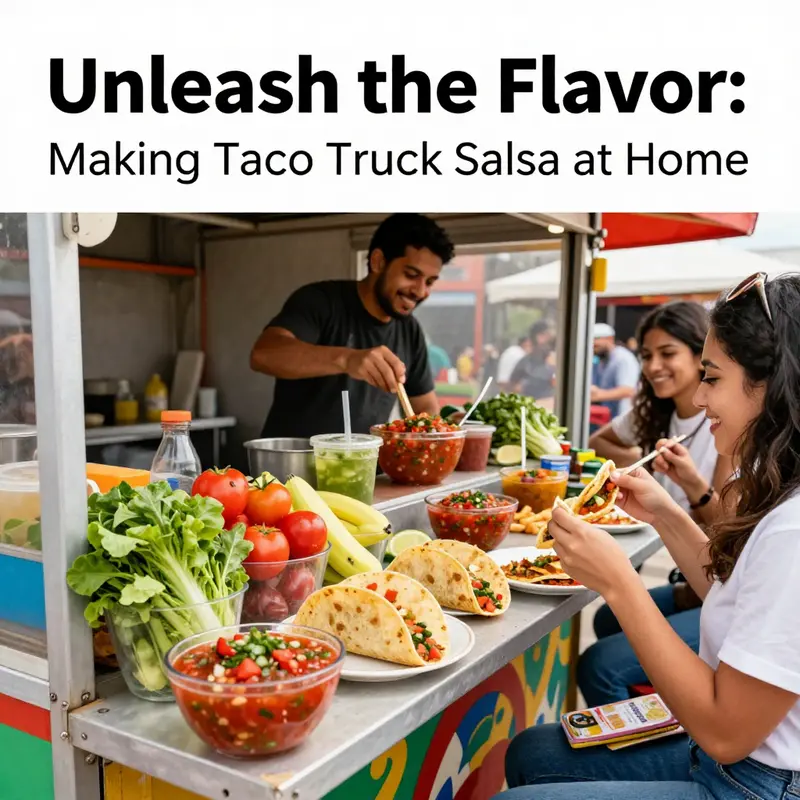
Imagine the hustle and bustle of a taco truck, the aroma of grilled meats, and the lively sounds of patrons enjoying street food. At the heart of that experience? A vibrant salsa, akin to the refreshing bites of a summer fiesta. Taco truck salsa, known in many circles as salsa fresca or pico de gallo, offers a burst of flavor with every scoop. This guide is designed for cuisine lovers, taco fans, local office workers, and event planners eager to recreate that authentic taste in their kitchens. We’ll dive into the essential ingredients that make this salsa shine, explore preparation techniques for that perfect blend, offer serving suggestions that elevate your culinary presentations, and discuss delightful variations and customizations to suit any palate. Get ready to impress your guests and satisfy your cravings with a homemade version that channels the spirit of your favorite taco truck!
The Fresh Foundation: Essential Ingredients Behind Taco Truck Salsa
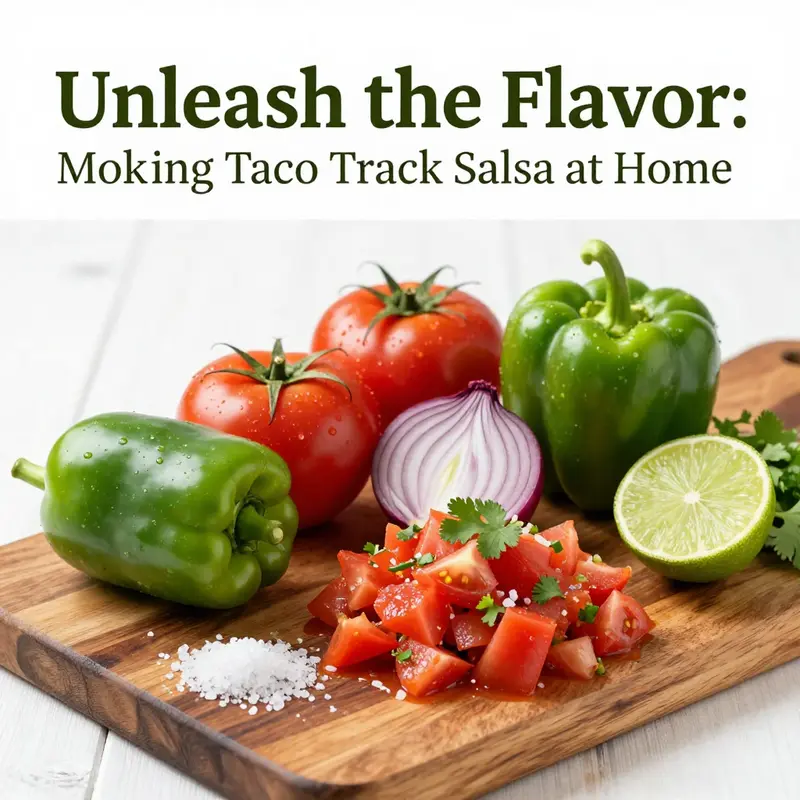
Every great taco truck salsa starts with a pocket of bright, honest ingredients and a respect for how they interact in a quick, hot kitchen on wheels. The salsa fresca you see perched beside sizzling carne asada or smoky carnitas is not a garnish but the backbone of flavor. It is the flavor that travels fast, tastes bold in a hurried bite, and somehow tastes better for being prepared minutes before serving. The essential ingredients are not just a shopping list; they are a compact philosophy about freshness, balance, and texture that any home cook or mobile vendor can translate into a salsa that feels as if it came from a street side rambling market rather than a packaged shelf. The core trio of fresh, roasted, and bright elements gives the salsa its character: tomatoes that glow with sweetness, onions that wake the palate, and chiles that carry heat with personality. When these are married with cilantro for lift, lime for acidity, and salt for depth, the salsa becomes the kind of companion that turns a simple tortilla into something memorable.
Fresh, roasted tomatoes anchor the salsa with a sweetness that only sunlight and vine ripeness can confer. In the world of taco trucks, the choice between raw and fire char is a deliberate one. Fire roasting tomatoes introduces a smoky depth that echoes the char on grilled meats and the outdoor aroma of a street cart at dusk. The texture after roasting should still allow some crinkled bite, so the chopped tomato pieces retain the sense of freshness. For a true taco truck vibe, char the tomatoes until their skins blister and blacken in spots, then peel away some of the ashy skin to reveal the ruby color beneath. If fire roasting is not feasible on a home grill, a quick blister over an open flame or under a hot broiler can still offer that desirable depth. What matters most is not a uniform mash but a gentle, smoky layer woven through the entire mixture.
Onions provide an essential counterpoint that keeps the salsa from tasting flat. White onions are prized for their clean bite, while red onions offer a touch more sweetness and color. The cut should be fine enough to distribute evenly but not so fine that the onion dissolves into mush. The goal is a textural harmony: small, stable pieces that still give a satisfying crunch. The onion’s sharpness benefits from a short soak in lime juice, which tames edge and brightens its flavor without dulling its bite. If the onions are particularly pungent, a quick rinse after chopping can help, but do not rinse away their role in the overall balance. In a taco truck kitchen, where prep happens in bursts between orders, finely chopped onions become a reliable anchor that prevents the salsa from tasting watery or overly sweet when the tomatoes release their juice.
Chiles are the real storytellers of heat and complexity. A selection of jalapeño or serrano provides the classic bite, while guajillo or even a hint of chipotle can introduce a nuanced smoke that lingers on the palate. The trick is to balance heat with the other flavors so the salsa remains accessible to many palates rather than overwhelming them. Seeds carry much of the heat, so removing some or all of them can offer control while still preserving the pepper’s brightness. In a true taco truck, the chiles may be roasted or sautéed briefly to open their oils, releasing a perfume that mingles with the lime and cilantro. When diced, the peppers should maintain a crisp texture that contrasts with the softness of the tomatoes. The result is a salsa with layers of heat that arrives in waves, not a single wall of spice. If you want a mild version, consider using milder peppers or deseed more aggressively, then let the lime and sea salt carry the flavor into focus.
Cilantro is the lift that makes everything feel fresh and grassy, a grassy brightness that cuts through the acidity and heat. Cilantro leaves have the most aroma, while the stems carry a subtler flavor that can contribute to depth if used with care. For a truck-ready salsa, finely chop the cilantro just before mixing and fold it in gently to preserve its verdant color and citrusy aroma. If you’re new to cilantro, start with a little and taste as you go; cilantro can be polarizing for some diners, so adjust to the crowd you’re serving. The goal is a balance where every bite feels sparkling and alive, not overwhelmed by onion or tomato sweetness. The cilantro’s role is not decoration; it defines the salsa’s identity by infusing a herbal brightness that ties the ingredients together and brightens even the heaviest mouthful of meat or tortilla.
Lime juice is the acid that carries the salsa forward. A good squeeze of lime brings a citrus edge that wakes the whole bowl and makes the tomatoes appear sweeter. Lime acidity should be bright and immediate, not flat. A typical guideline is the juice of one large lime for the two medium tomatoes in a traditional pico de gallo, but the exact amount can be adjusted to taste. The acid must be balanced by salt, and the lime’s aroma should mingle with cilantro and onion rather than dominate. Some cooks add a touch of lime zest, which offers an aromatic lift that the juice alone can’t provide. The lime also helps preserve the salsa briefly, lending a decision to prepare and serve in a few hours rather than letting the mixture degrade as it sits. In the busy street-food environment, a bright, tangy salsa can compensate for slight variations in meat or tortillas and still deliver an unmistakable fresh note.
Salt is the invisible architect of flavor in salsa. A careful pinch of sea salt, added gradually and tasted along the way, draws out sweetness in the tomatoes and amplifies the citrus and herbal notes. On a taco truck, salt is the line that guides the entire palate toward balance. It can turn a bowl that seems lightly acidic into something that feels complete and satisfying. The trick is to avoid over-salting early; instead, season in stages, tasting after each addition. You want the salsa to sing with brightness but not taste salted like a pickle. The salt should be present enough to knit the ingredients into a single, cohesive flavor profile. The result is a salsa that tastes clean in the moment, not one that relies on heavy modifications after it’s plated.
Optional avocado presents a gentle reminder that a salsa can cross into a creamy, guacamole-like texture without losing its identity. A teaspoon or two of mashed avocado can be blended into a portion of the salsa for a contrasting richness that complements grilled meats or fish. The avocado adds body and a velvety mouthfeel that softens acidity and heat, making the salsa more versatile in a lineup of toppings. If you choose to add avocado, do so just before serving and in a controlled amount, to preserve the salsa’s bright character. This addition is not a requirement, but it is a delightful option when the truck wants to offer a layered, texture-rich topping that feels indulgent yet still fresh.
The preparation method matters as much as the ingredients themselves. The goal is texture and balance. Chop the ingredients into small, even pieces so every bite has a chorus of flavors that harmonize rather than clash. In some traditions, the salsa is hand-ground in a molcajete, a stone mortar and pestle, to release oils and create a mosaic of texture. Ground to a coarse paste and yet with visible fragmentations, the result carries an earthy depth that reflects the terroir of the ingredients. While a blender can produce a smoother salsa, many taco trucks favor the feel of a hand-ground mix that preserves the personality of each component. The texture, when finished, should be vibrant and chunky enough to cling to a tortilla but not so coarse that it distracts from the main fillings.
Texture is the unsung hero here. The ideal salsa fresca keeps its form, giving a slight bite as you bite into it. The small dice help; the slight chew from the pepper adds a dimension beyond the glow of the tomato. When the salsa is allowed to sit for 10 to 15 minutes at room temperature, the flavors meld and the sharp edges soften. Do not refrigerate before serving, as cold can dull the brightness and make the salsa feel denser. This is where the truck’s workflow shines: ingredients are chopped, mixed, and allowed a brief moment to mingle before the customer arrives. In that window, a stall could adjust the lime, salt, or even the heat by adding more chopped jalapeño, finely minced, ensuring that every batch is tuned to the day’s context and the crowd’s appetite.
The insistence on freshness and traditional technique matters as much as the ingredients themselves. The salsa must be built from fresh, in-season produce, with no reliance on canned or pre-packaged components. This is more than a culinary rule; it is a cultural cue that keeps the flavor honest and vibrant. The vibrant color of fresh tomato, the crispness of a freshly chopped onion, and the glimmer of lime juice all convey a daily ritual of preparation rather than a canned, mass-produced product. A true taco truck will likely pre-select ingredients that shine when bright and day-of prep is possible, aligning the salsa with the day’s meat choices and the tortillas that carry it. This approach ensures the salsa travels well, tastes fresh, and remains a platform for the cook to express the season and the stall’s personality.
The practical side of making essence-first salsa on the road is both a science and an art. It is the art of knowing when the components are at their peak and when to adjust immediately for the crowd. It is the science of proportion, of dice size and mixing method, of balancing acid and salt against sweetness and heat. It is the craft of timing—enough time for the flavors to meld, and enough warmth to keep the salsa lively on the tongue. In a truck that moves from one neighborhood to another, these principles translate into a daily rhythm: choose the best tomatoes available, roast or fresh-cut with attention, dice and mix in small batches, and taste as you go. The result is a salsa that arrives with a sense of place, revealing the care behind it through bright color, crisp texture, and a liveliness that invites another bite.
The practical takeaway is simple, yet powerful: the best taco truck salsa depends on a foundation of essential ingredients handled with care. Use ripe, fresh tomatoes with a touch of char for depth. Chop onions to a fine but not mushy texture. Select chiles with heat that matches the day’s crowd, and chop them for even distribution. Fold in cilantro for brightness, and finish with lime juice and salt, adjusting to taste. If you choose the avocado route, add it at the end for a creamy finish that still keeps the salsa sturdy and bright. Above all, honor the method—whether you grind in a molcajete or mix by hand, the texture that carries flavor is what makes salsa memorable and moves a dish from good to exceptional.
For readers who want to explore how these ingredients fit into broader street-food techniques, consider this reading and practice tip as a bridge to the next chapter. In the world of mobile cocina, the story of salsa is as much about logistics as it is about flavor. The way ingredients are sourced, stored, and prepped can influence the final texture and taste as much as the choice of pepper or the exact lime used. If you want to see how street-food logistics interplay with flavor, you can explore a wider glimpse into street-food culture and mobility through the piece called Culinary Adventures in the Wild: The Jeep Gladiator’s Role in Modern Street Food. It offers a window into how trucks operate, how prep areas adapt on the move, and how cooks translate flavor into a portable, consistent product across cities and weather conditions. Culinary Adventures in the Wild: The Jeep Gladiator’s Role in Modern Street Food
To round out the guidance, a broader reference on technique and traditional bases is available online. For a deeper dive into authentic Mexican salsa techniques, you can consult The Spruce Eats, which offers a comprehensive set of methods and flavor profiles that echo the street-truck approach and help anchor home cooks in tradition while encouraging experimentation. The Spruce Eats guide on Mexican salsa recipes is a solid companion as you refine your own ratios, textures, and finishing touches. External resource: https://www.thespruceeats.com/mexican-salsa-recipes-4159628
Fresh Fire on the Fly: Mastering Taco Truck Salsa with Street-Level Precision
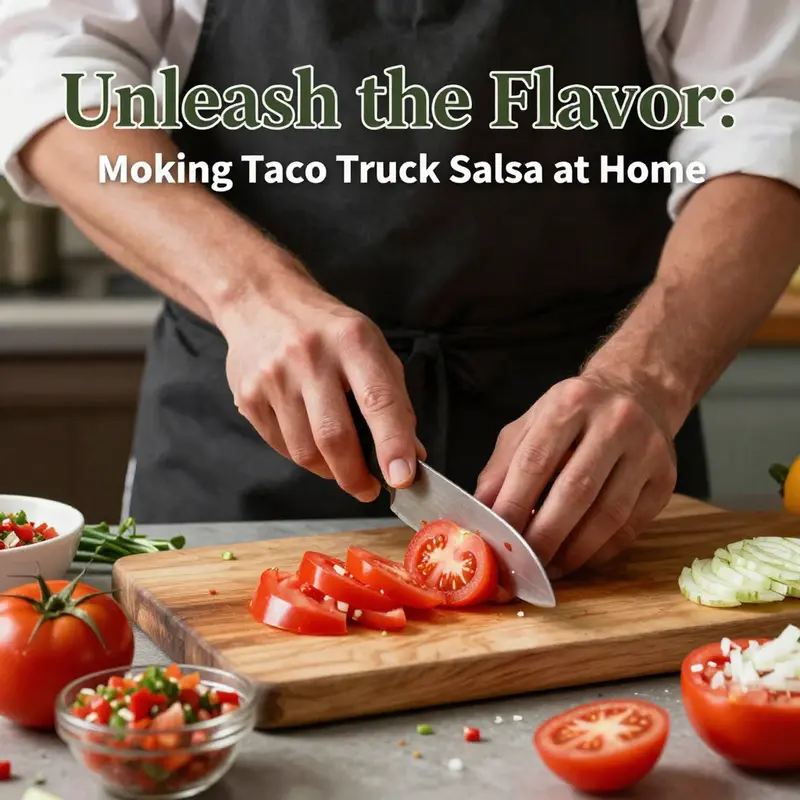
The salsa that sits beside a plate of street-told tacos isn’t an afterthought. It’s the bright heartbeat that carries the entire bite—from the first squeeze of lime to the last crumb of cilantro. In the world of taco trucks, salsa fresca, pico de gallo, or whatever the cast calls it, must deliver crunch, brightness, and balance in a single, honest mouthful. It’s as much about texture and timing as it is about ingredients. Freshness isn’t a luxury here; it’s the operating principle that separates a good salsa from a truck-day staple. The recipe that follows isn’t a distant, studio-perfect version. It’s the real-time craft of a street kitchen: fast, flexible, and deeply conscious of the conditions on a curb, under a high sun, with a line snaking toward the window. Think of the process as a choreography rather than a ritual. Each cut, each squeeze, each fold of herb is a cue that keeps the pace brisk while preserving the soul of the produce.
The foundation starts with tomatoes—ripe but firm, chosen for their sweetness and their ability to hold their shape under a quick chop. The guidance favors removing seeds and the gel surrounding them. This small step matters more than it might seem. Seeds release juice with abandon, which can loosen the structure of the salsa and turn it soupy as the chips disappear under a rush of orders. Finely dicing the tomatoes gives a consistent bite, where every mouthful carries equal weight without a single watery note breaking the rhythm. The same logic applies to onions. A small, white or yellow onion is minced to a fine grain that still offers a crisp snap. But here’s a practical trick from the trucks: soak the chopped onion in cold water for about five minutes. This mellowing pause reduces sharpness without stripping character, then a quick pat-dry helps keep extra moisture from thinning the mix. That moisture, left unchecked, is the enemy of the sassy, compact salsa that should cling to tortillas and chips rather than pool in the bottom of a cup.
The peppers—jalapeños or serranos—set the heat level. The choice depends on the crowd: a milder crowd meets with seeds and membranes removed, while someone craving a true bite leaves them in. The pepper’s heat should feel like a punctuation mark, not a wall that stifles every other flavor. Finely dicing the peppers ensures that the heat is present with every bite and doesn’t lurk in a single, aggressive kernel. Cilantro follows, chopped bright and fresh, bringing a grassy, herbal lift that echoes the citrus notes and the sweetness of the tomatoes. The lime juice is the essential acidity that wakes up the entire mix. It’s not just a tang; it is the spark that ties together the sweet tomato, the onion’s bite, and the pepper’s heat. A pinch of salt, added gradually, does the same job as a lifter does in a chorus: heightening each ingredient’s natural character without letting any one note dominate.
Optional additions in this taco-truck repertoire include avocado, mashed lightly into the mixture. The avocado doesn’t turn the salsa into guacamole; it introduces a whisper of creaminess that softens the edges when beefy or smoky proteins are on the plate. It’s a compromise between the crisp bite of traditional salsa and the indulgence some diners crave when they’re stacking tacos high with carnitas or grilled fish. If the avocado isn’t on hand, the salsa remains pristine and vibrant, its texture still a mosaic of tiny, deliberate pieces that hold their shape no matter how many tacos roll through the window.
Texture is the unseen conductor of the salsa’s success. The goal is small, even pieces that give every bite a uniform texture. You want that crunch when chips meet the bowl, and you want the same balance when the salsa tops a warm tortilla wrapped around a zesty filling. To achieve that, the chopping becomes a skill set in itself: a method that respects the ingredients and the speed of service. The result should be a salsa that doesn’t slide into a soupy pool but keeps a slight body, a gentle resistance that makes it feel substantial on a bite-sized tortilla.
Flavor development in a street kitchen is as much about timing as it is about ingredients. The official recipe suggests a brief rest—the flavors need a moment to meld. Ten to fifteen minutes at room temperature is plenty to let lime meet tomato, cilantro release its oils, and salt draw out a touch of juice from the tomatoes. A longer rest is possible, but it invites a change in texture: the heat of the peppers can soften, and the salsa may lose some of the bright snap that makes it ideal for tacos and chips. If circumstances demand more time, a rest in the refrigerator for up to an hour is acceptable, but it’s wise to bring the bowl back to room temperature before serving. The cold dulls some brightness; a quick 10-minute return to warmth wakes it up again.
There’s a case to be made for optional roasting of ingredients. A quick char over an open flame or a broiler adds a whisper of smoke that recalls the traditional flavors you might associate with interviews on a lively curb. Roasting sweetens the tomato’s depth and tucks in a subtle caramelized edge to the onion and peppers. It’s not a routine step for every truck, but it’s a nod to those cooks who want that extra layer of complexity without losing the salsa’s fundamental freshness. When roasted, the vegetables cool briefly before dicing, preserving their shape and ensuring the salsa remains sturdy enough to hold up to a hearty burrito or a plate of carne asada if such a pairing appears on the daily specials board.
As for the rest of the culinary ecosystem surrounding the salsa, seasonality matters. Ripe, in-season tomatoes bring a sweetness that counters lime’s acidity and cilantro’s brightness. Fresh cilantro should be chopped just before mixing to maintain its aroma, which fades quickly after chopping. The cilantro’s freshness is the hinge that connects all the components. And while the salsa is simple, that simplicity is precisely where the truck’s character shines. The ingredients aren’t buried in heavy sauces or canned shortcuts. They’re selected, trimmed, and treated in a way that respects the street-food ethos: quick, accessible, and deeply honest taste.
The serving ritual matters as much as the recipe. In a taco truck, the salsa is usually served alongside soft corn tortillas, a wedge of lime, and perhaps a squeeze of avocado for those who want it. The small cups and pitchers used on the curb emphasize that salsa should be a personal choice—dip or layer, scoop or spoon. The salsa’s temperature plays into the enjoyment too. A fresh, room-temperature salsa brings out the lime’s brightness and the cilantro’s herbaceousness more vividly than a cold version would. That doesn’t mean warmth is mandatory, but it does suggest a careful approach to serving times: always aim for nap-and-serve, with salsa fresh enough to carry its own personality to the table.
Innovation within a traditional framework is possible without complicating the recipe or sacrificing speed. A casual, street-food approach doesn’t demand elaborate equipment. A sharp knife, a steady cutting board, a reliable lime squeezer, and a large, sturdy mixing bowl are the appliances of choice. The emphasis remains on the technique of cutting and the discipline of timing. Even with a busy window, the salsa can be prepared to order or prepped in limited amounts that allow the flavors to stay true and the texture to remain inviting. The underlying philosophy is clear: the best salsa in a taco truck is not the one that travels farthest but the one that travels fastest to the plate, delivering brightness and balance with every bite. You can explore the broader street-food narrative that informs this approach in culinary-adventures-in-the-wild-the-jeep-gladiators-role-in-modern-street-food. culinary-adventures-in-the-wild-the-jeep-gladiators-role-in-modern-street-food.
To translate these principles into practice, consider how a single batch might scale across a day’s service. The components can be prepared in the morning, with tomatoes and onions chopped, cilantro rinsed, and peppers diced. The lime juice measured and salted in precise increments to maintain consistency. The rest period is a practical window: a quick 10–15 minutes for the raw, bright version, or a 30-minute chill if you’re seeking deeper meld and you have the prep time. If your kitchen is hot or if you’re moving toward a more smoky profile, the roasting option offers a clever shortcut to the same effect: flames—whether from a grill, a broiler, or a cast-iron surface—render a slightly charred sweetness that complements the acid and spice. The salsa remains a dynamic partner to grilled meat, beans, or even roasted corn, allowing the dish to morph with the day’s menu rather than forcing diners to adjust to a fixed flavor profile.
In the broader arc of making taco truck salsa, there’s a pedagogy at work: freshness is the nonnegotiable, texture is the silent ambassador, and balance is the shared language between kitchen and customer. The salsa is the nonverbal invitation to try more. It says, “The taco inside this shell is bright, confident, and crafted with care.” The result is a condiment that can lift a plate with minimal effort, enabling cooks to assemble more tacos in less time without sacrificing taste. It’s the kind of recipe that thrives on discipline and adaptability—the very traits that keep a curb-side operation sustainable, even as trends shift and customer expectations evolve.
For readers who want to see how this practice translates into the narrative of street dining, consider the wider culinary dialogue around salsa as a reusable concept. The approach described here aligns with how many trucks emphasize fresh, local ingredients and a no-preservatives philosophy. Salsa becomes a flexible canvas rather than a fixed product. If you want to explore a broader perspective on salsa techniques beyond the truck-counter context, an external reference offers a deeper dive into authentic practices and variations—anchored in continuous attention to fresh produce and careful technique. Authentic salsa methods, including knife work, seasoning, and resting regimes, are discussed in depth in trusted culinary resources: Authentic Salsa Recipe.
The literature on salsa also reinforces a practical truth for anyone aiming to replicate a taco truck’s approach: the best results come from intimate attention to the moment of chopping and the immediate aftermath of mixing. When you dice with intention, when you salt with conscience, and when you allow a moment of rest that respects the ingredients’ individual voices, you unlock a chorus of flavors that feels larger than the bowl in front of you. The audience—that is, the hungry line at the window—will taste the difference. The salsa becomes an extension of the truck’s personality, a portable ambassador for the chef’s craft. It’s not merely a recipe; it’s a method for keeping street food bright, fast, and reliable in a world that often demands both speed and soul.
In closing, the practice of making taco truck salsa is a study in precision married to flexibility. The steps are simple, the outcomes surprisingly complex. It’s a reminder that even the humblest components of a meal—tomato, onion, cilantro, lime—carry enough power to shape a memory of a street worthy of a crowd who keeps coming back for that first bite. The technique invites you to honor the ingredients in their peak, to honor the pace of service, and to honor the shared joy of a quick, bright, and affordable salsa that travels as well as the people who make it. This is the craft that underpins the flavor profile of many beloved meals on wheels and food-truck windows: a bright bowl, a confident bite, and the promise that freshness, texture, and balance can meet at the curb and create something lasting.
From Pico to Plate: Serving Taco Truck Salsa with Street-Table Flair
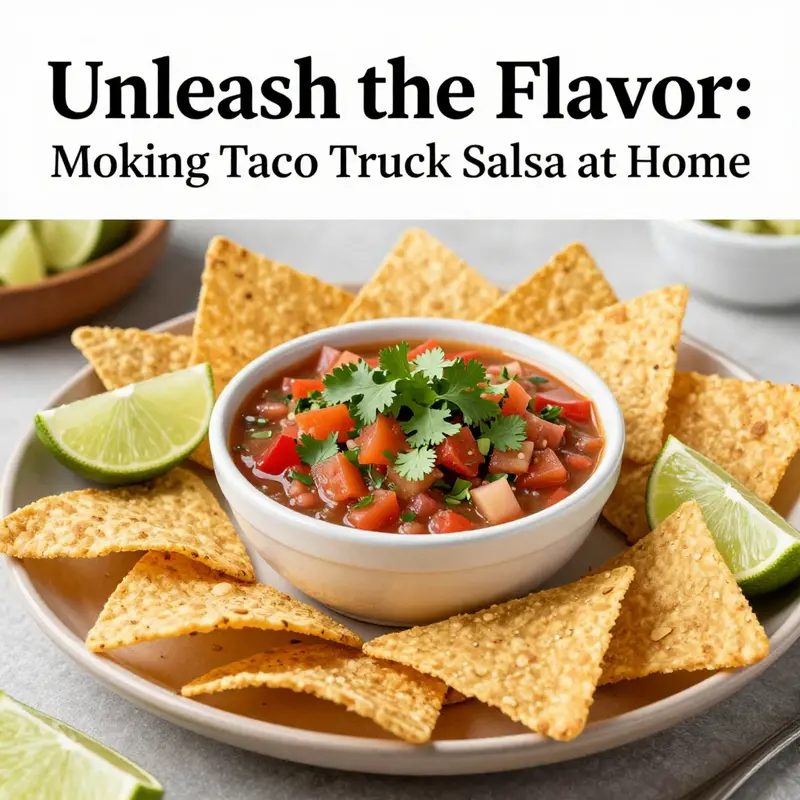
The salsa that travels with a taco truck is more than a condiment; it is a bright, unifying thread that ties the whole plate together. When you chase that fresh, street-smart flavor at home, you’re not just recreating a recipe—you’re inviting a moment of the truck’s urban energy to your kitchen table. The pico de gallo that many call salsa fresca embodies the soul of this experience: crisp, sun-warmed tomato, peppery snap from onion, the green lift of cilantro, and a lime-kissed brightness that awakens every bite. The aim, when you serve it, is to preserve that immediacy—salsa at its best is almost alive, offering texture and zing in equal measure. The key to achieving this on a home scale is to honor the same principles that guide a vendor: fresh ingredients, careful balance, and a mindset of quick assembly, quick service, and flexible use. In this light, salsa stops being a side and becomes the center of a shared, spontaneous meal.
To begin, envision the salsa not as a fixed side dish but as a customizable vehicle for texture and temperature. The recipe calls for small, even dice so every mouthful carries all the components in harmony. When you dice ripe tomatoes, you release their juice in a controlled way, avoiding a watery end that muters the crispness of the onion and pepper. The onion should be finely chopped to distribute its sharp sweetness without overpowering the fruit. If you prefer a hint of heat, a touch of jalapeño can be introduced, but with restraint. A half cup of chopped cilantro infuses a bright herbal note that reels the acidity back toward balance. A generous squeeze of lime—about a large lime’s worth, two tablespoons or so—binds the flavors with a tang that feels immediate and clean. Sea salt, added gradually, unlocks sweetness and brightens aromatics. Optional avocado mashed through at the end adds a creamy contrast that plays beautifully with smoky meats or grilled fish. These choices matter because they transform salsa from a mere topping into a bright, adaptable sauce that can live many lives across a meal.
In practice, the act of serving becomes crucial. A tray of warm tortilla chips, freshly fried or just out of the oven, is more than a courtesy—it’s an invitation to savor heat and contrast. When the chips come in hot, their crisp edges crackle against the cool, crisp salsa, offering a tactile pleasure that mirrors the dynamic rhythm of a street-side meal. The warmth of the chips also helps release the salsa’s aromas, making the lime and cilantro feel more immediate as you dive into the bowl. The contrast between warmth and cool brightness is a hallmark of taco-truck style, where every bite aims to surprise with texture as much as flavor. The salsa should rest briefly after chopping—ten to fifteen minutes at room temperature—to let the flavors mingle without sacrificing the tomato’s freshness. This rest period is essential; it allows lime to mellow into the vegetables and for cilantro’s oils to bloom, producing a more cohesive bite that still remains noticeably fresh.
Beyond chips, the salsa’s versatility is where its true value shows, especially in a setting that mimics a taco bar. A DIY taco station invites guests to assemble taco after taco with a chorus of toppings that echo the salsa’s brightness. In this scene, the salsa serves as a color and flavor anchor—carved meats, beans, or sautéed vegetables offer compatibility with the pico’s acidity and herbaceousness. To maintain an authentic street-food vibe, pair the salsa with fillings like grilled chicken, carnitas, or roasted vegetables; a light, cool salsa can balance a smoky, charred exterior. If you’re aiming for a crowd-pleaser, offer a range of fillings and allow guests to layer the salsa with lettuce, avocado slices, and queso fresco. The key is to keep the toppings vibrant and unpreserved, echoing the quick-service ethos of the truck world.
The salsa also shines as a bold dipping sauce for grilled meats. When carne asada or al pastor meets a spoonful of fresh pico, the interaction between char and brightness creates a compelling, almost culinary dialogue. Don’t drown the meat in the salsa; instead, use a modest portion as a highlight, letting the meat’s natural flavors remain the focus while the salsa provides a citrusy counterpoint and a hint of heat that you can adjust as needed. A light drizzle of lime across the meat before serving can echo the salsa’s acidity and remind guests of the bright, summed flavor profile you’re aiming for. The same approach works with grilled fish, where the salsa’s acidity can cut through the fat and lift the delicate flesh with refreshing intensity.
Of course, salsa can migrate beyond tacos. Stirring a spoonful into plain rice or beans just before serving instantly elevates those sides, transforming them from simple staples into dishes with a wakeful brightness. This technique is especially useful when you’re feeding a crowd and want to avoid dull, one-note sides. The salsa’s herbs and lime become a seasoning for the grains, infusing them with vitality without adding heaviness. In grain bowls or burrito bowls, a generous scoop on top can act as a zesty finishing touch that brightens roasted vegetables, corn, and beans. Even a simple salad can benefit: a handful of greens, roasted corn, some black beans, and a spoonful of pico with a lime dressing creates a balanced bowl where the salsa acts as a seasoning rather than a separate component.
When the occasion shifts toward melted cheese and shared warmth, salsa again proves its versatility. A ladle atop queso fundido or a heap on loaded nachos introduces acidity that fights richness and prevents the dish from feeling heavy. The creamy cheese, with its dairy-sweetness, benefits from the salsa’s tang, while the cilantro and lime add a finishing high note that keeps the experience lively. In this role, the salsa is not simply a side but a bright, crisp counterweight—an essential partner to indulgence rather than a mere accompaniment. If you’re serving late into the evening, consider placing a bowl of salsa near the hot dishes so guests can return for a bright, palate-cleaning bite between rounds.
One practical note about timing and temperature is worth repeating. The freshness that makes taco-truck salsa feel so vibrant is most apparent at room temperature. If the salsa is too cold, the bright aromatics retreat, and the texture can feel stiff. If you must transport or prepare ahead, you can refrigerate briefly, then bring the bowl to room temperature before serving to recapture brightness. A final tip is to keep the salsa separate from hot components and assemble plates as you go, ensuring each bite receives the intended balance of acidity and herbal lift. A small rest after mixing helps but should not extend into a heavy chill, as refrigeration dulls the freshness that defines the salsa’s character.
For a sense of how street-stand layouts and equipment can inform home presentations, consider the broader picture of street-food-inspired serving. The way a truck organizes its toppings, the rhythm of its service, and the charisma of its presentation all contribute to the perceived quality of the salsa itself. If you’re curious about the equipment and layout that make taco trucks efficient and appealing, you can explore ideas through several online resources that discuss market-ready setups and scalable models. A good anchor for this exploration is a guide that outlines top taco-truck models for culinary success, offering perspectives on space, flow, and workflow that translate well to home gatherings and small pop-ups. It’s not about replicating a truck exactly; it’s about adopting the spirit of efficiency, improvisation, and shared joy that characterizes the best street-food experiences.
In crafting a home experience that echoes the taco truck’s energy, think less about copying a single recipe and more about preserving the ethos: freshness, speed, and flexibility. The salsa is the centerpiece of that ethos. It’s made with ripe ingredients, chopped by hand, and seasoned to balance acidity, sweetness, and herbal brightness. It’s served not as a fixed garnish but as a component that invites improvisation—one that can accompany grilled meats, beans, rice, salads, and melted cheese with equal grace. This approach aligns with the street-food tradition of daily preparation and immediate consumption, a practice that keeps the flavors bright and the textures dynamic. And if you want a tangible link to this broader approach, you can explore resources that discuss how street-food concepts translate to home or event-scale kitchens, including practical ideas about layout and service that keep the salsa front and center.
For inspiration on authentic taco truck flavors, you can explore recipes and reviews from real taco trucks like The Taco Truck in Stuart, FL. See what people love about the flavor profiles, and consider how the balance of tang, herb, and crunch translates to your own plate. And if you’d like a sense of the community and conversation around street-side food, this external reference offers a window into the culture surrounding vibrant, fresh salsas and the people who make them with care: TripAdvisor review.
Finally, a brief note on accessibility and inclusivity. Salsas like this one invite cooks of all levels to participate in a shared ritual—the chopping, the smelling, the tasting, the adjusting. The simplicity of the core ingredients means you can tailor the recipe to different dietary needs without losing the essential character: a bright, fresh finish that invites a bite, then another. You can scale the ingredients up or down to serve a crowd, maintaining the same balance and the same texture. The entire process—dice, mix, rest, and serve—becomes a small act of hospitality, a way to invite friends and family into an experience that feels spirited, personal, and delicious. In the end, the salsa is less a product and more a memory-in-the-making: the memory of a warm tortilla, a shared table, and a moment when a humble bowl of pico de gallo carried the day with bright, honest flavor.
Internal link idea for home cooks who want to think bigger about the setting can be found in a guide to street-food-focused kitchen models, which points to practical layouts and equipment considerations for compact, efficient service. It’s a helpful reference for anyone imagining a home taco night that feels a little like a pop-up on the corner of a busy street. Consider exploring the idea of a compact, efficient setup that still preserves the salsa’s freshness and speed of service. This perspective keeps the focus on the salsa itself while acknowledging the broader context that makes taco-truck flavor feel so alive. In short, serving salsa with a truck’s sensibility means treating it as a flexible, bright, crowd-pleasing component that can travel between chips, bowls, and plates with ease.
Beyond Pico: Crafting Taco Truck Salsa with Texture, Heat, and Freshness
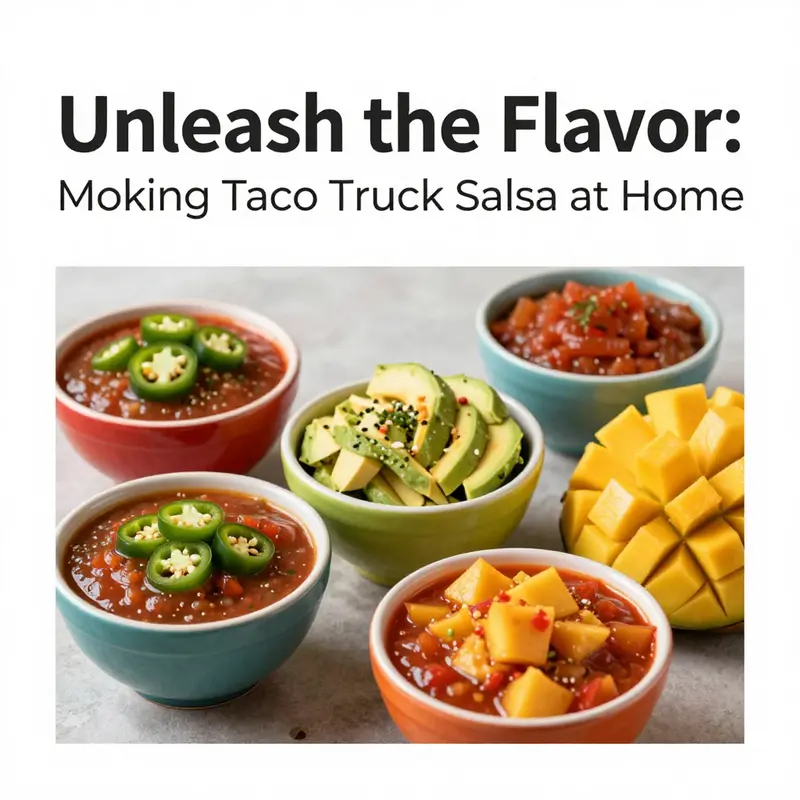
The salsa that a taco truck serves is more than a simple topping; it is a living compass for the whole bite, a bright, breathy chorus that can lift seasoned carne asada and quiet the heat of a sizzling tortilla. In many cities, the salsa is the quick, honest signature that marks a vendor’s stall. It is not a canned or bottled thing but a daily ritual: chop, fold, taste, adjust, and let the flavors mingle under the warm breeze of the street. This chapter explores the variations that define taco truck salsa, the choices that vendors make to tailor texture, heat, and balance, and how home cooks can borrow that spirit while staying true to freshness and simplicity. What makes salsa sing in a truck lineup is not just the recipe but the economy of technique and the honest respect for ingredients that arrive at peak ripeness and are used with minimal fuss. A well-made salsa fresca, pico de gallo, or its adventurous cousins can be as distinctive as a signature sauce on a barbecue road show, and just as responsive to the surrounding grill, the crowd’s palate, and the day’s harvest.
Texture is the first axis of variation that transforms salsa from a mere dip to a cooperative partner on a taco. Some trucks prize a crunchy pico de gallo: the dice are small, but not paste-like, maintaining a crisp bite that preserves a splash of brightness in every mouthful. In this version, the tomatoes are seeded and drained before they meet the knife, the onions are finely diced yet still substantial, and the cilantro leaves are minced enough to infuse without turning the bowl into a green paste. To achieve that bite, vendors often select seedless, membrane-removed tomatoes to cut down on juice, then compensate with a few crunchy peppers and careful draining. On the other side of the spectrum, another common approach is to blend or pulse part of the ingredients, yielding a thicker, more cohesive salsa. A blender can soften the edge of onion sharpness and fold the herbal brightness into a creamy, clinging mass that sticks to a tortilla. Some trucks even introduce a roasted component—charred peppers or roasted tomatillos—to deepen the complexity and create a velvety, almost stew-like mouthfeel that still wears the salsa’s fresh character on the surface.
That sense of texture influences how the salsa interacts with the vessel it sits in. A crunchy pico is perfect with a warm tortilla, letting the tomato juice pop in the bite and offering a counterpoint to a grilled, smoky meat. A smooth, blended salsa rides closer to a glaze, clinging to the tortilla and to the charwork on the meat, delivering a more integrated flavor that supports rather than competes with the main toppings. The choice often reflects the truck’s regional roots and the cook’s aim for a particular dish. In some kitchens, green salsa verde sits alongside its red cousin—an entirely different texture and a different acid base—made with tomatillos, cilantro, and unripe peppers, delivering bright tang and a grassy edge that cuts through fattier proteins. The decision to present a red, a green, or a blended sauce can visually define the menu and signal to customers what kind of taco they’re about to taste.
Heat level is the second axis of customization and one that street vendors tune meticulously. For many taco trucks, the base is mild and crowd-friendly, with jalapeños selected for a gentle warmth and a clean lime-front to keep the aroma fresh. The seeds and membranes of the pepper are often removed to tame the bite, allowing the acidity and sweetness of ripe tomato and lime to carry the profile without becoming a firework show in the mouth. Yet the heat curiosity is never far away. Serranos or even habaneros might be introduced for a subset of customers who crave a sharper, longer finish. Some trucks lean into smoke by incorporating roasted chiles or chipotle, which lends a caramelized, smoky layer that adds depth without increasing capsaicin to unbearable levels. These smoky notes can transform a simple pico into a salsa roja or a chipotle variation, where the idea of freshness remains intact but the palate experiences a lingering, warm afterglow that pairs with grilled meats and charred corn. The balance is careful: heat should illuminate, not erase, the other elements—the lime’s acidity, the tomato’s sweetness, and the cilantro’s herbaceous lift.
Base ingredients anchor the flavor family while inviting playful deviations. Tomato-based salsas are the default and the most familiar in many taco trucks. They offer a bright, immediate sweetness that plays well with grilled proteins and the mild saltiness of queso fresco or melted cheese. But a vibrant truck might also offer a salsa verde—the green route—that leans on tomatillos, cilantro, and unripe peppers for a tangy, grassy edge. Salsa verde brings a tangy contrast to the sweet meat of a carnitas taco, a citrusy burst that complements avocado and crema without overpowering them. Some vendors push beyond the tomatoes entirely and feature fruit-enhanced salsas, such as mango or pineapple, which bring tropical sweetness that pairs with grilled fish, chicken, or even spicy beef. Then there are fusions, where roasted peppers, charred corn, and a whisper of acidity combine to produce a thick, glossy salsa that clings to a tortilla. The base choice often signals the pairing strategy in the truck’s lineup: a red pico for bright, straightforward tacos; a verde for a zesty, herb-forward bite; a fruit-forward salsa for lighter, tan- or ivory-backed dishes; and a smoky version to align with heavy, slow-grilled meats.
Marination time and serving style are the subtler levers that reveal a salsa’s true character. A lot of the most striking taco truck salsas are assembled and served within minutes, the freshness immediately presented to the customer. But many authentic trucks also embrace a resting period—at least 30 minutes in the fridge—so the flavors can mingle, mellow, and harmonize. Resting allows the lime, salt, and the natural sugars in tomato to mingle, reducing sharpness while preserving the vibrant edge that defines a true street salsa. It’s not unusual for a vendor to hold a batch briefly in a chilled bowl, then bring it back to room temperature before serving to re-emphasize the brightness. Some cooks experiment with serving warmth, particularly when the salsa has been lightly sautéed or simmered alongside a roasted pepper base; a warm salsa can offer a comforting contrast to a cool, crunchy tortilla, especially in cooler evening markets. This flexibility—resting, warming, or serving fresh—speaks to the bootstrap nature of street food, where salsa is a quick, responsive companion to whatever protein or topping is on offer.
The story of taco truck salsa also includes practical truths that carry through from street to home kitchen. Freshness, not preservatives, defines the silhouette of a truck’s salsa. The best trucks insist on using in-season produce and prepare ingredients in small batches, avoiding pre-chopped onions or cilantro that shed their brightness quickly. They chop with purpose, creating a consistent, balanced texture that ensures every bite carries the same weight of acidity, sweetness, and heat. They keep a careful eye on water content; too much liquid from overripe tomatoes can thin the salsa and dull the color, while a tiny pinch of sugar can balance sharp acidity when the tomatoes aren’t perfectly ripe. They keep seeds out of the tomato or seed the peppers when a milder heat is desired, focusing on the flavor that the heat carries rather than the raw bite. They also recognize the value of contrast: a spoonful of mashed avocado stirred in just before serving introduces creamy richness that rounds the salsa in a way that’s especially appealing with grilled meats and crisp tortillas.
If you’re aiming to reproduce a taco truck experience at home, the moral of the story is simplicity with respect for ingredients. Begin with the fundamentals—the best tomatoes you can find, a sharp red onion, a bright cilantro, a fresh lime, and a pinch of salt. Dice everything to close, even sizes to ensure balance. Stir gently to preserve each texture, then taste and adjust. Add more lime for tang, more salt for depth, or a touch of sugar if the acidity feels too aggressive. Fight the impulse to over-chop or over-process. The moment you overblend, you lose the crisp bite that makes the salsa lively and leaves a heaviness that can overpower a tortilla’s delicate corn flavor. If you want a creamy element, fold in a small amount of mashed avocado right before serving, just enough to soften the acidity and introduce a velvet mouthfeel without turning the salsa into guacamole.
The chapter’s recipe still reads as a compass: 2 medium ripe tomatoes, seeded and finely diced; 1 small red onion, finely chopped; 1/2 green bell pepper or jalapeño for a hint of heat; 1/4 cup cilantro finely chopped; 1–2 tablespoons lime juice; 1 teaspoon sea salt; optional: 1/2 avocado mashed. The method follows the familiar rhythm: chop, combine, season, adjust, and rest briefly to let flavors mingle. But the beauty of taco truck salsa lies in how the same core idea can be tuned to reflect place, season, and mood. A bustling market stall in a sun-drenched square might favor a crunchy pico with pristine, crisp tomatoes and a robust onion bite. A neighborhood taco cart that leans into late-night crowds could pivot toward a smoother, more boastful salsa verde, where tart tomatillos and fresh cilantro carve a bright, herbaceous path through the meat’s fat. A seaside stand might lean toward a mango salsa that echoes the sweetness of grilled fish or shrimp, pairing with a squeeze of lime and a dusting of salt that enhances seafood’s natural saltiness.
Pro tips from the street, which translate well to home kitchens, remind us that precision and restraint can elevate a simple mixture into a signature. Use ripe, in-season tomatoes for sweetness and juicy texture. Don’t over-chop; some texture matters for the bite and for the salsa to cling to the edge of a tortilla. Avoid pre-chopped onions or cilantro; fresh chopping preserves aroma and bite. If you’re serving with grilled meats or fish, consider adding mashed avocado at the end for a creamy counterpoint. And, when in doubt, taste and adjust with a light hand—lime for brightness, salt for depth, a touch of sugar to tame acidity, and a hint of chili or roasted pepper to push the heat into a harmonious center rather than a punch in the palate.
As you explore variations, you may wish to deepen your menu with an anchor linking resource that helps you navigate the choices. For deeper guidance on selecting and pairing the right salsa with tacos, you can explore a curated discussion here: Choosing the right salsa for tacos. This kind of reference mirrors the street’s practice of presenting choices that reflect both the cook’s instincts and the customer’s curiosity. The essence remains the same: a salsa that is fresh, adaptable, and responsive to the taco it accompanies.
For readers who want to anchor their exploration in a broader culinary context, an external resource offers a complementary approach to salsa-making—one that demonstrates how a flexible, pantry-driven method can yield bright, homemade salsa using common ingredients. See this accessible method for a versatile, no-frills salsa if you’re curious about varied tomato preparations and quick techniques: https://www.foodnetwork.com/recipes/easy-homemade-salsa-using-canned-tomatoes-2147865. It is not a replacement for the street-made freshness but a useful extension for those times when kitchen constraints demand speed without sacrificing flavor. The underlying principle is the same: balance acidity, sweetness, and texture, then let the flavors settle for a moment before serving. The chapter’s goal remains to illuminate the ways variations of heat, texture, and base ingredients can tell a story, much like a taco truck’s evolving menu.
In the end, the salsa you serve is a reflection of the moment—a mirror of the market’s color, the cook’s knife, the day’s heat, and the crowd’s appetite. It is an instrument with which you can orchestrate your tacos, guiding each bite toward a chorus of freshness that celebrates the essential charm of street food: speed, simplicity, and a chef’s attention to the tangible, sensory details that make flavors unforgettable.
Final thoughts
Now that you’re equipped with the knowledge of making taco truck salsa, the vibrant flavors are just a quick prep away! Whether enjoyed with chips, as a topping for tacos, or even as a dressing for grilled meats, this salsa brings the taste of the streets right to your table. Remember to choose your ingredients wisely, prepare with care, and feel free to experiment with the recipe to make it your own. Get inspired by the freshness of each component, and let every bite transport you to your favorite taco truck. It’s more than just salsa; it’s an experience waiting to happen!

