
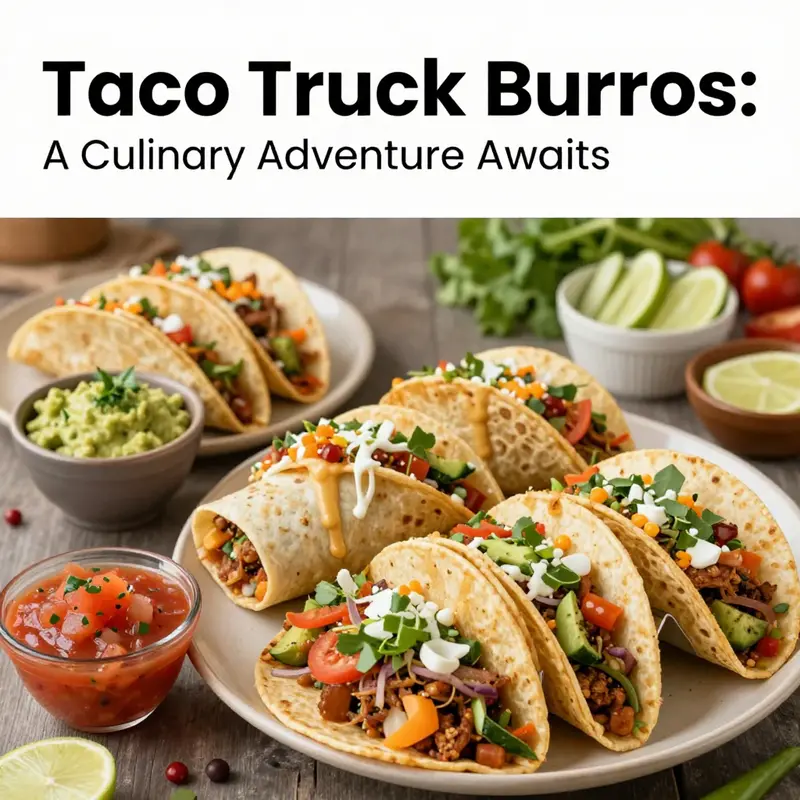
Craving the bold flavors and satisfying wraps of taco truck burritos? You’re in the right place! Picture this: warm tortillas filled with savory, seasoned meat, hearty beans, fluffy rice, and a medley of toppings. Whether you’re an office worker longing for a delicious lunch, a taco enthusiast looking to spice up dinner, or an event planner searching for crowd-pleasing bites, this guide will take you step-by-step through creating authentic taco truck burritos right in your kitchen. Each chapter dives deep into essential ingredients, cooking techniques, and pro tips, ensuring your tacos truck experience is not only replicated but celebrated. Get ready to roll up your sleeves and unleash the flavors of Mexico in your home kitchen!
null
null
Flavor Foundations: Building Authentic Taco Truck Burritos from the Ground Up
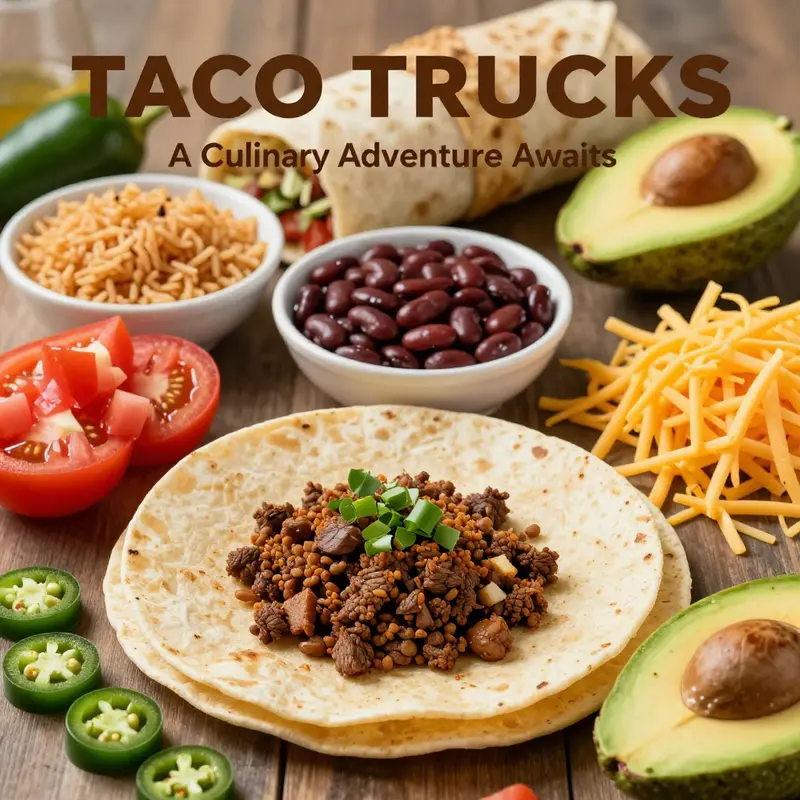
When you think of a taco truck burrito, the first thing that comes to mind is the way bold, confident flavors meet satisfying textures in a single bite. The magic happens not just with what goes inside, but with how it all comes together—how the protein holds its own beside beans and rice, how the spices wake up the palate, and how a tortilla folds a warm, savory heart into something portable, snackable, and deeply comforting. This chapter dives into the essential ingredients that form the backbone of authentic taco truck burritos, and it treats every component as a deliberate layer in a well-balanced mosaic of taste and texture. The goal is not merely to imitate a street-food sensation at home, but to reproduce its spirit: the confidence of the seasoned crew, the aroma that lingers in the air, and the crisp, almost caramelized exterior that hints at the burrito’s hot, comforting interior.
Central to the flavor foundation is the protein base. Ground beef, when selected with care, offers a robust, fatty richness that can stand up to bold seasonings. Ground beef should be ground finely enough to mingle with spices and bind with the grains of rice and beans, creating a cohesive filling rather than a crumbly mix. If you prefer leaner options, thin-sliced bottom round provides a lighter, more economical alternative without losing depth of flavor. Shredded chicken is another pathway to the same destination, bringing a lighter texture and a different mouthfeel that still carries the same heat of the seasoning blend when cooked properly. For vegetarians or those seeking heart-healthy options, a seasoned pintos-and-rice base provides a satisfying, protein-forward center that remains faithful to the taco truck ethos. The idea is simple: let the protein be the anchor, not a mere garnish, and ensure it pairs seamlessly with the rest of the composition.
The seasoning that threads everything together is more than a quick sprinkle; it is the flavor bridge that transforms simple ingredients into a truck-stand staple. A well-crafted taco seasoning blends cumin, chili powder, garlic powder, and onion powder with balance and restraint. Cumin lends warmth and an earthy undertone, a quiet backbone that makes the dish feel grounded rather than flashy. Chili powder contributes the classic chili-kick that defines the profile, while garlic and onion powders bring savory depth and a hint of sweetness as they mingle with the fats in the meat. Salt and pepper are essential, but they are not the star; they are the moderators that allow the other spices to sing. The key is in layering: start with the protein, then build the flavor by adding the seasoning gradually, tasting as you go so that the warmth of the chili doesn’t drown out the more delicate notes of onion and garlic. A homemade blend, kept simple yet precise, anchors the burrito in authenticity rather than recipe rigidity, letting the natural flavors of the meat, beans, and toppings shine through.
Fresh ingredients provide contrast, brightness, and a crisp counterpoint to the rich, savory core. A squeeze of fresh lime juice brightens the mix, lifting fat and heat while adding a citrusy sheen that refreshes the palate between bites. Crisp cabbage offers crunch and a cool counterpoint to the warmth of the seasoned filling, while chopped cilantro contributes a green, aromatic lift that announces freshness with every bite. Diced tomatoes introduce juiciness and a touch of sweetness, though they are optional if you’re aiming for a cleaner, more streamlined burrito. Together, these elements create a bright, dynamic balance: the tang from lime, the chew from cabbage, the herbal lift from cilantro, and the warmth from the seasoned protein. In a well-executed burrito, each bite carries a whisper of brightness that keeps the palate engaged and ready for the next layer of flavor.
Creamy components are the counterweight that tames heat and adds a luxurious texture. Guacamole brings a velvety mouthfeel and a cool, creamy richness that communities of flavors can rest on. Sour cream adds tang and moisture, softening the heat and binding the filling into a cohesive mouthful. While these elements are optional for some, they are among the most beloved additions in taco truck culture. When combined with the lime, cilantro, and fresh vegetables, they create a balanced triad: brightness, creaminess, and heat all held together by the protein and grain base. The result is not simply spicy meat wrapped in a tortilla; it is a layered experience, where each component complements and elevates the others rather than competing for attention.
The grains and legumes—rice and pinto beans—play their own quiet but essential role. Rice offers a soft, starchy bed that anchors the burrito and helps to distribute fillings evenly. Pinto beans bring earthiness, protein, and a forgiving texture that holds up well against the spicy meat and the crisp tortilla. The recommended approach is to cook both components separately and then fold them into a unified filling. When the rice is fluffy and the beans are well-seasoned, they act as a forgiving canvas for the spices, a neutral foundation that carries the more dynamic notes of meat, spices, and toppings. This pairing—rice and beans—also mirrors the practical, on-the-road mentality of taco trucks, where a compact, reliable combination can be prepared quickly and taste consistently good day after day.
To truly capture the taco truck essence, a well-wrought tortilla is indispensable. Soft, pliable flour tortillas provide the perfect vehicle for a generous, hot filling. They must be warmed so they become flexible enough to roll without cracking, yet sturdy enough to hold a hearty amount of filling. A quick heat in a dry skillet or on a flat surface achieves this, with each side touched by the warmth to encourage pliability. If you want a crisper exterior—akin to a street-side finish—the burritos can be given a gentle sear in a hot non‑stick pan after folding. A little butter or oil added during this step can create a delicate, caramelized crust that seals the burrito and adds an extra layer of texture and aroma. The result should be a burrito that holds together when sliced, with a warm interior and a lightly crisp exterior, a balance that echoes the experience of a well-run taco truck lineup.
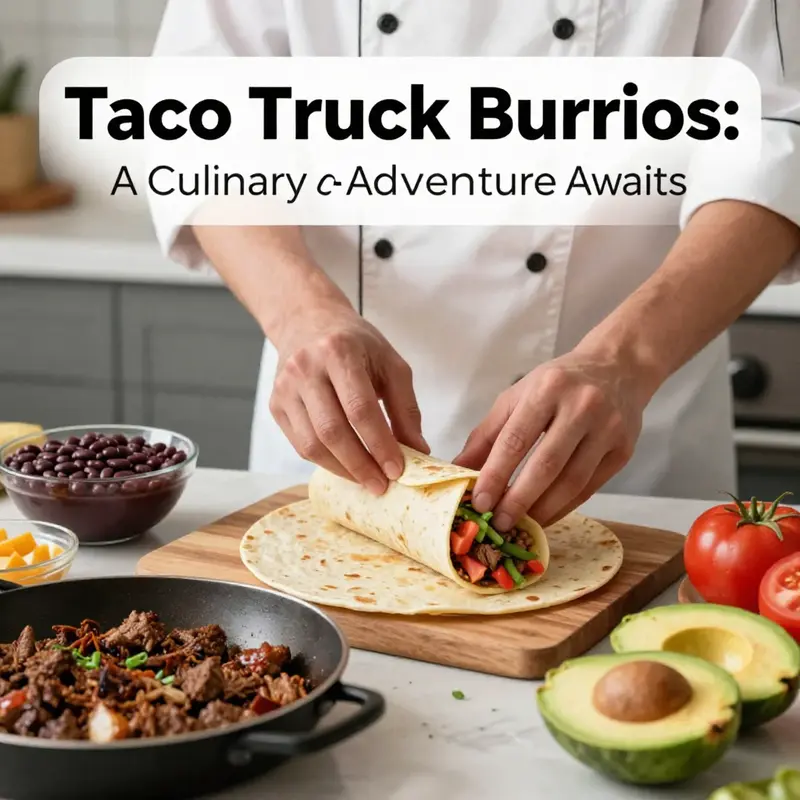
Assembling the burrito is an art of distribution as much as it is of choice. Lay the warmed tortilla flat, then spread a generous layer of the rice-and-bean mixture along the center. Layer a handful of shredded cheese so it melts into the filling as heat from the rest of the burrito travels through. Top with diced tomatoes and any extras you love—jalapeños for heat, avocado for creaminess, or a dollop of sour cream for tang. Fold the sides inward, then roll from the bottom up with intention, so the filling is secured in a neat cylinder. The goal is to achieve a roll that behaves itself, staying intact from plate to bite, while still offering a warm, savory interior that speaks of home cooking with professional confidence.
While the basic approach yields a fully satisfying burrito, there is value in a finishing touch that echoes the authentic crispy exterior often heard about in taco truck lore. A quick, medium-high sear on the rolled burrito—seam-side down—2 to 3 minutes per side, pressed gently with a spatula to promote contact and browning, develops a subtle crunch and a golden sheen. This step is optional but highly recommended for those chasing that signature truck texture. A touch of butter or oil during the sear adds a final layer of richness and aroma, almost like a chef’s kiss to the technique that makes a burrito feel special rather than routine. The result is a burrito that offers a satisfying bite from start to finish, with a satisfying exterior and a deeply flavorful interior.
The serving experience is simple and satisfying: cut the burrito in half to reveal the cross-section, then present with a side of sour cream, a spoon of guacamole, and a simple salsa if you like a bit more brightness. This is where the practical meets the culinary: a burrito that travels well, can be made in larger batches for gatherings, and still tastes like a carefully composed dish rather than a rushed wrap. The philosophy behind this approach is straightforward: keep flavors balanced, textures varied, and the core elements—protein, beans, rice, vegetables, and a touch of creaminess—in harmony. With careful selection of ingredients, a little practice with layering, and a gentle touch on the pan, you can achieve that coveted taco truck character right in your own kitchen.
For readers curious about gear and technique that extend beyond the home kitchen, there is a wealth of practical insight in professional practice. The route to consistent results on the road hinges on reliable cooking surfaces, temperature control, and repeatable processes. If you’re curious about the equipment choices or the workflow that helps taco trucks deliver the same flavor and texture night after night, see taco trucks unleashed: top 5 models for culinary success. This internal reference offers a window into how operators maximize efficiency and consistency, ideas that you can translate into a home kitchen without losing the essence of the street-food experience.
External resources can also deepen your understanding of seasoning balance. A reliable, well-tested taco seasoning blend is the backbone of consistent results, whether you’re preparing batches for a week of meals or a weekend burrito night. For a thorough, approachable guide on building your own taco seasoning, see The Spruce Eats’ comprehensive recipe and tips. This external guidance complements the practical in-kitchen approach outlined here and helps you tune the spice profile to your taste while preserving the authentic balance that defines a taco truck burrito: https://www.thespruceeats.com/homemade-taco-seasoning-recipe-4586932
Rolling Flavor on the Fly: Techniques for Crafting Taco Truck Burritos at Home

On a busy night, a taco truck runs like a well oiled orchestra. The sizzling griddle, the quick flip of a tortilla, the steady stream of beans and rice sliding into a warm, pliable shell. Recreating that efficiency at home means translating a truck line into a home kitchen rhythm: mise en place, heat control, precise layering, and a finish that makes the burrito crackle with character as you bite in. The aim is not just to imitate a street food staple but to embody the confidence of professional cooks who know their fillings, their tortillas, and the moment when a burrito should sing with heat and harmony. In this chapter, we wander through a seamless sequence that yields burritos with the familiar balance of smoke, spice, and softness—an approach you can rely on whether you are feeding two, three, or a small crew after a long day.
Begin with prep as a promise of smooth service. Gather everything you will need before the first pan hits the heat. Brown the meat, set aside the onions, simmer the tomatoes into a vibrant base if you wish, rinse and drain the beans, and have the cooked rice ready. Season the filling with chili powder and cumin, with salt and pepper to taste. The idea is to keep the filling cohesive, not soupy or dried out. If you like heat, keep sliced jalapenos nearby, and if you want creaminess, have avocado and a dollop of sour cream ready to mingle with the salsa and beans later.
Heat the tortillas in a dry skillet over medium heat, about 15 seconds per side to loosen the dough and soften the starches so they roll without cracking. If you prefer, foil wrapped and a short bake can work too when feeding a crowd. The tortilla texture matters as much as its size: soft, flexible tortillas that still hold up to a hearty filling are your best friends in a truck style burrito.
The sizzling heart is the meat. Cook the protein in a hot pan, browning and developing color. Dry pan, not drowning in oil. Break into small pieces so each piece sears. If you are using chicken, use small shreds and steady heat until the meat is cooked and slightly crispy. Once browned, add the onions and sauté two to three minutes to release sweetness and depth. Then stir in chili powder and cumin, salt and pepper to awaken the aroma.
With a base of browned meat, add rice and beans. Stir in cooked rice and pinto beans, heat through, letting grains mingle with the meat’s caramelized edges. A brief simmer after adding the rice and beans helps blend flavors and make texture cohesive.
Build the burrito by laying a line of rice and beans, then a band of shredded cheese, then the protein, and finally tomatoes or salsa. The order matters for sealing and even distribution. Too much filling can tear the burrito; too little leaves it underwhelming.
Rolling is a discipline. Fold the sides inward, roll from the bottom tightly, and seal with a tight final roll. Wrapping in foil adds warmth and neatness, and toasting briefly after foil helps a light crackle on the exterior. A little butter or oil during finishing can deepen color and aroma.
Serve with a dollop of sour cream, guacamole, or salsa on the side. For meal prep, burritos can be frozen and reheated later without losing texture.
Flexibility keeps it practical. A low carb option like lettuce wraps can offer crunch while maintaining filling. The professional approach balances technique with adaptability to crowds and orders. This is the spirit behind the high volume, flavorful style of taco trucks: exterior crackle and a hearty interior that speaks to good planning.
Rhythm and practice create consistency. Prep components, heat briefly to release aroma, assemble in a clear order, then seal and finish for texture that travels well. If you want to learn more, you can explore the wider practice of mobile kitchens and street food design in related resources.
Internal link note: for a broader sense of street food culinary adventures see this piece: https://ordertacoselpelontacotruck.com/blog/culinary-adventures-in-the-wild-the-jeep-gladiators-role-in-modern-street-food/
External resource: for broader professional techniques used by commercial taco trucks, see: https://www.foodtrucks.com/taco-truck-guide-technical-specs
Cracking the Flavor Code: Mastering Authentic Taco Truck Burrito Flavor at Home
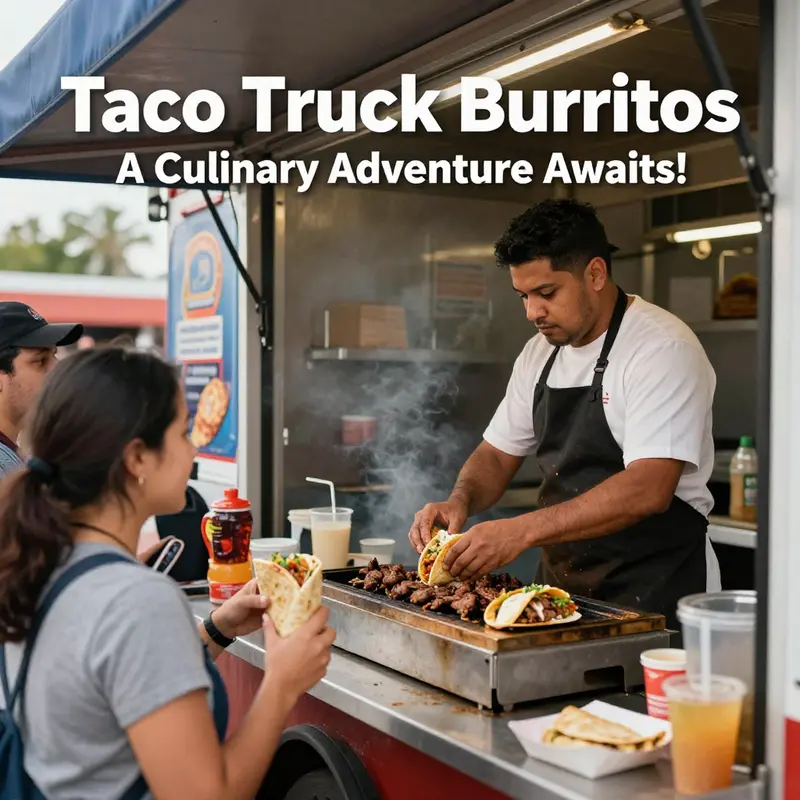
Flavor, texture, and technique come together in a burrito that tastes like a night on the town rather than a home kitchen recipe. Start with a solid meat foundation—ground beef or shredded chicken seasoned with a balanced mix of chili powder (ancho or New Mexico for warmth), cumin, garlic and onion powder, paprika for color, and a touch of oregano. Brown the meat in a single layer until the edges crisp, then rest to retain juiciness. Build the filling with cooked rice and rinsed pinto beans for body, bright tomatoes for tang, and optional mild chili sauce to tie the elements without creating a glaze. Choose a cheese blend that melts smoothly but doesn’t overwhelm. Prepare tortillas warm and pliable; lay a long line of filling, sprinkle a modest amount of cheese and toppings, then roll tightly. Finish in a hot, lightly oiled skillet to develop a golden exterior with a gentle crunch. Balance and restraint are the keys: let each component shine, then allow the tortilla to carry the whole bite in a compact, handheld package. If you meal-prep, wrap in foil and reheat gently. The result should be a portable, comforting, street-food-inspired burrito that travels well and tastes distinctly of home-cooked flavor.
From Cart to Kitchen: Essential Craft and Flair for Authentic Taco Truck Burritos at Home
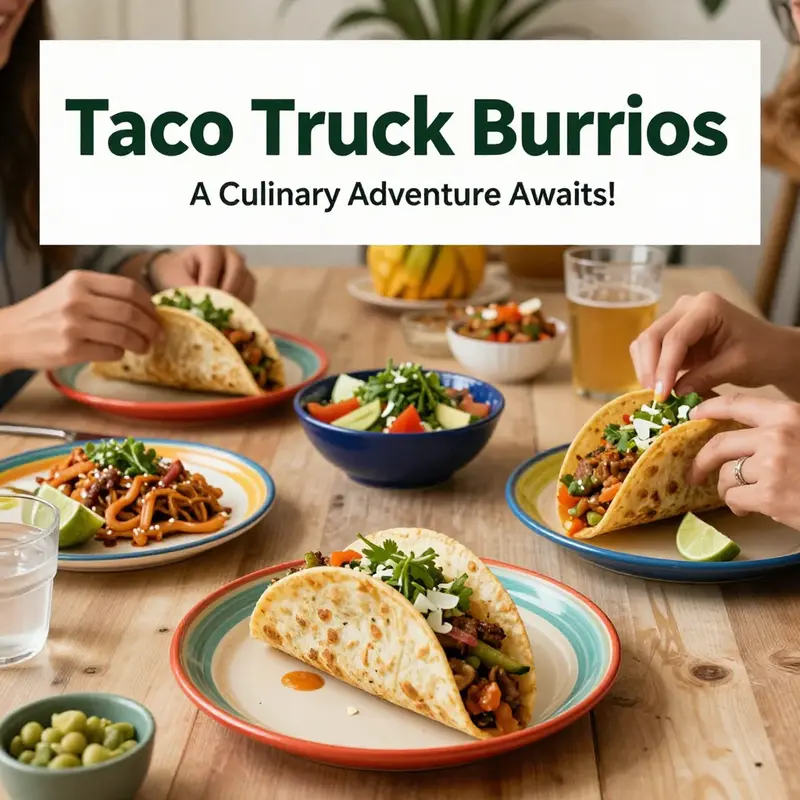
The scent of sizzling meat, the hiss of onions, and the sight of steam rising from a warm tortilla can transport a home cook straight into the heart of a busy street kitchen. Recreating that taco truck burrito experience at home isn’t about chasing a magic shortcut; it’s about understanding how flavor, texture, and technique work together in a tight sequence. When done with care, a kitchen can emulate the high-volume, satisfying bite that people chase on crowded corners and late-night windows. The core of this craft lies in five steady considerations: choosing quality ingredients and prepping them with intention, selecting and handling tortillas in a way that preserves pliability and crack-free rolling, layering components to maintain texture and prevent sogginess, finishing with a touch of pan-seared crust to echo the street-punk crisp, and finally managing portions and toppings so every bite feels balanced and personal. These ideas are not theoretical; they come from the practical rhythm of a bustling taco operation translated into a home kitchen, where the rhythm is slower, but the stakes—flavor, consistency, and satisfaction—remain high.
First, the backbone of any good taco truck burrito is the filling. The recommended proteins strike a balance between tenderness and bold seasoning. Slow-cooked beef that shreds easily, or shredded chicken that absorbs seasoning deeply, provides a foundation that stays juicy while remaining robust enough to stand up to other ingredients. The research materials emphasize not just cooking the protein through but seasoning it to develop a smoky, rounded note. A simple mix of chili powder and cumin creates warmth and depth without overwhelming the palate. Beans—pinto or black—should be fully cooked and well-seasoned, contributing a creamy texture and a gentle earthiness that harmonizes with rice. The rice itself acts as a neutral technology, a carrier that soaks up a bit of sauce, catches a pop of tomato, and provides body to the burrito. A cup of diced tomatoes adds brightness and moisture, ensuring the burrito doesn’t turn dry mid-roll. When choosing ingredients, the idea is to assemble a filling that remains cohesive pool after pool of flavor when wrapped, not one that disintegrates into crumbles or leaks. As you pick through your pantry or market, think about resistance to time. The burrito needs to travel from pan to plate without shedding parts of its soul along the way.
Tortilla selection and handling shape the entire experience as much as the filling itself. The debate between corn and flour tortillas is ongoing in many kitchens, but the home cook’s goal is pliability and resilience. Flour tortillas tend to be more forgiving for burritos, offering stretch that helps maintain a neat, compact roll even when the filling is generously packed. That said, a few tortillas of the masa variety bring a rustic aroma and a hint of earthiness that can pair beautifully with the smoky beans and seasoned meat. Regardless of type, the crucial move is to warm the tortillas gently and evenly. A dry skillet over medium heat, swirled briefly on each side, softens the dough and releases its oils, making the tortilla pliable and less prone to cracking when you roll. If you prefer a warmer environment, you can wrap them in foil and heat in a low oven for a short period. The idea is to reduce stiffness while preserving the integrity of the tortilla’s surface—no dryness, no stiff edges that crumble in the rolling process. In practice, this means paying attention to time and heat, not just a single moment of warmth. The aim is a tortilla that folds with ease while maintaining a subtle texture that will crisp slightly in the final sear.
The layering technique is where many burritos either sing or sag. To keep sogginess at bay, you approach the assembly like a chef composing a painting: damp elements stay toward the center, while the bolder, drier components anchor the edges. Start with a spread of the rice-bean mixture down the center of the tortilla. This base layer serves as both a moisture barrier and a flavorful canvas. On top, add shredded cheese so it can melt into the warm rice as you roll, locking in creaminess and adding that classic melt-and-stretch texture. Diced tomatoes bring a fresh acid note, brightening the richness of the meat and beans. If you’re including jalapeños, avocado, or a dollop of sour cream, place them toward the center or on a side of the burrito so they don’t overwhelm the roll. A careful mind toward portioning—no overstuffing—ensures that every bite delivers an equal share of texture and spice. The “fold-and-roll” technique becomes the signature move: fold the sides inward, then tightly roll from the bottom. The burrito should feel compact, like a single cohesive unit, rather than a loose bundle of ingredients.
Crisping the exterior is the final flourish that distinguishes home burritos from everyday wraps and brings in that true taco truck character. A hot non-stick skillet, lightly oiled or brushed with a small pat of butter, finishes the burrito with a shallow sear that makes the tortilla flavorful and adds a gentle crunch. This step also helps seal the roll, keeping the interior warm during serving. The time required is modest—just a few minutes per side—yet the payoff is substantial: a burrito that looks and tastes as if it spent a shift on a griddle, with a lightly caramelized edge and a satisfying crackle as you bite through. If you’re meal-prepping, you can pre-roll burritos and wrap them in foil to freeze. When you heat them in a moderate oven, the exterior crisp comes back, and the filling remains tender and well-seasoned. For low-carb options, lettuce wraps can substitute for tortillas, offering a crisp, fresh bite while maintaining a familiar burrito structure.
Portion control is not about stifling generosity but about balancing your burrito’s architecture. Taco truck burritos are large and hearty, yet the most memorable examples avoid becoming unwieldy. When you prepare the filling, aim for a generous but manageable scoop of the rice-bean mixture, followed by a modest layer of cheese and proteins, and a restrained handful of fresh toppings. This balance ensures you can roll tightly and still enjoy a mosaic of textures in every bite. Condiments remain on the side for diners to personalize their experience—guacamole, sour cream, and an assortment of salsas invite each eater to calibrate heat and creaminess to taste. The strategic approach to garnish is an art in itself: bright herbs like cilantro, a squeeze of lime, or a sprinkle of chopped onions can elevate a simple burrito into a memorable street-food echo.
The workflow in a home kitchen echoes the rhythm of professional operations in several important ways. You begin by preparing fillings in parallel with warming tortillas, so each component is ready at the moment of assembly. You can stage a small mise en place: lay out bowls for rice, beans, meat, cheese, and tomatoes, with towels nearby to manage moisture. This minimizes shifting back and forth and helps maintain consistency across burritos. The heating and finishing steps become a unified cadence rather than a sequence of isolated tasks. A light pan-sear after rolling ensures the exterior holds together and develops that sought-after color. If you’re feeding a crowd, the same logic scales: pre-warm many tortillas, keep the fillings warm in a gentle simmer or low oven, and roll to order. In professional terms, you’re optimizing throughput while preserving quality; at home, you’re optimizing anticipation—each person receives a burrito that tastes deliberate, not rushed.
To deepen the craft, consider that these practices aren’t only about flavor; they’re about the sensory story you tell with textures and temperatures. The burrito becomes a portable plate: the warm, fast-melting cheese; the tender, seasoned meat; the soft rice and beans that yield to a firm bite where needed; the tartness of fresh tomato and the cooling bite of avocado. The contrast between a lightly crisp exterior and a chewy interior mirrors the sweet-spot tension many street vendors cultivate—hot enough to intoxicate the senses, but balanced enough to let the ingredients speak for themselves. The culture behind the burrito—the way street vendors tune their fillings, how they layer, and how they crisp the wrap—finds a respectful translation in a patient, methodical kitchen routine that honors both tradition and home comfort.
The guidance here nods to broader culinary insights that travelers and cooks alike bring from the road. The method mirrors the disciplined, scalable approach that street teams adopt to maintain quality through volume. In this sense, the home kitchen becomes a studio for mastering the same craft used in busy corridors, with a personal touch that celebrates your taste, your schedule, and your space. As you refine your technique, you might explore additional flavor layers through careful seasoning of the meat with a hint of smokiness and a whisper of heat, or by choosing beans with a bit of chili con carne for extra depth. The result is a burrito that holds together, tastes vibrant, and travels well on a plate or in a hand, just as a favorite taco cart would deliver to its devoted park-and-eat audience. The journey from home cook to confident imitator of taco-truck craft hinges on precision, patience, and a willingness to adjust the tempo to suit your kitchen rather than a back-alley grill.
For readers curious about how professional street setups manage this balance, the broader discussion of operations and equipment can provide a useful backdrop. The idea is not to replicate a truck’s exact machinery, but to translate its disciplined workflow into home-ready routines. The mindset you bring—the expectation of consistent heat, reliable wraps, and the ability to plate a crowd—will carry you beyond merely following a recipe toward building a personal burrito program that feels both authentic and intimate. The learning curve isn’t steep when you internalize the sequence: think filling, warm tortillas, careful layering, a quick sear, and mindful serving. When you align these steps with your kitchen’s pace, you’ll find that the best taco truck burritos at home are less about improvisation and more about a practiced choreography that turns simple ingredients into a resonant, satisfying meal.
As you explore the craft further, you might notice how this approach connects with the larger world of street-food-inspired cooking. It’s not merely technique; it’s a philosophy of balance, texture, and timing that travels well. The dish invites customization, allowing you to honor dietary preferences or to push toward richer, more soulful flavors with minimal risk. It’s about controlling moisture, ensuring each component has its moment, and then letting the tortilla do the work of delivering a unified bite. If you want to dive deeper into the professional side of street-food operations and see how operators scale flavor while maintaining consistency, you can explore a resource that outlines practical, scalable strategies used by street vendors and kitchen teams alike. For fellow home cooks who want to anchor their practice in a broader context, an internal note to explore further is provided in the linked section of this chapter: Top food truck models for entrepreneurs. This reference helps bridge the home kitchen with real-world street-food dynamics without sacrificing the intimate, personal experience of home cooking.
Internal resource: Top food truck models for entrepreneurs
Finally, while this chapter emphasizes flavor, technique, and efficiency, the goal remains simple: to deliver a burrito that feels crafted and confident. The best home versions carry the soul of a street-cart staple, but they adapt to a kitchen’s tempo and a family’s tastes. With careful ingredient selection, mindful assembly, and a crisp finish, your burrito can deliver the same late-night satisfaction that countless customers chase on busy street corners. If you want to extend your learning beyond the home kitchen’s reach, consider comparing the home approach with more formal, professional techniques documented in trusted culinary references. An external resource that provides a grounded, professional perspective on the burrito’s street-food heritage can be a valuable companion as you refine your method and push your own boundaries. For reference, see The Spruce Eats Taco Truck Burrito Recipe (https://www.thespruceeats.com/taco-truck-burrito-recipe-4769978).
Final thoughts
Homemade taco truck burritos are not just a meal; they’re an experience to savor. By following this guide, you’ve equipped yourself with all the essential knowledge, from sourcing fresh ingredients to perfecting your technique. Whether you choose to enjoy them during a cozy night in or serve them to friends at a gathering, these burritos will surely impress. Embrace your creativity, and don’t be afraid to mix and match flavors to make each burrito your own. Bring the vibrant spirit of taco trucks right to your kitchen!

