
In a world where food on wheels is not just a trend but a lifestyle, creating a taco truck is an exhilarating journey rich with flavors and culture! Whether you’re a taco aficionado, a curious cuisine lover, a diligent office worker seeking quick bites, or an event planner on the hunt for unique catering options, this vibrant guide will take you through the steps of designing your taco truck dream. We’ll explore the nitty-gritty of research and planning, ensuring you understand your market and needs. We’ll dive into the legal landscape to keep your taco operation on the right side of the law. Lastly, we’ll unwrap the art of design, branding, and seamless operations to help you deliver mouthwatering tacos that turn heads and fill hearts.
null
null
Navigating Permits, Health Rules, and Business Registration to Launch Your Taco Truck
Before your taco truck ever pulls up to a curb, you must build a legal foundation that protects you, your customers, and your investment. Choosing a business structure is the first practical legal decision. An LLC limits personal liability while preserving operational flexibility. A sole proprietorship is simpler to start but places personal assets at risk if something goes wrong. Corporations and S-corporations offer tax and ownership benefits for larger operations, but they add administrative complexity. Pick a structure that fits your goals, then register it with the state to make your venture official.
Registering the business name is a small but essential step. If you plan to use a name other than your legal name, file a DBA (doing business as). This registration prevents confusion with other local businesses and is often required to open bank accounts and apply for permits. Apply for an Employer Identification Number (EIN) from the federal tax authority even if you expect to be a one-person operation; many banks require an EIN to open a business account, and it separates your business taxes from your personal taxes.
Local and state filings follow. Depending on your chosen structure, you may need to file annual reports, franchise tax forms, and other state-specific paperwork. Keep a calendar of renewal dates. Missing a renewal can result in fines or administrative dissolution. Good record-keeping from day one makes compliance far easier and protects your long-term ability to operate.
Licensing and permits form the core of mobile food legality. Every jurisdiction treats mobile food vendors differently, but three categories generally apply: business licensing, mobile vendor permits, and health department approvals. A local business license registers you to operate commercially in a city or county. A mobile vendor permit governs where and how you park and serve food. Health department approval certifies that your truck meets sanitation, food safety, and equipment standards.
Health inspections are the gatekeepers for a taco truck. Inspectors will confirm you have adequate refrigeration, a functioning handwashing station, safe hot-holding units, and proper waste disposal. They check the layout to ensure separation of raw and cooked foods, verify ventilation that prevents grease buildup, and require approved materials for food-contact surfaces. When planning truck equipment, prioritize units that meet code: NSF-rated refrigeration, sinks sized to local requirements, and durable prep surfaces that are easy to clean and sanitize.
Food handling credentials are often mandatory. At least one person working on the truck usually needs a certified food handler card or a food manager certificate. These credentials come from accredited training programs and prove staff understand temperature control, cross-contamination prevention, and personal hygiene. Train every team member to follow standard operating procedures for receiving, storing, prepping, cooking, and holding food. Training reduces the risk of foodborne illness and prepares you for unannounced inspections.
A critical but sometimes overlooked requirement is an approved commissary or commercial kitchen. Many jurisdictions require mobile vendors to prepare or at least store food in a permitted commercial facility. A commissary provides water fills, gray water disposal, refrigeration, and a place to perform heavy prep. If you use a commissary, secure a written agreement that outlines access times, storage arrangements, and any additional fees. Inspect the commissary’s certifications and its compliance with local health codes; their lapses can affect your permit status.
Zoning and parking rules determine where you can operate. Cities and counties set boundaries for street vending to manage pedestrian traffic, emergency access, and business relationships with brick-and-mortar restaurants. Some places permit vending only in designated zones or on private property with owner permission. Events, festivals, and temporary markets have separate permitting processes. Apply for parking permits early and maintain a list of approved locations. For events, reserve spots well in advance and verify electrical and water access if required.
Insurance is not optional; it’s protection that keeps an accident from becoming a catastrophe. At minimum, secure general liability insurance to cover third-party injuries or property damage. Commercial auto insurance protects the vehicle, while commercial property coverage helps replace equipment. Consider product liability insurance specifically for foodborne illness claims. If you have employees, workers’ compensation insurance is typically required. Compare quotes and confirm policy limits meet event organizer requirements.
Food sourcing and ingredient regulations can be surprisingly complex. You may need to register with state agriculture authorities if you plan to transport meat, dairy, or produce across state lines. Local codes may also restrict selling certain items without specific inspections, such as unpasteurized dairy or wild-harvested game. Maintain purchase records and supplier certifications to demonstrate safe sourcing. Building relationships with reputable suppliers who understand food safety reduces risk and streamlines audits.
Equipment compliance includes both safety and code considerations. Electrical systems should be installed by a licensed technician and inspected. Propane and other fuel systems require certified installation and periodic leak testing. Vent hoods and fire suppression systems must meet fire department standards. Keep equipment manuals, maintenance logs, and inspection certificates on board for inspector review. Regular preventive maintenance prevents unexpected downtime and keeps your truck within code.
Waste management is another non-negotiable area. Health departments require clear plans for gray water and grease disposal. Most jurisdictions forbid dumping waste on streets or into storm drains. Arrange a contract with a licensed disposal service or your commissary for daily waste removal. Provide clearly marked bins for customers and staff, and maintain clean, sealed containers for food waste. Effective waste management preserves your permit status and reduces pest and odor issues.
If you hire staff, comply with labor laws from the first paycheck. Classify workers correctly as employees or contractors. Track hours, pay minimum wage, and provide required breaks and meal periods. Keep payroll taxes in order and maintain documentation for unemployment and tax filings. A clear employee handbook that covers hygiene, safety, and customer service expectations protects both staff and business operations.
Record keeping supports every regulatory obligation and strengthens your business when questions arise. Retain copies of permits, inspection reports, tax filings, insurance policies, supplier invoices, and training certificates. Maintain a digital backup and a physical binder kept on the truck. During inspections, being able to quickly produce documentation demonstrates professionalism and can speed the process.
Communicate proactively with regulators and community stakeholders. Invite health inspectors for a walkthrough before your official inspection. Work with local business associations and nearby brick-and-mortar restaurants to address concerns about competition and parking. Transparent relationships with officials and neighbors often prevent complaints and make sourcing permits easier.
Complying with signage and advertising rules prevents fines and disputes. Some cities restrict temporary signs, amplified music, or open flames near public spaces. Display required permits and health inspection certificates in a visible location on the truck. If you plan to offer alcohol or solicit donations, check whether additional permits are required.
Plan for special events and temporary variance requests. Festivals and private events often have expedited permit processes, but you must still meet food safety and insurance requirements. For pop-up markets, secure written permission from property owners and confirm that the location complies with local vending rules. Keep a folder of event-specific permits and communications to present at inspections or when challenged by enforcement officers.
Prepare for cross-jurisdiction operations. If you plan to move between cities or counties, understand each area’s unique requirements. Some jurisdictions require separate permits or short-term vendor permits. If you cross state lines, check for state-level food transport and labeling laws. Keep multiple permit copies and a schedule of compliance tasks to avoid surprises on the road.
When changes occur—new menu items, a different cooking apparatus, or added staff—update permits and inform regulators as needed. Significant alterations to truck layout or equipment often require a re-inspection. Plan these changes with enough lead time to get approvals before they become operational necessities.
Finally, rely on authoritative resources for guidance, not rumor. Official government sites provide the most current rules and steps. For federal-level business formation guidance, consult the U.S. Small Business Administration for formation, registration, and federal compliance information.
For practical advice about choosing a reliable truck model and outfitting it to meet code, see this article on top food truck models and outfitting insights. Taco Trucks Unleashed: Top 5 Models for Culinary Success
For step-by-step federal guidance on business formation and related requirements, visit the official Small Business Administration website: https://www.sba.gov
Moving Kitchens on Wheels: Designing, Branding, and Orchestrating a Taco Truck that Feels Like a Destination
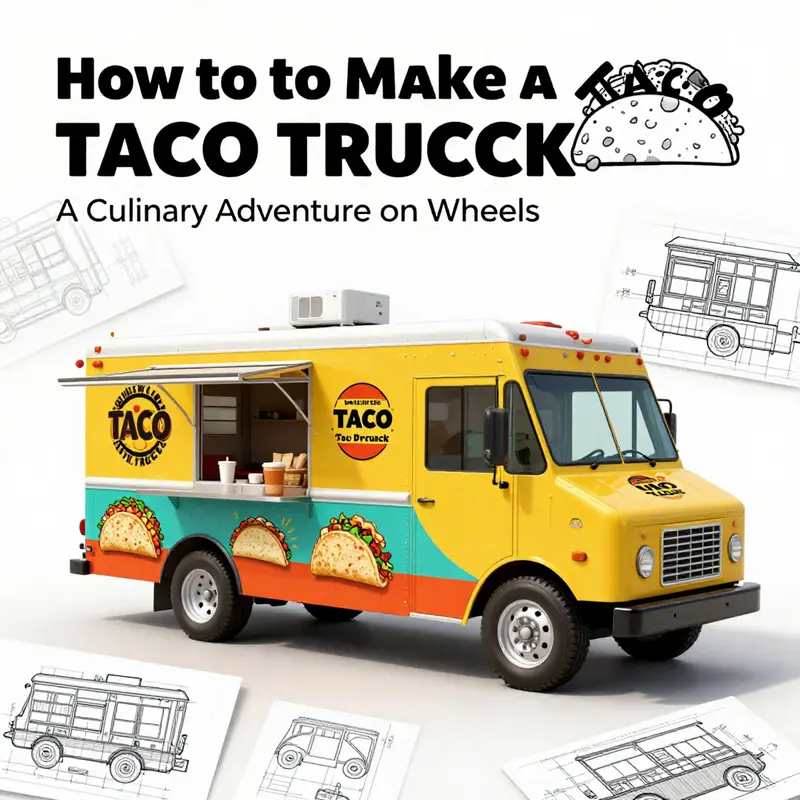
A taco truck is more than a conveyance for food; it is a small, self-contained theater where design, branding, and operations perform in harmony. The truck’s exterior must lure curious pedestrians, the interior must sustain a reliable workflow, and the brand narrative must travel with every turn of the wheel. Crafting this balance begins well before the first patrol of paint and stainless steel. It starts with a clear sense of purpose: who you want to serve, in what spaces, and how you want people to feel when they encounter your mobile kitchen. When you align your design with your market and your operations with your aspirations, the truck becomes less a temporary stall and more a roaming restaurant that people seek out. This alignment is not a one-off decision but a continuous discipline, shaping every choice from layout to signage, from menu to social media cadence. The beauty of a taco truck lies in its ability to be both a workhorse and a storyteller, a compact operation that can travel to festivals, office parks, neighborhoods, and pop-up events without losing its personality or efficiency.
Design is where the conversation begins. A truck’s visual identity must be memorable, legible from a distance, and coherent with the menu it serves. In practice, this means more than a logo slapped on a door. It means a cohesive color palette, typography that survives roadside glare, and an exterior that invites a second glance. Some operators partner with local artists to craft a truck’s artwork, transforming the vehicle into a moving piece of art. The result is not merely decoration; it is a beacon that signals quality and a story that customers want to follow. A bold, well-executed exterior can become the deciding factor for a passerby who measures a new food option in seconds. The visual identity should radiate through every touchpoint—signage, window decals, menu boards, and the uniform of the cooks—so that customers feel a sense of consistency the moment they approach.
Yet the most striking design is useless if it cripples the workflow. The interior layout must translate the brand promise into practical, repeatable actions. The cooking station, refrigeration, sinks, and storage should be arranged to minimize cross-traffic, reduce motion waste, and support peak-hour rhythms. The best designs anticipate the moments of rush: a line forming, orders piling up, a staff member needing quick access to utensils or sauces. A thoughtful layout might place the grill or pan-searing area closer to the window so cooks can stay connected with customers while keeping hot surfaces safely enclosed. A dedicated prep zone, separate from the service counter, helps keep raw ingredients away from ready-to-serve items, a basic yet essential safeguard for food safety. In the same breath, a mobile kitchen must be adaptable. The layout should accommodate changes in the menu or seasonal offerings without a complete rebuild. This adaptability often comes from modular equipment, adjustable shelving, and smartly sized work surfaces that can be reconfigured for a different throughput or a new recipe.
Prototyping becomes a crucial stage in translating concept into reliable reality. A common practice is to create scaled or full-size models of the truck head and interior flow using accessible materials and simple frameworks. This approach gives the team a tangible sense of space, proportions, and line-of-sight, and it helps reveal potential bottlenecks before irreversible investments are made. Prototyping also invites creative experimentation—exaggerated grilles for a distinctive silhouette, angular headlights that cast unique streetlight reflections at night, or asymmetrical proportions that create instant brand recognition from afar. The goal is not to chase novelty for its own sake but to establish a recognizable silhouette that resonates with the audience while enhancing operational efficiency. When the design team tests these ideas against real-world constraints—ventilation, drainage, electrical demand, and hygienic standards—the plan gains credibility. A well-prototyped truck head does more than turn heads; it reduces rework during build-out and speeds up regulatory approvals by demonstrating a thoughtful, compliant concept.
Branding extends beyond the truck’s shell to the entire customer journey. A strong brand tells a story and delivers a consistent experience from the first touchpoint to the last bite. It begins with a compelling name that hints at the cuisine, a logo that remains legible in motion, and a color system that reflects the flavors and origin of the menu. Cultural resonance is a powerful asset for taco trucks. Many successful operators draw on local flavors, history, and community narratives to shape a menu and presentation that feel authentic to the neighborhood. The branding should be expressed through menu design, signage, and even the tone of the staff when they greet customers. In practice, this means a unified voice across social media, the truck’s physical appearance, and the packaging. If the menu leans into traditional recipes with modern twists, the branding should acknowledge both heritage and experimentation. When customers sense a genuine connection to the locale, loyalty follows as a natural outgrowth of the story itself.
Consistency matters as much online as it does on the street. A consistent brand makes the truck immediately identifiable in a crowded market. It reduces cognitive load for customers who encounter the truck repeatedly and simplifies marketing decisions for the operator. Your online presence—photos of the truck in different lighting, posts about locations, and short videos of the cooking process—should echo the same visual language and tone found on the street. The branding strategy should address occasional shifts: what happens when a new seasonal menu arrives, or when a special collaboration takes place? The answer is a staged, deliberate approach that preserves core brand elements while allowing for tasteful experimentation. The capacity to convey adaptation without diluting identity is a defining strength of a well-branded taco truck.
Operational excellence sits at the core of any durable taco truck venture. The most successful operators view design and branding not as aesthetics but as performance levers. A trajectory toward efficiency begins with a clear plan for sourcing and inventory. Establish relationships with reliable suppliers for fresh tortillas, meats, vegetables, and sauces, and implement a system that tracks usage in real time. An efficient truck runs smoothly when the numbers align with demand: enough stock to meet anticipated sales, with buffers to absorb unexpected spikes. Inventory management in a mobile context demands vigilance and discipline, because stockouts can abruptly derail service and erode trust. A simple, disciplined approach—regular stock checks, standardized portioning, and clear labeling—makes a big difference when the clock is ticking.
Sales data, even from a small operation, is a compass. A mobile kitchen benefits from a compact point-of-sale (POS) system that logs transactions, tracks item popularity, and surfaces daily patterns. With that data, a menu can evolve without alienating existing fans. The bread-and-butter items should remain, but the daily specials can be guided by what sells in a given neighborhood or at a particular event. Operational plans should also address the essential hygiene and safety standards that health departments require. This includes proper refrigeration, clean handwashing stations, waste disposal, and safe drainage. Compliance is not a hurdle to be overcome later; it is a design constraint that informs layout decisions, workflow, and supplier selection from the start. A truck that consistently meets safety standards tends to earn trust more quickly, enabling operators to focus on growth rather than firefighting regulatory issues.
The launch phase offers a window into the practical realities of brand design and operational readiness. A soft launch—a controlled test in a familiar area—allows the team to observe the interplay of menu, service pace, and customer feedback. It is an opportunity to recalibrate the flow, adjust signage, and refine the script staff use when greeting customers. Social media becomes an amplifier for the soft launch, but it is most effective when it shares authentic, bite-sized moments: a sizzling pan, a customer reaction, a compact but vivid behind-the-scenes glimpse of prep. The online narrative should invite followers to discover the truck in person, to share their own photos, and to engage in dialogue about flavors and locations. Customer engagement goes beyond the sale; it becomes a community-building exercise. Encouraging reviews and loyalty incentives helps cultivate a sense of belonging and anticipation for the next stop.
A practical, people-centered approach underpins every climactic moment of operation. The staffing decision—whether to fly solo or to hire cooks and customer-facing staff—must align with anticipated traffic, the scale of events, and the planned menu complexity. Even when working with a tight crew, clear roles and a shared sense of mission keep service smooth. Training should emphasize both technical competence and hospitality. A friendly greeting, accurate order taking, and prompt delivery of food are not luxuries; they are essential components of a scalable business model. As sales volumes rise, the need to optimize location strategy becomes acute. Being present where the customers are—whether near offices, transit hubs, festivals, or neighborhood markets—requires ongoing evaluation. The most successful operators experiment with location, timing, and route planning so their footprint grows without saturating any single market.
Location strategy is one of the most dynamic elements of a taco truck’s design and branding narrative. A roaming kitchen can build a devoted following by visiting a handful of reliable sites while remaining flexible enough to chase special events or seasonal opportunities. The best operators develop a core calendar that balances repeatable locations with rotating pop-ups. The audience breathes easier when they know the truck’s rhythm: where to find it, when the line opens, and what new flavors might appear. Equally important is community engagement. Participating in local events, collaborating with other food vendors, and supporting neighborhood initiatives strengthens loyalty and broadens reach. Every interaction becomes a story thread—one that ties customers to a place and to the people who cook for them. When the brand becomes part of the social fabric of a community, the truck gains an intangible but powerful advantage: trust.
The design, branding, and operations chapters intertwine most compellingly when they reflect a coherent philosophy about what the business is trying to be. For some operators, the aim is to celebrate tradition while offering modern twists. For others, the mission centers on sustainability, speed, or inclusivity. The design must accommodate that philosophy as it scales. The branding should remain legible and compelling across contexts—from a crowded street fair to a quiet curbside night. And the operations should be robust enough to weather the volatility of mobile commerce: weather, permit changes, supply disruptions, and shifting customer expectations. The elegance of a well-built taco truck lies in its quiet reliability—the feeling that the experience will be consistent wherever the truck appears, regardless of the unpredictable rhythms of the day.
In the long arc of growth, the truck can become a springboard for broader opportunities. A strong brand can support catering, collaboration with local businesses, and participation in fundraisers or community celebrations. The lessons learned from careful design and disciplined operations translate beyond the window to management practices, team culture, and financial planning. As you consolidate your brand identity and refine your processes, you build a durable platform that enables expansion without sacrificing authenticity. The ultimate measure of success is not only the number of tacos sold but the degree to which customers feel drawn to return, to bring friends, and to tell others about a special experience that feels distinctively yours. For operators who want a tangible example of how a truck’s physical form, brand promise, and day-to-day practices cohere, exploring the range of truck designs and layouts—often illustrated in popular guides and showcases—can illuminate how different choices shape customer perception and operational outcomes. See for instance a curated set of top taco truck models for culinary success to compare layouts, capacities, and flow (link provided here for context) and consider how aspects like exhaust placement, refrigeration capacity, and counter height influence both performance and brand storytelling. Top taco truck models for culinary success
As the chapter closes on the design, branding, and operations trifecta, the reader is reminded that a taco truck is a dynamic platform. It invites experimentation and adaptation, but it also demands discipline in core areas such as safety, cleanliness, and customer-centered service. The most enduring trucks become beloved local fixtures because they balance artistry with reliability. They honor tradition while inviting curiosity, they speak with a visual language that travels, and they operate with the precision of a well-rehearsed performance. The road is the canvas, the kitchen is the instrument, and the brand is the melody that keeps customers returning for another chorus of flavors. In future chapters, you will see how this foundation supports expansions—whether adding more offers, refining supply chains, or orchestrating larger-scale events—without losing the essence that made the truck stand out in the first place. To understand better the broader cultural and economic currents that have shaped taco trucks, one can explore how these mobile kitchens emerged from immigrant communities and evolved into mainstream culinary symbols, as discussed in periodical analyses and cultural histories. External context such as this provides a richer frame for thinking about design choices and community impact, reminding us that the truck’s success is inseparable from the social fabric it helps to weave. For further reading on the cultural dimensions of taco trucks, see the Guardian article exploring their history and significance in America: https://www.theguardian.com/world/2015/jul/27/taco-trucks-california-mexican-immigrants.
Final thoughts
With a clear roadmap laid out, the journey to establishing your taco truck can transform your passion for tacos into a rewarding business that connects with the community and tantalizes taste buds. From thorough research and compliance with legalities to the thrill of designing your truck’s unique identity, every step brings you closer to your culinary dream. Embrace the excitement, and remember that every great taco truck starts with a single tortilla!

