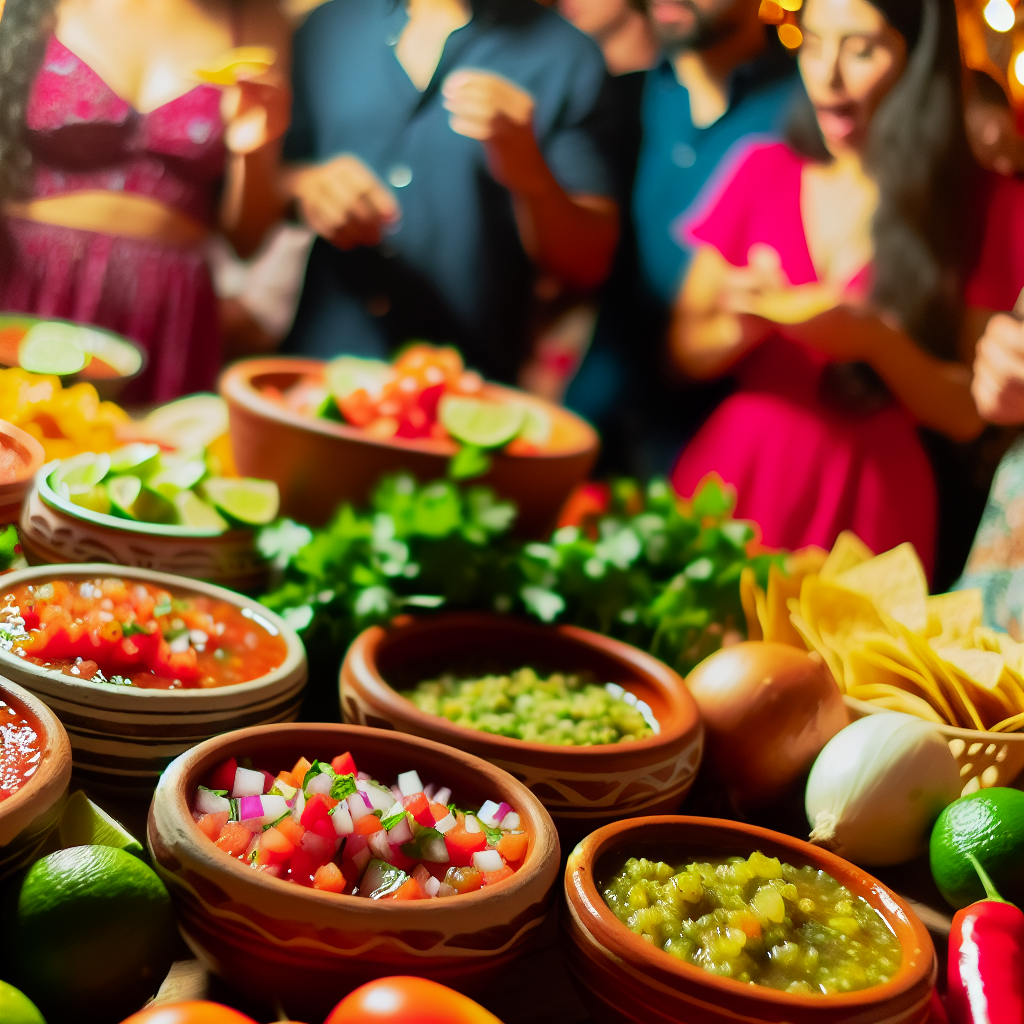
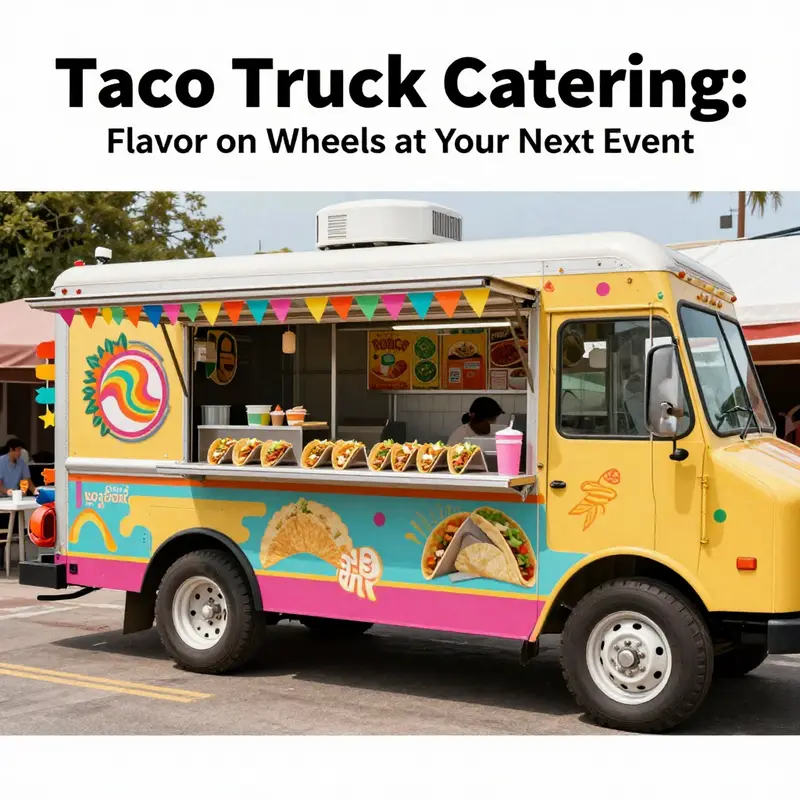
Taco truck catering has become a vibrant and delicious option for events of all sizes, loved by cuisine enthusiasts, office workers, and event planners alike. Whether you’re dreaming of fresh tacos at a corporate event or a fiesta for your neighborhood, understanding the costs is essential. Chapter by chapter, we’ll uncover everything you need to know: from the overview of taco truck catering costs to the various factors influencing pricing, and even regional variations. With this knowledge, you can plan a taco feast that delights everyone involved, all while keeping your budget in check. Get ready to taco ’bout the perfect catering choice for your next gathering!
Pricing the Road: A Deep Dive into the Costs of Taco Truck Catering
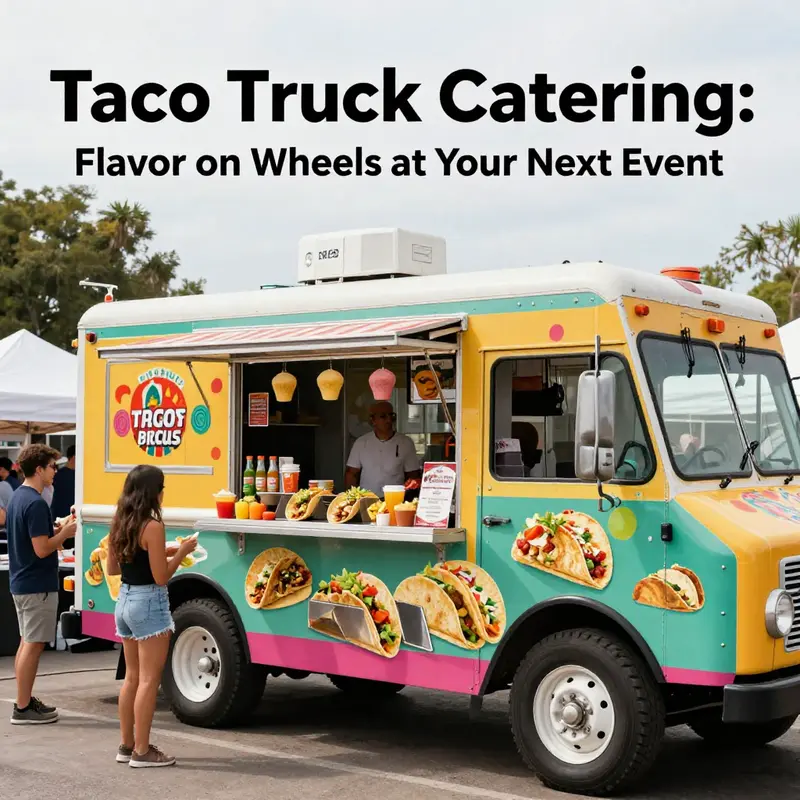
Pricing the road to taco truck catering is not a single figure. It is a layered calculation that blends upfront capital with ongoing operating expenses, and it shifts with the scale of the event, the equipment level, and the geographic realities of where the truck travels. In practical terms, you’re looking at a spectrum. On one end sits the smallest, most portable setups—basic snack carts that keep the doors open for small gatherings and pop-up opportunities. On the other end are fully customized mobile kitchens built to serve large crowds across multiple events, often traveling long distances and operating under strict health and safety standards. Between these bookends lies a series of choices that will shape the final price tag for any taco catering plan. Understanding this spectrum helps translate vague “costs” into actionable budgeting for a business or an event.
At the core of upfront costs is the purchase price of the mobile unit itself. Basic snack or taco carts, which are compact and easy to deploy, can start around $1,680 when purchased in bulk (for seven or more units). The bulk pricing note is important because it signals the economics of scale. If you’re outfitting a catering operation that relies on a fleet of carts for simultaneous service across different venues, the per-unit price drops enough to make a significant difference to the overall budget. Yet bulk discounts do not always apply to every configuration. If you only need a single cart for a weekend market or a single large event, the unit price will reflect the procurement of a single, smaller setup rather than a bulk package. The same principle applies when projecting costs for a tiny startup that wants to test the waters with minimal capital.
Moving up in capability, the next tier comprises standard full kitchen trucks. These are more robust, featuring better equipment and greater efficiencies for consistent, repeatable service. They typically start at around $2,950 per unit, which represents a stepping stone between basic carts and fully equipped mobile kitchens. The practical implication is that a mid-tier mobile kitchen can dramatically improve menu scope and service speed, enabling a broader menu while maintaining a compact footprint compared to a full building kitchen. It is also where the economics of scale begin to show up more clearly: with higher reliability and expansion potential, a single, well-equipped truck can replace several makeshift setups at complex events.
For those pursuing higher-end options, fully customized fast food trailers with complete kitchens enter a premium tier. These units are usually built to order, offering premium features tailored to the client’s specific needs. They can range from about $5,200 to $8,000 per unit, depending on size, equipment, climate control, and interior layout. The allure of this tier is customization—the ability to design storage, refrigeration, cooking surfaces, and workflow to exactly match the menu and service model. The cost here reflects not only the hardware but the engineering and design work that ensures reliability under demanding conditions, whether it’s a long summer tour, a large corporate event circuit, or a high-volume festival circuit.
In addition to these purchase prices, the broader upfront costs for getting a taco-truck operation on the road include more than the trailer itself. Some sources describe fully equipped mobile kitchens that can range from $4,500 to $10,360 or more. These figures account for features such as climate control, extensive storage, built-in appliances, and heavy-duty ventilation. Higher-end configurations are designed for multi-course menus and large-scale catering events and come with interior space and load capacities that support frequent, high-volume service. The larger the unit, the more pronounced the fuel consumption and the more complex the maintenance and licensing requirements may become. It is not unusual for the size and configuration of the trailer to influence whether a commercial driver’s license is required for operation, which in turn affects the cost of compliance and insurance.
The most useful takeaway here is that there is real value in aligning the trailer’s capabilities with your business plan. If your strategy centers on weekend markets and occasional private events, a basic cart or mid-range full kitchen can deliver a solid return on investment with more modest upfront risk. If your ambition is to build a rolling kitchen that handles high-volume events across multiple cities, the premium end becomes more justifiable because it unlocks menu complexity, faster service, and greater reliability. Regardless of where you intend to land on the spectrum, the rule of thumb remains: ask for quotes that break down each component—propulsion and chassis, kitchen equipment, ventilation and safety features, storage, and the interior workflow. This will illuminate where the money is going and which features are essential versus optional.
The process of getting a precise quote is itself part of the cost equation. Vendors often distinguish between “Send Inquiry” and “Chat Now” channels, which can affect the speed and depth of the pricing response. Taking the time to convey your exact needs—menu items, expected event volume, typical travel distance, climate considerations, and required certifications—helps ensure the quotes you receive are apples-to-apples comparisons rather than rough, marketing-driven estimates. A careful buyer can use these quotes to compare not just the sticker price but the total cost of ownership over the first year or two of operation. That broader view should include not only fuel and maintenance but also insurance, permits, and any warranty coverage that reduces risk during the critical early period after purchase.
Beyond the trailer itself, a peppering of ongoing costs begins to shape the long-term affordability and profitability of taco truck catering. Fuel costs, of course, rise with the vehicle’s size and engine efficiency. Heavier trailers demand more energy, and fuel prices can swing, turning a once-stable monthly cost into a variable line item. Maintenance becomes more critical than for a static restaurant but is equally essential for safety and reliability. Regular service on refrigeration systems, gas lines, hoods, and electrical components is nonnegotiable when food safety is on the line. Insurance costs reflect the level of protection you choose and the local regulatory environment; premiums vary by location and coverage, but liability protection is foundational for any mobile operation. Permits and licenses may include local health department approvals, business registrations, and parking or street-use fees at events, which can accumulate with frequency.
Several suppliers offer after-sales services, including 12-month warranties, which can help mitigate early repair costs and give operators a safety net as they establish their workflows. In practice, this means that the initial price may be a start rather than the finish line. A business plan built around a single event cannot capture the full lifetime cost of ownership. The more events you book in a season, the more opportunities there are to amortize depreciation, fuel, insurance, and maintenance across a broader revenue base. And yet the price of admission—the upfront cost of the trailer or cart—will still be a gatekeeper for many aspiring operators. It is here that budgeting discipline, a realistic projection of event volume, and a clear menu strategy converge to determine whether a taco truck venture is financially viable.
The decision to pursue a particular level of equipment is also a narrative about the customer experience you want to deliver. A basic setup can reveal a lean, quick-service approach that shines in fast turnover environments. A mid-range truck can expand the menu and the pace of service, enabling longer events and more complex offerings while maintaining a relatively manageable footprint. A high-end, customized trailer signals a commitment to a premium experience, efficiency at scale, and a willingness to front-end investment for long-term throughput. For readers exploring options, a deeper dive into the landscape of model options can offer deeper insight into what the market currently values in terms of layout, capacity, and reliability. See Top taco truck models for culinary success.
In the end, the real math of pricing taco truck catering is about aligning price with purpose. If you plan to serve a handful of events a year and want to test a few dishes, a basic cart may be sufficient and financially prudent. If you aim to build a robust, repeatable service that travels to many sites on a predictable schedule, you will likely need a mid-range or high-end setup and should plan for ongoing operating costs that scale with activity. The market makes sense only when the numbers add up over the life of the equipment and through the cadence of client engagements. To get the most accurate picture for your specific situation, reach out to suppliers directly with a detailed brief of your anticipated events and service model. A well-prepared inquiry is your best tool for turning rough price ranges into a concrete, bottom-line budget that can sustain both your culinary ambitions and your business goals.
External resource: https://www.fda.gov/food
Pricing the Ride: Demystifying Taco Truck Catering Costs and How to Budget
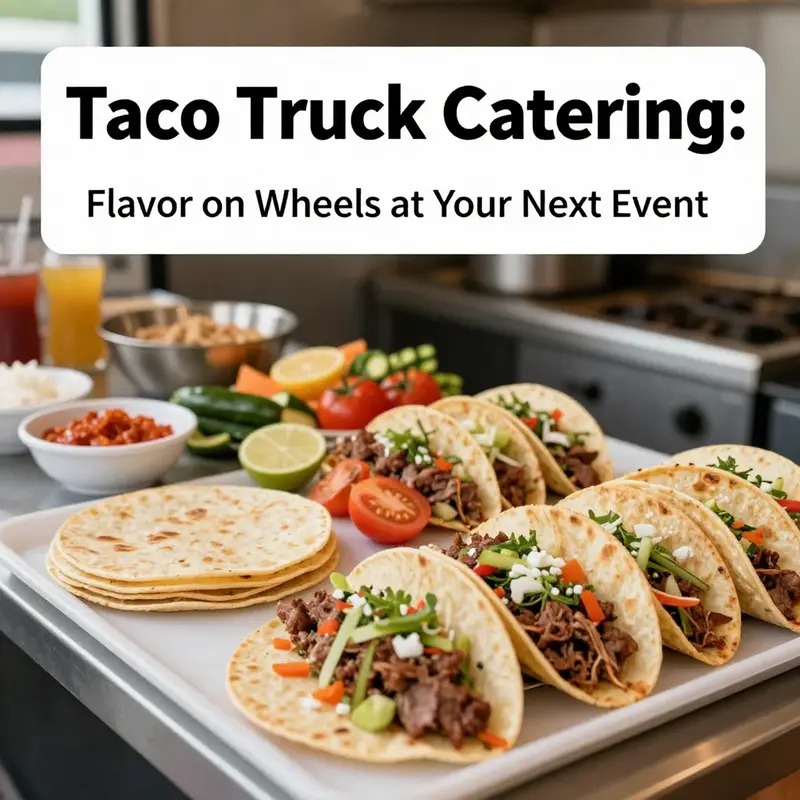
Planning a taco truck catering event means more than choosing fillings. It means translating appetite into a budget without losing the flavor of the occasion. The price you pay for a taco truck spread depends on a mosaic of choices, from how many guests you’re feeding to how elaborate the service promises to be. At the core, pricing is a function of scale, scope, and setting. You’ll see range in the base costs cited by vendors, from compact, budget-friendly carts to fully equipped, custom-built trailers. These base units, while indicative, do not lock you into a single outcome. They map a spectrum of possibilities that are then shaped by your specific needs, location, and timing. In practical terms, you don’t pay for tacos alone; you pay for the truck, the crew, the ambience, and the logistics that bring the food to your guests in a timely and safe manner. The numbers you’ll encounter can be surprising, yet they become manageable once you understand what sits behind them and how to interrogate quotes with precision. When you begin to budget, start with the big levers—the number of guests, the menu’s ambition, and the event’s place in the calendar. Larger events may not linearly raise the price, but they almost always invite a broader scope of services, more food stations, and additional labor to keep lines moving and quality consistent. In many cases, vendors offer volume discounts for bigger groups, recognizing that a single, well-timed service window can efficiently cover more mouths. Still, the exact amount saved depends on how the event is structured and what you require beyond the basics.
The pricing mosaic grows more intricate once you add the menu’s character. A basic or standard taco offering can be remarkably economical, but once you tilt toward premium ingredients, house-made salsas, and specialty proteins, the price climbs. Think of it as a tiered focus: the more you customize—with handmade components, seasonal ingredients, or dietary accommodations—the more the menu commands at the quote stage. In practice, premium elements like marinated or slow-cooked proteins, authentic regional sauces, and organic produce translate into higher unit costs, while standard tacos with widely available staples tend to keep the per-plate price lower. When you consider menu choices, it’s helpful to compare not just the price per person, but the inclusions: are toppings and beverages included, is there a dedicated salsa bar, are extra garnishes or side dishes priced separately? A clear, itemized quote helps you see where value comes from and where costs may be lower or higher based on your selections.
Location amplifies the effect of all other decisions. Urban centers, waterfront venues, or tourist-dense districts often come with elevated overhead—permits, site fees, parking constraints, and stricter health regulations all factor in. Transportation to and from the event, fuel surcharges, and the challenge of navigating limited loading zones can push the bottom line upward. If your site requires long travel times or special access equipment, you should expect additional line items for crew logistics and potential permit coordination. Conversely, a more remote or less congested setting may simplify access and reduce some costs, though you’ll still balance travel time and the opportunity cost of a longer setup window.
The level of service you choose directly shapes the price and the experience. A self-contained truck with minimal staffing is less costly than a full-service package that includes a staffed service counter, on-site cooking demonstrations, beverage stations, or elaborate decor. Some clients want a turnkey event with themed décor and a high degree of interaction, and these preferences can add labor, equipment, and venue coordination to the bill. It’s important to map your priorities: do you want guests to queue at a dedicated serving station with trained staff, or would you prefer a more flexible, on-demand service where cooks work behind the scenes and staff manage the front-of-house with streamlined efficiency? Each choice shifts the price picture, and often, you can mix and match. For example, you might opt for on-site cooking and live food stations at peak hours, paired with self-serve beverage stations during quieter windows. Such configurations raise costs but can deliver a more dynamic guest experience.
Timing matters as well. Weekend events, holidays, or peak wedding season often carry premium pricing due to higher demand and longer operating hours. An event scheduled for a Saturday afternoon may be priced differently from a midweek affair, even if guest counts are similar. The calendar’s rhythm influences not only labor but also the truck’s availability, travel time, and the likelihood of last-minute adjustments that carry incremental fees. If you’re flexible on dates, you may be able to secure more favorable terms, especially if the venue has open slots that vendors are eager to fill. In short, timing is not just about when you host the party; it’s a lever you can pull to optimize both the guest experience and the price tag.
Against this backdrop, the typical price ranges you’ll encounter reflect a ladder of offerings. Basic models of taco food carts, which are simple and budget-friendly, start around 1,680 when ordered in bulk, typically for seven or more units. These configurations are well-suited for smaller events or multi-truck setups where the goal is volume over gourmet refinement. The next tier—the standard full kitchen trucks—begins around 2,950 per unit. These trucks bring better equipment and greater functionality, making them a reliable backbone for regular catering services where consistency and speed are essential. For those seeking a higher-end, tailored solution, fully customized fast-food trailers with complete kitchens can range from 5,200 to 8,000 per unit. Units in this top echelon are often built to order with premium features, refined workflow layouts, and the flexibility to accommodate specialized menus or unique service concepts. It’s important to recognize that these figures are starting points; actual quotes vary with location, equipment quality, and the precise scope of service. To ensure accuracy, reach out to suppliers directly through their inquiry channels and request an itemized estimate that spells out each included component and every potential add-on.
In negotiating and budgeting, the practical next step is to translate these base numbers into a tailored plan for your event. Start by estimating guest counts with a buffer for unexpected additions, then sketch a menu that reflects your preferred balance of variety and cost. If you’re aiming for a premium experience, seed the budget with line items for premium ingredients or signature sauces and consider how much you’re willing to allocate toward on-site staffing and décor. Don’t overlook operational costs that don’t appear in the base quote. Licensing and permits, insurance, generator or power hookup needs, water access, and waste management are typical considerations for mobile food operators—and they can carry a surprising price tag if not planned for in advance. Some operators include certain utilities and water services in their package, while others itemize them as separate charges. By comparing these elements across multiple quotes, you can identify where a vendor is delivering value and where you might need to adjust either the menu or service level.
For those who want a broader sense of the market landscape, the spectrum of offerings is often summarized as a journey from practicality to customization. The simplest, most functional configurations focus on reliable throughput and cost efficiency, while more elaborate setups promise feats of culinary theater or niche menus. This is not merely a question of taste; it is a strategic decision about how simple or how immersive you want the guest experience to be, and it will echo in the total bill. If you’re curious about how such products are positioned in the market, you can explore the topic further through resources that discuss the diversity and engineering considerations behind mobile food operations. In particular, the discussion of how composition, structure, and performance influence pricing can illuminate why a higher-priced unit may offer greater long-term value when you consider durability, efficiency, and service life. For a broader context, see the Prix Food Truck Guide: Composition, Structure, and Performance for Engineers.
In the end, budgeting for taco truck catering is a negotiation between experience and economy. You begin with the baseline costs, then layer in the features that matter most to your event’s character and your guests’ enjoyment. The key is to pursue clarity: demand itemized quotes, ask about what’s included and what’s not, and request scenario-based estimates that show how price would change with guest counts or menu changes. The right quote should feel transparent, with no hidden fees tucked in the fine print. And as you navigate the landscape of basic carts, full kitchens, and custom trailers, you’ll discover a practical truth: the price you pay is a proxy for the level of coordination, taste, and reliability you can expect on the big day. To link this to a broader view of how these mobile kitchens are designed and operated, consider how the industry segments its offerings and how that segmentation translates into cost expectations. For a concise look at how top models stack up and what each brings to the table, you might also find it helpful to review an overview such as the Top food truck models for entrepreneurs.
Top food truck models for entrepreneurs
When you’re ready to move from planning to quotes, remember that the most valuable price is the one that aligns with your event’s goals. A lower upfront cost may be tempting, but it’s essential to weigh it against the service level, reliability, and the guest experience you’re aiming to deliver. Conversely, a higher initial investment can pay off in smoother execution, stronger guest engagement, and fewer headaches on the day of the event. The art of budgeting, after all, is not merely about getting the best deal; it’s about translating your culinary vision into a service that travels with confidence, arrives on time, and leaves guests remembering the flavor long after the last bite.
External reference for deeper context: Prix Food Truck Guide: Composition, Structure, and Performance for Engineers (external resource) is useful for readers seeking a more technical understanding of how engineering and operations shape cost in the mobile food industry.
Rolling Budgets on Wheels: A Deep Dive into Taco Truck Catering Costs vs Traditional Catering
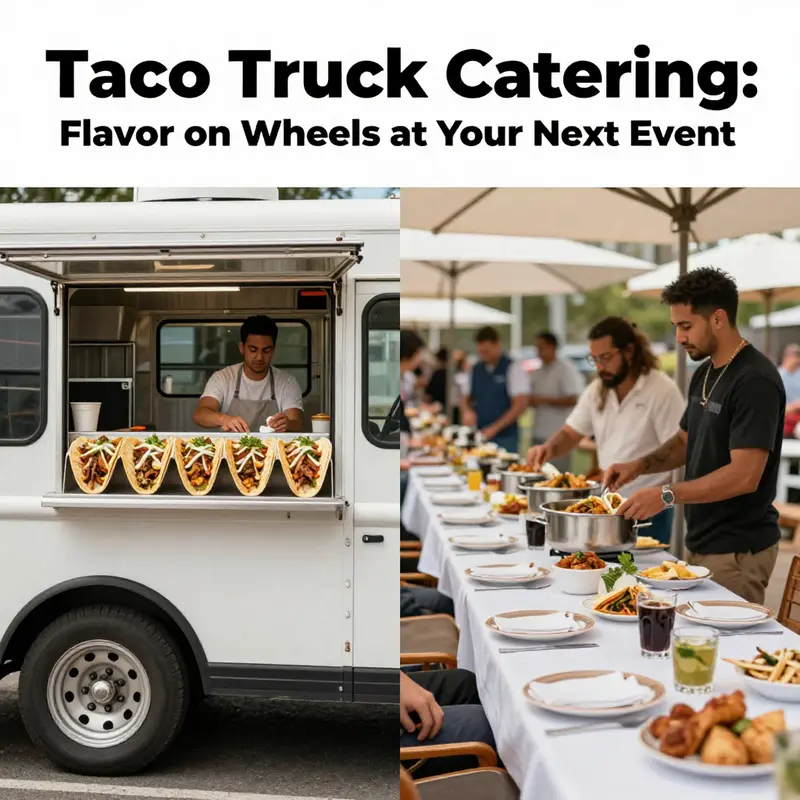
When a planner asks how much taco truck catering costs, they’re really asking about the total cost of ownership, not just a price tag. The conversation folds together upfront investment, daily operating expenses, and the way mobility reshapes opportunity. The taco truck model bundles infrastructure into a single asset that travels with the event, often delivering cost advantages for certain scales and types of engagements. But cost is not a single number; it’s a spectrum shaped by size, build quality, location, and how the business intends to use the vehicle over time. To understand where a taco truck fits, it helps to map the main price bands and compare them with traditional catering’s recurring costs, then weigh the intangible benefits that move beyond dollars alone: flexibility, market reach, and brand momentum.
At the entry level, the hardware itself can be remarkably affordable when purchased in bulk. A basic catering trailer or taco food cart—sized for compact operations and designed for quick setup—can start at a surprisingly modest level, with public listings showing prices as low as about $1,680 when ordered as part of a bulk package of seven or more units. That kind of pricing reflects a simple, functional footprint: compact equipment, fewer bells and whistles, and the ability to deploy several units without a heavy capital commitment per unit. For entrepreneurs watching cash flow or testing markets, it signals an accessible pathway into the space, where the asset is transportable, compliant, and immediately functional for direct customer interactions. Yet even within this budget tier, the overall value depends on how the operator uses the asset, the frequency of events, and the expected margins per ticket.
Beyond the basic shell, the next tier comprises standard full kitchen trucks. These units are more capable, with better equipment to support a broader menu, higher throughput, and better resilience in diverse event settings. The typical starting point for a standard full kitchen unit is around $2,950 per unit, but this price can vary with size, equipment level, and the scope of included features such as refrigeration, climate control, or specialized cooking stations. This tier guides operators toward more steady, recurring catering work, as the enhanced functionality helps ensure consistent service quality during back-to-back events, especially in markets with unpredictable demand or where uptime is critical. The appeal here is not just capacity but reliability: a more complete kitchen on wheels reduces the need for external rentals or on-site improvisation, which can eat into margins if events run late or weather disrupts plans.
Then there are the higher-end options: fully customized fast food trailers with complete kitchens. These are typically built-to-order and can range from roughly $5,200 to $8,000 per unit, depending on the layout, appliances, insulation, and branding features installed. The wide range reflects customization: a trailer with premium refrigeration and airflow systems, climate-controlled storage, ergonomic workspace for two cooks, and a branded exterior designed to be a moving advertisement. While this level of investment is substantial, it often corresponds to a brand-driven strategy—one that seeks to maximize throughput, extend service hours, and create a distinct, experiential customer encounter that resonates in crowded markets like festivals and urban corridors. This tier also carries longer lead times and more demand forecasting, since the equipment and fit-out are tailored to the operator’s menu, workflow, and service standards.
Those numbers, while helpful, sit within a broader context of ongoing costs and risk. A careful comparison with traditional catering reveals what the numbers imply in practice. Traditional catering frequently hinges on renting or leasing a commercial kitchen space in a fixed facility, a model that carries recurring monthly costs rather than a one-time asset purchase. A typical rental—and the accompanying utilities, maintenance, and taxes—can range from $2,000 to $10,000 per month, depending largely on location, square footage, and the level of shared services. Those costs can escalate quickly in high-rent districts or when a business grows beyond a single, modest kitchen. Even when space is found, operators must often invest in separate cooking appliances, dishwashing equipment, and ventilation systems to meet health and safety requirements. The counterpoint is ownership; the operator who purchases a taco truck or a fully equipped trailer eliminates the monthly rent for a fixed facility, converting what would be a recurring expense into a depreciating asset with potential resale value.
Operationally, taco trucks bring their own mix of advantages and ongoing costs. The typical expense mix centers on fuel, maintenance, insurance, and staffing, with the vehicle itself providing a self-contained platform that can reduce or even eliminate utility bills associated with fixed kitchens. Naturally, bigger trucks carry higher fuel and maintenance costs, but they also offer greater independence from venue schedules and from third-party kitchen provisioning. Some units even come with built-in water systems or eco-friendly features, which can complicate maintenance in the short term while delivering longer-term efficiency and compliance benefits. A key variable is warranty and service support; many manufacturers couple a warranty with routine service options, helping to stabilize replacement parts and preventive maintenance over the first year and beyond. When these factors are weighed, the taco truck model often shows lower fixed overhead and a clearer path to cash flow resilience during off-peak seasons, especially for operators with a mobile strategy that target several small to mid-sized events each week.
Flexibility is a core driver of value here. A taco truck can pivot between wedding receptions, corporate lunches, street fairs, and pop-up events with far less friction than traditional catering, which is frequently tethered to specific venues, contracts, and equipment inventories anchored to a single site. The mobility allows operators to meet demand where it exists, and to adapt menus in real time to weather, guest demographics, or sponsor requirements. This agility translates into more opportunities per calendar year, which can drive higher annual revenue even if per-event margins vary by market. The capacity to deploy multiple trucks across several neighborhoods or cities multiplies this potential and makes the model scalable without the same level of land-use complexity that a growing kitchen operation would face. In practice, this means an operator can test new markets with modest incremental investments in each additional unit, then decide whether to deepen presence or slow growth based on actual demand rather than projections.
Brand visibility is another distinct advantage. A well-designed taco truck is a moving storefront, a visual and culinary experience that travels with the business. In the age of social media, location-based marketing, and customer loyalty programs, the presence of a fleet can become a core element of brand storytelling. Each event becomes a chance to gather photos, reviews, and interactions that extend beyond the menu, contributing to organic growth and long-term reputation. This dynamic often translates into indirect cost benefits as well: higher foot traffic, better word-of-mouth, and the potential to convert temporary pop-ups into permanent locations or co-branded ventures. In short, the cost ledger expands beyond dollars and cents to include the value of visibility, market reach, and brand equity that accrues over time.
For readers weighing growth paths, a useful reference point is the spectrum of truck models and their trade-offs. A good starting point is to consider what the menu, service style, and event cadence require. If the goal is to maximize throughput in a few high-volume settings, a standard full kitchen build may offer the best balance of capability and cost. If the objective is rapid market testing and branding in multiple neighborhoods, entry-level carts can provide speed to market with manageable risk. If the ambition is to create a signature guest experience that travels well, a customized trailer might be the pathway to differentiation and scale, even if the upfront investment is higher. For entrepreneurs exploring this path, a guided review of available models can illuminate how price bands align with operational aims and the total cost of ownership over several seasons. A practical route is to analyze not just the sticker price, but the expected maintenance, fuel, insurance, licensing, and potential revenue per event across a typical year. This approach helps separate the glitter of a premium build from the durable economics that determine long-term profitability.
For readers who want to map this to real-world options, exploring industry comparisons can be enlightening. A focused look at how the cost bands align with service models and event calendars helps clarify when mobility makes sense for a brand, and when it might be wiser to lean into a traditional kitchen setup, at least in the near term. If you’re considering the growth path in a city with dense events and frequent outdoor festivals, the mobility and visibility advantages can be compelling. Conversely, in markets where venue access is plentiful and long-term contracts are common, traditional catering can offer stability and predictable overhead, especially when a business is ready to operate at scale from a fixed base.
The bottom line remains nuanced. Taco truck catering can offer lower long-term costs, greater operational flexibility, and stronger brand-building potential than traditional catering, particularly for startups and brands seeking to test markets or diversify revenue streams. The initial investment is indeed substantial, especially for higher-end builds, but the elimination of recurring rental fees, the potential for direct-to-consumer sales, and the ability to scale across multiple markets can offset that upfront. The decision hinges on strategic objectives: whether you prize mobility and brand resonance, or the predictability and fixed costs of a traditional kitchen. Either path demands careful forecasting, a clear menu strategy, and a plan to manage the operational realities of food service in a vehicle. And as with any significant investment, getting precise quotes from multiple sources, validating build specifications, and analyzing the total cost of ownership over time will illuminate the path most likely to yield sustainable growth.
For those who want a practical compass on growth decisions and the economics of different truck models, a deeper dive into industry-model comparisons can be a helpful next step. It’s worth exploring the evolving landscape of mobile food service and the ways operators optimize both cost and experience. For example, operators who study the market for the broader fleet of trucks and observe how model choice affects workflow can better forecast labor needs, maintenance cycles, and service levels. As you weigh your options, consider how a portable kitchen aligns with your brand narrative, your preferred event types, and your ability to maintain service quality across a diverse set of venues. The right balance will feel less like a single price tag and more like a strategic asset—an engine for growth that travels with your business rather than anchoring it to a single location.
Internal resource note: for readers contemplating growth through scalable truck models, a concise guide to the top food-truck models for entrepreneurs provides a useful framework for comparing form, function, and price across a few representative builds. You can explore that overview here: top food-truck models for entrepreneurs.
External pricing context can further illuminate the landscape. While the exact figures vary by seller and region, industry analyses consistently highlight how initial capital outlays for mobile kitchens sit alongside recurring operational costs—fuel, maintenance, insurance, and licensing—that shape profitability over time. For a broader framework of pricing standards in the mobile-truck sector, see an external pricing analysis that aggregates standards, properties, and performance metrics for the industry: https://www.cateringtruckinsider.com/pricing-analysis/
Price by Place: Reading the Regional Map of Taco Truck Catering Costs
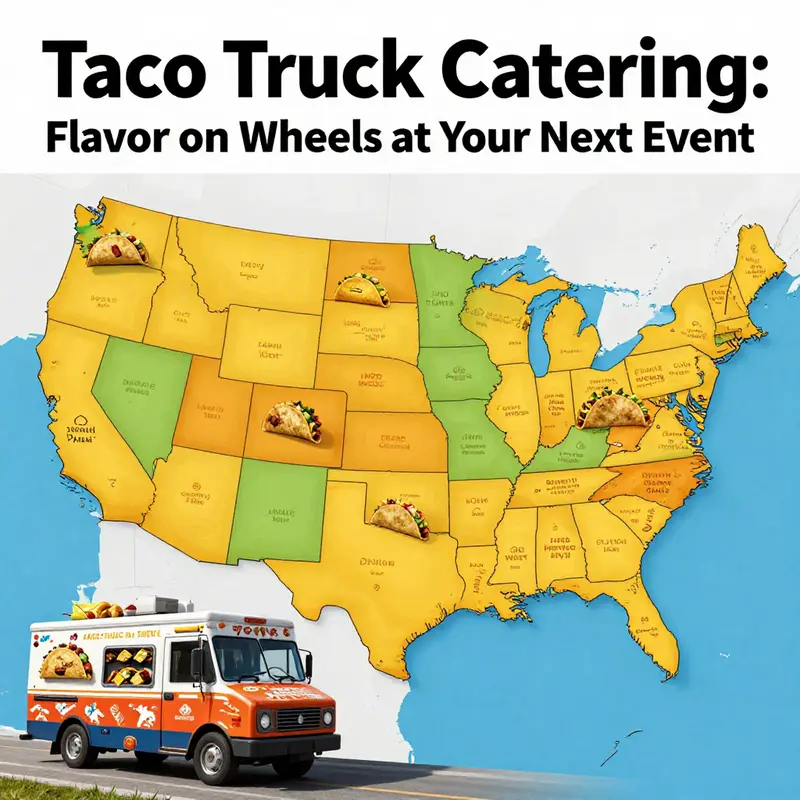
When you plan taco truck catering, the numbers you see aren’t just a single price tag. They’re a mosaic built from the truck’s size, its features, and the scope of service, but they’re also painted by the geography around you. A menu that travels with a crew across different events reveals how much the same concept costs when you swap one city for another, or move from a bustling downtown street to a quieter rural fair. Understanding these regional nuances helps organizers plan smarter, negotiate more effectively, and avoid the sticker shock that can come with premium markets. It also illuminates why quotes can vary so widely even when the menu and the number of guests look similar on the surface.
To anchor this discussion in real-world numbers, consider the range of base price tiers you’ll commonly encounter in listings today. Basic taco carts, lean on equipment and entry-level capabilities, can start around $1,680 when purchased in bulk—often a practical route for small-scale operations or events that need multiple units for coverage. Moving up a notch, standard full kitchen trucks—more capable, with better equipment and workflow—generally begin around $2,950 per unit. The most premium, fully customized fast-food trailers with complete kitchens can span from roughly $5,200 to $8,000 per unit, depending on the level of customization, cabinetry, ventilation, and specialized features requested by the client. These figures aren’t universal price points carved in stone; they reflect typical market segments and the kinds of services that buyers expect within each tier. For a precise quote that reflects your specifics, most suppliers encourage you to use their “Send Inquiry” or “Chat Now” channels so they can tailor a package to your site, guest count, and timeline.
Yet the sticker price for a taco truck is only one piece of the regional puzzle. The same unit can be a bargain in one city and a premium in another, simply because of the costs that surround the operation. Urban areas with high overheads—think large metro centers with steep rents, complex permitting processes, and higher labor costs—tend to tilt pricing toward the upper end of the spectrum. When you step into a major city, the per-meal price tends to climb as operators recover the extra money spent on parking, permits, insurance, and compliant equipment that meets dense regulatory ecosystems. In those environments, customers often see meals priced in a broader range, commonly around eight to twelve dollars per person. That range helps ensure operators can cover not just the food, but the labor, mobilization, and compliance demands that come with city-based gigs.
Contrast that with smaller cities and rural communities, where overheads are comparatively lower and the competitive landscape may be less saturated. In these regions, you’ll typically find more affordable options, with meals commonly priced between five and eight dollars. The gap isn’t purely about cost of ingredients, though. It’s also about how operators scale, what they commit to in terms of staff, and how they price services to win contracts in markets where event calendars may be more locally driven and shorter in duration. The price-per-meal lens helps planners estimate budget impact, but it can also obscure the value that regional differences bring to an event. A high urban price tag can accompany advantages like extended service hours, guarantee of on-site staffing, and the ability to handle large guest volumes quickly. In tighter markets, price-conscious menus may be paired with intimate service, flexible scheduling, and local sourcing that keeps the price in check while delivering strong guest satisfaction.
Regional preferences—culture shaping the menu and the sourcing—add another layer to the pricing conversation. In the Southwest, for example, tacos often emphasize house-made tortillas, locally sourced meats, and distinct regional ingredients. The premium feel these choices convey can be reflected in pricing, as guests may expect higher quality and readiness to support local producers. In the Midwest and Northeast, menus frequently incorporate fusion elements or plant-forward options to align with regional tastes and dietary trends. Korean BBQ tacos or vegan jackfruit offerings illustrate how regional flavor preferences can influence both the menu mix and the cost structure. Higher-cost ingredients or specialized prep can push prices upward, yet the broader demand for novelty in those regions can also support premium pricing for specific events. The takeaway is that regional culinary identity matters as much as labor and logistics in shaping what a catering package costs.
Beyond ingredients and flavor profiles, the practical realities of operating a taco truck in different regions influence pricing strategies. A 2024 report from the National Restaurant Association crystallizes this dynamic in a way that’s useful for event planners and operators alike. It notes that operators facing high urban costs increasingly lean on channels that extend reach and offset delivery and app-based order fees. Mobile apps, online ordering, and partnerships with delivery platforms can help maintain profitability in markets where margins are tight and traditional walk-up sales may not reach a broad enough audience. That same report contrasts this with lower-cost regions where the emphasis often rests on local events, street vending, and in-person engagement as the core growth engine. The regional context—urban versus rural—then becomes not just a pricing question but a long-term strategy question about how to balance sales channels with face-to-face customer interaction and brand building.
For planners, translating regional price trends into a practical budgeting approach means more than plugging per-meal numbers into a calculator. It requires listening to the event’s priorities: speed, volume, and reliability in a crowded venue vs. a more relaxed, intimate setting with room for experimentation and customization. If your event is in a city with a dense schedule of happenings and limited parking or shuttle options, you should anticipate premium pricing and a premium service model that includes extended staffing or multiple carts to manage lines efficiently. If your event is in a smaller town with plentiful on-site parking and a single loading zone, you’ll likely negotiate more flexible terms and a leaner crew, which can translate into lower overall costs per guest but with tighter service windows.
An important practical note for anyone comparing quotes is to consider what the price covers beyond the food. In some regions, a quoted per-meal price may presume a standard setup with minimal staffing, basic refrigeration and heat, and a short travel radius. In others, especially urban markets, the quote may incorporate travel surcharges, parking fees, and additional licensing and insurance requirements that reflect the complexities of city operations. A thorough quote should itemize staff hours, travel distances, fuel, setup and teardown times, and any required permits. When you see a wide disparity between two bids for the same guest count and same menu, the difference often lies in these ancillary costs rather than the core food preparation.
For those who want to dive deeper into how models differ and to explore the nuances of truck configurations that can affect price, there is a useful overview of the main options on the market. It offers a practical sense of how a feature-rich, chef-driven setup compares with a more budget-minded cart, helping planners decide which tier aligns with regional demand and event goals. You can read about these model options here: top taco truck models for culinary success. This resource helps connect the dots between the abstract pricing map and the tangible equipment families that determine how a truck performs on event day.
As you map out a regional pricing strategy, keep in mind that the ultimate objective is not just to minimize cost but to maximize value for your guests and your logistics team. If the plan is to deliver consistent, high-quality service across a multi-day event circuit, you may find value in investing in a higher-tier truck with more reliable equipment and better flow. If, however, the event calendar is sparse but the guest experience is central to your brand, a lean setup with strong local partnerships may offer the best return. In either case, the regional price map is a living guide: local factors shift, consumer expectations evolve, and the best planners adjust their quotes to reflect both the market realities and the experiential promises they intend to deliver.
For those who want one more perspective on the broader industry context, consider the National Restaurant Association’s 2024 insights on food-truck profitability and pricing trends. It provides a macro view of how urban cost pressures and rural opportunities interact with pricing, technology adoption, and distribution strategies. This external resource offers a complementary lens to the regional detail discussed here: https://www.restaurant.org/research/food-truck-trends-2024.
Flavor and Finances on Wheels: A Deep Dive into Taco Truck Catering Costs
Every catering venture begins with a dream menu, but the true measure of a taco truck’s potential is the math behind the dream. When you plan taco truck catering, you aren’t just budgeting for food; you’re budgeting for devices, permits, people, fuel, and the unexpected. The numbers aren’t static. They shift with the scale of your operation, the environment of your events, and the choices you make about equipment, location, and service style. A practical budgeting approach treats costs as an ecosystem rather than a single line item. Start with the trucks themselves, those rolling kitchens that convert raw ingredients into portable satisfaction. Basic models of taco food carts tend to be the most accessible entry points for new operators, offering a simple setup and a compact footprint. In the current market, these basic units can begin around $1,680 when purchased in bulk, which is a realistic starting point for operators aiming to test demand at several smaller events or markets. The fact that the price is quoted per unit in bulk highlights a core budgeting reality: economies of scale matter, and purchasing discipline can alter the long-term cost of ownership. If your ambitions outgrow the most basic configuration, the next tier of capability generally begins closer to $2,950 per unit. These standard full kitchen trucks bring better equipment and more robust workflow, a meaningful upgrade for operators who want to serve a steady stream of events with fewer interruptions. For many cooks and entrepreneurs, this midrange option balances upfront investment with sustained daily utility, enabling more consistent service, higher ticket averages, and the flexibility to respond to a broader array of event types. Yet for those pursuing premium experiences or a fully customized operation, the market for fast food trailers with complete kitchens can range from about $5,200 to $8,000 per unit. These are built-to-order platforms that accommodate specialty configurations, premium appliances, specialty ventilation, and branding that stands out in crowded catering environments. The financial calculus here is distinct: higher upfront costs can be justified by longer lifespans, better reliability, and a more compelling customer experience. In budgeting terms, any decision about unit type should be anchored in expected usage—how often you’ll work, how many events you’ll serve, and how you’ll price your offerings. The question isn’t only about the sticker price; it’s about lifecycle value, maintenance, and the ability to generate revenue across a crowded calendar. Before you pull the trigger on a purchase, engage with suppliers directly through their inquiry channels to obtain quotes tailored to your needs. The numbers you receive will reflect the exact configurations you want, the regional availability, and any lead times that could influence your cash flow. When you map the cost of the vehicle to your cash flow, you must consider not only the purchase price but also the ancillary costs that accompany any mobile kitchen. Fixed costs such as vehicle maintenance, insurance, permits, and loan payments form a steady baseline that presses on profits even during quiet weeks. Maintenance isn’t merely a periodic expense; it’s a guardrail for reliability. A well-maintained truck reduces the risk of breakdowns that disrupt service and erode a brand’s reputation. Insurance protects against liability, property damage, and unforeseen incidents that can arise at busy events. Permits ensure you can operate legally in diverse locations, and they may require renewal at intervals that coincide with festival seasons or location-specific rules. If you financed your unit, loan payments become a fixed monthly obligation, and that cadence should shape your revenue projections. On the other side of the ledger lie variable costs. Ingredients form the core of your menu, but so do packaging, fuel, staffing, and marketing. Ingredient costs are highly visible to customers and to your bottom line; fluctuations in the price of tortillas, meat, produce, or spices can ripple through pricing decisions and profitability. Packaging materials—containers, napkins, utensils—are not glamorous, but they are essential for service cleanliness and customer experience. Fuel charges reflect the miles traveled to events, as well as the loading and unloading labor required to serve on-site. Staffing costs cover labor for events, including prep time, peak service periods, and post-event breakdown. Marketing expenses, from local flyers to online promotions, help you reach more audiences and secure new bookings, but they also require careful tracking to ensure a favorable return on investment. The budgeting process must incorporate both fixed and variable costs in a way that produces clear scenarios for best, typical, and worst cases. A useful framework is to anchor your revenue forecast in historical data from your own operations wherever possible. Track metrics such as average ingredient usage per meal, which helps forecast food costs, and fuel consumption per mile, which informs travel budgets. Even if you’re starting from scratch, you can project these metrics by analyzing event types, travel distances, and menu complexity. Those data points become your most reliable guides for planning cash flow and resisting the temptation to overshoot your budget when you land a big booking. A practical rule of thumb in this space is to reserve a percentage of projected revenue to cover food and supply costs. A conventional benchmark sits around 30-40 percent, though the exact figure should be responsive to seasonality and event demand. In the leaner months, you may edge toward 40 percent to absorb price swings in produce or meat. In peak seasons, you could liberate some margin by negotiating supplier terms or optimizing menu pricing, knowing that demand still supports the higher spend. The key is to stay agile. If a major festival demands a more complex menu or extended service hours, you’ll need additional resources to cover these requirements without sacrificing service quality. In such moments, revisiting your cost allocations and capitalizing on scale becomes essential. You might adjust the mix of trucks you deploy, or shift from standard to premium configurations for events that justify elevated price points. The balance between menu value, operational efficiency, and client expectations is delicate. It requires disciplined forecasting and ongoing reconciliation of every dollar spent with every dollar earned. If a client requests customization, treat it as a value proposition rather than a cost item. A tailored setup can unlock higher pricing and bigger bookings, but you must price the customization carefully to avoid eroding margins. This often means negotiating with clients up front for the costs of add-ons, approved suppliers, and any specialty equipment that changes the workflow. The budget you establish should not exist in a vacuum. It must align with your sales strategy, marketing plan, and event calendar. A well-articulated revenue allocation plan helps you grow income while maintaining control over costs. The approach can involve dedicating a portion of anticipated revenue to key buckets—food and supplies, labor, vehicle upkeep, and marketing—then adjusting as you learn more about the true costs of serving certain events or venues. In addition to a mathematical plan, a practical mindset helps you stay on track. Build a simple template that records actual versus planned figures for every event. This habit reveals patterns, like seasonal price volatility or predictable spikes in staffing needs. Use these insights to fine-tune your procurement, scheduling, and pricing strategy. The beauty of a well-managed taco truck operation is the clarity it brings to decision making. You learn where to invest in equipment to unlock greater efficiency, where to cut costs without sacrificing quality, and how to price thoughtfully to reflect the value you deliver. Your equipment decisions are not just about one event; they shape your capacity to handle back-to-back engagements and larger gigs. When you consider your options for truck configurations, think beyond the initial cost to the long arc of your business. A small upgrade in features may yield a meaningful lift in speed, consistency, and customer satisfaction, which in turn translates to higher repeat bookings. The right choice often hinges on a blend of practical need and strategic aspiration. For those who want to explore model options with a fresh perspective, there is a useful reservoir of ideas on the topic that can spark ideas about design, capacity, and branding. For a concise overview of high-level options and how they translate into service capability, many operators look to the best-performing models in the market. A good rule of thumb is to imagine your truck as a mobile storefront that travels to your customers rather than a mere utility vehicle. With that mindset, you begin to see the budget as a tool for building a brand, rather than a constraint. If you find yourself unsure of where to start, remember that your inquiries to suppliers are a critical investment in your planning process. The quotes you receive will reflect not only price but the quality of build, the reliability of equipment, and the after-sales support that keeps your operation thriving. And as you refine your plan, stay connected with industry conversations. A chapter of your ongoing education can be found in resources that explore the practical aspects of running a mobile kitchen, menu design that travels well, and the realities of keeping a crowd fed during busy nights. If you want a concise, visually focused tour of model options to spark your thinking, explore top food truck models for entrepreneurs. This link offers a snapshot that can help you translate ideas into a budget that truly matches your goals and local market realities. While the journey to budgeting clarity may involve many decisions, remember that every dollar has a purpose: to maintain reliability, to deliver consistent quality, and to create experiences that keep clients coming back. The payoff is not just measured in cash flow but in the confidence to scale—one event, one menu, one mile after another. For operators who want a structured blueprint to financial planning, the field offers established guides and frameworks that tailor to food trucks and mobile catering. A reputable starting point is a step-by-step approach that guides you through revenue forecasting, cost control, and cash flow management in a mobile context. This method is especially valuable for owners aiming to grow from a handful of events to a reliable calendar of catering opportunities without sacrificing profitability. External resources can complement your internal budgeting process and provide tested approaches you can adapt to your own business. In that spirit, consider a structured guide that walks you through creating a robust food truck financial plan. It can be a compass when you’re negotiating quotes, choosing equipment, and mapping your path toward sustainable growth. External resource: https://www.score.org/resource/how-create-food-truck-financial-plan
Final thoughts
Bringing a taco truck into your event doesn’t just add flavor; it adds fun, flair, and a fantastic dining experience. By understanding the costs involved and the numerous factors that contribute to pricing, you’ll be equipped to make informed decisions tailored to your event’s needs. Whether you’re planning a small gathering or a large corporate affair, taco truck catering can offer a vibrant culinary option that delights all attendees. Embrace this taco truck culinary journey and let the flavor fiestas unfold at your next event!