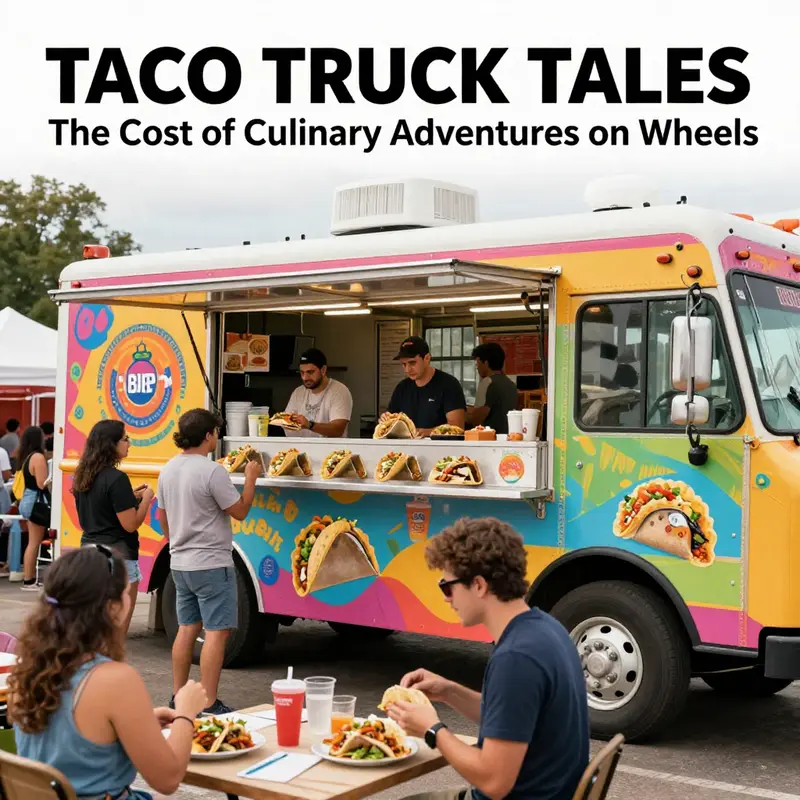
Taco trucks are more than just mobile kitchens; they’re a unique dining experience that captures the vibrant spirit of Mexican cuisine. As food lovers chase the tantalizing tastes of tacos, many ponder the logistics behind these culinary delights. How much does it actually cost to operate a taco truck? This exploration goes beyond mere dollar signs, resonating with taco enthusiasts, local office workers craving quick meals, residents seeking flavors, and event planners looking for unique catering options. The chapters ahead dissect the costs associated with operating a taco truck across various locations, budgeting for startup expenses, and long-term financial considerations. By the end, you’ll not only grasp the investment involved but also appreciate the flavorful adventures that a taco truck can offer!
Neighborhood Economics on Wheels: A Deep Dive into Taco Truck Costs Across Cities
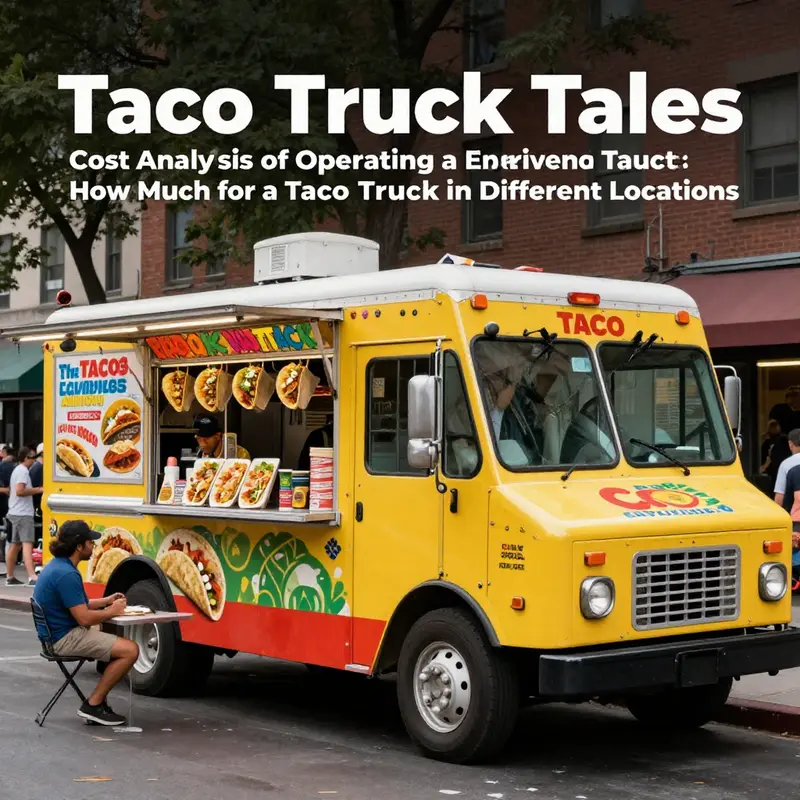
The idea of a taco truck has long stirred the imagination: sizzling skillets, the scent of cumin and lime riding on a street breeze, customers lining up for a quick, flavorful meal that feels both authentic and accessible. Yet behind that vibrant storefront-on-wheels lies a forest of numbers that can make the difference between a thriving street business and a regrettable financial misadventure. The question of how much a taco truck costs is not a single answer, but a map of costs that shift with location, scale, and how you choose to operate. In this chapter we move through the two halves of the cost equation—the upfront investment and the ongoing expenses—and we ground the discussion in real-world figures that prospective operators can translate into practical budgets. We also look at the environmental and regulatory landscape that shapes what you must pay and when you pay it, and we connect these dots to the broader question: what does it take to turn a taco truck into a sustainable venture rather than a perpetual cost center?
Begin with the most visible part of the cost puzzle: the upfront investment. A taco truck is more than a vehicle; it is a fully equipped mobile kitchen. The initial investment typically ranges from about fifty thousand dollars to well over a hundred fifty thousand dollars. The spread reflects choices in vehicle modification, kitchen equipment, safety systems, and the quality of branding and infrastructure that you install on the unit. The vehicle itself is a major variable. Some operators build out a custom van or a converted delivery vehicle, while others purchase a vehicle with a ready-made kitchen interior that minimizes fabrication time. The kitchen equipment you choose—ranges for cooking, refrigeration, food preparation, and serving—also swings the budget. The more robust your appliances, the higher the upfront cost, but the payoff can be lower maintenance downtime and greater throughput during busy periods.
Permits and licenses are another large line item that can surprise newcomers. Local governments regulate mobile food operations with a mix of health, safety, and street-usage rules. The cost and complexity of these permits vary widely. In high-cost urban hubs—cities with dense real estate markets and stringent regulatory regimes—startup costs can easily surpass one hundred twenty thousand dollars when you tally the vehicle, the build-out, and the fees. In contrast, smaller cities or rural areas often offer more forgiving permitting processes, so the total startup price may land closer to sixty thousand to eighty thousand dollars. The reason is not only the permit fees but also the cost of securing a suitable space to park and operate, which can influence the size and durability of your build-out.
A practical reference from the field—though it concerns rentals rather than outright purchase—illustrates how location and use-case shape the numbers. In Palmdale, a pickup can be rented for around sixty-seven dollars a day. While this figure is about rental value rather than the cost of building a kitchen on wheels, it helps frame the baseline economic landscape: your cost of capital, whether you own or lease, has to be weighed against the revenue potential of the business. If you plan to operate a taco truck full-time in a busy district or at events, you are not just paying for a vehicle—you are paying for the capacity to serve more meals and to absorb the fluctuations in demand. The Palmdale figure also suggests a reference point for budgeting as you contemplate financing or leasing decisions. If a partial build-out or a shorter project timeline is in your plan, rental economics can become a useful tool in modeling monthly cash flow while you stand up the operation.
Once you move past the obvious build-out costs, the ongoing expenses begin to define profitability. Fuel and maintenance are the most visible recurring costs. A fuel budget must consider not only distance traveled and the intensity of city driving but also the efficiency of your kitchen’s electrical and mechanical systems. In many markets, fuel prices and maintenance needs track with the vehicle’s age and the roads that your route requires you to traverse. The equipment you use begins to pay rent in another way: when you source your food and supplies, you are engaging in a chain that runs through distributors, farmers, and sometimes local markets. Ingredient procurement is a dynamic cost. Prices shift with seasonality, supply disruptions, and the degree of local sourcing you pursue. A commitment to fresh, local ingredients can raise costs in the short term but often yields better margins when customers are willing to pay a premium for quality.
Labor is another major ongoing line item. Skilled staff typically command wages higher than minimum wage in metropolitan areas, and the demand for reliable cooks or food prep staff can push labor costs upward. The mix of labor you require will depend on how many hands you need to operate during peak hours versus quieter times, and whether you rely on part-time help for events or run a more full-time, stable crew. Insurance is not optional; it protects you from liability and theft, and the cost hinges on the coverage you select, your revenue levels, and the local risk environment. Recurring licensing fees and health inspections add another predictable layer of expense. These ongoing costs accumulate, and the difference between a well-managed operation and a patchwork setup often shows up in cash flow statements, not in initial receipts.
A critical mindset shift for potential operators is to distinguish between operating costs and profitability. It is entirely possible to run a high-end taco truck with premium ingredients and a strong brand while still losing money if you do not manage the underlying cost structure. The National Restaurant Association’s 2023 industry research notes that a sizable share of food trucks fail within the first two years, and the primary culprit is often insufficient financial planning and underestimating ongoing costs. This warning is not a scare tactic; it is a reminder to enumerate every recurring expense and to stress-test the model against real-world variability—seasonal demand, weather, competition, and regulatory shifts. The most resilient plans build in a margin for contingency: a buffer that covers unexpected repair needs, price swings in ingredients, or a regulatory change that alters your cost structure.
Running a taco truck is as much about design and process as it is about flavor. Equipment sourcing becomes a strategic exercise, especially when you start to think about long-term reliability. Safety standards, such as those connected to electrical and gas installations, come with codes that govern the selection and installation of appliances. It is crucial to verify that key materials used in the kitchen—such as stainless steel surfaces that resist corrosion and staining, and food-grade finishes that meet health standards—are up to the task. This attention to detail is not merely about compliance; it translates directly into uptime and operational continuity. The failure to invest in durable equipment can magnify downtime costs and erode customer confidence. A thoughtful sourcing plan often includes choosing suppliers with strong after-sales support and a reputation for timely service. In a mobile kitchen environment, downtime is expensive; every hour that the grill or refrigeration unit is out of service reduces your ability to serve customers and affects your day’s revenue potential.
The economics of location further complicate the cost picture. The allure of a high-foot-traffic area carries with it higher fixed costs, including monthly rents for a prime street location or a secure space near event venues. In some markets, rent for a street-side stall or a fixed parking zone can range from five hundred to two thousand dollars per month. The exact figure hinges on the neighborhood’s popularity, the time of day you operate, and the predictability of crowds. In exchange, you gain a steadier rhythm of sales and a more consistent supply of customers who pass by your kitchen window. In places with lower rents, you may allocate more of your budget to high-quality ingredients, more frequent events, or a larger pre-season build-out, which can compound into stronger repeat business.
Pricing and revenue generation are the other halves of the profitability equation. A taco truck’s revenue depends on your menu, your price points, and how effectively you reach your target audience. A strong menu with a few signature items can command premium prices in busy districts, but you cannot rely on price alone. The cost structure must allow room for promotional events, staff coverage for festivals or fairs, and the occasional repair without forcing a rapid price increase that alienates customers. The best operators learn to read the market: what locals are willing to pay, how much competition exists nearby, and how events nearby can reshape daily traffic. A realistic model accounts for peak harvests and low-demand periods, with a line item for seasonal fluctuations that may require shifting hours or rotating specials to maintain volume.
In this planning frame, the reference to a Palmdale-style daily rental cost becomes a tool for scenario modeling rather than a verdict on all operations. If you were to begin with a rental-based approach for a short trailer or a temporary truck build, you would still need to upgrade to a fully equipped kitchen to meet health and safety standards and to maintain a consistent quality of service. The Palmdale figure underscores the fact that vehicle costs are a function not only of price but of the way you deploy the asset. A truck that operates every day near a bustling business district will incur higher depreciation, higher maintenance needs, and higher fuel use, but it can also produce substantially higher daily revenue if you optimize your menu and service speed. A leaner operation in a smaller town might have lower operational costs but also a smaller revenue ceiling. The art of starting a taco truck lies in balancing these forces: matching your capitalization strategy to your market, and designing a plan that preserves cash flow across slower periods.
As you think through the equipment and sourcing decisions, consider the instructional value of how operators talk about their gear. The notion of “top taco truck models for culinary success” captures a spectrum of choices, from the layout of the kitchen to the flow of customers through the serving window. The idea is not to chase a particular model but to understand which design traits correlate with reliability, ease of cleaning, and speed. For those who want a concise guide to this topic, you can explore discussions that highlight how different layouts support throughput and sanitation, and how modular components reduce downtime. This approach keeps the focus on process and outcomes rather than on specific brands. For readers who want to dive deeper into model-focused planning, the linked article provides a practical framework for evaluating configuration options without getting lost in product names. See here for a deeper exploration of model choices: top taco truck models for culinary success.
The question then becomes: how do you translate all these elements into a credible financial plan? A robust plan starts with a baseline budget that includes the most probable costs and a set of guardrails for unexpected events. Your upfront investment is the anchor, but the trajectory of cash flow is shaped by variable costs, including fuel, maintenance, ingredients, and labor, and by the fixed costs that persist month after month, such as insurance and licensing. A practical budgeting exercise is to quantify the recurring monthly burden and compare it against plausible revenue scenarios. For instance, in a busy urban district with high foot traffic, you might estimate higher daily meals sold and a higher average ticket, which supports a larger operating budget. In a smaller city or suburban setting, the same business model will likely require a leaner approach to staffing and procurement, with a tighter margin for error and less room for price stress during downturns.
It is essential to factor risk into the forecast. The same 2023 industry data that warned of a high failure rate among food trucks also emphasizes that those who succeed tend to have disciplined financial planning. Those who plan for contingencies, who monitor costs closely, and who adapt to changing conditions—whether by shifting menus with the seasons or by adjusting their operating footprint—tend to outperform. A common and effective risk management strategy is to build a contingency line in the budget, perhaps a percentage of projected costs, that is directed specifically at repairs, equipment upgrades, or regulatory changes. This resilience is not a luxury; it is a practical safeguard that protects the business during the inevitable bumps in the road.
Looking ahead, the path from concept to storefront-on-wheels is not a straight line. You will face decisions about whether to own or lease, how to finance the build-out, and how to sequence improvements as cash flow accelerates or constrains. If you choose to own, you will shoulder the depreciation and maintenance costs directly, but you may unlock more control over the asset and potentially better long-term economics. If you choose to lease or rent, you gain flexibility and lower upfront risk, but you may incur higher long-run costs and potentially less control over the asset’s fate. Each path comes with a set of trade-offs that must be weighed against your starting capital, risk tolerance, and the speed with which you expect to reach scale. The best practice is to simulate several scenarios, including best-case, base-case, and worst-case, and to keep a live budget that evolves with actual performance. The value of such planning becomes evident when you measure actual outcomes against projections, identify the drivers of variance, and adjust your approach to preserve margins while maintaining quality.
In sum, the true cost of a taco truck is a composite narrative rather than a single price tag. It begins with a wide range of upfront investments and continues with a diverse set of ongoing costs that shift with location, scale, and your operating strategy. The Palmdale rental reference teaches a practical lesson: even when you are negotiating the price of a vehicle, the economics of how you use that asset drive the bottom line. If you approach the business with a disciplined, scenario-based budgeting mindset, you will be better prepared to weather fluctuations in supply chains, demand, and regulation. The goal is not to minimize costs at all costs but to maximize the value delivered to customers while maintaining a sustainable margin for growth, reinvestment, and the inevitable repairs that mobile kitchens require. The market rewards operators who connect thoughtful financial planning with a well-executed kitchen on wheels, and who understand that the cost structure should be treated as a living framework rather than a one-time hurdle.
For readers who want a practical touchstone for how this planning translates into choices about equipment and layout, a widely read guide to model configurations can be a helpful companion. It highlights the features that matter most for throughput, sanitation, and service speed, while keeping a clear eye on the costs that influence long-term profitability. By focusing on design traits that enable efficient cooking, quick serving, and easy cleaning, operators can reduce downtime and labor waste, which are two major levers for improving margins. The emphasis on modularity and durability helps ensure that the kitchen remains responsive to evolving customer preferences and demands, rather than becoming a bottleneck when the schedule turns busy.
Ultimately, the chart of costs becomes a map for action. You begin with a realistic appraisal of upfront needs, then use location-aware budgeting to forecast ongoing expenses. You test your assumptions against the realities of your market, adjust your menu and operations to optimize throughput, and maintain a vigilant eye on regulatory changes and supplier dynamics. When you do these things, the taco truck becomes not just a dream of flavorful street food but a disciplined enterprise with a credible path to profitability. If your aim is to craft a chapter in this larger article that speaks to both the aspirations and the practicalities of launching a taco truck, this integrated approach—grounded in real-world figures, anchored by a reference price from a nearby rental market, and framed by a disciplined financial plan—offers a credible, coherent narrative that readers can apply to their own planning processes. And for those who want to explore more about how different configurations can support culinary ambitions, the internal link to a practical model-focused resource provides a useful next step: top taco truck models for culinary success.
External resource: For a broader overview of industry trends and the health of the mobile food sector, consider reviewing the National Restaurant Association’s industry research and trends, which offers data and insights into compliance, costs, and growth opportunities that shape the economics of food trucks: https://www.nationalrestaurant.org/industry-research/food-truck-trends
null
null
Steering Through the Long Game: The True Price of a Taco Truck Over Time
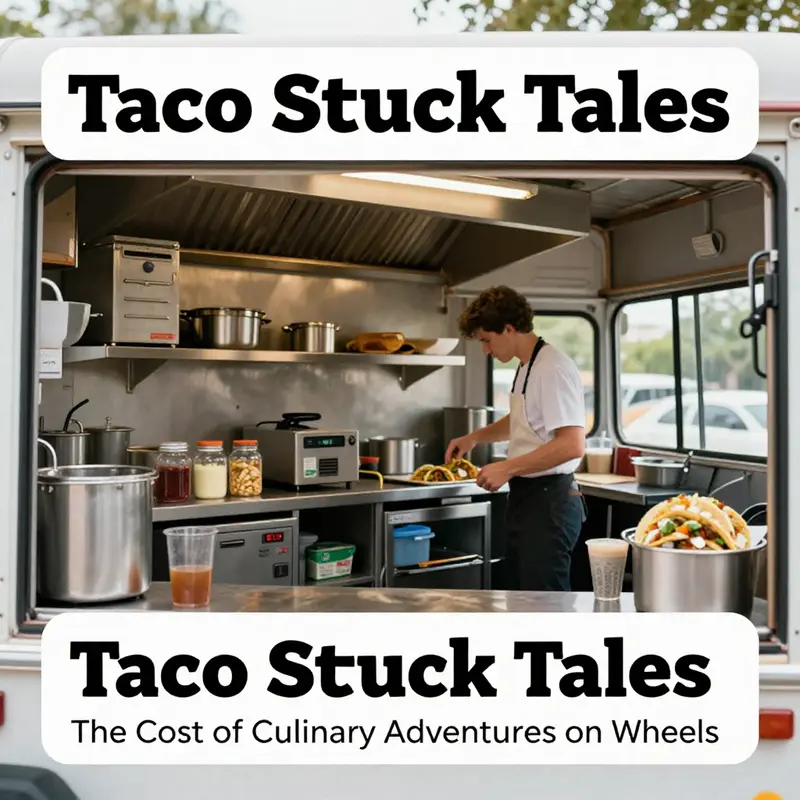
The sticker price of a taco truck is only the opening gesture in a much longer conversation about money. For anyone thinking about “how much for a taco truck,” the real inquiry moves beyond the upfront cost to the steady drumbeat of operating expenses, occasional capital refreshes, and the revenue that can accrue across seasons and markets. This chapter threads together the major lines of that longer dialogue, drawing a careful map of what ownership and operation demand in terms of money, time, and risk. You will see how an initial investment does not exist in isolation; it interacts with depreciation, financing choices, day-to-day costs, and the unpredictable flows of customers, vendors, and regulations. In practical terms, the long-term price tag is a composite story that unfolds as you walk from the first trailer or cart purchase toward a stable, repeatable income stream, with buffers for downtime and shifts in demand. It’s not a single number but a trajectory that becomes clearer as you forecast, track, and adjust.
To anchor this discussion, consider a rough reference point for ongoing operating costs in mobility and street-food contexts: in Palmdale, a simple pickup used as a mobile unit can be rented for about $67 per day, according to recent searches by price-conscious travelers. This figure is the lower end of rental experience in that area and serves as a pragmatic baseline for a purely vehicle-focused temporary setup. The average daily rental in the same market tends toward around $84, which helps illustrate how dramatically costs can vary based on vehicle type, duration, and required equipment. Even this seemingly modest daily expense hints at the larger budgeting challenge for a taco business: the vehicle is just the launching pad. Real-world profitability hinges on the sum of many parts—food costs, licenses, insurance, fuel or electricity, maintenance, and the people who prepare and serve the food. The initial line item (the purchase or lease price) fades into a broader tapestry when you add all the other moving pieces that keep a taco operation on the road and in business.
The essential decision at the outset is whether to buy a new unit, buy a used unit, or opt for a modular setup that can be towed or wheeled to markets, fairs, and pop-up locations. Each route has its own risk and reward profile. A brand-new, fully equipped mobile kitchen might offer favorable reliability and compliance with current health and safety standards, but it commands a higher upfront price and a steeper depreciation curve. A pre-owned trailer, on the other hand, can slash the initial cost and bring essential kitchen equipment into your hands at a fraction of a new unit’s price. Yet that bargain can come with hidden mechanical or structural issues, outdated appliances that demand replacement, and compliance gaps with evolving health and safety regulations. In short, the initial investment is a critical lever, but its effects reverberate through maintenance schedules, insurance premiums, and the pace at which you can scale or pivot your menu and routes.
Consider the Total Cost of Ownership (TCO) as the framework that narrates the long-run cost story. TCO is not simply the sum of a purchase price and a monthly loan payment; it is the cumulative effect of every expense tied to the vehicle and the kitchen, from the way you power the rig to the way you refill the grill with fresh ingredients. Fuel or electricity emerges as a major recurring charge. Gasoline, diesel, or electric power will shape your operating margins in meaningful ways, especially when you factor in outages, generator needs, charging downtime, and the costs associated with keeping appliances running at peak efficiency. Electric setups, while cleaner and potentially cheaper per unit of energy, require reliable access to outlets or generators at each event. The variability of energy access—in outdoor events, parking lots, or at temporary markets—can itself affect revenue by constraining where and when you can operate.
Regular maintenance is another pillar of the long-term price story. A taco truck depends on a complex ecosystem of moving parts: the vehicle’s drivetrain, refrigeration units, fryers, griddles, and ventilation systems all require routine servicing. The schedule should be aligned with the manufacturer’s recommendations and local regulatory expectations. Skipping maintenance to save a few dollars today almost always costs more tomorrow in downtime and emergency repairs. Insurance premiums escalate in tandem with perceived risk, and they’re not a fixed line—coverage levels, deductibles, liability limits, and even the tenure of a policy can shift as you add events, expand your crew, or change your routes.
Licensing and permits are the quiet cost centers that can surprise new entrants if not anticipated. To operate in different jurisdictions, you may face varying inspection regimes, health department approvals, and street-closure or event-authorization fees. Each jurisdiction can be a new learning curve and a new set of fees. Because these costs recur and can evolve with local policy or enforcement priorities, they deserve a place in the long-term budget that doesn’t get buried under a month-to-month cash flow projection. Ingredient costs, while not under the vehicle’s hood, are the other side of the food-supply equation. The menu’s design, seasonality of ingredients, supplier relationships, and theft risk all creep into your expense profile over time. Labor wages, too, scale with growth. If you hire staff to operate the truck, you must account for salaries, payroll taxes, benefits, and potential overtime, which can significantly alter what remains after food and energy costs.
Marketing expenses sit in the same family of ongoing costs, because attracting and retaining customers is essential to sustaining revenue. A few dollars spent on signage, a digital presence, or event sponsorships can translate into more events, better locations, and higher average ticket sizes. In the most successful models, marketing becomes not a cost center but a lever that expands the daily revenue potential. Yet even as you invest in visibility, you must measure the return. If a concert series or food festival promises rich foot traffic but requires a higher entry fee or sharing arrangements with organizers, the net effect on your bottom line should be tested against the cost of the opportunity and the risk of weather-driven downturns.
All these elements—fuel, maintenance, insurance, licensing, ingredients, labor, and marketing—combine into a dynamic forecast that changes with your location strategy, the size and sophistication of the kitchen, and the cadence of events you chase. A robust financial plan begins with a realistic budgeting exercise that catalogs every potential line item, then tests outcomes against multiple revenue scenarios. The exercise is not merely arithmetic; it’s scenario planning: what happens if a key supplier raises prices, if a major event cancels, or if a new policy requires an added compliance step? Each scenario reshapes the break-even point, the investment horizon, and the tempo at which you reinvest in the business.
To illustrate how the long-run math might unfold, let’s anchor the discussion in a simple but practical approach. Suppose you purchase a used mobile unit that is structurally sound and already equipped for basic cooking and food preparation. Your upfront cost is lower than a new unit, but you accept additional maintenance needs and more frequent equipment refresh cycles. Your annual energy bill rises with use, and you set aside funds for periodic equipment upgrades to maintain readiness for peak season demand. If you operate across a calendar year with steady event bookings, your revenue may trend upward as you build a loyal customer base and refine your menu. The true profitability then depends on how well you manage the non-food costs: you must keep insurance, licensing, and permits current; ensure maintenance is timely; and curate your staff schedule so labor costs align with demand without sacrificing service quality.
In a more formal planning frame, many operators develop a comprehensive financial plan that ties together budgeting, revenue forecasting, and cost-control strategies. The budgeting phase enumerates all expense categories with realistic assumptions about price changes and service levels. Revenue forecasting is grounded in market research, location-based demand, and the frequency of events. Cost-management strategies look for operational efficiencies—better route planning, inventory controls, and energy-saving measures—that can reduce the percentage of revenue eaten by overhead. The result is a transparent path to break-even and a clear view of margins under different conditions. This is not a one-time exercise but a living document that must be updated as markets shift, equipment ages, and the business grows.
An additional layer of complexity in the long-run cost picture is depreciation and tax strategy. The value of a vehicle and kitchen equipment depreciates over time, and the chosen depreciation method can influence current-year profits and tax obligations. In many markets, businesses can benefit from accelerated depreciation schedules for mobile food units and related equipment, which can improve cash flow in the early years of ownership. Engaging a qualified tax professional who understands the nuances of mobile food operations is a smart step, because the tax code offers opportunities to optimize the timing of deductions and the treatment of capital improvements. A well-structured depreciation plan also informs decisions about when to refresh equipment or upgrade to a higher-capacity unit, balancing the tax relief of depreciation against the operational benefits of newer technology.
The practical implication of these considerations is that the “how much” question becomes a question of timing and scale. How soon do you expect to be profitable? How aggressively should you invest in equipment upgrades? How fast can you grow your event calendar to spread fixed costs over more revenue streams? These questions are not answered by a single figure, but by a disciplined process that couples market insight with disciplined financial modeling. The outcome is a range of scenarios: a best-case path where demand grows quickly and the unit remains reliable, a conservative path where growth is slower but maintenance and compliance costs stay predictable, and a staggered path that uses selective partnerships, seasonal pivots, and temporary co-branding opportunities to maintain cash flow when market conditions tighten.
The long-game view also invites a reality check about the role of branding, service quality, and consistency. A well-executed taco operation that earns a reputation for flavorful menu items, reliability, and friendly service can command premium pricing, repeat business, and favorable negotiating power with event organizers and suppliers. This intangible value translates into tangible economic effects: a higher average ticket, more predictable demand, and the resilience to weather occasional price shocks in ingredients or fuel. The sustainability of such advantages will depend on the discipline that underpins your financial plan. Track costs, monitor margins, and test new revenue streams with careful pilots before committing to larger capital outlays. In the end, the long-run health of the business is a function of the disciplined management of cost, risk, and opportunity, not merely the freshness of salsa or the sizzling of a grill.
There is also a strategic element to the decision about ownership versus rental or partnerships. For some operators, leasing or shared-use arrangements can tamp down the upfront burden and spread the risk of ownership across multiple events or seasons. For others, owning the asset provides a sense of control and potential equity that can be leveraged for financing in the future. The right choice depends on your capital availability, appetite for risk, and strategic direction. The important point is that long-run financial planning should explicitly compare ownership costs to alternative arrangements, including the impact on cash flow, flexibility, and scalability. In any case, a robust financial plan should incorporate a mechanism for ongoing learning: as you accumulate actual operating data, revise your cost estimates, refine your forecast, and adapt your strategy so that the enterprise remains on a path toward sustainable profitability rather than becoming a perpetual cost center.
A final note connects this long-run analysis back to the practical decision about how to begin. If you are still evaluating whether to dive in with a full taco truck, you can borrow insights from existing models and layouts without committing to a single option. For a sense of how operators balance layout, equipment, and mobility in practice, many readers find value in resources that discuss model options and culinary strategy. See our article on taco truck models to explore the continuum from portable carts to full mobile kitchens, and imagine how your own constraints—budget, local regulations, and desired event types—shape the shape of your investment. taco-trucks-unleashed-top-5-models-for-culinary-success
Throughout this exploration, the core message remains: the initial price tag is just the opening line. The real, long-term price of a taco truck is written in the margins—how you manage energy, how you maintain equipment, how you price and promote, and how consistently you deliver a product that customers crave. The better your systems for budgeting, forecasting, and cost control, the more predictable your path from startup to stable profitability. The greatest investors in this space are those who treat the journey as an ongoing optimization problem, constantly reconciling the realities of in-field operation with the goals of prudent fiscal stewardship. In that sense, the long-term price of a taco truck is less about a single figure and more about the discipline to turn revenue opportunities into durable, repeatable earnings over time.
For readers seeking a broader, industry-wide perspective on financial planning for mobile food units, consider consulting established benchmarks and guides that discuss depreciation schedules, lifecycle costs, and practical budgeting guidance. Such resources help anchor your plans in verified data and provide a framework you can adapt to your own market and menu. While this chapter concentrates on the mechanics of cost and revenue, the broader landscape emphasizes that success rests on a careful blend of strategic buying, disciplined operation, and opportunistic growth. The long-run price you pay for a taco truck is largely the price you pay for consistent decisions over time, rather than a single upfront payment.
External resource for further reading: https://www.restaurant.org/
Final thoughts
Operating a taco truck is an adventurous journey that requires diligent financial planning and considerable investment. From understanding the varying costs in different locations to accounting for startup expenses, taco truck entrepreneurs can navigate their way to success by comprehensively analyzing their financial needs over time. Whether you’re a taco enthusiast looking to start your own truck or simply an event planner seeking delicious catering options, understanding the financial landscape of taco trucks can provide valuable insights. So dream big, taco lovers, the road to flavorful creations awaits!