Introduction
Plastic food containers are ubiquitous in the food industry, and understanding their temperature limits is crucial for food business operators. These containers come in various shapes and sizes, making them ideal for storing and serving a wide range of dishes, from hot entrees to cold desserts. However, each type of plastic has its own temperature threshold, and exceeding these limits can compromise food safety and the integrity of the container itself. As a food business operator, whether running a bubble tea shop, restaurant, or food truck, being informed about how hot a plastic food container can be is essential for ensuring the quality of your food products and keeping your customers happy. Knowing when to use the right container can protect your bottom line and enhance your brand’s reputation for quality. For a selection of containers that meet varied needs, feel free to explore our range of boxes or takeaway options for sushi and bakery items.
Understanding the Heat: What Temperature Limits Can Plastic Food Containers Handle?
In this section, we’ll dive into the critical temperature limits for plastic food containers, ensuring you know how to safely serve and store your delicious culinary creations. Whether you’re running a bubble tea shop, a food truck, or a catering service, understanding these limits is vital for maintaining food safety and quality.
General Heat Resistance of Plastic Types in Food Containers
When it comes to choosing the right plastic for food storage, especially in food service settings such as bubble tea shops, restaurants, and catering services, understanding the heat resistance of various plastics is essential to ensure safety and quality. Here’s a closer look at three commonly used plastics: PET (Polyethylene Terephthalate), PP (Polypropylene), and PS (Polystyrene).
1. PET (Polyethylene Terephthalate)
- Heat Resistance: PET can typically withstand temperatures up to 60°C (140°F). This makes it suitable for cold and warm food applications but not ideal for hot food.
- Typical Uses: Frequently used in beverage containers and ready-to-eat meals that require heating at low temperatures. It’s highly recyclable, making it popular in eco-friendly markets.
2. PP (Polypropylene)
- Heat Resistance: PP boasts a higher heat resistance, capable of withstanding temperatures up to 100°C (212°F). It remains stable and does not warp under heat, allowing for practical application in microwavable containers.
- Typical Uses: Widely used for takeaway boxes, microwave-safe containers, and dishes that are regularly heated such as pasta meals and dessert trays. The versatility of PP makes it a favorite among food service businesses for its durability and reliability.
3. PS (Polystyrene)
- Heat Resistance: PS has relatively low heat resistance, with tolerances around 70°C (158°F). This means it’s not well-suited for hot food storage as it can distort under heat.
- Typical Uses: Commonly found in disposable dinnerware and takeaway containers, PS is cost-effective but best reserved for cold food items or short-term use.
Summary
Understanding the heat resistance of these plastics can help businesses make informed decisions regarding their food storage solutions. For instance, if you’re serving warm dishes, opt for containers made from PP, while cold beverages and dishes can be paired with PET containers. Explore a variety of food containers to find the best fit for your needs.
Visual Comparison Chart
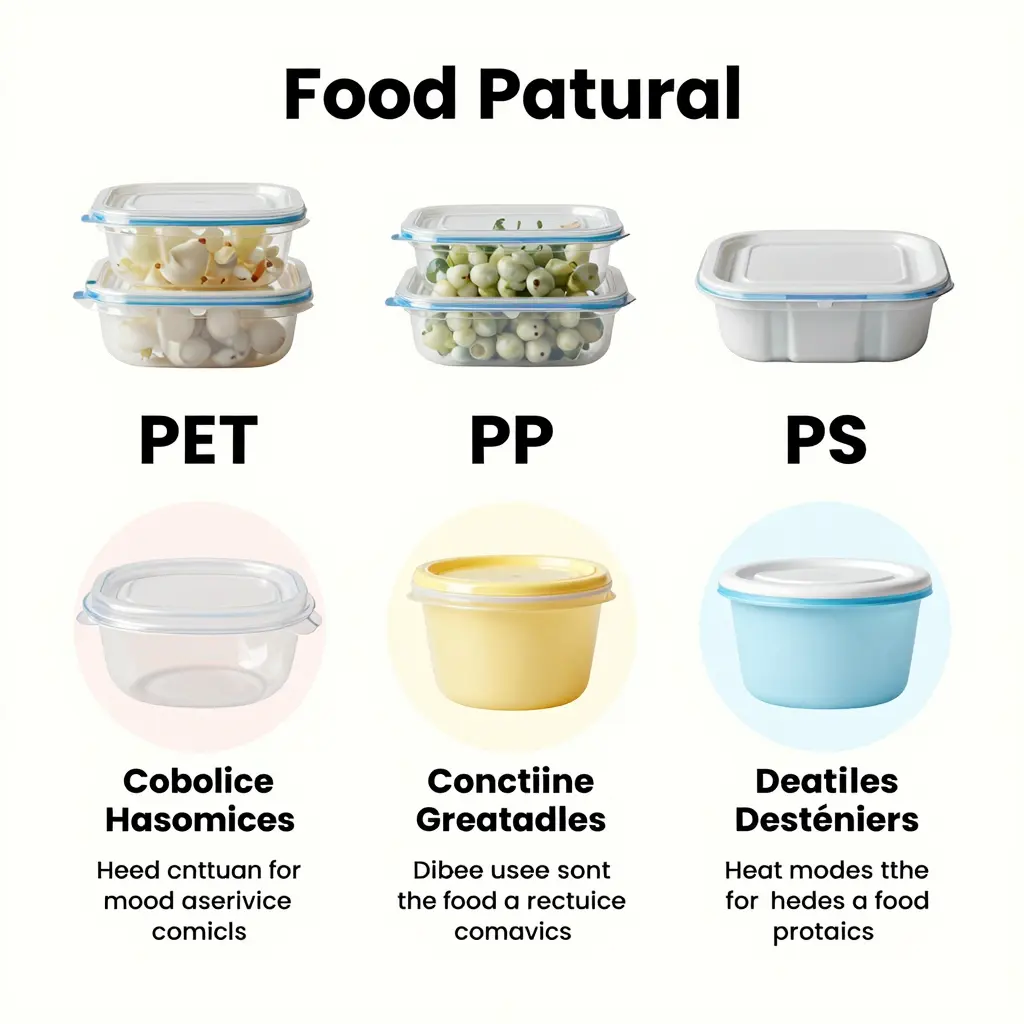
This chart provides a visual comparison of the heat resistance properties across these plastic types, making it easier for food service businesses to assess their options.
Choosing the right plastic not only affects food quality but also aligns with food safety regulations, ensuring customer satisfaction and safety in the myriad of service scenarios encountered in the food industry.
Comparing the Heat Tolerance of Common Plastics Used in Food Containers
When selecting plastic containers for hot foods or beverages, it’s essential to consider their heat tolerance. Below is a clear comparison of the melting points and typical uses of various plastics commonly found in food service.
| Plastic Type | Melting Point (°C) | Typical Uses in Food Service |
|---|---|---|
| PET (Polyethylene Terephthalate) | 250°C (482°F) | Beverage and food containers (reuse and recycling) |
| PP (Polypropylene) | 160-200°C (320-392°F) | Dairy products, ready meals, and heat-resistant applications |
| PS (Polystyrene) | Approximately 100°C (212°F) | Disposable containers for food service, cups, and trays |
Insights on Plastic Usage
- PET is widely utilized for its strength and clarity, making it suitable for beverages and various food items. Its melting point makes it robust against high temperatures, ideal for certain reheating scenarios.
- PP is favored for its heat resistance and is commonly found in ready-to-eat meals and hot food containers due to its ability to withstand higher temperatures. Learn more about PP options for your food service needs.
- PS is known for its excellent insulation properties, making it a popular choice for disposable items like cups and trays but is less effective for hot items compared to PP and PET.
Understanding these properties helps bubble tea shops, beverage chains, and food service providers make informed decisions about container choices and ensure food safety and quality.
Understanding Temperature’s Impact on Food Safety in Plastic Containers
In the world of food service, especially among bubble tea shops, restaurants, and food trucks, ensuring food safety is as crucial as the quality of the food served. Studies have shown that temperature plays a significant role in the safety of food stored in plastic containers.
Key Findings on Temperature Effects
-
Chemical Leaching: Research has indicated that the temperature of food can significantly influence the leaching of harmful chemicals from plastic containers. Heating can increase the levels of contaminants, such as phthalates and BPA, in food. For instance, one study highlighted that the migration of chemicals increased as temperatures rose, with some plastics starting to leach at temperatures as low as 25°C (77°F). This is particularly concerning for businesses that reheat food in plastic containers. Learn more about safe food storage.
-
Endocrine-Disrupting Chemicals (EDCs): Another study found that polypropylene containers significantly released EDCs when heated, although polystyrene containers did not show harmful levels of BPA at any temperature. This insight is essential for restaurants considering their container options during the serving and storage of hot foods. Read more on safety in plastic food containers.
-
Temperature Influence on Microbial Growth: High temperatures can also create an environment for microbial growth in scratched plastic containers. Thus, it’s vital to maintain cleanliness and avoid using old containers that may harbor bacteria.
Insights for Businesses
- Opt for Higher Quality Materials: Consider using glass or high-grade stainless steel for heating and storing food to minimize the risks associated with plastic leaching.
- Reevaluate Heating Practices: For food trucks and catering services, revisit protocols for reheating food and consider alternatives that do not involve plastic containers.
- Maintain Cleanliness and Proper Storage Temperatures: Regularly check the temperature settings of food storage units and ensure clean, scratch-free containers are used.
Conclusion
Temperature control is vital for food safety, particularly concerning the materials used to store food. Awareness and proactive measures can help restaurants and food trucks mitigate risks, ensuring the health and safety of their customers.
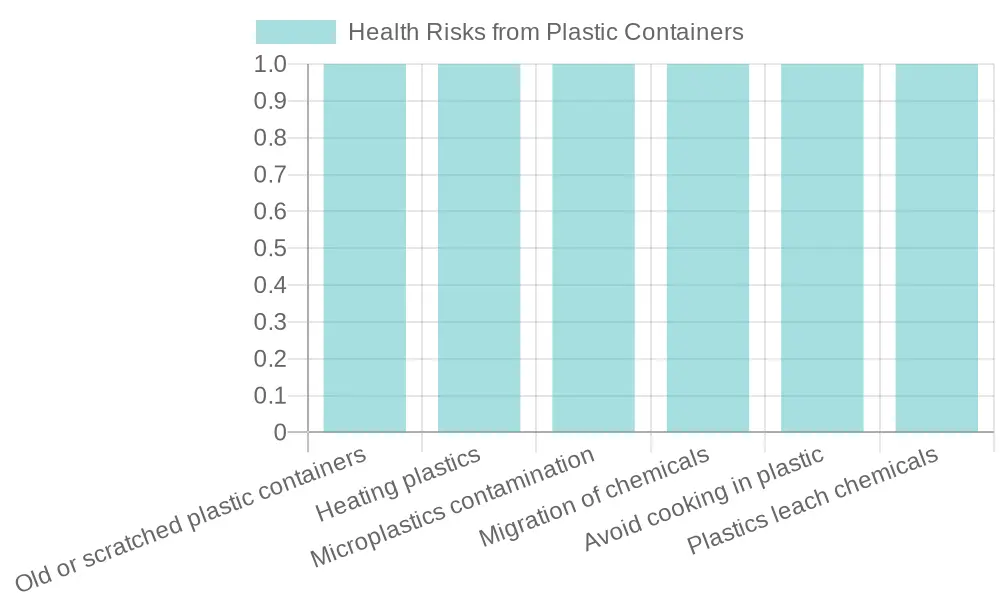
The Implications of Using Unsuitable Plastic Containers
In the fast-paced world of food service – whether you’re running a bustling bubble tea shop or catering for an outdoor event – the choice of your packaging can significantly impact not just your product, but also your customers’ health. Imagine this: a customer orders your hot, freshly made specialty drink, but the plastic cup you use is not designed for high heat. As they sip their beverage, harmful chemicals leach into their drink, putting their health at risk.
Using unsuitable plastic containers can lead to serious implications that extend far beyond a poor dining experience. Here are some critical risks to consider:
Health Hazards
Research has indicated that heating plastic food containers poses substantial health risks. Chemicals like BPA (Bisphenol A) and phthalates can leach into hot foods and beverages, potentially leading to hormonal disruptions and other health concerns. According to Greenpeace Africa, heating plastic food containers can release harmful substances, further compounding the risk with microplastics entering the food we consume (Greenpeace Africa). For your customers, this means something as simple as enjoying a meal could jeopardize their health.
Product Integrity Issues
Consider the integrity of your brand – using subpar containers can lead to compromised food quality. Containers that cannot withstand high temperatures may warp, leak, or even break, resulting in a messy and unappetizing experience. For example, a well-prepared meal in a sagging, melted takeaway box diminishes the appeal and raises questions about hygienic standards. Your customers deserve better, and so does your business reputation.
Implications for Businesses
The implications for businesses that neglect the quality of their packaging are significant. Not only do you risk customer dissatisfaction, but you may also face potential legal liabilities if health issues arise from food packaging. A report in One Green Planet highlighted the correlation between hot food in plastic containers and increased health risks, such as inflammation and potential heart damages (One Green Planet). This adds to the importance of aligning with quality standards that protect not only your customers but also your enterprise.
A Call for Change
In a world where health-conscious choices are becoming paramount, it’s crucial to consider alternative materials designed for high temperatures. Glass, metal, and specially formulated high-heat plastics can ensure safety without sacrificing quality. The next time you’re stocking up on containers, think about how a small change can create a significant impact. By investing in suitable packaging, you’re not just choosing safety; you’re endorsing quality that resonates with your customers at every sip.
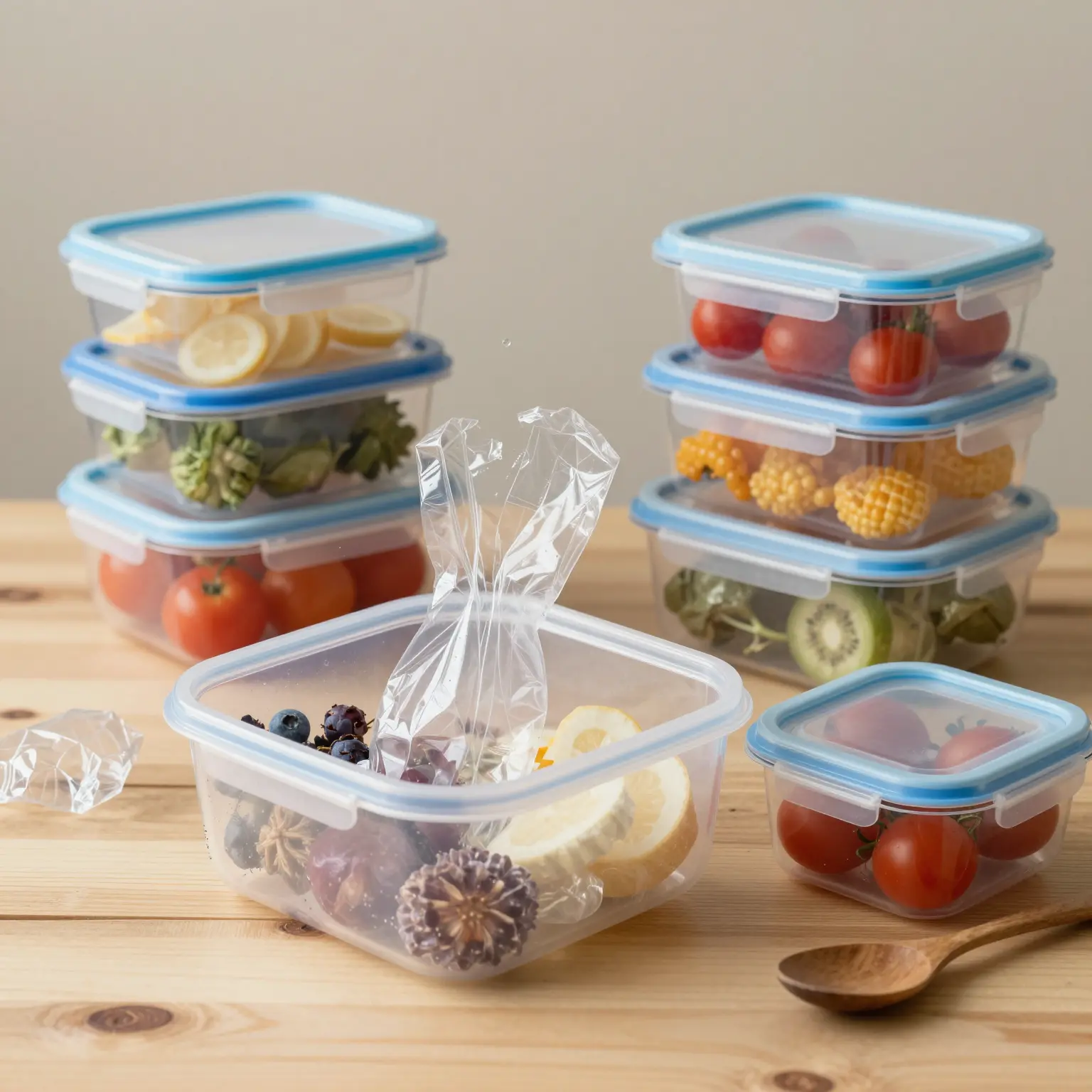
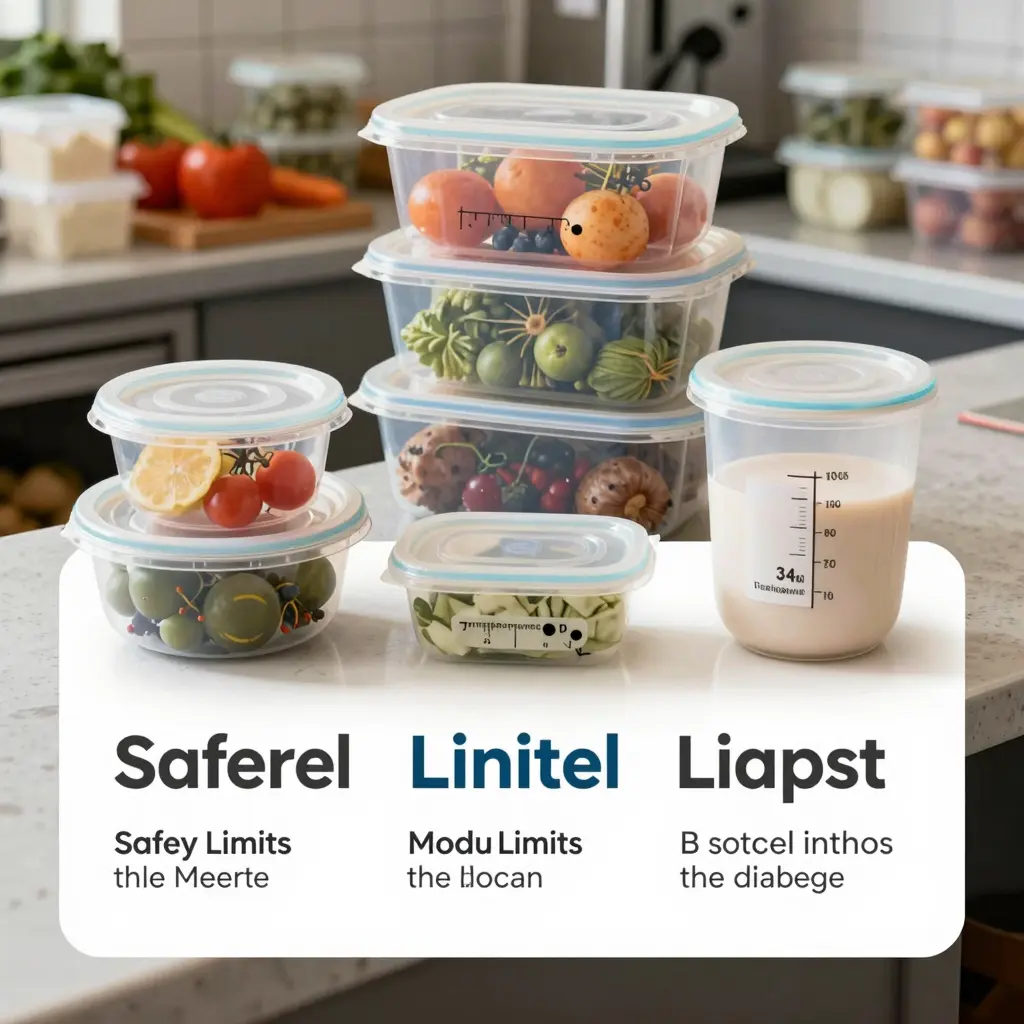
An illustrative depiction of the dangers of using unsuitable plastic containers for hot food.
Businesses focused on longevity and customer loyalty will recognize that quality packaging matters. Improve your product offerings today by exploring suitable container options such as those found in our variety of takeaway boxes to keep your customers safe and satisfied!
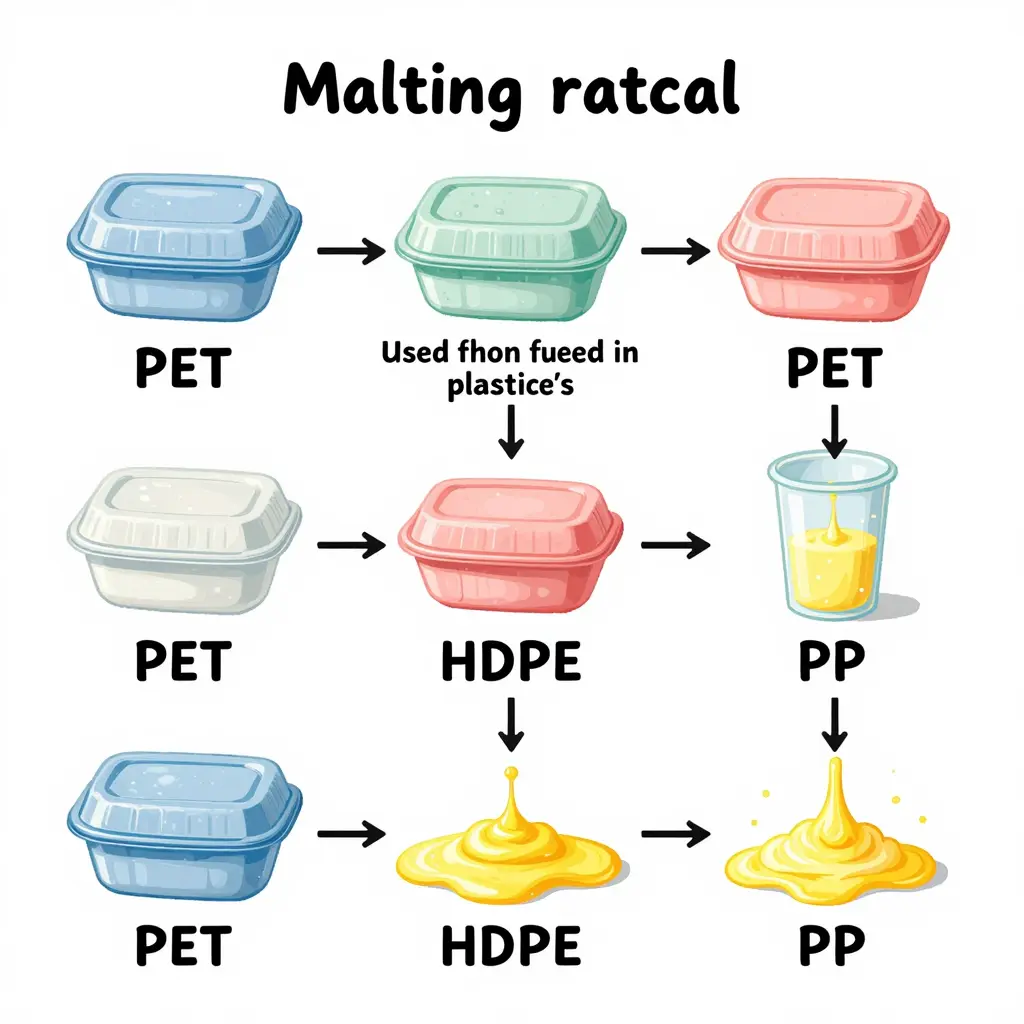
This image illustrates the melting process of common plastics used in food containers, such as PET, HDPE, and PP, showing the different temperatures at which they transition from solid to liquid. It’s a great visual aid for understanding how to safely use plastic containers in your food service operations.
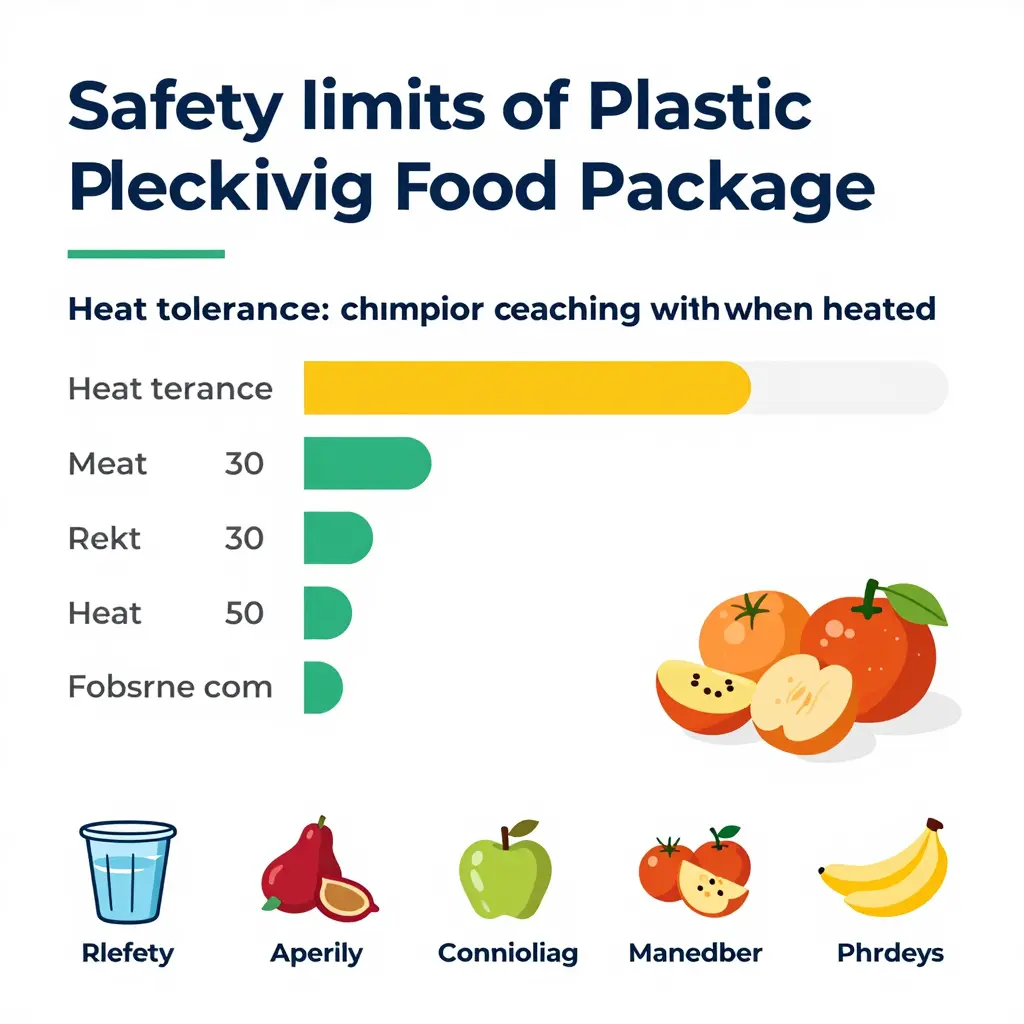
Understanding Heat Tolerance in Plastic Food Packaging
It’s critical for food service professionals to comprehend the heat tolerance of plastic food containers to ensure safety and quality when handling hot food or beverages. As the temperatures rise, not all plastics are created equal.
“Understanding the safe temperature limits for food contact materials is crucial to prevent chemical leaching which can occur when these plastics are exposed to heat. Overstepping the recommended temperatures can compromise food safety and consumer health.” – FDA
When selecting plastic containers, consider the following types of plastics and their heat tolerances:
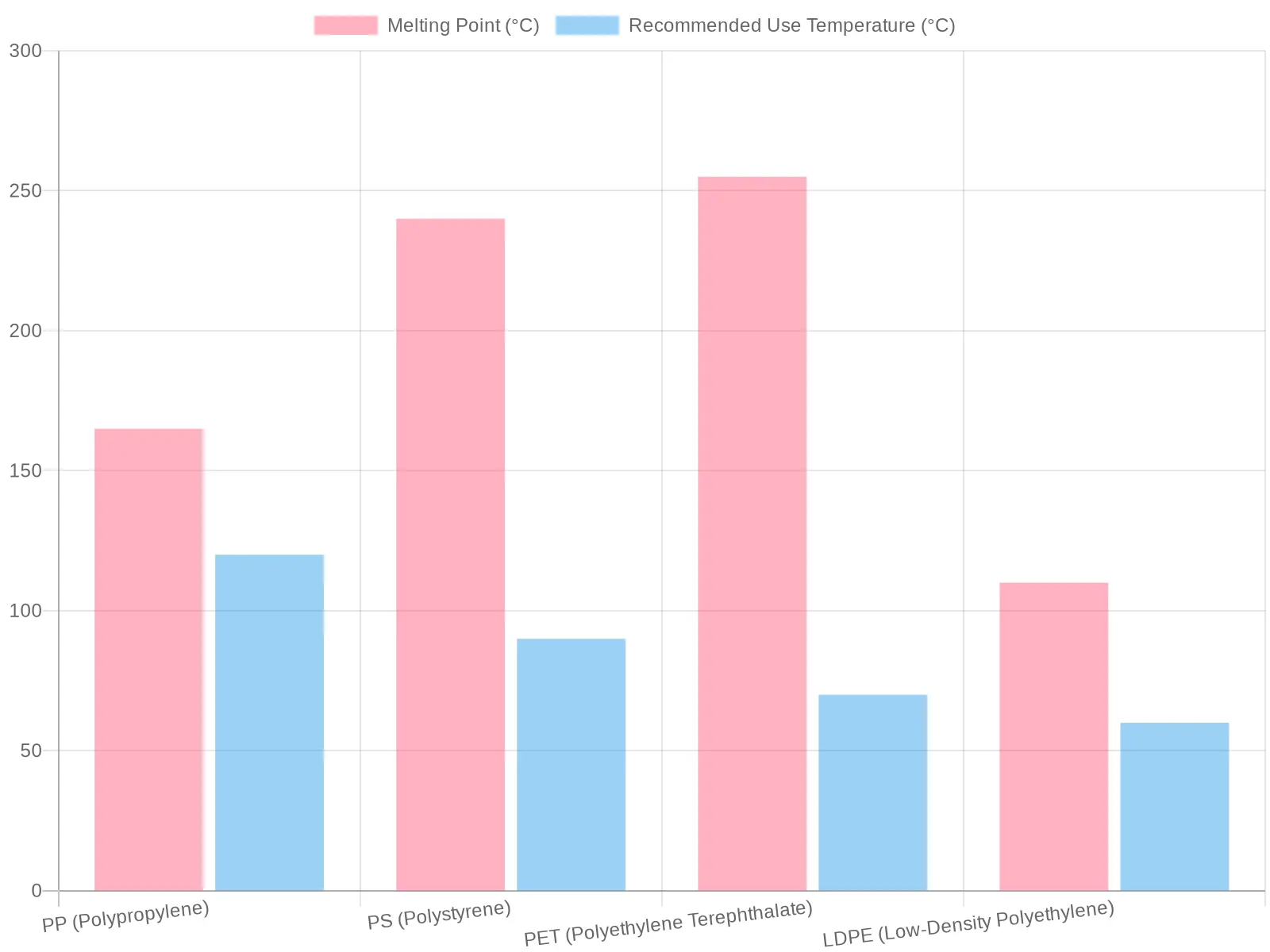
| Plastic Type | Melting Point (°C) | Recommended Use Temperature (°C) |
|---|---|---|
| PP (Polypropylene) | 160-170 | Up to 120 |
| PS (Polystyrene) | 240 | Up to 90 |
| PET (Polyethylene Terephthalate) | 250-260 | Up to 70 |
| LDPE (Low-Density Polyethylene) | 105-115 | Up to 60 |
Visual Insights
Best Practices for Using Plastic Containers in High-Heat Environments
Plastic containers are widely used in the food industry for their convenience and versatility. However, when exposed to high temperatures, certain precautions must be taken to ensure food safety and container longevity. Here are some best practices for using plastic containers in high-heat environments:
1. Select the Right Type of Plastic
- Identify Resin Codes: Not all plastics are created equal. Containers marked with resin identification codes #1 (PETE) and #2 (HDPE) are generally safe for food storage, while #3 (PVC) and #7 (Other) may not be suitable under high heat. For heat-sensitive applications, consider high-temperature plastic food pans designed to withstand higher temperatures without degrading.
- Learn more about high-temperature plastic food pans.
2. Adhere to Temperature Limits
- Check Temperature Ratings: Different plastic types have specific temperature limits. Refer to manufacturer guidelines to ensure containers are used within safe temperature ranges, typically under 200°F (93°C) for most food-grade plastics.
- Middleware Use: If food needs to be transported at high temperatures, consider using specialized insulated bags or containers.
3. Cool Before Storing
- Avoid Immediate Storage: Let hot food cool before placing it in plastic containers to minimize the risk of melting and leaching harmful chemicals. This practice not only protects the container but also ensures that the food quality is maintained.
- Read more on safe storage practices.
4. Proper Handling
- Use Caution with Microwave and Dishwasher: Always check if the container is microwave-safe. When cleaning plastic containers, use gentler settings in dishwashers and avoid high heat cycles that can warp plastic.
- Minimize Scratching: Dishes and forks can scratch containers, making them more prone to chemical leaching. Use non-abrasive utensils and cleaning pads.
5. Regular Inspection and Replacement
- Monitor for Damage: Keep an eye on plastic containers for cracks or excessive wear, as this can indicate that they need to be replaced. Damaged containers are more likely to leach chemicals into food.
By incorporating these best practices, food businesses can utilize plastic containers safely in high-heat environments while maintaining product integrity and protecting consumer health. For a selection of high-quality plastic containers suited for various applications, consider exploring Eco Cup Bowl’s product offerings.
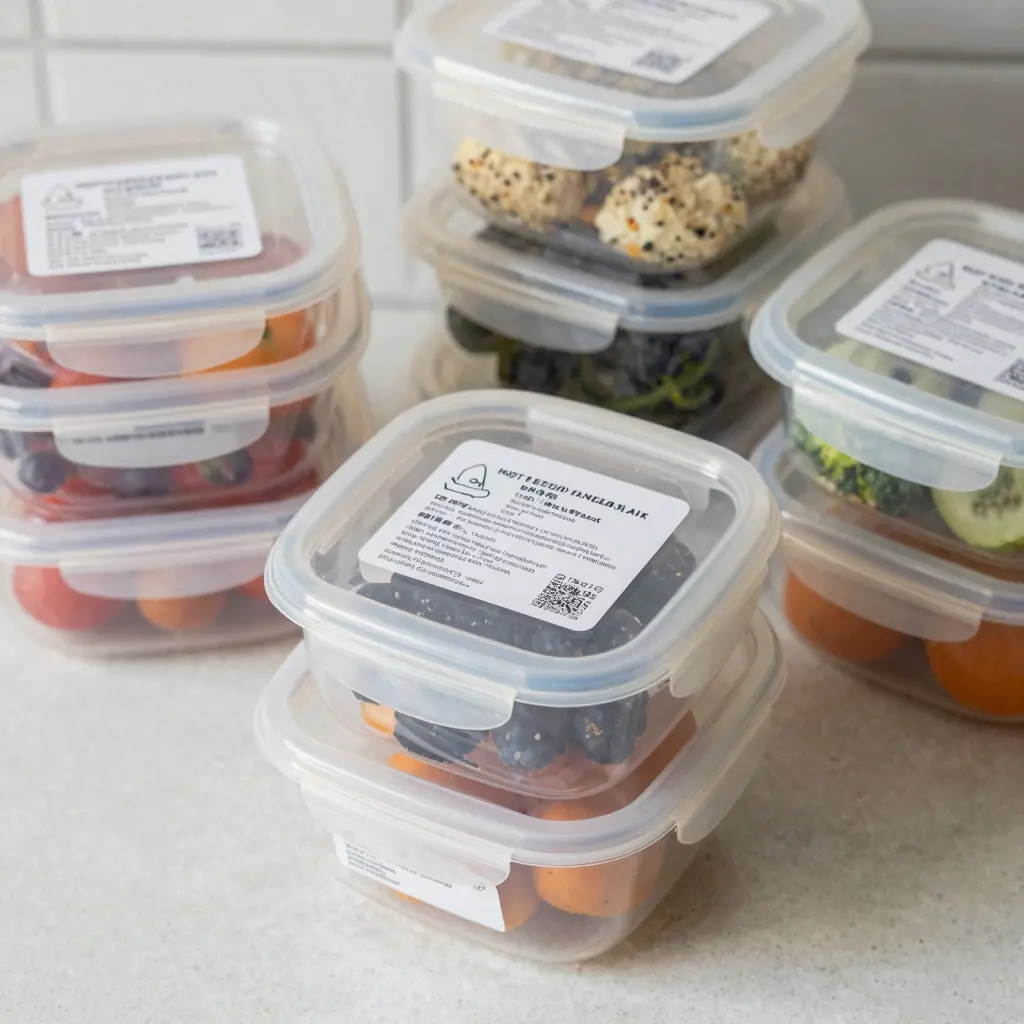
Follow these guidelines to ensure both you and your customers enjoy safe and delicious food every time!
Conclusion
Understanding the heat limits of plastic food containers is not only a crucial element of food safety but also a significant factor for business success in the food service industry. As we explored, overheating plastic can lead to harmful chemical leaching and microplastic contamination, jeopardizing both customer health and brand reputation. With thorough knowledge of heat tolerance, businesses can choose the right products that align with their operational requirements and ensure the safety of their offerings.
Importantly, temperature abuse can result in bacterial growth and related foodborne illnesses, emphasizing the necessity for proper temperature management. By selecting appropriately designed plastic containers, businesses can maintain food integrity and safeguard their clientele against risks associated with inadequate temperature thresholds. Ultimately, the decision made regarding packaging impacts all aspects of service, from food quality to customer satisfaction.
As you continue to navigate the complexities of food service, we encourage you to explore our extensive selection of heat-safe containers designed to meet your specific needs. Always prioritize the safety and satisfaction of your customers with products that you can trust.
For more information on choosing the right takeaway solutions, check our collection of takeaway boxes to ensure your food safety standards are not only met but exceeded!