
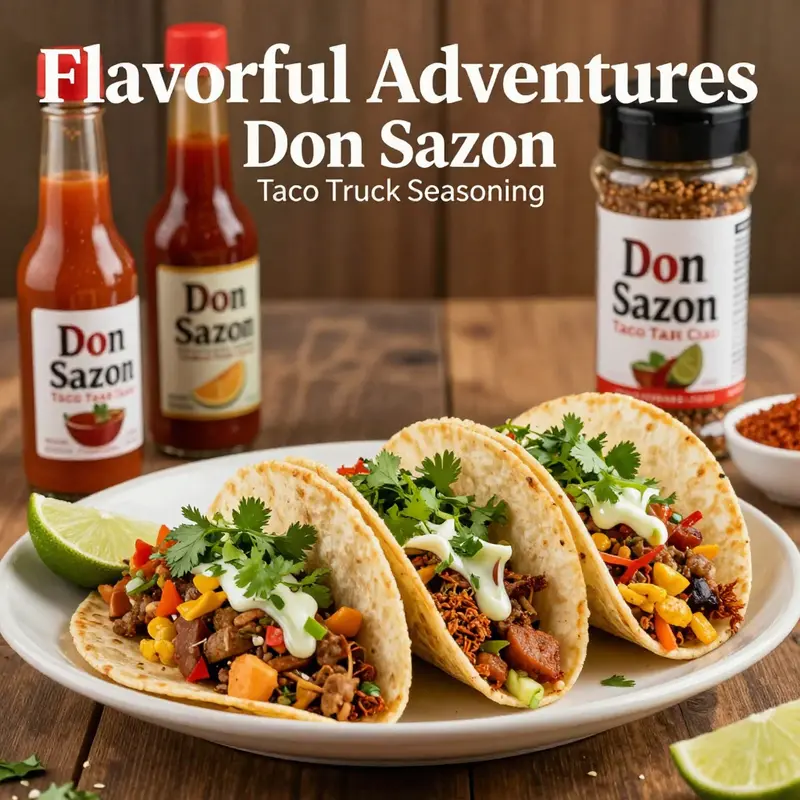
Dive into the world of flavor with Don Sazon Taco Truck Seasoning—a cornerstone for every taco lover’s kitchen! This seasoning blend invites cuisine enthusiasts and office workers alike to uncover rich Latin tastes that can elevate weeknight meals and special gatherings. Equipped with garlic, cumin, and chili peppers, it promises to take your culinary creations to new heights! In the chapters ahead, we will explore the exciting ingredients that define this seasoning, the versatile recipes that allow you to bring authentic street food experiences home, and the rising popularity that reflects modern culinary trends. Get ready for a flavorful journey through the vibrant traditions of taco-making, where every sprinkle of seasoning tells a delicious story!
The Flavor Blueprint Behind Street-Style Carne Adada Seasoning
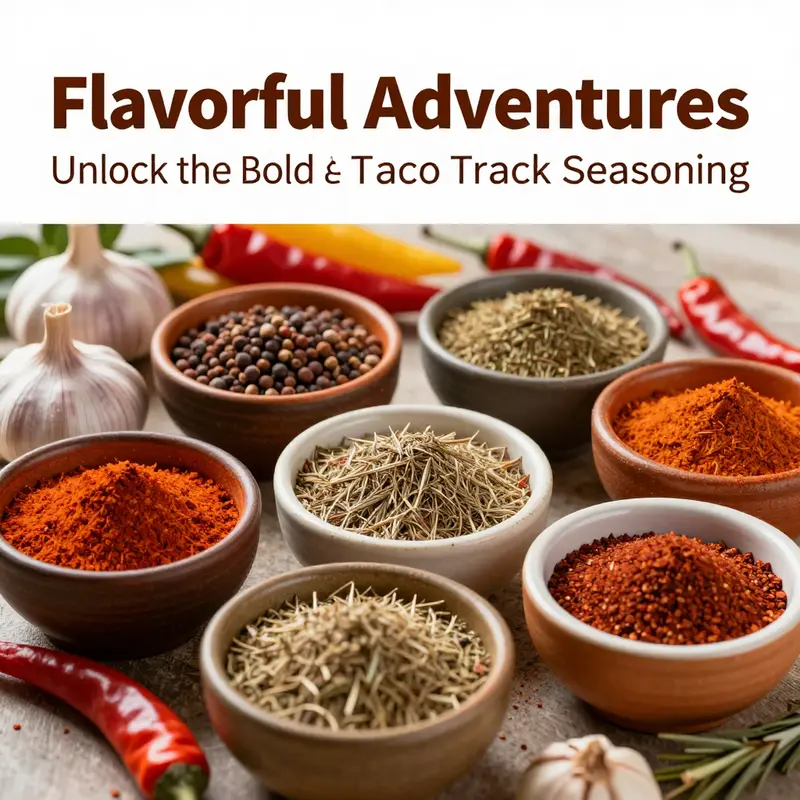
A street-food moment often begins with a single scent—the heady perfume of a sizzling grill, the whisper of citrus, and a warm, earthy glow that seems to settle into the air. In many taco truck kitchens, that instant chemistry comes from a bold, ready-to-use seasoning that blends heritage with convenience. Rather than just sprinkling flavor, this seasoning sets the tone for carne adada—beef that wears its spices like a uniform, ready for the grill, for the salsa bar, and for those hungry lines of customers that form after dusk. The blend, widely used in fast-casual and truck-style cooking, is engineered to deliver a rich, savory profile that amplifies proteins like beef, chicken, or even vegetables. Its presence is felt in the color, aroma, and aftertaste, a trio that makes every taco night feel a touch like a night on the street corners where cooks negotiate heat, time, and appetite with equal parts discipline and instinct. And yet, behind that bottle or jar lies a quiet philosophy about how flavor works, why certain ingredients behave the way they do, and how a home kitchen can recreate that horizon-spanning boldness with a few honest tweaks and a careful eye for balance.
From the first whiff, the cornerstone of this kind of seasoning is not just heat but a layered aroma that rests on a bedrock of dried aromatics. Garlic and onion are the recognizable foundation, those notes that wake up the palate the moment the lid is lifted or the cap is twisted open. They are the steady drumbeat in a rhythm section that also includes cumin, oregano, and coriander, each delivering its own personality without competing with the others. Cumin is the earthy heartbeat—its smoky, citrusy warmth fades and resurges as the meat releases juices and begins to caramelize. Oregano lends a bright, almost citrusy bite that hints at the herb’s coastal roots, a reminder of sun-dried fields and warm nights that end with a quick squeeze of lime. Coriander seeds, if present, add a subtle lemony lift, a whisper of brightness that cuts through the fat and carries the early stages of the spice blend toward a more expansive finish. The combination is not merely about making meat taste hot. It is about inviting the eater to lean in, to expect a progression of flavors that reveal more with each chew rather than a single, flat note that disappears after an initial rush.
The color—the golden-orange hue that signals both warmth and richness—often comes from annatto, the humble seeds that give a characteristic tint to many Latin American and Caribbean preparations. Annatto does more than color; it adds a gentle, earthy warmth that rounds out the salt and the heat, offering a soft, slightly sweet counterpoint to chili peppers and the ferocity of garlic. When you see that hue bloom on carne adada, you know the seasoning is doing more than just coating the meat. It is guiding the plane of flavor toward a destination that feels both familiar and a little exotic, a reminder that street-food cooking is, at its core, a convergence of travel and translation—the way a chef takes distant flavors and makes them legible on a grill in a neighborhood block.
Salt is the quiet negotiator in this chemistry. It should not be the loudest component, but it must be present in the right amount to coax depth from every other ingredient. In a ready-to-use blend designed for quick weeknight meals or weekend taco nights, salt does the essential job of amplifying the savory backbone while helping herbs release their essential oils. It also acts as a conservative limit setter—without careful salinity, the brightness of oregano and coriander can feel dimmed, and the warmth of cumin can read as flat rather than expansive. For cooks who want to control heat and savor, the salt level serves as a practical anchor, something to adjust if one’s meat leans toward brine or dryness.
In some formulations, a small amount of monosodium glutamate appears as a deliberate decision toward savory depth. MSG can subtly boost umami, allowing the other components—garlic, onion, chili, and annatto—to present themselves more clearly rather than competing for attention. For home cooks who prefer to avoid it, the seasoning still delivers ample savoriness through the natural synergy of spices, salt, and the slow, tender extraction of flavors from the meat itself. The decision to include or omit MSG becomes less a moral stance and more a matter of palate and dietary preference, a reminder that modern spice blends can be tuned like a musical instrument, with players who can be swapped without changing the key of the composition.
The heat in carne adada blends ranges from a gentle ember to a bolder, noticeable punch. Chili peppers—whether in powder form or as a more intricate ground mix—contribute not only heat but a core flavor that complements meatiness rather than masking it. The best versions balance heat with the other constituents, so the spiciness becomes a background amplifier rather than a star performer. A well-rounded blend teaches the palate to expect a slow burn that lingers in the back of the throat, a reminder of the smoky grills and the quick, deft flips that characterize street-side cooking. The aroma that rises when the meat hits the hot pan or the hot grill is often more than heat; it is an aroma map that guides a diner from the stadium-like roar of the kitchen to the intimate bite of a taco that fits perfectly in a hand.
The practical magic of these components lies in how they interact during cooking. On contact with heat, garlic and onion sugars begin to caramelize, releasing a sweetness that tempers the sharpness of salt and the brightness of oregano. Cumin’s oils bloom, creating a fragrant veil that lingers as the meat sears. Annatto, with its color and warmth, helps to create a visually appealing crust that signals a robust, toasty flavor without introducing harsh bitterness. The chili heat climbs gradually as juices concentrate, and the blend’s overall savoriness expands as the meat rests after searing—as if the flavors were taking a little breather, letting the aromatics settle in and the texture become tender enough to hold every pinch of spice without falling apart.
In terms of texture, the powder form of such a seasoning is a practical ally in fast-paced kitchens. It adheres well to meats and vegetables when applied as a rub or folded into a quick marinade. The powder’s fine granularity ensures even distribution, while the presence of salt and sometimes MSG guarantees that the bite remains juicy and satisfying rather than dry or one-note. The ease of use matters as much as the flavor profile in this context. A two-pack of 12-ounce jars, typical of many retail configurations, makes the blend accessible for households and small operations alike. The packaging is a small classroom in itself: a reminder that good flavor need not be complicated, and that a handful of well-chosen ingredients can carry a dish from ordinary to memorable with minimal effort.
The versatility of this seasoning is what often elevates it from a simple spice mix to a pantry staple. While designed with carne adada in mind, its profile adapts to a wide range of applications. It works brilliantly on chicken and pork, turning everyday grill nights into a feast of Latin-inflected flavors. It also serves as a potent addition to vegetables, turning simple roasted zucchini, peppers, or corn into side dishes that taste celebratory rather than everyday. Rice-based dishes respond beautifully as well: a quick toss of rice with the blend, plus a wash of lime or lemon, creates a lively base for a hearty carne adada bowl. When simmered into stews or broth-based soups, the seasoning lends warmth and depth that can transform a humble pot into a comforting, soul-satisfying dish. It even makes an appearance in marinated seafood, where the color, aroma, and umami depth help the seafood hold its own amid the tang of citrus and the brightness of cilantro.
The culinary approach to using this ready-to-use blend, however, remains anchored in technique. A careful rub on the meat surfaces before cooking allows the spices to cling and form a flavorful crust. When time allows, a short marination—twenty to forty minutes for thinner cuts, longer for tougher cuts—lets the spices begin their slow work, drawing moisture from the meat and then reintroducing it as a more intense, unified flavor during cooking. For-weeknight practicality, a quick dusting before searing or grilling still yields a noticeable lift. The goal is not to overwhelm the meat with salt or heat but to co-create a depth that lightens the burden on the cook. A successful carne adada finish often includes a kiss of acid—lime juice or a light vinegar splash—just before serving. The acid brightens the scene, heightens the herbs, and keeps the fat from feeling heavy. A handful of chopped cilantro and a few slices of onion can then greetings the palate, letting the seasoning do the heavy lifting while the garnishes offer brightness and crunch.
The story of this seasoning is also a story about accessibility. In a market defined by quick-service needs and consumer demand for authentic flavors without the complexities of multiple spices, a single, well-balanced blend offers a pragmatic path to restaurant-level flavor at home. It is, in effect, a culinary shortcut that preserves the soul of traditional carne adada while making it reproducible in diverse kitchens. The blend’s design understands the difference between flavor as an impression and flavor as a precise, repeatable profile. It respects the memory of Latin street-food cooks, who rely on a handful of spices to evoke a sense of place, while acknowledging the modern home cook’s desire for consistency, convenience, and clean labeling where possible. And yet, the true test of such a seasoning is its resilience across contexts. Does it still shine when used on a sheet-pan roast? Can it hold its own in a slow-simmered bean-and-rice dish? Does it maintain its character when paired with crisp toppings and a lemony finish? The answer, in most cases, is yes—when the blend is generous but balanced, when the salt is present but not overpowering, and when heat is tuned to support the other aromatics rather than dominate them.
To understand the blend in a broader cultural context, it helps to consider how its core ideas connect to the way flavors travel and transform. Street-food traditions have always thrived on concise, transportable flavor stories. A vendor can grill a batch of carne adada in moments and rely on a seasoning that speaks loudly enough to be recognized through the smoke and the chatter of a busy night. In this sense, the seasoning is a modern echo of those age-old practices: a compact set of ingredients that still manages to convey a sense of place, a sense of time, and a sense of craft. The shift from traditional, from-scratch mixes to commercial blends does not erase the story; it codifies it, offering a reliable blueprint that can be scaled, shared, and celebrated across households and pop-up stalls alike. It is, in its way, a culinary bridge—between the heritage of carne adada and the contemporary kitchen’s appetite for speed, consistency, and creative adaptation.
The practical takeaway for cooks who want to harness this flavor blueprint without losing the soul of the dish is straightforward. Start with the same trio in balance: aromatics (garlic and onion), earth and warmth (cumin and oregano), and color with a touch of annatto. Add coriander for brightness if you enjoy a citrusy lift, and respect the chili’s heat as a secondary, not primary, force. Salt to taste, mindful of your protein’s inherent saltiness and the potential presence of any additive like MSG. Then, practice the rhythm of cooking: a quick sear, a rest, a squeeze of lime, and a final garnish. The result is a carne adada experience that feels both familiar and new, a reminder that a single, thoughtfully composed blend can travel from a truck’s grill to a home kitchen with grace.
The knowledge embedded in this blend also intersects with broader realities of food sourcing and regional flavor economies. Ingredients, even when bundled into a single spice mix, emerge from networks that stretch across farms, mills, and kitchens. The way a seasoning travels—from raw herb and seed to finished powder—maps onto the way communities adapt recipes to local markets, weather, and consumer demands. This is not only a matter of taste but of sustainability, accessibility, and cultural exchange. The modern kitchen, in embracing such blends, honors those routes by paying attention to what is in the jar and why it matters: the pepper’s bite, the herb’s lift, the color that invites a bite, and the salt that makes everything sing without shouting. The end result is a practical, delicious, and deeply human expression of street-food flavor that can anchor a weeknight dinner or elevate a weekend gathering without feeling contrived or extraneous.
For readers curious about how these flavor systems connect to broader supply-chain realities, a recent discussion on nearshoring in Mexico boosting taco ingredients offers useful context. It connects the flavor journey—from field to jar to plate—with the practical considerations of where ingredients are grown, processed, and transported. This conversation helps explain why a blend designed for street-food intensity can still be accessible to home cooks across the country, and why the same compound of spices can hold up under the heat of a grill, the tempo of a busy kitchen, and the quiet patience of a simmering pot. It is a reminder that flavor is not isolated in a bottle but is, in fact, a living part of a network that moves through people, places, and moments. Nearshoring in Mexico boosting taco ingredients offers a window into that broader world, where geopolitics, farmers, and cooks converge around a shared desire for robust, reliable, and authentic taste.
In the end, the idea behind a street-style carne adada seasoning is simple and powerful. It offers a concise, repeatable way to invoke a memory—the memory of smoky grills, the scent of citrus, and the satisfying, savory bite that comes from meat kissed by fire and spice. It is a culinary shortcut that preserves the artistry of traditional methods while inviting experimentation and personal adaptation. Home cooks can approach it with curiosity, treating the blend as a starting point rather than a final verdict. A pinch more of salt here, a dash of lime there, a choice to sear longer for a crustier finish—these small decisions demonstrate that a well-made blend is not a cage but a compass. It points toward a flavor destination that is both deeply rooted in tradition and wonderfully open to the imagination, a testament to how street-food flavor travels, evolves, and continues to delight across kitchens big and small.
External reference: https://www.amazon.com/Don-Sazon-Taco-Truck-Carne-Adada/dp/B0B6XQKZ5V
Everyday Magic: Putting Don Sazon Taco Truck Seasoning to Work in Home Cooking

Everyday Magic: Putting Don Sazon Taco Truck Seasoning to Work in Home Cooking
Don Sazon Taco Truck Seasoning is more than a spice jar that promises quick authenticity; it is a concentrated idea of Latin street food distilled into a handful of spices. Imagine the bright, earthy color of achiote, the warm, caraway-like snap of cumin, the savory pull of glutamates, and the herbal lift of oregano and culantro—all working together to convert ordinary ingredients into something vivid and memorable. When you learn how this blend behaves in heat, in liquid, and against different textures, it changes the way you approach weeknight dinners, weekend feasts, and everything in between.
The seasoning’s core strength is versatility. It was designed for proteins, but it thrives with starches, legumes, vegetables, and even snacks. That flexibility means you can treat a single jar as a base for dozens of meals: a fast taco filling on a wet Tuesday, a golden rice pilaf for Sunday dinner, a smoky marinade for the grill, or an umami boost in vegetarian stews. The trick is to think of the blend as a toolkit rather than a one‑use label. When used thoughtfully, it layers well with aromatics, acids, and fats to produce balanced dishes that feel both rustic and intentional.
For grilled meats and seafood, the seasoning functions beautifully as a dry rub and a marinade component. If you’re drying and searing a steak or torching chicken over hot coals, rub the seasoning into the flesh so it has contact with the heat. The achiote contributes color while the cumin and garlic notes caramelize, creating a crust with depth. For more tender proteins like fish or shrimp, suspend the blend in oil and citrus to create a marinade. The oil carries fat‑soluble flavors into the protein and protects delicate flesh from overcooking. Acid brightens the blend, softening bold spices and adding a lift that keeps the seasoned crust from feeling heavy.
Rice and grains absorb seasonings particularly well, and this blend turns plain rice into a fragrant, golden bed for proteins and vegetables. Add the seasoning to the cooking liquid at the beginning so the grains cook through with the flavor infusing every kernel. For rice cookers, a measured spoonful in the pot before you press start is all you need. If steaming or pilaf‑style, bloom the seasoning briefly in oil with onion or garlic before stirring in the grain and liquid; this releases essential oils and deepens the resulting aroma. The same approach works for quinoa, farro, or barley—each grain will carry the seasoning differently, so adjust the quantity and taste as you go.
Legumes offer another canvas. Dried beans or lentils absorb seasoning slowly during long simmers. Add the blend early in the cooking process so it can meld into the beans’ starches. For canned beans, add at the end and simmer briefly so the seasonings mingle without breaking down the bean’s texture. Beans spiced with this blend are excellent mashed into dips, folded into stews, or served as a side to grilled meats. The seasoning’s herbal and smoky notes balance the natural earthiness of legumes and reduce the need for long, complex flavor-building stages.
Vegetables respond to the blend in ways that emphasize their natural sugars. Roasting or grilling caramelizes those sugars and creates contrast with the savory, slightly floral notes of the spice mix. Toss root vegetables, squash, or cauliflower with oil and seasoning before roasting to get crispy, caramelized edges and a savory backbone. For quicker stove‑top cooking, sauté peppers, onions, mushrooms, or zucchini with the seasoning toward the end of cooking so the vegetables retain some texture while still absorbing the spice blend.
When it comes to taco fillings, the blend adapts seamlessly to different proteins and plant-based alternatives. Ground beef, shredded chicken, and thinly sliced flank steak each call for slightly different techniques, but the seasoning remains the common thread. For ground meat, brown it first, drain excess fat if necessary, then add the seasoning with a splash of water or stock to distribute the flavors evenly. For shredded meats, cook low and slow with the seasoning integrated into the braising liquid so fibers collapse into flavor. For plant-based proteins, hydrate textured soy or marinate firm tofu or jackfruit with the seasoning so they develop the same craveable profile as their animal counterparts.
Snacking is an underappreciated application. Homemade tortilla chips or roasted vegetable crisps benefit from a dusting of the seasoning before baking. Because the blend often contains annatto, it imparts an attractive color as well as flavor, making snacks look as good as they taste. Apply the seasoning lightly, then adjust after tasting—snacks respond differently than cooked proteins because there is no moisture to carry flavors into the interior.
Beyond direct seasoning, this blend shines as a secret ingredient in sauces, soups, and marinades. In tomato‑based sauces, a spoonful deepens the overall umami and creates continuity with Latin flavors. In broths and soups, the seasoning contributes savory depth without the need for multiple individual spices. When constructing a marinade, combine the blend with citrus, oil, and a touch of sweetness (honey, agave, or brown sugar) to balance the spice and tenderize proteins. The result is a marinade that enhances char and crust while keeping the inside juicy.
Balancing is critical. The presence of glutamate in some blends demands a lighter hand with additional salty or umami ingredients. Taste and adjust—start with less than you expect, then build. If the blend contains annatto and generates a strong earthy note, consider adding a bright acid—lime, vinegar, or even a splash of pineapple juice—to counterbalance and lift the profile. Fresh herbs at the end—cilantro, parsley, or finely chopped culantro—revive the dish and add contrast to the long‑cooked warmth of the blend.
Technique matters. Blooming the spices in oil at moderate heat for a minute or two releases aromatic compounds that are otherwise locked in the dry blend. Avoid burning the mix; burned spices become bitter and will sully the intended flavor. If you are working with a liquid dish, integrate the blend early and give it time to mellow. For quick sautés or skillet meals, add at the midpoint of cooking so it has time to marry with the vegetables without overwhelming them.
Scaling the seasoning for large batches is straightforward, but maintain proportion and logic. When multiplying a recipe, increase the seasoning slightly less than linearly; spices intensify as quantities grow, and the human palate perceives balance differently in a communal pan than in a single‑serving skillet. For meal prep, seasoning rice or beans that will serve as a base for several meals is efficient. Use conservative seasoning and allow diners to finish with individual garnishes—fresh lime, sliced radishes, pickled onions—to personalise intensity.
In vegetarian kitchens, the blend plays a star supporting role. It imparts savory notes often missing from plant-based dishes. Layer it with mushrooms, caramelized onions, and legumes to create hearty fillings for tacos, empanadas, or stuffed peppers. When combined with roasting fats like olive oil or avocado oil, the seasoning amplifies Maillard reaction flavors and creates a meatier sensation without animal products.
Storage and shelf life are practical considerations. Keep the jar tightly sealed away from heat and direct sunlight. Over time, even the best blends lose volatile aromatics. Rotate stock and use the oldest jars for background flavors in soups or stews where long cooking times help coax out remaining character. A small, fresh jar will always deliver the brightest results for finishing applications and quick sautés.
A few practical recipes and applications illustrate the seasoning’s range. For quick carne asada, coat thin flank steak with a paste of the seasoning, oil, and lime, then grill hot and slice thin across the grain. For a one‑pot rice dinner, bloom the seasoning with onion and garlic, stir in rice and chicken stock, add vegetables and a protein, and finish with fresh cilantro. For a vegetarian stew, brown mushrooms and eggplant with the seasoning, add tomatoes and beans, and simmer until thick and comforting. For snacks, toss tortilla wedges in oil and seasoning, bake until crisp, and finish with a squeeze of citrus.
Troubleshooting often comes back to balance. If a dish tastes flat, it likely needs acid or salt, not more seasoning. If it tastes harsh, add dairy—yogurt, crema, or a splash of coconut milk—depending on the recipe. If the color is more orange than expected, remember that annatto is ornamental as well as flavorful; it makes dishes visually appealing while contributing a subtle earthiness.
When planning weekly meals, treat the seasoning as an organizing principle. Roast a tray of vegetables with a light coating, prepare a double batch of seasoned rice, and grill a bulk portion of protein rubbed with the blend. These prepped elements recombine into tacos, bowls, salads, and wraps over several days. Because the seasoning is bold, it sustains flavor across reheating, especially when paired with a bright finishing element like pickled onions or a citrus vinaigrette.
Pairings matter for finishing. A dish seasoned with this blend benefits from contrasts: creamy avocado, crisp cabbage, pickled vegetables, and fresh herbs. Acidic salsa or a simple squeeze of lime brightens the savory base. For beverages, light lagers and citrusy beers complement the spice; for non‑alcoholic pairings, sparkling water with lime or a hibiscus tea provides refreshment and balance.
The seasoning also finds roles in surprising places. Add a pinch to meatloaf mixtures to give them a street‑food edge. Stir some into burger patties before cooking for a taco‑inspired burger. Mix into compound butter for grilled corn or baked potatoes. Even a dash in a tomato‑based marinara can provide a warm undercurrent that plays well with Latin flavors.
A final note on authenticity and adaptation: blends like this are inspired by tradition but adapted for convenience. They enable cooks to access a broad flavor profile quickly, but they are not a substitute for learning to balance spice, acid, salt, and fat in the long term. Use the jar to accelerate learning, to experiment, and to anchor meals, while still tasting and adjusting to personal preference and local ingredients.
For those operating or dreaming of street‑food setups, the seasoning behaves reliably under the pressures of fast service: it disperses well, seasons batches evenly, and withstands the heat of grills and planchas. That dependability makes it useful not only for home cooks but for small operations that need a consistent, bold base.
If you want to explore the seasoning’s roots and typical components in more detail, this external resource explains what sazón-style blends usually contain and how those ingredients shape flavor: https://www.allrecipes.com/article/what-is-sazon-seasoning/.
For broader reading about the culture and logistics of mobile food businesses—how equipment and safety influence flavor delivery—see this article on taco truck topics for further context: taco truck blog and resources.
Used with care, Don Sazon Taco Truck Seasoning becomes a daily ally in the kitchen. It streamlines complex profiles into an accessible form and rewards cooks who respect balance and technique. A single jar opens doors to grilled flavors, golden rice, satisfying vegetarian meals, and snacks that sing. Lean into its strengths: bloom it, balance it, and pair it with bright finishing notes. That approach turns ordinary ingredients into food that feels like it came from a favorite street corner, regardless of where you cook.
Flavor on the Move: Tracing the Market Pulse and Popularity of Don Sazon Taco Truck Seasoning in Modern Cuisine
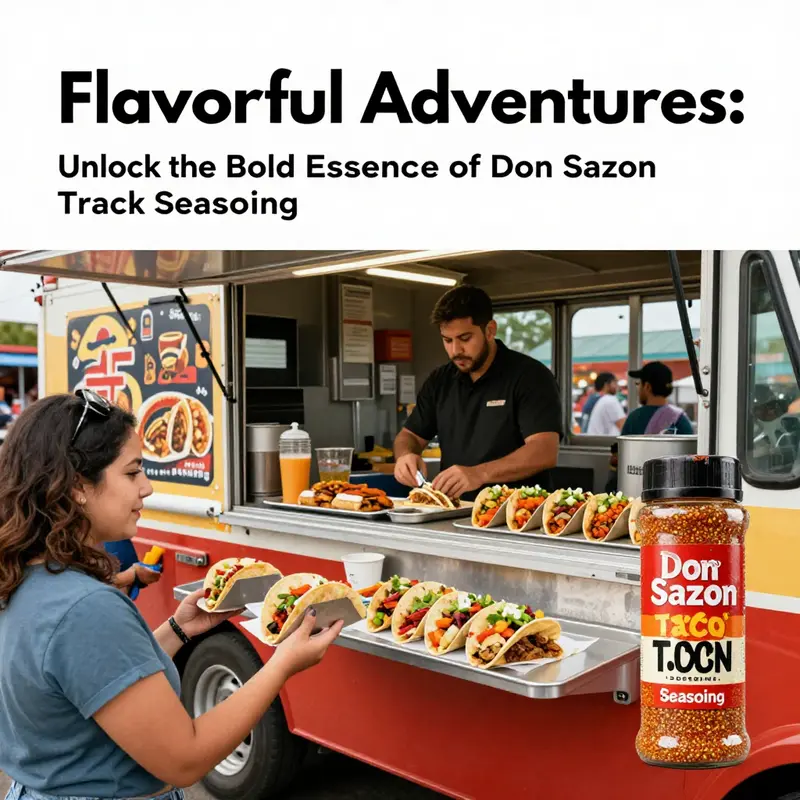
In the wake of a culinary landscape that prizes authenticity as much as convenience, a single jar of Don Sazon Taco Truck Seasoning feels like a passport to street-level flavor transported into the home kitchen. Its promise is simple and seductive: capture the luminous, smoky-sweet allure of Latin American street food and deliver it in a ready-to-use blend. The result, when opened, is a chorus of aromas—garlic that stings the air with a familiar bite, cumin that grounds the scent in earthy warmth, coriander that threads a citrusy minty brightness, oregano that adds a hint of dried herbaceous depth, and chili peppers that wake the senses without overwhelming them. There is annatto, achiote, the golden-orange hue that signals warmth and color as much as flavor. Some versions may lean into a more intense savor with a touch of monosodium glutamate, a practical addition that can heighten the reckoning of umami in a dish that otherwise relies on fresh components. The blend speaks to a modern kitchen’s need for speed without sacrificing texture, and it does so with a personality that is unmistakably Latin American in its soul, even as it fits a distinctly American, fast-casual sensibility.
What makes the Don Sazon Taco Truck Seasoning noteworthy in modern cuisine is not simply its flavor profile, but its position within a broader movement: the rise of household staples that echo the diverse, portable flavors of street food. In many markets, home cooks are seeking shortcuts that still feel respectful of tradition. They want boldness, color, and aroma without the complexity of sourcing a dozen individual spices or constructing meticulous marinades from scratch. A 12-ounce jar that can be poured over chicken for carne asada, dusted onto vegetables for a weeknight roast, or stirred into a pot of arroz con pollo offers a seductive proposition: get the street-food essence with the ease of a pantry staple. This is what the seasoning promises and, for many, what it delivers—an accessible bridge between time-honored culinary methods and the demand for quick, flavorful weeknight meals.
Nonetheless, the market landscape surrounding this particular seasoning is nuanced. In the absence of robust, published market analytics directly tracking Don Sazon’s performance, one must read the product’s position through the lenses of available signals and related culinary trends. Promotional materials position the seasoning as a gateway to authentic Latin street flavors, a practical tool for home cooks who crave the intensity of carne asada, grilled meats, and the comforting, crowd-pleasing magic of tacos. What is clear is that the seasoning occupies a recognizable niche in the broader spectrum of taco seasonings and Latin-inspired blends. It sits alongside brands that have long established themselves in U.S. grocery aisles and Latino marketplaces, brands whose footprints are legible in consumer behavior and retail presence. The most cited point of comparison is the enduring popularity of established, legacy brands such as Sazon—an archetype in Latin pantry flavoring that many consumers have come to trust for quick seasoning and reliable color. The contrast underscores a market reality: Don Sazon’s offering is notable for its truck-inspired branding—an echo of the mobile, street-food heritage that many diners associate with authenticity—yet it competes in a space where brand recognition, distribution reach, and cultural memory play decisive roles in consumer choice.
The limited direct market data on Don Sazon Taco Truck Seasoning does not mean the product operates in a vacuum. Instead, it invites a closer reading of consumer behavior and the evolving appetite for bold, ready-to-use flavor. In contemporary kitchens, there is a visible appetite for seasonings that can imitate the complexity of a slow-cooked marinade or a fresh, herbaceous rub in a matter of minutes. This aligns with the broader trend toward convenience without compromise: sauces and spice blends that promise authenticity but deliver speed. The perceived authenticity is crucial. In a marketplace saturated with exotic-sounding blends and global flavor profiles, buyers often rely on sensory cues—color, aroma, and a recognizable flavor frame—that evoke a particular culinary moment. Annatto’s golden hue is a visual cue that hints at warmth and a touch of earthiness. Garlic and onion notes provide immediate familiarity, while cumin and coriander introduce a deeper, almost nostalgic sense of Mexican and Latin American cooking that many home cooks associate with street stalls and family recipes.
Social media, home-cooking shows, and online recipe communities further shape the footprint of a product like this. Enthusiasts share quick dinner ideas, short videos of taco-night triumphs, and hacks that showcase how a single seasoning can pivot a dish from ordinary to memorable. In this context, Don Sazon Taco Truck Seasoning benefits from storytelling—the branding that links it to the recognizable aura of the taco truck, the mobile kitchens that turn simple ingredients into street-food experiences. The storytelling amplifies a simple gustatory experience into a lifestyle choice: the idea that you can bring the vibe of a late-night taqueria into a kitchen, that you can re-create the buzz of a stack of warm tortillas, the sizzle of a grill, and the aroma of smoky meat with a few measured shakes.
Yet there is more to market dynamics than taste and branding. The product’s reception is inevitably colored by distribution, price, and packaging. A 12-ounce container is convenient for home cooks, yet it sits within a spectrum of offerings—some competitors may present larger formats or value-priced blends designed for families and frequent taco-makers. Consumers’ willingness to experiment with “taco truck” branding as a flavor identity is shaped by how often they cook Mexican or Latin-inspired meals, how adventurous they feel about using bold seasonings, and how well the product integrates into their existing kitchen routines. In this sense, Don Sazon’s seasoning performs a balancing act: it must feel premium enough to justify its marketing story while staying accessible enough to satisfy a broad audience seeking quick, delicious outcomes. The packaging, with its bold labeling and clear indications of intended uses, often communicates a promise of simplicity—stir into a marinade, dust onto meat, or spritz into rice—while preserving a sense of culinary adventure that street-food aficionados crave.
The competitive landscape for taco-seasoning blends in the United States illustrates why a product like this can carve out a durable niche even when hard market data is sparse. The market has long been dominated by a handful of brands with broad distribution and deep consumer trust. The appeal of Don Sazon’s approach is that it does not pretend to replace the craft of traditional cooking; instead, it propositions a shortcut that still leaves room for personal customization. The modern kitchen values both reliability and flexibility: a seasoning that fosters a familiar, comforting flavor profile while offering the audacity of a bold, bronzed finish to proteins and vegetables alike. This combination helps explain why, despite limited concrete growth figures, the product sustains interest among home cooks who want an easy pathway to “taco-night-at-home” without the ritual of grinding and blending dozens of components.
From a culinary culture perspective, the Don Sazon taco-seasoning family resonates with how people learn to cook in a globalized food environment. Consumers are increasingly curious about how to emulate street-food techniques in the privacy of their own kitchens—the sound of the grill, the shimmer of rendered fat, and the color contrast of a well-seared carne asada—without sacrificing control over ingredients. In this context, a seasoning that promises a built-in balance of aromatics and heat, with the distinctive color of annatto, becomes a practical instrument in the hands of the home chef. It invites experimentation across proteins—chicken, beef, and even plant-based alternatives—opening pathways to a range of dishes that continue to define modern comfort food. The versatility extends beyond tacos. It can flavor roasted vegetables for a vibrant side dish, lend depth to stews and soups, or act as a unifying rub for grilled seafood, where the delicate flesh benefits from a confident, peppery kick and a warm, earthy finish. The result is a modern pantry staple that embodies a bridge between tradition and contemporary convenience.
Despite the potential and the obvious appeal, market observers must acknowledge the gaps in formal data. The research notes that the product’s market performance and consumer demand are not extensively documented in accessible, third-party sources. This reality underscores an important point about how modern food trends often circulate: a blend can become a beloved product in niche circles and among social media communities long before it becomes the subject of formal market analysis. The lack of published, comprehensive data does not negate the product’s presence or influence; it simply points to a market where visibility is shaped more by promotional messaging, wholesale distribution, and consumer word-of-mouth than by transparent, aggregated sales figures. In such a landscape, the success of a seasoning like Don Sazon Taco Truck Seasoning hinges on how well it translates the romance of street food into practical, everyday cooking messages, how reliably it performs across diverse kitchens, and how effectively it rides the wave of the ongoing appetite for bold, globally inspired flavors.
The narrative around Don Sazon in modern cuisine thus becomes less about a single, trackable market statistic and more about a constellation of signals. The seasoning benefits from the broader cultural moment around street-food reformulations, where consumers crave the intensity of vendor-quality flavors without the complexities of sourcing hard-to-find ingredients. It aligns with a culinary ethos that champions boldness, color, and aroma as markers of quality and authenticity. In practice, this means that a customer purchasing Don Sazon is likely seeking a quick route to a satisfying, crave-worthy meal that can stand up to the intense, smoky flavors they associate with a taqueria or a carne asada skewers platter. It also means that the seasoning’s popularity may correlate with how well it is embraced in home-cook communities that share recipes, tips, and tweaks online, where the seasoning’s identity can be reinforced through user-generated content and peer recommendations.
If there is a lesson to be drawn from the current state of knowledge, it is that Don Sazon Taco Truck Seasoning exists in a space where flavor authenticity and culinary practicality intersect. Its market presence—though not extensively quantified in accessible datasets—reflects a consumer move toward products that offer both an edge of street-food excitement and a user-friendly approach to home cooking. The seasoning’s strengths lie in its ability to evoke a specific culinary moment while remaining compatible with a range of dishes and cooking styles. This adaptability is essential in a modern kitchen, where cooks frequently improvise based on what’s on hand, what’s quick, and what will delight guests with minimal friction. The result is a product that, even without a robust public market analytics narrative, exerts a quiet influence on the everyday culinary imagination: that bold, warm, and vibrant flavor can be portable, reproducible, and lovable enough to become a staple in many households.
From a consumer education perspective, there is value in clarifying how such a seasoning should be used to maximize satisfaction. The best outcomes come from treating the blend as a starting point. A simple technique—dusting the seasoning onto raw meat for a few minutes before cooking or mixing it into a marinade with oil and citrus—can unlock a complex profile. When applied with restraint, the seasoning adds depth without masking the natural character of the primary ingredient. For chefs and home cooks who want to push flavor boundaries, the blend invites experimentation: a light rub on vegetables for roasting, a quick dose in a chili or a hearty soup to bring warmth, a splash of citrus to brighten the finish, or a slow-simmered sauce that allows the spices to mellow and mingle with aromatics. This flexibility is not just a feature; it is a key driver of enduring relevance in a crowded spice- and seasoning-saturated market.
In sum, the market trends and popularity of Don Sazon Taco Truck Seasoning in modern cuisine cannot be distilled into simple growth metrics alone. The product’s significance emerges from how it functions in kitchens, how it sparks culinary creativity, and how it resonates with the cultural memory of street food. It embodies a shift toward boldly flavored, ready-to-use seasonings that empower home cooks to recreate the joys of street-taco nights and pan-seared carne asada without surrendering control over the final texture and color of the dish. The absence of definitive market numbers does not diminish this reality. Instead, it invites a more holistic understanding: the seasoning thrives where consumers seek authenticity with convenience, where the promise of a vibrant, golden, peppery-spiced profile aligns with the time pressures of modern life, and where a brand story—tied to the dynamism of taco trucks—provides the narrative energy that sustains curiosity and repeat use.
For readers who want to situate the broader ecosystem of street-food-inspired products within the home-kitchen experience, a related exploration of how street-truck branding translates into culinary decisions can be enlightening. In particular, the discussion of top taco-truck models and how they shape expectations around flavor, service, and technique offers a complementary lens on the marketplace of bold, portable tastes. Top taco-truck models for culinary success. This linkage helps anchor a consumer’s sense of where Don Sazon fits in the modern culinary narrative: as a bridge between the ephemeral, mobile flavors of the street and the enduring, home-kitchen practice of preparing memorable meals with confidence and flair. The seasoning’s appeal is not merely in its immediate aroma and taste but in its invitation to experiment, to imagine, and to recreate the excitement of a taco-truck moment with a simple, versatile tool in hand. In that sense, Don Sazon Taco Truck Seasoning has carved a quiet but meaningful niche in contemporary cooking—one that speaks to curiosity, convenience, and a shared appetite for bold flavors that travel well from a sizzling grill to a crowded dinner table.
From a practical standpoint, kitchens that adopt such a seasoning often experience a positive shift in how they plan meals. The ease of use reduces the friction of meal planning, especially on busy weeknights when family members crave something flavorful yet quick. Beyond the dinner table, the seasoning supports a deeper engagement with cooking as a social experience. People gather around grills and stoves, share tips, and swap tweaks to the basic recipe, turning a simple dusting of spice into a conversation about technique, heat control, and the chemistry of browning. The color imparted by annatto invites anticipation as plates come together, while the heat level—whether mild or bold depending on the blend—lets cooks calibrate their approach to accommodate different palates. In this way, a single seasoning becomes less a product and more a culinary instrument that helps people tell stories through food: stories of family gatherings, weekend fiestas, and neighborhood gatherings that celebrate warmth, color, and shared meals.
The narrative around market trends and popularity thus remains both practical and aspirational. It asks how a product can sustain attention in a marketplace where new flavors arrive daily and where consumer tastes constantly evolve. It questions not only whether the flavor profile will endure but how the brand will continue to connect with cooks who are increasingly discerning, who search for authenticity without sacrificing the convenience that modern life requires. It invites a continuing conversation about how street-food culture informs home cooking and how home cooks, in turn, reinterpret the swagger and energy of a taco truck into dinner-table rituals that bring friends and families closer together. In that interplay lies the essence of Don Sazon Taco Truck Seasoning’s potential: not simply a seasoning, but a catalyst for creative cooking that honors tradition while embracing the velocity of contemporary kitchens. And as long as the flame, aroma, and color remain convincing, the seasoning will continue to speak to a broad audience of cooks who want more than a dish; they want an experience—one that tastes like a night out at a vibrant street market, cooked in the comfort of their own homes.
Final thoughts
In conclusion, Don Sazon Taco Truck Seasoning is more than just a spice blend—it’s a vibrant ticket to the world of Latin flavors! From the carefully crafted combination of spices to its versatile applications in everyday cooking and festivities, it stands as a testament to the enriching value of authentic cuisine. As you embrace these bold flavors, remember that each sprinkle carries with it a story, a tradition, and a community of taco enthusiasts. Let your culinary imagination roam free, and don’t hesitate to bring Don Sazon into your kitchen for flavors that inspire and delight!

