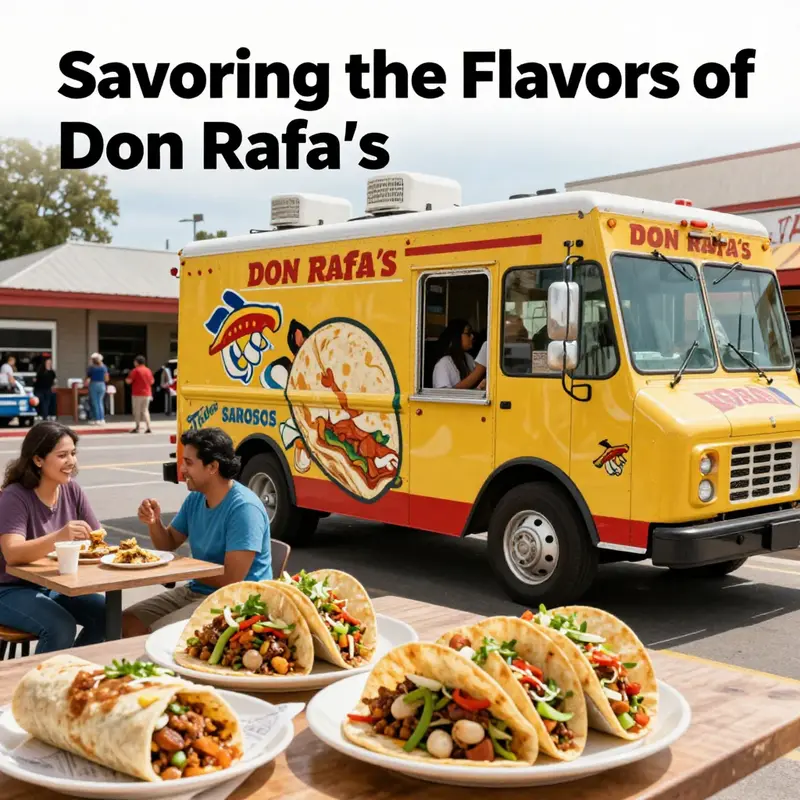
Don Rafa’s Taco Truck, a celebrated gem in Stockton, CA, embodies the rich tapestry of Mexican street food culture. With a menu brimming with authentic flavors, it serves both locals and visitors seeking a taste of traditional tacos, burritos, and more. This article unfolds the culinary treasures offered by Don Rafa’s, explores its significant impact on the community, and highlights the innovative trends that keep this food truck at the forefront of the taco scene.
Street-Rooted Flavors: Experiencing Don Rafa’s Taco Truck in Stockton
Don Rafa’s Taco Truck offers more than food. It offers a moment: a pulse in Stockton’s daily rhythm. From the curbside line to the loaded plates, every element contributes to the experience. The truck’s menu reads like a respectful note to Mexican street cooking. Tacos, burritos, tortas, and quesadillas form the backbone. Each item is assembled quickly, with an eye on tradition and portion. Ingredients arrive fresh and bright. Vegetables snap with life. Salsas gleam with color. Meats show charring and seasoning. The result is an accessible authenticity that feels honest and immediate.
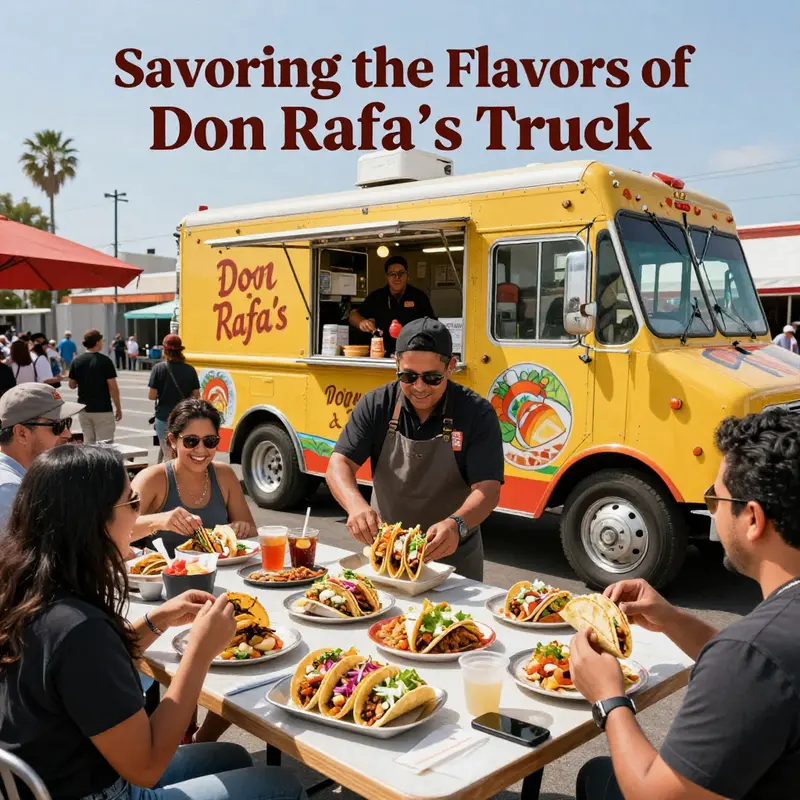
Patrons approach the truck and are greeted by a simple yet efficient ordering flow. You step up to the window, state your selection, and watch assembly. Cook and server movements are economical and practiced. Some components come from the outdoor station. Others come from within the truck. That split keeps waiting times down and adds theatricality. Seeing the tortillas warmed and the grill at work draws attention. It also reassures diners that the meal is fresh.
Seating near the truck is generous for such a mobile operation. The owners invested in communal tables and benches. That choice turns a quick stop into a place to linger. Strangers share tables, conversations spark over the next order, and the overall mood becomes convivial. Eating here rarely feels rushed. Even when the lunch rush arrives, the line moves with calm efficiency.
Tacos stand as the clearest statement on the menu. Small, focused packages of flavor, they showcase technique. The tortilla is a foundation, warmed to pliability. Proteins arrive sliced, shredded, or chopped. Toppings range from raw onion and cilantro to various salsas and pickled elements. Each taco offers a layered taste experience. Bites trade between hot, acidic, and savory. Portions are generous without being overwhelming. For those who appreciate texture, the interplay between tender meat, crisp onion, and soft tortilla hits the right notes.
Burritos at Don Rafa’s deserve a specific mention. One reviewer noted the burrito’s promise and scored it above average. That sentiment is easy to understand. Burritos at this truck pack ample filling. They fold efficiently and hold heat well. Despite their size, they rarely feel sloppy. The balance between rice, beans, and meat is attentive. Even when a single component needs refinement, the whole remains satisfying. A well-made burrito here proves the crew knows the fundamentals.
Not every element arrives perfect every time. Some visitors have suggested specific refinements. Asada, for example, could benefit from a steadier finish on the grill. Rice, too, has drawn critique for occasional dryness or uneven seasoning. These observations matter because they point toward opportunities rather than failures. The truck’s strengths remain clear: fresh ingredients, bold flavors, and competent assembly. Focusing on consistent temperature and seasoning would elevate the overall offering.
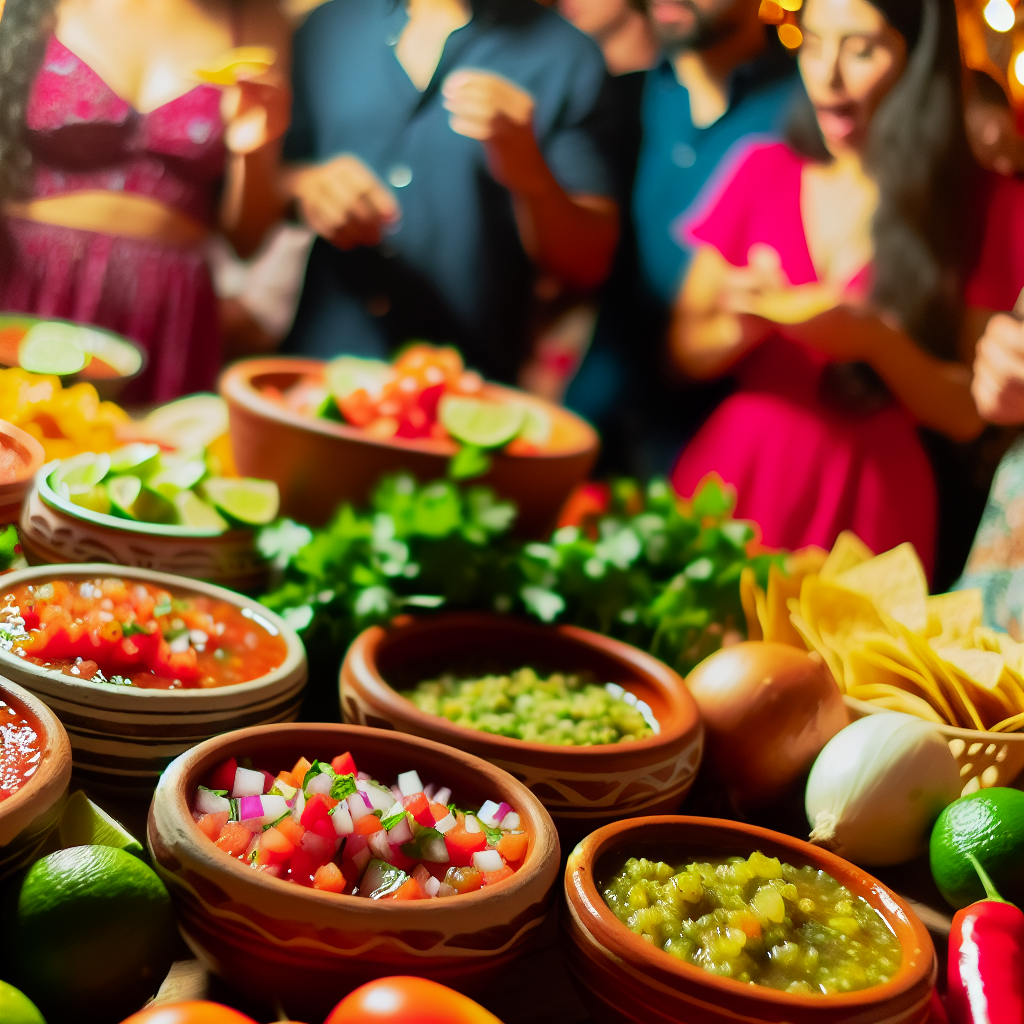
Freshness shapes the menu’s personality. Produce is crisp. Avocados are ripe at the right moment. Salsas arrive balanced and bright. The contrast between citrus acidity and smoky chilies is a recurring theme. That contrast is particularly important when eating outdoors. Bright flavors cut through heat and humidity. They refresh the palate and keep each bite lively. For those who enjoy variety, the salsa bar and condiment choices allow customization.
Choosing a salsa deserves an intentional moment. Many diners experiment until they find the right match. Spiciness, acidity, and texture all influence that choice. If you want a practical guide to match salsa to your tacos, there is helpful material available on selecting the right sauces. Consider this a recommended read before you order: Choosing the Right Salsa for Tacos. That short primer can sharpen expectations and improve the meal.
Service balances speed with warmth. Staff members operate with a rhythm. They call orders, gather requests, and adjust plates with practiced hands. Interaction rarely feels robotic. Conversations can be friendly without being intrusive. The crew’s attitude reflects an intention to feed, not merely to transact. That human element deepens the culinary experience.
Portion sizes align with typical expectations for street food. Tacos come in sets that encourage sharing. Burritos and tortas are hearty options that make a meal. Prices feel reasonable for the region and the portion. For many, the value lies not only in the price-per-ounce but also in the freshness and convivial setting.
The truck’s presence on Miner Avenue also matters beyond the plate. Its location is strategic. It draws workers, students, and visitors. That steady foot traffic contributes to a local economic vibrancy. When a food truck cultivates consistent patronage, it becomes a neighborhood fixture. Regular customers appear at predictable times. They order with shorthand. That loyalty creates stability for small business owners and their staff.
Atmosphere is an intentional component of the experience. Outdoor seating is shaded in spots and placed near the truck for convenience. The soundscape blends street noise, frying, and quiet conversation. Lighting and decorative touches convey warmth without pretense. This is not fine dining. It is close, tactile, and immediate. The setting encourages interaction across different groups of customers.
The mobile kitchen itself is an efficient workspace. Space is limited so workflow matters. Prep follows a sequence. Ingredients are staged for quick assembly. Storage and refrigeration remain compact but functional. That organization supports rapid service and consistent quality. In a sense, the truck becomes a choreography of cooking. Each movement matters.
Flavor profiles at Don Rafa’s lean toward tradition with light creative touches. Marinades and spice blends suggest regional knowledge. Lime and salt operate as the primary finishing agents. Grilled flavors develop naturally on meats. Tortas assemble with layers that remind diners of home-cooked sandwiches. Quesadillas melt with a straightforward, cheesy comfort. The kitchen seldom chases novelty for its own sake. Instead, it refines classics.
For those new to Mexican street food, Don Rafa’s serves as an accessible entry point. The menu is familiar enough to ease decision-making. Staff members can explain ingredients and recommend pairings. Portion sizes are forgiving. Pricing reduces the barrier to experimentation. Visitors can try a single taco or a full plate without much risk.
Repeat customers reveal how dishes evolve in perception. A first visit often celebrates the freshness. Subsequent visits compare subtleties. Preferences form around salsas, tortillas, and preferred meats. These patterns matter because they reinforce the truck’s role as a neighborhood staple. Regulars notice incremental improvements and small shifts in prep. They become unofficial advisors to new customers.
Timing affects the meal dramatically. Midday and early evening produce the longest lines. Weekends bring a relaxed pace with families and groups. Early weekday lunches attract those seeking a quick, satisfying bite. If you prefer a quieter visit, aim for off-peak hours. You will find shorter lines and a calmer ambiance. Peak times offer the opposite: energy, chatter, and quicker inventory turnover.
Dietary considerations are manageable. Vegetarian and milder options exist on request. Many tortillas, salsas, and sides are plant-based by default. Staff will accommodate simple modifications. Those with strict restrictions should ask about preparation and cross-contact. The crew is generally helpful and clear when prompted.
One subtle but meaningful detail is the truck’s attention to heat management. Grilled meats keep their char without burning. Salsas remain bright instead of fading into heaviness. That balance keeps flavors sharp across a plate of mixed items. Heat and acid interplay in ways that highlight freshness.
Packaging and to-go options reflect practical thinking. Meals travel well when wrapped or boxed properly. Takeout orders are assembled to preserve structural integrity. Tortillas stay warm. Salsas remain separated to avoid sogginess. That care benefits customers who want to eat later or take food home for others.
Community engagement also shapes the experience. The truck participates in local events and gatherings. That presence extends its reach beyond the regular spot. Pop-ups and collaborations introduce the food to new audiences. These moments often generate buzz and reinforce the truck’s reputation.
Critiques, when voiced, often focus on consistency. Small fixes could produce a notable lift. For example, ensuring rice stays uniformly flavored would remove a common complaint. Slightly adjusting asada cooking times could deliver steadier tenderness. Such refinements are within reach for a focused kitchen team.
Even with those critiques, the essential appeal remains. Don Rafa’s delivers familiar flavors executed with heart. Meals satisfy hunger, brighten a day, and invite return visits. The truck’s profile in Stockton owes as much to its food as to its atmosphere. It offers a rhythm: order, watch, eat, and linger.
For newcomers, here are small tips to enhance the visit. Arrive with a sense of curiosity. Ask staff about daily specials. Try a salsa you did not expect. Share plates with a friend to sample more options. Save room for small sides that complement the main dish. And note that the best seats sometimes fill quickly; plan accordingly.
The culinary experience at Don Rafa’s is grounded in everyday excellence. It does not seek to surprise with elaborate techniques. It works within a tradition and refines execution. That dedication to craft is why many patrons return. The truck functions as a meeting point for routine and celebration alike.
Over time, small improvements could shift perceptions. Refining meat finishes and ensuring rice consistency would move reviews upward. Yet even as-is, the truck succeeds in important ways. It provides honest food, quick service, and a hospitable atmosphere. For many in Stockton, Don Rafa’s constitutes a dependable source of comfort.
Finally, the truck’s impact is measurable beyond flavor. It contributes to local commerce. It supports jobs and creates social space. It sustains culinary tradition in a mobile, accessible form. In that sense, every taco served is part of a larger story: a story of food as community.
For recent diner impressions and more detailed reviews, see this external listing: https://www.tripadvisor.com/RestaurantReview-g32473-d1985285-Reviews-DonRafasTacoShop-Stockton_California.html
How Don Rafa’s Taco Truck Anchors Community Health, Connection, and Local Economies
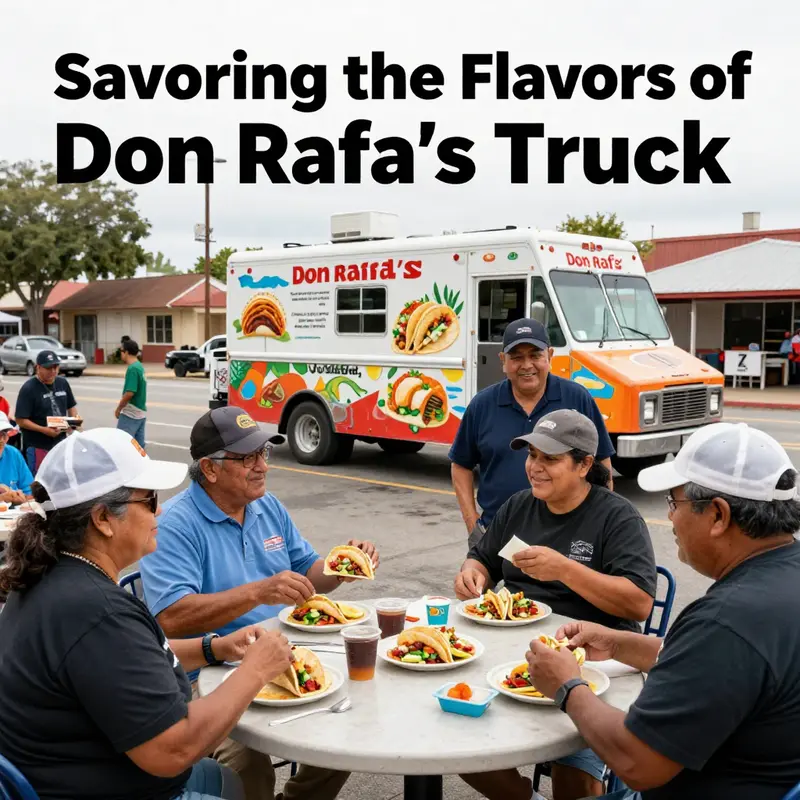
Don Rafa’s Taco Truck functions as more than a place to grab a taco. It acts as a local institution that responds to food needs, preserves culinary identity, and knits people together. When a mobile kitchen parks on a busy corner, several modest but powerful exchanges occur: nourishment is traded for dollars or conversation; recipes travel across generations; and the rhythms of a neighborhood rearrange around a reliable food source. In Stockton, that reliable presence is at 1248 E Miner Ave, where Don Rafa’s delivers meals that carry cultural memory and practical sustenance. Thinking of the truck alongside community food initiatives reveals how a single culinary enterprise can operate like a modern, mobile soup kitchen while remaining rooted in the everyday life of its neighborhood.
Food access begins with availability, and a taco truck that stays in the same spot or follows a predictable schedule creates a dependable option. For residents facing tight budgets, consistent access to affordable, familiar dishes matters as much as price. Don Rafa’s menu—tacos, tortas, burritos, quesadillas—reflects a culinary language many local families speak. Offering traditional flavors and portion sizes that match local expectations helps ensure that meals are not only filling but also culturally appropriate. That cultural match matters in ways often overlooked: food that resonates with memory and identity encourages people to eat regularly, and that regularity supports overall nutrition security more effectively than a one-off handout.
Affordability at a food truck comes from lean operations and direct service. A mobile kitchen has lower overhead than a full-service restaurant. Those savings can translate to accessible pricing without sacrificing ingredient quality. At Don Rafa’s, the focus on fresh produce, traditional fillings, and straightforward preparation exemplifies how culinary integrity and cost-consciousness coexist. When a plate is affordable and familiar, it reduces the barriers for people who might otherwise skip a meal or pay a premium for less nutritious fast food. In neighborhoods where food deserts and limited grocery options are realities, this dynamic makes a mobile food provider a critical node in the local food system.
Beyond cost and cuisine, the truck’s mobility offers a logistical advantage comparable to community feeding initiatives. Soup kitchens aim to meet people where they are—often literally—by removing bureaucratic hurdles and documentation requirements. A food truck that concentrates on accessibility follows the same logic. By requiring no sign-ups, no proof of income, and no appointments, a mobile vendor supplies immediate nourishment to whoever arrives. This simplicity builds trust, reduces friction, and widens reach. For those who are undocumented, recently unhoused, or juggling chaotic schedules, a quick meal from a familiar vendor can mean the difference between hunger and relief.
The physical space that surrounds a food truck contributes to social connection in subtle but important ways. Don Rafa’s affords seating and an inviting atmosphere that extend the kitchen’s role into the social sphere. People arrive alone and leave having exchanged a joke, a neighborhood tip, or a slice of gossip. These interactions stitch social capital into everyday routines. Regular customers, in particular, form bonds with staff and each other. Conversations at the truck can be the first step toward broader community engagement—volunteerism, neighborhood watch groups, or shared childcare arrangements. Small daily gatherings reduce social isolation and create informal safety nets that are hard to quantify yet deeply valuable.
Employment and local sourcing are economic levers embedded in the food truck model. Don Rafa’s likely provides jobs for cooks, servers, and delivery staff, often offering flexible schedules and roles accessible to workers with varied levels of formal training. These positions can be entry points into the broader hospitality sector. Purchasing ingredients from nearby vendors or market stalls amplifies that impact. Money spent on meat, tortillas, produce, and spices cycles through the local economy. When a truck prioritizes regional suppliers, it supports farmers, wholesalers, and small businesses. The cumulative effect is a modest but meaningful multiplier: wages paid to employees get spent locally, and suppliers find steady demand.
The relationship between a neighborhood and its food vendors can evolve into collaborative community action. Trucks sometimes serve as hubs for distribution beyond their standard menus. On days when local nonprofits organize food drives, a trusted mobile vendor can help disseminate information or host a pop-up distribution point. Similarly, during emergencies—power outages, floods, or sudden disruptions—a food truck with portable cooking facilities can provide hot meals when fixed kitchens are offline. The adaptability and speed of a mobile unit make it uniquely suited to fill gaps in formal aid systems.
Cultural continuity is another form of community benefit that Don Rafa’s provides. The recipes served at the truck are not mere commodities; they are carriers of heritage. Tacos prepared with care transmit techniques, flavors, and stories from one generation to the next. That transmission preserves identity in a city where populations shift and neighborhoods change. Food vendors who maintain traditional preparations help anchor cultural memory in public life. They also offer a practical form of cultural education: customers learn about ingredients, seasonal patterns, and regional distinctions simply by ordering and tasting.
There is also a role for the truck in civic visibility. A local vendor becomes a familiar landmark, a meeting point known across the block. Its presence signals an active street life, and that activity has secondary effects such as increased foot traffic and informal surveillance. Busy sidewalks discourage petty crime and encourage local commerce. By drawing people out of homes and into public space, Don Rafa’s contributes to a sense of neighborhood vitality and safety.
Operational considerations shape how well the truck fulfills these community functions. Predictability in hours and location makes it easier for residents to rely on the service. Clear signage and a consistent menu reduce decision fatigue for patrons juggling limited time. Staff who recognize regulars and offer small accommodations—like holding a meal until someone arrives—strengthen reciprocal trust. Training in food safety, multilingual service, and sensitivity to customers’ diverse needs also extends the truck’s reach. These are low-cost practices with high social returns.
Sustainability and safety practices matter too, especially when a vendor becomes part of a long-term strategy to support neighborhoods. Innovations in truck energy systems reduce emissions, allow quieter operation, and lower fuel costs. Embracing modern battery solutions and efficient refrigeration supports longer service windows and less environmental impact. For vendors who serve low-income areas, those efficiencies translate to steadier pricing and more reliable service. For a deeper look at how energy systems reshape mobile kitchens, see the discussion of how lithium battery systems are revolutionizing food trucks for a sustainable future. That conversation shows how technical advances can multiply a truck’s ability to serve while protecting local air quality.
Partnerships broaden what a food truck can achieve. Collaborations with schools, community centers, and health clinics enable targeted interventions: nutritious meal deals for students, discounted options for seniors, or dietary accommodations for people with medical needs. When a vendor partners with local health educators, it can promote balanced choices and spotlight seasonal produce. These linkages create layered benefits: improved food access, better information, and shared infrastructure for outreach.
The economics of scaling impact matter. A single truck like Don Rafa’s can be deeply influential in its immediate radius, but broader community change often requires networks of vendors and supportive policy. Cities that permit mobile food operations with reasonable permitting fees and safe parking zones enable more vendors to serve neighborhoods with persistent need. Microloans or low-interest financing for start-up trucks reduce barriers for entrepreneurs from underrepresented communities. Workforce training programs can help vendors hire local residents and upgrade skills. When regulatory frameworks and financing align, mobile food initiatives can transition from isolated services to integrated components of municipal food security strategies.
Perception shapes policy and practice. When residents view a truck as a respected, established part of the local fabric, officials and community leaders are more likely to include it in planning. Success stories—clear evidence of consistent meals served, employment created, and money kept local—are persuasive to funders. Community-focused vendors that document their impact find it easier to secure grants, donations, or public partnerships. Transparent accounting of meals served, prices, hiring practices, and supplier relationships builds credibility and unlocks scale.
There are trade-offs and limits to consider. Mobile kitchens cannot replace full-scale food pantries or health-focused meal programs that require comprehensive dietary planning. They also face operational constraints like weather, maintenance, and parking availability. Security of supplies and equipment is a concern; theft or vandalism can disrupt service. Effective solutions often combine mobile vendors with stationary services, creating a complementary ecosystem that meets immediate needs while supporting long-term stability.
Finally, the human dimension ties all these strands together. People remember gestures as much as meals. A vendor who offers a warm greeting, remembers a family’s usual order, or accommodates an irregular schedule offers more than food. Those small acts contribute to dignity and social inclusion. In neighborhoods grappling with inequality, such gestures become practical expressions of care. Don Rafa’s, by serving authentic food consistently and respectfully, models that approach. It shows how a business built on cultural knowledge and culinary skill can simultaneously nourish bodies and strengthen the social fabric.
Link to further reporting on mobile food trucks addressing hunger: https://www.theguardian.com/us-news/2023/jun/15/mobile-food-trucks-hunger-america-cities
From Street Cart to Community Hub: Innovations and Trends at Don Rafa’s Taco Truck
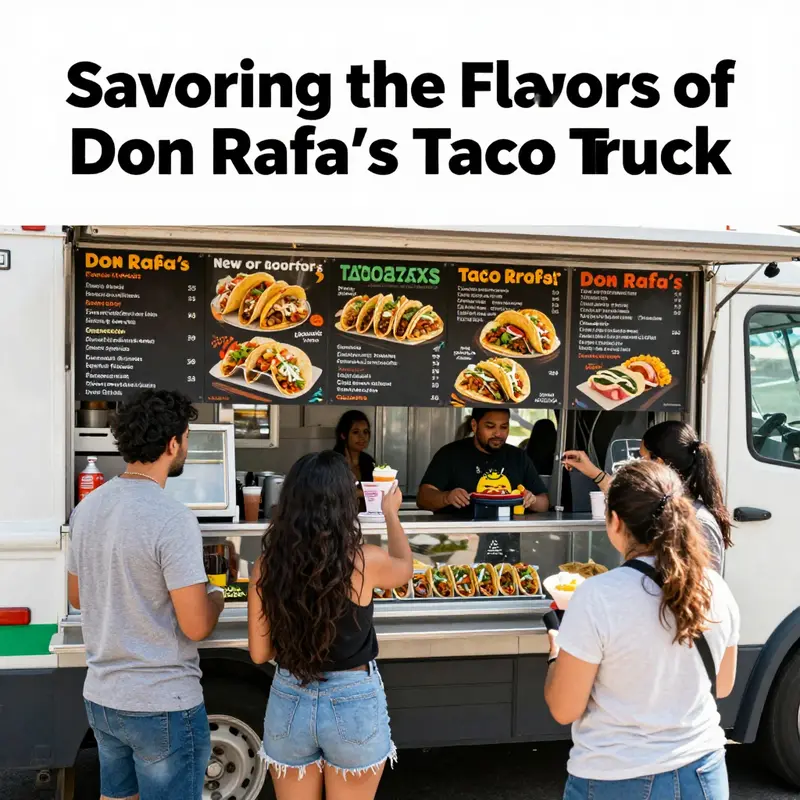
Don Rafa’s Taco Truck sits at the corner of 1248 E Miner Ave in Stockton, a location that feels less like a waypoint and more like a daily gathering spot. The truck’s charm rests not only in its smoke-kissed tortillas and bright pico de gallo, but in the way it blends tradition with a modern, accessible dining ritual. What makes this place stand out is not a single signature dish or a flashy fad but a carefully engineered dining experience that respects time, appetite, and community. The ordering process itself is a small theater: customers step up to a counter, place their requests, and then watch the cooks out front turn ingredients into color and steam. The dynamic is deliberate, almost kinetic, and it reshapes the way fast, flavorful food can feel when you choose to linger for a moment longer than a quick bite. In a world where most street-food models emphasize speed above all, Don Rafa’s creates a sense of movement and participation that makes a meal feel like an event you participated in rather than merely consumed.
The menu is a map of Mexican street food that remains faithful to the flavors many people crave while inviting a broader audience to explore. Tacos, tortas, burritos, and quesadillas anchor the offerings, but the specifics of the fillings, sauces, and tortillas are treated with a care that elevates everyday food into something memorable. Each dish arrives at the table with its own story—whether it’s a carefully seasoned carne with bright citrus notes or a vegetarian combination that proves meatless can still feel indulgent. The ingredients are described as fresh and thoughtfully sourced, a detail that matters when the main stage is a compact kitchen where freshness is a visible ingredient. It’s not merely about taste; it’s about the textures, the balance of heat and cool, and the way a tortilla carries the fillings without becoming doughy or overwhelmed by sauces. This respect for the ingredients is a quiet promise that the truck’s food remains rooted in tradition while still inviting discovery.
What makes the Don Rafa experience different is the way the truck blurs lines between quick-service and casual dining. The counter service keeps the line moving in a way that is efficient for both a quick lunch crowd and a family seeking a relaxed dinner option. Yet the open-kitchen element—where cooks prepare components in view—adds a social rhythm to the meal. Guests can witness the sizzle, the careful shelling of a lime, the precise layering of salsa and cilantro, and the moment a tortilla leaves the grill with just the right char. This transparency fosters trust; it invites questions, comments, and a shared sense of satisfaction when a plate lands in front of a hungry eater. Even the pace of service communicates an honest message: you’re not just ordering food; you’re watching it come together, and you’re part of a larger, communal process.
The ambience around the truck reinforces this sense of hospitality. The seating area—ample enough to accommodate groups and lingering conversations—transforms a quick bite into what feels like a casual meal among friends. It is a deliberate choice to create comfort without sacrificing efficiency. People choose a seat, order at the counter, and then settle into a space where the aroma of grilled meat and fresh herbs becomes part of the background conversation. In days when dining options narrow to either indoor seating or a takeout window, Don Rafa’s hybrid model is a reminder that two goals can co-exist: fast, reliable service and a space where people want to pause longer than the moment of hunger requires.
The community orientation here is particularly telling. Stockton is a city with a dynamic, evolving food landscape, and Don Rafa’s plays a role in that evolution by offering a dependable, affordable option that people return to with consistency. The truck’s location helps draw in regulars who live nearby and visitors who pass through, turning a fixed stop into a predictable ritual. The logistics of a food truck often prioritize mobility and turnover, but Don Rafa’s demonstrates that a well-planned site, a thoughtful menu, and a warm atmosphere can make the truck feel less like a temporary fixture and more like a stable, welcoming corner of the neighborhood. In practice, this means the business becomes a reliable space where people can bring a lunch hour or a family outing and know what to expect: generous portions, bold flavors, and a sense that someone in the kitchen cares about every plate that leaves the window.
From a business and culinary perspective, the innovations at Don Rafa’s are as much about process as they are about plates. The counter-first model clears the path for a streamlined flow, while the visible cooking area invites feedback and creates a dialogue between cook and customer. This two-way exchange isn’t a gimmick; it’s a deliberate strategy to ensure quality and consistency. Staff learn quickly what works in real time—for example, how a salsita’s heat level changes with the weather or how a particular tortilla handles the weight of a heavy burrito on a busy afternoon. The kitchen team can adjust on the fly, and patrons feel the responsiveness, which in turn reinforces a sense of trust. The result is a service that feels both confident and adaptable—two traits that matter when a business sits at the intersection of street food and casual dining.
In recent years, the broader trends shaping the food truck world have leaned toward more durable, service-oriented models. Don Rafa’s seems to have internalized this shift and translated it into a localized practice. The truck resembles a hybrid of a takeout counter and a neighborhood eatery, a form that allows for a wider spectrum of dining experiences. Some days the pace is brisk, perfect for a quick noon bite; other days the seating area fills with families who linger, savoring the textures and conversations around shared plates. The ability to pivot between these modes without losing identity is a subtle form of innovation, one that depends on consistent quality, reliable staffing, and a menu that can hold its own in a crowded market.
What binds these threads together is a philosophy of hospitality that treats every guest as part of a wider story. The ingredients, the technique, the pacing, and the conversational energy about the counter all contribute to a sense that Don Rafa’s is more than a place to eat. It’s a small community institution that invites people to slow down just enough to notice the care that goes into each dish. That care is apparent in the littlest details—the char on a tortilla, the brightness of cilantro, the balance of lime, and the way a burrito is wrapped so that its fillings stay intact during the walk back to a table. It’s in the way the seating area is organized to accommodate both quick bites and longer conversations, the way staff greet regulars, and the way the kitchen hums with collaborative focus during peak hours. These moments are not flashy; they are the quiet, durable scaffolding that supports a long-term relationship with the community.
From a consumer perspective, Don Rafa’s innovations can feel almost invisible, because they are embedded in the everyday. Yet the outcome is not small. A diner who returns to the truck for a favorite tortilla with a familiar fragrance is experiencing a refined sensibility—an approach that respects the past while embracing the present. The emphasis on fresh ingredients and straightforward, vibrant flavors is precisely what makes the experience both accessible and memorable. It is easy to underestimate how much a well-calibrated service model contributes to a lasting impression, but here the arithmetic is clear: quality ingredients, a fair price, a visible kitchen, and a space that invites conversation add up to repeat visits and word-of-mouth referrals that no single plate could generate on its own.
The chapter of Don Rafa’s story that this chapter represents is not a triumph of trend over tradition but a careful marriage of both. The innovations are practical, not performative; the trends are embedded in the everyday rhythm of the truck rather than announced on social media with fanfare. And yet the result is striking: a dining experience that feels as much like a street table in a bustling Mexican market as it does a casual stop on a Stockton street. The truck’s evolution—from a simple mobile unit to a neighborhood dining fixture—speaks to a broader opportunity for mobile food concepts to cultivate depth, connection, and sustainability without losing the spontaneity that gives street food its edge. If the stories of the city’s culinary landscape are a tapestry, Don Rafa’s lends a central thread that ties together the flavors of home, the energy of street life, and the gentleness of a space that invites people to linger.
For readers who want to situate Don Rafa’s within the wider panorama of how food trucks are evolving, a broader view of industry models can be illuminating. See the discussion in the linked article on top food truck models for culinary success, which explores how mobile kitchens are transforming into hybrid spaces that blend speed with a dine-in atmosphere. This perspective helps explain why Don Rafa’s approach feels both fresh and familiar, rooted in fundamentals of flavor and hospitality while responsive to changing expectations about where and how people eat. top food truck models for culinary success
The reference frame is not merely about selling meals; it is about creating an experience that lasts beyond the moment of gratification. Don Rafa’s achieves this by aligning operational choices with a clear sense of place—Stockton, its neighborhoods, its families, and its workers who need a reliable, satisfying meal within a busy day. The truck respects time yet refuses to rush the moment when nourishment becomes a shared ritual. It is a recipe for sustainability in a sector often defined by volatility: steady foot traffic, loyal patrons, and a format that remains nimble while maintaining a steady standard of flavor and presentation. As the city continues to grow and evolve, the Don Rafa’s model offers a blueprint for how street food can anchor itself in the social fabric without sacrificing quality or personality. The result is a culinary microcosm where tradition, community, and thoughtful innovation intersect in a simple yet profound way—on a sunlit curb, near the hum of the afternoon, where a line forms, and a family smiles over a couple of tacos that taste like home.
External perspectives, like reviews on platforms that track local restaurants, provide another layer of context for this ongoing story. They remind us that the value of Don Rafa’s innovation lies not only in technique but in the everyday experiences of diners who return because the food feels honest, the service is steady, and the atmosphere feels welcoming. Those real-time reflections, captured in customer voices, help keep the operation grounded as it expands, refines, and sometimes recalibrates its offerings. For readers seeking a sense of the broader reception and the kinds of details that matter to guests—hours, menu updates, and the cadence of new items—the official listing on review platforms serves as a practical barometer of consistency and value. It is, in essence, a living ledger of the truck’s performance in the eyes of those who matter most: the people who choose to eat there again and again. To explore the latest feedback and updates, consult the Tripadvisor listing linked in the research results, where verified reviews and current hours help paint a real-time picture of Don Rafa’s dining footprint.
In sum, the innovations at Don Rafa’s Taco Truck reflect a nuanced understanding of what makes street food endure. It is not simply about delivering a plate of salsa roja or a perfectly toasted tortilla; it is about crafting an environment where flavor, accessibility, and social warmth converge. The truck turns a mobile business into a steady presence that feels rooted in the local pace and personality of Stockton. It demonstrates that when a culinary tradition is treated with care, it can adapt to contemporary expectations without losing its soul. And in the process, Don Rafa’s translates the rhythm of a busy street into a steady, comforting habit for a community that values both good food and good company. The result is not a flash in the pan, but a durable, evolving expression of how a taco truck can become a trusted neighbor—one plate, one conversation, and one shared moment at a time.
External resource for ongoing context: https://www.tripadvisor.com/RestaurantReview-g315874-d2079246-Reviews-DonRafasTacoShop-Stockton_California.html
Final thoughts
In essence, Don Rafa’s Taco Truck stands as more than just a food outlet; it is a beloved community hub that embodies the spirit of Stockton. With its exceptional offerings, genuine hospitality, and commitment to innovation, this taco truck captivates food lovers and enhances the local culture. As you plan your next taco adventure, let the flavors of Don Rafa’s inspire your culinary journey.