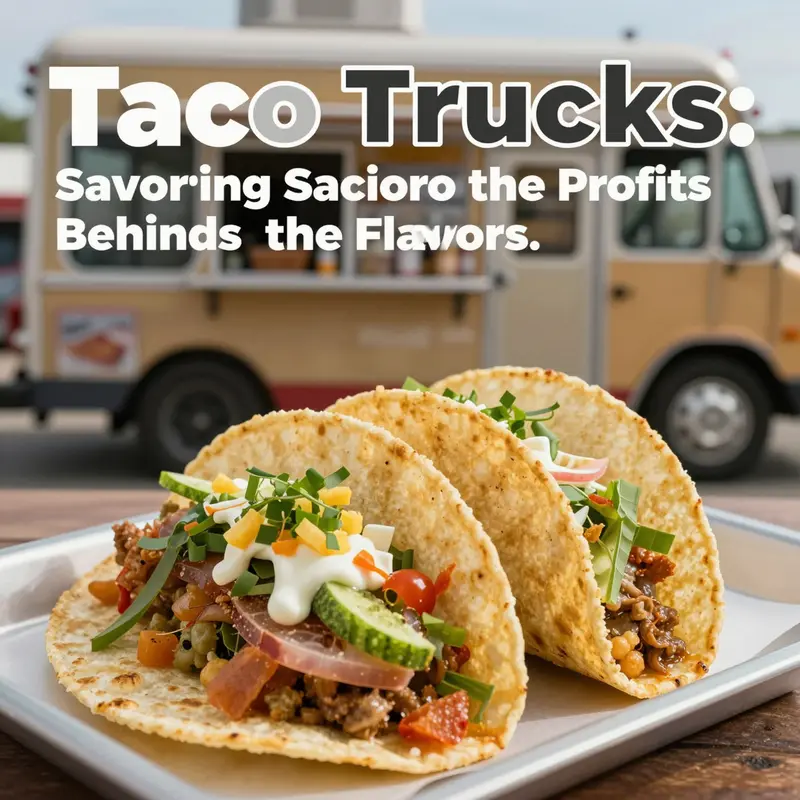
Taco trucks have taken the culinary world by storm, winning hearts with their vibrant flavors and quick bites. But beyond the delicious tacos lies an intriguing question: Do taco trucks really make money? This article dives into the factors that influence profitability, examines operational strategies for success, and explores market trends and customer preferences. Each chapter will shed light on the deliciously profitable world of taco trucks and provide insights for cuisine lovers, local office workers, event planners, and taco enthusiasts.
null
null
Rolling Revenue on Wheels: Mastering the Profit Puzzle Behind Taco Trucks
Profit on wheels is built through discipline, location, and speed. A taco truck earns money by turning customers into repeat business while keeping costs lean enough to leave room for profit. Profitability grows when a truck consistently delivers high-quality, authentic food quickly at a price that feels fair. The core is balance: a lean menu, efficient operations, and reliable supply. Location and flow matter: high-traffic corridors, office districts, campuses, and events create demand. The truck can relocate to chase crowds, translating mobile presence into throughput. Pricing centers on affordability (often under ten dollars) while margins are protected by portion control, waste management, and a mix of high- and mid-margin items. A focused menu reduces cooking time and errors. Operational efficiency depends on organized storage, prep space, and equipment that supports fast service. Inventory and supply chain discipline keep costs predictable. Technology should aid forecasting and tracking, not chase every gadget. The customer experience, speed, and clear presentation, drives repeat visits. Packaging that protects elements and presents value matters. Digital channels amplify visibility, route planning, and demand forecasting, while feedback loops fuel rapid experimentation. Seasonality and weather require flexible hours and scalable staffing. A resilient operator plans for contingency locations and portable canopies. The broader market and culture of the street-food scene influence pricing, demand, and relationships with communities. Sustainable profitability comes from consistent execution, low friction service, and authentic engagement with neighborhoods. Beginning with a lean, scalable operation and a few high-appeal items, then reinvesting in better systems and marketing, creates a repeatable revenue engine. The road to profitability is steady, not glamorous, and depends on discipline, clarity of purpose, and close attention to costs and customer needs.
Flavor, Footfall, and Flexibility: How Trends Shape Taco Truck Profits
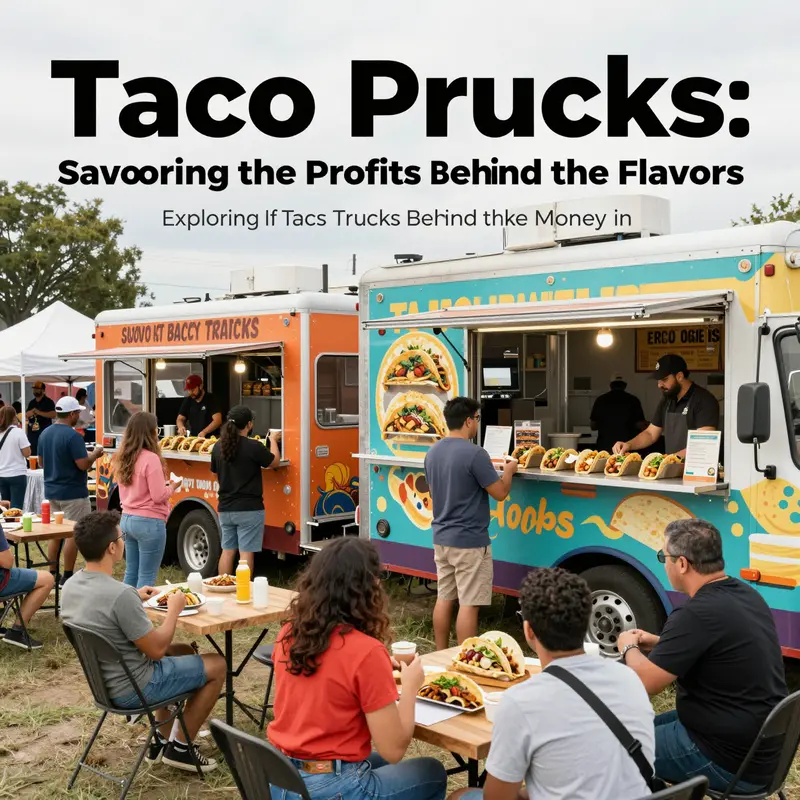
The business of taco trucks sits at the intersection of appetite and opportunity. It is not enough to offer a beloved handheld meal; profitability depends on how well a truck can ride the evolving current of consumer preferences, urban rhythms, and logistical realities. In recent years, the market for mobile Mexican-inspired fare has shifted from a novelty to a validated, sometimes even celebrated, neighborhood staple. This shift is not just about taste; it is about how people want to eat, where they want to eat, and how quickly they expect quality to arrive. The profitability calculus, then, rests on a few fundamental dynamics: location with its telltale foot traffic, pricing that captures value without hollowing margins, efficient operations that conserve labor and waste, and a menu that both excites regulars and invites trial from new patrons. When these elements align, taco trucks can sustain steady revenue streams even as the urban dining landscape evolves around them.
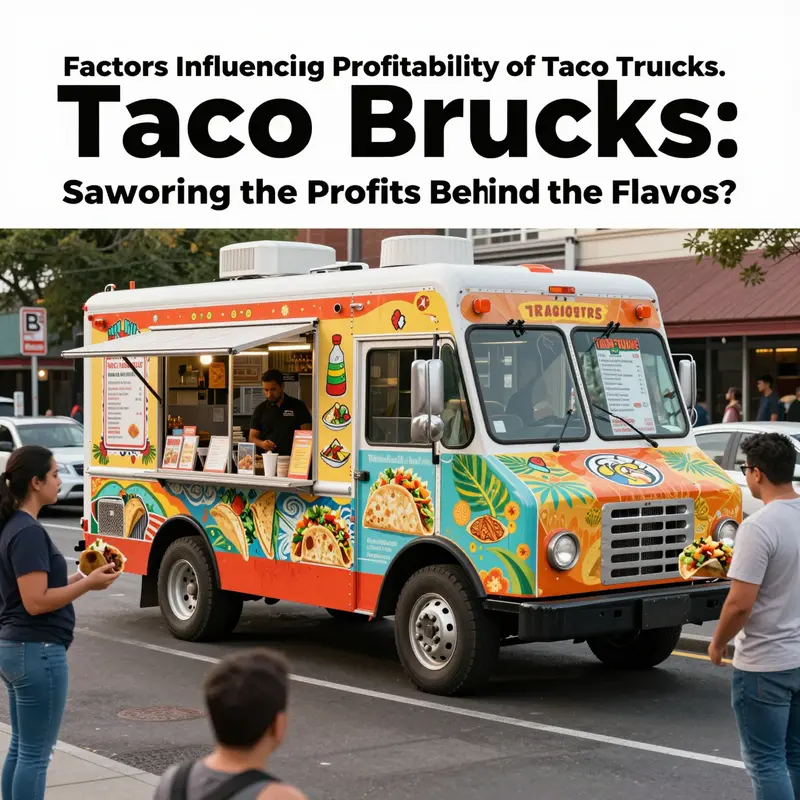
At the core of profitability is location coupled with operational discipline. Trucks thrive where there is consistent spillover demand—near office clusters during lunch hours, around college campuses during after-class periods, and at venues hosting events where quick, affordable meals are preferred over sit-down dining. The overhead advantage of a mobile operation—no storefront rent, lighter staffing needs, and the capacity to shift hours to match demand—plays a critical role in margin preservation. These advantages become even more meaningful when paired with the growing appetite for fast-casual experiences that don’t sacrifice flavor or freshness. The capacity to move from one hot corner to another in response to crowd flow is not just a marketing gimmick; it is a strategic asset that allows a truck to avoid the rent trap that can strand a brick-and-mortar concept in slow seasons.
Pricing strategy, too, is a decisive profitability lever. The research highlights a dual reality: many customers prize affordability and speed, yet a substantial segment—particularly those drawn to bold flavors and high-quality ingredients—are willing to pay premium for perceived value. A well-balanced menu can sit in that sweet spot where bindings of value and quality coexist. For some operators, this means offering core, budget-friendly options under a certain price point to anchor volume, while introducing occasional premium items that justify higher ticket sizes on busy days or at special events. The key lies in clarity of value: customers should see the alignment between price, portion, ingredient quality, and the overall dining experience. Clarity reduces price resistance and builds trust over repeated visits.
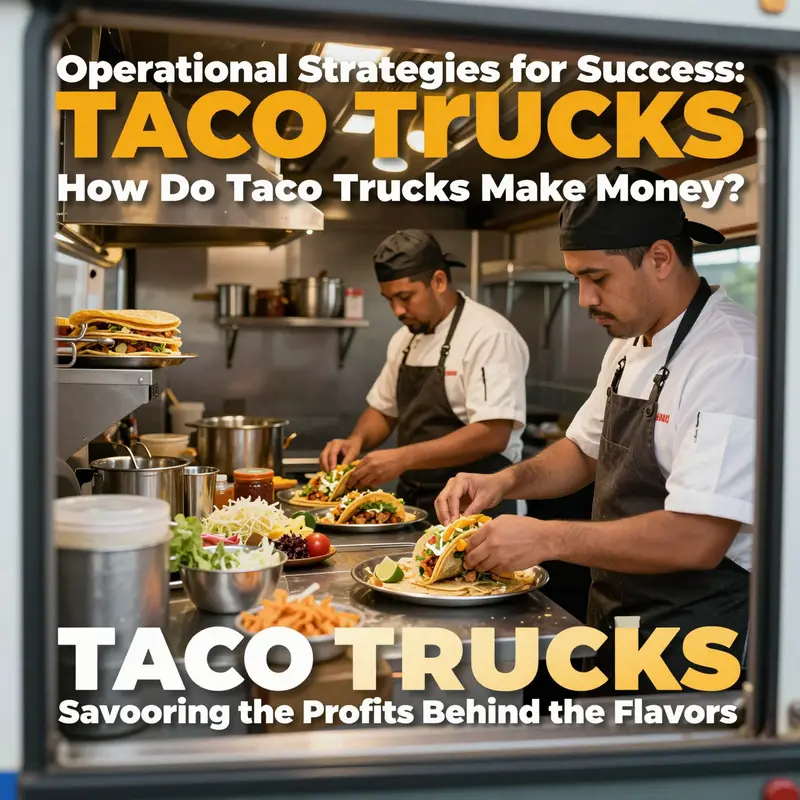
Operational efficiency is more than a back-room concern; it directly drives profitability. A taco truck must manage inventory to minimize waste, maintain equipment reliability to prevent downtime, and optimize labor to deliver quick service without sacrificing safety. Efficient procurement—partnering with suppliers who can provide consistent, traceable ingredients, reliable packaging, and timely deliveries—reduces the risk of service interruptions. The use of durable, hinged containers for premium tacos, for example, is not a cosmetic choice but a practical one that supports presentation during transport and keeps the product intact for customers who value aesthetics as part of the dining experience. In urban environments where congestion and unpredictable queues are common, every minute saved in service translates into higher daily throughput and improved margins.
The research underscores the importance of menu experimentation as a profit accelerator. The mobility of a food truck enables chefs to test and refine items across neighborhoods with speed and minimal risk. A dynamic menu can be curated to reflect local tastes, seasonal produce, and supplier availability, all while preserving core staples that customers expect. For operators, this means the ability to tailor offerings to specific crowds—spicy, tangy, or milder profiles; regional twists; or vegetarian and vegan options—without the heavy capital investments associated with a fixed-location restaurant. The knowledge gained from pilots can guide long-term decisions about which items deserve permanent placement on the menu and which should rotate, freeing cash for experimentation rather than anchoring it in unpopular stock.
Regional patterns illuminate how trends translate into profitable practice. In markets like Austin, where street-food culture has become a defining element of the urban fabric, mobile kitchens often grow into established culinary brands. A family-rooted origin story can become a powerful narrative that resonates with customers who value authenticity and local sourcing. The cultural context matters: what works in one city for a mobile concept may not automatically transfer to another. The ability to adapt—without abandoning the core identity of a truck—defines long-term viability. This adaptability also influences branding and loyalty-building. When customers sense a truck is attuned to their city’s rhythms, they are more likely to return, contribute to word-of-mouth growth, and become repeat advocates who line up at peak times.
The customer landscape, reframed through a 2026 study using the Food Retailer Loyalty instrument, reveals four broad segments that shape demand and pricing psychology. Health-conscious consumers seek transparency and quality, and they tend to reward establishments that provide clean sourcing and straightforward nutritional information. Price-oriented customers prioritize value, expecting consistent portions and predictable costs. Taste-oriented patrons are drawn to fresh, locally sourced ingredients and inventive twists, and they are more willing to pay a premium for a distinctive experience. Convenience-oriented diners emphasize speed and accessibility, valuing a dependable, speedy checkout and proximity to where they work or study. The interplay among these segments means a successful taco truck cannot rely on one mode of appeal. Instead, a well-tuned operation blends affordability with quality and novelty in a way that feels coherent to a diverse audience.
From a strategic vantage point, the way these segments interact with regional identities matters. In cities that celebrate culinary experimentation, a truck that emphasizes flavor narratives—heritage techniques, bountiful salsa textures, or regional peppers—can cultivate a loyal following among taste-seekers. In areas where demand is driven by students and office workers, a compact, value-driven menu paired with efficient service and digital ordering can yield a steady stream of repeat customers. The convergence of health-minded preferences with a desire for authentic taste creates an opportunity to layer nutritional clarity into menu descriptions and marketing, without turning away the broader audience seeking flavor-first experiences.
Into this mix enters the concept of delivery and off-site events, which have grown in importance as consumer habits shift toward convenience and on-demand meals. Deliveries extend a truck’s reach beyond the street corner and can convert peak-hour windows into additional sales opportunities. The yield from delivery depends on packaging integrity, the reliability of partner platforms, and the ability to preserve heat and texture during transit. For many operators, this is a strategic add-on rather than a replacement for in-person service. At events, the same menu can become a high-margin offering by leveraging bundled pricing, quick-service formats, and the ability to serve large crowds rapidly. The event setup itself, from the choice of portable equipment to the design of a visible, attractive station, becomes part of the customer value proposition and a driver of brand recall that feeds repeat visits during quieter weeks.
As you map the path toward profitability, it helps to look at the broader ecosystem of mobile dining. The literature notes that food trucks attracted strong interest in urban and college zones, with price points—often under ten dollars for core options—appealing to broad demographics while leaving room for higher-ticket items that reflect quality and craft. In practice, this means a dual-track strategy: a core, affordable lineup to drive volume and a smaller, premium set that signals quality and creates opportunities for higher margins when demand supports it. Packaging, presentation, and reliability reinforce this dual strategy by keeping the experience consistent across days and seasons. Durable containers that preserve warmth and integrity, coupled with a consistent plating style, contribute to perceived value and can translate into higher tips and repeat business. These elements, taken together, reveal profitability as a function of disciplined operations, responsive menus, and a keen eye for the local market’s tastes and rhythms.
The chapter would be incomplete without acknowledging the ongoing importance of branding and storytelling. A mobile kitchen is a moving billboard, and the more articulate and consistent the brand message, the more efficiently a truck converts curiosity into patronage. In practice, branding benefits from a coherent narrative that ties together ingredients, sourcing practices, and the truck’s origin story. Where possible, highlighting partnerships with local suppliers and a transparent supply chain can strengthen trust, particularly among health-conscious and taste-oriented customers who scrutinize ingredients. The visual identity—logos, color schemes, truck wrap design, and menu boards—should reinforce the narrative while remaining legible from a distance and resilient in varied weather conditions. When branding aligns with the actual product experience, customers feel confident investing in a meal and, often, in a brand they can advocate for.
For operators seeking a practical framework, consider how a menu and service model can be designed around the four customer segments without fragmenting the operation. A toolkit approach—combining a tight core menu with a rotating regional or seasonal feature—can supply both reliability and novelty. The Pride of place for quality can be the core menu, while the rotating items satisfy the taste-oriented and health-conscious diners by showcasing fresh ingredients and sustainable sourcing stories. The economic logic remains straightforward: maximize throughput during peak periods, reduce waste through accurate forecasting, and price items to reflect both value and the premium attributes that some customers will pay for. The result is a business that not only survives but thrives by aligning product, process, and people with the evolving tastes of urban dwellers and campus communities alike.
As you contemplate the road ahead, you may want to explore the different business models that exist within this space. For a concise overview of how various mobile formats can structure profitability and growth, see the discussion on top food truck models for entrepreneurs. You can read more about how different configurations balance capital, risk, and return here: top food truck models for entrepreneurs. This perspective helps connect the dots between the market trends described above and the concrete choices a new operator must make—from truck size and equipment to menu design and hour-by-hour planning. The bigger picture is not merely about selling more tacos; it is about building a flexible, responsive platform that can respond to shifting crowds, changing tastes, and evolving urban landscapes without drifting away from a clear sense of purpose and quality.
In sum, the profitability of taco trucks rests on a careful choreography of demand signals, price discipline, operational rigor, and brand storytelling. The market is increasingly receptive to authentic, high-quality street food, but it rewards those who can translate that appeal into steady, repeatable performance. The four consumer segments illuminate where margins can expand or tighten, while regional contexts remind us that success often begins with listening to a city’s palate and then translating that insight into a menu, a service model, and a brand that feel cohesive. The mobility of the truck is not a gimmick but a strategic advantage that, when used with care, creates durable value wherever the wheels take you. For operators who blend seasonal experimentation with reliable everyday staples, the path to profitability becomes less a bet on chance and more a craft of thoughtful, data-informed execution. External reference: https://www.austinchronicle.com/food/2026/02/17/discover-the-best-tacos-in-austin-tx-strictly-from-food-trucks/
Final thoughts
Taco trucks stand at the intersection of culinary delight and smart business strategies. By understanding factors influencing profitability, implementing effective operational tactics, and staying aligned with market trends and customer preferences, these mobile kitchens can thrive in competitive environments. Whether you’re a taco enthusiast or an aspiring food truck entrepreneur, the lessons gleaned from the world of taco trucks can inspire delicious opportunities.