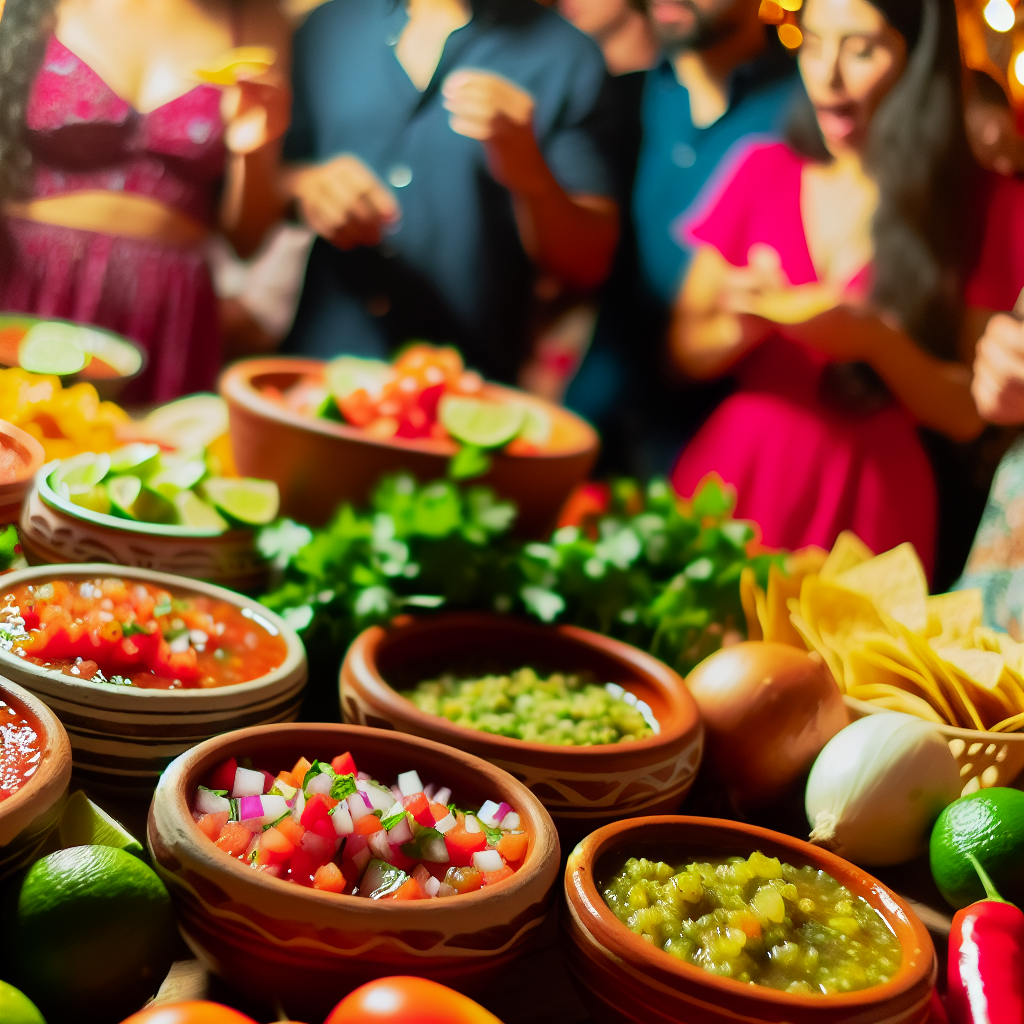
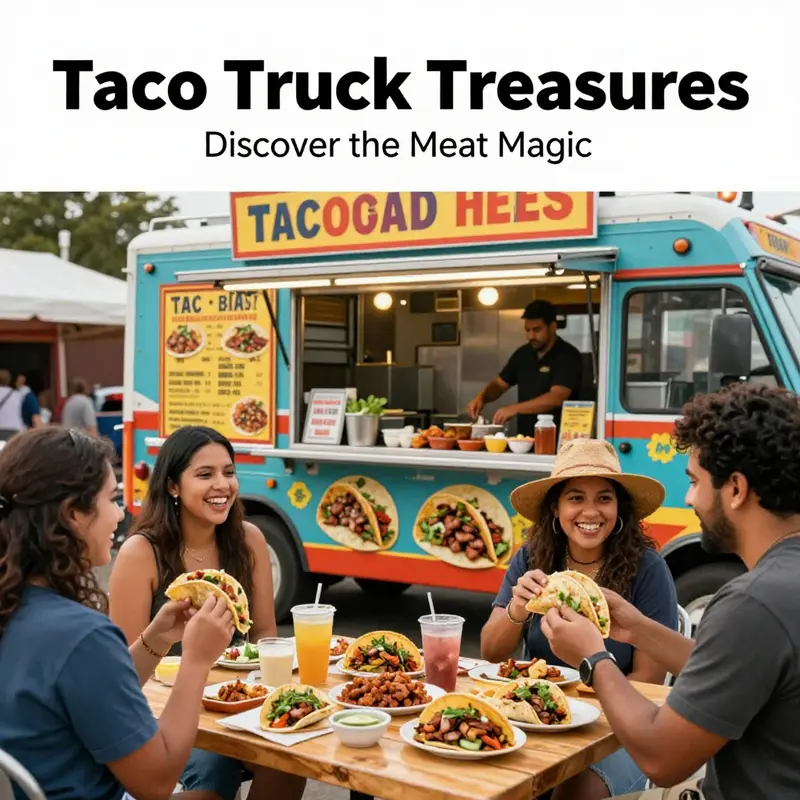
Taco trucks serve as culinary showcases, delivering a dazzling array of flavors right on our streets. From the sizzling sounds of meats grilling to the vibrant colors of fresh toppings, each taco becomes a canvas of creativity and tradition. Explore the extensive variety of meats that these beloved mobile eateries offer, catering to every palate—beef, chicken, pork, lamb, fish, and even innovative vegetarian options. In this delicious guide, we dive into five enticing chapters, starting with the diverse meats you can find, then shifting to preparation methods and exploring regional variations that give each taco its unique personality. As tastes evolve, we will also highlight the rise of vegetarian options before culminating in a daring exploration of offal specialties. Embark on this flavorful adventure with us!
Trail of Tastes: Exploring the Meat Palette of Taco Trucks
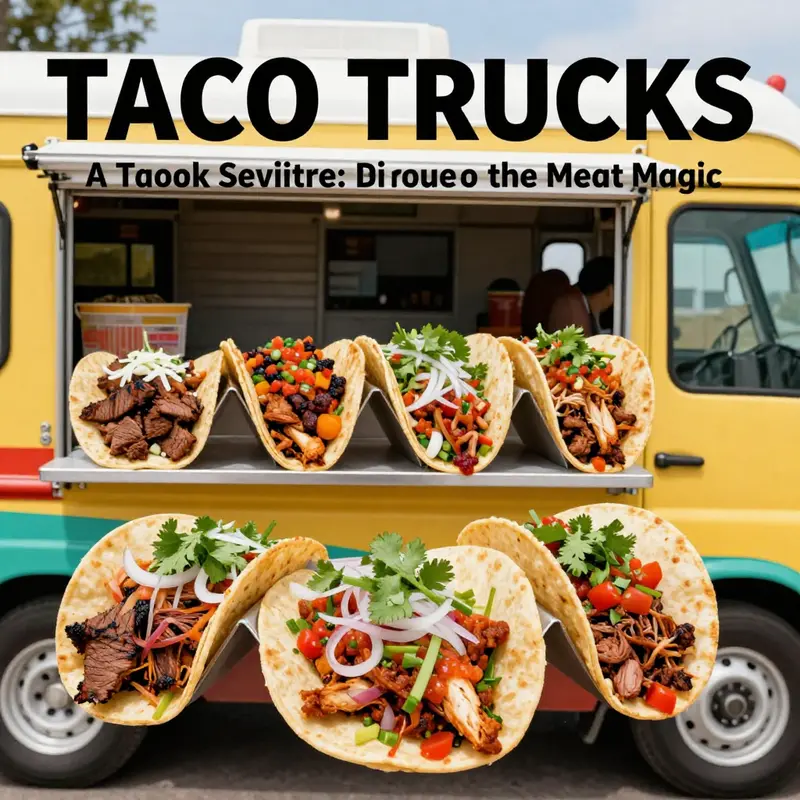
Taco trucks move through neighborhoods like portable kitchens on a mission, carrying more than heat and aroma. They carry a language spoken in sizzling sound and smoke, a language that translates to comfort, curiosity, and appetite for many cultures at once. At the heart of that language is meat—the backbone that shapes texture, aroma, and promise. A well-rounded taco truck menu becomes, in essence, a traveling glossary of regional sensibilities, a map drawn in char and citrus, smoke and salsa. To understand the full range of what these mobile kitchens offer, we start with the most common anchors: beef, chicken, pork, and the less frequent but equally essential players such as lamb, fish, and offal. Each of these meats is treated with a particular method, a chosen pace, and a seasoning philosophy that reflects both tradition and improvisation. In this way, the meat on a taco truck reads like a living cookbook, one that travels with the weather, the time of day, and the pulse of a neighborhood.
Beef occupies a central position on many trucks, not simply as a single cut but as a conversation between textures and temperatures. Ground beef, when it meets the grill or a hot skillet, releases a chorus of aroma—garlic, cumin, chili, and a hint of onion—stirred into the lean fat until it glistens and holds together in a tidy crumble. The result is a comforting, quick-to-assemble option that balances speed with flavor for the rush of a lunch hour. Yet beef on a taco truck also proves its versatility with cuts that reward patient cooking and careful slicing. Carne asada—grilled beef, often marinated in citrus, herbs, and a touch of oil—delivers a bright, crisp exterior and a juicy center, the kind of bite that sings when pressed with onions, cilantro, and a squeeze of lime. Short ribs, when chosen, provide a richer, almost velvety mouthfeel, the kind of meat that lingers on the palate and rewards longer chew, companionship of a good salsa, and a cool avocado crema that cools the edge. The blend of these beef preparations offers a spectrum, allowing a single truck to cover late-afternoon cravings and late-night cravings with equal aplomb, each bite a different mood but rooted in a shared love of beef’s enduring versatility.
Chicken—an approachable entry point for many eaters—arrives in forms that can be light or bold, crisp or tender. Shredded chicken appears in works that favor saucy coatings and quick assembly. It absorbs marinades and sauces rapidly, allowing trucks to pivot between heat levels and flavor profiles with ease. Pollo asado, a marinated grilled chicken, brings a bright tang and aromatic smoke; the marinade often features citrus, garlic, and herbs that brighten even the simplest toppings. Chicken tinga adds a lively kick, the shredded meat lacquered in a spicy tomato-chili sauce that glows with color and a hint of heat. These preparations demonstrate how chicken can be both familiar and exciting in a compact format, offering texture variety and a lighter counterpoint to richer meats on the same menu. The result is a balance that invites guests who want something comforting yet novel, a reminder that chicken can carry bold personality without being overpowering.
Pork stands as a pillar of street-level Mexican-American fusion, delivering depth, sweetness, and fat-backed satisfaction. Carnitas—slow-cooked pork that browns into crackling morsels—showcases patience and technique. The low-and-slow method yields pork that flakes easily and rewards careful crisping with a satisfying snap. It offers a texture dichotomy that pairs beautifully with bright salsas and cool garnishes. Al Pastor—the spit-roasted pork shoulder flavored with a chile-adobo marinade, often accompanied by pineapple—embodies the spectacle and warmth of a taco truck. The vertical roasting method, the rhythmic turning of meat, and the sweetness of pineapple combine to create a complex profile: savory, smoky, citrusy, and subtly tropical all at once. This combination of technique and seasoning is a signature of many trucks, a reminder that pork’s richness can be coaxed into a bright, almost tropical brightness when treated with care. Together, carnitas and al pastor illustrate how pork can carry both rustic comfort and adventurous flair in the same stall on wheels.
Lamb appears less frequently, yet it makes its mark on menus that lean toward fusion or regional specialties. Its presence signals a willingness to transcend the familiar and explore circles of flavor drawn from other culinary landscapes. When lamb shows up, it is often tender and well-seasoned, sometimes marinated to echo Middle Eastern or Mediterranean influences, sometimes grilled with a simple, peppery crust that allows the meat’s natural aroma to shine. The result can be a taco that feels both foreign and inviting, inviting curious eaters to broaden their sense of what a street taco can be. The occasional lamb taco becomes a conversation starter, a tasting note that expands the spectrum rather than codifies it, proving that a truck’s roster can evolve with the community’s appetite for novelty.
Seafood and fish occupy another axis of the meat palette, especially in coastal regions where the sea’s bounty meets the street. Fresh fish tacos, whether battered and fried or grilled with a light sear, offer a lighter, brighter option. The texture of a flaky white fish, the crispness of a fried crust, the freshness of cabbage slaw, and a squeeze of lime combine to present a crisp, refreshing bite that recalls surfside markets and lakefront piers. Shrimp tacos add a sweet, briny contrast to milder fish profiles and can be prepared simply with garlic, butter, and a touch of chili. The sea’s contribution on a taco truck ensures that the menu can speak to seafood lovers without sacrificing the comfort and hustle of the street-food experience. In some trucks, you may feel a hint of regional influence, where coastal flavors blend with local spice blends to create a coastal-meets-market culinary crossroad that feels especially alive when the crowd hovers around the steam and aroma of the grill.
Offal brings a different courage to the table, offering a route to adventurous eating that is rarely shy. Lengua, or beef tongue, stands out for its tenderness when prepared with a patient braise and a careful slicing against the grain. The meat’s natural richness and clean, slightly mineral finish invite toppings that brighten rather than overwhelm, such as a simple onion-cilantro mix, a squeeze of lime, and a modest salsa. Offal’s inclusion on a truck signals confidence and a respect for technique, because its success hinges on careful preparation. It is not a casual indulgence but a deliberate choice that pays off with a nuanced, deeply satisfying bite for those who seek a more exploratory tasting experience. In practice, even the more adventurous items can integrate smoothly into the same lineup that features brighter, more familiar meats, reinforcing the idea that the best taco trucks balance risk with accessibility, offering bites that broaden the palate without alienating regular customers.
In recent years, veggie-forward options have grown from a side note to a central component of many menus. Plant-based fillings, grilled mushrooms, black beans, lentils, and other protein alternatives expand the conversation about what a taco can be. These options reflect evolving dietary patterns and a growing demand for inclusive menus. They also push meat-focused offerings to elevate their own technique, driving trucks to rethink texture, spice, and pairing. The result is a dynamic, long-running dialogue between tradition and innovation that keeps the mobile kitchen both relevant and comforting to a wide range of diners. Across this spectrum, the core idea remains the same: the meat on a taco truck is not merely a filling but a vehicle for memory, place, and culture. It is the reason people return, the spark of curiosity that makes a line form, and the signal that street food still has the power to travel with us—from the morning errands to the midnight hunger that follows a night of work or celebration.
All of these meats are typically married to a standard yet evolving set of serving conventions. Soft corn tortillas or warm flour tortillas cradle the filling, while chopped onions, cilantro, avocado, bright salsas, and lime provide the finishing touches. The toppings are not afterthoughts but essential elements that sculpt the final bite. The texture of the meat interacts with the crispness of onions, the herbaceous lift of cilantro, and the citrus tang of lime, followed by the creamy calm of avocado or a smooth crema. Each bite becomes a micro-drama of contrasts: char and tenderness, heat and bright acidity, richness and freshness, all moving toward a satisfying, lingering finish.
The meat landscape on taco trucks also mirrors place and time. In inland markets, you may see a stronger emphasis on beef and pork, with grilling and braising methods that celebrate robust, family-style flavors. In coastal areas, fish and shrimp gain prominence, with marinades and batters tuned to seaside flavors and seasonal seafood arrivals. In urban neighborhoods with diverse populations, the menu expands to include lamb and offal for the curious, while plant-based options ensure that everyone can partake in the ritual. This fluidity—where the core idea of meat on a tortilla remains constant, yet the surrounding flavors shift—defines the magic of the street. It speaks to a principle of accessibility: meat and tortilla, simple in form, become extraordinary through technique, seasoning, and the generosity of a cook who knows how to balance time, heat, and texture.
For readers curious about how these kitchens stay connected to the wider world of food trucks and street cuisine, consider how a single truck can function as a mobile canvas. The driver-cook might pair a quick-ground beef taco with a slow-cooked pork option, then fold in a grilled chicken or a braised lamb when the mood calls for it. A well-curated menu offers something for the hurried shopper and the patient taster alike, allowing the same vendor to serve people who crave a familiar taste and those who want to venture into something new. The best operators harmonize supply, seasonality, and local preferences with technique, giving the meat a narrative that travels with the truck. They foster a sense of trust; once people discover a reliable, flavorful bite, they come back for more, seeking consistency in a setting that is inherently unpredictable. This is the essence of the taco truck experience: the meat is a constant, but its story grows richer with each stop, each crowd, and each night’s evolving conversation.
If you want a quick guide to exploring further without losing the throughline of flavor and technique, one practical approach is to treat the menu as a tasting map. Start with the familiar—ground beef or carne asada—to anchor your palate, then slide toward the bold, such as al pastor or lengua, to understand how heat, time, and aroma transform textures. Add a seafood option for contrast, then circle back to pork for complexity. The beauty of the street is in its improvisation: the same truck can shift its emphasis with the seasons, the events it serves, and the neighborhoods it visits. The meat on display tells you something about the people who cook it, the markets that supply it, and the communities that savor it. It is, in every bite, a shared story written in grill marks, spice, and citrus.
For readers who want to connect this exploration with practical guidance, a self-contained reference in the broader industry can offer context on how trends shape these menus. As the industry moves toward flexibility in sourcing and a growing appetite for variety, the State of the Restaurant Industry reports provide a macro view of ingredient trends and consumer preferences that filter down to the street. This broader perspective helps explain why a truck might suddenly add more plant-based options, or why a stall might experiment with a tighter focus on seafood along the coast. To dive deeper into those trends, you can consult the National Restaurant Association’s State of the Restaurant Industry Report 2026. It offers data and analysis that illuminate how meat options on mobile carts align with changing consumer expectations while remaining anchored in time-honored cooking methods. The evolving conversation about meat in taco trucks is part of a larger narrative about how street food evolves with culture, technology, and taste, all while preserving the immediacy and accessibility that make taco trucks a beloved fixture in many communities. For readers interested in the broader movement of mobile culinary practices, a closer look at how trucks operate and adapt can be found in industry-focused reflections on street kitchen dynamics, regional variations, and the balance between tradition and innovation. In this sense, the meat on a taco truck is not simply a filling but a dynamic element of an ongoing cultural experiment, a mobile archive of flavors that travels with the cook and speaks to the people it feeds.
Internal link for further reading: Taco Trucks Unleashed: Top 5 Models for Culinary Success
External resource for industry context: https://restaurant.org/research/state-of-the-industry-report-2026
From Fire to Flavor: Traditional Preparation Methods That Shape Taco Truck Meats
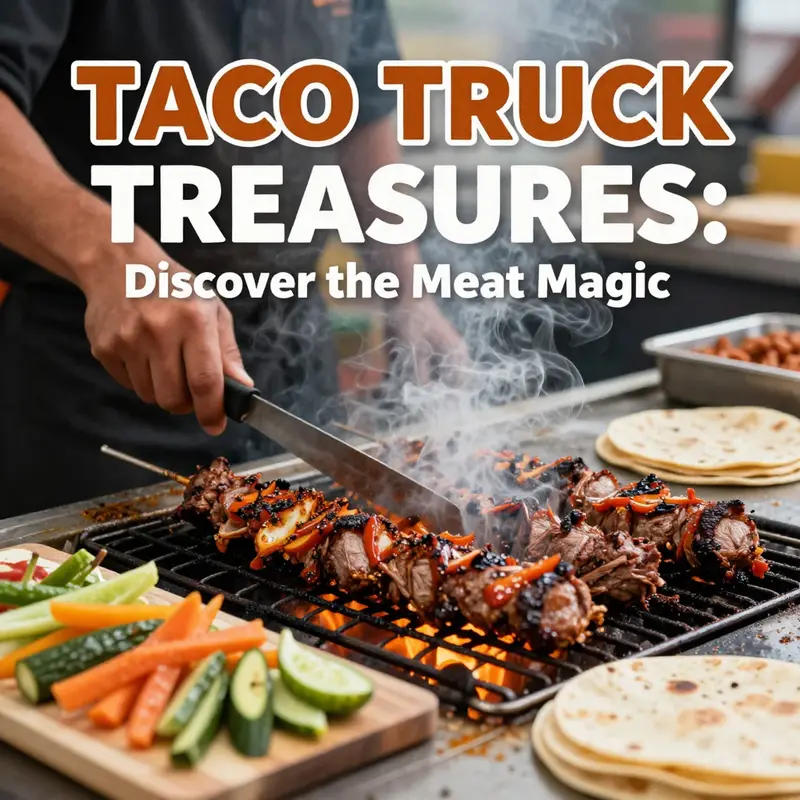
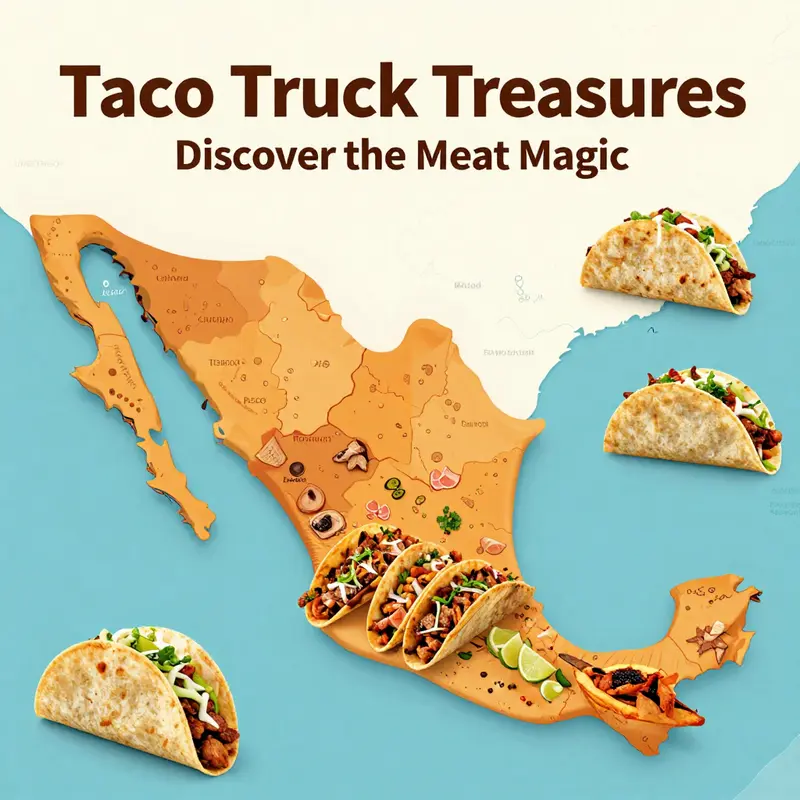
Across crowded streets where steam and sizzling fat mingle with the scent of oregano and citrus, taco trucks operate as mobile kitchens that carry generations of technique into a fast paced service. The core idea here is not a mere catalog of fillings but a practice that marries time honored craft with speed. Marination, braising, and high heat finish create meat that is tender, deeply seasoned, and quick to plate. The balance of tradition and pace comes from translating method into repeatable steps a single cook can execute for dozens of tacos. Marination lies at the heart of the work. A traditional paste built from toasted dried chiles such as guajillo, ancho, and pasilla provides heat and aroma, blended with garlic, onion, cumin, oregano, and a touch of bay or cinnamon; whole spices like cloves or coriander seeds add depth. In birria inspired preparations the paste becomes the gateway to a rich consommé that doubles as a flavorful dipping sauce. The choice of chile intensity shapes the palate early on, from bright fruity heat to deep sweet and smoky notes. After marination, slow cooking takes center stage. Meat may be seared briefly to form a crust, then braised in its own seasoned liquids, allowing collagen to melt and fibers to loosen so the meat shreds with minimal effort. In birria style the braise concentrates flavors into a velvet finish while a glossy consommé remains for dipping. High heat finishing on a plancha or grill completes the transformation, developing a caramelized exterior while preserving the meat’s interior tenderness. Be it beef, chicken, pork or occasional offal, the same logic persists: marinate, braise, sear, and serve with efficiency. The result is a taco that feels rooted in traditional technique yet responsive to street life, able to pair with a simple set of toppings while delivering depth of flavor and texture in moments.
null
null
Beyond Carne: How Plant-Powered Options Are Redefining the Taco Truck Menu
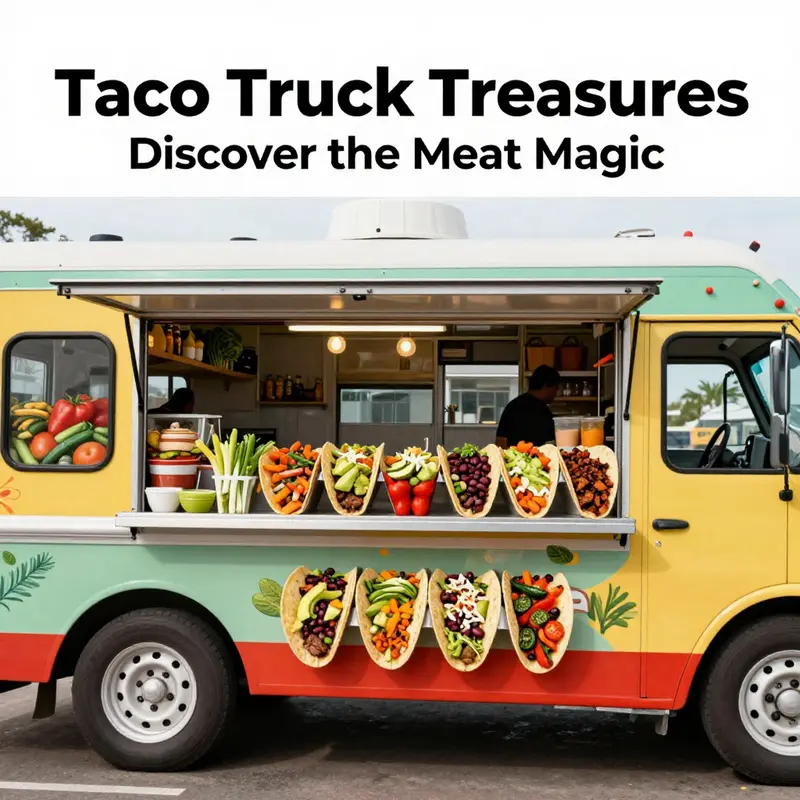
The conversation around what counts as a taco truck’s meat list has begun to shift in ways that feel inevitable, yet still surprising to some purists. As urban menus pulse with the rhythms of diverse neighborhoods, plant-powered options are no longer an afterthought or a garnish; they have become central threads in the tapestry of street food. This evolution rests on a simple, powerful premise: flavor and satisfaction do not require a single, animal-based protein to carry the day. They demand careful technique, thoughtful seasoning, and a willingness to experiment with textures and influences drawn from traditional Mexican cooking, global plant cuisine, and contemporary comfort foods alike. In practice, that means the truck that used to offer a handful of meat-centric tacos now routinely folds in plant-forward builds that showcase potatoes kissed with spice, beans that break down into silky velvet, and vegetables that sear and char with a confidence that can hold its own against the most seasoned meats.
The shift is no accident. It mirrors broader consumer preferences shifting toward plant-based, sustainable, and health-conscious dining. A 2025 report from a major data analytics source notes that more than 37 percent of U.S. consumers identify as vegetarians or vegans, while an even larger segment embraces flexitarian habits—where meat is still on the table but not as the default. This statistical tilt matters for taco trucks because street food thrives on accessibility, speed, and flavor clarity. When a truck offers a meatless option that matches the crave of a meat taco—savory, spicy, texturally satisfying—it removes a barrier for curious eaters who might otherwise pass on a street-food staple. The result is a more inclusive menu that still feels distinctly “taco”—anchored in familiar spice profiles, bolder sauces, and the bright acidity that slices through the richness of plant-based proteins.
In practice, the plant-powered lineup on modern taco trucks often centers on a few dependable pillars. Potatoes are treated as a canvas: sliced or cubed, they are spiced with chili, cumin, and oregano, then roasted or fried to yield a crisp exterior and a comforting interior chew. Black beans, when properly seasoned, deliver a creamy texture and a protein-rich bite that can sustain a meal just as reliably as carne did in the past. Grilled vegetables—pepper, onion, mushroom, zucchini—carry smoke and sweetness, their chars echoing a traditional taquero’s grill marks while remaining distinctly plant-based. A sacred trio in many kitchens—nopales, the prickly pear cactus pads, plus corn and lime—offers bright, tart notes and an almost quenching mouthfeel that pairs beautifully with bold salsas. These components are not mere placeholders; they form the backbone of dozens of taco builds, harmonizing with pickled onions, roasted chilies, and herbaceous sauces to create layers of brightness and depth.
The narrative around plant-powered tacos is not a retreat from tradition but a recalibration of it. The core Mexican flavors—chile heat, lime’s brightness, cilantro’s lift, and slow-cussed aromatics from garlic and onion—remain intact. What changes is the protein assumption: the filling is no longer tethered to meat as a default. Instead, cooks lean into the textures and richness that plant-based ingredients can offer. A potato taco, if prepared with crisped edges and a careful balance of spice, can deliver the same satisfying bite as a well-seared carne taco. A black-bean filling, boosted with onion, garlic, cumin, and a touch of cocoa or cinnamon, carries a depth that lingers on the palate, echoing the complexity one expects from a braised pork or beef taco. Grilled vegetables can harness a savory caramelization that mimics the savoriness of meat, while nopales introduce a tart clarity that clears the palate between bites, allowing hot salsa and lime to resonate more vividly.
This expansion also signals a broader, more inclusive street-food ecosystem. In today’s mobile kitchens, dedicated vegetarian sections are no longer rare; they are a practical response to a market that rewards variety and accessibility. Seasonal ingredients take center stage, and kitchens pivot with the harvest to maximize flavor while reducing waste. A growing number of operators tell stories about sourcing decisions—local farmers markets, regional cooperatives, urban gardens—that emphasize sustainability without compromising speed or affordability. The plant-based future on the curb is not a trend that fades with a season; it solidifies as a core competency. The same trucks that can grill a perfect carne asada can also roast peppers until their sugars bloom and fold those peppers into a taco with a punchy, house-made sauce that sustains repeat visits.
The appeal of plant-based tacos extends beyond individual flavor profiles. It creates a narrative that welcomes new audiences who might be wary of meat alternatives in other contexts. In some urban centers, street vendors report that vegetarians and flexitarians are among their most loyal customers, repeatedly seeking the same bold, satisfying builds they’ve discovered at a particular corner. The simplicity of a good plant-based taco—crisp shell, warm base, bright salsa, and a finishing touch of acidity—translates to a reliable, comforting experience for anyone who respects texture and balance as much as heat. Moreover, plant-based options can be more scalable for the truck’s schedule and budget: beans and potatoes typically carry lower price volatility than premium cuts, while vegetables can be prepped in batches to turn around a line that moves as efficiently as a classic meat taco would.
In pursuit of flavor, some operators lean into cross-cultural currents that enrich plant-based offerings without erasing their roots. The same grill that sears peppers can be coaxed into a smoky, sun-dried-tomato vibe that nods to Mediterranean techniques, or it can be paired with chile pastes that echo coastal Mexican tastes. The idea is not to strip away tradition but to layer it with new character. This approach also invites collaborations and seasonal specials that keep the truck’s menu dynamic, delivering a sense of discovery with every visit. It’s a culinary dance where tradition supplies the beat and invention provides the melodic flourishes, and the result is a menu that feels both familiar and excitingly new.
Within this evolving landscape, a vivid real-world example helps illuminate how quickly a vegan or plant-forward option can become beloved. A Beijing venue known for its creative vegan tacos demonstrates how a plant-based build can be as texturally satisfying and visually striking as any meat-driven taco. The emphasis on cactus nopales, vegan tinga-inspired preparations, and other plant-forward innovations shows that plant-powered street food can carry the same punch of spice, crunch, and brightness that defines Mexican street cuisine. The global exchange is clear: plant-based street food thrives when it remains anchored to bold flavors, thoughtful textures, and the kind of execution that confers confidence to both first-time tasters and discerning veterans of the scene. This cross-cultural fertilization enriches the taco truck ecosystem and broadens the meaning of what a taco “meat” can be.
For readers curious about the broader cultural and culinary currents shaping this shift, a deeper look into how plant-based innovations are reshaping street food culture offers context. It is not merely about replacing meat with vegetables; it is about redefining what a taco can be in a world where dietary choices are diverse and increasingly central to everyday dining. The trend embraces accessibility and inclusion without sacrificing intensity of flavor or culinary storytelling. The street becomes a classroom, where cooks learn to coax deep savoriness from legumes, tubers, and greens, and where guests learn that a satisfying taco can be built around plant-based foundations that sing with the same confidence as any meat-filled version when prepared with care.
To explore a vivid, human-centered example of how these shifts play out in practice, consider the broader sense of adventure that accompanies street-food innovation. The curiosity of diners is met with a wealth of plant-based possibilities—creative fillings that lean into regional Mexican traditions while inviting global influences. This is not a begrudging compromise but a deliberate expansion, a chance to experience familiar comfort in new textures and brightness. The future of street tacos, then, looks less like a fixed roster of meat and more like a living menu that invites shoppers to revisit their assumptions and to discover that flavor, satisfaction, and cultural resonance can thrive in parallel with evolving dietary values.
For educators, operators, and enthusiasts who want to anchor these ideas in practical terms, a useful entry point is to observe how plant-based options are introduced and maintained on the truck’s board. It starts with kitchen efficiency—prepped ingredients, consistent seasoning, and scalable sauces—and ends with a storytelling moment on the curb, where the vendor explains, in a few words, why a potato-based taco can be as indulgent as a meat one when the technique is on point. The result is not merely a trend but a new bar for what constitutes a successful taco truck menu: flavor clarity, texture diversity, cultural respect, and a welcoming approach to diners who want choices that align with their values as well as their cravings.
If you want to explore a vivid example of how plant-forward ideas travel beyond local borders and into the imagination of street-food fans, you can read about a culinary perspective that emphasizes the joy of plant-based experimentation in a world-class street-food setting. Culinary Adventures in the Wild: The Jeep Gladiator’s Role in Modern Street Food offers a lens on how mobility and improvisation drive flavor development in ways that are compatible with meatless menus. The link invites readers to consider how a truck’s equipment, route planning, and on-site creativity intersect to deliver plant-based builds that feel deeply satisfying and distinctly authentic.
In sum, the rise of vegetarian and plant-powered options in taco truck menus is more than a dietary checkbox. It signals a strategic, flavorful expansion of what a taco can be. It brings in new audiences, creates opportunities for cross-cultural fusion, and keeps street food vibrant in an era of diverse eating patterns. The essential secret remains consistent: the most memorable tacos are built on fundamentals—flavor, texture, balance, and a little ingenuity. When those elements come together with plant-based foundations, the result is a menu that honors tradition while inviting everyone to savor the ride.
External resource: https://www.statista.com/statistics/1469871/us-consumer-vegetarian-vegan-trends/
The Unsung Craft of Offal: How Organ Meats Elevate the Taco Truck Experience
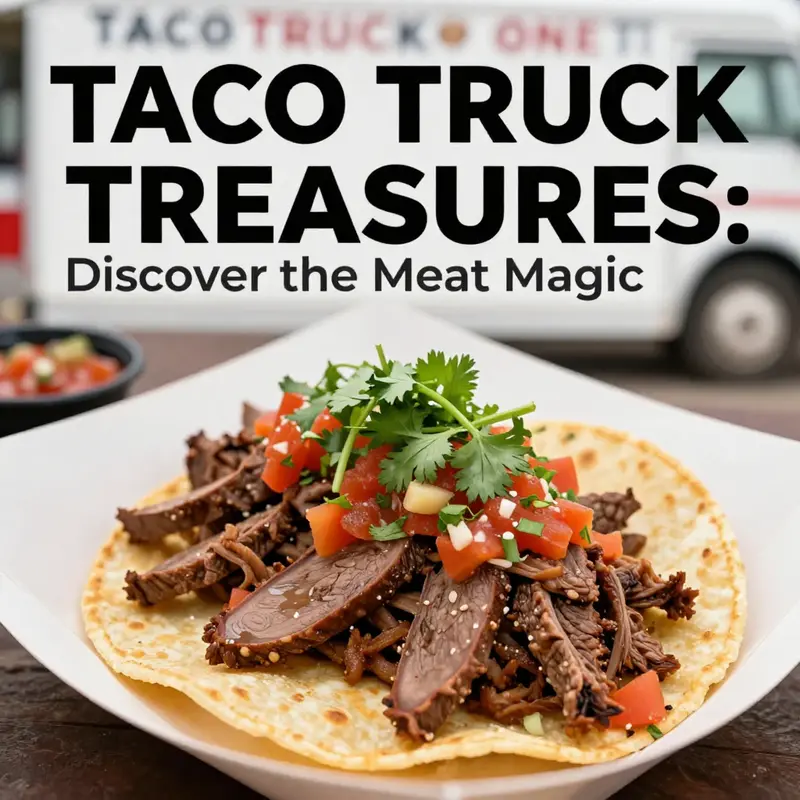
The taco truck has always been a stage for appetite and ingenuity, a rotating cast of meats that travels from grill to tortilla with a promise of bold, immediate flavor. Across city blocks and coastal towns, the menu often centers on familiar cuts—beef, chicken, pork, and sometimes fish—yet a quieter revolution has been wending its way through the steam, smoke, and sizzling fat: offal. Organ meats, once relegated to the margins of the meat case or dismissed as novelty, have found a steadfast home on many taco trucks. They arrive not as flashy curiosities but as a tested, economical, and deeply flavorful option that speaks to both tradition and sustainability. To understand why offal has gained traction is to look beyond the surface of a single bite and into the craft, culture, and care that shape every taco that leaves the window.
Offal brings a distinctive texture and a concentrated umami that few other ingredients can imitate. The tongue’s melt, the heart’s firm bite, the liver’s delicate savor, and the tendon-like chew of tripe all offer a spectrum of mouthfeel that invites a more deliberate, contemplative kind of eating. These textures are not accidents; they are the result of a patient philosophy that treats every part of the animal as a potential contributor to flavor. The preparation methods—long, slow simmering to coax tenderness, or precise, high-heat searing to seize a quick, caramelized edge—are not gimmicks but foundational techniques that unlock what might otherwise remain hidden. In this sense, offal embodies a nose-to-tail ethic that has finally found a ready audience at street level, where cooks are pressed to be inventive, efficient, and fearless with every turn of the blade and every shift of the flame.
The science of tenderness is a quiet but relentless force in the offal kitchen. Tongue, for example, requires extended simmering to break down connective tissue and render a texture that is almost buttery. The result is a sandwich- or taco-filling experience that offers a gentle, unctuous bite rather than the snap of a lean cut. Heart, with its lean muscle, benefits from marination and slow braising, allowing the muscle fibers to relax and the interior to stay juicy without becoming tough. Liver, with its rich, mineral-forward flavor, often finds balance through rapid sear and bright contrasts—sharp onions, tangy pickles, and fresh herbs—to prevent it from turning cloying. Tripe, with its honeycomb texture and ability to soak up surrounding seasonings, becomes a canvas for bold adobos and vinegars that cut through its chew. Each cut, prepared with care, demonstrates how offal can be both familiar and exciting, a reminder that flavor often lives in the overlooked corners of the pantry.
Of course, the street-food kitchen is not a playground for reckless experimentation. The rise of offal on taco menus is rooted in serious sourcing and responsible handling. Vendors seek local butchers and regional suppliers who can provide clean, well-trimmed organs free from unwanted aromas or off-notes. Hygiene and safety become a confidence-building narrative that reassures customers who may be curious but cautious. The kitchen becomes a laboratory of timing and texture, where temperatures are monitored, braising times are exact, and resting periods are observed to maximize tenderness. In this context, offal is not a daredevil stunt but a disciplined practice grounded in craft, tradition, and a modern sensibility about sustainability.
Crucially, offal is a practical alternative in the economics of street food. Organs typically cost less than prime cuts, which means a vendor can stretch a limited supply of meat to serve more customers without sacrificing flavor or portion size. This economic efficiency becomes part of the story that draws people to the cart, especially when paired with the right toppings and sauces. The toppings—onions, cilantro, a squeeze of lime, a touch of pickled jalapeño—do not merely garnish; they activate the organ’s natural flavors, brightening and sharpening them in a dance of contrast. The result is a taco that feels elemental yet thoughtful, a reminder that simplicity and restraint can coexist with depth and surprise.
Culturally, these meats speak to the broader street-food landscape’s evolving palate. They reflect a growing appetite for authenticity, regional knowledge, and sustainable cooking practices. Offal challenges diners to rethink what “normal” tastes like and to trust a kitchen that treats every part of an animal as a resource rather than a discard. This shift mirrors a larger movement toward nose-to-tail dining, a philosophy that emphasizes reducing waste, respecting ingredients, and honoring the animal’s whole life. In the taco truck’s portable kitchen, that philosophy becomes accessible, democratizing a culinary conversation that might once have seemed exclusive to high-end restaurants. The cart becomes not merely a place to grab a quick bite but a venue where tradition and innovation meet, where the voice of a cook can be heard in the crack of a shell and the whisper of a simmering pot.
For the curious eater, the introduction to offal often comes through a careful sequence of flavors and textures that feels approachable rather than intimidating. A well-seasoned, slowly braised tongue taco may be served with bright onions and a cilantro-llecked salsa that acts almost like a glaze, yielding a harmony that accommodates first-timers and aficionados alike. A heart taco might arrive with a crisp exterior and a juicy interior, offering a satisfying chew that rewards attentive bites. Liver, when treated with a deft hand, can surprise with a delicate savoriness, softened by the acidity of citrus and the peppery bite of fresh herbs. Tripe can provide a focal point for a procession of sharps and tangs—pickled onions to cut richness, a smoky chili oil to weave heat through the dish, and a drizzle of vinegar to punctuate the plate. Each encounter invites a conversation about texture, fat, and the way a simple tortilla can cradle an ingredient’s most expressive notes.
The culinary arc of offal on the taco truck does not stand alone. It intersects with the other meats on the cart, enriching the overall menu and inviting customers to explore a broader spectrum of flavors. When a truck offers a balance of organ meats alongside more conventional options, it creates a narrative of choice rather than a single identity. The more a vendor demonstrates skill with offal—the precise timing, the careful trimming, the thoughtful seasoning—the more confident the menu feels. This confidence matters because it signals to customers that the kitchen is serious about flavor, about safety, and about honoring the animal’s entire contribution to the meal. The result is not just a plate of offal but a tasting of a philosophy: that a street kitchen can be a place of ethical, economical, and expressive cooking, where every purchase supports a tradition of care and a future of broader accessibility to diverse flavors.
As these dishes gain popularity, they also invite reflections on how customers approach novelty in food. Adventure on the street is not about reckless risk but about informed curiosity. Diners who try offal often report a sense of discovery—the experience of chewing through a texture they did not expect to enjoy, followed by a realization that flavor can be more nuanced than appearances suggest. In this sense, offal becomes a bridge between comfort and exploration, a stepping-stone for people to venture into less familiar corners of a cuisine without leaving the familiar framework of a tortilla, onions, cilantro, and a hot, bright sauce. It also encourages repeat visits. When a bite is memorable, the next visit to the cart becomes a chance to compare textures, refine expectations, and perhaps discover a new favorite among the menu’s offerings.
The rise of offal on taco menus is also a reminder of the power of storytelling in street-food culture. Each organ tells a part of the animal’s journey—from farm to vendor, from chillers to braising pots, from the hands that trim and season to the lips that savor the final bite. The narrative is not flashy; it’s tactile and real. It depends on a network of relationships with local butchers, spice suppliers, and the cooks who translate knowledge into flavor with every flick of a wrist. This is part of what makes offal’s presence meaningful. It is not merely a dare for culinary bravado; it is a signal of accountability and respect for ingredients that can often be overlooked or undervalued. And in a world where food systems are increasingly scrutinized for waste and sustainability, the reclaiming of offal as a staple is a quiet, practical act of stewardship.
For readers who want to situate this discussion within a broader frame, a recent examination of offal’s rise in American street food offers context about how digestible, crave-worthy versions of these cuts are transforming perceptions and menus across the country. The article highlights how umami-rich, nose-to-tail dishes are moving from novelty to enduring staples, supported by kitchens that invest in technique and sourcing as much as in branding and visibility. This is not a trend chasing novelty; it is a response to a deepening appetite for authenticity, sustainability, and culinary resilience on wheels.
As a chapter in a larger exploration of taco truck meats, the story of offal reinforces a simple truth: variety enhances experience. A cart’s repertoire is a map of what a community values, what it can afford, and what it is willing to discover. Offal extends that map, inviting people to rethink texture, flavor, and the boundaries of what makes a taco’s identity. The cart, with its compact footprint and high turnover, becomes a dynamic classroom where tradition meets experimentation, and where every plate is a conversation about care, craft, and the courage to serve something that might, at first glance, feel unfamiliar.
Internal link note: For a sense of the street-food movement that informs why offal has found a home on menus beyond traditional lines, see Culinary Adventures in the Wild: the Jeep Gladiators Role in Modern Street Food. This piece situates food trucks within a broader culture of mobility, improvisation, and culinary experimentation that makes offal a natural fit for the cart.
External resource for further context on the offal trend: The Rise of Offal on American Street Food Menus – Eater. https://www.eater.com/food-news/24058736/offal-taco-truck-trends-umami-nose-to-tail-eating
Final thoughts
As we’ve journeyed through the world of taco truck meats, it’s clear that these delicious offerings are more than just a meal; they are an experience steeped in culture and creativity. From spicy beef asada to hearty carnitas and innovative vegetarian options, every taco tells a unique story. The rise of offal specials introduces an adventurous element, inviting you to savor flavors often overlooked. Taco trucks not only serve food; they serve joy, bringing people together for a common love—the taco. So the next time you spot a taco truck, remember that it’s not just about eating; it’s about indulging in delightful culinary traditions!