
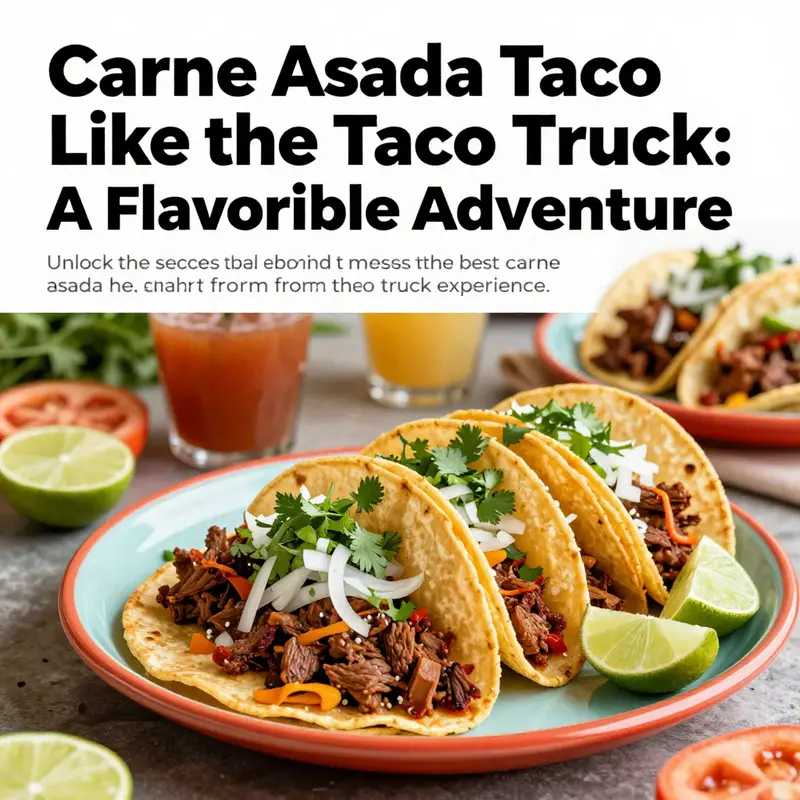
Carnivores and taco enthusiasts unite! Picture the bustling streets filled with vibrant taco trucks, the air thick with the tantalizing aroma of grilled meat, and the cheerful chatter of satisfied customers. Carne asada tacos are not just food; they’re a cultural experience, a delight for the senses, and a testament to the joyful simplicity of Mexican street cuisine. In this culinary journey, we’ll explore the essentials needed to recreate these delicious tacos at home. We’ll kick things off by discussing the vital step of choosing the right meat, delve into the marinade secrets that give taco truck flavors their signature punch, and finally, master the grilling techniques that seal in the juices and flavor. Chaotic taco events, office lunch breaks, and family gatherings are about to get a lot tastier!
Choosing the Right Meat for Carne Asada Tacos Like the Taco Truck
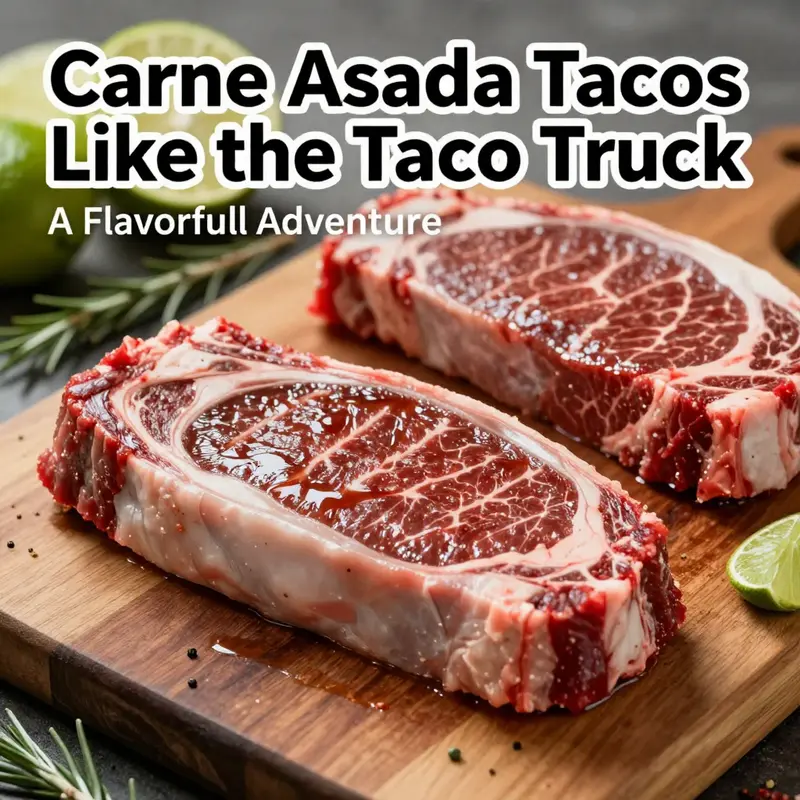
Choosing the right meat is more than a preference; it is the anchor of flavor, texture, and the classic street-smart bite each taco truck seems to conjure with a single sizzling kiss of heat. In the world of carne asada, the cut you pick sets the tone for everything that follows. The traditional hero of the recipe is skirt steak, a cut prized for its bold beefy profile, its loose, open grain, and its readiness to drink in marinade without turning mush. Skirt steak hails from the plate section beneath the ribs, a region that gifts the meat with a robust, unyielding character. It carries a high degree of marbling for its weight, and the fibrous structure is just right for searing over scorching heat to create that quintessential crust while preserving juicy inside notes. When you encounter skirt steak, you’re meeting a cut that thrives on direct flame, where the fat renders at the edges and the surface corners develop a caramelized shimmer that signals a taco truck’s signature flavor. The texture after a proper rest is almost chewy in the best possible way, a texture that bites through with a satisfying bounce rather than a crumbly tenderness. This is not a cut that waits politely for the grill; it asserts itself, and in doing so, it earns the respect of every topping that sits on top of it.
For those seeking an equally compelling alternative, flank steak serves as a worthy understudy. Flank is leaner and its flavor remains strong, with a similar beefiness that takes well to bold marinades and a generous sear. The important thing with flank is recognition of its grain direction. After cooking, you’ll want to slice it thinly against the grain to maximize tenderness. The difference between skirt and flank is not merely price or availability; it’s nuance in texture and the way the fibers interact with heat and acidity in the marinade. Skirt accepts marinade with an unapologetic vigor, allowing citrus, garlic, cilantro, and spices to penetrate deeply. Flank drinks in the same mix, but it rewards careful handling to avoid a dry finish. Either cut can deliver the authentic, restaurant-quality carne asada experience you’re chasing when you aim to replicate taco truck magic at home.
The choice, then, becomes a balancing act between availability, budget, and how you want the bite to feel. If you want the most dramatic marbling and the iconic sear that crackles when the grill hits high heat, skirt steak remains the go-to. If you’re shopping on a tighter budget or you prefer a leaner profile with a strong beef backbone, flank is a smart stand-in. Either way, your approach to the marinade, the grill, and the cut’s grain will shape the final texture as you fold the meat into a warm tortilla. Beyond these two, other cuts can work if you adapt your technique, but skirt and flank represent the sweet spot where flavor, tenderness, and practicality converge for carne asada that tastes like a traveling kitchen spent years perfecting its craft.
As you plan your purchase, consider the day’s menu and the crowd you cook for. Skirt steak’s intense flavor can shine with a smaller portion, letting the toppings and salsa carry their own brightness. Flank, with its slightly leaner bite, can feel heartier when you pair it with a robust lime-garlic marinade and a generous squeeze of fresh cilantro. Think of the meat as the canvas; the marinade and the grill are the artists. The canvas should offer enough surface area to absorb color and aroma, while the grain’s orientation should guide how you slice and serve to preserve tenderness. In this sense, choosing the right cut is less about following a rulebook and more about embracing a kitchen rhythm that matches the din of a bustling street.
If you want to deepen your understanding of why skirt steak is celebrated in carne asada, a detailed guide from a trusted culinary source highlights the cut’s position in the plate section and how its loose fibers invite flavor to permeate. This exploration helps explain why tacos built around skirt steak deliver that sturdy bite and tequila-bright finish that truck cooks cultivate. For readers who want a concise primer on the cut’s profile and best practices, look to authoritative resources that lay out how marination, high heat, and slicing against the grain work together to maximize juiciness and bite. And if you’re ever curious about how professional taco trucks optimize their cuts in the field, consider exploring references that discuss the practicalities of truck-style cooking and the gear that makes this method reproducible in a home kitchen.
The practical takeaway is simple: start with the right cut, treat it with a marinade that respects its backbone, grill hot and fast to create a blistered crust, rest it so the juices reabsorb, and slice against the grain to reveal tenderness in every bite. The result is carne asada with a depth of flavor and a textural profile that makes the taco feel substantial without weighing down the tortilla. The rest of the feast—onions, cilantro, radish, lime, and the optional avocado or crema—reads as bright, crisp counterpoints that elevate the meat’s bold personality rather than competing with it. If you’re thinking about the full taco-truck experience, imagine a tiny orchestra: a sizzling skillet, a bowl of chopped toppings, a stack of hot tortillas, and a line of eager tasters who expect authenticity grounded in technique. The meat is the first note, and with skirt or flank tuned correctly, everything else harmonizes.
To connect the dots between technique and tradition, it helps to see how cooks in the field approach this task. They rely on a simple but stubborn rule: use heat to unlock flavor, but never rush the meat. That patience translates into a crust that sings and a tenderness that invites another bite. The marinade acts as a bridge between meat and flame, balancing citrus brightness with earthy warmth from cumin, oregano, and a touch of smoked paprika for depth. The olive oil not only adds sheen but helps carry the aromatics into the surface. In the end, the best carne asada comes from a synergy of cut, marinade, heat, and time. When you follow these guiding principles, you’ll be giving yourself the best chance to recreate the streetwise magic of a taco truck in your own kitchen, with the satisfaction of a crowd-pleasing, made-from-scratch taco that feels like a passport stamp from a favorite street-food stop.
For readers who want a quick, practical reminder of the flavor triangle that works here, the key elements are bold beef flavor, a bright and savory marinade, and a sear that creates a crust while leaving the interior juicy. Skirt steak’s natural properties support this triangle beautifully, while flank offers a dependable alternative that still respects the same flavor framework. The method remains faithful to the classic taco truck approach: high heat, quick sear, generous slicing, and a careful balance of careful marination with fresh toppings. With that in mind, you can confidently select either cut and pursue carne asada that captures the essence of a street-side favorite, no matter where you are. If you’d like a deeper dive into why certain cuts work so well in carne asada and how to adapt the process to your kitchen setup, you can explore related coverage on truck-style cooking and carnivore-friendly methods that celebrate this bold, iconic dish. Meanwhile, for readers who want a quick path to the specifics of the best choices, the following resource offers a thorough look at skirt steak carne asada and why it remains a preferred option for many cooks seeking to emulate taco truck excellence.
To learn more about the cut’s characteristics and preparation techniques for skirt steak in carne asada, you can visit a detailed guide that breaks down the technique used by top food trucks and home cooks alike. For a broader view on how trucks approach this cut, consider exploring further insights into the craft. And if you want to see how these ideas translate into a practical, home-friendly workflow, imagine a workflow that begins with selecting the cut, then marinating with a citrus-forward profile, finishing with a quick sear, and finally presenting with crisp, fresh toppings. The result is a carne asada that not only tastes right but feels right—the way a good taco should feel when you bite into it on a warm evening and hear the grill hiss as the last edge of fat renders.
For a deeper sense of how these principles come together in real-world cooking, consider this internal reference to a guide dedicated to taco truck models and the culinary decisions behind them. It’s a reminder that, at its core, great carne asada mirrors a truck’s ability to deliver confidence in a tiny, portable kitchen. Top taco truck operators understand the power of a well-chosen cut—whether skirt or flank—paired with a marinade that respects acidity while building complexity over heat. The technique travels well, and with a little practice, your kitchen can echo that same confident rhythm.
As you plan your next carne asada session, keep in mind the grain direction and the resting window. The grain’s alignment will guide your slicing, and a short rest will preserve juices for the bite that follows. With the right cut and the right approach, you’ll be able to serve carne asada tacos that carry the unpretentious, satisfying essence of a beloved taco truck, right from your home kitchen. The journey from meat selection to final bite becomes part of the joy of street-food home recreations, and the satisfaction you’ll see when your guests bite in will prove that the right cut is not a luxury but a foundation.
Internal link reference: For readers curious about how trucks optimize the cuts they rely on to deliver consistent flavor across busy days, see the piece on Top taco truck models for culinary success. Top taco truck models for culinary success.
External resource: Skirt steak carne asada guidance from a well-regarded culinary source offers additional context on the cut’s profile and marinades, which can complement the home cook’s approach. External reference: https://www.foodnetwork.com/recipes/food-network-kitchen/skirt-steak-carne-asada-recipe-2157940
Marinade Mastery: Crafting Authentic Carne Asada Tacos That Echo the Taco Truck
The scent of a well-marinated carne asada is more than just aroma; it is an invitation to memories of sun-warmed streets, the rise and hiss of a grill, and the rhythmic bustle of a line forming for the promise of bold, bright flavors. To capture that essence at home, you begin with the marinade—the Taco Truck Secret that makes the beef sing while staying true to the beef’s own richness. The core idea is simple but powerful: use fresh, vibrant ingredients to balance tang and savory depth, and let those elements work together to gently penetrate the meat rather than overpower it. Real authenticity comes from a careful balance of citrus brightness, aromatic herbs, and warm spices, all paired with a lean, muscular cut of beef that can stand up to high heat without slipping into mush.
Choosing the right cut matters as much as choosing the right marinade. Flank steak and skirt steak have long been the backbone of carne asada, and for good reason. They’re thin, porous, and capable of soaking up flavor, while their natural texture responds beautifully to a quick, high-heat sear. Flank tends to be a touch more affordable and is widely accessible, while skirt offers a deeper, more pronounced beefiness. In practice, you’ll find both work, and your choice can reflect what’s available at the market and your budget. A small bit of scoring on the surface can help the marinade penetrate more deeply, but avoid cutting too deeply; you want the meat to glow with caramelized edges when it hits the grill, not to collapse into uneven chunks before you begin.
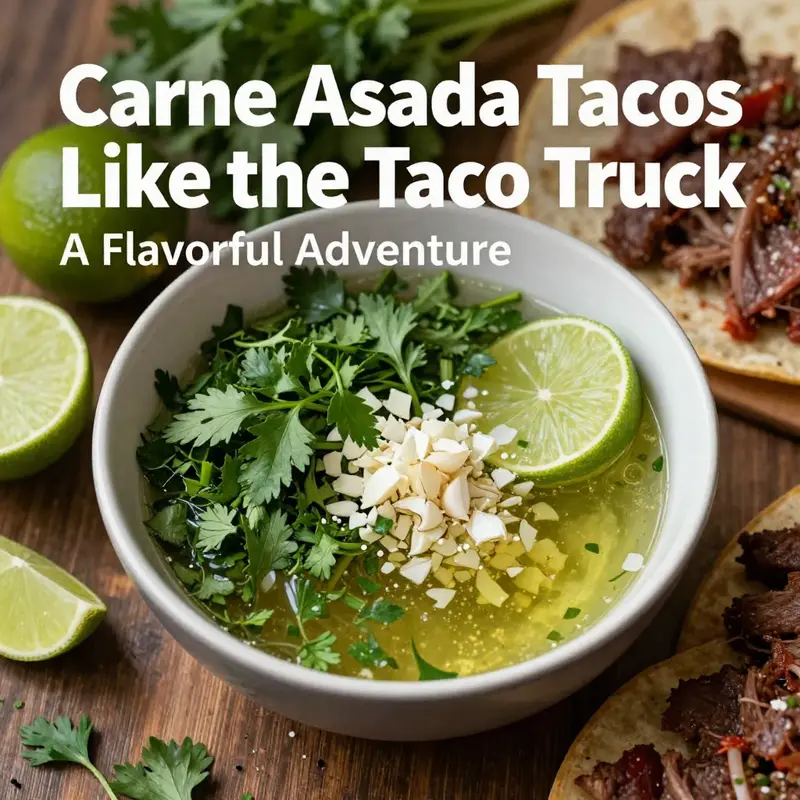
The signature marinade is where the magic starts. The best versions rely on fresh, whole ingredients rather than bottled juices or dried herbs, because the brightness of real citrus and the snap of fresh garlic deliver an immediate, layered complexity that’s hard to replicate with synthetic substitutes. The classic profile pairs citrus with herbs and warmth: lime juice and zest provide the bright backbone; a hint of orange juice is optional but it can introduce a soft sweetness that contrasts nicely with the beef’s savoriness; cilantro leaves add a green brightness that isn’t overpowering, while garlic contributes a forgiving pungency that deepens with time. Cumin brings an earthy warmth, oregano contributes a herbaceous bite, and a whisper of smoked paprika adds a subtle smokiness that nods to charcoal grilling without dominating the meat’s natural flavor. Salt and pepper anchor the mix, letting the other elements bloom rather than getting buried. A splash of olive oil ties everything together, helping the marinade cling to the meat and aiding even distribution during the massage that happens when the steak meets the bag or bowl.
The method is as important as the ingredients. Whisk or whisk-and-tour the marinade until it’s evenly emulsified, then rub it or massage it into every crease and surface of the steak. The goal is to coat thoroughly and invite all those flavors to mingle with the beef. For best results, cover and chill for at least two hours, though overnight is ideal for the full bouquet to unfurl. In practice, the longer you let the acid work, the more tenderness you’ll coax from the fibers—but there’s a careful balance: too long, and you risk turning the texture into mush. A window of two to twelve hours is the sweet spot for most home cooks, especially when you’re using a shoulder or flank cut that benefits from the acid’s softening effect without losing bite.
To deepen the flavor and add a subtle sense of smoke, a touch of smoked paprika is a welcome addition. A charred onion piece can be rolled into the marinade or added directly to the mix for a hint of sweetness and an umami lift that mimics the flavor of grilled charcoal. Epazote, a herb common in Mexican cooking, can contribute a faint, resinous nuance that brightens the overall profile without shouting above the citrus and garlic. These elements, when used judiciously, create a layered palette—tangy, herbal, warm, and a touch smoky—that recalls the experience of a taco truck at peak service without ever becoming loud or metallic in flavor.
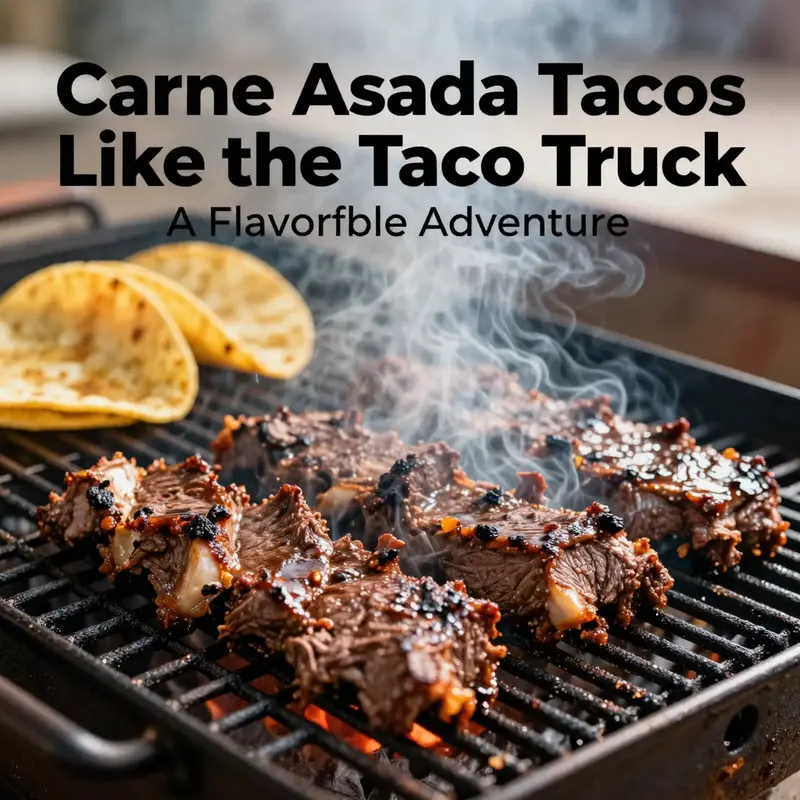
Marinating is only the first act; the second is the sear. Taco trucks rely on high-heat grills that orchestrate a rapid, caramelized crust on the surface while the interior remains juicy and responsive. Preheat your grill, or a heavy skillet on the stove, to a very high heat. The surface should be hot enough that a drop of water sizzles and dances away almost instantly. Remove the steak from the marinade, letting excess drip back into the bowl while still allowing a thin glaze to cling to the meat’s surface—don’t rinse it off completely; the glaze carries the flavor that characters the final bite. Sear the steak, turning once, until a rich, amber crust forms. Three to four minutes per side typically yields a medium doneness with a pink, juicy center; thinner slices will cook even faster, and you can adjust to your preferred level of doneness. The key is to monitor rather than to insist on a fixed time, because the cut’s thickness and the heat’s intensity will vary from grill to grill. After searing, give the meat a resting period of five to ten minutes. Resting helps the juices redistribute, maintaining moisture when you slice and serve.
Slicing is a ritual that matters. Slice the carne asada thinly against the grain, a move that separates the long muscle fibers into shorter, more tender segments. This simple step is a trademark of authentic carne asada; it turns potentially chewy bites into succulent, melt-in-your-mouth experiences and makes the subsequent assembly with tortillas feel effortless rather than fussy. A well-rested steak, thinly sliced, lands on warm tortillas with ease and invites a chorus of toppings to join the party.
Now comes the assembly—the part where the carne asada becomes tacos rather than beef on bread. Warm the corn tortillas briefly in a dry skillet or on a grill for about 20 to 30 seconds per side just long enough to turn soft and blistered. A generous portion of sliced carne asada goes onto each tortilla, followed by chopped white onion and fresh cilantro for that crisp, peppery brightness that characterizes street-style tacos. Slices of radish add a refreshing crunch, while a squeeze of lime wakes up the flavors with a bright, citrusy zing. Optional toppings like diced avocado or a dollop of crema or sour cream introduce creaminess that complements the meat’s richness. The marinade’s reserved leftover glaze can be served in a small bowl for those who want to twist the flavor further by drizzling a touch of the marinade over the finished tacos. This is a tiny nod to the taco trucks’ “drizzle the sauce” finish, a finishing touch that can elevate the whole experience when done with restraint.
The philosophy behind this approach is a layered flavor strategy: marinate to tenderize and flavor, sear to develop depth and texture, rest to preserve juiciness, slice to maximize tenderness, and assemble with fresh, bright toppings that celebrate contrasts—soft tortilla against crisp onion, bright lime against smoky meat, and cool crema against the warm heat of the beef. Keep everything in balance so the meat remains the star, and the toppings act as supporting players—enough to lift the beef without overpowering it. If you’re serving a crowd, consider offering small bowls of the remaining marinade on the side. Some taco trucks do this, and it’s a way to give guests a customized burst of intensity if they crave it, while still allowing the core preparation to shine.
This approach to carne asada is not simply a cooking method; it’s a cultural rhythm. It’s about the interplay of bold, fresh ingredients that complement each other and the confidence to let a few simple techniques take center stage. It’s about understanding that the meat’s natural richness can be enhanced rather than overwhelmed, if you respect the ingredients and the process. The result is a set of tacos that feel both familiar and exhilarating, offering that street-food spark in the comfort of your own kitchen. The method aligns closely with the best practices described by seasoned cooks who study the technique behind taco-truck perfection, emphasizing freshness, balance, and careful execution from marinade to finish. For readers who want to explore the craft even more deeply, a detailed breakdown of the technique used by top food trucks can be found in trusted culinary resources that focus on carne asada marinades and their refinement over time.
For readers who want to explore related street-food craft and equipment culture as background to this dish, consider looking into Culinary Adventures in the Wild: The Jeep Gladiator’s Role in Modern Street Food. This piece explores how vehicle design and street-food culture intersect to shape the practical, flavorful experiences you’re aiming to recreate in your kitchen. Culinary Adventures in the Wild: The Jeep Gladiator’s Role in Modern Street Food
As you bring all these elements together, remember that the heart of carne asada tacos—whether on a street corner or in your home kitchen—rests on a simple premise expressed with color, smoke, and brightness: be bold but balanced, respect the meat’s own character, and let the toppings sing in harmony with the beef. The result should feel like a taco truck’s ready-to-go meal, bright and quick, but with a personal touch that comes from your own prep and attention to detail. If you want to deepen your understanding of the marinade technique and how different ingredients influence texture and flavor, a well-regarded guide offers a deeper dive into the science of carne asada marinades and the precise role each component plays. External reference: https://www.seriouseats.com/the-perfect-carne-asada-marinade-recipe
Sear, Smoke, and Sizzle: Crafting Carne Asada Tacos That Echo the Taco Truck’s Charred Perfection
Sear, smoke, and sizzle—three simple ideas, carried by bright citrus, that transform a slice of beef into a memory of street corners, steam, and the shared joy of a warm tortilla. The quest to make carne asada tacos that feel like they rolled off a taco truck begins with a promise to respect the meat’s natural character while inviting bold, clean flavors to dance on the palate. It is a balance between technique and intuition, between high heat and patience, between a well-chosen cut and a marinade that unlocks its potential. In the kitchen, as on the curb, success hinges on the clarity of the plan and the willingness to let the ingredients speak for themselves. The heart of the method is the marinade, which guides every subsequent step, from sear to slice to the final bite that makes a taco sing. The marinade is the conversation starter; the grill is the opening scene; the toppings are the chorus that carries the dish home.
Choosing the right cut is the first quiet decision that sets the tone. Skirt steak and flank steak are the classics, each bringing a texture and intensity that suit the intensity of a true carne asada. Skirt steak, with its porous, rippled fibers, accepts marinades with gusto and becomes tender in the presence of heat and time. Flank steak, leaner and a bit beefier, stands up to the flame with a confident bite and holds its shape through a hot sear. These cuts cook faster than muitos other options, which is exactly what you want when your goal is a sear that seals in juices without turning the meat into a dry distraction. Thick cuts like ribeye or sirloin can yield a more forgiving cook, but they often miss the quintessential street-taco experience—where every bite is a blend of brightness, bite, and the clipped aroma of a well-seasoned grill. The choice matters because the best carne asada is not a uniform roast; it’s a display of contrast—the crust and the center, the char and the tenderness.
The signature marinade is the Taco Truck Secret that travels with the meat from marinade tub to plate. Its core is citrus, garlic, and herbs—sharp enough to wake the palate, deep enough to linger. A typical balance of lime’s brightness with garlic’s warmth and cumin’s earthiness creates a foundation that is at once familiar and irresistible. The oregano adds a whisper of Mexican-herbal aroma that helps the seasoning read cleanly on the grill, while smoked paprika offers an optional, subtle smoky depth that echoes the flavor of charcoal without overpowering the beef’s natural notes. Salt and pepper provide the essential seasoning that binds the sauce to the meat’s fibers, not merely on the surface but into the very heart of each muscle fiber. Olive oil helps the marinade carry, lubricate, and soften; it also helps the surface to brown evenly as the meat hits the heat.
The practical art of marinating is as important as the heat itself. The marinade should be applied with intention, massaged into every inch of the steak so the flavors spread beyond the surface and begin to tenderize the fibers. For best results, you’ll want at least a 2-hour soak; overnight is ideal if your schedule allows. The longer contact time gives the citrus a chance to begin the delicate work of breaking down connective tissue and loosening the muscle fibers, while the aromatic herbs and garlic infuse the meat with a robust, layered scent that you can taste even before you bite. When you pull the steak from the refrigerator, shake off any excess marinade rather than washing it away. The marinade left on the surface forms a glossy crust as it hits the grill, a kind of edible coat that will caramelize into a crust of Maillard-rich flavor.
Regarding heat, the Taco Truck ethos is unmistakable: high heat, quick contact, and a rapid sear that forms a deep, bronzed crust. Preheat your grill or a heavy skillet to blistering heat—the kind of heat that makes a drop of water sizzle to a hiss in an instant. The slicing should be done against the grain, a simple technique with outsized payoff: it shortens the muscle fibers, resulting in a tenderness that feels almost like melting as you bite. When you’re ready to cook, remove the steak from the marinade, letting excess drip off so you don’t flood the grill with extra liquid. But don’t throw the marinade away. In street practice, a portion of the marinade is often kept to drizzle or brush on the meat at the last moment, reintroducing a fresh note of brightness that complements the sear and the smoky crust.
The sear itself is a study in patience and contact. Begin by pressing the steak down onto the grate with firm, steady pressure using grill-safe tongs. The goal is contact—more direct contact means more surface area browning and a deeper crust. Let the steak rest in that pressed position for about four to five minutes on the first side; this is the window in which the crust forms, the Maillard reaction unfurls, and the beef’s surface starts to accrue that glossy, almost lacquered look that tells you it’s ready to flip. When you do flip, press down once more for even contact, then sear the other side for a similar window. The total cook time will hinge on the thickness of your cut and your preferred level of doneness, but a medium finish is typically achieved by keeping the cook time tight and attentive. A long rest after cooking—five to ten minutes—allows juices to redistribute, which keeps the slices juicy and prevents a dry bite. Resting is not a delay; it’s a crucial step that preserves the integrity of the flavor you’ve built and prevents the steak from overdrying as it comes back to a comfortable, plate-ready temperature.
When it is time to slice, work quickly and deliberately. Slice the meat thinly and against the grain, which essentially shortens the long muscle fibers and makes each bite feel tender rather than chewy. This step is not merely a concession to texture but a way to maximize the perception of juiciness — a key element in the taco truck experience. The tortillas—corn tortillas warmed just long enough to become pliable, the way a street vendor would do it—serve as the essential vehicle for the flavor journey you’ve prepared. Warm tortillas on a dry skillet or grill for twenty to thirty seconds per side until they bloom with a faint toasty scent. A brisk, careful handling of them prevents tearing and ensures you can pile on a generous portion of carne without losing any of the integrity of the fold.
As you assemble, you’ll find the minimalism of toppings is what lets the meat shine. A handful of chopped white onion, a scatter of fresh cilantro, a few thinly sliced radishes, and a squeeze of lime juice are the classic combination that keeps the taco balanced and bright. Optional additions—diced avocado or a dollop of crema or sour cream—offer a different kind of richness, not overshadowing the beef but providing a counterpoint that makes the overall bite feel round and creamy. The key is restraint; you’re not building a salad on a tortilla, you’re complementing the carne asada with textures and temperatures that elevate the central element. A small bowl of the reserved marinade on the side invites a customer-driven drizzle in the way a taco truck everything-on-side service would, letting diners calibrate brightness and salt to their taste.
This approach is more than technique; it’s a philosophy. The idea of finishing over charcoal, if possible, is a nod to the old-school street carts that coax a final puff of smoke from the meat. A quick, high-heat flash over charcoal can bring a touch of complexity that gas grills struggle to replicate. It’s not essential, but it’s a nod to authenticity and a small, accessible way to introduce extra depth without turning the meat dry or bitter. The goal remains simple: crisp, deeply flavored beef that remains juicy and vibrant, with citrus freshness cutting through the richness so every bite feels balanced and bright.
The narrative of flavor here is also the narrative of technique. The marinade is the heartbeat, waking the senses before the grill even heats the iron. The choice of cut matters because the natural texture and fat distribution guide how the meat responds to heat and how it carries flavor into the final bite. The sear is not just a crust; it is flavor architecture, a layer of caramelized aromatics that creates a stage for the meat’s own character to perform. Slicing against the grain is a simple grammar rule that keeps the experience comfortable and succulent, transforming a potentially tough bite into a tender, confident chew. And the assembly—tortilla warm, beef sliced, onion, cilantro, and lime—creates a chorus of textures that makes carne asada tacos feel as if they were crafted street by street, under the heat of a real oven of flames and quick hands.
If you want to see how these ideas map onto broader equipment choices and truck-ready workflows, you can explore a focused guide on how taco trucks select models that support bold, mobile cooking. The right truck setup helps keep heat consistent, supports quick work with large volumes, and provides a stable station where a cook can work through the steps with confidence and speed. Taco Trucks Unleashed: Top-5 Models for Culinary Success offers a concise look at how equipment supports the rhythm of a carne asada workflow without dictating flavor or texture. The point here is not to replicate a kitchen appliance in a home kitchen, but to understand how the tempo of a taco truck—rapid sears, smooth marination, and efficient assembly—translates into a practical, home-friendly cadence that respects the grain, the marinade, and the moment of service.
The broader takeaway is that the best carne asada tacos come from attention to process as much as to taste. The marinade opens the door to flavor, the heat does the heavy lifting of texture and crust, and the finishing touches bring the experience into clear focus. When you combine these elements with a thoughtful approach to cuts and slicing, you end up with a tortilla-wrapped performance that offers the same bold, fresh character you expect from a street-side feast. The result isn’t merely a dish; it’s a memory in a bite—char, citrus, and herbaceous brightness riding a warm corn tortilla, inviting you to take another, then another. For those who chase the alleyway scent of a taco truck on a quiet weekday evening, these steps translate into a reliable, repeatable method you can call your own, a kitchen ritual that honors the craft while adapting it to a home kitchen or a weekend cookout.
External resource for deeper exploration: Serious Eats presents a step-by-step exploration of authentic carne asada tacos that aligns with the spirit described here, offering a detailed breakdown of marination, heat management, and finishing touches. https://www.seriouseats.com/recipes/2023/07/authentic-mexican-carne-asada-tacos.html
Final thoughts
Emulating the flavor-packed experience of carne asada tacos from the taco truck is now within your grasp! By selecting the best cuts of meat, embracing the vibrant marinade, and mastering grilling techniques, you’ll create stunning tacos that delight the palate and collect smiles at every gathering. Remember, it’s all about the texture, flavor, and freshness. So gather your friends, host a taco night, and share the joy of carne asada tacos, making every bite a celebration of culture. Because great tacos are meant to be enjoyed together!

