
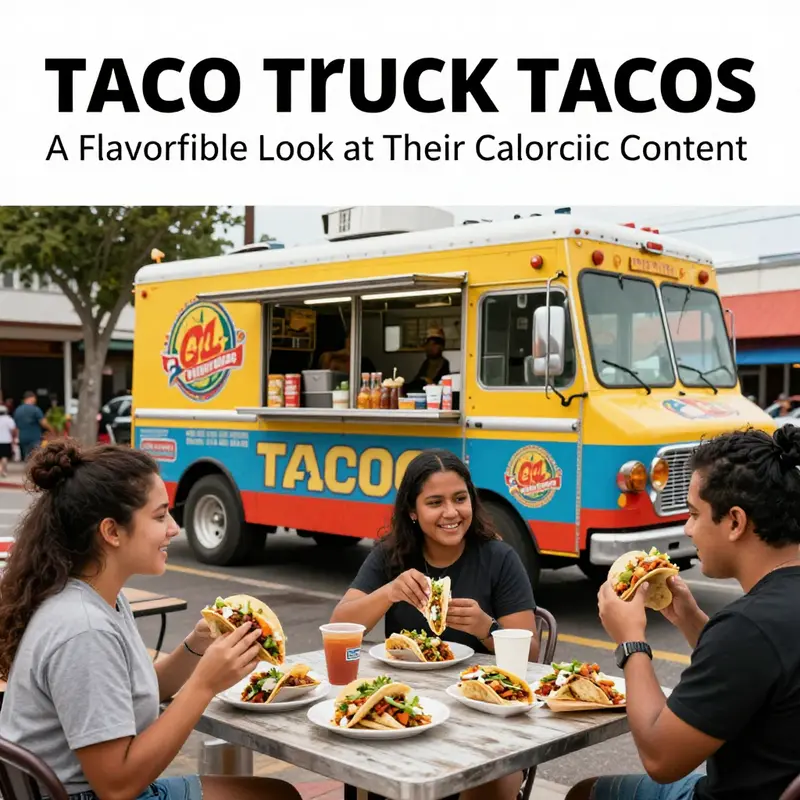
Taco trucks are more than just a meal; they’re a vibrant experience filled with local flavors and culinary creativity. For cuisine lovers, local office workers craving a quick bite, event planners aiming to satisfy guests, and corporate HR teams searching for catered delights, understanding the caloric content of taco truck tacos is essential. This article dives into the nitty-gritty of taco calories, exploring how different fillings impact nutritional values, and examining preparation methods that influence overall calorie count. By the end, you’ll be well-equipped to make informed choices and savor every bite of these street food treasures!
Fuel on the Go: Decoding Calories in Taco Truck Tacos
Across many cities, the taco truck culture feels like a living map of regional flavors, a mobile counterpoint to brick-and-m mortar kitchens. Yet as appetites grow and communities chase quick, satisfying meals, another question quietly travels with the steam and sizzle: how many calories are in these street-taco creations? The answer is not a single number but a spectrum shaped by ingredients, portion sizes, and the often-fluid methods that define how a taco is assembled on wheels. The same street corner can offer a spectrum from lean, lightly dressed fillings to richer, fried shells loaded with toppings. In practice, the caloric content of taco truck offerings can swing widely, and the variability matters whether you are counting calories for a fitness routine, managing daily energy intake, or simply trying to understand what fuels a craving during a busy workday or weekend outing. What follows is not a pledge of exact counts for every truck you encounter, but a careful portrait of how caloric values arise in this corner of the food world, and how to approach estimates with a sharper eye.
To begin with, consider a small but telling starting point: a dry mix used to season a taco filling. A three-tablespoon serving of such a mix can carry around 60 calories. This number might look modest, yet it carries a meaningful message about energy density in the early stages of the build. The macronutrient split accompanying this dry mix underscores a general principle: even when the mix itself appears light, the macro balance can shift considerably and set the tone for the rest of the taco’s caloric profile. In this particular case, the macro breakdown is dominated by protein, with about 52 percent of calories coming from protein, 33 percent from carbohydrates, and roughly 15 percent from fat. That distribution hints at a mix designed to deliver flavor and satiety with relatively lean energy, though the final count for a complete taco will depend on what happens after the mix meets its companions—tortilla, meat, cheese, salsa, and any fats introduced during cooking.
From there, the landscape broadens as we move from dry-seasoned fillings to actual plated servings. A full serving of chicken tacos from a well-known brand, for example, clocks in at 933 calories. This figure represents a typical meal portion, not a single taco, and it invites a few practical reflections. First, a high-calorie count often reflects multiple components bundled together in one serving: a generous amount of seasoned chicken, a pair or more of tortillas, and a chorus of toppings such as cheese, sour cream, or high-fat sauces. The macros reinforce the same trend: about 48 percent of calories come from carbohydrates, 30 percent from fat, and 22 percent from protein. The fat contribution in such a meal typically comes from oil used in cooking, a cheese topping, and any creamy sauces. Carbohydrates grow from the tortillas and any added starch in toppings, while protein rises with meat and, depending on the recipe, beans or other high-protein additions. The net effect is a calorie-dense meal that delivers energy quickly, which is precisely what many street-food operators aim for when they craft a satisfying, portable option for customers on the go.
But this is not to imply that all tacos parked on carts carry the same energy load as a sit-down meal. When you widen the lens to a widely available fast-food crunchy taco, the numbers shift again, generally toward a lower total per unit compared with a full, loaded taco plate. A single crunchy taco from a major quick-service chain, for instance, comes in around 170 calories. The macronutrient sketch for that item tends to be lopsided toward fat relative to its total calories, with around 9 grams of fat contributing a sizable portion of the overall energy, and the protein and carbohydrate contributions spread more modestly—about 7 grams of protein and a modest carb content. This example helps illustrate how the same building-block concept—tortilla, meat or filling, and toppings—produces a very different energy picture depending on the shell type, portion sizes, and the density of fats added during preparation. The contrast between 170 calories for a single crunchy taco and the nearly 1,000-calorie full serving of a chicken taco illustrates a practical truth: tacos are not a fixed category. They are a flexible format in which calories can be stretched or compacted depending on the execution at the cart or in the restaurant kitchen.
Even more dramatic is the breakdown that emerges when a taco meal features a hard, shell-style base and a fuller plate-style assembly. A so-called hard-shell taco meal can exceed a thousand calories, with a reported total of about 1,142 calories in a complete dish. In this scenario, the energy density is not merely a function of the meat and toppings but also the shell choice and the overall portion size. The macronutrient profile provided alongside this figure gives a stark reminder of how calories accumulate: protein contributions are substantial, with around 85 grams of protein cited, while fat approaches 70 grams and carbohydrates hover around 39 grams. While these numbers may seem surprisingly high, they reflect the energy that can pile up when multiple elements—protein-rich fillings, cheese, sour cream, and a generously thick shell—are combined, amplified further by oil used in frying or sautéing. The vivid lesson here is that the same cultural favorite—a crispy shell with savory fillings—can become a surprisingly calorie-dense option when portions are generous and cooking methods favor richness.
Taken together, these data points sketch a spectrum rather than a single portrait. On one end, a dry mix that contributes a modest 60 calories can be a lean building block when used sparingly and paired with modest toppings. On the other end, a feast-ready plate with multiple components and a fried or thick shell can soar past the 1,000-calorie mark in a single meal. The central truth for anyone evaluating calories in taco truck tacos is that energy content is a product of three intertwined choices: the shell, the filling, and the toppings. Each choice carries its own energy signature, and the way they combine determines whether a taco is a light snack, a balanced meal, or a calorie-dense indulgence. The variability is not a quirk of the system but a natural outcome of how street vendors and taqueros optimize for flavor, portability, and cost, all while juggling customer expectations around speed and freshness.
This landscape of numbers underscores a practical approach to eating on the go. If you want a reasonable estimate of calories in a particular taco truck offering, start by assessing the shell type and the basic filler. Is the shell soft or hard? Is the filling predominantly lean meat, a richer mix, or a vegetarian option? How many toppings are added, and what is the height and texture of the taco’s presentation? These questions matter because each element carries a distinct energy imprint. Soft corn or flour tortillas typically carry fewer calories than a thick, fried shell; lean proteins contribute less fat calories than fried or heavily sauced fillings; and toppings like cheese, crema, or avocado add both flavor and density that can push the calorie total higher. As you begin to map out a given cart’s menu, you may find that a single item sits near the 170-calorie mark, while a stacked, highly dressed option can easily reach into the high hundreds, or even over a thousand, depending on size and method of preparation.
For thoughtful readers who use nutrition data to plan meals, there is value in anchoring estimation to a familiar reference framework. Calorie density is a useful yardstick: the amount of energy packed into a given weight of food. A lean, well-constructed taco can be relatively low in calorie density if it relies on grilled fillings, fresh salsa, and a compact shell, allowing you to enjoy more volume with less energy. In contrast, a hearty truck taco loaded with fried shells and high-fat toppings raises energy density, offering more calories per bite and a stronger sense of fullness that can translate into a larger total meal when consumed. This is the economics of flavor on the street: every added tablespoon of sauce, every extra dollop of cheese, and every ounce of fried shell increases the energy density, sometimes in incremental ways that collectively shift the entire meal’s profile.
Practically speaking, what does this mean for someone who wants to track calories while exploring taco truck menus? First, ask questions when possible. Vendors often have nutrition information for their signature items, and menus may include signs or QR codes linking to detailed data. If formal data isn’t available, you can approximate by assessing components: how many tortillas are in a serving, how much protein is included per taco, and whether the toppings lean toward light salsa and vegetables or richer additions like cheese and cream. For many people, carrying a compact notebook or using a simple app to record a few core variables—shell type, protein portion, and a couple of toppings—enables a workable estimate that can be refined over time. In cases where you want an authoritative external reference, databases like CalorieKing provide broader context for similar dishes and help calibrate estimates against established standards. While such databases cannot perfectly mirror every street vendor recipe, they offer a stable framework for cross-checking your intuition with documented data.
Across this spectrum of options, it is also important to acknowledge the broader realities that shape calorie counts in taco trucks. The price of ingredients, the time of day, regional preferences, and the level of customization a customer chooses all influence how a taco is prepared and how energy is allocated. The truck operator may choose to grill or fry, drizzle or skim, or present toppings in generous scoops or restrained lines. Each choice cascades through the dish, altering taste, texture, and energy content. As a consumer, recognizing these levers allows you to enjoy street flavors without losing sight of nutritional goals. You might, for example, opt for a smaller number of tortillas, request salsa with less oil or cheese, or choose a grilled filling rather than a fried one. Such decisions have tangible effects on calories and can help balance flavor satisfaction with daily energy targets.
For readers who crave a deeper dive into how these decisions translate into real-world menus, consider the interesting cross-pertilization between street-food innovation and equipment practicality. Some readers might enjoy seeing how cooks adapt truck kitchens to accommodate diverse styles and portion sizes—how a cart that can switch from soft corn tortillas to hard shells, or how a vented fryer or better oil filtration system, can influence both efficiency and health-related outcomes. In this sense, the caloric conversation travels beyond numbers and enters the realm of culinary craft, equipment design, and the business choices that shape what ends up on the plate. If you want to explore more about street-food equipment and its role in culinary success, the article on top taco truck models provides useful context and practical ideas for operators who aim to optimize menu variety without sacrificing efficiency on the curb. You can read more here: Taco Trucks Unleashed: Top 5 Models for Culinary Success.
Finally, while numbers help illuminate the landscape, the most reliable step in calorie awareness remains transparency. When possible, check the vendor’s nutrition facts. If those aren’t available, use a conservative approach: estimate based on the components you can see, be mindful of large or multiple servings, and remember that a dish’s energy content may scale with portion size. The goal is not to turn street food into a rigid arithmetic exercise but to empower informed choices that align with personal health goals while preserving the joy of tasting a diverse range of flavors on the go. In that spirit, readers who want broader nutritional baselines and comparison benchmarks can consult established databases to anchor their estimates and then apply those benchmarks to the specific context of the taco truck you’re visiting. For a broader database of nutritional data, see CalorieKing.
Counting Calories by the Scoop: How Taco Truck Fillings Shape Your Meal
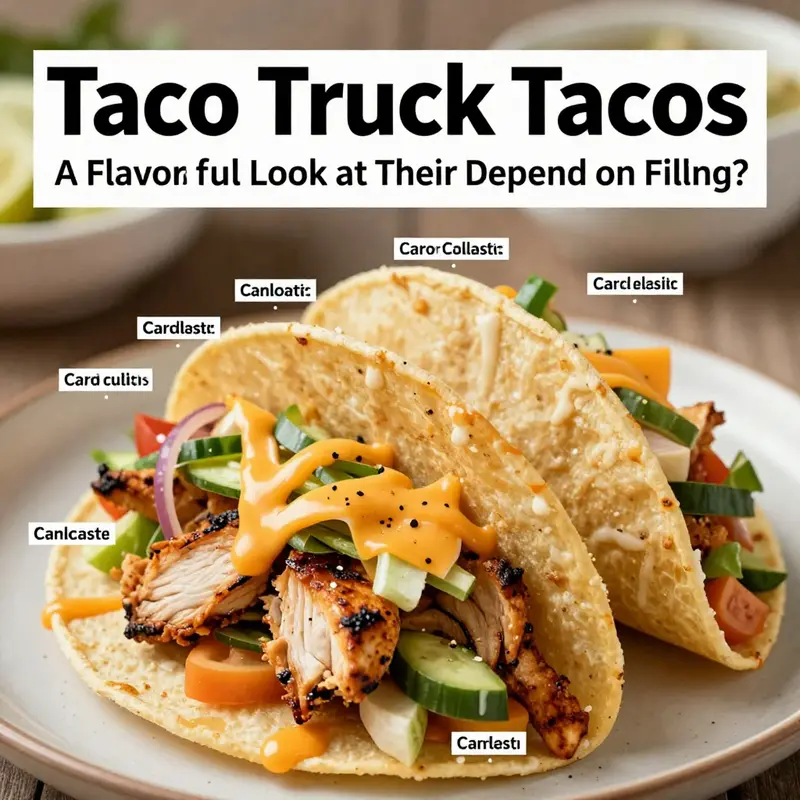
When you pick up a taco from your favorite street vendor, you’re engaging in a culinary calculation more than a casual grab-and-go snack. Beneath that warm tortilla lies a mosaic of proteins, fats, and fibers, each contributing its own caloric signature. The simple act of choosing a filling—whether a savory beef blend, a bright vegetarian mix, or a tender chicken portion—carries a hidden arithmetic that can mean the difference between a 200-calorie light bite and a 350-plus indulgence.
Beef remains the classic taco truck staple, and for good reason. A well-seasoned, slow-simmered ground beef or shredded brisket imparts a rich mouthfeel that customers crave. Nutritionally, a 4-ounce portion of beef filling ranges from about 250 to 300 calories. That variation stems largely from fat content. Leaner blends hover toward the lower end, while fattier cuts push higher. Since each gram of fat provides nine calories, a filling at 20 percent fat will register roughly 180 calories from fat alone, compared with 315 calories if its fat content reaches 35 percent. Vendors who drain rendered grease or swap in leaner cuts can shave off upwards of 50 calories per taco.
Vegetarian options have matured from simple bean spreads to elaborate blends of grilled peppers, plant-based crumbles, and fortified legumes. A black bean and roasted vegetable mix typically clocks in between 150 and 200 calories per generous serving. Much of its nutritional appeal lies in fiber and plant protein. Beans slow digestion, promote fullness, and stabilize blood sugar, all while delivering more volume for fewer calories than a fattier meat option. Some trucks add fried tortilla strips or cheese-heavy sauces to their veggie lineup, dramatically boosting both fat and calories. Choosing fillings built around steamed or roasted vegetables, complemented by a light drizzle of salsa verde, keeps your taco closer to that 150-calorie mark.
Chicken offers a middle ground in both flavor and calories. Four ounces of grilled or poached chicken breast generally tally between 120 and 150 calories, making it one of the leanest protein picks on a typical taco truck menu. Cooking methods matter: a quick grill or steam cycle preserves the purity of the meat and avoids the extra oil that frying introduces. Expect firm texture and high protein content when you opt for chicken, both of which contribute to slower digestion and a sustained energy release. Carnitas, on the other hand, are slow-cooked pork shoulder rendered in its own fat. That decadent process yields rich layers of flavor but can push a taco well above 300 calories per serving.
These primary proteins form the backbone of your street-side meal, but true caloric counts depend heavily on how trucks finish their tacos. Sautéing, frying, and braising in oil or lard adds calories rapidly, sometimes turning a basic protein into a calorie bomb. Gravitating toward grilled and steamed preparations can cut 20 to 50 calories per portion, simply by skipping the oil bath. Toppings like guacamole, at roughly 50 to 60 calories per tablespoon, transform a taco’s texture and health profile. A couple of spoonfuls of sour cream tacks on another 25 to 30 calories, while a sprinkle of cheese can add 40 to 70 calories depending on type and quantity.
Every ingredient injection—from a swirl of crema to a heap of pico de gallo—modulates the final count. Fresh salsas offer minimal calories while infusing vibrant flavor, but richer sauces made with avocado, cream, or nuts can quickly tip the scale. Even tortillas vary: street vendors might choose corn, flour, or specialty blends. A standard two-tortilla serving of corn adds around 100 calories, while flour tortillas can deliver 150 or more, particularly when made with added lard or oil.
If you track macros, consider that a typical chicken taco might deliver 22 percent of its calories from protein, 30 percent from fat, and 48 percent from carbs. Swapping to a bean filling shifts that balance—fiber and complex carbohydrates rise, fat levels drop, and overall calories slide downward. Substituting lean chicken for fatty pork can cut total calories by 20 to 30 percent, while opting for black beans over ground beef can halve the fat-derived calories entirely.
Understanding these swaps empowers diners to tailor their taco experience to personal goals. Weight management doesn’t have to mean sacrificing flavor: choose grilled chicken or black bean fillings, request light oil or no cheese, and top with salsa instead of creamy dressings. Conversely, if you’re on the hunt for sustained energy—perhaps during a long day of exploring local markets—a richer filling like carnitas, paired with guacamole, can offer a satisfying boost.
Ingredient variability is the secret equation behind every truck-side order. By recognizing how filling choice, cooking method, tortilla type, and toppings each feed into the total calorie count, you gain control over your meal’s nutritional profile without losing the vibrancy that makes taco trucks so beloved. Whether you lean into lean protein, embrace plant-powered alternatives, or treat yourself to a heartier preparation, the key lies in knowing what each scoop brings to the table.
For deeper insights on the caloric values of individual ingredients, explore the USDA FoodData Central database: https://fdc.nal.usda.gov/
Calories on Wheels: Decoding Taco Truck Tacos Across Styles and Preparations
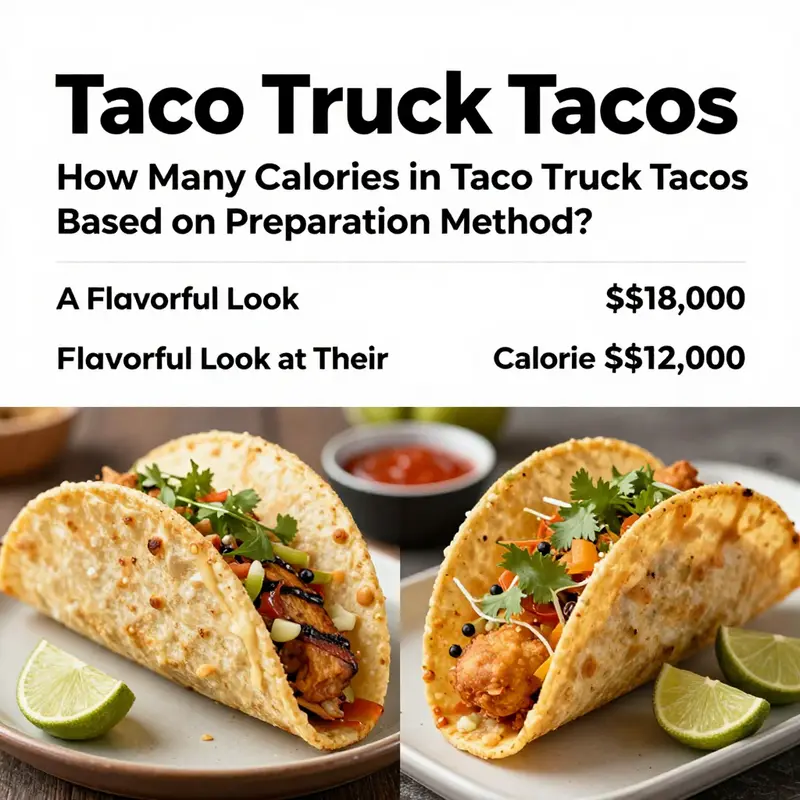
Taco trucks roll through neighborhoods with a promise of quick flavor and warm comfort. Yet behind the sizzle and the bright sauces lies a babel of calories that shifts with every flip of a shell, every dollop of filling, and every choice of tortilla. When people ask how many calories are in taco truck tacos, they are really asking about a spectrum. The same basic format—a tortilla wrapped around meat, vegetables, and toppings—can produce a surprisingly wide range of energy, depending on how the taco is assembled, where the ingredients come from, and how big the portions are. To understand this spectrum, it helps to move from generalities to the specifics of preparation method, and then to look at the numbers that nutrition data can provide, while keeping in mind the real-world variability of freshly made street foods.
At the core, tortillas are the primary calorie gatekeeper. A single soft corn tortilla, six inches in diameter, typically clocks in at about 50 to 60 calories. This is the lean starting point for most authentic street tacos, where corn tortillas remain the traditional choice and where the tortilla’s own fat content and carbohydrate load stay relatively modest. The moment you introduce a filling—seasoned beef, chicken, pork, or beans—and the toppings—lettuce, tomatoes, onions, cheese—the calorie tally begins to climb in a way that reflects both the weight of the ingredients and the fats used in cooking. If the filling is standard, such as a modest portion of seasoned ground beef along with a sprinkle of shredded lettuce, tomatoes, and a small amount of cheese, you will often land in the range of 250 to 350 calories for one soft taco. This range holds true whether you buy from a truck with a simple, no-frills approach or one that leans into richer toppings, as long as the tortilla remains corn and the filling isn’t excessively large.
A shift in tortilla choice changes the math. Flour tortillas, while offering a soft texture and broad appeal, come with more calories and carbohydrates per taco. A flour tortilla can push a soft taco into roughly the 300 to 450 calorie zone for the same filling, or even higher if cheese or sour cream adds extra fat and calories. The same filling in a flour-tortilla shell scales up not just calorie totals but the overall balance of macronutrients. In practice, many trucks offer both options, with the flour version becoming a higher-calorie choice that still remains a popular option for customers who prioritize volume or taste preferences over strict calorie goals.
Hard shells introduce a different calculus altogether. A single hard taco shell—made from fried or crispened corn—commonly contributes about 150 to 200 calories, largely because the frying process absorbs oil. When you add the same 3-ounce serving of seasoned beef, a modest amount of cheese, and standard toppings, the total for one hard taco tends to land in the 400 to 500 calorie range. The inflating effect of the shell is unmistakable here: even if the same filling looks modest on a plate, the fried shell lifts the energy count well beyond what a soft version would deliver. The same logic applies to puffy tacos, which start with a doughy corn masa that puffs up when fried. A puffy taco shell typically carries about 180 to 220 calories by itself, and with a familiar filling, the total sits again in the 400 to 500 calorie zone. In both hard and puffy styles, the cooking method—especially the oil volume absorbed during frying—plays a dominant role in shaping the final energy value.
Tacos dorados, the rolled and fried variants, push the envelope even further. The filling and the extra tortilla that often accompanies this method contribute to higher energy totals, with shells and fillings commonly producing 300 to 400 calories on their own. When you factor in the additional frying and the potential for more generous fillings, it’s not unusual for a tacos dorados to exceed 500 calories per taco. These higher counts reflect not only the fried shell but the cumulative effect of multiple elements that can be added in a single handheld meal. The pattern is consistent: fried and fried-like preparations tend to carry more calories per taco because oil and additional crust increase the fat content and the overall energy density.
Across these styles, the exact numbers remain surprisingly fluid. A single taquería may serve generous fillings and use oil lightly, while another may load on cheese, sour cream, avocado, or crema, each adding calories and shifting the macronutrient balance. The macro breakdown can also tilt in different directions depending on the filling. When a dish leans toward higher fat toppings or fattier cuts of meat, fat becomes a larger percentage of total calories; when it leans toward lean proteins and vegetables, carbohydrates and protein can claim a larger role. Even the small choices, like how a taco is folded, whether the tortilla is warmed with a touch of oil, or how much cheese is melted on top, subtly shape the energy profile in ways that might not be obvious at first bite.
That variability is precisely why a single, universal number for “calories in a taco truck taco” doesn’t exist. The same menu item in different trucks, or even on different days at the same truck, can shift by dozens of calories depending on portion size, the specific cut of meat, and the freshness of the produce. Nutrition insights from packaged or restaurant data help sketch out ranges, but they cannot replace the nuance of watching portions and asking for nutrition facts when available. In fact, a broader illustration from a popular pre-packaged taco product, which mimics food-truck style offerings, shows how even standardized items can present a wide energy spread. A 3-tablespoon serving of a taco mix used for such dishes contains about 60 calories, while a full serving of a chicken taco meal from the same brand can reach roughly 933 calories. That 933-calorie figure comes with a macronutrient ratio around 48 percent carbohydrates, 30 percent fat, and 22 percent protein, underscoring how macronutrient composition can rise and fall with serving size and the degree to which fats and carbohydrates are employed. These figures are instructive but cautionary: homemade or freshly prepared versions at the truck window can differ markedly from packaged analogs due to portioning, oil use, and topping choices.
To translate these numbers into practical guidance for readers who want to estimate calories while enjoying taco truck fare, a few simple rules help. First, visualize the shell as the energy anchor. If you choose soft corn, you’re starting closer to the lower end of the range. When you opt for a flour tortilla, add roughly 60 to 100 calories to the soft version, depending on size and thickness. If the shell is fried, plan for an extra 150 to 200 calories beyond the soft-shell baseline, even before considering the filling. The filling itself is the second key driver. A modest meat portion—about 3 ounces—paired with vegetables is generally responsible for about 150 to 250 calories, varying with fat content and any added cheese. If you load on cheese, crema, or avocado, add 50 to 150 calories more, depending on the quantities. Finally, remember that toppings like sour cream or guacamole, while delicious, contribute noticeable energy density, especially when used liberally. The cumulative effect is clear: a soft corn taco with modest toppings may hover around 250–350 calories, while a fully loaded fried or dorado-style taco can well exceed 500 calories.
This framework helps when people want to compare options across trucks or plan meals with certain energy targets. It also highlights why grabbing a couple of smaller, softer tacos can be more calorie-conscious than opting for a single large, highly enriched taco. Yet even with two or three soft tacos, the total can add up quickly if the fillings are generous or if cheese and sour cream are abundant. For many customers, the appeal remains in the balance of flavors, textures, and freshness—not solely in the calorie tally. But for those who track intake, awareness of the preparation method and portion size becomes an essential tool for making informed choices while still enjoying street-level culinary craft.
Nutrition data, when accessible, provides a helpful map. It can be tempting to rely on a single number, yet real-world eating often involves a constellation of decisions: the type of tortilla, the portion of meat, and the density of toppings. Even the same truck could offer both high-energy and lighter options on the same menu, catering to different appetites and dietary goals. The nutritional landscape is thus less a fixed chart and more a dynamic field that shifts with every order. In practice, people who are mindful of calories can favor soft corn tortillas, lean fillings, and sparing use of high-fat toppings. They can also choose smaller portions or share a taco or two to keep energy intake in check without sacrificing the experience of street-corner flavor.
When readers want a grounded source for nutrition totals and food composition, databases such as the USDA FoodData Central provide comprehensive, itemized information that helps put taco components into context. While not every truck item will be listed, the database offers a baseline understanding of tortilla calories, meat energy density, and topping contributions. This external resource serves as a reference point for readers who wish to compare homemade versions, packaged products, and restaurant offerings using consistent data standards. For a broader view of the nutrition landscape and specific food items, consult the official portal that catalogs a wide range of foods, including tortillas, meats, cheeses, and condiments. The data can illuminate how much energy different components contribute and how small adjustments in preparation affect total calories.
For readers who want to explore broader connections within the food-truck world, a deeper dive into the mobility and menu design of street cultures can be enlightening. The article titled Top food truck models for entrepreneurs offers a lens into how trucks balance economics, supply, and variety while maintaining food safety and consistent quality. It links the practical realities of mobile culinary operations with the nutritional choices that customers encounter, underscoring how business decisions shape menu construction and, indirectly, energy content. Accessing that resource can help readers appreciate how preparation choices, portion control, and equipment influence both calories and the overall dining experience. https://ordertacoselpelontacotruck.com/blog/top-food-truck-models-for-entrepreneurs/
In the end, calories in taco truck tacos are less a single figure and more a function of thoughtful choices. The comparison across soft, hard, puffy, and rolled styles shows how cooking technique and tortilla form push energy up or down. The practical takeaway for readers is straightforward: if you want to keep calories in check, lean toward soft corn tortillas, moderate meat portions, and restrained use of high-fat toppings. If taste and richness are priorities, accept the higher-energy price tag that comes with richer sauces, crema, and fried shells. And if you crave the most precise estimate possible, seek the nutrition facts offered by the specific truck or restaurant you visit, while understanding that homemade or freshly prepared versions can diverge widely from packaged or standardized data.
For those who want to anchor this discussion in tangible data, the external nutrition resources provide a robust backdrop. They remind us that while sampling a taco from a truck is about momentary pleasure and cultural connection, the energy content is a measurable, variable quantity that reflects technique, portion size, and ingredient quality. The conversation about calories in taco truck tacos therefore remains a living dialogue—one that blends culinary craft with careful, approachable estimation. And as customers continue to demand transparency and trucks continue to innovate, the landscape of street-eats will keep evolving in ways that satisfy appetite, flavor, and, when desired, calorie awareness.
External reference: https://fdc.nal.usda.gov/fdc-web.html
Final thoughts
In conclusion, taco truck tacos are not only a feast for your taste buds but also a canvas of nutritional variety. By understanding the caloric content, the variability of fillings, and how preparation methods can impact your health, you can enjoy these delicious treats with an informed palate. So, the next time you’re at your local taco truck, you can indulge in your favorite selections while keeping an eye on those calorie counts.

