
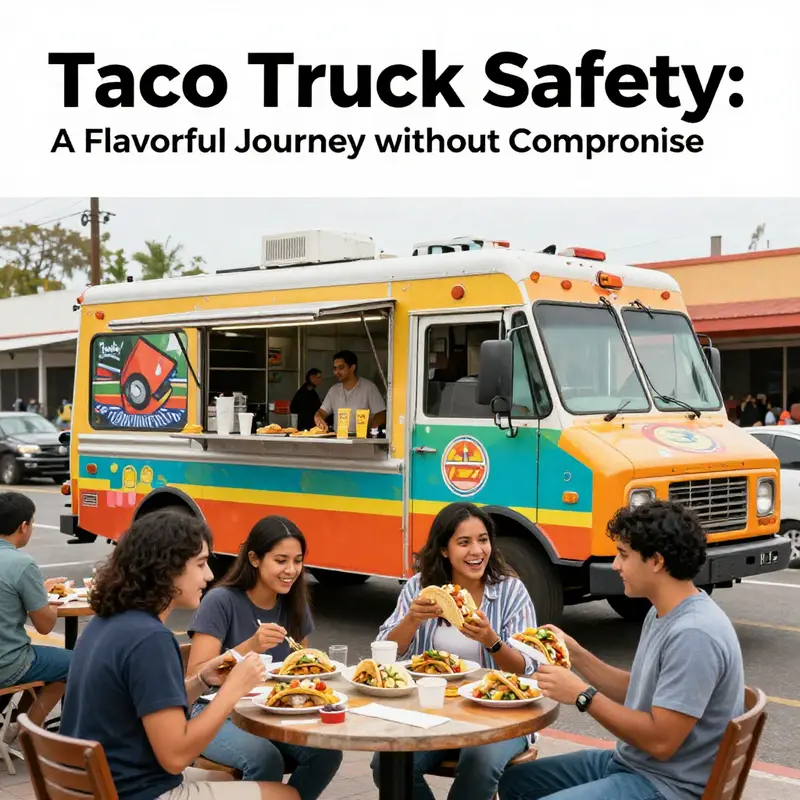
Taco trucks are a cornerstone of vibrant street cuisine, capturing the hearts of taco lovers everywhere. These mobile eateries churn out mouthwatering delicacies, from savory carnitas to zesty fish tacos, often around bustling office complexes or lively event venues. But with the convenience of finding your favorite head-turning food truck comes the question: Are taco trucks safe? In this article, we explore significant safety aspects that ensure your delightful taco experience doesn’t compromise your well-being. We’ll dive into structural integrity and safety standards for taco trucks, essential food safety practices that guarantee hygiene, and understand how vehicle modifications can impact overall safety. Whether you’re an office worker looking for lunch, an event planner in charge of catering, or simply a taco enthusiast, understanding these elements will help you enjoy every bite with peace of mind.
Built to Roll: Structural Integrity and Safety Standards in Taco Trucks
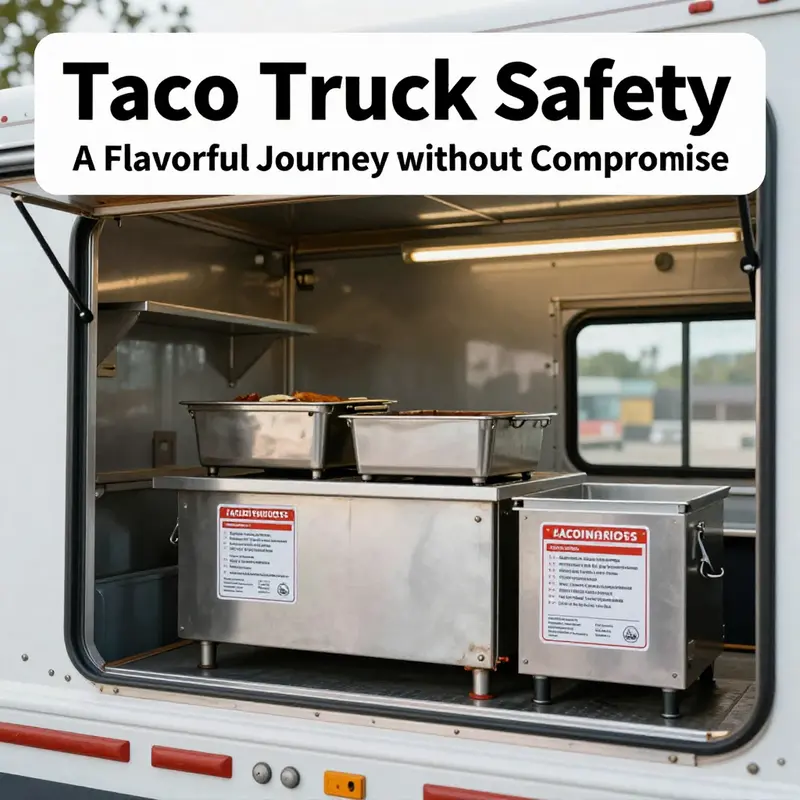
The safety of a taco truck rests much more on the bones of the vehicle than on the sizzle of its fillings. When people ask whether it is safe to buy, sell, or operate a taco truck, they often focus on hygiene and food handling. While those concerns are essential, the real backbone of safety lies in structural integrity and the rigor of safety standards that govern how the truck is built, how it travels, and how it houses its cooking equipment. A truck is, in effect, a small, highly specialized machine that combines the durability of a transportable shell with the permanence of a kitchen. It must endure rain, humidity, heat, cold, road vibrations, and the occasional collision or bump at a crowded market. If its structure and fit-out are compromised, the consequences ripple through every function of the business, from the cook’s ability to reach ingredients to the driver’s ability to maneuver safely among traffic and pedestrians. This chapter weaves together the main threads that determine structural safety: material selection, design standards, certification and quality management, the integrity of the chassis and trailer components, and the importance of vigilance in procurement and after-sales support. It is not a checklist but a continuous, lived practice in which safety must be engineered into every decision, validated through testing and inspection, and sustained through reliable maintenance and responsible operation.
Material choice anchors the shelf life and resilience of a taco truck. Mobile kitchens are subject to harsher environmental conditions than stationary facilities. A proper structure must resist corrosion, deformation, and fatigue under repeated loading and exposure to rain and humidity. For this reason, high-grade materials—primarily stainless steel for the interior surfaces and reinforced aluminum alloys for framing and certain load-bearing elements—are commonly employed. Stainless steel resists corrosion from food acids and cleaning regimens, while aluminum alloys offer a favorable strength-to-weight ratio that helps with stability and fuel efficiency. The interplay between these materials is not a matter of preference but of engineering compromise. Stainless interior surfaces simplify sanitation and longevity, while the structural frame benefits from aluminum’s lighter weight when it does not compromise rigidity. The inevitable consequence of choosing the right materials is a reduction in long-term maintenance costs and a lower likelihood of structural faults that could jeopardize safety.
Beyond materials, the design of a taco truck follows established engineering standards that provide a common language for builders, buyers, and inspectors. One foundational framework is NA ISO 3833:2007, which offers general requirements for the design, manufacture, and assembly of buses and similar transportable structures. While a taco truck is not a passenger bus, the standard’s emphasis on safety-critical systems, load paths, installation quality, and overall structural integrity is widely used as a reference point because it codifies how to plan, validate, and document the integrity of a mobile structure. The goal is not to replicate a passenger vehicle’s design, but to ensure that the truck’s body, frame, and sheltering enclosure can withstand the dynamic demands of daily operation, including sudden steering inputs, uneven pavement, gusting winds at outdoor venues, and the jostling of frequent door openings and close-quarter traffic.
A corollary to structural design is the integration of kitchen equipment and utility systems. In markets where a taco truck must meet North American or European requirements, kitchen equipment installed within the unit often needs to pass UL (Underwriters Laboratories) or CE (Conformité Européenne) certification. These certifications speak to electrical safety, fire resistance, and ventilation performance. They remind us that a cooking line is not a separate add-on but a system whose electrical, mechanical, and fire-safety interfaces must function as a coherent whole. An integrated kitchen that passes UL or CE standards is less likely to surprise operators with short circuits, overheated components, or ventilation failures that could ignite or spread smoke in a compact, high-occupancy space.
Those safety assurances are reinforced by quality management that governs production and ongoing operation. ISO 9001, the international standard for quality management systems, is particularly relevant because it demands consistent production processes, traceability of materials and components, clear documentation, and evidence of continuous improvement. A taco truck constructed under an ISO 9001 framework is more likely to deliver predictable performance, with a manufacturer who can provide detailed records of the materials used, the tests conducted, and the corrective actions taken when issues arise. This is not merely a bureaucratic requirement; it is a risk-management discipline that helps buyers distinguish between units that are built to endure and those that are assembled on a best-effort basis.
Yet safety is not a property a truck possesses at the moment of delivery. It is sustained through the integrity of the chassis, suspension, and any trailer components if the mobile unit is towed to events or markets. The chassis must bear the weight of a full kitchen, heavy cooking equipment, and a robust supply of fuel and water without sagging or flexing under dynamic loads. The suspension system must cushion the unit against road irregularities, reducing fatigue to structural joints and ensuring stable handling during acceleration, braking, and cornering. For operators who move between farmers’ markets, street corners, and festival grounds, the ability to maintain control under varying speeds and surface conditions is essential to preventing rollovers, tipping, or sway that could endanger pedestrians or bystanders. In some setups, a taco truck operates as a trailer, and the reliability of the towing hitch, couplings, and the trailer’s own frame and lighting system becomes a safety hinge. Vehicles hauling heavy, loaded interiors require careful attention to hitch strength, braking compatibility, and anti-sway mechanisms that maintain directional stability on the road. The emphasis on robust, well-documented trailer components is not a niche concern; it is central to safe mobility in the busiest venues and the most demanding routes.
Procurement and due diligence are the guardrails that separate a safe truck from a risky one. The supply chain for taco trucks often threads through international manufacturers who offer turnkey solutions—a complete shell with integrated kitchen modules, ready for branding and immediate use. This globalization introduces a spectrum of quality and compliance levels. Buyers should demand verifiable evidence that the providing manufacturer adheres to ISO 9001 quality management standards, and that all installed kitchen equipment has UL or CE certifications appropriate to the target market. Documentation that accompanies the truck should include material certificates, welding procedures, radiographic or ultrasonic inspection records if available, and a clear bill of materials that traces every major component back to a reputable supplier. In practice, this kind of due diligence reduces the likelihood of hidden defects that might manifest later as electrical faults, structural cracks, or ventilation gaps that hamper sanitation and air purity.
It is also prudent to scrutinize the production location with care. Regions known for stainless steel fabrication and modular kitchen systems, such as parts of central and eastern manufacturing hubs, can offer cost-effective solutions. However, buyers must maintain a healthy skepticism and insist on a comprehensive specification packet. The packet should detail alloy grades, weld types, surface finishes, testing protocols, and the validation of critical dimensions. A structure can look flawless on a showroom floor, but if its welds are inconsistent, its joints are misaligned, or its coatings are inadequately cured, the truck’s durability is compromised under field conditions. A reliable supplier will welcome this scrutiny because it is a sign of rigorous processes rather than a sign of weakness.
The topic of safety is not only a matter of what is built but also what is prohibited in design and modification. In 2026, discussions around vehicle safety intensified regarding certain modifications that can undermine stability, such as lowered suspensions and “squatted” configurations. These alterations lower the vehicle’s center of gravity in a way that reduces ground clearance and can compromise rollover resistance and emergency maneuverability. A truck that has been altered in this manner may be restricted or banned in certain jurisdictions, reflecting a broader recognition that aesthetics or customization must not override fundamental safety protections. The lesson for buyers is simple: modifications after delivery should be approached with the same scrutiny as the original build. If a vendor or mechanic suggests a modification that changes the suspension geometry or alters the frame in ways that could affect load paths, it is essential to demand independent safety assessments and, where necessary, to reject interventions that erode the truck’s structural integrity. This precaution aligns with the precautionary principle of safety: better to forego a cost-saving modification than to risk a catastrophic failure when the truck is loaded with hot oil, grease, and heavy cans of ingredients.
To translate standards into reliable performance, routine inspection and maintenance are indispensable. Even the most rigorously built unit requires ongoing care. Regular inspections should include checks of frame welds for cracking and corrosion, evaluation of the integrity of door seals and latches that maintain sanitation while limiting air and pest ingress, examination of floor and ramp surfaces for wear, and verification that the ventilation ducts and exhaust hoods remain free of obstruction and properly connected to the fire suppression system. The kitchen is a dynamic environment, with heat, steam, and oil continuously interacting with metal surfaces. Over time, those interactions can produce micro-perforations, surface fatigue, or uneven thermal expansion that stress joints and fasteners. An operator who schedules periodic professional assessments—at least annually, with more frequent checks in harsher climates or high-usage venues—reduces the chance of unexpected failures.
Hygiene and safety share a common ground with structural integrity. A truck may have an immaculate exterior and a perfectly welded frame, but if the kitchen installation permits heat to accumulate unvented, or if electrical components are not properly isolated from moisture, the risk of fire or contamination rises. The kitchen module should be designed to maintain cleanability and to withstand the frequent cleaning regimes required in food service. Proper ventilation is not a luxury; it is a structural and safety requirement that prevents heat buildup, reduces the concentration of vapors, and helps control humidity within the cooking zone. When installation teams align the kitchen equipment with the truck’s structural system—ensuring that electrical conduits, gas lines, and exhaust systems are properly isolated and shielded—they create a safer, more durable working environment for cooks and a safer, more reliable experience for customers.
In practice, the procurement process often includes a careful balance of cost, safety, and timeliness. Buyers should seek detailed specifications that reveal not only what is installed but how it was installed. A thorough supplier evaluation should include verification of technical capability, communication reliability, and after-sales support. It should also demand documentation that confirms alignment with the relevant safety standards. The goal is not to select the cheapest option but to secure a unit that can operate safely for years with predictable maintenance costs and dependable spare parts availability. This kind of due diligence reduces the likelihood of post-delivery surprises that can disrupt a business, such as unanticipated downtime caused by electrical faults, cooling system failures, or structural fatigue in high-load situations.
Historical data remind us that safety challenges have long existed in mobile food operations. A 2016 review of Los Angeles County public health data highlighted that about 27% of food trucks had received grades below an “A” in the preceding two years, underscoring persistent issues with sanitation, temperature control, and pest management. While those statistics are now several years old, they illustrate a broader pattern: a strong hygiene and a strong structure are mutually reinforcing pillars of safety. A truck that is structurally sound but lacks robust hygiene practices can still endanger customers; conversely, a hygienic kitchen on a fragile frame can collapse under the weight of a busy service day. The strongest mobile units are those that harmonize structural resilience with disciplined sanitation and food safety practices. The alignment of these domains is what makes a taco truck genuinely safe in operation, not merely compliant on paper.
For buyers and operators seeking a practical path to safety, there is a clear logic. Embrace a holistic view of the vehicle as an integrated system—body, frame, and kitchen—each reinforcing the others. Demand documentation that confirms the use of certified materials and components, and insist on a traceable production process that supports accountability. Build in checks for the vehicle’s mobility capabilities, including the stability of the suspension, the strength of the hitch and trailers when used, and the reliability of the braking systems. Normalize a culture of routine inspections and proactive maintenance that catches problems before they become emergencies. And never underestimate the power of thoughtful design: well-designed ventilation, carefully planned load paths, and robust protection for electrical and gas lines will reduce risks that could escalate during a busy service day and an unexpected weather event.
As the field evolves, so too does the sharing of knowledge. The industry increasingly recognizes that safety enhancements in food trucks stem from continuous learning and validated standards. For readers who want to explore the cutting edge of this evolution, there is value in reviewing accessible resources that synthesize practical safety improvements and regulatory developments. See Safety advancements in food trucks for recent discussions about how safety practices have become more systematic and how manufacturers and operators are aligning with evolving expectations. This knowledge is not a replacement for due diligence but a complement to it, helping buyers and operators understand what kinds of safety improvements are feasible and what kinds of documentation they should seek during procurement. Safety advancements in food trucks.
A credible, durable taco truck is not merely a vehicle with a kitchen; it is a tiny, highly capable industrial system designed to function reliably under demanding conditions. The structural frame, the chassis, the suspension, the trailer attachments, and the kitchen integration together form a safety envelope that governs how risk is managed in day-to-day operation. The envelope is reinforced by international and national standards that require disciplined design, rigorous testing, and transparent documentation. It is strengthened further by ISO 9001-compliant manufacturing processes that commit to consistency, traceability, and continuous improvement. And it is kept intact by vigilant maintenance, thorough inspections, and a disciplined approach to modifications. When buyers and operators observe these conditions—materials chosen for durability, welds and joints performed to high standards, certified electrical systems, and a culture of safety-first decision-making—the chances that a taco truck will deliver years of safe, sanitary, uninterrupted service rise dramatically.
Ultimately, safety is not a one-time achievement but an ongoing practice of balancing performance, compliance, and everyday reality. A truck that travels from a covered market to an open street tomorrow and faces rain, heat, and crowds will reveal how well its structural frame and safety systems hold up. The more a business treats safety as a living standard—one that informs purchasing, guides installation, shapes maintenance schedules, and governs modifications—the more resilient and trustworthy the operation becomes. The path to true safety in taco trucks lies not in a single certification or a glamorous kitchen layout but in a disciplined, integrated approach to engineering, documentation, and care that keeps the vehicle safe for operators, customers, and communities alike.
External reference: Structural analysis of a food truck subjected to impact loads. https://www.researchgate.net/publication/341556522Structuralanalysisofafoodtrucksubjectedtoimpactloads
On the Road to Safe Tacos: Food Safety Practices in Mobile Taco Kitchens
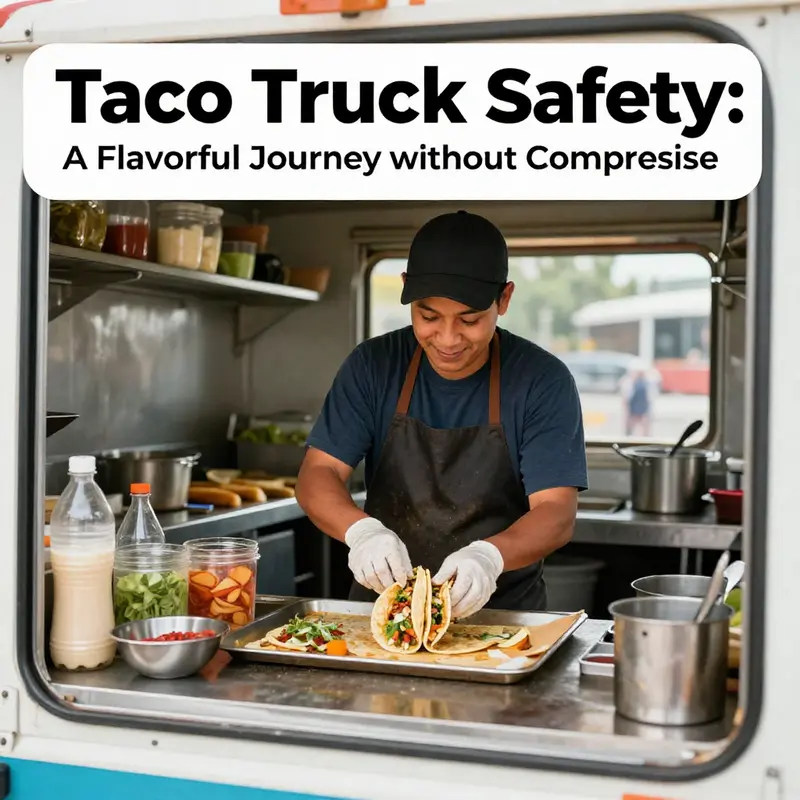
Taco trucks are a familiar sight in many streets, weaving through neighborhoods with the aroma of cumin, lime, and heat drifting behind them. Yet the appeal of posturing a kitchen on wheels should not obscure a simple truth: food safety is a continuous practice, not a one-time checklist. In the mobile context, where space is tight, temperatures swing with the weather, and service never truly shuts down, safety hinges on a disciplined culture that begins at design and travels through every shift. A robust safety stance starts with the truck itself—the way it is built, how it is maintained, and the way the kitchen operates under the watchful eye of health regulations. But it does not end there. The heart of safety in a taco truck is how people, processes, and surfaces converge to keep food safe from the moment ingredients enter the truck to the moment a customer takes a bite. When these elements align, a taco truck can deliver a meal that is not only delicious but trustworthy, a rare blend of street sensibility and healthful practice that stands up to scrutiny from regulators and customers alike.
To understand how a taco truck becomes safe, one must look beyond the immediate act of cooking. The mobile kitchen exists within a set of constraints: limited space, varying power sources, and the constant movement that can jostle equipment and disrupt routines. These constraints do not excuse lapses; they magnify the importance of rigorous, repeatable practices. The core of food safety in this setting rests on five intertwined pillars: temperature control, sanitation, cross-contamination prevention, staff competence, and regulatory compliance. Each pillar supports the others, and when any one is weak, the entire safety net weakens. This reality places a premium on what operators do every day, not merely what they promise on a menu or a promotional flyer.
Temperature control, perhaps the most visible challenge, anchors safe handling from farm to fork. Perishable ingredients—meats, cheeses, salsas, sauces, and fresh vegetables—are vulnerable to the growth of pathogenic bacteria if kept outside safe temperature ranges. In a stationary kitchen, a fixed room with a predictable climate helps, but a taco truck faces a constantly shifting ambient environment. The essential rule is straightforward: keep cold foods cold and hot foods hot. Below 40°F (4°C) for cold items and above 140°F (60°C) for hot items, temperatures minimize the opportunity for microbial growth. The practical implementation of this rule relies on a combination of insulated containers, dedicated storage, and reliable temperature monitoring.
Insulated containers are not just fancy equipment; they are survival gear for safe service on the move. When the truck is parked, cold storage must keep ingredients at safe temperatures without depending on a miracle of ambient cooling. The same logic applies to hot holding, where steam tables or warming devices should sustain temperatures that keep ready-to-consume foods out of the danger zone. Temperature monitoring devices should be present and functioning at all times. A digital thermometer with automatic data logging, or even simple documented checks at regular intervals, provides the evidence that temperature controls are being honored during the shift. This practice is not merely for compliance; it creates a reliable safety habit. The operator who routinely checks temperatures and documents them builds a culture of accountability and a shield against the accidents that can accompany busy service hours.
Cleaning and sanitizing constitute the second pillar, and they are intimately connected to temperature control. In a mobile kitchen, surfaces can be exposed to a wider range of contaminants—from street dust to cross-contact between raw ingredients and ready-to-serve items. Regular cleaning reduces the carryover of soils and bacteria that can seed contamination. A disciplined routine includes cleaning cooking surfaces, utensils, cutting boards, and storage containers between tasks and at the end of each shift. But cleaning alone is not enough; sanitizing is essential. Sanitizing solutions—properly prepared and applied with appropriate contact times—kill residual bacteria and reduce environmental load. The challenge in a truck is ensuring consistent sanitizing practices across a small footprint where equipment is shared, sinks are limited, and water supply must be managed efficiently. A well-planned sanitation schedule, reinforced by staff training, becomes a practical safeguard rather than a theoretical ideal.
Cross-contamination prevention is the third pillar, and it is the most counterintuitive in a tiny kitchen where space is at a premium. Separation is the principle: raw ingredients must be kept away from ready-to-eat products, and raw meat must not mingle with vegetables destined for fresh consumption without deliberate controls. In a taco truck, this means color-coded cutting boards and utensils, clearly labeled storage zones, and physical separation in the layout of the workspace. It also means disciplined handling practices: hands washed between tasks, gloves used appropriately, and minimal unnecessary movement around raw and cooked ingredients. The proximity of equipment can tempt shortcuts, so strict operational discipline is non-negotiable. When a single misstep allows contamination to move from raw beef to a salsa, the ripple effects can be swift and severe. A culture of awareness—where every team member understands the risk and the impact of even small mistakes—serves as the frontline defense against cross-contact.
Staff training and competency are the fourth pillar, the human factor that connects policy to practice. Food safety is not a passive system; it requires active engagement from every person who touches food. Training should cover safe handling procedures, personal hygiene, cleaning and sanitizing protocols, proper storage, recall readiness, and what to do when a spill or equipment failure occurs. In a mobile setting, where turnover can be high and shifts are often long, ongoing training is essential. It should be practical, frequent, and reinforced through daily routines rather than relegated to an occasional onboarding session. Competent staff understand why a handwashing protocol matters, why a separate cutting board for raw onions matters, and how to respond when a temperature reading signals a potential problem. Training is the force that translates written requirements into reliable actions, especially when the pressure of serving a hungry crowd makes speed seem more important than safety.
Regulatory compliance is the fifth pillar, the framework that gives food safety its teeth and accountability. Mobile operations are subject to the same fundamental health principles as brick-and-mortar kitchens, but with local variation. Health departments typically require routine inspections, documented procedures for food storage and preparation, evidence of proper water and waste management, and proof that equipment meets sanitary and safety standards. A taco truck that is well designed and meticulously operated can pass these inspections with ease because the underlying practice is built into the daily rhythm of service. Inspections are not only about passing; they are opportunities to strengthen the operation by identifying gaps and reinforcing good habits. Operators who anticipate inspection criteria and maintain transparent records—such as calibrated thermometers, cleaning logs, inventory records, and staff certifications—demonstrate a commitment to safety that resonates with customers and regulators alike.
The dance between design and practice matters deeply. The way a truck is built affects what is possible in terms of food safety. A well-constructed vehicle with cleanable surfaces, adequate drainage, and zoning that minimizes cross-contact can dramatically simplify safe work. Conversely, a truck with cramped layouts, hard-to-clean corners, or insufficient cold storage can undermine even the best intentions. The literature on safety in mobile food operations repeatedly underlines that build quality and ongoing maintenance are not peripheral concerns; they are essential enablers of hygiene, sanitation, and control. A truck designed with safety in mind makes it easier to implement the temperature controls, cleaning regimens, and separation strategies that keep food safe from the moment ingredients arrive to the moment the last customer walks away.
In practice, these pillars come to life through a rhythm of daily rituals. A typical service day begins with a quick pre-shift check that includes confirming the cold chain is intact, temperature logs are current, and cleaning supplies are stocked. As ingredients move from coolers to prep stations, staff execute a deliberate sequence: sanitize surfaces, wash hands, set up separate prep areas for raw and ready-to-eat items, and verify utensils are distinct for different tasks. During peak hours, the same rituals scale with the demand. The team maintains a steady cadence of brief checks: is the hot holding maintaining safe temperatures, is there any stray debris, are waste bins emptied regularly, is back-up equipment functional. Even minute details—such as ensuring a lid is on a container to protect from dust or ensuring a drain is clear to prevent standing water—become part of a safety narrative that is reinforced each shift. This daily discipline is what turns a mobile kitchen into a reliable food safety operation.
Beyond the day-to-day routines, there is a larger frame of reference that guides mobile operators: the concept of a comprehensive food safety management system. Many operators adopt principles akin to HACCP, a structured approach that identifies potential hazards and establishes preventive controls at critical points along the flow of food. In a taco truck, this grid translates to critical control points such as receiving and storage, preparation, cooking, hot holding, cooling, and distribution. Implementing such a system in a compact space requires thoughtful adaptation. It means building a flow that minimizes time at unsafe temperatures, creates clear boundaries between raw and cooked products, and includes verification activities that confirm the system is functioning as intended. The value of HACCP-like thinking lies not just in compliance but in the proactive discovery of where hazards could arise and how to prevent them before they become problems.
Sourcing and supplier confidence form the sixth, often overlooked, layer of safety. Perishable ingredients arrive with varying histories, and the responsibility to evaluate risk begins long before the truck doors swing open. Operators should seek ingredients from reputable suppliers who can demonstrate product safety, proper storage, and traceability. This extends to every component that touches a dish: the tortillas, the proteins, the vegetables, the sauces, and even the packaging that reaches the customer. The risk landscape includes recalls, contaminated shipments, and batch variances that can sneak into service if vigilance slips. An effective mobile operation maintains a reliable chain of custody, with clear records of deliveries, temperatures at receipt, and shelf-life judgments. In many respects, ingredient safety is the bedrock on which all other safety practices stand; without it, even flawless in-kitchen hygiene cannot salvage a compromised product.
Finally, the intangible but powerful force behind safe taco trucks is a customer-centric mindset that values protection against illness as part of the dining experience. Food safety is a form of hospitality that signals respect for the people who bite into a taco. When customers see transparent practices—visible cleaning schedules, visible thermometers, or evidence of ongoing staff training—they gain confidence that the truck takes responsibility seriously. This trust is not a single transaction but an ongoing relationship. The customer’s sense of safety is reinforced by consistent performance across visits, the absence of odors or residues that suggest poor sanitation, and the ability to understand how the operation manages risk on a daily basis. In that sense, safe practices become part of the brand’s story, a narrative that travels with the truck from street corner to festival ground and back again, convincing new customers to try a dish and old customers to return.
A practical illustration of these principles can be found in the way a taco truck prepares for and responds to unexpected events. When a power outage disrupts refrigeration, a well-prepared operation has backup plans: alternate cooling strategies, rapid evaluation of inventory, and a clear decision framework for how long foods can safely remain out of temperature control. When a spill occurs, a trained crew follows a predefined cleanup protocol and documents the incident, ensuring that any resulting corrective action is tracked and reviewed. When equipment fails, the team knows the escalation path—who to contact for rapid repairs, what interim measures to apply to hold food safely, and how to communicate with health authorities if necessary. These responses are not accidents of luck; they are the product of deliberate preparation, ongoing practice, and a culture that regards safety as non-negotiable.
The conversation about safety in taco trucks is not a static debate about once-a-year compliance. It is a dynamic, living system that requires vigilance, investment, and humility. Operators who acknowledge the complexities of mobile service—space constraints, variable conditions, and the constant tempo of street life—are better positioned to build resilient strategies. They do not chase perfection in a vacuum; they pursue practical, repeatable safety gains that fit the realities of street vending. And those gains accumulate over time, in the quiet routines between rushes, in the careful calibration of a thermometer, in the discipline of a team that washes hands before grabbing a fresh set of tortillas, and in the shared commitment to serve a meal that is not only flavorful but safe.
For readers seeking a succinct reminder of how these principles translate into everyday practice, the conversation often circles back to a simple, reliable framework: keep cold foods cold, keep hot foods hot, sanitize thoroughly, prevent cross-contact, train staff, and comply with local health requirements. It is not flashy, but it is effective. It is the craft of turning a street kitchen into a responsible food facility, capable of feeding a hungry crowd while protecting health. In this sense, safety in a taco truck is a discipline, not a destination; a continuous journey that travels with the truck, with the crew, and with every customer who enjoys a well-made taco.
To connect these practicalities with a broader sense of progress, consider how industry trends and safety innovations are shaping mobile food operations. Some operators are adopting more sophisticated temperature monitoring devices, improved sanitation products designed for compact spaces, and streamlined inventory systems that reduce waste while enhancing safety. The underlying insight is clear: technology and process improvements, when deployed thoughtfully, support safer food handling in the constraints of a truck. Yet technology alone cannot substitute for trained hands, deliberate routines, and a culture that prioritizes health above convenience. The safest taco trucks are those where people actively engage with safety as a shared responsibility, where the truck functions as a mobile kitchen that upholds the same standards as a brick-and-mortar restaurant, and where each service reinforces the reliability that customers depend on. In short, safety in a taco truck is about calibrating the speed of service to the pace of safety, so the drive-through of flavor never overshadows the duty to protect public health.
For additional context on evolving approaches to mobile food safety, see the growing body of resources that discuss risk management, sanitation innovations, and regulatory expectations in the industry. This broader perspective helps operators stay ahead of emerging challenges and opportunities alike. Readers interested in the latest developments can explore ongoing discussions about how mobile food vendors are adapting to new safety technologies and increasingly stringent standards. As these conversations unfold, the core message remains enduring: a safe taco, made with care and kept under control at every step, is the foundation of trust and longevity in a street-food business. The road to safe tacos is paved with daily diligence, disciplined practice, and a commitment to health that travels as far as the truck itself.
For those who want a concise pointer toward practical guidance that aligns with this chapter, consider the ongoing conversation around the safety advancements in food trucks, which highlights how operators are adopting improved practices and tools to safeguard customers. This resource area emphasizes that progress in street-food safety is cumulative and community-driven. Additionally, researchers and regulators continue to refine expectations for mobile food operations, recognizing the value of clear records, validated procedures, and transparent accountability. By embracing these principles, a taco truck can fulfill its promise of delivering vibrant, flavorful bites without compromising on health and safety. In this way, the on-the-go kitchen becomes not just a place to eat but a model of responsible food service that thrives on consistent, well-documented practices.
External resources offer further depth and practical guidance. The U.S. Food and Drug Administration provides official guidance and resources for food safety in mobile vending operations, including taco trucks, and serves as a critical reference point for operators seeking authoritative standards and updates on best practices. These resources emphasize the importance of system-wide thinking—integrating safe handling, robust cleaning routines, and reliable temperature management into daily operations. The overarching takeaway is that safe street food is achievable when structure, discipline, and vigilance converge in a way that respects the realities of mobile service while upholding the highest standards of public health. By anchoring daily practice in these principles, taco trucks can offer meals that delight customers and protect their well-being at the same time. For practical, up-to-date guidance, readers can consult the FDA’s mobile food safety resources and stay informed about evolving expectations for mobile food vendors.
Within the broader conversation about safety in taco trucks, a single, clear thread ties the narrative together: safety is not a static goal but a continuous practice. It rests on well-designed equipment and spaces that support good hygiene, on a workforce trained to act with care, and on a regulatory framework that rewards consistent performance. It also rests on a public commitment to transparency, where operators demonstrate that their practices are sound and that the public health risk is minimized. When these conditions are met, the street becomes not merely a venue for fast bites but a venue where trust and safety travel hand in hand with flavor. In the end, the question are taco trucks safe? The answer lies not in a moment of inspection but in a continuous, shared discipline that guides every shift, every recipe, and every customer interaction. And in that sense, the road to safe tacos is the road to reliable, responsible street food for the long haul.
Internal link note: For a concise look at how safety advancements are being embedded into day-to-day street operations, see Safety advancements in food trucks.
External resources: https://www.fda.gov/food/fda-food-safety-resources-mobile-food-vendors
Rigging Roadworthiness: The Safety Impacts of Vehicle Modifications on Taco Trucks
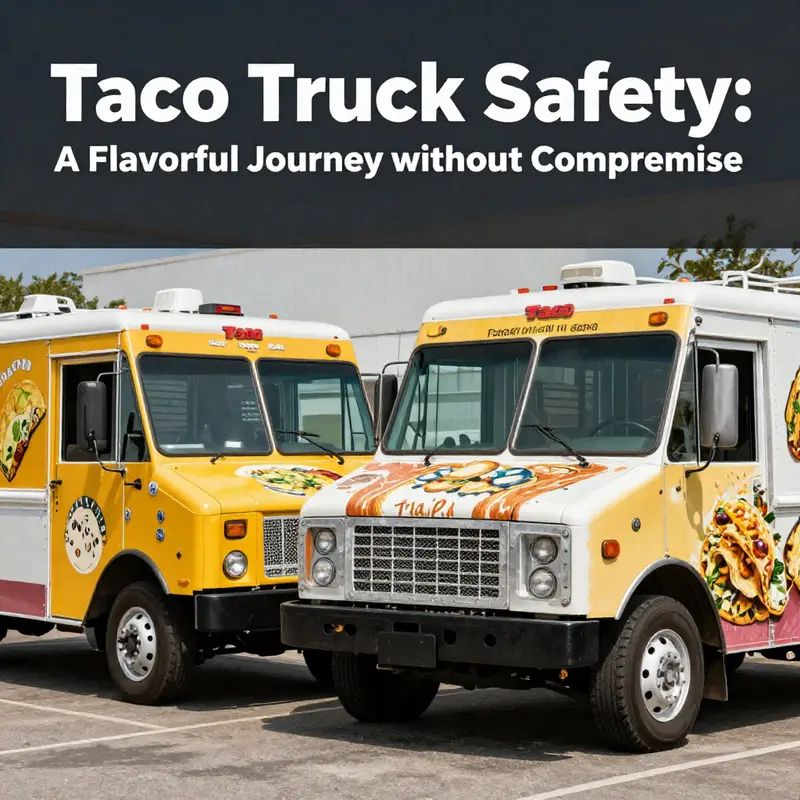
As the footprint of mobile food service expands, so does the range of ways operators modify and customize their taco trucks. Modifications can be pragmatic—adding a better exhaust system, reconfiguring kitchen layouts for efficiency, or installing additional electrical outlets to power modern appliances. They can also be risky, shifting loads, stressing frames, and altering how a vehicle handles on city streets and highway ramps. This chapter examines how changes affect safety, emphasizing practical, responsible approaches to building, modifying, and operating a mobile kitchen. The through line is simple: safety is not a single check at the door but a continuous discipline that begins with design and ends with disciplined operation and inspection.
At the heart of the discussion is how performance changes when weight, power, and structure are altered. A taco truck is a rolling kitchen and a moving platform. The kitchen houses heavy appliances—refrigeration units, ovens, fryers, and gas or electric ranges—that add substantial mass well above the vehicle’s original design. Rooftop signage, awnings, and insulated walls contribute additional weight that can shift the center of gravity. When these elements are added without a professional assessment, they can move mass higher in the vehicle, increasing the risk of tipping during sharp turns or abrupt maneuvers. A higher center of gravity raises rollover risk, particularly with aggressive driving or road irregularities. In practical terms, a heavy modification can transform a stable vehicle into a dynamic risk if load paths and suspension behavior are not properly accounted for.
The structural integrity of a taco truck is closely tied to how the chassis and body are integrated with kitchen equipment. The base vehicle is typically designed around a particular load path, and adding oversized ovens or commercial mixers changes the inertia the frame must handle. If equipment is bolted on without proper anchoring, vibrations can propagate through the chassis, fatigue metal, and affect steering accuracy, braking effectiveness, and the reliability of fuel lines and electrical conduits. Attachments to nonengineered mounting points create stress concentrations that can crack welds, loosen fasteners, or misalign suspension components. The result is poorer handling and a greater likelihood of component failure when it’s needed most—during sudden stops or tight lane changes.
Electrical modifications carry independent safety risks. Kitchens demand power, and operators may increase capacity by wiring additional circuits or upgrading panels. If work is done by someone lacking electrical training or bypasses original designs, the risk escalates quickly. Substandard wiring, overloaded circuits, undersized breakers, or inadequate grounding can lead to fires. In a mobile environment, heat, vibration, and movement heighten the chance of insulation damage or conductor chafing. The consequences can be severe: electrical fires burn rapidly and can be hard to reach with suppression in a compact kitchen. Wires must be protected from mechanical damage, and junction boxes should be sealed against weather and debris. Every added outlet or heavier gauge wire must be matched to a load calculation that accounts for startup surges and continuous draws, especially with frequent door openings.
Ventilation and fuel systems pose another major safety dimension. Ventilation must remove heat, smoke, and odors effectively; improvising duct routes without validation can create pressure imbalances or leaks. Gas connections must be secure and resistant to vibration. Even small changes can introduce leaks or ignition sources in a tight space. The mobile nature of a taco truck means hoses, vents, and connections must withstand repeated flexing and temperature cycles. Repositioning a burner or recalibrating a hood without adjusting ventilation can create hotspots or reduce performance. Poorly balanced systems can magnify safety risks when paired with a vehicle that has compromised handling or braking.
Many modifications are not standardized. Operators may rely on third‑party shops focused on aesthetics or quick fixes rather than engineering rigor. Off-the-shelf components may not be rated for mobile or commercial duty. A lack of documentation complicates verification that a modification matched tested specifications and has undergone proper inspection. Documentation matters for safety and maintenance. Without it, establishing schedules for inspections and confirming safe load paths becomes harder. A robust modification project typically includes engineering evaluation, load testing, and a formal sign‑off from a qualified technician. The absence of documentation creates ambiguity about what changed and whether it remains within safe margins as the vehicle accumulates wear.
Evidence about modifications goes beyond anecdotes. For instance, regulatory bodies have highlighted that modified commercial vehicles can be involved in crashes at disproportionately high rates when operators do not fully understand the required engineering and safety standards. The takeaway is not that all modifications are inherently dangerous, but that uncontrolled changes introduce avoidable risk. The key is to actively address safety through planning, qualified professionals, and thorough documentation. A disciplined safety program reduces risk while preserving the mobility and service quality that define taco trucks.
Industry responses emphasize stronger inspection protocols and certification programs that explicitly address vehicle safety. Some cities require annual safety inspections focused on modifications. The practical effect is to raise the baseline for safety across the mobile food sector, aligning engineering standards with food hygiene and operational discipline. The core message for operators is clear: invest in planning, engage qualified professionals, and secure documentation demonstrating a modification’s safety profile. This approach clarifies safety responsibilities across all parties—from the chassis builder to the kitchen installer to the operator.
Beyond technical requirements, the culture and operation of taco trucks matter. Scaling menus for events, responding to customer demand, and navigating crowded urban spaces all influence decisions about modifications. A mature safety culture treats modifications as legitimate when they pass through a formal process that includes structural assessment, electrical engineering review, and dynamic performance testing. Maintenance staff should be trained to recognize wear signs and report near misses or failures. A proactive stance toward modifications benefits drivers, pedestrians, and customers while supporting mobility, reliability, and service quality.
For readers seeking safer modification options, a design-centric approach treats the vehicle and kitchen as a single system. Start with a base vehicle designed for kitchen loads and extended duty cycles, then engage engineers to evaluate changes and validate them with load tests. Update maintenance plans to reflect new load paths and specify inspection intervals for critical connections and electrical circuits. Ensure that heavy equipment is properly secured and that access for cleaning and service remains intact. Consider redundancy, such as alternative power sources or fire suppression systems that stay within certified safety standards. A well-engineered configuration demonstrates how safety and performance can co-exist with the flexibility that defines taco trucks.
In practice, the path to safer modifications lies in due diligence. Prospective buyers and operators should seek documented evidence that modifications are designed and tested by qualified professionals. They should verify alignment with safety benchmarks for structural integrity, electrical safety, and fire protection. They should confirm that modifications do not compromise stability when fully loaded and that added mass is accounted for in braking and tire capacity. Where possible, participation in certified training programs on mobile food service and vehicle safety can help crews recognize signs of wear or impending failure that require professional attention. Such an approach reduces the likelihood of avoidable incidents and reinforces a culture of safety without sacrificing agility and reach.
Ultimately, the safety narrative around modifications is about disciplined, engineering-informed approaches. It invites operators to view modifications as a path to safer operation and better service, not as an obstacle to innovation. The process by which changes are conceived, engineered, tested, and maintained is the product’s safety guarantee. A taco truck remains roadworthy only if its modifications are integrated into a carefully planned system.
Final thoughts
With taco trucks serving as a beloved staple in our communities, their safety is paramount. By being informed about the structural integrity, embracing food safety practices, and understanding the effects of vehicle modifications, you can relish the authentic flavors of tacos with confidence. Taco trucks can be both delightful and safe when built to adhere to necessary safety standards and operated with hygiene in mind. So the next time you indulge in a delicious taco from your local truck, you can do so knowing you are supporting a well-regulated and safe food venture.