Taco trucks have become a beloved staple in urban dining, captivating food lovers with their vibrant flavor and cultural flair. Yet, the question looms—are taco trucks healthy? This inquiry demands a multi-faceted exploration, as the healthiness of these mobile eateries can depend on various factors, such as ingredient quality, cooking methods, portion sizes, sanitation practices, and consumer awareness. In this guide, we’ll delve into each of these aspects, empowering taco lovers, local office workers, event planners, and residents to make informed choices as they indulge in the rich, savory world of taco trucks. By examining the nuances of health inspection ratings and the trend toward fresh, locally sourced ingredients, we aim to provide a comprehensive view of what makes a taco truck a nutritious option and how to navigate your choices wisely.
null
null
Healthy on Wheels: How Cooking Methods and Preparation Shape Taco Truck Nutrition
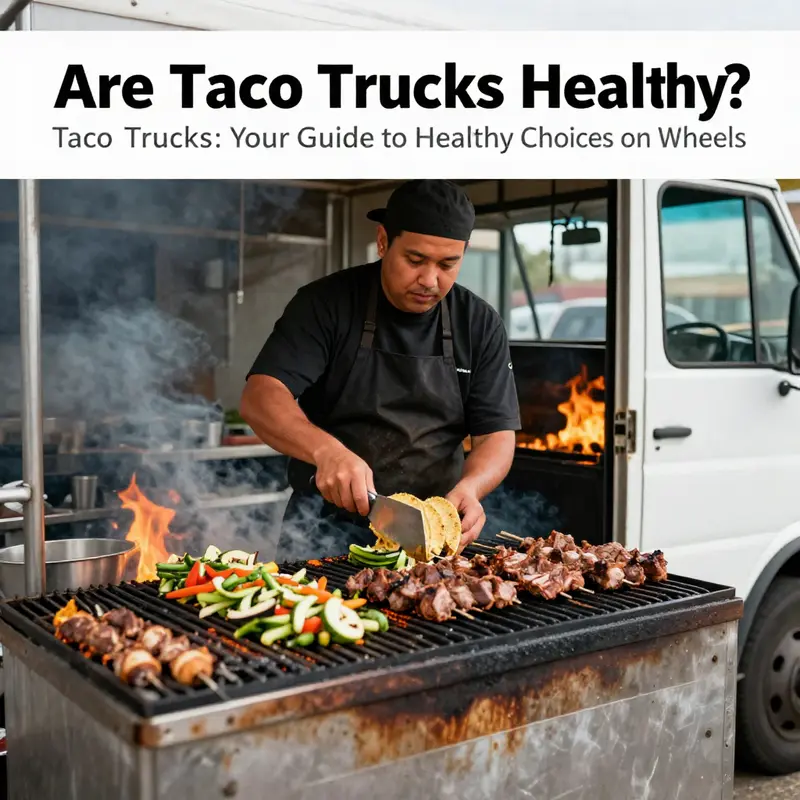
Taco trucks occupy a curious space in the culinary landscape. They promise quick, flavorful meals and the thrill of street-food simplicity, yet what arrives on a plate can swing from nourishing to indulgent in a single order. The healthiness of a taco truck hinges on a handful of intertwined choices: the quality and sourcing of ingredients, the methods used to cook and finish those ingredients, how portions are sized, and, crucially, how transparent the vendor is about what goes into each taco. This chapter does not pretend that all taco trucks are health-conscious; instead, it traces the practical paths that either promote or undermine nutrition, and it asks a simple question with real-world consequence: how does a truck’s technique shape the everyday health impact of the food it serves?
A useful frame comes from historical scrutiny of mobile food safety and quality. A broader review of inspection data from a major urban health department found that roughly a quarter of trucks performed below the top health-safety tier over a recent two-year window. Those figures remind us that sanitation and proper storage can influence the healthfulness of a meal just as much as the ingredients themselves. When we talk about healthy taco options, we must read both the nutrition label and the safety record. It is not enough to assume that fresh mango salsa or grilled chicken automatically makes a dish wholesome; how those ingredients are kept and assembled matters just as much as what they are.
Against that backdrop, the cooking methods a truck favors become a loud signal. Time-saving strategies often come with trade-offs. Many trucks lean on pre-cooked components or very high-heat grilling to move quickly from order to plate. Those tactics can enhance flavor and juiciness, but they can also salt the dish heavily or reduce certain micronutrients if vegetables sit under heat for too long or if meat is finished with abundant oil or heavy sauces. Yet there is a flip side. Some operators have begun to emphasize techniques that preserve moisture and minimize added fats, without sacrificing taste. Consider methods that let fat drip away from the protein, such as spit-roasting, where the natural juices can baste the meat while fat renders and drips off. The result is a leaner protein with robust flavor that doesn’t rely on heavy frying or slick, calorie-dense coatings. Even more striking are sous-vide applications, where proteins cook slowly in controlled temperatures before a quick finish on a hot surface. This approach can tenderize meat without the need for extra fats or processed flavorings, preserving a more natural texture and a broader profile of nutrients.
A growing number of trucks also lean into the principle that fresh, locally sourced ingredients can lift a meal from ordinary to healthier. When produce is harvested soon before use and brought to the truck, it tends to retain more vitamins and minerals than produce stored longer or sourced from distant, less transparent supply chains. Grilled vegetables add not just color and sweetness but fiber and phytonutrients that support satiety and heart health. Black beans, when used as a protein source, supply plant-based fiber and minerals that support digestion and metabolic health. Wild-caught fish, when feasible, can offer lean protein and omega-3 fats that are beneficial for cardiovascular health. In many menus, these elements are paired with plant-forward options and whole-grain tortillas or alternatives that increase fiber and reduce refined carbohydrate load. In short, the health profile of a taco can improve when trucks expand beyond fried fillings and routinely feature vegetables, legumes, and wholesome grains.
The conversation about healthful choices also hinges on how each taco is composed. A well-balanced taco might center a lean protein or a plant-based option, include a handful of vegetables, and rely on a tortilla that contributes whole grains rather than a refined starch. The use of minimal unhealthy fats during cooking—avoiding heavy battering, excessive oil, or sugary sauces—can help keep calories in check while preserving flavor. In practice, this means drivers and cooks who use herbs, citrus, smoke, and dry spice rubs instead of canned sauces with hidden sugars and sodium. When a menu emphasizes fresh salsa, salsas made with tomatoes, onions, peppers, lime, and herbs, and a modest amount of cheese or crema, it can provide a more balanced macro- and micronutrient profile than a heavy tortilla-dripping option. The shift toward plant-based fillings and whole-grain tortillas is particularly notable. Plant-based proteins, beans, vegetables, and whole grains collectively boost fiber intake and can improve satiety, which helps with portion control in a setting where portions are often generous by design.
Of course, no discussion of healthiness is complete without acknowledging the perils of portion sizes and sodium. Street foods can be temptingly delicious in part because portion sizes are designed to satisfy quickly. A large tortilla-wrapped creation can pack more calories than a person intends, especially if it hides a high-sodium spice mix or a creamy topping. In this context, transparency becomes both a nutrition tool and a consumer safeguard. Vendors who clearly list ingredients and provide basic nutrition information—even if just on a chalkboard or a simple QR code—make it easier for customers to gauge what they are about to eat. This is not a demand for perfection, but a call for informed choice. Consumers who prioritize health look for signs that a truck is mindful of these issues: grilled rather than fried proteins, plenty of vegetables, a preference for beans and fish over heavy meats, and a willingness to discuss ingredients when asked.
In the modern street-food landscape, there is an underappreciated but real opportunity in how trucks market themselves to health-conscious diners. A few operators now publish sourcing stories, noting local farms, sustainable catches, or ethical animal husbandry practices. They may also advertise that they offer nutritional information or allergen disclosures. The practice of sharing sourcing and preparation details can serve as a trust signal and a practical guide for health-minded customers. For readers who want to go deeper into the mechanics of food-truck safety and preparation, a practical resource on safety advancements in food trucks offers background on how vendors can minimize risk while maintaining flavor. Safety advancements in food trucks provides a sense of how operators can balance speed, safety, and quality in a mobile kitchen while keeping the guest informed about what’s in their tacos.
All of these threads—cooking technique, ingredient quality, and transparency—cohere into a simple, actionable takeaway: healthy tacos are not a single recipe but a continuum. They depend on the chef’s stove, the cook’s discipline, and the menu’s philosophy as much as on the ingredient list itself. When a truck leans into high-heat, quick-cooking methods without sacrificing the integrity of vegetables and legumes, the result can be both flavorful and nutritionally sound. When a truck adopts slower, precision cooking like spit-roasting or sous-vide, the texture and moisture improve while limiting added fats. When a truck prioritizes fresh produce and whole grains, it expands the possibilities for balanced meals that feel satisfying without tipping the scale toward excess calories or sodium. And when a truck shares its ingredients and offers clear options, diners can actively choose meals that align with their dietary goals.
The practical upshot for readers who want to evaluate a taco truck in real time is straightforward. Look for evidence of fresh ingredients and visible produce on the menu or in daily specials. Notice whether the cooking method favors grilling, roasting, steaming, or sous-vide rather than deep-frying. Check for a reasonable portion approach; a balanced taco should deliver protein, vegetables, and a tortilla that contributes meaningful fiber rather than simply padding caloric intake. Most importantly, seek transparency. If a truck can discuss where ingredients come from, how meals are prepared, and whether nutrition information is available, it becomes easier to choose options that fit a healthful framework rather than simply a crave-driven impulse.
Taken together, the picture that emerges is nuanced but hopeful. Taco trucks can present a compelling health-forward choice when the operators prioritize cooking methods that preserve nutrients, use lean or plant-based proteins, and rely on fresh vegetables and whole grains. The very act of moving toward healthier techniques—whether by adopting spit-roasting, embracing sous-vide finishes, or simply emphasizing grilled vegetables and beans—signals a shift in street food culture toward more thoughtful, nourishing meals. It is not a guarantee of health in every bite, but it is a credible pathway to meals that deliver flavor without sacrificing well-being. For diners who want to approach this with discernment, a combination of observing preparation style, requesting ingredient details, and favoring trucks that publish information can transform a quick bite on the run into a more deliberate, balanced choice.
For readers craving a broader framing of how taco-truck cuisine has evolved and what it means for health, the Los Angeles Times provides a comprehensive look at the movement and its culinary arcs. A beginner’s guide to taco trucks offers context on how street vendors have adapted to changing tastes and nutrition expectations, complementing the discussion above with a historical and practical lens. See the external resource here: https://www.latimes.com/food/story/2019-05-23/a-beginners-guide-to-taco-trucks.
Are Taco Trucks Healthy? Reading Portion Reality, Ingredients, and Practices Across Street Food
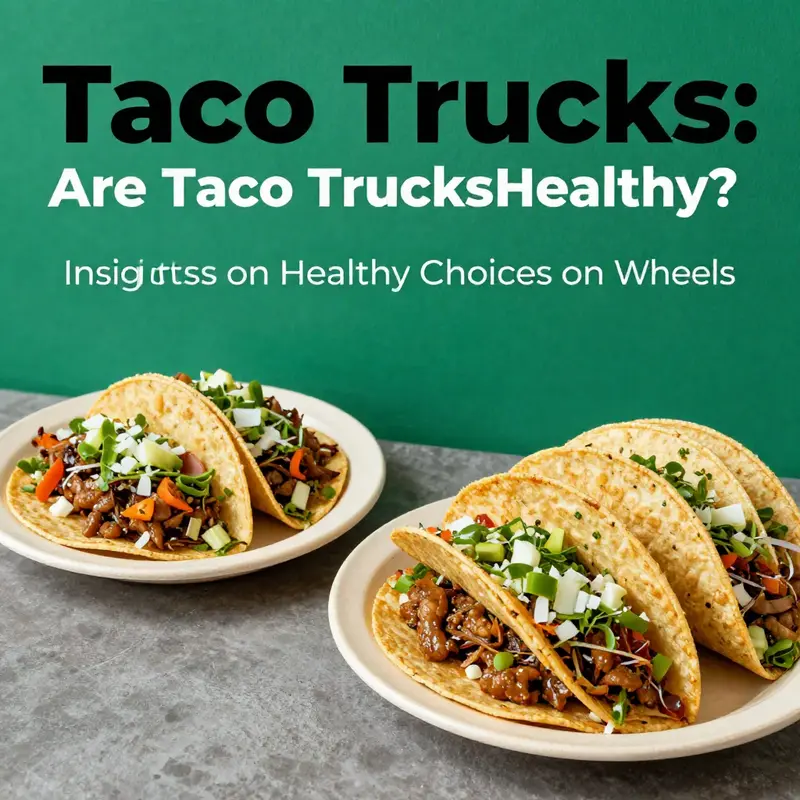
Taco trucks have earned a devoted following for their speed, flavor, and the sense of discovery that comes with chasing a sizzling cart to a curbside window. Yet the question of healthiness remains nuanced. It isn’t a simple yes or no, but a ledger that weighs the quality of ingredients, how they’re prepared, how much is plated, and how well the vendor manages sanitation and safety. In other words, a taco truck can be a nutritious choice on some days and a less-healthy indulgence on others, depending on the specifics of what you order, how much you eat, and the practices behind the scenes. This chapter considers those variables in a way that keeps the larger question in view: can you eat well from a taco truck without sacrificing convenience or taste? The answer hinges on several interconnected factors that shift from one vendor to another, making mindful selection essential for anyone who wants street food to align with a balanced diet.
A useful baseline comes from an unexpected but telling source: a 2016 survey of health inspections in a major municipal system. It found that about 27 percent of food trucks received lower than an A grade over the prior two years. That statistic is not a verdict on every nomadic kitchen but a reminder that health inspection outcomes reflect a vendor’s overall hygiene, food safety practices, and storage discipline. It signals that healthiness, in practice, isn’t only about the ingredients chosen but about how those ingredients are handled from the moment they’re purchased to the moment they’re plated and served. When sanitation or proper cold storage falters, the risk of foodborne illness increases—an outcome that undeniably affects how we interpret a truck’s healthfulness, independent of whether the food itself is nutrient-dense or calorie-dense.
Beyond safety, what actually lands on a taco truck plate tends to pull in opposite directions on the health spectrum. The standard offerings — soft corn tortillas wrapped around meat, cheese, and sauces — are often rich in calories, saturated fat, and sodium. The description of many meals, as highlighted by introductory explorations of taco trucks, points to portions that feel oversized in everyday terms. A tortilla that’s larger than you might expect, filled with a hearty protein, some cheese, and a few add-ons, can pack a surprising calorie wallop. Add on sauces and sides that tilt toward higher sodium or added fats, and the meal becomes a test case in portion awareness. A single choice can unintentionally push daily targets for calories, sodium, and saturated fat beyond what a typical day’s meals would reasonably allow. That said, this is not a condemnation of all street tacos; it’s a reminder that portion size matters, especially when the goal is a meal that can support ongoing dietary balance.
A related, sometimes overlooked fact concerns the broader patterns of fruit and vegetable intake in this sector. Research focusing on loncheras and similar Latino fast-food outlets has found that these venues often underdeliver on fruits and vegetables relative to more nutrient-balanced meals. It’s not that mobility in the culinary landscape is inherently at odds with produce; rather, it reflects menu design and cost structures that historically favored meat- and cheese-forward fillings over plant-based additions. The gap underscores a practical truth: even when a truck offers a vegetable-rich option, it’s not guaranteed to be the default or the most prominent choice. For diners aiming for balance, that means actively seeking trucks that foreground vegetables or provide clear ways to increase produce in a meal—without sacrificing flavor.
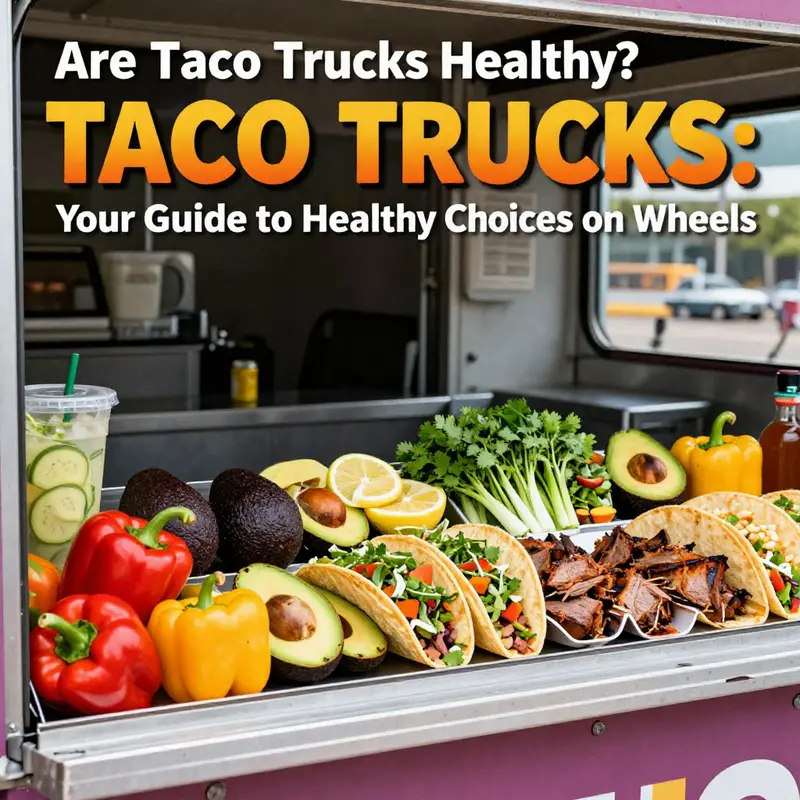
Yet the evolving street-food scene has recognized this gap and is gradually steering toward healthier possibilities. Today’s food trucks can be as flexible as any quick-serve operation, with customizable menus and scalable portions that accommodate diverse dietary preferences. The trend toward wellness-flavored menu design means more trucks are offering low-carbohydrate options, plant-based proteins, and reduced-sodium toppings, alongside the traditional favorites. Grilled rather than fried proteins, whole-grain alternatives or even lettuce-wrapped tortillas, and a deliberate emphasis on vegetables can transform a typically indulgent plate into something more nutritionally balanced. The shift is not about eliminating flavor or convenience; it’s about reconfiguring what “healthful” looks like in a mobile kitchen. A well-constructed option might feature grilled chicken or plant-based protein, a bed of vegetables, a lean tortilla alternative, and a modest portion size that honors both appetite and daily guidelines.
From a consumer’s perspective, healthful choices become easier when a truck is transparent about its sourcing and its cooking methods. A vendor that highlights fresh ingredients, offers simple, understandable nutrition information, or clearly explains their grilling or sautéing approaches earns a different level of trust. When a menu allows you to swap fried elements for grilled ones, trade in refined grains for whole-grain or leafy alternatives, and pile on the vegetables, the same plate can morph into a more healthful option without sacrificing taste. Even the texture and aroma of a well-prepared grilled filling can be more satisfying than its fried counterpart, which tends to carry more unhealthy fats and calories. The art of the healthier taco then becomes a practice in mindful customization.
Within this framework, the role of portion control becomes central. A truck’s ability to serve consistent, appropriately sized portions is not just a matter of customer satisfaction; it is a matter of public health, too. Large, oversized portions do not inherently guarantee value or flavor; more often, they push diners toward consuming well beyond their daily needs in a single meal. A practice that supports healthier outcomes is precisely measured serving sizes, with options to customize down if one is watching intake or up if more calories are desired for particularly active days. The combination of portion control and customization makes it feasible to enjoy street-taco culture while staying mindful of health goals.
To connect these ideas with practical navigation, consider the option to consult a resource that highlights safety and practice improvements in mobile kitchens. For readers who want a deeper dive into how safety standards and procedures are evolving in the truck world, a post on safety advancements in food trucks offers a useful companion read. It provides context for why sanitation, storage, and cross-contamination prevention matter not just for safety but also for the overall quality of what ends up on your plate. You can explore that discussion here: Safety advancements in food trucks.
The spectrum of healthiness in taco trucks, then, is not fixed. It bends with what you order, how you order, and the behind-the-scenes discipline of the operating team. The best approach for diners who want to eat well on the go is to view each truck as a potential partner in health rather than a static source of convenience. It requires a little diligence: noticing how a truck markets its ingredients, whether it offers a transparent view into nutrition or sourcing, and whether the cooking methods align with a preference for grilled or baked rather than fried options. Above all, it means being prepared to tailor a meal, rather than accepting the default build of a dish that was designed for speed and flavor with less attention to portion balance.
As street food continues to intersect with wellness trends, the healthy taco experience becomes less of an exception and more of a standard for many operators. A growing number of trucks are experimenting with fiber-rich sides, nutrient-dense fillings, and vegetables that are not merely an afterthought but an integral part of the dish. The practical upshot is that you can have a satisfying, flavor-forward taco that also aligns with a broader health mindset—so long as you approach the meal as a customizable, accountable choice rather than a one-size-fits-all solution. This is where customers, vendors, and public health know-how converge: healthful street food is increasingly about transparency, portion control, and responsible cooking practices, all of which can coexist with the vibrant, convivial energy that makes taco trucks so beloved.
External reference: https://www.latimes.com/food/story/2019-05-23/a-beginners-guide-to-taco-trucks
Are Taco Trucks Healthy? How Sanitation and Health Standards Shape Street-Food Safety on the Move
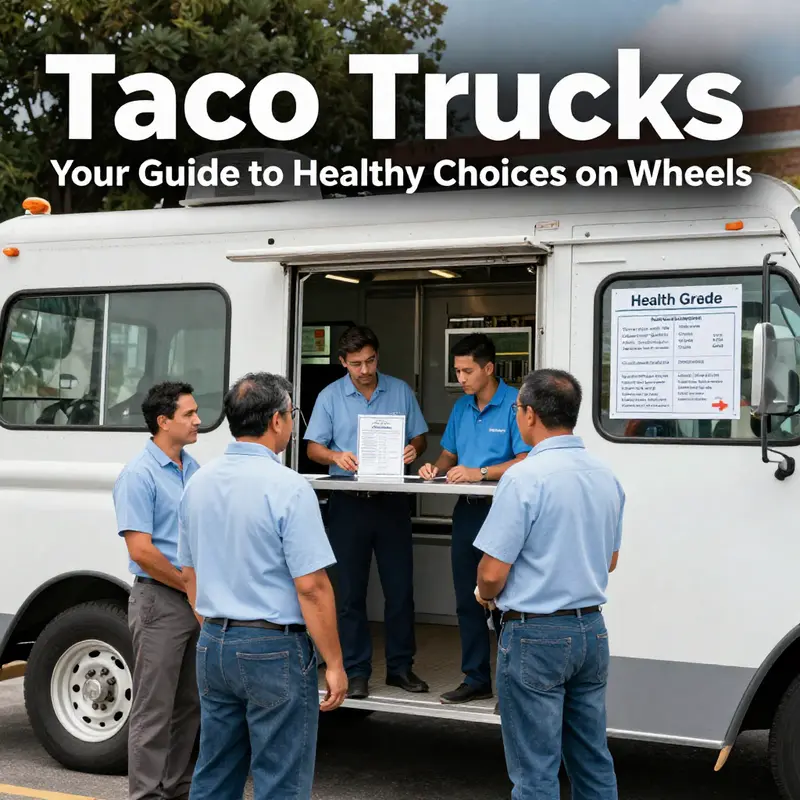
On a sunlit street corner, a taco truck becomes more than a cooking station. It becomes a brief, mobile restaurant where aromas thread through the air, and a line of mixed hopes—desire for flavor, craving for convenience, and a tinge of caution about safety. The romance of street food is real: the sizzle, the speed, the sense that a simple tortilla can carry a story. Yet health is the quiet counterbalance in this landscape. Nutrition and taste matter, but sanitation and adherence to health standards quietly determine whether a meal is a harmless indulgence or an injury waiting to happen. The question, then, is not merely whether taco trucks can be delicious, but whether they are reliably clean and safe in the practices that surround cooking, storage, and service, every single day on the move.
A useful lens for this discussion comes from a broader pattern observed by health authorities: mobile vendors operate under conditions that can complicate sanitation while amplifying the potential reach of any lapse. A 2016 review of data from the Los Angeles County Department of Public Health found that about 27% of food trucks received lower than an A grade in health inspections over the previous two years. Those figures signal that, across a busy, urban ecosystem, there are trucks slipping below peak safety thresholds. They are not a verdict on every vendor, but they illuminate a critical truth: sanitation is not a cosmetic add-on; it is the backbone of safe street food. The same data remind us that a good menu cannot compensate for poor hygiene practices.
Sanitation, in practice, is a chain of daily routines rather than a single act. It begins with the most basic infrastructure: clean handwashing facilities, a steady supply of soap, and a protocol for when gloves are appropriate or necessary. It continues with the discipline of proper food storage—keeping perishable ingredients at the correct temperatures, avoiding cross-contamination between raw and ready-to-eat items, and checking that the cold chain remains intact from purchase to plate. It also extends to the day’s work rhythm: surfaces wiped down between tasks, utensils kept clean and separated, sanitizers replenished, and waste removed so that the operation does not become a breeding ground for bacteria or pests. When these elements falter, it becomes easy for unsafe conditions to creep in, no matter how fresh the avocados or how bright the salsa may look. The 2016 inspection snapshot is not a condemnation of every truck; rather, it is a timely reminder that sanitation is the baseline on which all flavor and nutrition must stand.
In parallel with the cautionary data, there is a parallel story about rising professionalism in the mobile-food sector. Across many markets, more taco trucks are adopting standards that resemble traditional brick-and-mortar operations. They invest in better equipment, formal training for staff, and transparent compliance with local health regulations. The visible signs of this shift include designs that support hygiene at the point of preparation: integrated refrigeration within the truck, sealed, easy-to-clean prep surfaces, and corrosion-resistant materials that resist the daily wear of street-duty life. These features matter because they directly influence how safely food is stored, prepared, and served under variable street conditions. When a unit is well designed, it helps prevent common problems like improper cooling, messy work environments, and inconsistent cleaning schedules. The modernization trend is also visible in the broader market for used trucks, where suppliers in various regions offer turnkey, compliance-ready configurations. This means new operators can step into a safer operational framework rather than improvising with makeshift setups that are prone to safety gaps. The move toward professionalized mobile units signals a quiet revolution: as safety becomes easier to maintain through design, the risk of sanitation lapses decreases.
To understand how this evolution influences everyday choices, consider the role of due diligence. Consumers and regulators alike benefit when a truck can show its hygiene story in a transparent way. That means looking beyond the menu and asking about recent health inspections, staff training, and posted cleaning schedules. In jurisdictions where inspection scores are published online, a truck that can discuss its practices with candor often earns trust. In this context, it is reasonable to expect that a well-run truck will have a clear routine for cleanliness and food handling, and the confidence in that routine grows as the operation codes its practice into the daily ritual of service. The broader implication for the public is straightforward: sanitation is a signal about reliability. A truck that demonstrates consistent cleanliness and accountability tends to deliver not only tasty bites but a safer experience overall.
The industry’s momentum toward improved safety is not a distant aspiration; it is visible in how trucks are built and operated. Equipment matters as much as a recipe. Modern, safety-minded kitchens on wheels use design principles that reduce clutter, separate raw and ready-to-eat tasks, and streamline cleaning. The integration of water systems fosters better hygiene, ensuring that handwashing and utensil cleaning can occur without sacrificing speed during busy periods. When equipment is thoughtfully chosen and maintained, the kitchen breathes easier; cooks can focus on technique and flavor, while the safeguards around sanitation stay in view rather than becoming an afterthought.
For consumers who want to navigate this landscape with greater clarity, practical steps can blend healthy skepticism with street-food enthusiasm. Seek trucks that emphasize fresh ingredients and local sourcing, where possible, and look for those that provide nutritional transparency or clearly communicate cooking methods. Grilling and steaming typically present healthier alternatives to deep-frying, particularly when portions are sensible and fillings emphasize vegetables, whole grains, and lean proteins. A truck that invites questions about sourcing, preparation, and safety protocols signals a culture of responsibility rather than mere speed. In this dynamic, the choices you make are not only about taste but also about the conditions that shape how a meal is created. When you see visible cleanliness, watchful staff, and a track record of safe handling, you gain more than a satisfying bite—you gain a measure of assurance about the process behind it.
The evolving story of taco trucks is not to romanticize risk-free dining on wheels. It is to recognize that healthful street food is increasingly achievable when sanitation and standards are treated as core values, not afterthoughts. The shift toward professionalize mobile units, the emphasis on proper storage and cleaning practices, and the growing willingness to disclose safety information together compose a more trustworthy environment for street dining. This is not a rebuke of the craft, but a celebration of how accountability and culinary creativity can coexist. The result is a street-food scene that offers both flavor and confidence, so diners can savor the experience without sacrificing peace of mind.
As neighborhoods continue to embrace quick, flavorful options, the conversation about health in motion will keep evolving. The best future for taco trucks lies in a culture where sanitation is ingrained in every shift, where training is ongoing, and where regulation supports both safety and innovation. The practical takeaway for readers is simple: choose trucks that show a genuine commitment to cleanliness, ask about preparation methods, and read inspection histories when possible. By valuing these signals, you contribute to a street-food ecosystem that thrives on flavor and safety alike. Regulators must, in turn, sustain rigorous oversight that protects public health while allowing culinary experimentation to flourish, so that a single night-blackened chip and a bright lime wedge can coexist with a reliable, clean kitchen on wheels.
For a deeper dive into the topic of sanitation in mobile operations and the broader implications for public health, see the discussion around health inspections in food trucks: https://www.foodsafetynews.com/2016/05/the-dark-side-of-trendy-food-trucks-a-poor-health-safety-record/.
Healthy on Wheels: Navigating Nutrition and Hygiene in the Taco Truck Ecosystem
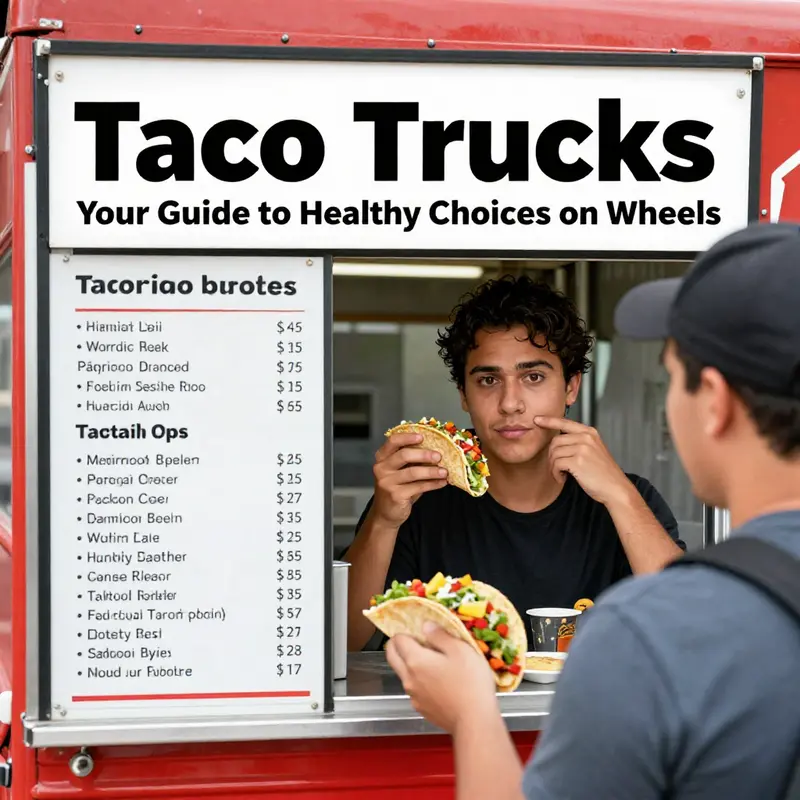
The image of a taco truck rolling into a sunny curbside scene conjures up appetite and convenience, not necessarily a verdict on health. Yet the question “are taco trucks healthy?” deserves a careful, layered answer. Healthiness is not a universal label but a spectrum shaped by vendor choices, ingredient sourcing, and how food is prepared. On one end, a truck can deliver bright, nutrient-dense meals with lean proteins, colorful vegetables, and wholesome grains. On the other, meals can be rich in calories, sodium, and saturated fats when fried components, processing shortcuts, or heavy sauces take center stage. This tension is not new, but it has sharpened as urban food scenes mature and consumer expectations evolve. A 2016 review of LA County health inspections, reported through a Los Angeles Times examination, found that roughly 27 percent of food trucks received lower than an A grade over the prior two years. The takeaway was not that all mobile vendors are unsafe, but that hygiene and food safety practices vary widely. Poor sanitation, improper storage, or lapses in basic kitchen discipline can undermine even high-quality ingredients. The real question becomes about transparency, practice, and the choices diners make when confronted with a crackling grill and vibrant toppings.
The reality today is more nuanced than a simple yes or no. In many vibrant food scenes, such as in Austin and other wellness-conscious urban pockets, taco trucks have evolved into culinary hubs that foreground freshness, locality, and balance. The shift often centers on ingredients: farmers’ market–mresh produce, lean proteins, and vegetables that color every plate with flavor and fiber. Whole grains and alternative tortillas have gained traction, and there is growing menu thinking around less reliance on fried items. A grilled fish taco crowned with avocado and a crisp cabbage slaw can deliver a meal that is satisfying and nutritionally respectful when portion sizes stay reasonable and sauces stay in check. This is not universal, but it signals a direction where quality and health are part of the conversation rather than an afterthought. The choices offered by taco trucks today can provide a spectrum of options for someone balancing calories, sodium, fat, and micronutrients, rather than forcing a binary judgment about “good” or “bad” food on the go.
To understand where healthiness tends to emerge, it helps to anchor the discussion in a few core principles. Ingredient quality and sourcing are foundational. When trucks publish where ingredients come from, whether produce is organic or locally sourced, and how meats are raised, they give customers a clearer sense of what they’re consuming. Cooking methods matter just as much as ingredients. Grilling, steaming, or roasting generally preserves more nutrients and reduces added fats compared with deep-frying. Portion control also plays a major role; a large mountain of toppings and oversized tortillas can erode a seemingly wholesome choice into a high-calorie indulgence. Finally, transparency in preparation practices—the visibility of cooking lines, hand hygiene, and handling procedures—acts as a proxy for overall safety and quality. When a vendor is open about these aspects, it’s easier for diners to align their meals with their health goals. Evidence of public interest in such transparency is visible in a growing number of trucks that post ingredient lists, nutrition information, or sourcing details on social media and mobile apps. The effect is not merely about information; it’s about building trust and enabling informed decisions in a fast, portable dining environment.
From a consumer psychology perspective, the burden of choosing healthier options in a taco truck context rests with the diner who wants flavor without guilt. There is a cognitive ease in grabbing what looks tasty, and sensory appeal—smoky grill, bright cilantro, tangy salsa—can vault taste above nutrition in the moment of choice. Yet when the menu also communicates healthier defaults—grilled proteins instead of fried ones, corn or whole-wheat tortillas instead of refined options, and a crowd-pleasing vegetable-forward lineup—the decision set becomes genuinely healthier. This is not about sacrificing satisfaction; it’s about designing the plate with the same care chefs give in a sit-down restaurant, but with the portability and freshness that define street food.
The evolution of standards over time compounds the effect. Today, many trucks in dynamic food neighborhoods actively cultivate a reputation for quality and authenticity. They emphasize fresh, locally sourced ingredients, lean proteins, and seasonal vegetables. They might build menus around a protein like grilled fish or chicken, season generously with herbs, and offer sides that emphasize texture and nutrition, such as cabbage slaw dressed lightly with citrus rather than heavy mayonnaise. Whole grains, when available, can appear as brown rice, quinoa, or even corn tortillas that keep fiber counts higher than white flour tortillas. These approaches create meals that feel satisfying while aligning more closely with broader dietary guidelines that emphasize variety, balance, and mindful portions. The result is not a single perfect option but a range of healthier choices within a mobile, convenient format.
For diners who want to engage critically with what they’re eating, a few practical habits can tilt the balance toward healthier outcomes without sacrificing flavor. First, look for transparency. A truck that announces its ingredients, sourcing, and even basic nutritional information demonstrates a commitment to helping customers make informed choices. Second, prefer grilled over fried whenever possible. A marinade or dry rub can add depth without deep-fat calories, and grilling tends to reduce added fats while keeping proteins juicy. Third, opt for whole-grain tortillas or lettuce wraps when they’re available. These substitutions can meaningfully increase fiber intake and reduce refined carbohydrate loads. Fourth, consider asking for less cheese, fewer sauces, or a lighter use of oil. Sauces can be caloric culprits and high in sodium, and a simple request can bring down the energy density of a meal significantly. Finally, observe cleanliness as a barometer of quality. The presence of clean utensils, tidy prep areas, and visible hand-washing practices doesn’t guarantee health, but it strongly correlates with higher operational standards. In practice, these shifts are not about depriving oneself of the joy of street food but about choosing meals that align with longer-term wellness goals while still delivering vibrancy and variety.
As this landscape evolves, the conversation around safety and quality becomes more than a cautionary note. It is becoming part of the dining experience in its own right. Many vendors now publish profiles that detail their sourcing networks, their kitchen practices, and the steps they take to ensure freshness and safety. This transparency reflects a broader cultural shift toward accountability within mobile food service. It also provides an opportunity for consumers to reward practices that align with health priorities. When a truck demonstrates consistent hygiene standards, uses fresh ingredients, and offers healthier choices, it signals a model that other vendors may emulate. In turn, this creates a healthier ecosystem overall, where the emphasis on safety and nutrition is part of brand value rather than a compliance obligation.
To integrate these ideas into everyday choices, consider this gentle framework: seek out trucks with visible commitment to safety and quality, welcome menus that highlight grilled or baked preparations, and favor offerings that provide vegetable-forward options and minimal processed ingredients. These cues often reflect a vendor that recognizes the responsibility embedded in serving meals on wheels to a diverse audience with varied dietary needs. The culture around these choices matters, too. People who frequent trucks that emphasize fresh ingredients and clear preparation practices contribute to a social norm that values health without sacrificing the joy of bold flavors. It is this cultural shift—where health literacy and culinary creativity go hand in hand—that makes the mobile dining scene a viable, even inspiring, option for those who want both convenience and well-being.
A practical note for readers following along in their own communities: you may encounter trucks that publish ingredient lists or provide nutrition details on social media, apps, or at the serving window. If you see such transparency, it is a strong indicator of a vendor that prioritizes accountability. If you do not, you still can ask questions about sourcing, cooking methods, and portion sizes. The simple act of asking can encourage better hygiene and more mindful preparation practices. And when you combine inquiry with a preference for grilled proteins, vegetable-forward fillings, and less fatty toppings, you shape the menu toward healthier outcomes over time.
In the end, the question of whether taco trucks are healthy does not rest on a single factor but on a constellation of choices, practices, and priorities. The broader lesson is that healthfulness in this arena is achievable, but it requires mindful selection and a willingness to support vendors who invest in safety, transparency, and balanced nutrition. For consumers who want to deepen their understanding and keep pace with ongoing improvements in the street-food landscape, the evolving movement toward safety-enhanced, ingredient-driven menus is worth following. You can explore more about how the industry is advancing its safety practices at Safety Advancements in Food Trucks. As you taste and compare, remember that a healthy taco experience is not a compromise but a fusion of flavor, balance, and responsible preparation.
For broader guidelines on food safety practices and how to evaluate mobile food vendors, see the CDC’s Food Safety page: https://www.cdc.gov/foodsafety/index.html
Final thoughts
As taco trucks continue to fill our streets with delicious aromas and lively colors, understanding their healthiness becomes essential for enjoying them guilt-free. Ingredient quality, cooking methods, portion sizes, sanitation, and consumer awareness all intertwine to influence the overall health benefits of taco truck dining. By making informed choices and seeking out trucks that prioritize fresh, healthy ingredients and good sanitation practices, you can relish every flavorful bite while nourishing your body. So the next time you find yourself in front of a taco truck, embrace the excitement of the culinary adventure ahead and take pride in savoring healthy choices on the go!