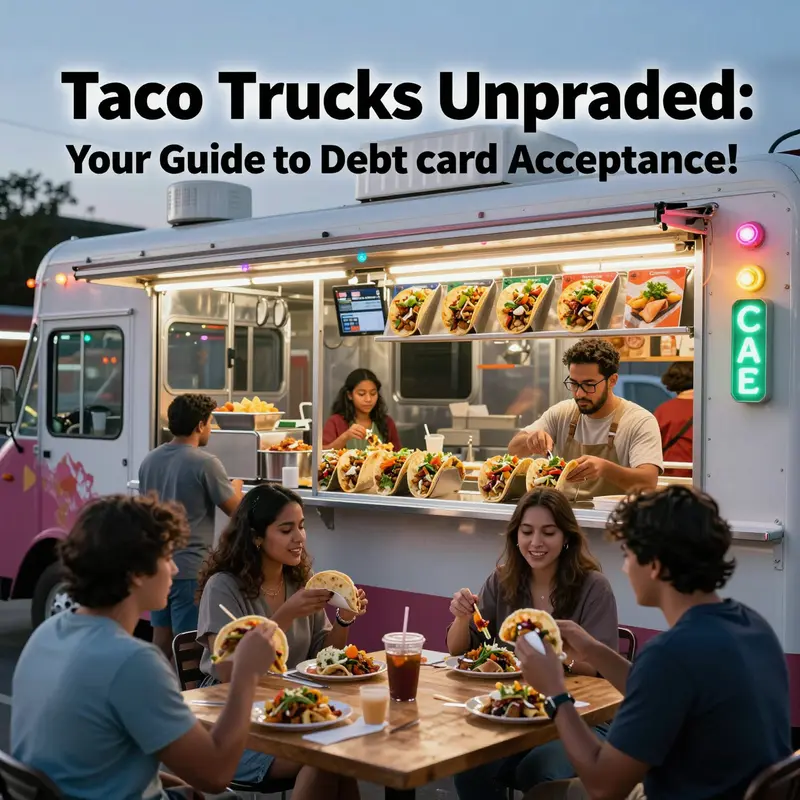
Taco trucks have long been a beloved aspect of culinary street culture, serving mouthwatering tacos on busy sidewalks and at vibrant events. As technology advances, so too has the way we pay for our favorite food. Are you a taco lover who relies on debit cards? Or perhaps an event planner looking to cater seamlessly? In this article, we dive into how payment methods at taco trucks have shifted from cash to cards, the impact on consumers, and the tech trends shaping these beloved eateries. Join us as we explore how these changes not only affect your wallet but enhance the overall taco experience!
Swipe, Tap, and Tacos: The Cashless Transformation of Taco Trucks
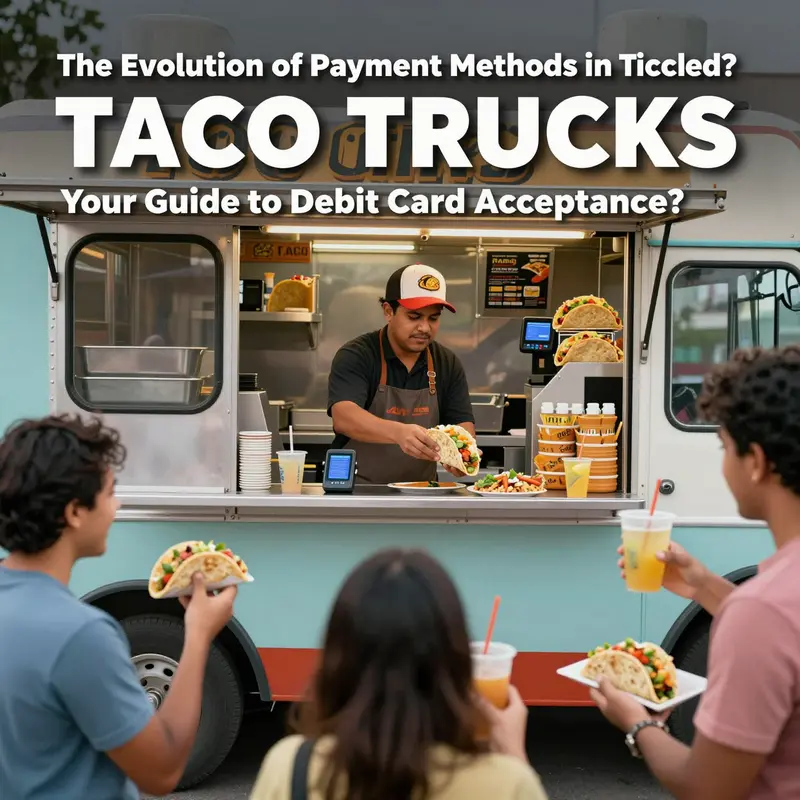
The evolution of payment methods on taco trucks mirrors a wider shift in how people expect to pay for street food: quickly, securely, and with options that fit a mobile, on-the-go lifestyle. For years, many of these fledgling culinary businesses relied on cash as the simplest, most familiar means of exchange. Cash has a low barrier to entry: no merchant account, no card-reader, no monthly fees. But it also invites frictions—lost bills, incorrect change, and delays as customers fumble for coins or run back to the truck with a quick apology for running short on small denominations. In neighborhoods where lines form around the block and meals are a daily ritual, those delays can turn into a subtle, cumulative cost in customer satisfaction and repeat business. As consumer habits have evolved, so too has the appetite for faster, more flexible checkout options. The preference for speed and convenience, especially among urban diners who juggle busy schedules, has driven many operators to explore digital payment options. The core idea is simple: reduce the friction between decision and purchase, and make the act of ordering a meal as seamless as possible. When a customer can simply tap or wave a device and have the transaction completed in a breath, the experience feels almost frictionless. This is not merely a matter of keeping up with technology; it’s about aligning the business model with how people move through modern city life, where transactions are often completed in a social micro-moment rather than long pauses at the front of a line. In practice, this means equipping the truck with portable payment terminals that can process debit and credit cards, as well as contactless payments and mobile wallets. The devices themselves are designed to be small, rugged, and easy to operate on a windy curb, on a crowded street, or in a sunlit lot at midday. They connect to a secure network, serialize each sale, and issue a receipt if the customer wants one. The shift toward card-enabled carts is often incremental rather than universal. Some operators test the waters with a single device, watching how customers respond on busy weekends, while others roll out a full system to ensure every sale can be completed without cash handling. The incremental approach helps address two practical concerns: initial equipment costs and ongoing transaction fees. A low-cost, portable payment terminal lowers the barrier to entry for a cash-based business that might otherwise fear a daunting upfront investment. Once the device is in place, the ongoing costs come into sharper focus. Processing fees, gateway charges, and potential monthly service payments are real considerations for a small operator who is balancing food costs, labor, fuel, and permit fees. Yet even here, the calculus can tilt in favor of card acceptance when you consider the other side of the ledger: the revenue that comes from expanded access. A broader payment net means more patrons can buy, and more purchases tend to translate into higher average tickets as customers add sides or beverages simply because the purchase feels smoother and more convenient. The ability to pay by card can also improve the accuracy of sales data. With digital transactions, a truck can see real-time trends—what times of day generate the most card sales, which menu items prompt more impulse buys, and how weather or events influence demand. Those insights are powerful for a kitchen that is designed to be nimble, adjusting portion sizes, staffing, and supply orders to match demand with less guesswork. The operational ripple effects extend beyond the cashier window. When a vendor moves from cash-only to card-enabled, the need for change management—handling float, reconciling end-of-day totals, and securing cash—diminishes. For a compact operation, the reduced cash handling can improve safety, speed up shifts, and lower the risk of miscounts. This shift also nudges the customer base toward a broader audience. Cash-only carts tend to attract a local, in-person regulars’ crowd who value tradition and simplicity. Card-enabled carts can welcome travelers, festival-goers, students, professionals in transit, and visitors who prefer digital receipts or loyalty tracking tied to a single account. The expansion of customer reach, in turn, can influence the geographic footprint of a cart’s operations. In denser urban centers, where foot traffic is high and the pace of life is quick, digital payments become a practical necessity. In more residential or smaller-market settings, cash remains a practical default, especially where the vendor’s existing network of suppliers and permit regimes favors minimal equipment and lower overhead. The variation in acceptance across the country reflects this spectrum. Some operators in larger markets have embraced card processing as a standard feature, while numerous independent carts still rely on cash transactions. This inconsistency is not merely a reflection of money matters; it signals a broader industry pattern: the move toward digital payments is real but uneven, contingent on factors such as location, audience, available capital, and the vendor’s risk tolerance. If you want to understand the current state of play, it helps to look at the everyday confirmations patrons post on social media or review platforms. A review from a few years back can feel like old news because policies can flip quickly as new devices are adopted or as fees shift. The practical upshot is simple: for the most accurate picture, check directly with the vendor, read the latest customer notes, and consider the broader neighborhood context. The digital footprint surrounding a taco cart—the tiny website, the social updates, the response to a storm or a festival crowd—often reveals more about payment capabilities than a static storefront page ever could. The role of community-sourced information is especially important for mobile vendors that operate in pop-up formats or at events. In such settings, the ability to meet customers wherever they are, and to process their payments wherever they set up, becomes a defining feature of the business. Portability isn’t just about the cart’s wheels; it’s about the flexibility of payment acceptance. A robust, portable system allows a cart to serve a queue in a market, a street festival, a university campus, or a night market district without sacrificing speed or security. A key benefit here is speed: a buyer can complete a transaction in the time it takes to hand over a taco, leaving the line moving briskly and the vendor free to serve the next order. The customer experience then becomes more than a single purchase; it becomes a dependable routine. People who once carried cash for a weekly fix may begin to rely on card payments as their default, simply because the friction of paying is lower and the return is a more reliable, trackable purchase. This is not a universal embrace of card-only commerce. A substantial minority of carts still function cash-first, and a few explicitly avoid card payments, either due to the upfront costs, the ongoing fees, or the complexity of integrating payment data with inventory and receipts. The persistence of cash-only carts underlines a larger truth: technology adoption in street food is a process, not a switch. The story of taco-truck payments is one of gradual integration rather than abrupt replacement. It is shaped by both the practicalities of running a mobile kitchen and the evolving expectations of customers who value speed, convenience, and versatile payment choices. What’s happening on the ground is not only a reflection of what customers want, but also a reflection of what vendors can manage financially and operationally. The conversation surrounding this topic is alive on digital platforms where patrons post updates about whether a cart accepts debit or credit cards. These platforms act as a living record—one that can help a curious eater decide where to eat on a given day and which carts to chase across a neighborhood for the best combination of flavor and checkout experience. A quick scan of reviews or posts often reveals the last time a cart updated its policy, the kind of device they use, and whether they support contactless or mobile-wallet transactions. In this way, the street-food economy becomes a collaborative, crowd-informed market. The city itself becomes a laboratory for payment experimentation, with different blocks offering different mixes of accepted methods. Vendors weigh the trade-offs in real time: the lure of a wider customer base, the burden of fees and maintenance, and the need to keep lines moving during peak hours. Those decisions ripple outward, influencing how menus are designed, how staff are trained to handle devices, and how marketing messages are framed to reassure customers that their preferred method of payment is available. The broader implication for consumers is empowerment. The ability to choose how to pay—not just what to eat—adds a layer of convenience that complements the sensory experience of the food. When a line is long and time is precious, paying by card can transform an ordinary lunch into an efficient, repeatable habit. For operators, the shift invites strategic thinking about how to modernize operations without losing the soul of a street-food experience—the quick service, the tactile connection between cook and customer, and the shared ritual of collecting a warm meal from a bright, mobile kitchen. As payment technologies continue to evolve, so too will the expectations around what constitutes a satisfactory transaction at a taco cart. It’s reasonable to anticipate broader adoption in areas where foot traffic is dense and competition among carts is intense, while other markets may move more slowly due to cost structures or regulatory considerations. The future may bring even more flexible options, from programmable receipts to loyalty incentives tied to digital accounts that customers can manage from their smartphones. Yet for all these changes, the core experience remains the same: a chef, a skillet, a line of hungry patrons, and a shared appetite for something fresh and flavorful. The question, Do taco trucks take debit cards, is increasingly less about an either/or choice and more about a continuum. Some carts will continue to rely on cash as their primary method, while others will feature a fully integrated, card-friendly ecosystem. The most successful operators will be those who balance the realities of running a mobile business with a customer-centric approach to checkout, ensuring that every guest can order quickly, pay smoothly, and walk away with a memory into which the moment of payment fits as naturally as the taste of the food. For readers seeking the most current snapshot, local social posts and review entries remain valuable. They capture the day-to-day shifts and the evolving language of payment acceptance in the field. If you want a sense of how this plays out in practice, you can explore ongoing discussions and updates in the broader street-food community. For instance, a recent discussion thread aggregates user experiences and updates on which carts have embraced card payments across neighborhoods, offering a real-time pulse check that complements the more formal sources. As with any dynamically evolving practice, the best approach for curious diners is to check in with the specific cart before you visit. A quick online check—via the cart’s page, if available, or recent posts on social channels and review sites—can confirm whether debit or credit payments are accepted on the day you plan to stop by. The landscape is not static; it shifts with the same rapidity that a cart shifts gears to chase a warm, fresh batch of tortillas from the grill. The bottom line is straightforward: card acceptance in taco trucks is increasingly common, particularly in busy urban zones, but it remains uneven across the entire sector. Consumers who prize efficiency and universal accessibility will likely encounter more carts that welcome card payments in the years ahead, while a smaller subset will cling to cash-first operations for reasons of cost, simplicity, or personal preference. This evolving reality invites both diners and vendors to participate in a dialogue about how street food can stay vibrant while embracing the benefits of digital payment methods. For those curious to explore how this topic threads through related discussions and models of truck operation, see this resource on the broader framework of fast, mobile food entrepreneurship: top-food-truck-models-for-entrepreneurs. And for readers seeking a broader snapshot of user experiences, review platforms like Yelp offer up-to-date examples of how carts handle debit and card acceptance in real time, reflecting the lived reality of both customers and sellers on the curb. External reference: https://www.yelp.com
Swipe or Cash? The Card Revolution Reshaping the Taco Truck Frontier
The question of how taco trucks handle payments cuts straight to the heart of street food’s evolving economics and the way urban dining habits meet pocketbook routine. Across city corners and weekend pop-ups, the taco truck scene presents a microcosm of how small businesses adapt to technology, customer expectations, and the friction points that come with running a mobile operation. In many ways, this is less about a single choice between cash or card and more about a spectrum of pragmatic decisions that determine speed, reliability, and future growth. For decades, economics and risk management pushed many operators to favor cash, even as the wider economy moved toward digital transactions. The result was a lane of the market where cash was efficient, instantaneous, and familiar, while cards—though increasingly convenient—carried costs, fees, and a layer of administrative complexity tied to point-of-sale systems, processing thresholds, and daily reconciliations. The reality on the street today, however, is that the spectrum is widening. A growing cadre of mobile vendors now deploys card-readers and contactless technology, transforming the customer experience without sacrificing the core virtues that drew crowds to the trucks in the first place: fresh, fast, and flavorful food served with personality on wheels.
What drives the cash-first impulse? For some operators, the reluctance to accept card payments rests on straightforward economics. Card processing comes with per-transaction fees that chip away at margins when volumes are modest or highly seasonal. A lunch rush with two, three, or four transactions at a few dollars each may not justify the ongoing costs of a reader, a secure network connection, and monthly service fees. Cash, by contrast, is simple. It doesn’t require processing agreements, chargeback protections, or constant network reliability. The math looks cleaner when traffic is variable, and it can be easier to weather a slow day without worrying about the status of a card processor’s service or the security posture of a digital gateway. Yet the cash-only posture is not merely about numbers. It can reflect practical risk management: fewer electronic touchpoints means fewer channels for payment disputes, fewer data points to manage, and less exposure to potential cyber threats, a consideration that weighs heavily for operators who fill a day with custom orders and tight timelines.
The other side of the coin reveals a different calculus. As consumer behavior continues to tilt toward digital wallets, tap-to-pay, and instant online receipt options, more operators have found that card acceptance can actually accelerate service, improve accuracy, and expand the customer base. The trend is most visible not in large, permanent storefronts but in the street-level reality of mobile food service, where speed and reliability can determine whether a line forms or disperses. Modern point-of-sale devices are not just payment terminals; they are full-service tools that help vendors manage inventory, track sales by shift or location, and quickly reconcile cash and card receipts. When a truck shifts from a cash-only approach to a hybrid model that accepts debit and credit, the operator gains a level of operational flexibility that supports growth, even in markets where foot traffic is highly variable. The practical benefits extend beyond the counter: customers who carry card or mobile wallets often experience faster transactions, reduced need to search for small change, and the ability to participate in promotions or loyalty incentives tied to card-based programs. The psychological comfort of a smooth, frictionless payment can translate into higher customer satisfaction, repeat visits, and more accurate forecasting for inventory and staffing.
A nuanced reality emerges when contrasting independent, small-scale trucks with larger chains that have integrated sophisticated payment ecosystems. Independent operators, who are often deeply embedded in neighborhoods and rely on repeat business, may still operate cash-only due to longstanding habits, local regulations, or the sheer logistics of upgrading hardware across a fleet that moves daily between locations. In these cases, the decision to stay cash-centric is less about a single moment of choice and more about a gradual workflow that aligns with the operator’s risk tolerance, tax considerations, and the capacity to absorb new technology without disrupting service. On the other side of the spectrum, larger networks—brands with broader resources and standardized processes—have largely embraced card payments. They deploy multi-merchant accounts, allow debit and credit transactions, and frequently offer digital options like gift cards or mobile wallet compatibility. This shift doesn’t merely reflect a desire to be convenient; it signals an adaptation to consumer expectations, a response to urban commerce norms, and a recognition that even the most immovable street corner is part of a broader digital economy.
What does that mean for the everyday customer who wants a quick bite on a busy afternoon? If you’re planning a taco truck run, you should expect a mix of payment experiences rather than a uniform rule. Some trucks may still require cash, especially if they operate on a tight margin, are in areas with spotty connectivity, or have not yet upgraded their payment infrastructure. Others will gladly take debit or credit, and a growing subset will offer contactless payment and mobile wallet options. This variability can catch travelers off guard, particularly when you’re chasing a short lunch break or a late-night craving and you’ve left your cash at home. The practical takeaway for customers is straightforward: don’t rely on a single payment method. A quick check before you go can save you a trip or a disappointed queue. Most operators post payment options on their official pages or social media, and many also rely on community review platforms where travelers share up-to-date experiences. Listening to those signals is often the fastest way to know what you’ll encounter at a given truck on a given day.
The broader shift invites customers to think about the preventive steps that make street food experiences seamless. If you’re curious about whether a particular truck will take debit, you can plan ahead by visiting the vendor’s website or social media profiles, or by scanning recent user reviews that note payment practices. In markets with high tourist traffic or dense urban cores, card acceptance tends to be more prevalent, but even there, cash remains a reliable fallback. A lesson in this evolving dynamic is that flexibility matters. When a truck can offer a quick pay-with-card option while maintaining the intimate, personal service that defines mobile dining, it expands its appeal without sacrificing the character customers expect. The ability to accept a broader set of payment methods often translates into longer lines during peak times but with faster throughput per customer, as staff spend less time handling change and more time building a connection with eaters. In this sense, the transition to card acceptance is less about eliminating cash than about widening the ladder of access that lets more people enjoy a hot, freshly made taco on a street-side stage.
From a design perspective, the adoption of card payments intersects with how operators organize their workflow. A POS system on a truck requires more than a card swipe; it requires a reliable network, software that can function in outdoor conditions, and a workflow that keeps lines moving. For operators, the decision to invest in such a system can be a strategic one, balancing upfront hardware costs with long-term savings on labor and accuracy. A modern setup can minimize human error during orders, allow for easier backups during busy spells, and enable the quick issuance of receipts—an often overlooked convenience for diners who appreciate a clear record of their purchase. The gift card concept, increasingly common within larger brands, offers another layer of customer engagement. Gift cards and stored-value options provide a pathway for loyalty-building, even when the brand on wheels is a temporary pop-up rather than a fixed storefront. These features also create practical benefits for the operator, such as cross-promotion opportunities and a clearer method for tracking customer preferences over time.
What should a customer take away from this evolving landscape? First, plan with a practical mindset. If you’re traveling to a new neighborhood or a destination known for its street-food scene, a quick check on the truck’s recent posts can reveal whether debit or contactless payments are supported. Second, carry a small reserve of cash as a fallback. Even as card acceptance expands, cash remains a reliable, universally accepted option in many street-food economies, particularly in markets where network connectivity or power availability can fluctuate. Third, expect a blend of payment experiences across your route. If you chase a string of perfect, fast-tasting bites, you may encounter trucks with different payment flexibilities from one block to the next. Finally, celebrate the broader trend toward inclusive convenience. The shift toward card payments is not merely about gadgets or gadgets’ beeps; it’s about enabling more people to enjoy the food they crave with less friction, more security, and a smoother exchange with the people who bring this vibrant form of street cuisine to life.
For readers who want a deeper sense of how street-food operators rethink their equipment and layouts to support modern payment methods, consider the wider conversation about how truck setups evolve to meet customer demand. A related examination of truck design and operational optimization can be explored in this piece, which details how top taco-truck concepts are engineered to balance speed, quality, and reliability in a mobile environment. This broader lens helps explain why some vendors invest in card-readers and stored-value options even when cash remains a staple on the menu. It highlights how the street food ecosystem is increasingly a blend of traditional craft and contemporary logistics, where the truck itself becomes a compact counter, a point of sale, and a rolling brand all at once.
In practice, the best approach for customers is simple: be prepared, stay flexible, and use the moment to savor the experience. The difference between a smooth, quick purchase and a frustrating hold-up often comes down to whether you’ve checked ahead, whether you’ve kept a small amount of cash, and whether you’re open to paying with debit or contactless when a truck can offer it. And as the payment landscape on wheels continues to mature, the street-food community will likely discover new ways to blend personal hospitality with digital convenience, keeping the focus squarely on warmth, flavor, and community on every corner. For a broader context on how these shifts appear in practice across the wider mobile-food ecosystem, you can explore the linked perspective on top taco-truck models that underscores how operators adapt their hardware, layouts, and service flows to support efficient, enjoyable meals on the go.
External resource: For a broader look at card processing costs and why small businesses weigh these fees when choosing payment solutions, see this external resource. https://www.investopedia.com/credit-card-processing-fees-small-business-4689743
Swipe and Sizzle: The Card-Pay Shift in the Taco Truck Economy
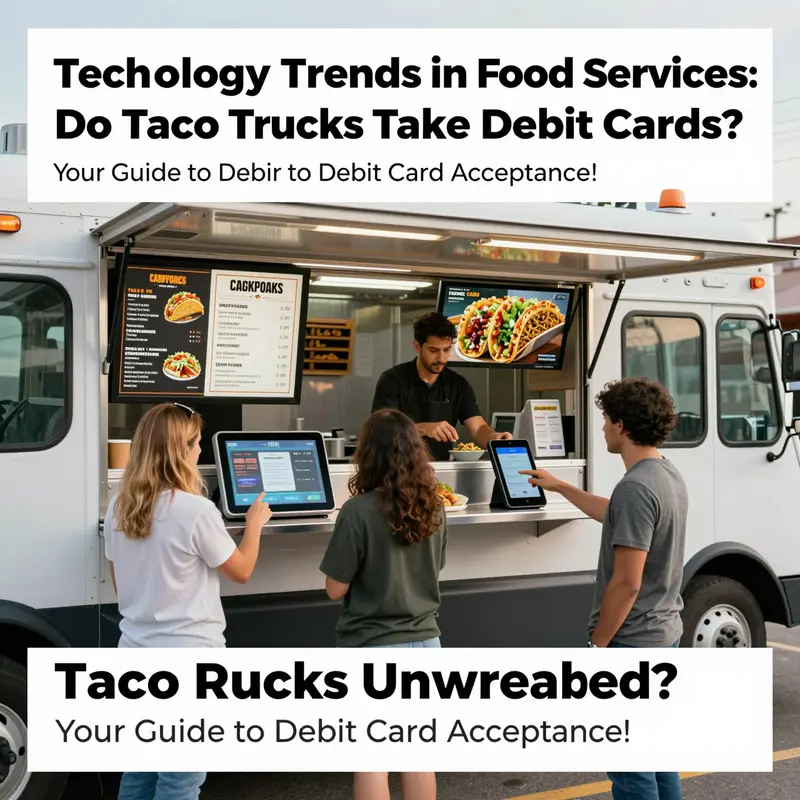
The aroma of sizzling meat and the clatter of a busy alley grill tell a story that is as old as street food itself. Yet beneath that familiar soundscape another story is unfolding, one written in tap of screens and the hush of cash registers. The question of whether taco trucks take debit cards has shifted from a simple yes-or-no to a window into how small, mobile food businesses adapt to technology and changing expectations. For decades, many taco trucks operated on a cash-only basis. The reasons were practical: cash kept things simple, the upfront costs of card processing were higher, and in the chaos of a compact kitchen on wheels, time and reliability mattered. Cash transactions were fast; there was no need to connect to a network or worry about signal strength in a parking lot beyond the city grid. In those days, a handwritten sign that read “cash only” could be as much a part of a truck’s brand as the salsa recipe itself. The scene was intimate and direct, a handshake between neighbor and cook that required little more than a few dollars and a willingness to wait in line for a hot tortilla.
As the years progressed, the texture of street cuisine began to change. Consumers, especially in urban centers, came to expect seamless payment experiences that mirrored what they encountered at brick-and-mortar establishments. They wanted to slip a card or a phone over a reader without fumbling for change, and they wanted a digital receipt that could live in their wallet alongside other receipts and loyalty programs. This demand for convenience did not merely pop up out of nowhere. It was reinforced by a broader trend in the food service industry toward digital payments, the growth of portable point-of-sale systems, and the expansion of cloud-based software that could run on a tablet or a smartphone perched on a cramped counter. In this environment, the cost-benefit analysis shifted for many operators. While small cash fees could be avoided, the price of a card reader, monthly software subscriptions, and concerns about connectivity and device maintenance still mattered. The math of acceptance began to tilt toward digital payments as a practical decision rather than a glamorous upgrade; it meant fewer barriers for customers and more predictable revenue streams for operators, even if the devices came with their own set of responsibilities.
What has guided the transformation is a combination of supply-side tools and demand-side pressures. On the demand side, customers—often on their lunch breaks or after late-night shifts—want speed, accuracy, and the ability to pay with what they carry in their pockets or in their phones. Banks and card networks also encouraged broader adoption by developing cost-efficient, mobile-friendly solutions that could be scaled down to a cart the size of a compact kitchen. These portable systems typically run on a smartphone or tablet and connect through a cellular or wifi network, sometimes with an offline mode that records transactions until a signal returns. That flexibility proved essential for trucks that move between neighborhoods, markets, and street fairs where connectivity could be unpredictable. For operators, the shift offered more predictable cash flow and the ability to grow a customer base that valued convenience over the occasional extra minutes it took to process a mobile payment in a congested lane.
From the perspective of the broader industry, the trend toward digital payments in food service has reached a tipping point. A 2024 report from a leading national restaurant association highlighted that more than three-quarters of food service businesses now accept some form of digital payment, including debit and credit transactions as well as contactless and mobile wallet options. The takeaway is not simply that technology has arrived; it is that the business case for accepting cards has become a question of customer retention and competitive parity. For street vendors, this translates into a sharper focus on the speed and reliability of the payment experience. A reader that fails at a crucial moment can disrupt a line, undermine a customer’s trust, and lengthen wait times in a way that reduces overall throughput. Conversely, a smooth, frictionless payment interaction can become a talking point that draws repeat visits. Vendors who have embraced digital payments frequently report higher average order values from customers who appreciate the ease of paying with a card or a tap rather than rifling through pockets for bills.
The pace of adoption, however, is not uniform across all operators or locations. In major metropolitan areas with dense foot traffic, well-established street food ecosystems have shown a higher propensity to adopt card readers and integrated POS solutions. In these environments, many trucks operate with card readers that attach to a mobile device, paired with software that can manage sales, inventory, and receipts in a compact interface. The advantages are tangible: customers can leave with a clear receipt, tips can be captured more consistently, and operators can track daily revenue and performance with minimal manual entry. Yet outside of these urban cores, pockets of the country still rely heavily on cash. Some operators who thrive in smaller towns or seasonal markets continue to rely on cash-only transactions, citing concerns about connectivity, the upfront costs of equipment, and the perceived risk of fraud or chargebacks. The divergence is not primarily about appetite for technology; it is about the realities of the trip, the network access, and the resources available to each operator at a given moment.
Whether a given truck accepts debit or credit cards often becomes a practical question at the moment of purchase. While customers have grown accustomed to the convenience of digital payments, the decision for a truck owner hinges on a balancing act. On one side are the costs of installation and ongoing fees for card processing, insurance against fraud, and the need to maintain devices that can withstand the rigors of the road. On the other side are benefits: broader customer reach, faster service, and the possibility of loyalty programs that can be deployed via digital receipts. For many operators, the choice is not simply about technology; it’s about what their local customers expect and what their route schedule can sustainably support. A truck that parks in a dense downtown corridor on weekdays and travels to a weekend farmers market may behave differently when it comes to payment acceptance than one that serves a single neighborhood route with limited hours. The variability in adoption is a reminder that the landscape is not monolithic. It is a mosaic formed by geography, customer demographics, and the operational realities of street vending.
Patrons who want to know if a particular taco truck will take a debit card should not assume uniform policy. The most reliable approach is to check the truck’s own channels—its official website, social media pages, or posts from the day of the visit—and to read recent reviews on local listings. The information can change rapidly as operators upgrade devices, renegotiate terms with payment processors, or respond to customer demand in real time. In an era where a quick glance at a phone can reveal a business’s payment options, the openness of a vendor about these choices has become part of its brand story. The experience of the customer is shaped not only by the flavor of the food but by the ease with which the payment is completed. A swift debit or credit swipe, a tap, or a seamless digital wallet transaction can become part of a positive memory that patrons carry with them long after the last bite.
Alongside these shifts, vendors and policymakers alike observe the broader implications for the street-food ecosystem. Digital payments are not merely a transactional convenience; they carry implications for tax compliance, income tracking, and consumer protection. For small operators, a more transparent and traceable payment method can simplify record-keeping and help in negotiating lines at events or negotiating with suppliers. It also shapes how customers perceive value: digital receipts and the ability to track past orders can create expectations for loyalty programs and personalized marketing. In this sense, the evolution toward card acceptance is entwined with a broader movement toward data-informed service design in mobile food.
For readers who want a sense of practical realities beyond theory, the best approach is to observe where urban energy meets the road. A growing number of trucks—especially those that move through business districts or campus corridors—embrace digital payments as a standard feature. The landscape remains diverse, with some operators continuing to favor cash for the simplicity it provides and for the autonomy it preserves. In the end, the question is less about a universal rule and more about a practical capability that can be added or removed as a business evolves. If you are curious about the equipment choices that make these shifts possible, you can explore further through resources such as taco-trucks-unleashed-top-5-models-for-culinary-success. This linked piece offers context on how trucks balance mobility, reliability, and capacity when outfitting a kitchen-on-wheels, including the kinds of hardware and software configurations that underpin modern payment acceptance. It is a reminder that the decision to accept debit cards is not an isolated preference but part of a holistic approach to running a mobile food business in a connected era.
Real-time verification for a specific truck can also be found on widely used local review and mapping platforms. These sites often list current payment methods and reflect recent changes as vendors upgrade or adjust their systems. A practical note for readers planning a visit is to check the listing close to the time of your trip for the most up-to-date information. Keeping in mind that policies can shift with seasons, events, and weather, a quick check before you head out will help ensure a smooth experience at the window. This approach aligns with the broader theme of payments in street food: the ecosystem is dynamic, and customer expectations continue to evolve as quickly as the grid that supports a cart’s operation.
Ultimately, the trajectory remains clear in many markets: debit cards, along with other digital payment forms, have become a mainstream option for taco trucks. The drivers of this shift are not solely technological innovations but the convergence of consumer habits, cost considerations, and the practical realities of mobile vending. The balance will continue to tilt toward broader acceptance, especially in areas where the street-food economy has matured to meet the expectations of digitally engaged diners. Yet the story will always include pockets where cash remains the preferred, or even the only, medium of exchange. The future of taco-truck commerce will likely be a spectrum, with some operators leveraging card acceptance to broaden reach and others preserving cash-only operations to maintain simplicity or local authenticity. And in either case, the most reliable way to know a truck’s payment options remains a quick check of its official channels or a recent customer review—practical, immediate, and respectful of the realities on the ground.
For those who want to explore more about how these equipment choices shape the pulse of mobile dining, a related resource on truck models and culinary success offers useful context that ties back to the core question of how technology intersects with taste, speed, and service on the street.
External reference for further reading: https://www.yelp.com/search?finddesc=Taco+Truck&findloc=Los+Angeles,+CA
Debit at the Taco Truck: Navigating Card Payments on the Street
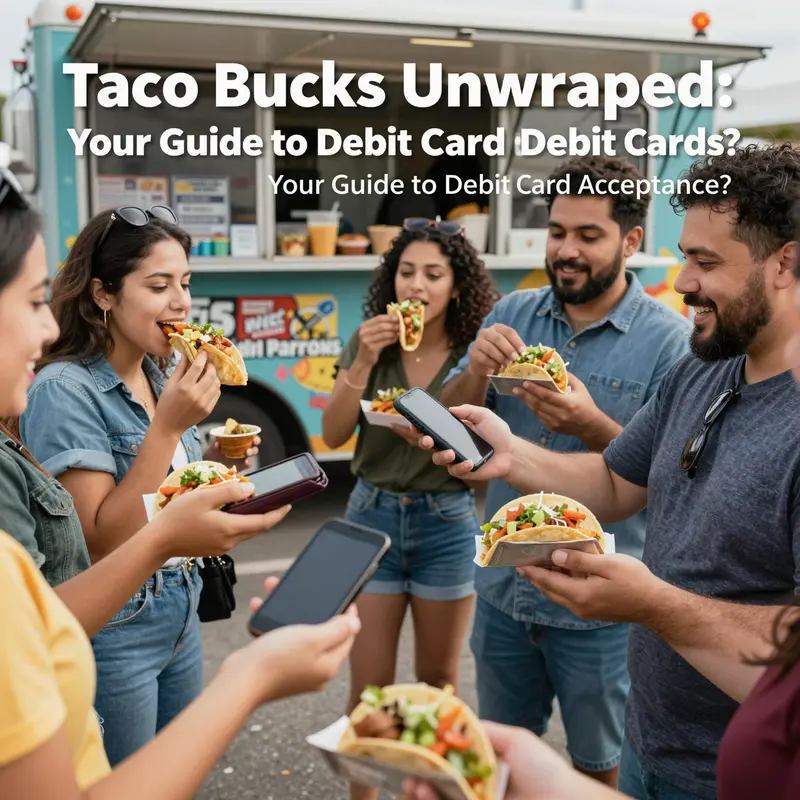
Taco trucks are increasingly embracing card payments, turning mobile devices into portable cash registers. Operators weigh the cost of processing against the benefits of faster checkouts and higher tips, while customers expect quick, contactless transactions. The decision to accept debit depends on factors like internet reliability, hardware compatibility, and the ability to handle offline transactions during outages. For diners, carrying less cash means easier dining on the go; for operators, card acceptance can boost throughput and simplify accounting. The best approach is to announce payment options clearly on the truck, update social profiles, and train staff to guide first-time users through the tap-and-go flow.
Final thoughts
As taco trucks continue to thrive in both urban landscapes and local neighborhoods, their adaptability to modern payment methods showcases their dedication to serving you better. Whether you prefer the feel of cash or the swipe of a debit card, many taco vendors are ensuring you have options to satisfy your cravings. So the next time you’re in the mood for a delicious taco on the go, check out the truck’s payment methods to make your dining experience seamless. Happy taco hunting!