

In the heart of Los Altos, a flavorful taco culture awaits food enthusiasts, local workers, and event planners alike. Taco trucks have transformed into culinary landmarks, providing not just meals but experiences that celebrate vibrant Mexican flavors. Join us as we explore some favourite taco trucks like La Familia Taqueria and Cheztakos!!!. We’ll also unveil nearby treasures like Mamacitas in Mountain View, and offer invaluable tips on navigating the Los Altos taco scene. Each chapter dives into the unique offerings and community spirit these trucks embody, ultimately guiding you toward your next taco adventure.
Pastor on the Pulse: La Familia Taqueria as a Beacon in Los Altos’ Taco Truck Scene
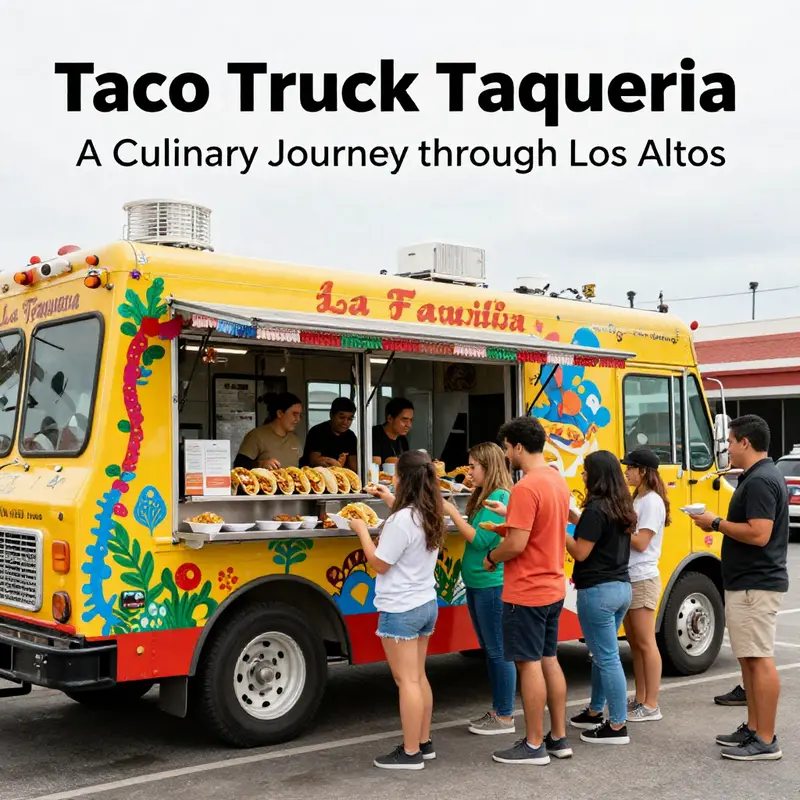
Behind the gentle hills and tree-lined streets of Los Altos, a street-food canticle unfolds each day as the sun climbs over the Bay Area. The town, known for its quiet charm and walkable downtown, hosts a small but potent constellation of taco trucks whose rhythms turn the midweek lull into a lingering invitation. Among these, La Familia Taqueria has risen as a standout presence, not merely for its food but for the way it threads authenticity into the fabric of a community that values both speed and savor. This chapter treats that taqueria not as a lone vendor but as a keystone in a larger ecosystem where the taco truck becomes a portable kitchen, a social space, and a living map of regional flavors traveling across a metropolitan corridor. The beauty of this scene lies in the balance: the simple, no-frills act of feeding people well, with the confidence that a good taco can spark conversation, memory, and even a sense of belonging.
From the curbside vantage, La Familia Taqueria presents the familiar, almost automatic ritual of a truck. A gleaming exhaust vent catches the light, and the sizzle—an orchestra of meat on open flame—forms a soft, inviting halo around the cart. The smells ride the air with citrusy brightness, a hint of char, and the unmistakable tang of lime and onion that signal a practical, unapologetic commitment to fresh ingredients. It’s not just about hunger; it’s about trust. Patrons quickly learn what to expect: tortillas warmed on a hot surface, meat sliced to order, and salsa that carries heat without overpowering the core notes of the fillings. The consistency is subtle but real. The pastor, a crowd favorite, arrives with a caramelized edge that sustains its juiciness through the bite. The carne asada, crisp at the edges and tender in the center, mirrors a craft that seems to thrive on restraint rather than bravado. These are the kinds of details that turn a quick stop into a lunch that lingers in the mind, than dissolves within the confines of a single meal.
The reported excellence of La Familia Taqueria is not a product of luck but a result of steady technique and reliable sourcing. The cooking process reveals a philosophy: respect the ingredients, honor the tortillas, and keep the tempo efficient enough so a line does not become a burden but a signal that the food is worth the wait. The pastor’s preparation, which many customers describe as the best in the area, demonstrates how the marriage of time, temperature, and careful marination can elevate a street staple into a signature dish. The carne asada’s success hinges on the capacity to preserve the meat’s intrinsic savor while guiding it with a gentle, smoky finish that sings when paired with the right salsa. While the precise recipes remain a well-guarded secret, the outcomes are public and persuasive—moist, flavorful, and never dry—a quality that often challenges similar spots across town. In a dining environment where dryness can be a recurring disappointment, La Familia Taqueria’s track record offers a kind of culinary comfort: you know what you’re going to get, and what you get is consistently satisfying.
The service experience is a crucial counterpart to the food. Long lines move with surprising ease, a testament to staff coordination and the tacit choreography of a well-tuned food operation. Orders are taken with a brisk friendliness that reads as practiced hospitality rather than performative charm. The team’s efficiency translates into time saved for customers who are often stopping en route to other errands or meeting a friend for a quick bite before a stroll through the village. In the conversation that forms around the serving window, customers feel seen—not just as patrons looking for a meal, but as members of a shared moment in a busy day. That sense of attentiveness matters, because it elevates a routine meal into a small, daily ritual. The experience extends beyond the counter, seeding trust in new visitors who may be sampling this locality’s street-food culture for the first time and finding themselves drawn into a longer, repeatable habit.
Los Altos presents a particular palate for street-level cuisine, a place where the intimacy of a small-town street is rarely overshadowed by the pace of a larger city. The taqueria’s footprint near the town center—roughly a mile or so from the heart of downtown—places it within easy reach for locals and visitors who want something quick yet substantial after a morning of errands or an afternoon of exploring local shops. The geographic placement matters: it is close enough to feel accessible, just far enough to feel like a special stop rather than a routine meal. In this sense, La Familia Taqueria embodies a common, almost archetypal arc in the Los Altos taco truck scene. It is a trusted, familiar option in a constellation of flavorful choices that reflect a broader regional identity—one that travels across the Bay Area and returns again to the stability of a single, carefully prepared taco.
Yet La Familia Taqueria does not exist in a vacuum. The Los Altos taco truck ecosystem includes other notable players that contribute to a sense of variety and healthy competition. Nearby, Mamacitas, based in Mountain View, is revered for a different approach that emphasizes boldness and spontaneity in its menu, offering a counterpoint to the more restrained and precise style that La Familia Taqueria demonstrates. Cheztakos!!!, another popular stop, has carved out a reputation for inventive toppings and a playful take on traditional ingredients, reminding patrons that street food can be as much about personality as it is about technique. In this landscape, La Familia Taqueria anchors the scene by offering a consistently excellent baseline—an anchor of reliability that allows other trucks to flourish around it without fear of obscurity. The dynamic is not a zero-sum game; rather, it is a communal dialogue where each truck contributes to a shared appetite for flavor, speed, and authenticity.
If one were to look for a compact snapshot of what makes a taco truck thrive in a suburban tech belt, the customer feedback compiled on review platforms provides a revealing map. The community’s voices often circle back to two dimensions: the quality of the tacos and the warmth of the service. Photos uploaded by diners capture tortillas blistered just so, meat that glistens with its own juices, and the careful drizzle of salsa that does not overwhelm the main fillings. The stories in those reviews—of a quick lunch turning into a conversation about the best way to eat a street taco, or a worker stopping by on a lunch break and leaving with a fuller sense of connection to the place—show how a single truck can become less about speed and more about continuity. In times when dining options multiply and choices proliferate, a dependable performer like La Familia Taqueria offers reassurance. The memory of a perfectly executed pastor taco or a mouthful of carne asada can become a familiar reference point that locals carry with them into other food experiences around the region.
For readers who want to explore beyond the written word and see real diners’ impressions, Yelp remains a living archive of the day-to-day reality at the truck. The posted photos, the plates in various stages of emptiness, and the comments about warmth, speed, and taste compose a mosaic that mirrors what the eye and palate experience in person. These digital records do more than note what was eaten; they document the social texture of Los Altos’ street-food culture—the casual encounters, the shared jokes, the occasional seasonal menu experiment, and the enduring trust that grows when a business consistently treats customers with respect and care. The trend toward transparency and openness in food culture—where feedback loops inform ongoing improvements—reflects a broader shift in how communities perceive and support mobile kitchens. It is this same atmosphere of accessibility and accountability that has helped La Familia Taqueria establish itself as a cornerstone, shaping expectations for what a taco truck can be in a mapped urban village.
Within this larger conversation, there is value in thinking about how street-level culinary ventures can translate into durable brands. A chapter such as this invites readers to consider not only the flavors on the plate but the systems behind them: reliable sourcing, precise cooking techniques, efficient service, and the social trust that accrues when staff remembers a regular customer’s order or offers a quick dice of onion on the side without prompting. In many ways, La Familia Taqueria models a form of culinary resilience. It shows that a small operation can maintain high standards while navigating the unpredictable rhythms of outdoor service—the weather, the line, the changing tastes of a diverse clientele, and the constant need to balance tradition with the occasional push toward experimentation. The precise interplay of pastor’s tenderness and carne asada’s bite demonstrates how a taco truck can honor tradition while still inviting the curious palate to try something slightly different. It is not merely about reproducing a deep memory of home cooking; it is about creating a living memory that people can access here and now, in the valley breeze, under the shade of a storefront awning, or beside a quiet park where conversations drift with the aroma of corn tortillas.
For those who want to engage with the broader literature around street-food entrepreneurship, there is a useful lens in the way urban markets, neighborhood commerce, and mobile kitchens converge to form a distinctive regional flavor. The Los Altos scene offers a microcosm of how artists and artisans—here, cooks with a knack for timing and taste—leverage mobility to reach a wide audience. The narrative is not simply about one truck but about a network of experiences that together sustain a thriving local food culture. In this sense, La Familia Taqueria is a key player, not merely because of its plate-level successes but because it embodies the ethos of street food as a communal asset. The truck’s presence invites neighbors to share a meal, to linger a moment longer, and to reimagine what a simple bite in a public space can become: a meaningful exchange that enriches the little city and, by extension, the broader region.
For readers seeking a grounded map of the scene, the practical reality remains straightforward: if you crave a memory-worthy pastor or a dependable carne asada in Los Altos, La Familia Taqueria is a reliable destination that aligns with the town’s pace and sensibility. The experience is not about spectacle but about a quiet excellence that travels well from the kitchen to the table and, ultimately, to the stories that people tell after. It is this quiet excellence that makes the truck a beacon in the Los Altos taco ecosystem, a touchstone that both anchors the community and invites new faces to discover what makes street food in this corner of the Bay Area so compelling. Should readers want to situate this piece within a broader culinary conversation, they can explore a wider perspective on how street-level models scale and adapt with changing trends and technologies by visiting taco trucks unleashed: top 5 models for culinary success. For those who want a direct, real-world view of what diners experience, the Yelp archive for La Familia Taqueria offers a gallery of plates and moments that echo the sentiment expressed here, including photos and reviews from people who have eaten there over the years. See https://www.yelp.com/biz/la-familia-taqueria-los-altos for a sense of the crowd, the smiles, and the hot, steady aroma that accompanies a steady stream of lunchers and lingerers alike.
Tacos on Wheels: Tracing the Local Taco Truck Pulse Around Los Altos
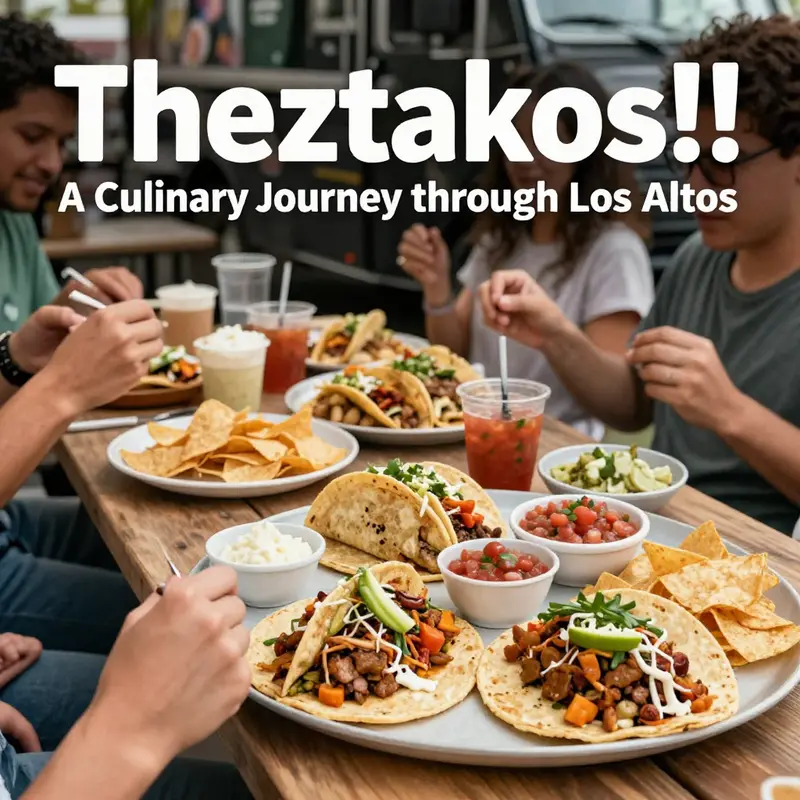
When people think of dining along the valley’s edge between San Francisco Bay and the Santa Cruz Mountains, few images are as resonant as the scent of sizzling peppers, citrus, and roasted meats carried by a mobile kitchen weaving through the streets. In and around Los Altos, California, the taco truck scene has grown into a mingling of cultures, economies, and neighborhood rituals. It isn’t merely a stopgap for hungry workers or a quick bite for students; it has become a neighborhood thread, stitching together residents who crave authenticity, speed, and the comfort of a familiar voice behind the flame. The landscape is not static. It shifts with the time of day, the echo of a local high school game, and the rhythm of rush hour traffic along El Camino Real. In this setting, a handful of trucks—or rather, the kitchens on wheels that occupy parking lots, curb lanes, and the periphery of office parks—have carved out reputations that extend beyond their immediate vicinity. They serve as catalysts for informal gatherings, impromptu tastings among friends, and a reminder that good, affordable food can travel as quickly as a car or bus can pass by a busy intersection. The Los Altos taco truck scene is thus both a culinary map and a social map, showing how street food can anchor a community even when the city itself remains compact and quiet by design. It’s a reminder that flavor often travels best when it travels light, yet still carries a sense of place and memory with every sizzle and squeeze of lime on a steaming tortilla.
A reliable way to gauge the pulse of this scene is through the eyes of locals who frequent the trucks and through the platforms they trust for opinions. Yelp, with its steady stream of user-generated reviews, has become a kind of barometer. In the broader Los Altos area, one truck in particular has earned a robust following and a faithful cadre of regulars who circle back for the consistency they’ve learned to expect. The rating hovers well above the midpoint of the spectrum, reflecting a culture of repeat visits rather than one-off curiosity. The comments that accompany those stars often converge on a few themes: freshness of ingredients, the boldness of seasoning, and the way a simple al pastor or barbacoa can be elevated by careful handling of heat and fat. This is not a case of a flash-in-the-pan flavor, but of a kitchen that has learned to travel well from noon into late evening, folding in the rhythms of day-to-night life that characterize the region. The result is more than a meal; it is a ritual for many who live or work near Los Altos and its neighboring communities.
Among the recurring highlights the feedback tends to emphasize is the quality of meat. Patrons repeatedly praise the tenderness, the depth of seasoning, and the tonal balance achieved when natural fats mingle with a bright, citrusy finish. Within those notes, the cabeza—traditionally a richly flavored choice slow-simmered and sliced to order—emerges as a standout, earning praise for its nuanced texture and inviting aroma. It’s a reminder that the truck outdoors can deliver cuts and preparations that sometimes rival brick-and-mortar kitchens, especially when the cooks bring a practiced hand and a respectful approach to traditional techniques. The meat is not merely sustenance; it is the language through which cooks tell stories of origin, technique, and care. The same conversations often surface around the menu’s wider array: the way al pastor grills with a crackling edge, the plumpness of barbacoa slow-roasted to preserve its juiciness, and the occasional flourish—sautéed onions or a light char—that adds an extra layer to the smoke-kissed base. The aroma itself becomes part of the experience, a frequent precursor to the taste that follows and the smile that customers wear as they step back into the evening air.
This attention to meat and method is complemented by a broader sense of menu variety that speaks to the region’s appetite for both tradition and experimentation. The core offerings stay rooted in recognizable classics—portraying a lineage that travelers and locals alike recognize—yet the approach remains flexible enough to incorporate small, thoughtful twists. Sautéed onions, for instance, may be presented not simply as a garnish but as a key component that interacts with the meat’s natural sweetness, slightly caramelizing at the edges to heighten contrast with smoky, peppery notes. The result is a layered flavor profile that rewards repeat visits as much as a single trial does. The trucks understand that a customer is not just buying a single item; they’re buying an experience that can be anticipated and, in some cases, shared with friends who meet after work or after a local game. It’s this sense of ongoing relation—between cook and diner, between street and kitchen—that keeps the scene vibrant.
What makes the experience particularly compelling is the atmosphere surrounding the truck itself. The environment is often described as lively and approachable, with a sense of immediacy born from the open flame, the clang of pans, and the audible rhythm of a busy service window. This is not a showroom; it’s a street kitchen where conversations happen in parallel with orders. Regulars become familiar faces, the cook’s quick banter is part of the meal, and the wait—even when it stretches a few minutes longer than expected—feels like a shared anticipation rather than a nuisance. The energy has a way of humanizing the meal and turning a simple bite into a social moment, especially for families who drag a stroller through a crowd or coworkers who linger to compare notes about the day’s new specials. Late into the evening, the scene often grows even more intimate, as the city’s lights start to glow and the first post-work crowds drift toward a late bite. In this sense, the truck is not merely a source of nourishment but a cultural node, a place where people come to decompress, connect, and participate in the collective ritual of savoring street food that feels both familiar and freshly exciting.
From a business perspective, the operation embodies the logistics and constraints that define modern mobile dining. The vehicle must be nimble enough to anchor itself in a few well-chosen spots, yet capable of moving to serve a broader audience as demand shifts with the day. The timing matters: lunch crowds that align with nearby offices and schools, followed by a bustling dinner window that often stretches into the late evening. The balance between speed and quality is delicate; long lines can signal strong demand, but only if the kitchen can sustain the pace without compromising the craft. In this regard, consistency becomes the quiet currency of trust. Patrons who return note that the quality remains steady across visits, and that the tactile experience—the sizzle of meat hitting a hot griddle, the precise squeeze of lime, the way picked cilantro and onions land on each tortilla—lends a sense of reliability that many city dwellers seek. It’s the difference between a one-time treat and a reliable weekly stop, a distinction that matters when the route is dynamic and the city’s schedule can push a truck to adapt or improvise.
Another factor that reinforces the truck’s standing is its ability to integrate with the broader Los Altos ecosystem. While the trucks may be anchored near Mountain View or along busy corridors, their reach extends into the daily routines of families who live in or commute through the area. They become convenient, affordable, and often dependable dinner alternatives after school activities or late-evening errands. The surrounding streets and small businesses form a network that supports the truck’s success: the right curb space, nearby parking options, and the willingness of local residents to welcome a pocket of warmth into the evening. In turn, the trucks contribute to neighborhood vitality by offering a social space where the act of dining becomes a spontaneous event rather than a planned outing. There is a quiet economy here, too—the way extra minutes of waiting translate into conversations about a recipe, a childhood memory, or a shared love for a particular blend of spice. These conversations, repeated across days and weeks, become the glue that holds the scene together, reinforcing the sense that street food can be a meaningful, enduring part of community life.
For readers who are curious about how mobile culinary operations scale and sustain themselves, there is a broader body of knowledge that addresses the design and business decisions behind successful food trucks. One piece worth exploring highlights how lean, flexible models can empower entrepreneurs to build culinary brands on wheels without sacrificing quality or consistency. The discussion centers on choosing the right equipment, the practicalities of compact kitchens, and the importance of reliable supply chains and maintenance—topics that echo in every good street-food story, including the Los Altos corridor. To dive into that broader perspective, you can explore a resource that surveys top configurations and models that support practical, scalable food-truck ventures. It contextualizes the craft within a framework of entrepreneurship, where the right setup can enable a consistent menu, a steady schedule, and a hopeful growth trajectory. The linked piece also emphasizes the balance between speed, flavor, and reliability—an equilibrium that underpins the experiences described here and that any aspiring operator would recognize as essential. For convenience, readers can find this overview through a focused look at the topic of entrepreneurship in the mobile dining space: Top food truck models for entrepreneurs.
Looking ahead, the Los Altos taco truck scene will likely continue to serve as a touchstone for how street food can travel with intention and grace. The neighborhood’s appetite for the familiar and the new will keep a handful of trailers and carts dynamic, capable of shifting locations to capture a shifting audience while maintaining a thread of consistency that makes regulars feel at home. The interplay between demand, supply, and the social rituals surrounding a simple plate of tortillas feels almost procedural, yet it remains deeply human. The late hours, the friendly chatter, and the careful seasoning all contribute to a sensory mosaic that makes these trucks more than lines of steam and smoke—a reflection of the community’s tempo, its tastes, and its willingness to welcome a meal that travels with its people.
External reference: https://www.yelp.com/biz/cheztakos-mountain-view-2?hrid=5W6YRZ9kLp8mXzVlNQrHqA
null
null
On Wheels in the Hills: A Rich, Fluid Portrait of the Los Altos Taco Truck Scene
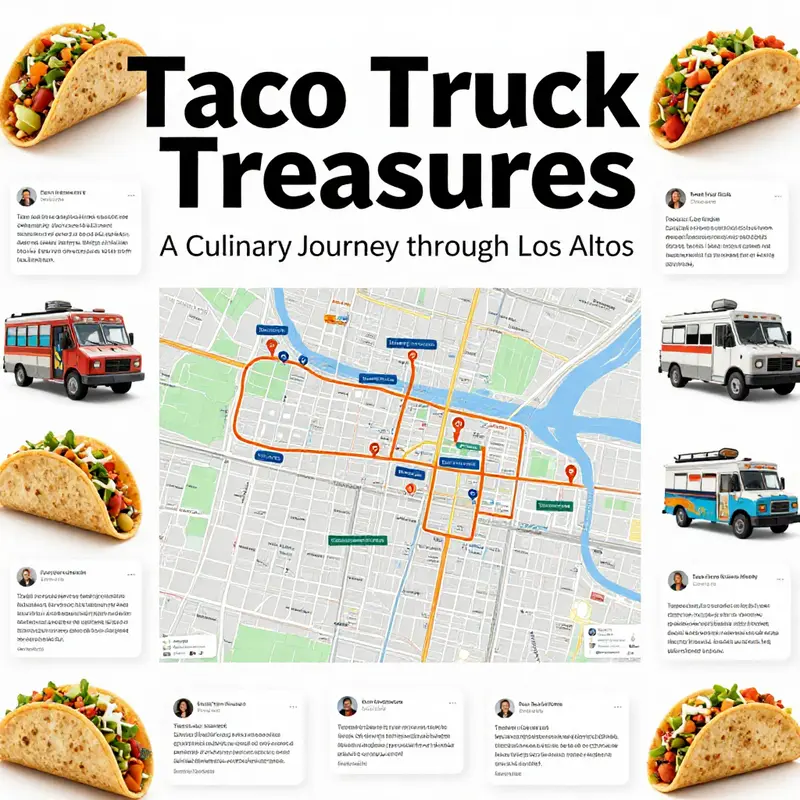
The taco truck scene around Los Altos unfolds like a carefully choreographed street festival, where the bell of a cash register, the hiss of a hot griddle, and the bright chatter of neighbors blend into a daily rite. It is more than a place to eat; it is a transportation of memory and seasonings, a mobile gathering that travels between neighborhoods, workplaces, and schoolyards, stitching together a sense of place in a region known for its tranquil streets and sharp, modern energy. The aroma that escapes from a lined, stainless-steel counter can draw passersby with curiosity and a simple hunger for flavor. In this landscape, the trucks are not single entities but part of a seasonal circuit that shifts with the school year, with weekend markets, and with the rhythms of local events. The result is a tapestry of choices that feel intimate, even when the crowd grows large, because each stop represents a small conversation about what constitutes a good meal on wheels in the twenty-first century.
Within this tapestry, there is a recurring pattern: the best trucks cultivate a reputation through consistent quality, efficient service, and a warmth that makes a quick meal feel personal. A prominent truck earns its standing not only through recipes that sing with bright citrus, smoky chiles, and carefully timed marination, but also through the way it treats the line of customers. The encounter itself—greet, take order, prepare, plate, pass, and thank—reads as a quiet performance, a choreography that respects time while elevating it. When the cooks flip a tortilla and the steam lifts in a curling veil, you catch a moment of shared attention. It is this attention that turns a simple lunch into a social ritual, a moment in which the act of eating becomes communal, even on a weekday.
The Los Altos scene is not isolated to Los Altos alone. Nearby hubs and campuses contribute to a larger orbit where trucks can appear in Hillsborough one week and at a school parking lot on another, forming a rotating map of familiar flavors. What travels is not only food but a knowledge of how the food gets to the table: a careful balance of logistics, craft, and the relationships that builders of mobile kitchens cultivate with their customers. Some trucks linger on a given corner during peak hours, while others shift through a rotating route that makes it possible to discover a new favorite the next time you pass by. In practice, this means a visitor can plan a day that riffs between a quick lunch and a more leisurely dinner, taking in the vibrant, candid energy of a food culture that thrives on mobility and spontaneity.
Notable feedback from diners across platforms helps to orient new visitors. Tripadvisor and other review sites repeatedly emphasize generous portions and a sense of colorful, authentic decor that brightens the meal beyond taste. Diners describe a balance of bold flavors and approachable offerings, where comfort staples meet carefully tuned seasonings that elevate familiar favorites rather than reinvent them. The conversations around flavor are nuanced, too: the heat can glow with a sweater-warmth rather than a solitary kick, while accoutrements like fresh cilantro, bright lime, and a slick of salsa provide accent notes that refine a dish rather than overwhelm it. These are not merely meals; they are little performances where a bite can carry a memory of a recent visit, a reminder of a family routine, or the thrill of discovery at a neighborhood stop you would happily revisit.
From a culinary perspective, the scene rewards diners who approach it with patience and curiosity. The most successful visits are framed by a willingness to sample a few things—one staple, a salsa variation, a side that you might not ordinarily order—and to listen for the small arcs of flavor that tell a story about place and practice. It is not unusual to walk away with a deeper sense of how ingredients are chosen and treated, how meat is trimmed and cooked to a precise degree of tenderness, and how a simple horchata can feel like a portable dessert if it is prepared with balance and care. The texture of a well-made tortilla, the crackle of a crisp-edge taco, and the bright lift of a fresh squeeze of citrus all contribute to a sense that the truck is a living classroom, a place where technique and tradition meet at a curbside counter under a California sun.
To navigate with intention, many readers find it helpful to lean into real-time updates. The nature of food trucks means that locations, hours, and even menus can shift with the day’s demand, with traffic patterns, or with larger citywide events. Platforms that offer live updates become invaluable compass points, guiding curious eaters toward the right truck at the right time. The rotating routes that many trucks keep require a bit of strategic flexibility; you may plan for a lunch stop in a specific zone, only to discover that the truck you want is two blocks away on a different street. The challenge of timing is part of the charm, a reminder that this cuisine is not static but responsive, a dynamic dialogue between cooks, customers, and the street as a living stage.
The best practice for a first-time explorer is to map a few likely anchors and then allow room for serendipity. Start with a couple of reliable stops known for dependable portions and welcoming service, then weave in a couple of speedier options that suit a tight schedule. Peak hours—midday on workdays or the early evening before local events—tend to hum with energy, which adds another layer to the experience. A longer wait can be part of the pleasure if the line offers a chance to chat with neighbors, compare notes on menu items, and hear the hum of shared anticipation. In this sense, the act of standing in line becomes a social ritual, a fleeting but meaningful encounter with the culture of the truck community.
For readers who want a deeper dive into the practical side of mobility and equipment, there is a whole subset of the culinary world that concerns itself with the realities behind the wheel. The exploration of top food truck models and the broader ecosystem around them can illuminate how a mobile kitchen keeps pace with demand while remaining cost-effective and reliable. If you are curious about how these wheels stay rolling—how design choices, power systems, kitchen layouts, and safety standards shape everyday dining—there is a body of thought and discussion worth consulting. The conversation is not simply about what tastes good but also about the logistics that make good taste possible at scale. To those readers, a note about the literature on equipment and business models can be particularly fruitful; it frames the street-food experience within a broader, thoughtful discipline of entrepreneurship and craft, showing how broader trends in design and logistics filter down to a curbside plate.
Beyond the food itself, the social texture of the Los Altos taco truck scene offers a window into how communities form around shared meals. The trucks act as informal gathering spaces where neighbors exchange recommendations, stories, and local updates. They provide a sense of continuity, a weekend or weekday ritual that punctuates the day and marks a small window of culture in a fast-moving world. The experience of noticing a familiar truck returning to a familiar corner evokes a sense of belonging that is, in its own way, deeply local and deeply valuable. It is in these small, recurring moments—the nod from the cook, the familiar scent, the way a child points at a plate and smiles—that the scene becomes more than a source of nourishment. It becomes a social fabric, an affordable and accessible way for families, students, and workers to participate in a shared culinary conversation.
In addition to the sensory pleasures, there is a growing awareness of sustainability and sourcing that threads through the conversation about the Los Altos trucks. Many patrons notice the attention paid to ingredient quality, to seasonal variations, and to the cleanliness and organization of the mobile kitchen itself. There is an ongoing tension in food culture between speed and sustainability, between convenience and careful sourcing, and the truck scene navigates that tension in real time. The best operators understand that longevity rests on consistency, transparency, and a willingness to invest in durable equipment, safe practices, and respectful customer service. They know that a good reputation will travel faster on the road than any advertisement could, carried by the memory of a well-balanced bite and the comfort of a friendly exchange.
For those who approach this scene with a sense of curiosity rather than haste, the opportunity to become a more discerning diner grows. You learn to observe not only what is on the plate but also how the plate comes to you: the tempo of the service, the cleanliness of the setup, the clarity of the menu, and the smiles that accompany a successful order. It is a form of experiential literacy, where the street becomes a classroom and a tasting menu at once. In this literacy, the most meaningful pages are written in bites and shared laughter, in the glow of late afternoon sun and the warmth of a crowd that remains, in spirit, a neighborhood. The Los Altos taco truck scene invites a reader to become a participant, to step into a flow of movement and flavor, and to discover, in the course of a single meal, a microcosm of how cities nourish themselves through mobility, hospitality, and a continuous exchange of tastes.
To guide those who want to combine curiosity with sensible planning, consider exploring through a pathway that mirrors the practical curiosity of seasoned diners. Start with a trusted anchor truck that has earned a reputation for reliability and for respectful, generous portions. Then explore a couple of nearby stands, perhaps in Hillsborough or other neighboring towns, that are known for distinctive salsa profiles or meat preparations. Allow the day to unfold with flexibility, taking in conversations with people around you who are also sampling, sharing tips, and predicting what new item might appear at the next stop. Through this approach, you build a personal map that honors the social and culinary richness of the Los Altos ecosystem while remaining attuned to the realities of a rotating schedule and a bustling street-food culture. And when you want to understand the business dimension behind the flavors, you can consult resources that analyze how mobile kitchens optimize space, safety, and cost, as well as how marketing and community engagement drive repeat visits. For readers inclined toward that broader perspective, there is a body of discussion about how the design of a food truck, along with its menu architecture and service flow, contributes to a sustainable and scalable culinary venture. This is not merely about feeding appetite; it is about sustaining a dynamic cultural practice that travels and grows with the city.
In closing, the Los Altos taco truck scene embodies a synthesis of place, taste, and movement. It is a reminder that great food often travels to us in the most practical way: on wheels, on time, with care, and with a sense of welcome that makes a street corner feel like a neighborhood living room. The best days are those when the sun fades and the crowd thickens, when the air carries the promise of a shared meal that feels both familiar and adventurous. As you map your next culinary excursion, carry a light appetite and a willingness to linger a little longer, to listen for the sizzle and the laughter, to let the flavors settle, and to return to a familiar corner with a new memory and a renewed appetite. For those readers who want a practical entry point into the broader world of mobile culinary ventures, consider looking into the broader discussion of how popular models in the sector shape everyday dining and entrepreneurship. The journey through the Los Altos taco truck scene is not just about the chips and salsa; it is about the potential of food on wheels to bring people together, explore regional flavors, and invigorate the everyday with a sense of community and shared delight. And as always, the landscape of spots and schedules evolves, inviting you back to discover what the next visit might reveal. External resource: https://www.yelp.com/search?finddesc=Taco+Trucks&findloc=Los+Altos%2C+CA
Final thoughts
The vibrant taco truck scene in Los Altos is not just about food; it’s about community, culture, and celebrating the rich traditions of Mexican cuisine. Whether you find yourself at La Familia Taqueria, Cheztakos!!!, or sampling the delights of Mamacitas, each taco truck adds its own unique flavor to the tapestry of local dining. By understanding what each truck offers and navigating their locations through reviews and tips, you’re set for a fulfilling culinary experience. Don’t just satisfy your cravings—embrace the taco adventure that Los Altos has prepared for you.

