
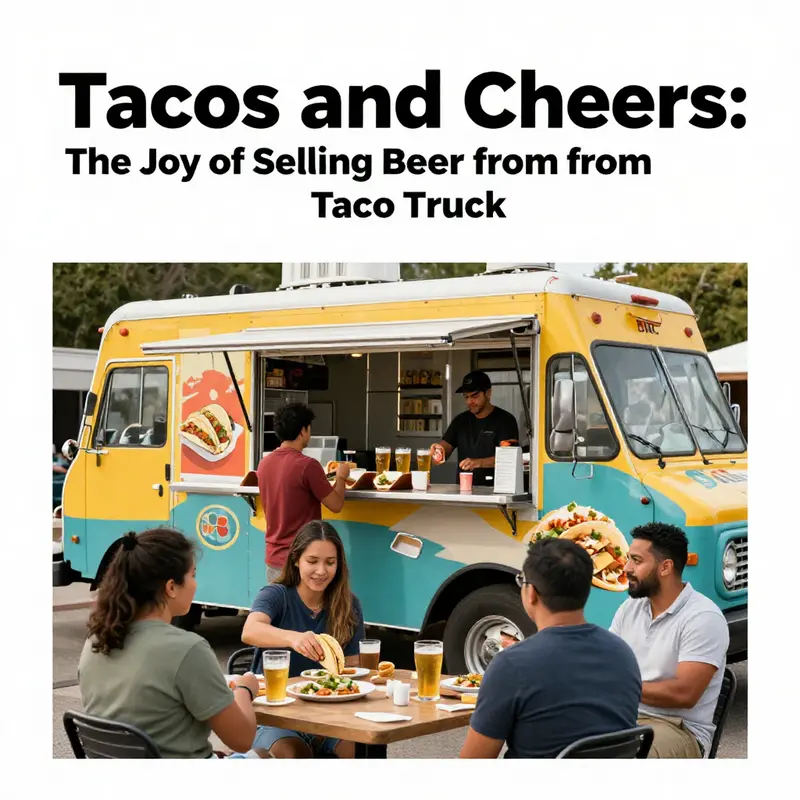
Imagine cruising down your city streets, your taco truck filled with mouth-watering tacos and the crisp, refreshing aroma of beer wafting through the air. Selling beer from a taco truck isn’t just about adding a drink to your menu; it’s about unlocking a world of culinary delight and community vibe. Whether you’re a passionate food truck owner or an event planner aiming to elevate gatherings, understanding the legal framework, operational strategies, and financial implications can be the key to success. In this article, we’ll delve into vital considerations that can help you navigate the exciting yet intricate journey of serving beer alongside tacos from your mobile kitchen.
Rolling Licenses: A comprehensive path to selling beer from a taco truck
The idea of serving ice-cold beer from a taco truck can feel like a natural fit for customers chasing bold flavors and quick meals on the go. But turning that idea into a legally sound reality is less about a clever business model and more about navigating a layered, sometimes labyrinthine set of rules that exist at the federal, state, and local levels. In practice, selling beer from a mobile food vehicle demands careful planning, ongoing compliance, and a readiness to adapt to the changing contours of law, health codes, and community expectations. To many operators, the payoff is worth the effort: a differentiated offering that can draw foot traffic, extend festival presence, and create a distinctive brand identity that combines street-food vigor with a social lubricant—beer. Yet the path is not a straight line, and success hinges on understanding three interlocking domains: the licenses and permits that authorize sale, the regulatory constraints on how and where beer can be sold, and the liability and safety frameworks that protect both patrons and operators. The story begins with federal involvement, but it quickly moves into the states and cities where the real decisions are made. At the federal level, the Alcohol and Tobacco Tax and Trade Bureau (TTB) requires formal recognition of a business that intends to sell alcohol. This is not a mere courtesy; it is a prerequisite that sets the baseline for a legal operation. In most jurisdictions, the TTB registration is a signal that the business intends to operate within the framework of federal alcohol tax collection and regulatory oversight. Without that registration, a taco truck cannot proceed with the deeper state licensing processes that complete the legal picture. From there, the state enters as a multiplicity of gatekeepers, each with its own flavor of licensing requirements, fees, and expectations. In states that administer alcohol through an alcohol control board or commission—often named the Department of Alcoholic Beverage Control or its equivalent—the operator must secure a state-level license that authorizes beer sales. This license may present itself in different forms: a temporary permit suitable for seasonal operations or events, or a more permanent retail license designed for ongoing, year-round service. Either path requires a demonstrated business purpose and the financial and legal readiness to support ongoing compliance—insurance, recordkeeping, and the ability to monitor and report sales in a manner consistent with state law. The state license is more than a stamp of approval; it is a set of obligations. Operators typically must show proof of liability insurance, pass background checks, and complete administrative processes that can include inspections and the submission of detailed operational plans. In many jurisdictions, the existence of a mobile service adds layers of complexity to the application. Some states are stricter than others about where a mobile vendor can operate and when alcohol may be sold. Local government offices, including city business licensing departments and county health departments, weigh in with zoning approvals and health compliance prerequisites. Zoning is not a mere formality. It determines whether a taco truck with alcohol service can legally park, whether the truck may operate in certain districts, and under what conditions it can participate in events. In some cities, the mere act of offering beer from a food truck challenges zoning categories that traditionally separated on-site alcohol service from mobile food operations. In other places, the system is more forgiving but still requires explicit approvals to prevent conflicts with residential areas, schools, and places of worship. The practical effect is that a potential operator must view the licensing process as a coherent program rather than a sequence of isolated steps. A robust plan will align federal registration, state licensing, and local approvals before any meaningful marketing or daily operations begin. The third leg of the stool is the actual operational framework for how beer is sold. The type of beer matters and so does the execution. Pre-packaged beer sold in cans or bottles is generally simpler to manage from a licensing perspective: the license covers packaged beer, and the on-site footprint can be limited to safe handling and proper storage. Draft beer, on the other hand, introduces on-tap nuances that many states regulate more tightly. Draft services may require on-site kegs, dispensing equipment, and additional local conditions—such as requirements for on-site refrigeration, measures to prevent contamination, and even more stringent hours or area restrictions. Some jurisdictions permit on-site draft beer in connection with food trucks, while others restrict it to fixed locations or require the operator to meet special conditions. The operational reality is that even when the basic license is secured, the cartography of where and when beer can be served remains highly location-specific. A street corner near a school or church might be off-limits; a busy festival footprint may require advance permits and compliance with crowd management practices; and late-evening sales might be curtailed by curfew rules. The takeaway is straightforward: knowing the law is not enough. You must know how local ordinances apply to a moving vehicle and how they interplay with any scheduled events or recurring routes. An operator also needs to be mindful of safety and responsibility in service. Most jurisdictions require staff to be trained in responsible serving practices to reduce the risk of over-serving or serving to minors. Some places mandate specific certifications, such as server training programs, or require staff to complete alcohol awareness training. This is not a cosmetic requirement; it is an integral risk-management measure that helps protect the business from penalties, license suspensions, and potential civil liability. The liability landscape is as important as the licensing landscape. Even with all the right licenses, a single incident can reverberate through the business. General liability insurance protects against a broad set of risks, from slip-and-fall injuries to property damage. Liquor liability insurance—sometimes called dram shop liability coverage—extends that protection specifically to incidents arising from alcohol service. Together, these coverages help contain financial exposure in case a patron becomes intoxicated or involved in an accident after consuming alcohol at a truck. Without them, a single regrettable episode can bankrupt a business and imperil personal assets. The case study from 2026 offers a concrete illustration of how the licensing and risk-management framework can come together in practice. Milk Bar Food Truck in Austin, Texas, successfully launched a “Taco & Tap” concept, a model that integrated beer sales with their signature tacos at festivals and pop-up markets. The success of their approach hinged on obtaining a temporary event permit from the City of Austin, securing a TTB basic permit, acquiring a Texas Alcoholic Beverage Commission (TABC) retail license, and procuring proper insurance coverage. This real-world example demonstrates that a thoughtfully sequenced set of approvals, paired with sound risk management and a clear business rationale, can unlock new revenue streams without compromising compliance. For operators who are exploring this path, several practical implications emerge. First, engage early with the relevant authorities. Contact the state alcohol control board to understand the precise licensing tracks for mobile vendors. Then consult the local planning or zoning office to confirm operating zones, event permissions, and any restrictions that might apply to a food truck permitted to dispense beer. Do not overlook the health department’s role; the food service permit remains a core element of your regulatory status since the business will continue to serve food alongside beverages. Second, map your service model against the regulatory grid. Decide whether to begin with pre-packaged beer and a straightforward license route, or whether to court a more complex arrangement that includes on-tap beer. If you choose the latter, prepare for additional equipment, staff training, and a more involved inspection regime. Third, plan for the financial and administrative commitments outside the price of the license itself. Licensing fees can be substantial, and ongoing compliance costs—insurance premiums, staff certifications, and recordkeeping systems—should be budgeted from the outset. The operational cadence should include routine internal audits and regular reviews of the city and state rules to ensure ongoing compliance, especially as hours, events, or sponsorships change. A thread running through these considerations is the need for a robust safety and compliance culture. That culture starts with leadership and translates into daily practice: precise age verification protocols, clear signage about alcohol service, responsible-service policies calibrated to local norms, and an internal system to monitor for any signs of intoxication or patron-related risk. In many jurisdictions, this approach is highly correlated with license sustainability. If you can demonstrate sustainable practices and a track record of safe service, authorities will view your operation more favorably during renewals or when amendments to your license are requested. The licensing path is not purely a theoretical exercise. It carries consequences for your branding, your operational model, and your day-to-day decisions. A well-structured compliance framework can become a competitive advantage, signaling to customers and venues alike that your business treats alcohol service with the seriousness it deserves. It also can open doors to events that prize regulated vendors who can demonstrate reliable stewardship of alcohol service, thereby expanding revenue opportunities. The landscape continues to evolve, and operators should remain vigilant for changes in state or local regulations. The National Conference of State Legislatures maintains a comprehensive, state-by-state overview of alcohol laws that highlights the mobile-vendor provisions and other nuances that can affect a taco truck’s ability to serve beer. This external resource provides a broader context for what might be possible in your jurisdiction and how other operators have navigated similar hurdles. For reference, see the state-by-state summaries of alcohol regulation and provisions related to mobile vendors and food trucks. External resource: https://www.ncsl.org/research/health/alcohol-laws.aspx. From a narrative standpoint, the essential takeaway is that there is no one-size-fits-all blueprint. The exact route to selling beer from a taco truck will depend on where you operate, when you operate, and how you plan to serve beer. That said, the throughline across jurisdictions is the same: you must secure the appropriate licenses, comply with location and time restrictions, observe serving and safety standards, and maintain insurance coverage that supports responsible operations. The case study demonstrates that with the right sequence of approvals and a disciplined approach to risk, the concept can transition from ambition to a lucrative, compliant business model. If you are considering this path, begin by clarifying your goals and mapping them onto the regulatory map, then proceed methodically through federal, state, and local requirements. The process may feel exacting, but it also offers a clear framework that, when followed, can yield a sustainable expansion of a taco-truck brand into beer-enabled events and venues. As you plan the growth, you may also find value in a parallel stream of thought that focuses on how to maintain quality and consistency across the different settings your truck will encounter—from stationary pop-ups to mobile festival circuits. The beer component should not overshadow the core culinary experience; rather, it should complement it in a way that enhances customer satisfaction while remaining within the boundaries of law and safety. The guidance above is not just about compliance for compliance’s sake. It is a framework for building trust with customers, regulators, and venue partners. It is about shaping a professional operating culture where beer sales are part of a broader, responsibly managed business model. And it is about recognizing that the advantage of a taco truck—its mobility, its ability to reach diverse audiences, its rapid service—becomes even more powerful when paired with the predictability and safety that the licensing regime supports. With the right licenses, with a well-planned access to permitted zones and hours, and with a governance structure that prioritizes safety and liability management, your taco truck can offer more than a meal; it can offer a streamlined, legally sound beverage experience that resonates with customers and communities alike. In short, the path to selling beer from a taco truck exists, and it is navigable. It requires preparation, capital, and a clear understanding of the regulatory framework. It demands a commitment to ongoing compliance and a proactive approach to staff training and customer safety. It invites operators to think strategically about where they park, which events they attend, and how they market a combined taco-and-beer proposition to an audience that increasingly expects transparency and reliability in mobile food service. If you approach this opportunity with a disciplined plan, you create the kind of business that not only survives regulatory scrutiny but thrives within it. And that is the essence of turning a bold idea into a durable, responsible, and delicious business model that can ride the open road of mobile dining without losing sight of the rules that keep communities safe and orderly. For further reading on how states approach alcohol laws and the regulatory framework that underpins mobile alcohol service, see the National Conference of State Legislatures’ Alcohol Laws by State page. Safety-wise, operators should keep evolving their practices and stay connected with peers who are also navigating this complex space; looking at the broader safety picture, as described in industry resources, can help you maintain a proactive stance toward compliance and customer protection. If you are intrigued by these dynamics and want to explore the practical implications for your own area, begin with a direct conversation with your state’s alcohol control board and your city planning office to confirm the precise requirements you will face. The dialogue you initiate now will shape your ability to serve beer with confidence, avoid regulatory setbacks, and grow a taco truck brand that serves the community while upholding the standards that make street food a trusted, vibrant part of the culinary landscape. Internal resource for operators: Safety advancements in food trucks. See https://ordertacoselpelontacotruck.com/blog/safety-advancements-in-food-trucks/ for context on how safety protocols integrate with regulatory compliance and day-to-day service. External resource: https://www.ncsl.org/research/health/alcohol-laws.aspx
Tap Lines and Tacos: Navigating Licenses, Logistics, and Liability When Selling Beer from a Mobile Taco Truck
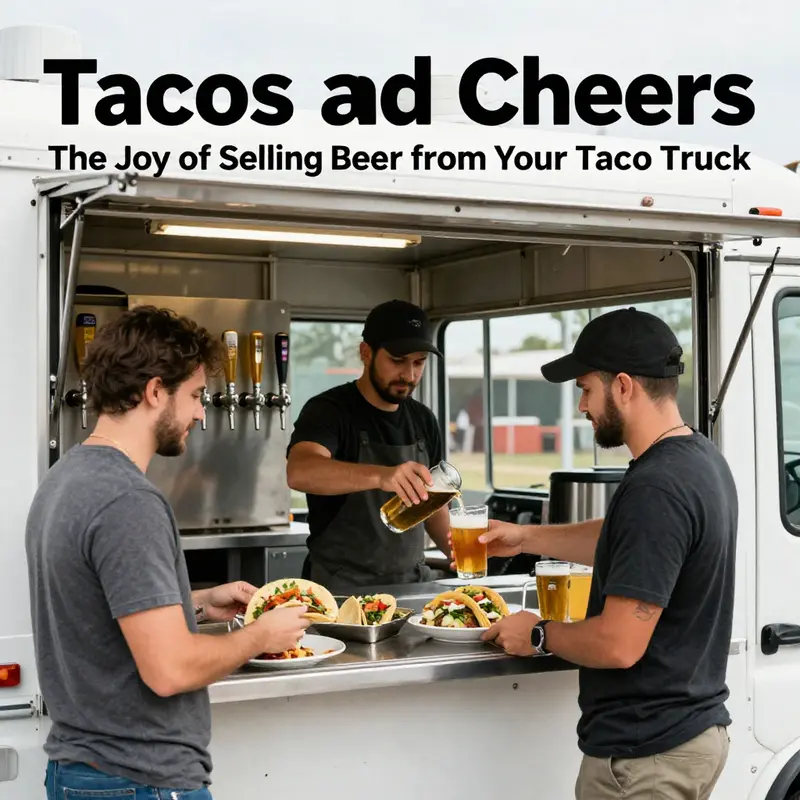
The idea of pairing hot, flavorful tacos with a cold beer on a busy street corner is appealing in a way that only a late summer night can be. The reality, however, sits at the crossroads of appetite and regulation. Selling beer from a taco truck is not simply a tilt of the umbrella over a sizzling grill; it is a carefully choreographed operation that must navigate federal oversight, state authorities, and local ordinances. The appeal is real—beer can extend the revenue window, attract a different crowd, and create a social anchor for events and outdoor markets—but the path to doing it legally and safely is intricate. This chapter will unfold those complexities in a way that feels practical rather than theoretical, tying the urge to sell beer to the discipline required to do so well in a mobile setting. The core message is simple and firm: yes, you can sell beer from a taco truck, but only if you build a foundation of licenses, compliant equipment, trained staff, and robust risk management that can weather the unpredictable rhythms of street commerce.
First, the bedrock of legal compliance must be laid before a single kegerator is installed or a permit filed. In the United States, the sale of alcohol triggers a layered set of requirements that vary by jurisdiction but share a common backbone: a federal framework, state authority, and local enforcement. At the federal level, the Alcohol and Tobacco Tax and Trade Bureau requires business registration and permits for any commercial alcohol activity. It is not enough to intend to sell beer; you must register and maintain compliance as a bona fide alcohol retailer or distributor. This may involve identifying your business as a licensed entity that will handle alcoholic beverages in a manner consistent with federal tax and trade rules. At the state level, the picture becomes more granular. Each state operates an alcohol control board or commission with its own licensing process. Some states require a specific beer sales license, and many permit temporary licenses for events, seasonal operations, or mobile vendors. In some places, the path is more navigable for packaged beer sold in cans or bottles than for draft beer served on-site, though both are possible with the right permits. The local layer adds another filter: zoning, business licenses, health department approvals, and, crucially, safety considerations tied to alcohol service in a mobile food vehicle. In practical terms, this means your taco truck must be legally recognized to operate where you intend to park and sell alcohol, whether at a fixed site, a market, or a pop-up event. You may also need a food service permit and a health inspection certificate, because the vehicle will continue to function as a food establishment in addition to being a beer outlet. The overarching implication is clear: the permission to serve beer is earned, verified, and monitored, not assumed by virtue of running a food truck.
A useful way to dimension this pathway is to think in layers. The first layer is federal registration and compliance, which is non-negotiable for any business that sells alcohol. The second layer covers state licensing, which determines the type of beer you can sell, the form the sale must take, and whether your truck is allowed to operate as a beer venue in particular contexts. The third layer is local authorization—zoning, hours of operation, and proximity restrictions to sensitive sites like schools or churches. Localities may also set curfews or event-based restrictions that influence when you can pour a beer from a mobile unit. The cumulative effect of these layers is that a successful mobile beer operation requires early, proactive planning, rather than a last-minute scramble when a permit window opens. The principle here is not to chase a permit in a rush but to design a business model around the permissions you know you will obtain and operate within their boundaries.
Within this lattice of permits, the type of beer you plan to sell matters significantly. Pre-packaged beer—cans and bottles—tends to be simpler to authorize and manage. It requires a state beer license and the federal registration, but the on-site service is often less complicated than draught beer because it eliminates the need for a draft system, CO2 management, and on-site dispensing equipment that has to be cleaned, sanitized, and maintained under strict guidelines. Draft beer, by contrast, introduces additional equipment demands, such as a draft system, kegs, temperature control, and enhanced sanitation protocols. It can be legally permissible in more limited circumstances or in more regulated zones, but it will almost always come with additional permit conditions, more rigorous inventory control, and stricter staff training. The operational realities extend beyond permitting: the draft system has to travel with you, be properly secured for road use, and be designed to minimize spills and breakage as you navigate the curb, festival grounds, and the occasional windy corner. Many operators find that starting with packaged beer helps them build credibility and cash flow while they work toward the more complex on-tap model, which can be phased in once the permits and logistics align with their growth plan.
The location and timing of beer sales are not mere market considerations; they are regulatory variables. Local laws frequently dictate where alcohol can be sold and during what hours. It is not unusual to encounter restrictions that disallow sales within a certain distance of schools or churches or to enforce curfews that cap alcohol service after a particular hour. Some cities actively welcome mobile beer sales from food trucks if certain conditions are met, while others restrict or prohibit it outright. A practical approach is to map out the neighborhoods and events you anticipate serving and then check the exact ordinances for those zones. This due diligence reduces the risk of a surprise enforcement action, a shutdown at a busy market, or a costly permit revocation that could jeopardize a growing operation. In places like Los Angeles, where rules can permit alcohol sales from food trucks under specific conditions, the path to compliance is an exercise in meticulous documentation and ongoing oversight. In other jurisdictions, the answer may be a clearer no, which is equally important to know early in your planning so you can pivot to a legal, compliant model rather than expending capital on an approach that cannot scale.
Insurance sits alongside licensing as a non-negotiable pillar of a responsible mobile beer operation. General liability insurance covers the basics: slips, trips, and falls, property damage, and other common hazards associated with street vending. Liquor liability insurance is a specialized coverage that protects you in the event of alcohol-related incidents, including injuries or damages that occur after alcohol is served. The combination of these coverages helps shield the business and its owners from outsized financial exposure. In the unique context of a taco truck offering beer, the risk calculus is nuanced: the truck introduces movement and on-site service in often crowded outdoor environments, which increases the probability of spills, broken glass, and the potential for alcohol-related incidents if a patron is overserved or intoxicated. This reality makes liquor liability not a luxury but a critical line item in your financial planning. The cost of insurance is not merely a premium but a signal of professional seriousness to regulators and customers alike. Comprehensive coverage also tends to make lenders more comfortable and can smooth the path to obtaining permits where insurers require proof of liability protection as a condition of licensing.
Another layer of the narrative concerns equipment and the physical footprint of beer service on a mobile platform. A taco truck that plans to sell beer needs adequate refrigeration space for beer, whether in pre-chilled cans and bottles or in kegs awaiting service through a draught system. Draft beer adds a level of complexity: you must carry a draft line, a keg or keg refrigerator, CO2 or nitrogen components for pressurization, temperature control to maintain beer quality, and a sanitation schedule for taps and lines. All of this equipment must be housed securely within the vehicle or in a dedicated, portable bar setup that complies with road safety and food safety standards. The equipment choice affects both upfront capital costs and ongoing maintenance. It also dictates the design of your service area, including the layout for safe glassware handling or the use of disposable cups to minimize risk in a mobile environment. In practice, many operators begin with a compact, compliant on-site pour system that uses pre-packaged beer and then expand to draft service as permits, space, and volumes justify the added investment. The incremental approach aligns capital expenditure with realized revenue, reducing the risk of tying up cash in equipment that might not yield a quick return.
Operational safety is another critical axis. Responsible Beverage Service (RBS) training is often required or highly recommended for staff who will handle and serve alcohol. The training covers techniques for avoiding overservice, recognizing signs of intoxication, and refusing service to customers who have passed the legal limits or appear impaired. Regulations sometimes require servers to complete a specific RBS course, and most insurers view trained staff as a key risk-reduction factor. The safety imperative extends to the everyday realities of a moving service: the truck moves through traffic, crowds converge around the service window, and outdoor venues bring unpredictable elements such as temperature swings, wind, and uneven surfaces. This combination elevates the potential for spills and broken glass, which requires sturdy barware, secure storage, and established cleanup procedures. It also reinforces the importance of a solid incident response plan, including procedures for handling medical emergencies, intoxicated customers, and emergency vehicle access.
Timing, market fit, and strategic positioning complete the operational picture. Beer sales tend to perform best when aligned with late afternoon and evening patterns, especially in settings like parks, festivals, stadium events, and outdoor markets in nightlife districts. Yet, the profitability of those windows depends on local rules, competition, and customer density. The operator who blends tacos and beer must craft a schedule that maximizes exposure without creating conflicts with noise ordinances, curfews, or event-specific restrictions. Site selection matters as much as menu design. A truck that parks near festival gates, in a family-friendly locale, or within a nightlife corridor must balance the desire for foot traffic with the legal and social expectations of the neighborhood. The art is to position the taco truck as a convenient, responsible option for a beer-loving crowd—without compromising public safety or inviting friction with law enforcement or health officials.
A real-world illustration helps illuminate what it takes to translate this regulatory framework into a functioning operation. In 2026, a Texas-based mobile food concept quietly modeled a path that others can study. The operator secured a temporary event permit from the city, attached to a basic federal permit, and aligned with the state liquor authority by obtaining a retail license appropriate for their scope. They also pursued a robust insurance package that included liquor liability coverage. The seasonal or event-focused approach allowed them to test demand, refine operations, and prove the concept before scaling into a more permanent agreement with local venues. This phased rollout shows that the license stack can be assembled progressively, and that success hinges on disciplined execution across permits, equipment, staff training, and risk management. Of course, this is not a one-size-fits-all map. Some jurisdictions may prefer a more centralized model in which the truck operates within a permitted zone or at predetermined markets, while others may insist on seasonal or event-based licensing. The key takeaway is the same: the regulatory journey, though variable, is navigable with careful planning and rigorous compliance.
The practical roadmap for a new operator begins with a proactive licensing plan. Start by identifying the federal requirements and speaking with the state alcohol control agency to understand the permit types, the timelines, and the documentation you will need. Then map the local landscape: zoning codes, health department inspections, and any municipal rules related to alcohol service in mobile food units. It is essential to design a permissions timeline that aligns with your business plan—permitting early, sequencing approvals, and building in buffer time for potential delays. The cost of licenses, the time to obtain them, and the ongoing compliance obligations should be folded into your financial forecast from the outset. A well-structured plan helps prevent a cascade of compliance issues that could derail your opening or throttle growth later. The path to legality is not a single form to file but a sequence of steps that requires attention, patience, and persistence.
A comprehensive approach to equipment and operations also warrants attention to the physical integration of beer service with a taco kitchen. The vehicle should be configured so that beer storage, refrigeration, and dispensing do not compromise food safety or general vehicle ergonomics. You will need to consider how you will store ice, how you will manage glassware or provide alternatives, and how you will maintain the cold chain for packaged beer. If you pursue draft beer, you must account for the space, ventilation, and safety measures necessary to operate a pressurized system in a moving vehicle. Cleanability becomes a daily concern; you should establish a sanitation routine that keeps taps, lines, couplers, and kegs free from contamination and ensures that customers receive beer that tastes as intended. Coupled with the food service side, your truck must satisfy health department standards for both food and beverage service, which often means separate sinks, dedicated cleaning equipment, and clearly delineated zones for beer handling. These practical constraints shape everything from interior layout to the procurement of portable bar surfaces, the types of ice you use, and the way you manage waste and recycling at events. The result is a cohesive operation where beer pours smoothly alongside tacos, without compromising safety or quality.
Staff training is the human hinge of the enterprise. Commentary on responsible service is not a buzzword but a concrete practice that protects customers, your business, and your license. Your team should understand how to check IDs, manage seating and service flow, monitor for signs of intoxication, and know when to refuse service. Documentation matters: keep logs of service checks, incident reports, and corrective actions. This record-keeping not only supports compliance but also provides a basis for continuous improvement and negotiation with regulators if you ever face a review of your license. The social dynamics of alcohol service on the street add another layer of complexity. Crowds can be unpredictable, and a disciplined, patient staff approach is essential. The staff should also be trained in basic first aid and emergency response, especially given the higher likelihood of accidents in busy, outdoor settings. In short, the people operating the truck are as critical as the licenses and equipment. A well-trained team is the difference between a smooth, compliant operation and a scenario in which an error triggers a broader regulatory or reputational risk.
The strategic conclusion is simple in principle, even if its execution is demanding in practice: selling beer from a taco truck is feasible and potentially lucrative, but it demands a holistic, integrated approach. You must secure federal, state, and local permissions before you pour a single pint. You must decide whether packaged beer or draught beer aligns with your location, your audience, and your capital. You must craft a schedule and site strategy that respects curfews, safety concerns, and neighborhood expectations. You must invest in insurers who understand the mobile and alcohol-specific risks you face and in staff who can uphold high standards of service and safety. And you must design a workflow and an equipment plan that keeps beer and food safe, accessible, and appealing in a moving, outdoor environment.
For readers who want a practical primer on the mobile beverage landscape beyond the license talk, the Mobile Beverage Truck Guide offers a structured overview of how operators manage grading, composition, and performance in this niche. It’s a useful external resource to complement the local, real-world insights discussed here and to help you compare how different jurisdictions approach mobile beer service. Mobile Beverage Truck Guide
As you consider the next steps, two touchpoints frame the journey. First, engage with your state alcohol control board and your city planning or zoning office to confirm exact requirements for your area. Second, pair those regulatory conversations with a careful capital plan that accounts for license costs, insurance premiums, equipment, and ongoing compliance expenses. If you can harmonize these elements before you launch, you create a durable platform for growth that respects the law and keeps your customers safe and satisfied. And if you want a concrete line on a related safety conversation as you move forward, you can explore the evolving safety practices in street-food operations with a resource that tracks innovations and challenges in the space. Safety advancements in food trucks. The combination of licensing discipline, thoughtful equipment choices, rigorous staff training, and proactive risk management is the route to turning the appealing concept of beer and tacos on wheels into a sustainable, legitimate business.
In sum, the question can i sell beer out of a taco truck is answerable with a confident yes, provided you build the capability to operate within a legally compliant framework. The path requires attention to federal registrations, state and local licenses, and a careful orchestration of equipment, site strategy, and safety protocols. It requires an insurance strategy that truly covers liquor-operations risk and a staffing plan that embodies responsible beverage service. It requires, above all, a deliberate, staged approach to growth that proves the concept in a controlled way before expanding to more venues, more events, or more complicated service formats. When you align the regulatory map with operational readiness, the taco truck becomes not just a mobile kitchen but a compliant, accountable platform that can serve beer with the same respect for quality and safety that customers expect from the tacos they crave. The result is a business model that is ambitious yet grounded, flexible enough to ride the rhythms of street markets and festivals, and disciplined enough to withstand regulatory scrutiny and customer expectations alike.
External resource: Mobile Beverage Truck Guide
Financial Implications of Selling Beer out of a Taco Truck
When you weigh the idea of selling beer from a taco truck, the decision hinges not just on appetite and ambition but on a careful map of costs, risks, and revenue opportunities. The financial fabric of this venture is woven from licenses and permits, equipment investments, ongoing operating expenses, and the unpredictable cadence of events and foot traffic. What begins as a straightforward question — can I sell beer from a taco truck? — quickly reveals itself as a tethered-string problem where legality, cost, and cash flow pull in different directions. To understand the true financial landscape, it helps to imagine the journey as a journey through four linked corridors: start-up capital and licensing, capital equipment and operating costs, ongoing risk management and insurance, and revenue optimization anchored in location strategy and event calendars. Each corridor feeds into cash flow, and every decision within it ripples through profits, liquidity, and long-term viability. The story is not just about legality; it’s about discipline, budgeting, and strategic planning that translate regulatory permission into sustainable business value.
First, licensing and permitting form the foundational scafolding for any beer-on-wheels concept. The federal layer, typically administered by a tax and trade bureau, requires a basic recognition of the alcohol business and a registered framework for reporting and compliance. State authorities layer on a separate set of licenses, often with distinct pathways for temporary or seasonal operations versus year-round retail activity. Local jurisdictions add another filter, sometimes including zoning restrictions, approved sale locations, and permissible hours. In practical terms, you may face a bundle of up-front fees and recurring renewals that are not merely administrative line items but determinants of whether you can operate in a given city, at a given time, in a given space. In some places, the license pathway itself may dictate the pace of expansion. If you can operate only during special events or certain hours, your revenue engine needs to be calibrated to those windows, or you risk extended idle periods that erode monthly margins.
The cost structure associated with licensing can be the most misunderstood element of a beer-on-a-truck venture. A typical package, in jurisdictions that allow mobile beer sales, blends federal registration requirements with state liquor authority fees and local permits. The total outlay is rarely a single number; it is a spectrum. You might encounter a modest, one-time application fee paired with annual renewal dues, background checks for key personnel, and, in some cases, a separate permit for on-site consumption or draft beer service. The expense is not merely administrative; it is also a hedge against compliance failures that could disrupt operations or trigger penalties. In practical budgeting, you should plan for a minimum baseline that covers: the federal registration, the state beer license, a local business license, and health and food service permits that certify you as a compliant food operation. Even if the beer-on-taco concept is seasonal, you may still need to carry certain persistent licenses and maintain a compliant baseline at all times.
A realistic financial plan also dissects the difference between packaged beer and draft beer. Pre-packaged beer offers a simpler licensing path and far lower on-site complexity; most jurisdictions allow cans or bottles with straightforward licensing, and the logistics align with a mobile food concept that already handles food safety and customer flow. Draft beer, by contrast, opens a more intricate regulatory pipeline. It often requires on-site draft systems, kegerators, draft-only permits, and additional compliance steps for serving alcohol beyond a simple sale of packaged product. The cost delta can be significant. You will invest in the equipment: taps, kegs, CO2 or nitrogen systems, lines, refrigeration, and a service-friendly layout that keeps beer cold and accessible without compromising food safety or service speed. The capex is substantial, but so is the potential for higher average tickets and more frequent visits from beer-loving guests who want a complete pairing with tacos. If you lean toward draft, your licensing footprint grows, and your ongoing costs—carbon dioxide, keg rotations, cleaning cycles, line maintenance—grow with it. The decision between draft and packaged beer is not solely about price per unit; it is about capacity to deliver consistent quality, regulatory clarity, and reliable operations under the stress of a moving kitchen.
Understanding the capital requirements begins with a candid two-step exercise: estimate the startup costs and project the first-year operating costs under different licensing scenarios. Start-up costs will typically cover the following: a baseline mobile service license or permits, a TTB registration if you are selling alcohol commercially, a state-level beer license that may have temporary or permanent options, local zoning approvals, and a food service permit tied to your truck’s health and safety compliance. Then layer in the capital expenditure for the beer system itself: draft equipment if you go that route, a keg inventory, a refrigeration unit that can also keep food at safe temperatures, a reliable point-of-sale system that handles alcohol sales, and a weatherproof setup that minimizes service downtime. Maintenance costs should not be forgotten; you will need to budget for regular equipment service, cleaning, and potential replacements. An anonymized real-world example from a large market shows how a mobile culinary operation navigated these waters: the truck secured a temporary event permit for a festival, completed the federal and state licensing requirements, and paired insurance with a formal operating plan. The result was a successful extension of the business model to include beer, enabling the team to offer a curated pairing menu that attracted new customers and extended staying times at events. The finance lesson here is that licensing is not merely a gate; it is a platform that can unlock new revenue streams if paired with solid budgeting and a thoughtful customer experience. In that sense, it becomes not a barrier but a pivot point for growth.
The next corridor in the financial map is equipment and ongoing operating costs. A beer-on-wheels concept must reckon with the capital outlay for the beer system, whether it is a packaged beer setup or a full draft system. A packaged beer approach requires cold storage for beer, a secure point of sale that can manage alcohol transactions with the appropriate age-verification protocols, and a reliable service plan for restocking. A draft system compounds those costs with the price of taps, lines, CO2 or nitrogen, regular keg replenishment, and more frequent maintenance. In practical terms, this means your monthly cost base will include not just the beer you purchase for resale but also the depreciation of the equipment, consumables like seals and CO2 cartridges, and the costs associated with keeping the service consistent across locations, events, and weather conditions. The cash flow implications are clear: higher upfront investment in equipment can deliver higher per-visit margins if you can sustain demand and avoid idle inventory. However, if you misjudge capacity, you might be left with underutilized assets that tie up capital that could have funded other lines of business, such as marketing or a more robust food program.
To manage risk and improve predictability, many operators adopt a hybrid approach. They begin with a tested packaged beer strategy at several events, then gradually introduce a draft component as demand proves itself in specific venues or during peak seasons. This staged path helps control the risk of over-investment and aligns capital expenditures with actual consumer response. The equipment choice is also a strategic lever. If you maintain a compact footprint, you can service more locations with less downtime, and you preserve precious truck real estate for food preparation and storage. The right layout pays for itself by reducing service time, minimizing contamination risk, and supporting consistent product quality. The internal calculations that sit behind such decisions are straightforward but powerful: the incremental contribution margin per beer sold, minus the incremental operating costs, should be positive and scalable. A simple way to view this is to compare two monthly scenarios—one with a basic packaged-beer model and another with a draft deployment tied to high-traffic events. The difference in contribution margin often justifies the additional capex if the event calendar is robust and the license framework permits regular sale.
Beyond licenses and hardware, there is the essential question of insurance and liability. Liability costs are a non-trivial line item. General liability insurance guards against everyday risks that arise from accidents, spills, or customer injuries not tied to alcohol specifically. Liquor liability insurance, sometimes called dram shop coverage, focuses on incidents associated with alcohol consumption. The premium for this coverage varies with the size of the operation, the geography, the hours of operation, and the tracking of past claims. Yet the cost of insurance should be viewed as a necessary investment rather than a discretionary expense. The lack of coverage can expose owners and operators to personal financial exposure in the event of a claim, which could overwhelm a small business even if the operation is admirably compliant in every other respect. The right insurance strategy often couples general liability with liquor liability, and adds workers’ compensation if you have employees. From a financial planning perspective, insurers frequently incentivize safer operations with lower premiums when operators invest in staff training, robust ID-check protocols, and incident reporting systems. For the cash flow model, you should allocate a predictable monthly premium and build a contingency for any deductible you anticipate paying in the event of a claim. In the worst-case scenario, a single incident could ripple through your year’s profit—and not just through costs, but through the regulatory glare that follows.
In a real-world sense, the pathway from permit to profit is a test of discipline as much as ambition. A well-documented Austin case offers a practical illustration. The operator convinced the city to allow beer sales at events by securing a temporary-permit framework, obtained a basic federal registration, procured a retail license from the state, and paired those with appropriate insurance. The outcome was a measurable uplift in revenue during festival periods and a more consistent brand presence at seasonal markets. The financial takeaway is telling: when licensing aligns with a credible operational plan and a disciplined risk management approach, beer sales can meaningfully expand a taco truck’s revenue possibility. The caution is equally clear. If the local rules restrict on-site consumption, if the license is not renewed on time, or if insurance lapses, the entire venture can suffer rapid and costly disruption. The regulatory environment is not only about compliance; it is a real driver of cash flow and a determinant of the lifespan of the business model.
The revenue implications deserve close attention. Beer sales can augment average order value and increase frequency of visits, especially when paired with a complementary food menu and a dynamic event schedule. The mix of on-site beer sales and food sales can shift the business’s footprint from daily street vending to festival-driven mogulism. The modest price uplift from beer purchases, when coupled with efficient service and a well-curated beer list, can translate into meaningful incremental profits. Yet the economics are not guaranteed. If you operate in a market with limited permits, restricted hours, or variable event calendars, beer revenue may be uneven. Conversely, if you anchor your strategy around consistent events, a well-run food truck can convert beer sales into a reliable revenue stream that smooths seasonal dips in food demand. A prudent financial model would assume a blended contribution margin: the beer business adds a predictable per-unit margin while the food program provides volume and repeat customer visits, creating a synergy that improves overall profitability rather than a simple additive effect. For operators, the practical question becomes not just what you can charge for a beer but how you can orchestrate the customer experience to maximize the likelihood of repeat visits and larger per-visit spend.
Event-based dynamics also shape the financial forecast in meaningful ways. Festivals, markets, and pop-up city events can dramatically elevate beer volumes, but they come with cost differentials and risk considerations. The pricing environment at events can justify higher margins for both beer and food, but transportation, staffing for the event, additional temporary permits, and the logistics of moving and maintaining a draft system at a crowded venue can elevate the cost of sale. The prudent operator models these costs and tests them against projected event rosters, ensuring there is a buffer for weather cancellations, permit delays, and supply chain hiccups. The strategy of seasonal or event-driven deployment can deliver compelling returns if the operator aligns procurement, marketing, and staffing with the event calendar. In contrast, a truck that relies heavily on high-volume daily sales but cannot access regular events may need to adapt by extending hours, reshaping the menu, or broadening the licensing footprint to include more venues. The financial logic remains consistent: ensure incremental beer revenue covers the incremental costs, including the license, insurance, and the operational time required to serve customers.
In the broader landscape, attention to taxes, regulatory fees, and ongoing compliance costs should be embedded in the forecast. Federal, state, and local tax obligations for alcohol sales, excise fees, and reporting requirements can add layers of complexity and cost. The tax environment is not static, and changes can alter profitability midstream. It is not enough to build a forecast on today’s rules; you must plan for potential shifts and maintain compliance routines that can adapt to new regulations. This is where a disciplined accounting and governance framework matters. A sound approach keeps detailed records of all beer purchases, sales, and refunds, tracks license renewals, and ensures that any audit risk is minimized. The financial health of a beer-on-wheels operation rests on a robust administrative backbone, which, in most cases, quietly drives profit by minimizing penalties, streamlining operations, and preserving license integrity. In marketing terms, the license and insurance are not merely compliance costs; they are enablers of trust with customers and partners. A well-credentialed business signals reliability, and that perception can translate into higher customer spend and more frequent repeat business.
For those planning a stepwise, financially conservative rollout, an actionable path exists. Start with a packaged beer model to validate demand with modest capex and risk, while building a credible operational workflow that can extend into the regulated on-site draft design only after proving the market. The staged approach keeps the cash burn manageable and makes it easier to secure financing as revenue grows. It allows you to test the most lucrative locations, the right event mix, and the optimal hours of operation. Along the way, integrating a reliable supplier network and a dependable maintenance schedule reduces downtime, preserves service quality, and protects margins. The chapter’s central point remains: licensing unlocks access to a new revenue stream, but the value of that access is directly proportional to the rigor of your budgeting, your preparedness to manage risk, and your ability to synchronize all moving parts—permits, insurance, equipment, staffing, and location strategy—into a coherent, profitable rhythm.
To keep the discussion practical and grounded, consider your opportunities through a single, integrated lens: how does every financial decision connect to one measurable outcome—profitability over time? This framing helps avoid the trap of assuming licensing alone will secure profits. Even with the best permits, if your costs swell faster than your revenue, or if you cannot secure enough event-driven traffic to exploit the extra capacity, the venture will struggle. The most compelling cases in the field combine prudent licensing, selective capital investments, disciplined risk management, and a marketing and location strategy that converts beer interest into sustainable customer visits. The bottom line is pragmatic: you can sell beer from a taco truck, but the economics demand a precise calibration of capital, operating costs, and revenue engines that can weather the variability of local regulations, weather, and consumer demand.
For readers seeking a practical touchpoint, the broader reference on alcohol laws by state remains essential. While this chapter cannot substitute for local counsel or regulatory counsel, it offers a scaffold for understanding how different jurisdictions shape your cost structure and revenue possibilities. As you map your own plan, remember that the licensing labyrinth is not a hindrance to imagination; it is a framework that invites meticulous budgeting, disciplined project management, and thoughtful customer experience design. If you want to ground your planning in concrete practice and see how others have approached similar math, consider exploring additional perspectives on the beer-truck equation through industry case studies and entrepreneurial guides that discuss the operational realities of mobile beverage sales. A well-built financial model will always start with licensing, grow through careful capital management, and end with a revenue plan robust enough to withstand the vagaries of the market. For those who want a quick, practical glimpse into equipment and platform options that can serve as a baseline for cost planning, see the piece on Top food truck models for entrepreneurs.
Top food truck models for entrepreneurs
In closing, the financial implications of selling beer out of a taco truck are neither purely celebratory nor purely cautionary. They sit at the intersection of regulatory discipline and commercial ambition. The path to profitability is paved with careful budgeting that anticipates licensing costs, capital expenditures, ongoing operating expenses, and insurance, all balanced against a realistic event and location strategy. The more precisely you map those elements, the better you can forecast cash flow, secure financing if needed, and protect your venture from the sort of regulatory or operational disruption that can quickly erode margins. The question remains not only whether you can sell beer from a taco truck, but how confidently you can do so in a way that adds durable value to your business, your customers, and your community. This is the financial narrative of turning a regulatory possibility into a sustainable, revenue-generating practice. When planning around the licensing architecture, equipment choices, risk controls, and market opportunities, you create a business model that can grow with your ambitions and endure the regulatory tides that inevitably accompany any alcohol-related enterprise.
External resources provide a broader lens on the regulatory environment. For a comprehensive view of alcohol laws by state, see the National Conference of State Legislatures resource. This context helps you anticipate how regulatory variability may affect timing, costs, and compliance requirements as you scale across jurisdictions. NCSL: Alcohol Laws by State
Final thoughts
Selling beer from your taco truck can elevate your offerings, creating an unparalleled experience that delights customers and boosts revenue. The legalities ensure you operate within state and local regulations, while understanding the nuances of operations and finances enables sustainable growth. With the right permits in place and a focus on quality service, your taco truck can become the go-to spot for both delicious food and refreshing drinks. Let your creativity flow, embrace the fiesta spirit, and watch your taco truck thrive in the ever-growing street food culture!