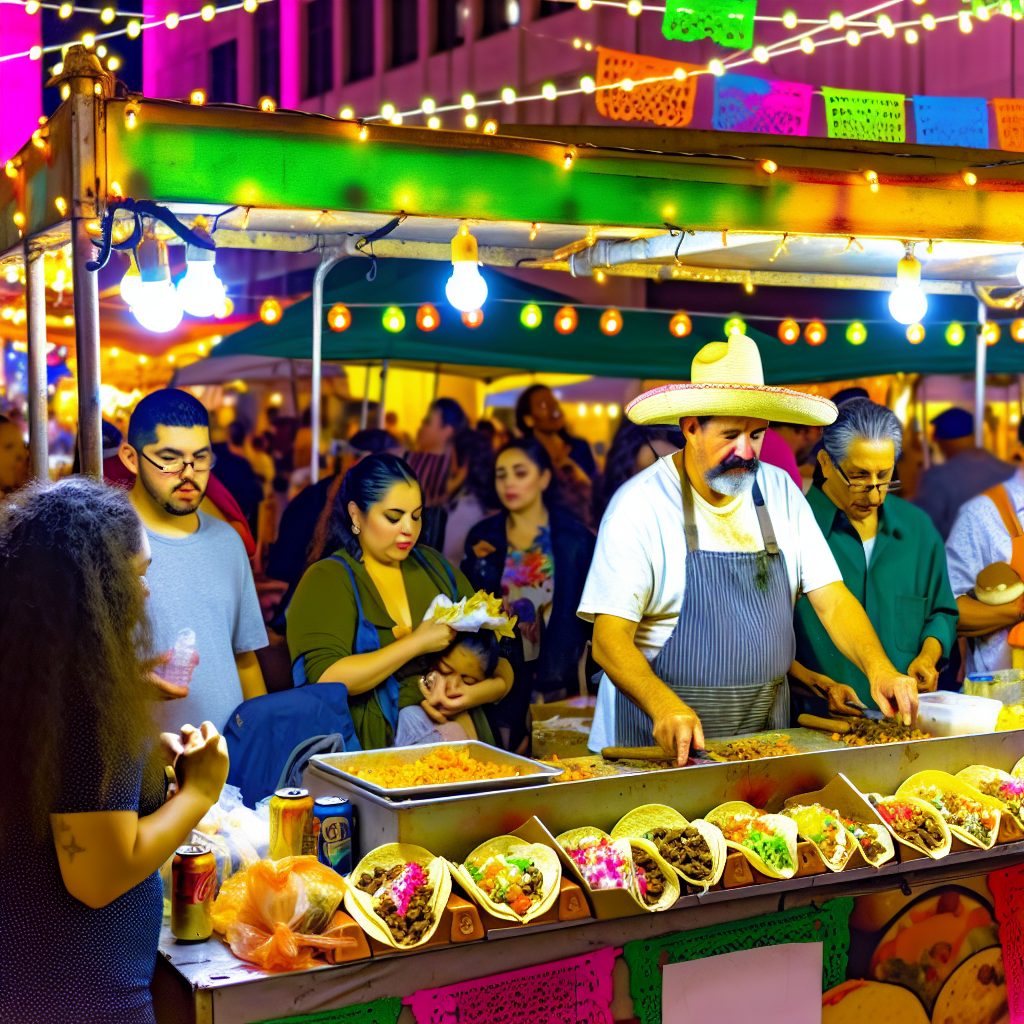
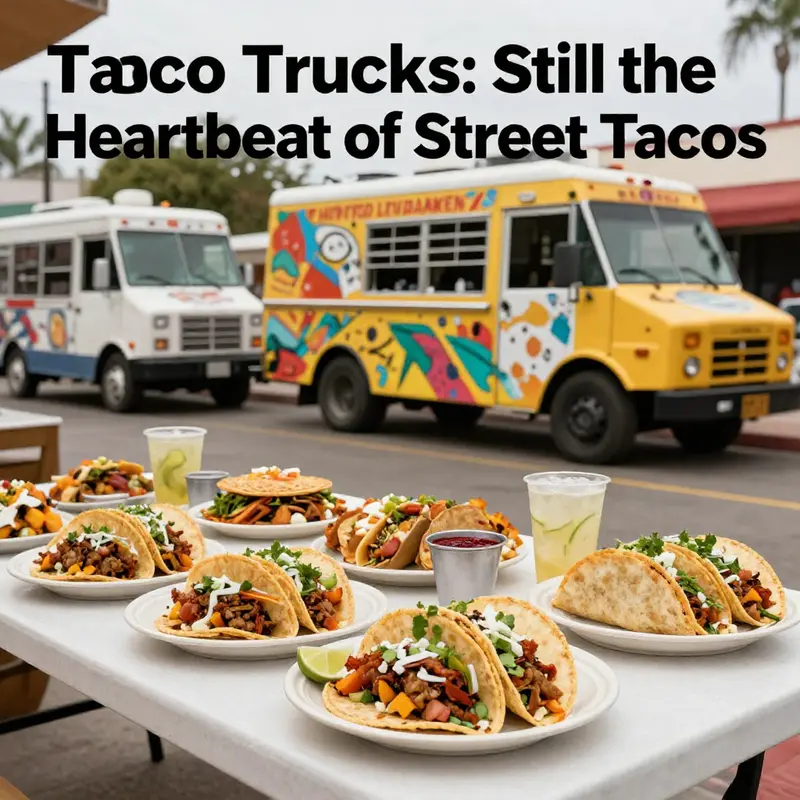
Taco trucks have become an integral part of urban life, serving not only as food vendors but also as cultural hubs that showcase the rich flavors of street tacos. With their origins steeped in authenticity, these mobile kitchens thrive in cities brimming with culinary diversity. This article delves into their multifaceted identity, highlighting their significance in urban culture, their commitment to tradition, the innovations they embrace, and the community connections they foster. Join us on this flavorful journey through the world of taco trucks and their enduring legacy in street food culture.
Taco Trucks: The Enduring Soul of Street Tacos in Modern Urban Landscapes
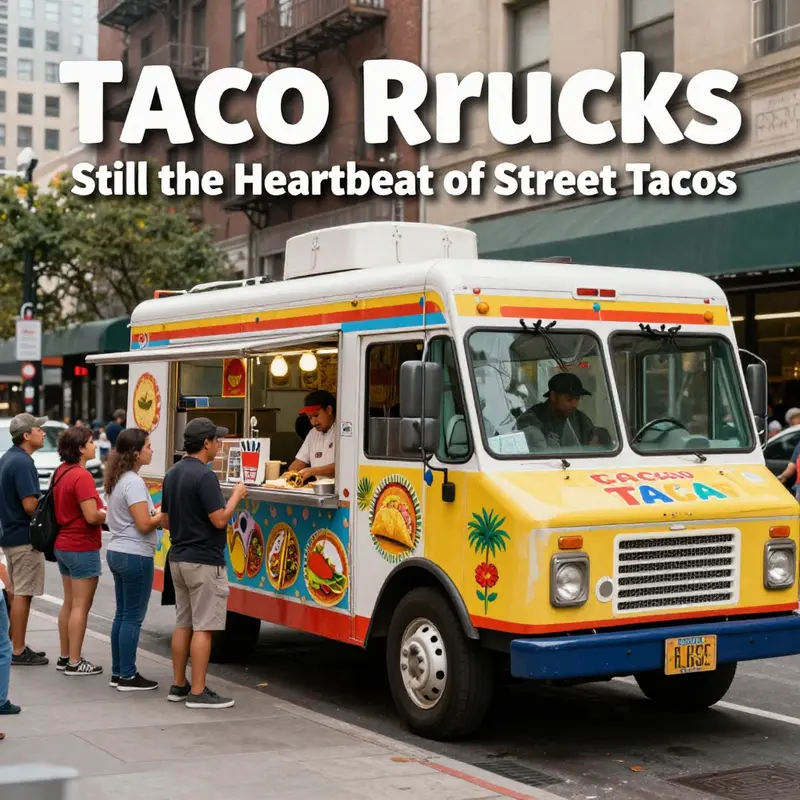
In the heart of every bustling city, the taco truck stands as a vibrant testament to the enduring spirit of street tacos. These mobile kitchens are more than just means to satisfy hunger—they embody a rich cultural tapestry woven from migration stories, culinary ingenuity, and an unwavering passion for authentic flavors. In cities like Austin and San Francisco, taco trucks remain a critical piece of urban culture, serving up not only delicious food but also a slice of history and tradition that is constantly evolving.
At their core, taco trucks operate on a simple yet powerful philosophy: delivering authentic, quick, and flavorful tacos that recall the vibrant street food scene of Mexico. Over decades, these trucks have grown from modest family-run stands into influential cultural institutions. Their journey mirrors the broader narrative of the Mexican American experience, wherein migration, adaptation, and resilience create a canvas for the fusion of flavors and ideas. Chefs who run these trucks often inherit recipes and culinary secrets passed down through generations, yet they are not bound by tradition alone. Many embrace modern trends, experimenting with seasonal ingredients and innovative techniques, without ever straying from the foundational concepts of straightforward, high-quality street food.
The evolution of taco trucks is a dance between tradition and innovation. On one hand, there is a steadfast commitment to the classics—tacos filled with tender carnitas, rich al pastor, or the delectably crunchy chicharrón. On the other, there is an insatiable curiosity that drives culinary creativity. In some instances, chefs pour over regional dishes and international flavors, blending them with time-honored recipes to create uniquely crafted fusion tacos. This creative tension is a microcosm of the broader experience of cultural adaptation, where new traditions emerge from respectful dialogue between the old and the new.
Beyond the food itself, taco trucks carry significant socio-cultural weight. They are emblematic of a largely informal economy that thrives in the spaces between official city planning and regulation. Often parked in public spaces or at the edges of urban development, these food trucks remind city dwellers that public spaces are for everyone. Their presence has sparked spirited debates about urban zoning, quality of life, and equitable access to communal resources. Here, the simple act of serving a taco transforms into a form of cultural resistance—a quiet assertion that communities, especially those with marginalized voices, have the right to define and reclaim public spaces in their own image.
The physical design of a taco truck is in itself a statement of practicality and passion. Each truck is often a custom-built mobile kitchen, tailored to meet specific culinary needs and local regulations. The design allows for flexibility; a truck can serve a weekend crowd in a local park one day and a busy lunch crowd in a downtown office district the next. Such adaptability is a cornerstone of their charm. The mobility of these trucks not only democratizes entrepreneurship by keeping overhead costs low but also fosters a close-knit connection with the community. Frequent updates on social media and word-of-mouth recommendations create an ever-changing culinary map that reflects the local pulse of a city.
The tangible nature of a taco truck is interwoven with stories of struggle and triumph. Many of these ventures start with limited capital, yet a small investment in a well-designed truck and quality ingredients can quickly blossom into a thriving business. In the face of stringent city ordinances and challenges from larger food franchises, taco trucks operate as beacons of independence and resilience. Their success is in part due to the direct and personal relationships they build with their patrons, a connection that is often lost in more formal restaurant settings. In this sense, every taco truck is a local icon—an ambassador of culinary heritage and a symbol of community empowerment.
As the urban landscape shifts with changing priorities and economic conditions, the taco truck remains a touchstone of authenticity. While some trucks have paved the way for further evolution by expanding into permanent locations, the original mobile model endures. This mobility encapsulates the spirit of an ever-adapting society. The immediacy of a taco truck’s presence—today’s food truck might be a beloved institution tomorrow—creates a living, breathing experience that invites spontaneity and adventure. The dynamic nature of their operating schedules only reinforces the idea that the best experiences in street tacos often lie in the transient, ephemeral moments when tradition meets opportunity on a city street corner.
In recent years, the rise of innovative models has further reinvigorated the taco truck scene. Emerging entrepreneurs have leveraged technology to reimagine the taco experience. Digital updates on locations, online ordering systems, and even integration with food truck ranking platforms have transformed how enthusiasts discover and interact with these culinary gems. For example, enthusiasts can now explore detailed profiles of various trucks, including their specialties and customer reviews, in order to plan their culinary adventures. Resources like the article on innovative taco truck models, found in resources such as innovative taco truck models, play a pivotal role in connecting food lovers with the best of what the street taco culture has to offer.
Cultural narratives embedded in taco trucks extend beyond the food and the physical truck itself—the act of gathering around a truck, sharing a meal, and conversing with the chef or owner creates a unique communal ritual. The informal setup, often free of the rigid formalities seen in conventional dining establishments, encourages interaction across diverse social backgrounds. It is in these spaces that the city’s pulse is most palpable, where each bite of a taco is imbued with the energy of community and the heritage of a far-off land. Patrons find in these encounters not only nourishment but also a sense of belonging that transcends the ordinary. Each taco truck is a storyteller, revealing chapters of personal and collective histories, and bridging gaps between generations and cultures.
This narrative of cultural identity is especially poignant when considering the evolution of the taco truck as an entrepreneurial phenomenon. The ease of starting a taco truck business has democratized the culinary landscape, providing opportunities for aspiring chefs and immigrants alike to share their heritage and passion. Despite facing significant challenges—ranging from fluctuating permit regulations to the ever-present competition from rapidly expanding brick-and-mortar restaurants—the taco truck persists as a vehicle for creativity and personal enterprise. In cities where economic disparities are pronounced, the taco truck offers a unique and accessible avenue for economic mobility and cultural representation.
In the face of modern challenges, several taco trucks have taken proactive steps to adapt and innovate. Embracing sustainable practices and prioritizing local and seasonal produce, many operators are redefining what it means to serve street tacos in a contemporary setting. This commitment to sustainability not only enhances the quality of the food but also resonates deeply with a community increasingly concerned with environmental issues. By forging new partnerships with local farmers and artisanal producers, these trucks create a circular economy that benefits the local community while preserving the cultural authenticity of their offerings.
Amid the rapid pace of change in the culinary world, the legacy of taco trucks as purveyors of authentic street tacos remains intact. Through their continuous transformation and ability to balance tradition with modernity, taco trucks serve as a living archive of cultural evolution. The narrative of migration and adaptation, of chefs honoring their roots while embracing innovation, is clearly reflected in every meticulously prepared taco that leaves a truck’s window. The street taco, with its humble origins and infinite possibilities for reinvention, continues to serve as a reminder that even in the midst of fast-paced urban development, there is room for deep-rooted traditions and heartfelt craftsmanship.
The evolution of these mobile kitchens is not merely a tale of culinary innovation—it is a broader commentary on urban life, cultural identity, and the endless possibilities that arise when communities come together. The dynamic interplay between regulatory challenges and entrepreneurial spirit results in a culinary experience that is as much about community engagement as it is about flavor. The simplicity of a well-made taco resonates on a personal level, symbolizing the essence of community, creativity, and even defiance. As the cityscape expands and evolves, so too does the role of the taco truck. It adapts, reflects new cultural influences, and continues to hold a mirror up to the society that nurtures it.
It is worth noting that beneath the layers of innovation, every taco truck harbors an unspoken commitment to authenticity. The culinary choices remain deeply rooted in tradition: fresh handmade tortillas, slow-cooked meats, and vibrant salsas that burst with flavor. These elements are not merely ingredients—they are living memories of a vibrant culinary heritage that sustains and inspires. The trade-off between maintaining authenticity and embracing modern trends is navigated with careful consideration by taco truck operators, who understand that the soul of the street taco lies in its simplicity and sincerity.
In a world where change is constant and innovation is celebrated, taco trucks remind us that some traditions are worth preserving. They are the culinary storytellers that invite us to journey back to a time when food was not just consumed, but experienced. By adapting to contemporary tastes and leveraging new technologies without compromising on their core identity, these mobile kitchens continue to serve as custodians of a rich cultural legacy. They honor the past, engage with the present, and inspire visions of the future—all with a single, superb taco in hand.
For those interested in a deeper dive into the cultural impact and transformation of taco trucks as symbols of culinary heritage, the book The Taco Truck: How Mexican Street Food Is Transforming the American Experience offers comprehensive insights into this dynamic phenomenon. (External Source: The Taco Truck: How Mexican Street Food Is Transforming the American Experience).
Urban Resilience and Culinary Heritage: Taco Trucks as Cultural Pillars in the Modern City
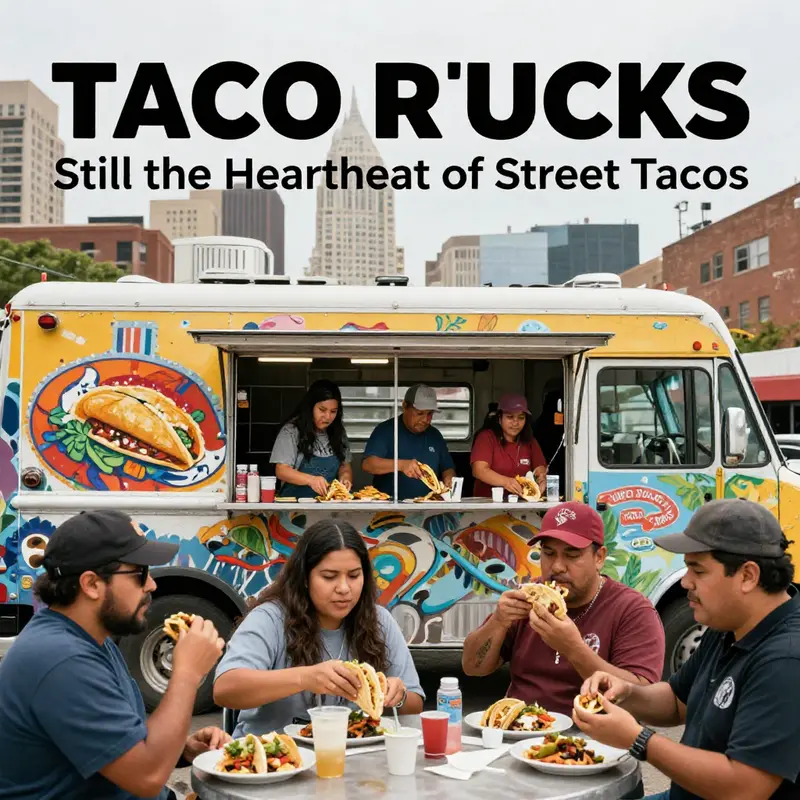
Taco trucks have long been emblematic of urban vibrancy and cultural ingenuity, serving as both purveyors of traditional cuisine and living symbols of community resilience. Rooted in a tradition that stretches from the bustling street markets of Mexico to the eclectic neighborhoods of American cities, these mobile vendors encapsulate the heart and soul of street tacos. They serve dishes steeped in heritage yet are constantly evolving with contemporary culinary trends that mirror the diversity of the urban landscape. Over the years, taco trucks have emerged as transformative spaces that not only offer affordable, high-quality food but also function as nexus points for cultural expression and social interaction.
In cities like Austin and San Francisco, taco trucks are more than just convenient food stops; they are integral components of the local fabric. Many of these mobile kitchens began as modest family-run operations, operating during weekends or special community events. However, their impact has been profound as they have grown into beloved institutions that shape urban culture. Each truck is a moving festival of flavors, where traditional favorites such as carnitas, al pastor, and chicharrón are prepared with care and served on handmade tortillas. The aroma of spices and slow-cooked meats, reminiscent of street vendors in Guadalajara or Mexico City, evokes a powerful sense of nostalgia and authenticity in every bite.
This enduring appeal has roots in the very nature of street food: its simplicity, its immediacy, and its profound sense of place. Taco trucks create unique microcosms within the urban landscape, reclaiming public spaces and transforming unconventional locations into community gathering spots. These mobile eateries inspire spontaneity and provide a venue for cultural exchange. Families, friends, and even casual passersby naturally congregate around the vibrant trucks, sharing in the joy of a meal that is as much about community as it is about culinary excellence. The act of gathering around a taco truck becomes a ceremonial affirmation of local identity and inclusivity.
For many immigrant families, operating a taco truck is not merely a business venture but a deeply personal journey of cultural preservation and economic empowerment. In the face of ever-changing urban dynamics, these entrepreneurs have turned the humble taco truck into an emblem of resilience. The success stories of these mobile eateries underscore a larger narrative of migration and cultural continuity. As they adapt traditional recipes to incorporate local ingredients and innovative twists, taco trucks serve as living museums of culinary history. Each taco is a testament to the skills, sacrifices, and dreams of generations who have sought to maintain their cultural legacy while embracing new opportunities.
At its core, the taco truck phenomenon symbolizes the fusion of Mexican heritage with American entrepreneurial innovation. This dynamic is vividly illustrated in neighborhoods where these trucks operate, often in areas underserved by conventional restaurants. By offering accessible, affordable, and authentic food, taco trucks help bridge cultural and economic divides. They provide gourmet experiences without the need for opulent settings or high prices, thus democratizing the pleasures of traditional cuisine. The resulting dishes are not only rich in flavor, but they also serve as a medium through which communities can connect and thrive.
Economic factors play a significant role in the continued success of taco trucks. Their low overhead costs compared to brick-and-mortar establishments allow operators to focus on quality and authenticity without succumbing to the pressures of excessive expenses. In this way, taco trucks epitomize the spirit of entrepreneurship in its most unadorned form—resourceful, innovative, and deeply intertwined with the communities they serve. The economic model of a taco truck is one of flexibility and adaptability. Operators can shift locations based on neighborhood needs, participate in local events, or even respond to spontaneous urban gatherings. This mobility is not merely a logistical convenience; it is a powerful symbol of dynamic urban life that continuously reinvents itself.
Equally important is the cultural contribution of taco trucks in shaping urban social spaces. As these trucks park on busy street corners, they do more than serve food—they breathe life into neighborhoods. Their presence invites dialogue, fosters casual interactions, and promotes a sense of belonging among locals and tourists alike. The cultural significance of these establishments extends beyond the culinary world. By serving as communal hubs, taco trucks encourage an organic exchange of ideas, traditions, and experiences. They challenge the conventional perception of public spaces, proving that valuable social interactions and cultural connectivity can emerge from the humblest of settings.
The evolving identity of taco trucks is also evident in the creative ways in which culinary traditions are reshaped through innovation. Chefs operating these trucks have become masters of fusion cuisine, blending flavors and techniques from different gastronomic traditions while never straying too far from their roots. Some trucks now offer inventive combinations that bring together elements of Filipino and Mexican cuisine or other regional influences. This cross-cultural dialogue not only enhances the palette of available flavors but also underscores the universal appeal of street food. Even as some operators transition into fixed locations, the spirit of mobility and spontaneity remains an essential part of their identity. For example, innovative models have continued to champion the street taco ethos while expanding their culinary repertoire, proving that reinvention need not come at the expense of tradition.
The vibrant cultural tapestry of urban life finds a clear expression in the role of taco trucks. Their ability to adapt to local contexts while retaining the essence of street food sets them apart as true cultural ambassadors. The interplay of tradition and modernity is a recurring theme in their evolution. Every taco truck, with its unique menu and distinctive style, becomes a limited-edition chapter of the larger urban narrative. This narrative highlights themes of resilience, community solidarity, and cultural continuity that resonate with contemporary societal issues. The concept of reclaiming urban space, as discussed by scholars like Robert Lemon, is vividly embodied in these mobile kitchens. They serve as both literal and metaphorical anchors in a cityscape that is constantly in flux.
Yet, the story of taco trucks is not solely defined by the food they serve—it is equally about the stories behind the food. The act of selling tacos is, in many ways, an act of cultural storytelling. Recipes are handed down through generations, and each ingredient carries the weight of history, migration, and personal triumph. The taco truck is both a small business and a stage for cultural expression, where culinary art meets everyday struggle. Operators share their stories with customers, creating an immediate and intimate connection that transcends everyday transactions. This narrative provides a counterpoint to the often impersonal nature of commercialized dining and invites a deeper appreciation of the tradition behind each taco.
The unique challenges taco trucks face, such as competition from well-established restaurants and regulatory hurdles, only add to their allure. Overcoming these challenges requires a blend of artistic flair and practical business acumen. This delicate balance has allowed many taco truck operators to thrive even under adverse conditions, transforming obstacles into opportunities for innovation. Their ability to adapt in times of economic and social change serves as an inspiration for urban communities everywhere. Artistically, these trucks are a reflection of the hustle and bustle of city life: ever-changing, diverse, and full of creative energy.
For those who wish to delve deeper into the artistry and operational styles of these mobile culinary enterprises, a detailed exploration of different taco truck models can be found in this taco truck culinary success review. Such insights highlight how operators constantly refine their offerings without ever compromising on the authenticity that defines a true street taco experience.
Ultimately, taco trucks have transcended their initial purpose as mere food vendors to become enduring symbols of urban cultural identity. Their evolution reflects broader societal trends of inclusivity, entrepreneurial spirit, and cultural exchange. Every time a taco truck sets up shop on a city street, it reaffirms the importance of tradition and heritage while embracing the inevitability of change. The tangible community impact they generate is a powerful reminder that the simplest forms of culinary expression can foster profound cultural connections. Urban dwellers continue to celebrate these mobile feasts, finding in them a sense of pride, belonging, and shared history. As cities evolve, so too do the taco trucks that serve them—a delightful paradox of stability and change that defines the modern urban mosaic.
This interplay of tradition and innovation, cultural storytelling and entrepreneurial vigor, is what keeps the essence of street tacos alive and thriving. It is a living testament to the enduring allure of simplicity and the transformative power of food. Every taco, wrapped in a soft tortilla and bursting with flavor, is a story waiting to be told—a story of immigrant ambition, of neighborhood camaraderie, and of a culinary legacy that refuses to fade. For those intrigued by the transformative impact of Mexican street food on the American urban landscape, the scholarly article available on How Mexican Street Food Is Transforming the American Landscape offers a deeper academic perspective on these phenomena.
Timeless Traditions: Celebrating the Authentic Spirit of Taco Trucks
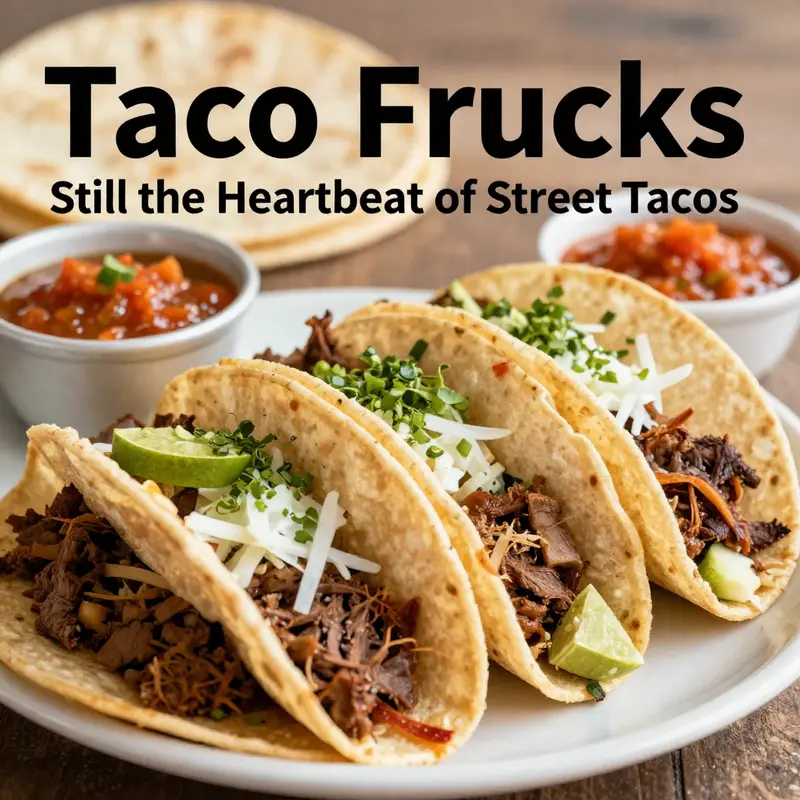
Taco trucks carry a legacy that is as rich as it is resilient. Their story unfolds on busy city streets, at neighborhood corners, and at community gatherings where each taco served is a nod to a time-honored craft. The essence of these mobile kitchens is rooted in the traditions of Mexican street fare, where authenticity and simplicity blend with bold flavors and a sense of community. Every taco that rolls out of these trucks tells a story of migration, cultural celebration, and culinary artistry that defies modernity to preserve age-old practices.
The authenticity of a taco truck is not measured solely by its menu but by the techniques and ingredients that have been passed down through generations. Chefs in these trucks embrace traditional methods, often cooking on a comal over an open flame, infusing every tortilla and meat preparation with natural, smoky aromas. This process, almost ritualistic in its execution, reminds one of vendors from the streets of Guadalajara or Mexico City, where every dish is a celebration of heritage. The techniques used may seem elementary when compared to gourmet restaurant presentations, yet it is exactly this simplicity that renders them timeless. It is a culinary art that values quality over embellishment, where the local ingredients speak for themselves.
Observing a taco truck in operation is like watching a live performance of history. The sizzle of meat on the hot griddle, the delicate flip of a handmade tortilla, and the careful sprinkling of freshly chopped cilantro all contribute to a narrative of perseverance and pride. The trucks, often family-run enterprises, evolve from modest weekend stands into hubs of neighborhood connection. In cities such as Austin and San Francisco, these trucks are not only businesses but community cornerstones where traditions are celebrated daily. In these urban settings, the legacy of street food merges with contemporary gustatory innovations, creating a dynamic interplay between the old and the new.
Cultural heritage plays a pivotal role in defining the taco truck experience. The flavors, aromas, and textures are derived from long-established traditions that originated on the busy streets of northern Mexico. Tacos prepared by these mobile vendors often include classics like carnitas, al pastor, chicharrón, or even inventive fusions that adapt to local tastes. The process is an intimate dialogue between history and innovation. Chefs honor ancestral recipes while subtly tweaking them to resonate with modern palates. In doing so, they keep alive not just a method of cooking, but a cultural expression of community and resilience. Each dish is a culinary ambassador, representing stories of generations that have safeguarded these recipes over decades.
At times, the simplicity of ingredients is the final testament to quality. Fresh, locally sourced produce and meats are selected with care for their innate flavors, echoing the practices of small vendors along iconic streets such as González Street. The emphasis remains not on ornate presentations but on delivering pure, unadulterated taste. Cooking on a comal, an age-old griddle, infuses each taco with an earthy nuttiness that modern appliances rarely replicate. The resulting combination of textures, from the soft, warm tortilla to the perfectly seasoned meat, creates an experience that connects the diner directly with a storied past. Even as culinary trends evolve around the globe, the basic elements of street tacos continue to resonate with those seeking authenticity.
A key aspect that defines taco trucks is their mobility. Their transient nature is not a weakness but a strength. These trucks traverse busy urban landscapes, adjusting their locations to serve different communities and respond to changing neighborhoods. The ability to move from one community to another means that the heritage of Mexican street food is continuously shared and adapted, bridging the gap between roots and urban living. While some taco truck owners have ventured into permanent brick-and-mortar establishments, many continue to operate on the move, ensuring that the spirit of street tacos remains accessible and alive. This fluidity in location makes these mobile kitchens role models for adaptability in a world where cultural footprints are increasingly global yet deeply local.
In each neighborhood, taco trucks serve as microcosms of cultural exchange. Their presence is a melting pot of flavors and influences. For instance, some trucks experiment with regional twists by integrating local spices and ingredients into traditional recipes. These adaptations often result in vibrant fusions that retain the authentic foundation of Mexican street food while expressing regional identities. One might find a taco truck in a bustling city twirling classic recipes with inventive garnishes made from seasonal produce. Such creativity celebrates the versatility of the taco format without compromising on the culinary heritage that imbues each bite with rich, historical significance.
Amid this evolution, the connection to community remains unbroken. The street taco experience is as much about the food as it is about the interpersonal bonds formed over a shared meal. Families, friends, and even strangers gather around a taco truck, uniting over the universal language of good food. In these moments, the truck becomes much more than a vendor—it transforms into a communal gathering place where narratives of heritage, love, and resilience are shared. Every taco becomes a medium for conversation and a celebration of traditions passed down through innumerable generations. This interplay of food and community fosters a unique culinary culture that transcends the boundaries of ethnicity and geography.
The urban environment further enhances this connection. In cities like Austin, taco trucks have gradually integrated themselves into the social fabric, gaining reputations as authentic purveyors of street fare. Visitors and locals alike follow social media updates to track down the best offerings on any given day. The dynamic nature of these food trucks encourages a direct, real-time connection between chef and consumer. As the trucks move from one street corner to another, they also move the traditional cooking techniques and ingredients from one community to the next. This continuous exchange fosters a lively cultural dialogue where modern urban sensibilities meet time-tested culinary practices.
With each passing day, taco trucks continue to redefine the very idea of authenticity. They show that true tradition does not remain static; it adapts, evolves, and thrives even in the face of changing tastes and economic landscapes. The story of these trucks is one that speaks to the enduring power of cultural heritage. It is a narrative punctuated by the sounds of sizzling meat, the aroma of roasted spices, and the laughter of communities coming together. Every element, from the handmade tortilla to the carefully cooked protein, is imbued with the soul of centuries-old traditions. This soul invigorates the urban tapestry, reminding all who partake in it of their shared history and common humanity.
The interplay between old-world culinary techniques and new-world entrepreneurship is a delicate balancing act. While modern trends may encourage a focus on aesthetics and presentation, the heart of the taco truck remains steadfast in its commitment to traditional methods. The use of basic tools, such as the humble comal, underlines the importance of preserving the original flavors and techniques that defined Mexican street food. The resulting dishes are unpretentious and honest. They do not rely on elaborate presentations but instead on the quality and authenticity of each bite.
For entrepreneurs looking to understand the authentic roots of taco trucks, exploring articles about contemporary models and their success stories can provide further insights. For an engaging overview of the different facets of these mobile kitchens, consider reading this detailed exploration of top taco truck models. Such insights underline that while innovation is necessary, maintaining the culinary heritage is paramount for sustaining the cultural narrative that these trucks have built over the years.
Even as the modern culinary landscape experiments with fusion cuisines and novel dining concepts, the spirit of the taco truck remains an enduring symbol of authenticity. Its presence in urban settings is a constant reminder of a simpler time when food was a direct reflection of cultural identity and community pride. Taco trucks have managed to navigate the press of modernity without sacrificing the intimate connections they forge with both traditions and their patrons. This balance ensures that each taco not only tantalizes the taste buds but also nourishes the soul with its rich historical context.
This narrative of authenticity extends far beyond food. It speaks to the broader idea that cultural traditions can persist even when circumstances demand change. In every city where a taco truck parks, there is a story about the interplay of tradition and innovation. The art of taco making, preserved through generations, meets modern entrepreneurial spirit, creating a tapestry that is as diverse as the people it serves. This synthesis is a testimony to the strength and adaptability of cultural practices in the face of changing environments.
At its core, the taco truck is a living monument to the past. Its culinary techniques, sourced ingredients, and commitment to community engagement create an experience that transcends a mere meal. Each truck is a microcosm of the vibrant cultures that pioneered the art of street food. Their mobile nature allows them to remain evergreen cultural ambassadors, bringing the authentic taste of traditional Mexican street food to every locale they visit. The enduring popularity of these trucks underscores a larger truth: that genuine culinary craftsmanship and a connection to heritage form the heart of any great food tradition.
For readers eager to deepen their understanding of the origins and evolution of these iconic street vendors, an excellent external resource is available. The article Authentic Tacos From González Street Vendors provides an in-depth look at the traditional methods, ingredients, and rich cultural heritage behind these beloved tacos. This further exploration highlights that while the taco truck continues to innovate, its foundation remains deeply rooted in an authentic past that continues to inspire modern culinary art.
Street Heritage and Culinary Reinvention: Taco Trucks Holding Fast to Tradition
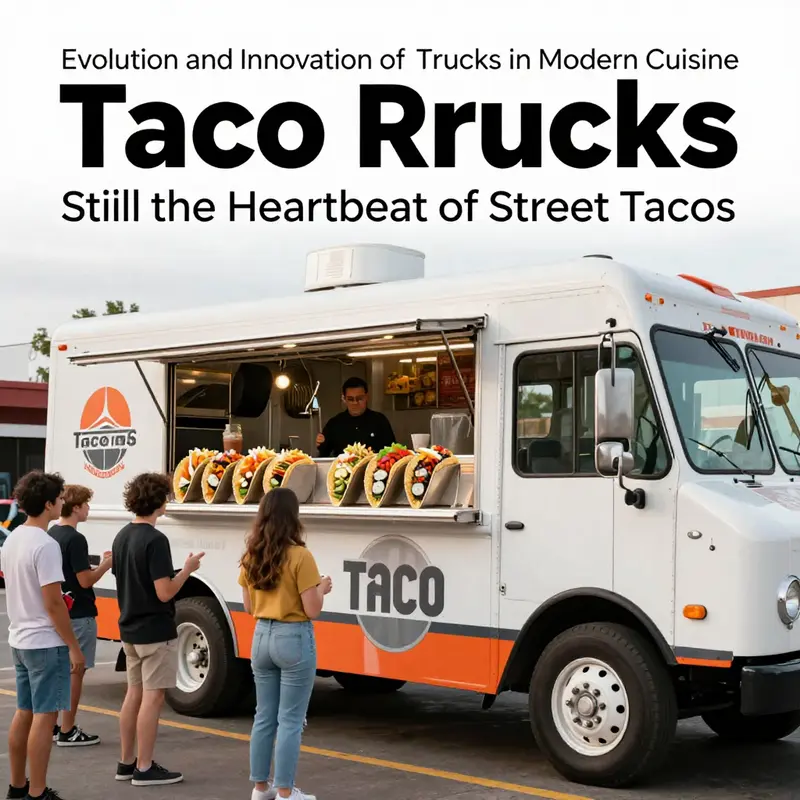
Taco trucks continue to be the lifeblood of modern street food culture even as they evolve. These mobile culinary hubs remain deeply tied to their roots in Mexican street cuisine while embracing innovation, community engagement, and contemporary culinary trends. At their core, taco trucks still offer the quick, flavorful, and authentic street taco experience, and their presence in cities like Austin, San Francisco, and Los Angeles is a testament to the enduring power of tradition fused with modern entrepreneurship. As urban landscapes change and culinary expectations rise, taco trucks have become dynamic ambassadors of cultural heritage, reflecting stories of migration, adaptation, and the persistent joy of a well-made taco. Every truck on a busy street corner is more than a vendor—it is part of a living narrative that bridges the past and the present.
Drawing on rich culinary traditions that date back centuries, taco trucks trace their origins to the vibrant street food scenes of Mexico. These mobile kitchens have long been a training ground for flavors that were perfected in the bustling streets of Mexico City and Guadalajara. The techniques used in preparing tortillas by hand, slow-cooked meats, and zesty salsas pay homage to practices that predate modern cooking while celebrating the artistry of simple, fresh ingredients. Over time, these humble origins have become intertwined with the immigrant experience in America, where early food vendors brought with them recipes, cultural pride, and a can-do spirit. This melding of influences has created a unique food culture that continues to challenge and even reshape the urban culinary landscape, acting as a form of culinary resistance and creative expression in spaces that are constantly evolving.
In many American cities, the evolution of the taco truck mirrors broader trends in urban food innovation and cultural adaptation. Family-run kitchens that once operated as weekend stands have grown into celebrated institutions, offering dishes that remain true to traditional recipes while incorporating innovative twists. Authentic street tacos such as carnitas, al pastor, and chicharrón are still at the heart of many menus. Yet, modern operators are not shy about experimenting with new ingredients or global flavor notes, ensuring that the iconic taco is never static. This blend of old and new has helped preserve the food’s authenticity and made it highly adaptable to contemporary tastes. Traditional methods—such as live-fire grilling for flavor depth—are frequently used alongside modern techniques like sous-vide cooking. These culinary innovations ensure that while the format may have evolved, the essence of the street taco remains unchanged.
The fusion of heritage and experimentation is particularly evident in cities that serve as melting pots for diverse culinary influences. In neighborhoods where food trucks have become pivotal community fixtures, creativity reigns supreme. For instance, many vendors now craft menus that reflect a dialogue between Mexican flavors and other global cuisines. This openness to hybridization is showcased by vendors who serve fusion tacos that might blend ingredients or cooking styles from various cultures. One can observe clear examples of this creative process in articles such as those that highlight the trends in innovative taco truck models, where vendors experiment without sacrificing the authenticity of the traditional taco. The resulting dishes, bursting with bold flavors and inventive combinations, testify to the flexibility of the taco truck model. They serve as a reminder that innovation and tradition can intersect in ways that are both respectful and revolutionary.
Entrepreneurial savvy and community engagement are also at the heart of the taco truck revolution. Modern truck operators use social media and mobile technology to connect with their customers, creating a dynamic dialogue that influences menu offerings and location choices. This unique approach is pivotal for reaching younger generations who value authenticity, immediacy, and a direct connection with their food source. Online platforms not only announce daily locations but also celebrate the truck’s culinary journey, forging personal connections with patrons who often return as much for the experience as for the food itself. Taco trucks have thus become local landmarks, blending the spontaneity of street vending with the insights of digital marketing. By engaging with their customers directly, these mobile kitchens create a sense of community that transforms a simple meal into an event steeped in local lore and shared experience.
The innovative spirit of taco trucks extends beyond just culinary experimentation and digital engagement. Many vendors are actively rethinking their business models, adapting their menus to seasonal ingredients and local tastes while retaining the simplicity and accessibility that define street food. This agile approach to business enables taco trucks to remain relevant amidst a rapidly changing urban environment. Operators continuously monitor trends, experiment with eclectic flavor profiles, and even explore collaborations that further elevate the street taco into new realms of gastronomic pleasure. The result is a resilient and responsive food culture that embraces change without losing sight of its core values. In an era when authenticity is highly valued and culinary narratives are driven by both heritage and innovation, taco trucks stand as emblems of a delightful, enduring paradox—a modern iteration of time-honored recipes that continues to spark joy in communities across the nation.
Central to the evolution of these mobile eateries is a deep commitment to authenticity that transcends mere culinary technique. Taco trucks are not only about serving food; they are about creating a communal experience that brings people together. Every serving of tender meat wrapped in a handmade tortilla carries with it a story of cultural legacy, family tradition, and communal pride. Vendors often share personal tales of recipes passed down through generations and the challenges overcome to bring these flavors to the streets. This storytelling is an integral pillar of the taco truck experience, making each bite a celebration of identity and resilient community spirit. Moreover, the location shifts of these trucks—from busy business districts to lively neighborhood corners—foster impromptu interactions that build social cohesion and enrich urban life. The authenticity of the food, combined with the spontaneity of its service, creates moments of surprise and delight that have become essential to the pulse of city living.
The fusion of creative passion and practical business strategy has enabled taco trucks to thrive in the face of modern challenges. As cities grapple with questions of urban planning, economic disparity, and rapid technological change, taco trucks serve as lively, adaptive responses to these issues. They introduce vibrant cultural expressions into spaces that are often overly structured, bringing a freshness that disrupts sterile urbanity with bursts of color, aroma, and excitement. The agility of taco trucks—manifested in their ability to change location, adapt menus, and engage with digital networks—ensures that they remain indispensable components of the modern food ecosystem. By balancing innovation with preservation, these mobile vendors offer both nostalgia and novelty. They remind us that the best experiences often lie at the intersection of tradition and creativity, where every taco tells a story that is both local and universally appealing.
The journey of taco trucks is a testament to the strength of culinary heritage and the transformative power of innovation. As they navigate the evolving urban landscape, these mobile kitchens bridge cultures and generations, offering a food experience that is as much about community as it is about flavor. Even as new trends emerge and restaurant models shift, the core identity of the taco truck remains steadfast, rooted in the authentic taste of street tacos that have delighted generations. Their continued success is a bold statement that street food is not a relic of the past but a thriving, adaptive force in modern cuisine. For anyone interested in understanding the full scope of this evolution, further perspectives on urban food phenomena can be explored in works such as Engaging Taco Truck Space.
Rolling Connections: How Street Taco Trucks Forge Community Bonds in the Digital Age
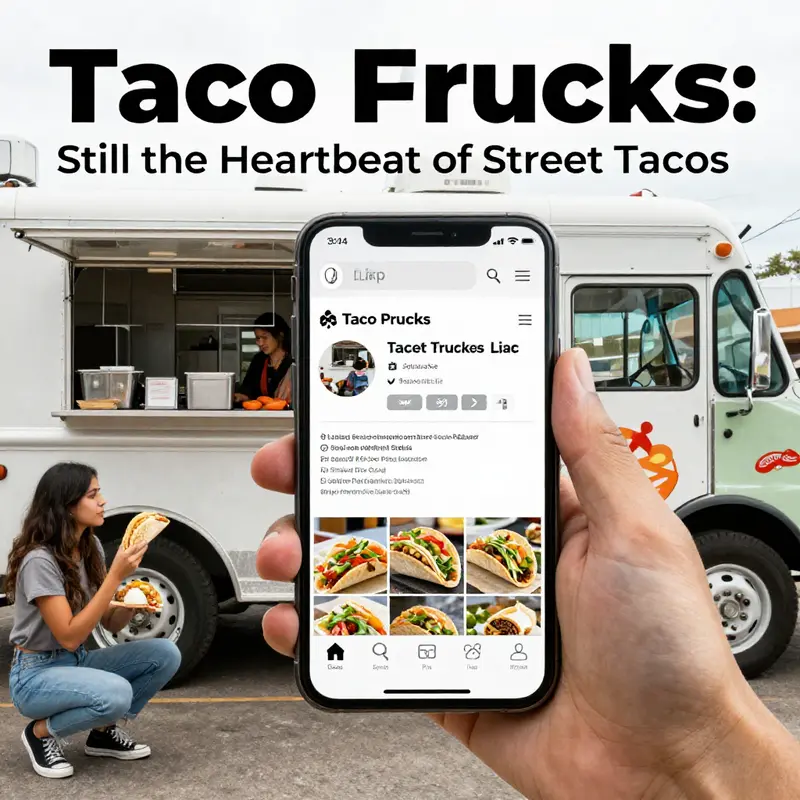
Taco trucks remain a vibrant thread in the dynamic tapestry of urban life, seamlessly blending the authenticity of street tacos with modern community engagement and digital innovation. Their evolution from humble, local food stands to mobile culinary ambassadors is a story of passion, resilience, and the art of connecting people. In neighborhoods across cities like Austin and San Francisco, these mobile eateries not only serve up traditional favorites like carnitas, al pastor, and chicharrón but also act as hubs for community interaction and cultural exchange. Their ability to create a sense of belonging is enhanced by their presence on social media, where every post and every shared story amplifies the deep ties they have formed with their local audiences.
The streets are more than just thoroughfares for taco trucks; they are living corridors of tradition where the past and present meet on every corner. For many, the allure of a taco truck is anchored in the experience—a quick, flavorful bite served with heartfelt hospitality that transcends the mere act of eating. This is where community comes into play. Many taco truck operators are second or third generation cooks who learned their craft in family kitchens, carrying forward recipes and techniques that have been honed over decades. These culinary artisans bring not only a sense of history to their food but also an unspoken promise of quality and authenticity that resonates with a diverse clientele.
At the heart of their appeal is the way these food trucks build relationships. The casual setting fosters conversation and laughter among strangers who, even if momentarily, become part of something larger than themselves—a community united over a shared love of food. Regular customers come to know the faces behind the serving windows, and there is a unique familiarity that evolves between the truck operators and the locals. Stories are shared, personal histories exchanged, and in many cases, lifelong friendships are formed over a plate of freshly made tacos. This organic community spirit is the true essence of what makes a taco truck more than just a fast food option; it is a cornerstone for building connections in an increasingly fast-paced world.
This community engagement is amplified by the digital revolution, where social media platforms like Instagram, Facebook, and TikTok act as digital extensions of these vibrant street corners. Taco truck owners use these platforms not merely as promotional tools, but as instruments to narrate their everyday stories. Posts featuring behind-the-scenes moments in the kitchen, snapshots of busy streets, and candid interactions with customers allow the world to see the human side of what it means to run a taco truck. Every shared image and every video clip enhances their story, inviting viewers to become part of the local narrative even if they have never stepped in person to enjoy a taco. These digital chronicles provide not just real-time updates on their locations and special menus, but also insights into the passion and dedication that power each truck.
Consider the moment when a taco truck owner uploads a photo of a new creation—a blend of traditional flavors spiced up with an innovative twist—and the post quickly garners attention from local food enthusiasts and casual browsers alike. A single viral post can lead to surges of food lovers converging on a location for a taste of culinary adventure, turning an ordinary day into a memorable community event. These experiences are shared and reshared, creating a digital network where every post might spark a new connection or an unexpected reunion of people united by their love for authentic street tacos. The spontaneity that characterizes these interactions is reminiscent of the serendipitous meetings that have long defined the street food experience.
Social media also plays a crucial role in keeping taco trucks dynamic and responsive. The flexibility of the mobile model combined with the immediacy of digital communication allows operators to adjust their offerings based on community feedback in real time. When a particular taco creation resonates with the audience, its popularity is immediately amplified online, prompting chefs to replicate and sometimes innovate further. This swift feedback loop ensures that the menu is continuously evolving, reflecting both tradition and creativity. In a way, every post acts as a pulse check—a digital heartbeat of the community that lets operators know when to experiment and when to preserve the classic staples.
Many within the industry are quick to note that the integration of social media into their operational model has been transformative. The platforms have allowed local taco trucks to shout their presence much louder than a traditional storefront ever could. Regular updates about location changes, special events, or limited-edition offerings build anticipation and create an aura of exclusivity around each meal. For food enthusiasts eagerly tracking these updates, the taco truck becomes a moving landmark—a destination that promises not only outstanding food but also a sense of shared experience and discovery. In the vibrant urban landscape, where choices are abundant and dining options are plentiful, it is this blend of authenticity, innovation, and community warmth that distinguishes taco trucks.
It is also important to recognize that the journey from the street to the screen does not dilute the essence of street tacos; rather, it magnifies their cultural significance. The digital conversation around taco trucks has become an open forum where traditions are celebrated and reinvented. Young entrepreneurs and veteran chefs alike share tips and techniques, blending the old with the new in a dialogue that enriches the culinary landscape. This intersection of tradition and innovation is a powerful reminder that while techniques and presentations might change, the soul of the street taco remains untouched—a heritage of flavor that continues to resonate with each bite.
For many neighborhoods, especially within Latino communities, the taco truck is a beacon of cultural pride. These food trucks often feature recipes passed down through generations, embodying the culinary pillars of their heritage. They serve as reminders that food is not only nourishment for the body but also a vital link to one’s roots and identity. Every flavor tells a story; every spice is a note in a symphony that spans borders and generations. That tradition becomes even more compelling when showcased through the lens of social media, where every post can evoke a nostalgic yearning for a cherished past and a hopeful glance toward an innovative future.
The power of community and social media in influencing taco truck popularity can also be seen in organized events, pop-ups, and collaborations with local businesses. These gatherings are impromptu celebrations that merge culinary art with community spirit. Food trucks often participate in neighborhood festivals and special events, transforming a simple visit for lunch into a festive experience that brings together families, friends, and enthusiasts from various backgrounds. The communal tables that form around these trucks epitomize the idea that food is best enjoyed collectively. Such events not only strengthen the local food culture but also amplify positive word-of-mouth, both offline and online.
In many ways, the success of taco trucks is a microcosm of the larger shifts taking place in urban culinary culture. The reliance on mobile technology, the emphasis on authentic, high-quality ingredients, and the focus on community connection are trends that are redefining the way we think about dining on the go. These trends mirror the broader desires of contemporary consumers who value experiences over convenience, authenticity over mass production. The integration of social media into this ecosystem has been particularly transformational, enabling even the smallest operators to achieve widespread recognition and success. The digital narrative of food adds another layer to its enjoyment, turning a simple meal into an interactive experience that is as engaging online as it is on the street.
A prime example of this phenomenon is highlighted in discussions found in detailed industry articles. For instance, a recent piece on the transformative role of social media in elevating taco truck culture illustrates how digital platforms have enabled these mobile kitchens to build an identity that is both rooted in tradition and vibrantly modern. The power of a single, well-timed Instagram post can elevate a neighborhood taco vendor to local stardom, drawing food enthusiasts from near and far. It is a new era where the spirit of street tacos is carried not just on the wheels of a truck, but also in the hearts and feeds of thousands who celebrate the culture online. Discover more about the success stories of mobile taco ventures.
The behind-the-scenes efforts of these operators are as diverse as the communities they serve. Many invest significant time not only in perfecting traditional recipes but also in cultivating their digital presence. Whether it is by posting stories that document a busy night serving long lines of satisfied customers or uploading snippets that reveal the meticulous care taken in sourcing high-quality ingredients, every aspect of their craft is highlighted. This dual commitment—to serve great food and to build an engaging narrative—ensures that the essence of the taco truck remains both authentic and constantly evolving. The modern taco truck is a storytelling medium that uses culinary art as its language and community spirit as its core message.
The journey of maintaining a taco truck that feels both contemporary and nostalgic underlines the essential debate: are taco trucks still street tacos? The answer finds clarity in the ongoing commitment to authenticity and community engagement. Despite the allure of modern trends and the evolving tastes of new generations, the fundamental characteristics of taco trucks remain unchanged. They are about fast, flavorful food served with a side of culture and connection. Even when a truck upgrades its fleet or experiments with unconventional ingredients, it does so without sacrificing the traditional ethos that has defined it from the beginning. Each taco served is a reminder of a legacy filled with heritage, innovation, and community love.
In an age when digital interactions are often criticized for being superficial, the story of taco trucks presents a counter-narrative. It is proof that physical and digital communities can coexist and even thrive together. The authenticity of street tacos is preserved not only by the tactile experience of a handmade tortilla filled with carefully seasoned meat but also by the virtual conversations and shared posts that keep the spirit alive long after the truck has moved on. As more taco trucks embrace the digital arena, they continue to redefine what it means to be both a street food vendor and a cultural curator.
For readers interested in delving deeper into the multifaceted world of food trucks and community impact, industry insights are readily available for further exploration. A detailed discussion available in an Eater article provides additional perspectives on how the digital landscape has reshaped local culinary traditions. This narrative is not just about the evolution of a business model—it is a testament to the enduring power of community, culture, and great food that brings people together, whether on the busy streets or across digital platforms.
In the end, the legacy of taco trucks is written in the smiles shared, the friendships forged, and the countless moments of joy experienced over a simple yet profound meal. Their story continues to evolve each day, driven by the passion of their creators and the ever-watchful eyes of a community that is deeply connected both in person and online. As we witness these moving kitchens roll through neighborhoods, we are reminded of one simple truth: the spirit of the street taco is not bound by time or technology—it is a living, breathing expression of community and culinary heritage.
Final thoughts
Taco trucks remain a vital part of urban culture, adeptly weaving together tradition, innovation, and community. As culinary entrepreneurs continue to push the boundaries of street tacos while honoring their roots, taco trucks showcase the evolving landscape of food in our cities. Whether you’re seeking a taste of authenticity or adventurous fusion flavors, the world of taco trucks is ready to satisfy your cravings and connect you with the vibrant community that fuels this delicious culture.