
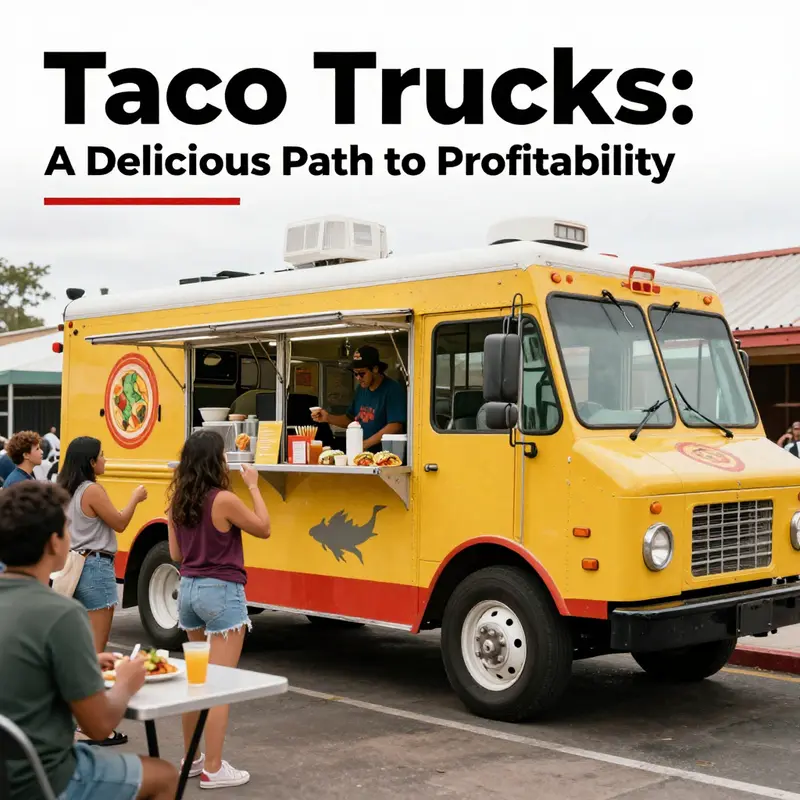
Taco trucks have become a beloved staple of urban culture, serving mouthwatering tacos that delight food lovers all around. But as much as these mobile eateries tantalize our taste buds, there’s a business side that we can’t overlook. Are taco trucks truly profitable? This article dives deep into the factors influencing their success, from location and cost management to effective marketing. We explore the vibrant world of taco trucks and uncover the components that can help these businesses thrive. Each chapter reveals essential insights and actionable strategies that reflect on the overall profitability of taco trucks. Let’s embark on this flavorful journey and find out how these culinary icons can turn into profitable ventures!
Profit Engines on Wheels: How Location, Menu, Operations, and Equipment Drive Taco Truck Success
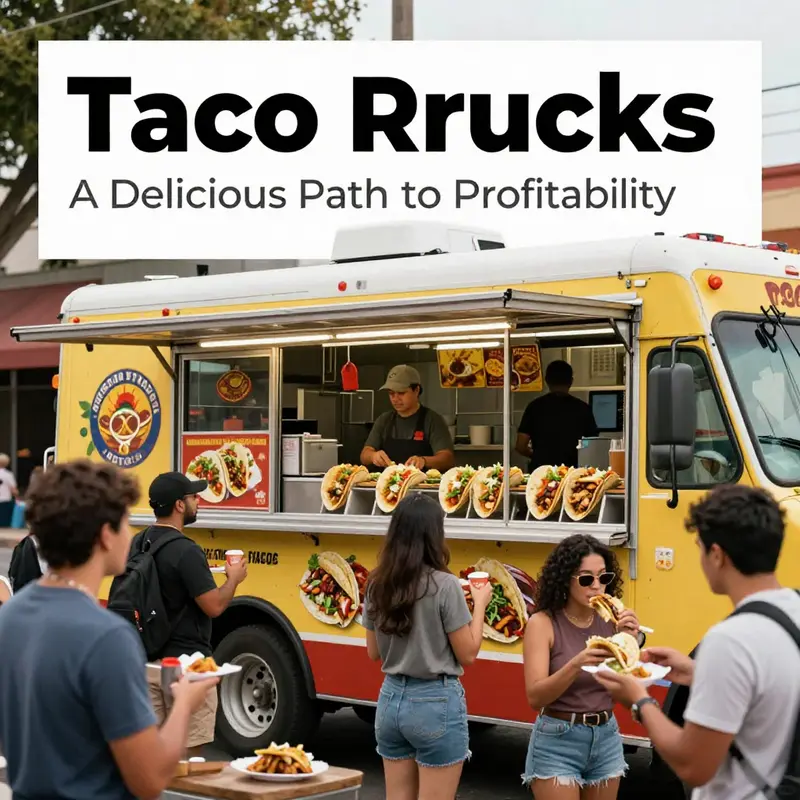
When evaluating whether a taco truck can be profitable, it helps to think of the business as four interconnected engines: location, menu pricing, operational efficiency, and the quality of the mobile kitchen. Each engine affects the others. Together they determine sales volume, cost structure, and the speed at which an operator moves from startup losses to steady profit. This chapter weaves those elements into a single narrative so you can picture how they interact in real-world operations.
A taco truck’s location is the most visible driver of revenue. High foot traffic areas such as business districts, campuses, nightlife corridors, and event venues concentrate potential customers into defined windows of time. But placement is more than raw numbers. Timing matters: lunch crowds tend to be predictable and brief, while evening and festival shifts can stretch longer and yield higher average checks. A steady weekday lunch location can stabilize cash flow; a weekend event route can spike revenue and build brand awareness. Smart operators map demand cycles and avoid chasing transient spots with low conversion. They scout for predictable flows, not just high counts, because converting passersby into buyers depends on convenience, visibility, and perceived value.
Menu design is the second engine. A profitable taco truck mixes high-turn staples with a few premium items. Staples—two or three core tacos, a popular side, and a drink—should move quickly and provide reliable margin. Premium items such as specialty proteins, signature salsas, or limited-time creations let you charge more and boost average ticket size. Pricing must reflect food cost, labor, packaging, and the local market’s tolerance. Aiming for a gross margin between 60% and 75% on food sold gives room to cover fixed expenses while still staying competitive. Portion control, standardized recipes, and clear menu architecture reduce waste and improve predictability. When operators price with both volume and margin in mind, they unlock consistent profitability rather than hoping for occasional windfalls.
Operational efficiency quietly determines how much of revenue becomes profit. A compact kitchen calls for tight systems. Workflows that minimize movement, prepped mise en place, and streamlined ticket flow reduce labor time per order. Cross-training staff lowers the risk of service bottlenecks when someone calls out. Technology—simple POS systems, digital inventory tracking, and mobile payment acceptance—speeds service and improves cash handling. Waste management keeps food costs predictable. Many trucks operate on thin margins in the early days, so every ounce of product saved matters. Efficient operations also reduce the need for overtime and cut the frequency of emergency supply runs.
The fourth engine, equipment and build quality, affects both daily efficiency and long-term cost. A well-constructed truck with commercial-grade appliances runs cleaner, cooks faster, and lasts longer. Investing in quality refrigeration, ventilation, and cooking equipment can cost more up front, but it reduces downtime, repairs, and health-code risks. Equipment choices should match your menu and expected volume: a high-output griddle, an efficient holding system, or a reliable walk-in fridge each serve different business models. Sourcing components from established manufacturers can trim cost while maintaining durability. For entrepreneurs weighing new builds against used trucks, the trade-off is often between lower upfront expense and higher maintenance risk. A carefully planned build minimizes later surprises and keeps the truck on the street selling.
Brand and marketing connect these engines to customers. A clear identity, consistent presentation, and active outreach amplify the benefits of a great location and menu. Social media and local listings tell potential customers where you’ll be and when. Participation in local events introduces your food to new audiences and builds repeat business. Regular communication—daily location posts or weekly specials—helps loyal customers plan their visits. Reputation for quality and cleanliness multiplies returns on every sale because it lowers customer acquisition costs over time.
Costs and margins are where the four engines converge into measurable outcomes. Startup costs vary widely but typically include the vehicle, kitchen fit-out, permits, and initial inventory. Those expenses can range from modest to substantial depending on build quality and local regulation. Ongoing costs include food, labor, fuel, insurance, and parking or commissary fees. When operators manage each of those lines carefully, profit margins in the mid-twenties to mid-thirties percent are realistic. Achieving those margins requires balancing a high enough top line—driven by location and menu—with disciplined control over cost drivers.
Risk management is woven through the whole story. Health and safety compliance protects revenue by keeping operations legal and avoiding shutdowns. Supply chain resilience protects margins—diverse vendors or nearshore ingredient sources reduce vulnerability to disruptions. Security measures protect inventory and cash. Routine maintenance plans reduce the chance of a breakdown on a busy night. Insurance tailored to mobile food operations shields against accidents and liability. Treating risk as a predictable cost, not an afterthought, makes profitability sustainable.
Operators who scale beyond a single truck learn how these principles compound. Replicating a location strategy across neighborhoods widens reach. Standardized menus and operational playbooks make training faster. Fleet-level purchasing reduces food and equipment costs. But scaling brings complexity: route planning, staffing, and quality control demand robust systems. Many grow profitably by solidifying one route and one menu, then expanding incrementally while protecting gross margins.
Practical actions align these ideas into implementable steps. Perform a location analysis that weights foot traffic, nearby demand generators, and permitted parking. Build a menu that mixes volume sellers with margin-rich specials. Design kitchen layout for the most common service patterns and outfit it with equipment scaled to expected volume. Monitor daily sales and waste to spot trends quickly. Keep marketing simple and consistent so customers know where to find you. Finally, plan repairs and compliance tasks into operating budgets so surprises don’t erode margins.
A taco truck can be a profitable small business if its engines run together. Great locations without efficient operations lose money. Stellar menus with poor equipment exhaust staff. High-quality kitchens without consistent demand gather dust. Success starts by treating location, menu, operations, and equipment as a single machine to be tuned. When those parts work in harmony, the truck not only covers costs but builds a recognisable brand, loyal customers, and true, lasting profit.
For a deeper exploration of the factors that determine long-term profit, see this industry analysis on taco truck profitability. (https://www.foodtrucks.com/insights/taco-truck-profitability-factors-2026)
You can also compare truck models and layouts to find what fits your plan by reviewing recommendations for top food truck models for entrepreneurs: https://ordertacoselpelontacotruck.com/blog/top-food-truck-models-for-entrepreneurs/
Strategic Footprint: Location-Driven Profitability for Taco Trucks
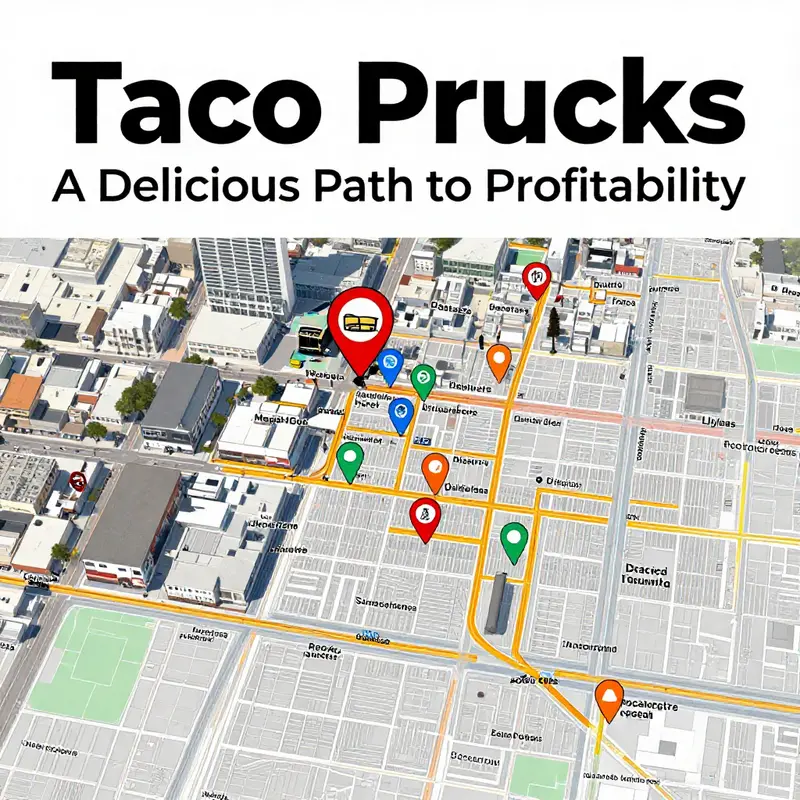
Profit in the taco truck world often hinges on a simple truth: you must be where the hungry people are, and you must move with intention, cost discipline, and reliable gear. Location, more than any single menu tweak, can tilt the balance between a comfortable month and a genuinely profitable run. Industry analyses suggest that taco truck operators can achieve notable profit margins—often in the range of 25% to 35%—when they pair smart pricing with disciplined cost control and demand-driven placement. In practice, that means your revenues can hover around meaningful levels, with monthly inflows from roughly ten thousand to twenty thousand dollars, depending on the market and how effectively you convert foot traffic into sales. The flip side is equally real: the initial outlay to launch—the truck itself, the equipment, permits, and inventory—can be substantial, commonly in the fifty to one hundred fifty thousand dollar neighborhood. Yet many operators break even in the first year, then ride a steadier profit path as volume, repeat customers, and operational finesse compound. All of this underscores a central premise: strategic geography is not a backdrop to the business; it is the business in motion.
To frame profitability as a function of place, imagine you are mapping a city not by landmarks but by a lattice of demand, timing, and ease of service. The best spots are those that deliver quick, affordable meals to people who value speed as well as quality. High-traffic zones during peak hours matter, but so do settings with predictable flow: a campus quad during lunch, a busy business district at 12:30 p.m., or a transit hub where workers stream through on their way to meetings. The recipe rests on two pillars: the market and the mechanism. The market is the composition of potential customers—how many people, how often, and what they are willing to spend for a fast, satisfying meal. The mechanism is the operational model that translates that demand into consistent, cost-conscious production and service. A well-tuned machine respects the rhythm of the location: the cadence of lunchtime, the tempo of an evening crowd near entertainment venues, or the surge of festival-goers who crave something hot and comforting after a day outdoors.
A core advantage of optimizing location is the potential to lean into economies of scale without losing the personal touch that makes a taco truck special. High-traffic areas, when paired with disciplined pricing and efficient prep, can yield more transactions per hour, a shorter average order time, and greater repurchase likelihood. The same principle applies when a truck rotates across multiple zones throughout a day or week. Dynamic positioning is not merely about chasing foot traffic; it is about balancing exposure with cost, so that the incremental revenue from a new spot meaningfully surpasses the incremental costs of travel, staffing, and cross-location inventory management. In practice, this means selecting zones with consistent demand and aligning schedules to the specific rhythms of those zones. For example, a cluster of office buildings often experiences a reliable lunch rush on weekdays, while a university vicinity may deliver a steadier stream during class changes and weekend events. The operator who couples this awareness with a flexible route plan and a dependable support system stands to maximize both top-line revenue and bottom-line margin.
To maximize profitability, operators must also translate location decisions into tangible, ongoing efficiencies. Understanding local demographics and consumer behavior matters just as much as the geography itself. Areas with a high concentration of young professionals or students tend to respond well to quick, affordable meals with fresh, flavorful options. Price sensitivity in these cohorts can be balanced by offering a core, streamlined menu at a solid price point, complemented by a few standout items that justify premium attention. The ability to analyze foot traffic patterns and map competitor locations can sharpen site selections and reduce the cost of trial-and-error. In practice, this means collecting data—where customers come from, what times they visit, how long they linger, and how many return months later. With this, operators can forecast demand and align staffing, prep volumes, and inventory with precision.
Another critical element is regulatory readiness. Securing permits and navigating local zoning regulations in advance prevents costly delays that can erode early profits. A location that looks promising on a map can become a money pit if the licensing process stalls or if designated zones impose onerous operating restrictions. The prudent operator treats permitting as part of the capital plan, budgeting time and resources to secure the rights to operate in a given space. When permissions are in hand, the path to revenue is clearer, and the business can focus on serving customers rather than contending with red tape.
Beyond the people who buy the food, the cost side of profitability is deeply connected to proximity to suppliers and to the broader supply chain network. The closer you are to a steady source of quality ingredients, packaging, and essential equipment, the lower the risk of stockouts and the shorter the lead times for repairs or replacements. In the context of a taco truck, proximity to suppliers of durable, food-grade stainless steel and compatible equipment can shorten downtime and reduce standby inventory. Regional clusters—whether in coastal regions with ready access to seafood or in inland hubs with robust produce networks—offer opportunities for cost savings and reliability that translate into steadier margins over time. The broader point is not just “how far” you are from a supplier, but how efficiently you can orchestrate timing, transport, and maintenance so that your kitchen remains lean and capable.
The literature on industrial clustering suggests there are tangible gains from locating near like-minded operations and service ecosystems. Clusters can drive energy efficiency through shared services, spur innovation in design and operation, and encourage a culture of continuous improvement in workflows. For a taco truck, this can manifest as better-designed prep and serving layouts that cut down on movement, smarter refrigeration strategies that reduce energy waste, and newer, more fuel-efficient power systems that minimize the cost per meal. Although individual trucks have modest energy footprints, the cumulative effect of a cluster can be meaningful when several trucks share a common infrastructure, or when a single truck adopts an aggressive, data-informed approach to route planning and power management.
A practical corollary of proximity is the concept of dynamic positioning. Rotating between multiple high-demand zones throughout the day expands exposure and reduces the vulnerability that comes with anchoring in a single location. This approach demands reliable power or fuel sources for rotating components such as grills and refrigeration units. It also requires a disciplined schedule that aligns with each zone’s peak periods, so that the incremental revenue from moving to a new spot justifies the associated switching costs and logistics. When executed well, rotating between zones converts ‘wait-for-the-crowd’ into ‘bring-the-crowd-to-you’ and multiplies the effective selling time each day. That, in turn, can materially lift monthly revenue while keeping operating expenses in check, contributing to the coveted profit margins in the mid-to-upper ranges reported by industry analyses.
In framing these ideas, it helps to connect the dots between location strategy and the broader business model. A well-located truck with a robust, efficient kitchen can command a steady line of customers and maintain quick service times, which translates into higher sales per hour and a higher likelihood of repeat customers. The operational discipline around inventory and staffing—knowing what to prepare, when to prep it, and how to reallocate staff for shifting demand—keeps costs predictable. When combined with smart, data-informed site selection and careful regulatory planning, these elements can push profitability toward the upper end of the spectrum, even in markets with intense competition.
For those exploring location-driven profitability, a concrete takeaway is to treat geography as an ongoing strategic asset rather than a static backdrop. This means continuous evaluation of new zones, sentiment within those zones, and the evolving needs of the customers who pass by every day. It also means reinforcing the physical backbone of the operation—the kitchen equipment and the power systems that keep service seamless—so that any movement between zones does not degrade the customer experience. In other words, the most profitable taco trucks are those that pair smart geography with a resilient, well-maintained kitchen and a disciplined approach to cost control.
A final note on the sourcing side: the practical realities of equipment, materials, and permits shape long-term profitability just as much as location. A well-planned procurement strategy, including careful consideration of equipment standards and lifecycle costs, can reduce downtime and repair costs, protecting margins as volumes rise. For readers seeking broader context on how location interacts with supply chains and ingredient sourcing, see the discussion on Nearshoring in Mexico boosting taco ingredients (https://ordertacoselpelontacotruck.com/blog/nearshoring-in-mexico-boosting-taco-ingredients/).
For readers who want a deeper dive into manufacturing standards and equipment considerations that support efficiency in mobile kitchens, a technical guide on taco cart design and practice offers a rigorous framework. External readers can consult this resource to understand how standards and practical applications intersect with daily operations: A Technical Guide to Taco Cart For Sale: Standards, Properties, and Applications in Practice (external link).
Smart Costs, Steady Profits: How Financial Planning Shapes Taco Truck Profitability
Every successful taco truck begins with a clear financial map. The question aren’t just about whether there’s demand for street-food tacos but whether the numbers line up enough to sustain a business over time. In practice, profitability hinges on disciplined cost management and rigorous financial planning. Industry analyses point to healthy margins when operators control ingredients, labor, and overhead while keeping a steady eye on revenue. A well-constructed plan does more than set a target; it creates a living framework that guides pricing, staffing, purchasing, and expansion. As a starting point, consider how the full cycle of money moves through a truck from the moment you wake up to the moment you close the window. A thoughtful financial plan translates appetite for great food into a reliable stream of income, and it helps separate a dream from a durable business model. The emphasis on planning is not abstract. It aligns with what seasoned operators report: profitability often follows from quality control, precise budgeting, and the discipline to forecast with honesty rather than optimism. In this sense, the question “Are taco trucks profitable?” becomes less about luck and more about the clarity of your financial engine.
A thorough financial plan begins with a practical, detailed budget. This involves listing every line item that will consume cash: the truck is just the start. Equipment depreciation, maintenance, and fuel are ongoing costs that must be forecast with care. Permits, insurance, and licensing create recurring obligations that are easy to overlook during the rush of opening day but can quietly erode margins if not accounted for. The objective is to know your exact revenue forecast, not just a hopeful revenue number. A precise forecast anchors every other decision you will make, from when to hire help to how aggressively you price menu items. A robust plan also clarifies your break-even point—the moment when revenue covers all fixed and variable costs. Knowing that point helps you avoid needless risk and gives you a concrete target for future sales.
Within the realm of cost management, three domains demand constant attention: ingredients, labor, and overhead. Ingredient costs are foundational because they directly shape menu profitability. A well-engineered menu balances popularity with price elasticity, focusing on items that deliver high perceived value without draining margins. The art is in menu engineering: selecting core items that share ingredients to reduce waste, while maintaining variety enough to attract repeat customers. This discipline is more than choosing cheaper components; it’s about prioritizing items that leverage bulk purchasing, minimize waste, and optimize preparation time. Labor costs are the second pillar. A taco truck’s frontline efficiency often hinges on scheduling that aligns with demand patterns, especially during peak lunch hours and weekend events. Wages are a major expense, but so are benefits, overtime, and the cost of turnover. Efficient staffing means fewer cooks twiddling thumbs during slow periods and a lean, capable team when demand surges. Keeping labor costs predictable also involves cross-training staff so roles are flexible without compromising service quality.
Overheads—fuel, maintenance, permits, and insurance—must be monitored with the same rigor as ingredients and labor. Fuel can vary with route choices and event proximity, so planning routes with fuel efficiency in mind yields meaningful savings. Permit and inspection fees recur across jurisdictions, and while you cannot avoid them, you can budget them with precision and time your expansion to when these costs are most manageable. A thoughtful owner will separate fixed overheads from variable ones, mapping how each shift in operations affects cash flow. This separation makes it easier to diagnose what’s dragging profitability down when margins tighten.
Forecasting revenue with precision is the counterpart to cost control. Revenue forecasts should be grounded in data rather than aspiration. Track daily sales by item, by location, and by day of week. Seasonal patterns matter: school calendars, festivals, and local events can spike demand, while hot winter days can dampen foot traffic in some markets. The challenge is to turn that data into practical plans: the number of staff for a shift, the number of menus rolled out for an event, and the prices that customers are willing to pay in different contexts. Pricing must reflect both the cost structure and the perceived value of your offerings. Pricing too conservatively leaves money on the table, while pricing too aggressively risks alienating customers, especially in price-sensitive markets. The sweet spot often arises from a blended strategy: core items priced to cover costs and contribute a reliable margin, and premium items priced to capture higher willingness to pay at events or in high-traffic districts.
Beyond pure math, there is a strategic layer to profit that many operators discover only when they step back from daily grind. A tougher but essential discipline is inventory management—ordering ingredients only as needed, tracking spoilage, and using surplus creatively in daily specials. Inventory discipline reduces waste, preserves freshness, and protects margins. In the long run, it is the quiet engine of profitability, especially in markets where food costs can swing with supply shocks or seasonal changes. A small advantage here compounds over time: even a few percentage points in waste reduction or more precise portion control can translate into meaningful profit gains. The approach is simple in theory but requires ongoing vigilance. It means building routines for daily stock checks, weekly vendor reviews, and monthly category analysis so you know exactly where your money goes and where it can go further.
The narrative of profitability also benefits from a broader perspective on capital and financing. Start-up phase costs typically range from a modest to substantial investment, depending on the truck, equipment, and permitting environment. While the upfront cost can be daunting, many operators report breaking even within the first year and then enjoying healthier profits as the business stabilizes. This reality reinforces a fundamental financial truth: profitability is not just about cutting costs, but about turning operations into a repeatable, scalable process. Sourcing reliable equipment and supplies from established manufacturers can help reduce upfront costs and ensure consistent quality, stabilizing cash flow during the crucial early months. Keeping capital expenditure aligned with anticipated growth—rather than chasing every shiny new tool—helps preserve liquidity for essential marketing, talent, and inventory.
A practical chapter in cost management is supplier relationships. Strong supplier terms become a bargaining chip for profitability. Negotiating volume discounts, favorable payment timelines, and reliable delivery windows can meaningfully affect cash flow. The most durable relationships are built on consistency and trust: predictable quality, dependable delivery, and transparent pricing. Good procurement practice means always asking questions about waste, substitutions, and yield during peak demand periods. It also means cultivating flexibility in the menu to accommodate supplier fluctuations without sacrificing the customer experience. When you can adjust recipes or substitutions without eroding brand identity, you protect margins while offering value to customers.
There is a narrative around scale as well. Profitable growth often requires a careful balance between expanding into new locations or events and maintaining the discipline that underpinned initial success. Growth should be data-driven: apply the same forecasting rigor to new locations as to existing operations, but calibrate expectations for the realities of a different audience, foot traffic pattern, and competition. The financial plan should anticipate this by reserving working capital for pilot locations or seasonal expansions, while avoiding overextension that would stress cash reserves.
One final theme that threads through cost control and planning is the mindset of ongoing improvement. Financial health isn’t a one-time calculation; it’s a culture of constant refinement. Regular reviews of performance against the forecast—monthly at minimum—keep you honest about where the business stands. If lessons emerge from a slow quarter, they should translate into concrete actions: adjust the menu, renegotiate supplier terms, or retune hours and staffing. With reliable data and disciplined execution, a taco truck can ride through fluctuations in demand, competition, and costs while preserving profitability. A strong strategic core also helps you communicate with lenders or investors, who look for evidence that you’ve modeled risk, planned for contingencies, and built a path to sustainable returns. It is not glamorous, but the most enduring brands in street food are those that treat cash flow and cost management as the heartbeat of the operation.
For readers seeking a practical blueprint, consider exploring resources that translate these principles into a structured financial plan. A reputable guide emphasizes drafting a detailed budget, understanding break-even points, and enforcing cost controls as the foundation for growth. In the broader landscape of food-truck ventures, those who invest in a rigorous financial framework tend to translate market demand into consistent profits, rather than chasing short-term wins. The journey from concept to profitable operation is not a sprint; it is a disciplined, data-driven procession that rewards careful planning and steadfast execution. And with thoughtful leverage of pricing, inventory, and people, taco trucks can indeed achieve durable profitability in competitive markets.
For further details on constructing a financial plan specific to food trucks, you can refer to the authoritative resource: How to Create a Food Truck Financial Plan? – Growexa, which outlines the essential steps and considerations for turning financial planning into tangible profits. External resource: Growexa guide to food truck financial planning. Also, to gain context on practical business models that influence profitability, you can explore the internal resource top food truck models for entrepreneurs.
Turning Wheels into Revenue: How Smart Location, Pricing, and Marketing Make Taco Trucks Profitable
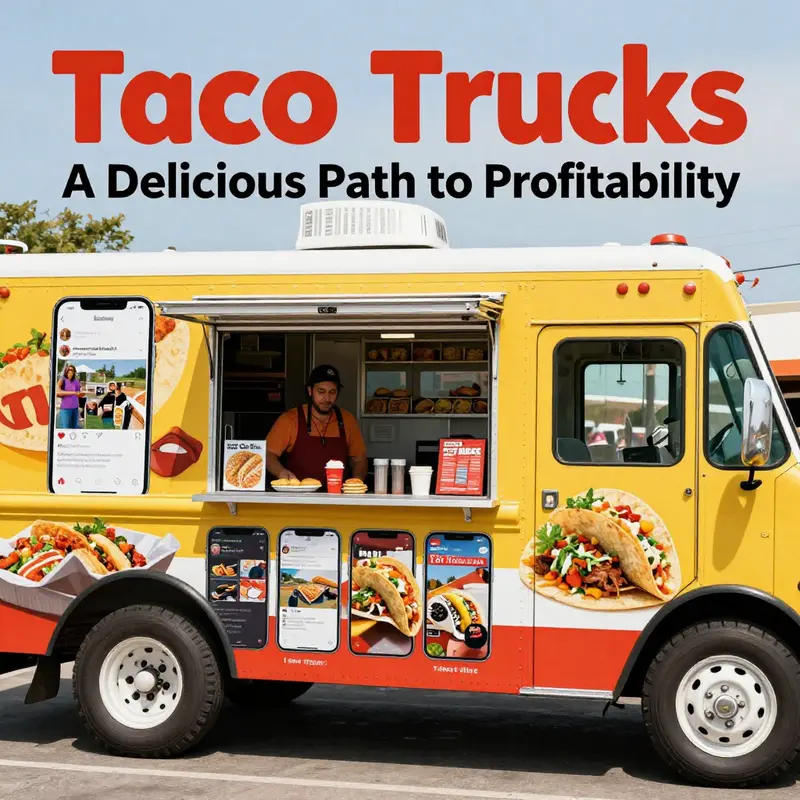
Revenue and Marketing in Motion
A profitable taco truck is the result of aligned choices: where you park, what you sell, how you price it, and how you keep customers coming back. The basics matter—margin targets, fixed and variable cost control, and reliable equipment—but the difference between breaking even and earning steady profits lies in revenue design and marketing executed together. Many operators report net margins in the mid-20s to mid-30s when they manage costs, select robust locations, and create a menu that sells at scale. Those numbers come from deliberate choices, not luck.
Location is revenue engineering in action. A truck parked near a dense office cluster at lunch can outpace a truck in a low-traffic residential street. Nighttime placement near nightlife districts captures late eaters and shifts peak hours. Events and festivals deliver concentrated sales in short bursts and can account for a large share of monthly revenue if booked regularly. Smart operators build a calendar that blends lunch racks, evening nightlife, and weekend events. This spreads risk and flattens peak demand variability.
Data should guide those choices. Foot-traffic analytics, competitor mapping, and historical sales data reveal when a route will generate the highest average ticket. Use simple tools to track sales by location and hour. After a few weeks, patterns emerge: certain blocks turn into reliable lunch corridors, while other spots produce one-off spikes. Rotate placement to avoid saturated areas and test adjacent micro-locations. Small changes in position often produce outsized revenue differences.
Menu and pricing decisions convert traffic into profit. A compact, focused menu speeds service and reduces waste. Mix high-margin staples with a few signature items that attract attention. Price to balance volume and margin: lower prices can stimulate higher volume, but thin margins force long hours to cover fixed costs. Consider add-ons and combos to lift the average ticket without eroding perceived value. Side items, specialty salsas, and beverages can add 20–30% to per-customer spend at minimal incremental cost.
Operational efficiency underpins every earnings projection. Labor scheduling must match demand peaks. Prep lists, inventory par levels, and batch cooking during slow periods keep service fast during rushes. Food cost targets should be strict; track cost of goods sold daily and adjust portioning or supplier choices when margins slip. Reliable equipment reduces downtime. Many operators source cost-effective kitchen equipment from established manufacturing hubs to lower startup costs while maintaining quality.
Beyond the sidewalk sale, diversify revenue streams. Catering for office events, private parties, and film sets yields predictable higher-ticket work. Regularly scheduled pop-ups at breweries, markets, or co-hosted events create dependable revenue windows. Merchandise and branded packaged condiments can generate passive income and deepen brand loyalty. Treat every catering lead as marketing: a wedding or corporate event can create dozens of regular customers.
Marketing ties directly to revenue velocity. Social media platforms built for visuals are essential for taco trucks. Share short, appetizing videos and high-quality photos to create hunger before you arrive. Use stories and reels to announce daily locations. Limited-time offerings and flash specials create urgency and drive repeat visits. A consistent posting rhythm keeps your truck top of mind for local followers.
Digital ordering transforms the customer experience and increases throughput. Implementing QR-code menus and online ordering reduces queue times and increases average order size. Mobile payment integration lowers friction and enables promotions tied to customer profiles. Capture basic customer data to target return offers and measure the lifetime value of patrons. Repeat customers substantially raise lifetime revenue per customer, so prioritize retention alongside acquisition.
Loyalty programs provide measurable lift. A simple punch-card app can encourage a sixth or seventh visit. Referral incentives turn happy customers into recruiting channels. Consistent branding across the truck, social accounts, and loyalty touchpoints makes recognition easy and builds trust. When customers recognize your truck in a crowded lot, they are more likely to choose it again.
Community engagement is marketing that compounds. Partner with local charities, participate in food crawls, and collaborate with other small businesses. Community events not only bring immediate sales but also create favorable word-of-mouth. Host a themed night with a local brewery or a charity discount evening. These activities build goodwill and can create long-term customer relationships that outlast the event.
Track the right metrics. Weekly revenue per location, average ticket size, food cost percentage, labor cost percentage, and customer acquisition cost should be part of a simple dashboard. Revisit pricing and menu composition when food cost or labor percentages drift. Use sales data to forecast inventory needs and prevent waste. Regular financial reviews prevent small problems from eroding profitability.
Invest in visibility and vehicle presence. The right vehicle look and layout improve operations and act as a marketing asset. A clear, attractive exterior grabs attention and communicates quality. Interior layout influences service speed and safety. If procurement is part of your plan, consider reputable equipment suppliers that balance cost and reliability. Choosing the right truck model and setup is both an operational and a marketing decision—vehicle choice affects mobility, capacity, and the impression you leave on customers. For insights into vehicle options and how they affect culinary operations, see “Taco Trucks Unleashed: Top 5 Models for Culinary Success”.
Finally, plan for the long view. Startup costs can be significant, but many operators recoup their initial investment within the first year with disciplined execution. Maintain a cash buffer for permit renewals, equipment repairs, and unforeseen slow periods. Reinvest early profits into marketing, better equipment, or staff training to compound improvements. With a clear plan that links location strategy, menu engineering, operational rigor, and community-driven marketing, a taco truck becomes more than a food service. It becomes a mobile brand that converts visibility into steady revenue.
For a deeper look at business models and revenue strategies in the mobile food industry, refer to the industry analysis by Food Business News: https://www.foodbusinessnews.net/articles/2024-03-15-taco-truck-business-models-and-revenue-strategies
The Road Ahead for Taco Truck Profits: Market Momentum, Strategic Sourcing, and Risk Control
The taco truck sector sits at a rare crossroads where appetite and mobility meet strong market momentum. Growth in the broader mobile food industry has created fertile ground for operators who combine smart location strategy with disciplined cost control. In recent years the market has expanded substantially. Consumers increasingly value quick, affordable, and distinctive food options. Urban centers, campuses, business districts, and event circuits are now reliable demand engines. This steady demand supports revenue growth and meaningful margins for well-run operations.
Two figures tell the story. The global mobile food truck market was valued at about $3.2 billion in 2023. Analysts forecast a healthy compound annual growth rate, often estimated between 6 and 8 percent through 2028. The U.S. market is expected to approach $2.1 billion by 2026. Those numbers do not guarantee success. They do, however, create opportunity for operators who adapt to emerging trends and manage both upfront and operating costs.
A defining trend is strategic sourcing—particularly the growing niche of used taco trucks and turnkey conversions. Entrepreneurs can now access fully outfitted vehicles at price points far below local refurbishers. Suppliers in China, especially industrial clusters with vehicle conversion expertise, have scaled to serve global buyers. They leverage efficient manufacturing, bulk access to materials like 304-grade stainless steel, and streamlined lead times. Cost savings can be substantial; turnkey options from these clusters often undercut Western alternatives by 20 to 35 percent.
Lower acquisition costs change the math for new entrants. When a truck’s initial price falls, the path to break-even shortens. Monthly revenue requirements to service financing drop. That said, acquisition price is only one variable. Long-term profitability depends on durability, compliance, and post-sale support. Buying a cheaper truck that fails an inspection, has electrical faults, or requires frequent repairs quickly erodes margins.
To protect profit potential, buyers must apply a rigorous supplier evaluation framework. Start with technical due diligence. Verify materials, especially corrosion-resistant surfaces in the kitchen. Confirm electrical systems and installation meet or exceed local code. Ask for clear sanitation designs that align with health guidelines. Demand transparent documentation, including CAD drawings, wiring diagrams, and material certifications. Where possible, require third-party inspections and independent test reports before final payment.
After-sales support matters. A supplier who offers spare parts, training on equipment, and a clear warranty reduces unexpected downtime. Fast lead times are attractive, but speed should not replace transparency. Avoid purchasing based solely on glossy photos or low bids. Instead, prioritize suppliers willing to host video walk-throughs, provide references, and accept inspection contingencies.
Operational risk extends beyond the vehicle. Local regulatory landscapes vary widely. Permit costs, zoning rules, and health department inspections shape where and how profit accrues. Successful operators map these rules early. They budget for permit renewals, build cushion for inspection-related upgrades, and factor compliance into site-selection models. Data-driven site selection has become a powerful tool. Operators now use pedestrian counts, event calendars, and mobile ordering data to pick locations with predictable demand.
Technology plays a central role in shaping profitability. Digital ordering platforms, contactless payments, and fleet management software all reduce friction. Integrated ordering systems increase average check size and speed up service. They also provide sales data that helps optimize hours, staffing, and ingredient purchasing. Even modest analytics—tracking which tacos sell best on certain nights—can trim waste and boost margins.
Sustainability trends also influence the profit equation. Energy-efficient refrigeration, LED lighting, and efficient cooking equipment lower utility draws. More operators consider electrification and hybrid powertrains to cut fuel costs and comply with urban idling restrictions. Battery systems are gaining traction in the food truck world. For a deeper look at how battery tech affects mobile food operations, see this piece on how lithium battery systems are revolutionizing food trucks, which outlines both savings and operational trade-offs. how-lithium-battery-systems-are-revolutionizing-food-trucks-for-a-sustainable-future
As the market matures, differentiation will determine which operators sustain superior margins. Unique menu concepts and consistent quality command customer loyalty. Strong branding and storytelling help a truck stand out in crowded neighborhoods. Partnerships with local events, breweries, and community organizations widen exposure. Merchandise, catering, and private-event bookings diversify income beyond walk-up sales.
Cost control remains foundational. Food costs, labor, and waste typically dominate variable expenses. Successful operators negotiate bulk buys, optimize prep stations, and refine portioning. Cross-utilizing ingredients across menu items reduces inventory variety, without sacrificing menu appeal. Efficient workflows in the kitchen—layout, equipment placement, and menu sequencing—translate directly into faster service and lower labor hours.
Fleet strategies are evolving too. Rather than a single flagship truck, many groups deploy multiple, smaller units to test neighborhoods or run complementary concepts. Used trucks make such experiments affordable. Rapid expansion is possible with quick lead times from turnkey suppliers. But fleet operators must standardize training, SOPs, and maintenance protocols to avoid scale-related growing pains.
Insurance, safety, and theft prevention are non-negotiable. Operators should budget for robust insurance and implement basic security for both vehicle and inventory. Preventative maintenance schedules reduce the frequency of costly breakdowns. In many cities, fleet safety awards and certifications can open preferred vending sites and reduce insurance premiums.
Finally, the interplay between global sourcing and local regulation will shape future margins. Access to low-cost, compliant used trucks lowers entry barriers. But regulatory scrutiny over foreign-sourced equipment could increase. Operators who prioritize suppliers with clear documentation, on-the-ground service partners, and transferable warranties will be best positioned to convert lower acquisition costs into lasting profitability.
The outlook for taco truck profitability is positive for operators who blend strategic sourcing with operational rigor. Lower-cost entry points via used trucks, smarter supply chains, and data-guided location choices expand ROI potential. Yet, margins are won in the details: supplier vetting, sanitation and safety compliance, menu engineering, and ongoing cost discipline. Entrepreneurs who treat sourcing as a strategic exercise rather than a one-time purchase increase their odds of sustained success.
For operators ready to scale quickly, the convergence of affordable used inventory and modern operational tools creates a compelling runway. Still, the most profitable ventures will be those that pair cost-effective sourcing with relentless attention to quality, compliance, and customer experience.
For further insights into the global used taco truck market and supplier evaluation best practices, see the detailed sourcing analysis published by Food Service Equipment & Supply: https://www.foodserviceequipmentandsupply.com/used-taco-truck-sourcing-guide-2026
Final thoughts
Taco trucks possess the potential for tremendous profitability, given that entrepreneurs leverage location, manage costs effectively, and implement dynamic marketing strategies. By embracing best practices and staying attuned to market trends, taco truck operators can not only thrive but also continue to become cherished icons of their communities. The taco truck business is more than just a way to serve food; it’s an avenue to bring people together through culture and taste. Whether you are a taco fan or an aspiring entrepreneur, the vibrant world of taco trucks offers endless possibilities!

