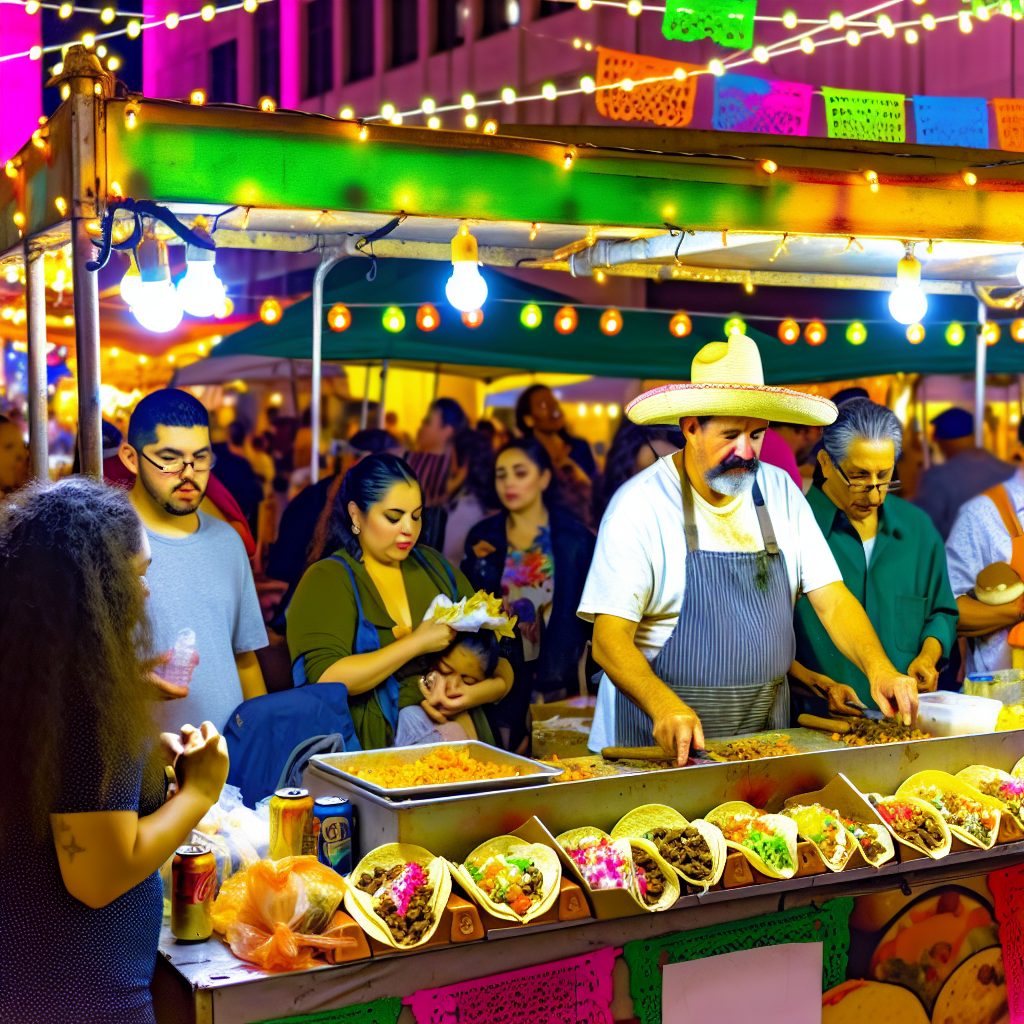
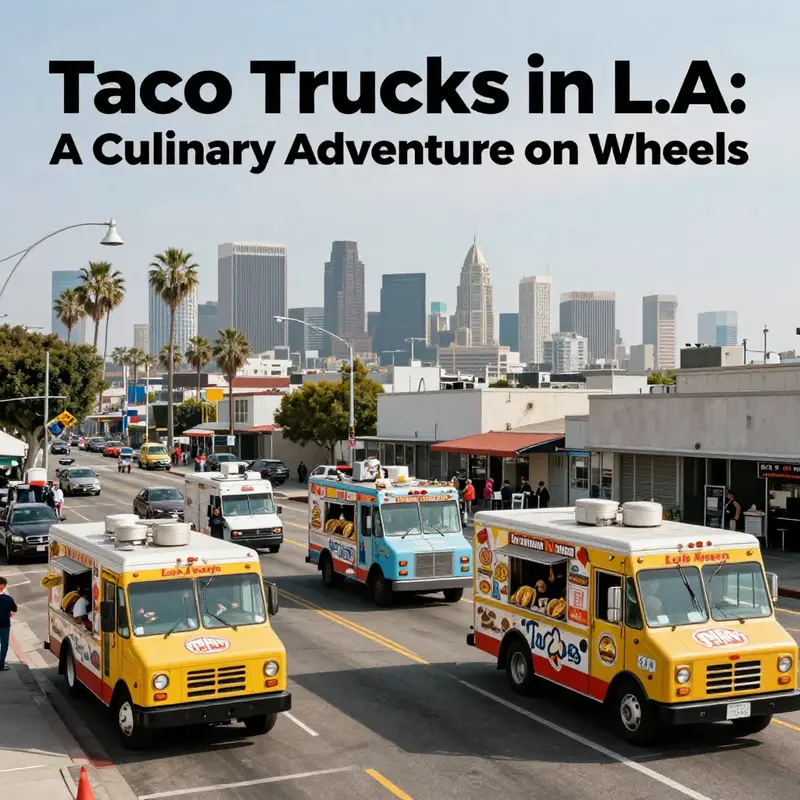
Taco trucks are more than just a meal; they are an experience, a culture, and an essential part of life in Los Angeles. With their vibrant flavors and diverse offerings, these mobile kitchens serve up deliciousness on every corner. But are taco trucks in LA allowed to operate freely? This article delves into the legal framework, health regulations, historical context, economic impact, and cultural significance of taco trucks, uncovering how they have become a beloved staple for cuisine lovers, taco fans, local office workers, and event planners alike. Join us as we explore the savory world of taco trucks that color the streets of L.A. and breathe life into the city’s culinary landscape.
null
null
Parked, Protected, and Legal: How Health Rules Enable LA’s Beloved Taco Trucks
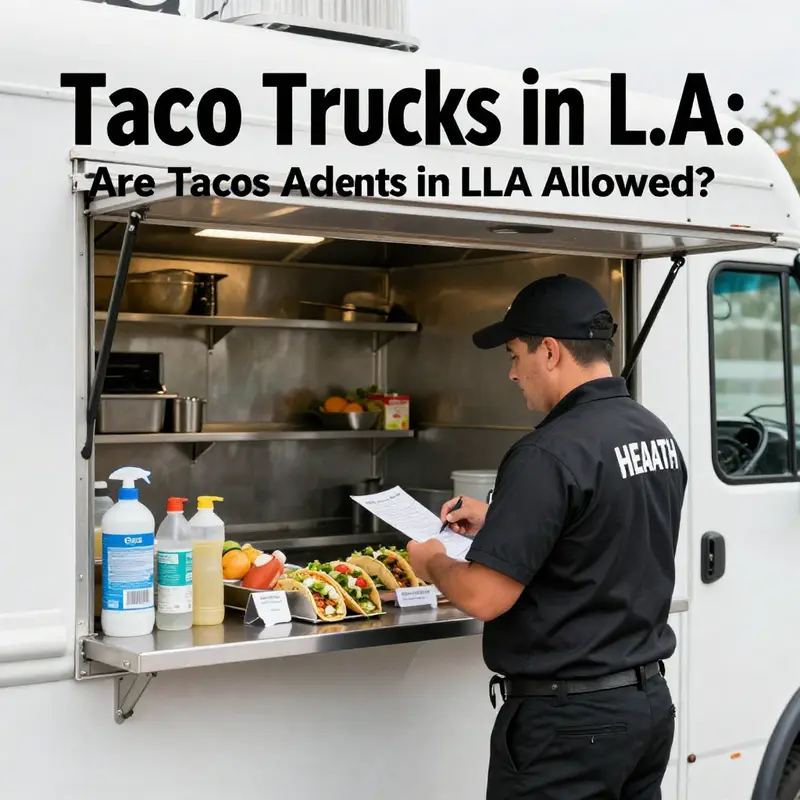
Los Angeles’s street taco scene thrives at the boundary between mobility and public health. Taco trucks and carts move through neighborhoods, offering fresh flavors with the assurance of modern food-safety rules. The health inspections, proximity requirements to restrooms, and detailed equipment standards are not barriers but a shared framework that protects customers while letting vendors roam to reach new fans. In 2008, a significant ordinance that restricted parking for taco trucks was overturned, signaling a shift toward regulating mobility through health standards rather than by constraining movement. Under this framework, trucks may park and serve in designated locations if they meet sanitation and maintenance requirements. Operators must secure power or fuel sources, maintain clean kitchens, and follow waste disposal rules, turning a compact mobile space into a compliant kitchen on wheels. The result is a vibrant street-food ecosystem that supports entrepreneurship and cultural exchange without compromising public health. Readers seeking current guidance should consult the Los Angeles Department of Public Health for inspection schedules, facility requirements, and enforcement practices. The health framework is the infrastructure that makes the beloved ritual of grabbing a late-night taco both flavorful and safe.
Historical Arc on the Curb: The Legal and Cultural Tale of LA Taco Trucks
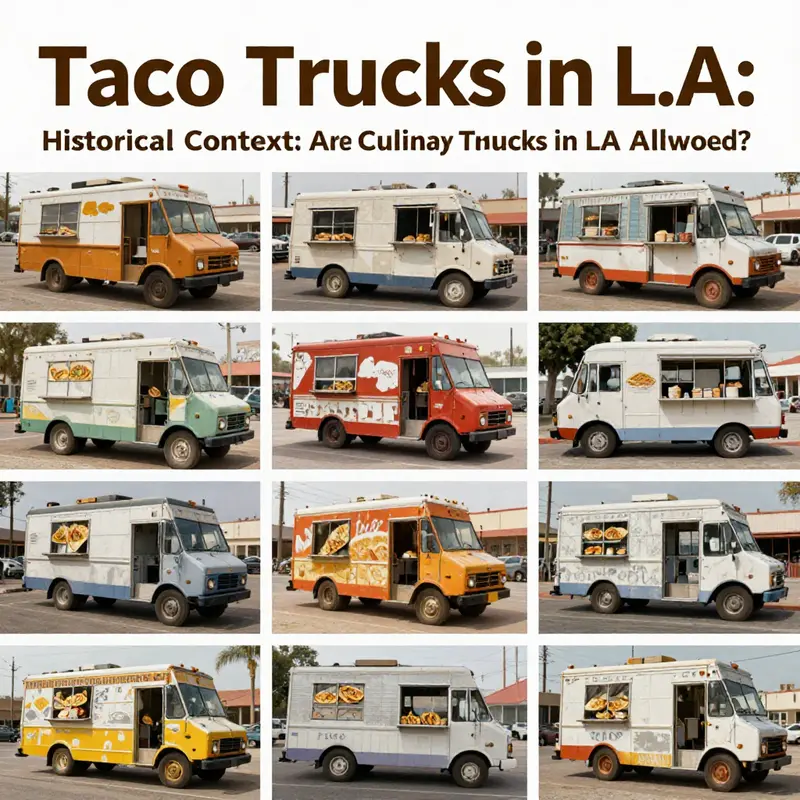
The story of taco trucks in Los Angeles is not simply a chronicle of meals and miles traveled; it is a map of urban life in a city that learns to feed itself in real time, sometimes in defiance of, sometimes in dialogue with, the rules that govern public space. For decades, these mobile kitchens have anchored neighborhoods, stitched together immigrant memories with local appetites, and created a shared ritual around the act of eating on the go. They are, in roughly equal measure, culinary institutions and social laboratories, places where entrepreneurship meets informal economy, and where family recipes meet city policy. In this sense, the historical arc of LA’s taco trucks is less a straight line than a braided coil—tight with tradition, loosened by regulation, and continually reshaped by the rhythms of the street and the pocketbook alike.
From their earliest iterations, taco trucks in Los Angeles emerged from a lineage of family-operated stands that could be found on a weekend corner or at a neighborhood fair. Those early operations capitalized on a powerful combination: the appeal of fresh, affordable food and the practicality of mobility. A family might start with a simple cart, then graduate to a more permanent truck as demand grew and the family’s presence in the city deepened. This trajectory reflects more than business growth; it signals a kind of culinary migration within the city itself. As communities moved, communities fed them. The trucks did not merely serve meals; they offered continuity in a city marked by constant change. The result was a form of street cuisine that could be both intimate and expansive, capable of serving a quick lunch for workers and a late-night stop for students, late-shift staff, and families returning from a long day. The cultural significance, then, rests not only in the flavors offered but in the social networks they helped sustain—the neighborhood gatherings around a steaming pot, the shared smiles across salsas and tortillas, and the sense that the curb could be a stage for communal life rather than merely a transit point.
Yet the life of these trucks has always unfolded in tension with the rules that govern where and how food can be sold. Public health concerns, zoning codes, and parking regulations have repeatedly clashed with the mobility and speed that define a mobile kitchen. The regulatory frame was not designed to erase the vibrancy of street food; rather, it sought to channel it—to ensure safety, sanitation, and orderly streets while allowing for the economic opportunities that mobile vendors bring. A pivotal moment in this ongoing negotiation arrived in 2008, when an ordinance that effectively restricted parking for catering trucks was overturned. The decision did more than permit trucks to park and serve; it acknowledged the legitimacy of a mobile food economy and its demand from customers who valued convenience, affordability, and a sense of neighborhood belonging. The LA Times chronicled the moment, which became a touchstone in the public memory of the city’s street food scene. In the years that followed, the regulatory landscape settled into a pattern: trucks could operate and park in designated areas, so long as they met health inspections and adhered to location-related health requirements. The core principle remained consistent: tacos on the move or parked were permissible when safety and sanitation were assured. The rule—that a truck could not just park anywhere but needed to meet certain proximity criteria, such as being near restroom facilities—was designed to protect the public while enabling a robust, culturally significant economy to thrive.
Even as the city formalized these expectations, enforcement has often reflected the volatility of public finance and administrative bandwidth. The mid-2010s onward saw a period in which budget pressures and staff shortages could influence how strictly rules were applied. By 2024, amid nearly a four-hundred-million-dollar deficit and plans to lay off hundreds of city employees, concerns were raised that there would be insufficient personnel to enforce new parking laws targeting taco trucks. This tension underscores a broader truth: policy can set a clear direction, but the daily life of the street depends on how consistently such policies are implemented. When enforcement thins, the street economy often fills the gap, with operators adapting—securing permits, aligning with health codes, choosing strategic locations, and negotiating with property owners and local communities to retain visibility and access without triggering a crackdown. The result is a pattern that is as much about resilience as regulation, a reminder that the regulatory apparatus is not a neutral arbiter but a set of tools that shape who can participate in the city’s food culture and how.
The regulatory frame itself invites deeper questions about urban space, migrant identity, and the informal economy. LA’s taco trucks, as many scholars have noted, exist at the intersection of culture and law. They are not merely platforms for selling, but forums where cultural exchange happens in real time. They reconfigure public space in ways that formal eateries often cannot: they occupy street corners, invite spontaneous socialities, and transform ordinary routes into communal experiences. In this sense, regulations that govern parking, health, and zoning are more than technicalities; they influence who gets to claim street corners as legitimate venues for daily life. The debates surrounding these regulations reflect a broader conversation about inclusion, representation, and the capacity of a city to accommodate a diverse set of foodways within a shared urban fabric. When a city divides space into rigid categories—“food truck,” “restaurant,” “mobile catering”—it risks erasing layers of cultural history embedded in the curbside kitchens that have fed generations of residents and visitors alike. The 2008 policy reversal can be read as a corrective gesture: a legal acknowledgment that the curb could be a viable site for a living, evolving culinary tradition rather than a peripheral fringe activity.
In the contemporary era, the question of “Are taco trucks in LA allowed?” is better understood as a question about how a city negotiates between safety, space, and memory. The health and safety regime—inspections, and proximity requirements to facilities—serves as a guardrail, ensuring that a beloved street-food practice does not compromise public well-being. But the variability of enforcement, especially in times of fiscal stress, reveals a more complex dynamic: policy is a floor, not a ceiling, for what the street can become. Operators have learned to calibrate their presence to the rhythms of the city—moving along routes with high foot traffic, aligning with events, and securing permits that minimize friction with neighbors and authorities. The city, for its part, has a responsibility to translate cultural value into durable practice: to provide clearly defined spaces where trucks can operate safely, to invest in public amenities that support health standards, and to create predictable enforcement patterns so vendors can plan with confidence rather than chase occasional loopholes.
The historical arc is also a lens on another essential theme: who gets to define public space in a city as diverse as Los Angeles? The curb has long been a contested site, where policies attempt to balance mobility with order, commerce with community life, and tradition with modernization. Taco trucks embody a form of cultural sovereignty; they allow communities to preserve and share foodways that might have been marginal in earlier decades, while also inviting new customers into a shared culinary ecosystem. As scholars and practitioners note, the street becomes a site of ongoing negotiation, where policy adjustments and neighborhood stewardship can elevate the street-food scene rather than suppress it. The ongoing dialogue between regulators and operators—within the bounds of inspection regimes, permit processes, and designated parking zones—creates a living narrative in which history is not merely archived but acted upon every day. The city’s ability to sustain this dialogue is what allows the valley to remain a place where both tradition and modern entrepreneurship can thrive on the same corner.
For readers tracing the arc of this topic across chapters, the historical context provides essential grounding. It clarifies why the question of legality has mattered for decades, and why it continues to matter as the city faces new fiscal and housing pressures, evolving traffic patterns, and shifting consumer expectations. It also helps explain why the current landscape—where tacos can be purchased from mobile trucks or parked stalls in carefully regulated spaces—feels both familiar and renewed. The 2008 overturn was not a final settlement but a milestone in a longer process of defining how a modern, migratory food culture can coexist with comprehensive city governance. The story remains dynamic: every permit issued, every health inspection passed, and every curbside encounter between a truck and a hungry customer adds another line to an ever-growing history of street life in Los Angeles.
External resource for further reading on the historical moment and its implications can be found in the following article: https://www.latimes.com/archives/la-xpm-2008-aug-28-me-taco-trucks-2008aug28-story.html. To situate this history within the broader ecosystem of today’s mobile culinary ventures, consider exploring a related discussion on how trucks design and deploy their mobile kitchens, which offers a practical lens on the balance between health standards and culinary agility: taco-trucks-unleashed-top-5-models-for-culinary-success. This link provides a gateway to understanding how the physical form of a truck shapes everyday operations, customer reach, and the ability to navigate a shifting regulatory environment while nurturing a vibrant street-food culture.
Rolling Through LA: The Legal Path, Economic Pulse, and Cultural Flavor of Taco Trucks
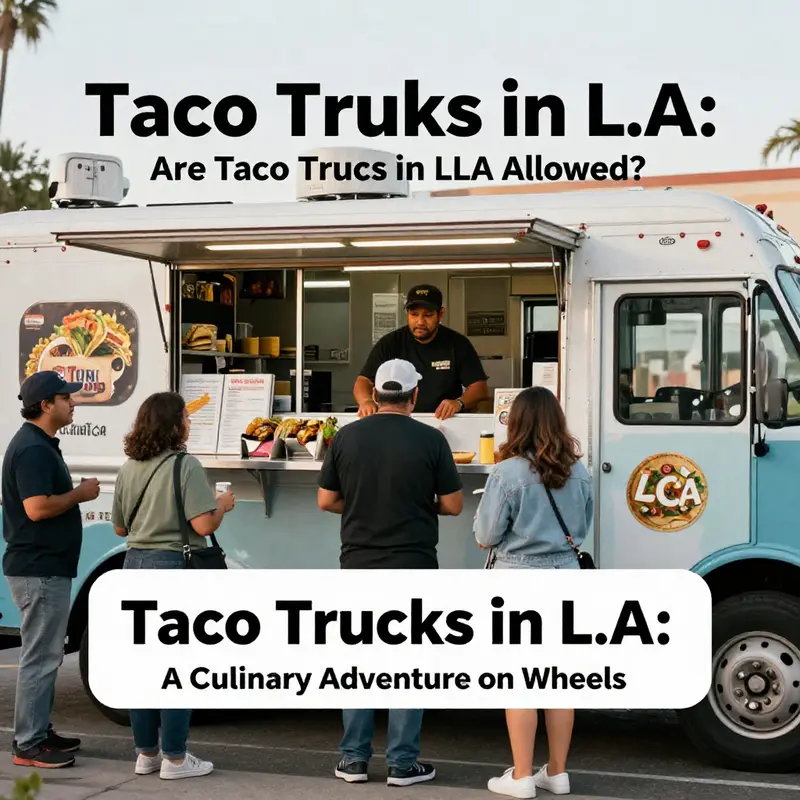
Los Angeles wears its food culture like a living map, a mosaic of neighborhoods where the sizzle of a griddle and the perfume of chiles drift through streets at all hours. In this city, the taco truck is more than a portable kitchen; it is a social node, a communal space where neighbors who may never cross paths in a grocery aisle share a meal, laugh at a street-side joke, and spot a familiar cart amid the city’s ever-shifting urban fabric. Yet beneath the flavor and spontaneity lies a compact legal framework that makes such scenes possible. The question of whether taco trucks are allowed to operate in Los Angeles is not simply a yes-or-no answer. It is a story about how a city negotiates space, health and safety, traffic, and the economic aspirations of small entrepreneurs with a deep love for street food as a form of cultural expression. The arc of this story runs from early debates in the late 2000s, when local ordinances and county regulations frequently treated taco trucks as encroachments on public space, to a more evolved regime that sees them as legitimate, regulated participants in the urban economy. A pivotal moment came in 2008, when a longstanding parking restriction was overturned, effectively legitimizing the practice of trucks parking and serving customers. The relief in the community was palpable, a reminder that cities can reframe policy to accommodate innovation without sacrificing public health or safety. Since then, the rules have grown more complex, not more prohibitive. The core principle remains intact: these mobile vendors can operate, but they must do so in a way that aligns with health codes, zoning rules, and the city’s broader strategies for managing street activity. The modern landscape of taco trucks in LA thus sits at the intersection of culture, economy, and governance, a living case study in how urban spaces can be made to work for diverse communities when policy evolves in step with practice. To understand this, one must move beyond the binary of legality and illegality and into the texture of everyday operation. Health inspections are a given, not a checkbox to be ticked and forgotten. A truck must demonstrate food safety standards, proper storage, temperature control, and sanitary handling of ingredients. It is not merely about what is cooked, but how it is kept safe as it travels and rests in a street-side lot or a designated curbside zone. A practical rule in practice is that many operations be parked within designated parking zones and, in some cases, within reach of essential facilities such as restrooms. The detail—“within 200 feet of a restroom”—is less a footnote than a safeguard that acknowledges public health needs while preserving the energy of the street food economy. These requirements embody a simple truth: vibrant street food thrives when hygiene meets accessibility, and when customers feel confident that the food they are enjoying has passed through the city’s standard checks. The regulatory framework is not static; it has grown more nuanced through years of negotiation among civic agencies, neighborhood groups, and the vendors themselves. The Los Angeles Department of Transportation (LADOT) oversees permitting procedures, mapping of permitted locations, and the enforcement of rules that ensure traffic safety and orderly curb use. In dialogue with Business Improvement Districts (BIDs) and community stakeholders, LADOT has helped create a system in which a taco truck can find a sustainable foothold in areas where the pace of life invites a quick, affordable, and flavorful meal. The essence of these changes is less about constraining vendors and more about balancing competing city priorities: keeping traffic moving, preserving public health, supporting small businesses, and celebrating culinary diversity. The shift has not happened by accident. It reflects a broader policy turn that recognizes street food as an integral part of urban culture and as a driver of local entrepreneurship. The economic impact of these mobile vendors extends far beyond the money they earn. They create flexible employment opportunities, often with low barriers to entry, allowing aspiring cooks and entrepreneurs to launch ventures with relatively modest upfront investments compared with bricks-and-m mortar eateries. In a city as expansive and diverse as Los Angeles, such mobility enables cooks from varied backgrounds to reach different neighborhoods, meet communities where they are, and contribute to neighborhood vitality. This mobility helps anchor food culture in places where immigrant families and long-time residents alike find a sense of belonging. The social value of taco trucks, especially in diverse neighborhoods, is a factor that policy discussions increasingly center upon. These are spaces where cultural exchange happens in a spontaneous, everyday way. The truck becomes a stage for storytelling—recipes handed down through generations, techniques learned in family kitchens, and local adaptations of traditions that reflect the city’s evolving demographics. The economics of this phenomenon—affordable meals, quick service, and the ability to serve a broad cross-section of city residents—has helped widen access to nutritious food at a time when food equity is a major urban policy concern. Yet the pragmatic reality remains: operating legally requires navigating a web of rules. Vending in designated corridors or parking zones is not casual; it is a regulated practice that demands compliance with health, safety, and zoning standards. For those who want a practical sense of the space vendors inhabit, there is a growing body of resources that translate policy into usable guidance. One such resource, an industry overview that frames mobile kitchen design and operations within a broader culinary mobility landscape, offers a concise lens for readers seeking actionable insights without becoming overwhelmed by legal minutiae. This piece emphasizes how mobile food concepts—when paired with careful attention to design, safety, and logistics—can thrive in a regulated urban environment. It is a reminder that policy and practice can reinforce one another to sustain a vibrant street food ecosystem. The current system also reflects a broader policy shift toward equity and inclusion. Advocacy groups and community organizations have pressed for fair treatment for mobile vendors, highlighting their role in promoting food equity and supporting immigrant entrepreneurs. This advocacy aligns with a wider recognition that small, mobile businesses can be engines of opportunity, especially for families who build digs and dreams from the ground up. As a result, some neighborhoods have embraced these corridors as parts of a larger urban vitality strategy. The corridors—designated zones where trucks can legally park and serve—act as catalysts for neighborhood life, bringing a regular flow of customers and a sense of anticipation to street corners that might otherwise feel overlooked. In the long arc of LA’s street-food history, these movements signal more than regulatory compliance; they signify a cultural acceptance of street food as an essential, legitimate urban practice. For those who want to explore further how a vendor might approach the practicalities of operating within this system, there is a concise resource that discusses practical models and approaches in the mobile-food space. Taco Trucks Unleashed: Top 5 Models for Culinary Success provides a glimpse into the design and strategic choices that undergird successful mobile kitchens, within a framework that respects safety, zoning, and community engagement. At the same time, the actual day-to-day operation remains grounded in the basics: a clean workspace, safe food handling, and respectful, orderly parking practices that keep streets navigable for everyone. The result is a regulatory and economic environment that supports a thriving, diverse street-food economy without compromising the city’s broader commitments to public health and safety. The official path through this landscape is mapped by LADOT’s permitting system and the city’s health and safety codes, all of which work together to ensure that the food delivered from a mobile cart or truck is both delicious and trustworthy. The path is not always simple, and it is never static, but it is navigable. Those who pursue it often find that the payoff is more than a quick bite nestled in a flour tortilla; it is the chance to participate in a wider urban story—one of resilience, creativity, and the continual reinvention of what street food can be in a city as dynamic as Los Angeles. External resource: LADOT’s official permitting page for taco trucks provides current, location-based guidance and the latest regulatory details essential for anyone considering operating within the city’s frameworks. https://www.ladot.la.gov/permitting/taco-trucks
Parks, Permits, and Palates: The Legal Space and Cultural Pulse of LA’s Taco Trucks
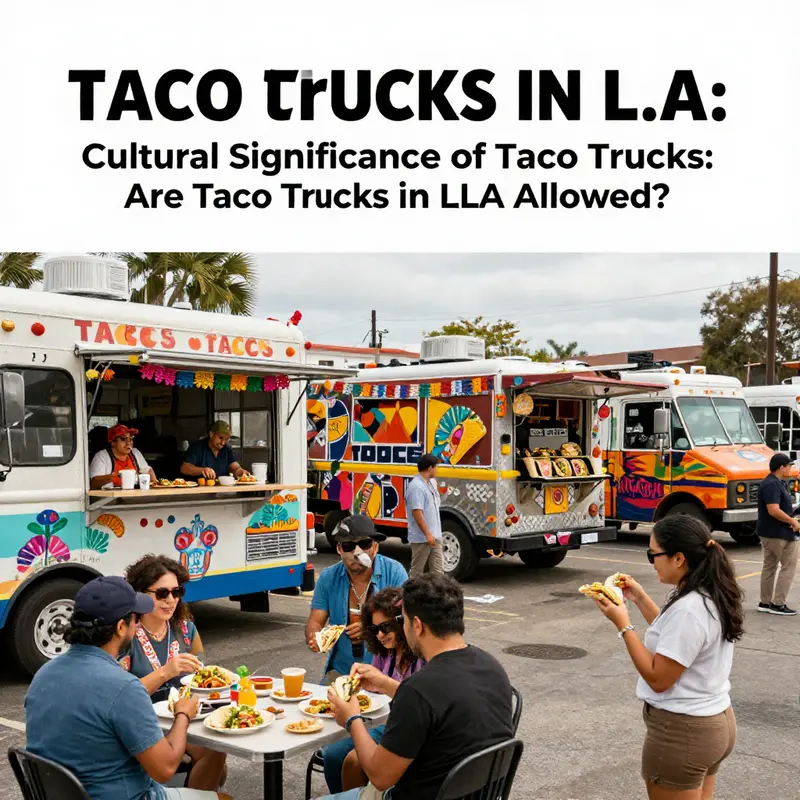
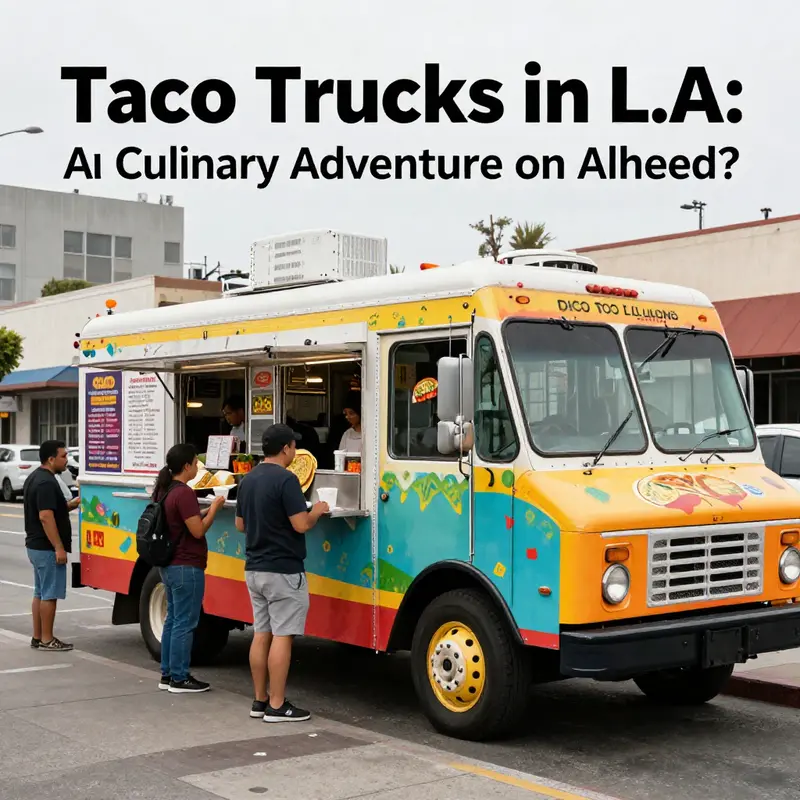
In Los Angeles, the sight of a gleaming taco truck parked along a curb at golden hour is more than a meal break. It is a moment of shared culture, a portable kitchen that stitches neighborhoods together and invites conversations in the language of flavor and memory. Yet the same streets that celebrate these vibrant vendors also test them with rules, meters, and health standards that shape where they can stand, who can serve, and how families sustain a livelihood under city regulations. The simple question—Are taco trucks in LA allowed?—unfolds into a layered answer: yes, they are legally permitted, but only within a framework that balances public welfare with the city’s social and culinary ambitions. This balance has evolved over decades, turning mobile kitchens into a recurring chapter in Los Angeles’ ongoing experiment with urban food culture and governance. A pivotal moment in that history came in 2008, when an ordinance restricting parking for certain mobile food operations was overturned, allowing taco trucks to legally park and serve food. The celebration among fans of the city’s mobile taco scene was palpable, signaling that the street-food ecosystem could flourish without sacrificing standards of health and safety. Since then, the core principle has remained intact: a taco truck in LA operates where it can meet the health, safety, and zoning requirements that keep the public protected while letting residents and visitors access authentic, affordable cuisine from a moving, sometimes neighborhood-anchored, culinary institution.
Those requirements are not mere bureaucratic hurdles; they are guardrails designed to preserve the public’s trust in a sector that thrives on mobility, community proximity, and grassroots entrepreneurship. Health inspections are a baseline hurdle—an assurance that the food served from a tiny kitchen on wheels meets rigorous safety standards. In practice, that means periodic checks, proper refrigeration, clean handling of ingredients, and the safe storage of equipment. The physical footprint of a taco truck also matters. In Los Angeles, operators typically must park within a designated area and, crucially, within about 200 feet of a restroom facility. The rationale is practical as well as hygienic: it links on-site food preparation to accessible restroom facilities for staff, reducing potential sanitation concerns and reinforcing the city’s commitment to public health across street-food settings. These rules, reported by major local outlets, reflect a public health strategy that recognizes the cultural value of taco trucks while insisting on the standards that protect all customers.
But the story behind the regulations is as much about community as it is about compliance. East Los Angeles and Boyle Heights, neighborhoods with deep-rooted Mexican and broader Latin American influences, have long housed taco trucks that are not just places to eat but social hubs. They offer affordable, authentic fare that often reflects family recipes carried through generations, prepared by operators who are frequently immigrants or children of immigrants working to sustain a livelihood in a challenging urban economy. For many residents, the truck is more than a quick bite; it is a ritual that accompanies after-school routines, shift changes, late-night work, and weekend gatherings. The trucks become thread in the fabric of neighborhood life, enabling small-scale entrepreneurship to flourish in ways that formal brick-and-mortar spaces sometimes cannot. The cultural importance is inseparable from the economic role: these mobile kitchens provide entry points for ownership, education, and the transfer of culinary knowledge that enriches the broader Los Angeles food landscape.
This cultural significance, however, has not been free of debate. The visibility and prevalence of taco trucks have sometimes sparked political and social tensions, especially amid discussions about urban renewal, traffic, and neighborhood character. During the 2016 presidential cycle, taco trucks were invoked in broader conversations about immigration, work, and urban planning in ways that underscored Californians’ anxieties and hopes about how cities should grow. Critics argued that the trucks could contribute to street congestion, complicate permit processes, or raise hygiene concerns in densely trafficked corridors. Supporters countered by highlighting the trucks’ role in sustaining immigrant-owned small businesses, preserving culinary traditions, and offering opportunities for residents to access fair-priced, high-quality food without the overhead of a traditional storefront. The debates did not erase the trucks’ presence; instead, they clarified that policy must navigate both the city’s economic needs and its cultural heartbeat. The outcome has been a steady, though evolving, set of rules that attempt to keep pace with a lively street-food culture while maintaining urban order and public safety.
What this evolving trajectory signals is less a narrowing of the taco truck’s space and more a recalibration of how the city defines street-level commerce. The regulations reflect a conscious effort to acknowledge and preserve a cultural practice while embedding it within a framework designed to protect health and prevent potential nuisance concerns. The Los Angeles County Department of Public Health provides formal guidance that aligns with the city’s approach: trucks must pass health inspections, and their parking must be planned with regard to nearby facilities and infrastructure. The aim is to ensure that as the city embraces a dynamic, mobile food economy, it also preserves clean, safe, and accessible places for people to enjoy their meals. The practical implications of these rules are meaningful. They influence where a truck can operate on any given day, how long it can stay in one spot, how it must be equipped for safe handling, and how operators plan their routes to avoid conflicts with pedestrian traffic, residential neighborhoods, or commercial districts in need of clear curb appeal and safety.
In talking about these rules, it is important to recognize that the regulatory landscape is not static. It is informed by ongoing conversations among policymakers, health inspectors, business owners, and communities that rely on the cultural electricity of street food. When a truck parks near a restroom or within a designated zone, it is not simply a matter of proximity; it is a reflection of a broader urban design philosophy that seeks to harmonize mobility with accountability. This philosophy recognizes that the city’s culinary identity is partly built on the spontaneity and proximity that taco trucks offer, yet it also requires a predictable environment where residents can enjoy meals with confidence in the safety and cleanliness of what is served. The balance is delicate but essential, and it remains at the heart of why taco trucks are not only allowed but valued in Los Angeles.
For readers curious about the practical, on-the-ground implications of these standards, current discussions often emphasize not just compliance but continuous improvement. The safety lens is broad, incorporating equipment standards, food handling practices, staff training, and the maintenance of sanitary conditions in fluctuating street conditions and weather. As the ecosystem matures, vendors increasingly leverage better sourcing, more robust vehicle setups, and stronger coordination with health authorities to ensure they meet evolving expectations while maintaining the cultural authenticity that makes their food distinctive. As safety standards evolve, the conversation about urban mobile food markets continues to develop, and for a deeper look you can read about the latest safety advancements in food trucks. Safety advancements in food trucks.
Ultimately, the LA taco truck story is not simply about permits or parking spaces. It is about the city’s willingness to acknowledge a centuries-old culinary practice that travels with families, neighbors, and visitors across the urban landscape. It is about how a metropolis forms a shared space where a tiny kitchen on wheels can become an emblem of resilience, entrepreneurship, and cultural exchange. It is also about public health and urban planning working in concert to allow vibrant, affordable food to circulate through neighborhoods while safeguarding the well-being of all Angelenos. The legal space carved out for taco trucks—narrow in some streets, expansive in others, always subject to adjustment—demonstrates a pragmatic philosophy. The city recognizes that food is more than sustenance; it is a social act, a signifier of belonging, and a catalyst for local economies. As long as operators comply with health standards and respect the community’s needs, the taco truck remains a legitimate and cherished feature of Los Angeles’ living, breathing street economy. The chapter is less about a single rule and more about a shared, evolving commitment to a city that welcomes improvisation in flavor while insisting on accountability in practice. In this light, the legal space for taco trucks is a map of Los Angeles’ values: diverse, industrious, and hopeful, with a palate for bold, honest food that travels well and travels far.
External resource: Los Angeles County Food Truck Regulations can be explored for official guidelines and up-to-date policies at https://publichealth.lacounty.gov/food/foodtruck.htm.
Final thoughts
Taco trucks are not merely vehicles serving food; they are an essential part of the fabric of Los Angeles culture, contributing to the city’s vibrant street food scene and local economy. With specific regulations ensuring safety and health, their popularity continues to grow, reflecting the diverse culinary landscape of L.A. Understanding their legal standing, health requirements, historical background, economic contributions, and cultural significance provides a comprehensive view of why taco trucks remain a beloved aspect of city life. So next time you indulge in a taco, remember the legal and cultural journey that allows these wheels of flavor to thrive on the streets of Los Angeles.