

Tacos are more than just food; they are a celebration of culture and community—a beloved staple in both street carts and homes. Whether you’re a busy office worker craving a quick lunch, a local resident seeking to impress friends at gatherings, or an event planner looking to spice up a corporate meeting, harnessing the food truck spirit in your own kitchen can transform any meal into a fiesta. This guide dives deep into crafting the perfect taco experience at home, with chapters dedicated to selecting the ideal tortillas, preparing mouth-watering proteins, creating authentic salsas, and mastering essential toppings. Let’s embark on this flavorful journey together!
Tortillas That Travel: Choosing and Preparing the Perfect Shell for Food-Truck–Style Tacos
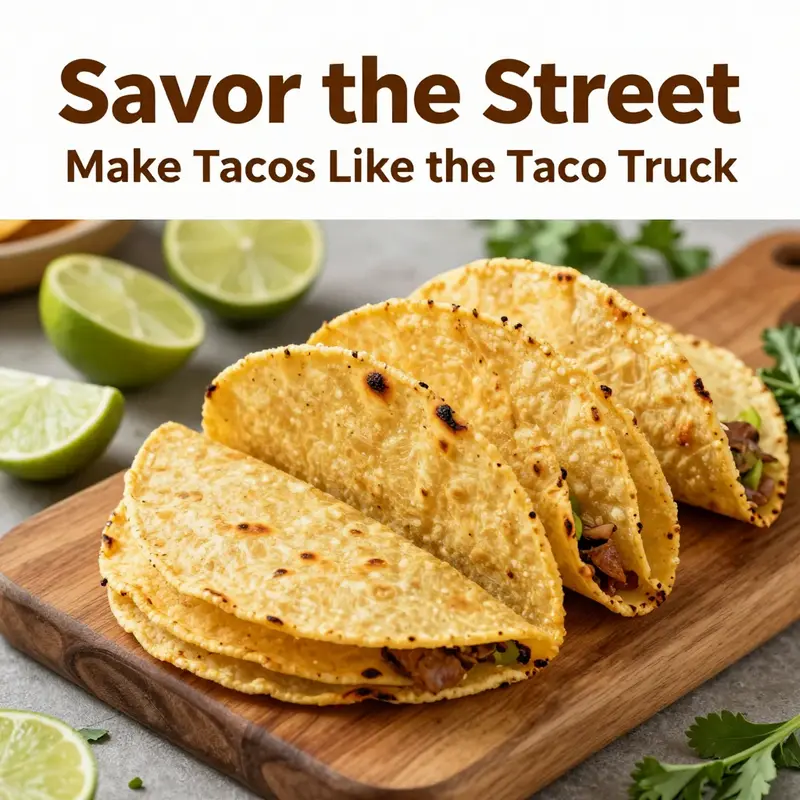
The shell is the story
If you want tacos that taste like the truck, start with the tortilla. The shell shapes every bite. It frames your protein, balances sauces, and defines texture. Food trucks treat tortillas as more than a carrier. They choose shells that match the filling, heat them with care, and serve them warm and forgiving. Recreate that experience at home by understanding ingredients, feel, and handling. The goal is a small, pliable tortilla that holds flavor without falling apart.
Corn and flour command different vocabularies. Corn tortillas come from nixtamalized maize. That process gives them an earthy sweetness and a subtle corn aroma. A corn shell is slightly rustic and chewy. It resists tearing when filled with juicy meats and bright salsas. Food trucks often use small corn tortillas for classic styles. The restrained size keeps each taco balanced. It encourages multiple small tacos per person. Each one has a clear, focused flavor.
Flour tortillas are softer. They bend around hefty fillings and melted cheese. Their neutral, slightly sweet taste suits Tex‑Mex inspired fillings. Flour shells are common where cheese, crema, or heavy sauces dominate. They wrap neatly and provide a plush mouthfeel. For street-style authenticity, choose small flour tortillas when the taco leans rich rather than wet.
Size matters. Aim for six inches for true street-style tacos. A small tortilla gives a better filling-to-shell ratio. It keeps bites manageable. It lets the protein and toppings shine. Bigger tortillas are useful for handheld wraps, but they change the eating rhythm.
Freshness and feel separate truck-quality tortillas from supermarket packs. Fresh tortillas are pliable. They bend without cracking. They show a soft surface and a faint steam when warmed. Avoid brittle or dry shells. They will tear and distract from the filling. If you can, buy from local tortillerías or farmers markets. Many food trucks source tortillas locally or make them in-house. That step adds a subtle difference you can taste.
If you want to make tortillas at home, the payoff is huge. For corn tortillas, use masa harina and water. A rough guideline is two parts masa to one part water by volume, but hydration varies with humidity and flour brand. Mix until the dough is tender and not sticky. Let it rest ten minutes. Press in a tortilla press or roll between plastic sheets. Cook on a hot, dry skillet for 30–45 seconds per side. The tortillas should puff slightly and show charred spots. For flour tortillas, combine flour, salt, a fat source, and warm water. Knead until smooth. Rest the dough, divide it into small balls, then roll thin and cook briefly. Home-made shells give control over salt, texture, and thickness.
When store-bought tortillas are your practical choice, aim for quality packaging and check the date. Fresh bakery tortillas or local suppliers beat mass-produced supermarket packs. If you must use sealed packages, warm them properly to simulate freshness.
Warming transforms a tortilla. Cold shells crack. Proper heat unlocks aroma and makes tortillas flexible. Food trucks use flat griddles or stacked steam boxes to keep shells flexible through a busy shift. At home, you have a few simple, effective options. Heat a dry skillet over medium-high heat. Warm each corn tortilla for 20–30 seconds per side until soft with brown spots. For flour tortillas, a slightly longer time gives a gentle blistering. Another approach is a damp towel wrap in a low oven for five to ten minutes. For a quick hold, stack warmed tortillas in a towel-lined container to keep steam trapped. The towel recaptures moisture without sogginess.
Avoid overheating. High heat will dry the shell and make it brittle. Too much steam will make it limp. The aim is a balance: flexible, warm, and just-blistered.
If tortillas dry out, you can revive them. Sprinkle a few drops of water on each or on a towel. Wrap and steam for a minute or two. A skillet splash with a quick flip can also rehydrate. For tortillas frozen for storage, thaw in the refrigerator or at room temperature. Warm gently to recombine steam and softness. Freezing is an excellent shelf-life strategy, but quick reheating is crucial to regain that truck-quality texture.
Think of tortillas as partners to your filling. For juicy meats like al pastor or slow-cooked beef, choose corn. Its slightly grainy tooth captures sauces and meat juices. For heavy, cheesy options, choose flour. If you plan to char proteins and finish them with a squeeze of citrus and a punchy salsa, small corn tortillas highlight the interplay.
Handling matters when assembling. Warm the shells and keep them covered. Place the protein on the center third to avoid spillover. Add a little sauce first only when the shell can support it. Place crunchy toppings like cabbage or pickled onions last to preserve texture. A small squeeze of lime brightens the whole bite. Serve immediately. The best tacos are eaten hot and hand-held.
For events or feeding a crowd, scale your warming strategy. Stack tortillas in insulated containers with towels. Use a low-temperature oven or a well-insulated food carrier. For mobile service, trucks often use steam boxes or griddles. At home, a cooler lined with towels performs well for short transport. Avoid over-layering moist ingredients directly on the tortillas during transit.
Choosing the right tortilla also honors tradition. Corn, when made properly, carries millennia of culinary practice. The nixtamalization process enhances flavor and nutrient availability. When you select corn, you choose a distinct cultural voice in your taco. Flour chooses another path—one shaped by different regional preferences and modern fusion.
Small decisions yield big results. Choose fresh, choose the right size, warm gently, and handle with care. If you make tortillas from scratch, pay attention to hydration and brief resting. If you buy them, seek local sources or high-quality bakery options. Keep shells warm and covered, and assemble tacos so textures remain distinct until the first bite.
For ideas on how toppings and fillings interact with your shell, see the guidance on salsa choices in the post “Choosing the Right Salsa for Tacos” from the truck’s blog. For a technical primer on produce prep that complements great tortillas, consult this external guide: https://www.foodnetwork.com/recipes/the-ultimate-guide-to-perfectly-cutting-tomatoes-for-tacos-like-a-pro
Small tortillas, warmed and thoughtful, are the single most influential step toward tacos that taste like they came from a truck. Master that step and the rest falls into place.
null
null
From Street Cart to Home Kitchen: Mastering Salsas, Sauces, and the Taco-Truck Flavor Echo
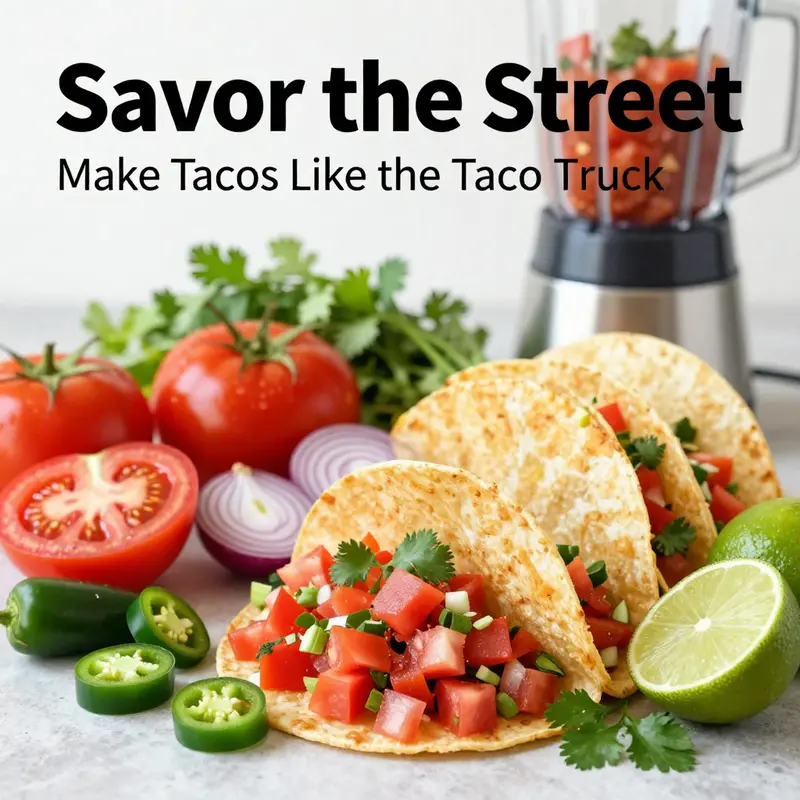
The salsa is not just a condiment; it is the drumbeat that keeps the pace of a taco truck alive when it hits your table. In the same way a well-tuned tortilla can cradle the filling, a bright, fresh salsa binds the flavors, lifts the meat, and makes every bite feel like a brisk walk through a busy street corner where the air smells of char, citrus, and grinding spices. If the tortilla is the shell of the taco, the salsa and sauce are its soul—quick to prepare, deeply transformative, and capable of turning a home kitchen into a portable kitchen on wheels. The focus here is not only on replicating the street-taco experience but on understanding why these sauces work, how they interact with proteins and tortillas, and how a few simple choices can replicate that on-the-go energy in your own kitchen.
Begin with the most fundamental distinction: salsa verde, the green heart that most authentic trucks use to brighten smoky meats and corn. Tomatillos, those husked, tart cousins of the tomato, are the base. They pair with jalapeños for heat, cilantro for life, garlic for bite, and lime juice for the tang that carries through every element of a bite. The beauty of this combination is its balance. The tomatillo’s brightness cuts through rich meat; the cilantro lifts the aroma; the garlic anchors the flavor; the lime adds a lift that makes the peppers seem brighter rather than hotter. When you roast or blister the ingredients, the flavors deepen as if the salsa has learned to speak in a more confident dialect of street-food confidence. The result is a sauce that clings to the warm tortilla, seeps around the edges of the filling, and demands another bite before you even realize what just happened.
But authentic flavor does not stop at verde. A roasted tomato and chipotle salsa offers a different path—smoky, creamy, and with a mellow heat that lingers. Charred red tomatoes and onions bring a roasted sweetness, while jalapeños introduce a controlled heat. The blend benefits from a touch of paprika or a whisper of cumin to bloom the roasted notes. A little cream or sour cream can smooth the edge, providing a silky finish that still holds its own against the meat’s richness. The trick is to blend these elements until they feel cohesive, not separated. A good rule of thumb is to blend until you achieve a satin texture that will cling to the tortilla without dripping away. If you want to stretch your salsa further, a light drizzle of citrus can wake the mix—orange zest in particular can add nuance that mimics some of the brighter, fusion-seasoned trucks you might have sampled.
The playful truth about salsa in a taco truck context lies in the space between tradition and utility. The ‘fake avocado salsa’ approach is a recent, clever move that fits perfectly with home cooks who want creamy texture without the mess of real avocado turning brown and muddy after a few hours in the fridge. Blending avocado with lime juice, cilantro, and a pinch of cumin creates a lush, pale-green sauce that mimics the creaminess of guac while remaining distinctly salsa in texture. It’s not a replacement for real avocado-based toppings in all cases, but it’s a dependable, shelf-friendly option when you’re feeding a crowd or preparing meals ahead of time. The creamy consistency helps unify the fillings and reduces the risk of the tortillas cracking under pressure when you bite down. The balance remains crucial: keep lime bright, keep cilantro fresh, and watch the cumin’s earthiness step back so the lime and cilantro stay at the forefront.
Pacing the sauces with the meat is where the real craft shows. If you’re working with a slow-cooked beef or al pastor-inspired pork, the sauce should walk a fine line between bright and bold—bright enough to carve through fat, but bold enough to echo the meat’s spice profile. A common seduction is to add a light splash of the meat’s pan juices into the salsa; that tiny touch ties everything together, ensuring the sauce does not feel like a separate party but rather an integral part of the entire taco. The pepper heat can ride in with the right amount of jalapeño and a careful balance of seeds, seeds being the natural flavor amplifier. If you overload the salsa, it can overwhelm the tortilla and mask the subtleties of the meat. If you under-season, the taco can feel flat, lacking the street-food edge that makes a taco truck’s fare so memorable.
When you assemble, the sequence matters. A warm tortilla deserves a careful, generous spread of salsa but not so much it leaks through and soaks the filling away. A light layer of shredded lettuce or cabbage for crunch offers textural contrast and a momentary freshness that contrasts with the meat’s depth. Diced avocado or the creamy ‘fake avocado salsa’ can provide a velvet counterpoint to the salsa’s brightness, helping each bite glide into the next. A scatter of cotija or queso fresco adds a salty snap that wakes the palate mid-meal, and thinly sliced pickled onions or radishes can punctuate the taste with acidity and snap. Squeeze a touch of lime to finish and you have a signature combination: the brightness of citrus with the earthiness of the spices and the warmth of the meat.
In this process, technique is not an obstacle but a bridge. Whole spices, when used, deliver their fragrance in layers. Toasting cumin, chili powder, oregano, and garlic before grinding awakens the oils, intensifies the aroma, and multiplies the depth you’ll taste in the final sauce. If convenience wins the day, pre-ground spices still perform; you’ll just miss some of the aromatic lift. Either way, balance remains paramount: every spice should support the other, not overpower it. This synergy is what makes a salsa sing rather than simply taste spicy. The goal is not heat for heat’s sake, but a coordinated vibrancy that persists bite after bite, so the taco feels alive from first bite to last crumb.
Culturally, the approach you bring to these salsas and sauces matters as much as the method itself. In cities where taco trucks form the backbone of the local street food scene, the food reflects a blend of immigrant heritage and regional adaptation. The flavor profiles travel with people, not just recipes, and that cross-pollination yields sauces that are at once rooted and restless, faithful to tradition while eager to experiment. As you craft your own sauces, let authenticity lead with respect for origin, but allow local ingredients to guide your adaptation. The result is not a knockoff of a truck’s repertoire but a home kitchen version that captures the energy, speed, and hustle of an on-the-move food culture. A well-balanced homemade seasoning, built from toasted whole spices and bright acids, can unify meat and sauce and create a cohesive experience that feels both familiar and alive with new textures and contrasts.
If the aim is to recreate that signature taco-truck energy, you might think about how sauce and salsa function as a single, combined signature rather than two separate components. A coordinated set of toppings—the crisp lettuce, the creamy finish, the tang of pickled onions, the bright squeeze of lime—acts as a chorus that supports the lead performer, the seasoned meat. The salsa verde provides a sharp, herbaceous counterpoint; the roasted tomato-chipotle union offers a smoky cushion; the creamy avocado or its faux variation smooths the edges. Together, they give your taco the same on-the-go personality you see rolling through city streets. And with practice, your home kitchen will not only emulate the texture and brightness of those street-taco bites but will also invite the spontaneity and improvisation that characterize the work of a true taco crew.
To continue the dialogue between technique and memory, consider how the sauces you make will travel with you in the kitchen, how they can be scaled up for a party, or how they can be tweaked to reflect mood and season. The process of building sauces is a tactile, sensory practice as much as a culinary one. Taste as you go, adjust with confidence, and let your palate guide the final texture. This approach will ensure your salsas are not merely dressing but a living reflection of the street-level energy you’re seeking to bring into your meals. For readers who want a broader sense of the culinary craft and its industry context, the idea of top taco truck models for culinary success can serve as a reminder that the best home recreations borrow from the efficiency, adaptability, and bold flavor choices that trucks have perfected on the road. top taco truck models for culinary success.
As you refine your technique, keep in mind the practicalities of preparation and serving. Fresh salsas are best made close to serving time, but you can balance the need for speed with the demand for brightness by keeping herbs finely chopped and layering flavors in stages. If you must store, keep sauces refrigerated in airtight containers and use within a few days to retain color and brightness. The goal is to approach street-food vigor without sacrificing the comfort and control of your home kitchen. This balance—between quick assembly, bold flavor, and a respect for technique—will bring you closer to tacos that feel as if they rolled off a truck and onto your plate, still singing with the energy of the street.
For those seeking a precise, technical update to knife work and tomato prep that underpins the salsa’s texture, there is a practical resource that outlines how to cut tomatoes for tacos with care and consistency. It offers guidance on selecting the best types of tomatoes, cutting for maximum texture, and balancing the elements of a well-constructed taco. Explore the detailed steps at the linked guide to sharpen your tomato preparation, which complements the salsa-building discipline described here: https://www.foodnetwork.com/recipes/the-ultimate-guide-to-perfectly-cutting-tomatoes-for-tacos-like-a-pro
Toppings That Transform: Layering, Texture, and Brightness for Taco-Truck Flavor
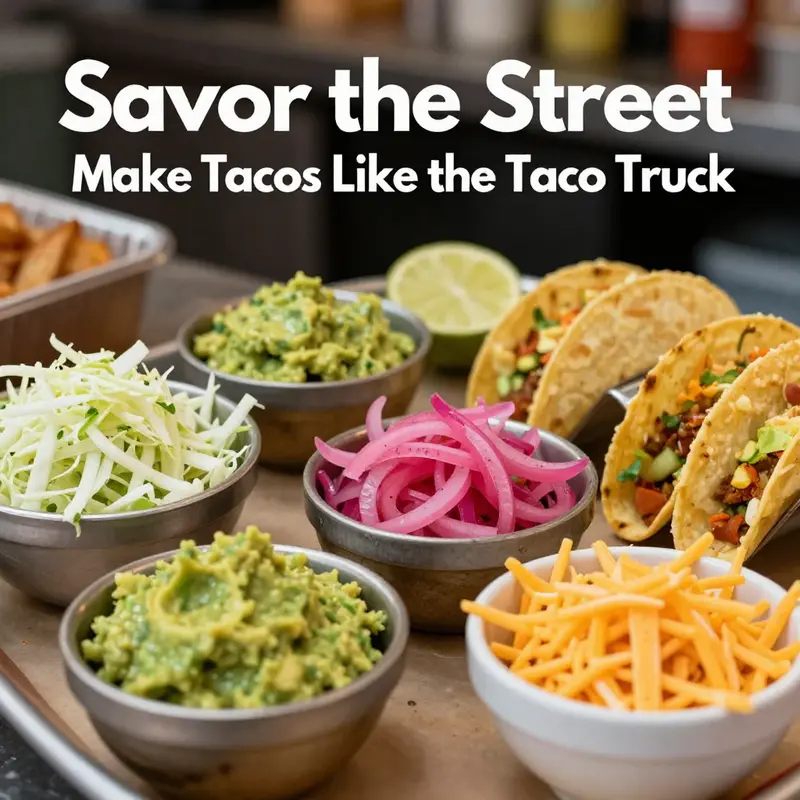
Toppings are where the taco truck’s soul shows up. A great tortilla and a well-cooked filling start the story, but toppings finish it. The right combination of acid, fat, crunch, and herb lifts each bite. The trick is intentional layering: every topping must have a job — to cut, cool, brighten, or ground the flavor — and to do so without drowning the filling.
Start with the tortilla warm and slightly blistered. Place a modest portion of filling at the center. Too much protein overwhelms; street tacos are built for balance. After the filling, add a creamy element to anchor the texture. Crema or a spoonful of guacamole gives the taco body and soothes heat. Then add the crunchy and acidic elements: crisp cabbage or shredded lettuce, pickled red onions, and slices of radish. Finish with bright herbs and citrus. This order keeps creams from sliding off and preserves the snap of raw vegetables.
Pickled red onions are a top street-truck secret. Their sharp acidity cuts through rich meats and fried components. Make a quick version with thinly sliced red onion, equal parts water and vinegar, a pinch of sugar, and salt. Let them sit thirty minutes at room temperature, or an hour in the fridge. The result is tart and fragrant, with a quick snap that softens but stays crisp. Keep a jar in the refrigerator; they improve with a day or two and last for weeks.
Cabbage slaw provides that essential crunch and a cooling counterpoint. Use a mix of green and purple cabbage for color and texture. Toss thin ribbons with lime juice, a drizzle of neutral oil, chopped cilantro, and salt. Add a jalapeño or serrano for gentle heat, or a touch of crema whisked with lime for a silkier finish. The acidity in the slaw brightens the meat and keeps every bite lively.
Herbs matter. Freshly chopped cilantro adds an immediate lift that dried herbs cannot match. Scatter it last so the leaves stay vibrant and fragrant. If cilantro isn’t for everyone at the table, offer a small bowl of minced onion and chopped oregano as an alternative herb garnish.
Creamy elements deserve attention. Crema cools the palate and coats the mouth with luxurious fat, intensifying flavors that follow. Make a quick crema by thinning Mexican-style crema or sour cream with lime juice and a pinch of salt. For smoky depth, blend in a spoonful of chipotle purée. Avocado offers richness without the tang of crema. A light scoop of guacamole, or thin slices of ripe avocado, melt into the filling and carry flavors across the palate.
Salsas and drizzles define character. A bright pico de gallo—diced tomatoes, white onion, jalapeño, cilantro, and lime—keeps things fresh. For deeper notes, roasted tomato and chipotle salsa delivers smoky richness. Balance is key: a smoky salsa pairs well with fatty meats, while a fresh salsa lifts grilled or citrus-marinated proteins. A small spoon of tamarind sauce can bring subtle sweet-tart depth to pork or fish tacos.
Textural accents make each mouthful interesting. Thinly sliced radishes add a peppery bite. Toasted pumpkin seeds or chopped roasted peanuts can be used sparingly on fusion tacos for crunch. Pickled vegetables beyond onions—quick-pickled carrots, jalapeños, or daikon—add acidity and chew. These bite-sized contrasts keep the tongue engaged from first to last crumb.
Aromatic finishes matter. Beyond cilantro, consider microgreens, chives, or a scattering of crumbled salty cheese. Traditional options like cotija or queso fresco add salt and a dry, crumbly texture that contrasts with creamy elements. A final squeeze of lime brightens the whole assembly. Encourage diners to add lime themselves; the juice’s volatility means it tastes fresher poured at the last second.
Balance heat with dairy or acid. If a topping is fiery, respond with a cooling cream or acidic slaw. If the filling is mild, amplify with a spicy salsa or pickles. This give-and-take creates the trademark street-taco punch: bold, but not one-note.
Prep strategy keeps service fast and flavors optimal. Do the chopping and pickling ahead. Store crema and guacamole in shallow containers to limit air exposure. Keep salsas chilled and at hand. For cabbage slaw, dress it lightly if you’re serving the same day; leave heavier dressings for immediate service to preserve crunch. Label containers and arrange them in order of assembly to speed up plating.
Think about portions. Small tortillas and modest topping quantities let the flavors sing without weighing the taco down. This also invites variety: when guests can sample multiple taco types, each topping profile becomes a part of the tasting experience. For a home dinner, prepare two or three contrasting topping stations—one bright and fresh, one smoky and creamy, and one tangy and pickled—to let diners mix and match.
Vegetarian and plant-based tacos benefit from the same topping rules. Swap a rich crema for a garlic-yogurt sauce or lime-blended cashew crema. Roasted mushrooms, spiced potatoes, or charred cauliflower need pickled brightness and fresh herbs just as much as meat does. A spoonful of fermented vegetables, like kimchi, adds umami and heat to vegetable fillings without overpowering them.
Don’t be afraid to innovate, but keep function in mind. Fusion elements—fermented cabbage, a kick of chili paste in crema, or a sesame-sesame oil drizzle—work when they play the same roles as classic toppings. Each addition must either brighten, cool, add fat, or introduce texture.
Serving matters. Offer toppings in shallow bowls with spoons or tongs. Provide small plates for building and napkins for the inevitable, glorious mess. Warm tortillas should sit under a cloth or in a low oven. The ritual of assembly is part of the street-truck experience: guests build quickly and eat immediately.
Finally, taste as you go. Adjust salt, acid, and heat in small increments. A squeeze of lime, a pinch of salt, or a teaspoon of pickles can transform a good taco into a great one. When you arrange toppings with intent, you recreate the taco truck’s voice in your kitchen: bold, balanced, and alive.
For a deeper look at how Austin’s taco trucks balance tradition with innovation, see this profile of local food trucks that captures those precise, layered flavors: https://www.austinchronicle.com/food/2026-01-20/the-best-tacos-in-austin-tx-strictly-from-food-trucks/.
For guidance on choosing the right accompaniment salsas and sauces for specific tacos, consult this internal resource on choosing salsas: Choosing the Right Salsa for Tacos.
From Street Stand to Home Kitchen: Mastering Taco Truck Techniques for Handheld Perfection
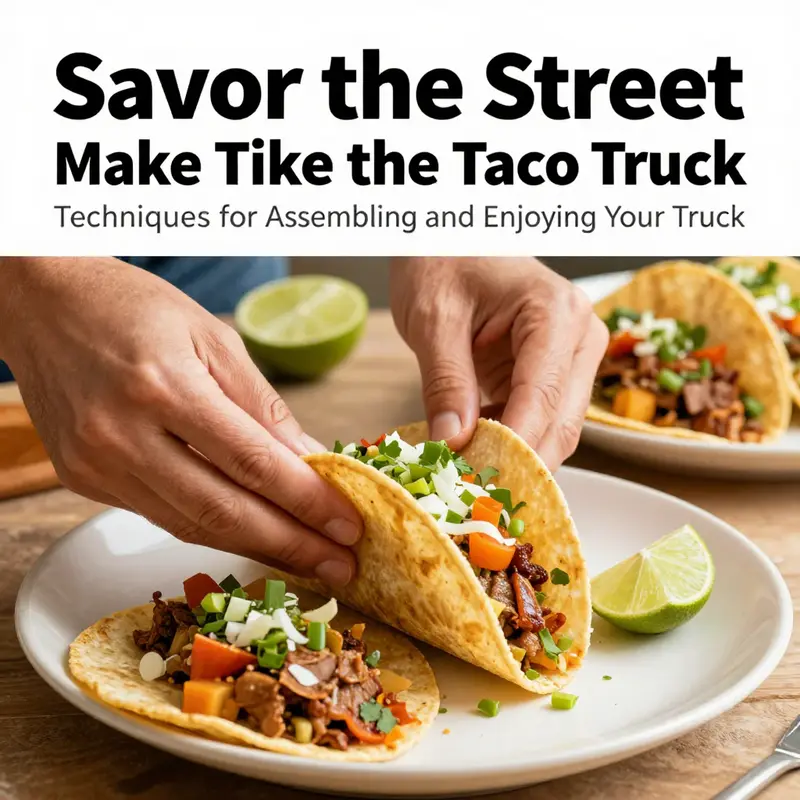
The scent of street corners and the clamor of rotating steam wakes a sensory memory in anyone who’s chased a late-night quesadilla or a sunny taco along a curb. The goal of this chapter is to translate that on-the-go, bold-flavor energy into a home kitchen routine that doesn’t skimp on texture, brightness, or pull-apart tenderness. Tacos aren’t merely food; they’re a handheld ceremony—each bite a snapshot of the experience you’d expect from a bustling street truck. The backbone of that experience rests on three pillars: tortillas that surrender without tearing, meats that carry a vibrant seasoning without leaning too spicy, and toppings that sing with crunch, creaminess, and acid that cuts through fat. Get these right, and the rest falls into place as if the truck’s wheels were parked right in your own kitchen.
Start with the foundation, because everything else hinges on tortillas. Small corn tortillas—about 6 inches in diameter—are the classic canvas for street-style tacos. They should be pliable, subtly sweet from the masa harina, and just pliable enough to fold without cracking. Warm them properly to coax flavor and elasticity. A dry skillet over medium heat works beautifully: 20 to 30 seconds per side is enough to soften and blister without drying. If your schedule demands a gentler approach, wrap a half-dozen tortillas in a clean towel and give them a brief 20-second spin in the microwave. The goal is a tortilla that can cradle a scoop of filling and a handful of toppings without breaking apart on the first bite. The warm tortilla also helps trap aromas from the meat and salsa, making the first mouthful a full, layered experience.
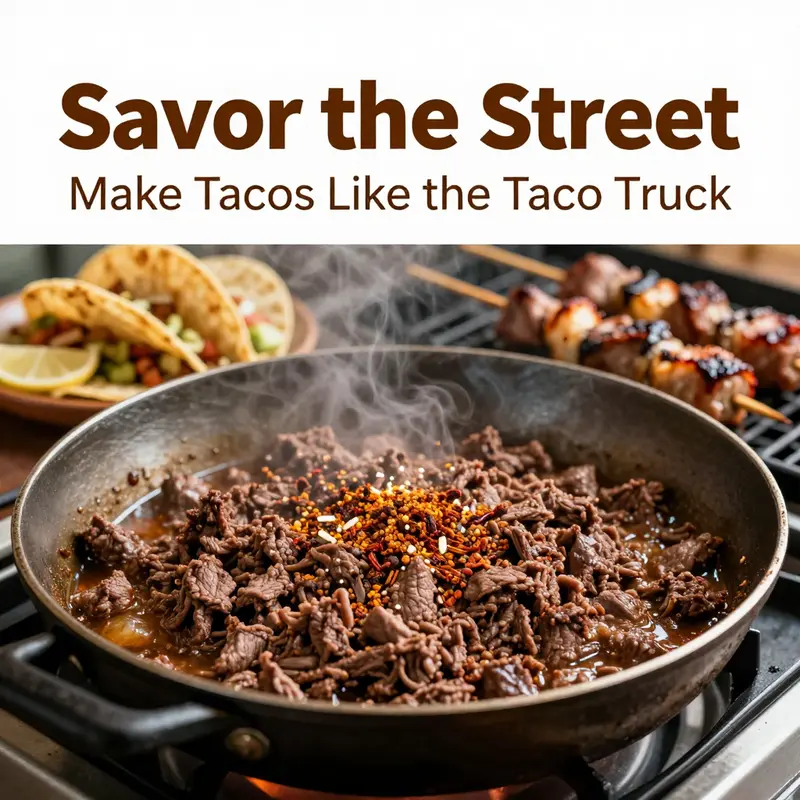
Flavor begins with the protein, and trucks rely on a well-balanced, robust profile. For a classic route, you’ll want a meat that browns deeply and then simmers with a quiet gleam of liquid to meld spices. A simple but powerful approach is to brown the meat thoroughly, allowing the rendered fat to mingle with a ground of spices—cumin, chili powder, garlic powder, onion powder, smoked paprika, salt, and a pinch of oregano. Once the meat browns, deglaze the pan with a splash of broth or water and let it simmer for 5 to 10 minutes. The moisture helps the spices dissolve into the meat, turning every bite into a cohesive, slightly saucy filling that clings to the tortilla instead of pooling at the bottom. For a more complex, al pastor-inspired flavor, marinate the meat with citrus juice, achiote paste, and a hint of pineapple juice before cooking. The citrus brightens the mix, the achiote lends a peppery glow, and the pineapple’s sweetness foils heat while contributing a subtle caramel note when it cooks down. If you instead favor chicken or pork shoulder, the same philosophy applies: a bold spice blend, a thorough browning, and a gentle simmer to marry the flavors without losing their identities.
Every successful truck taco rests on a fresh, well-balanced salsa or sauce. Fresh pico de gallo is a timeless staple: dice ripe tomatoes, white onion, jalapeño, and cilantro; finish with lime juice and a pinch of salt. The brightness of the lime cuts the richness of the meat and the creaminess of any avocado you add. For a deeper, smoky note, roast red tomatoes, onions, and jalapeños until lightly charred, then blend with a touch of smoked paprika and a whisper of cream or sour cream to smooth the finish. The key remains freshness; avoid canned or mass-produced sauces that mask texture and bite. The salsa should offer a clean, crisp contrast to the warm meat, not overwhelm it with sweetness or an overpowering heat.
Toppings are where you let the taco reveal its personality. Think in terms of three sensory layers: crunch, creaminess, and brightness. Crunch comes from crisp shredded lettuce or cabbage, or even a quick pickle of red cabbage for a tangy snap. Creaminess is provided by avocado slices or a pale, silky guacamole that holds its shape rather than turning liquid. A gentle crumble of cotija or queso fresco adds a salty, mineral note, a small but mighty counterpoint to the meat’s fat and the salsa’s acidity. For brightness, lime wedges are essential, and a scattering of chopped cilantro offers a fresh, peppery lift. Don’t overlook the quick contrast of pickled onions or thinly sliced radishes; their acid and crunch echo the salsa and keep the bite from feeling heavy. The objective is balance rather than loudness: every component should be recognizable on its own yet harmonious when eaten together.
Assemble with a rhythm that respects every layer. Begin with a thin smear of your preferred sauce or a small spoonful of guacamole on the tortilla to create a moisture bridge that keeps fillings from sliding. Add the warm meat in a modest mound, then arrive at the toppings in quick succession: a handful of cabbage for crunch, a few slices of avocado, a scatter of cheese, and a bright squeeze of lime. The order matters because it preserves the tortilla’s integrity. Too much sauce at the bottom can make the tortilla soggy; too little at the base can leave the filling dry on the last bite. A light, even distribution ensures that the fillings—whether you’re chasing a simple beef taco or a more adventurous combination—cut through the tortilla and deliver a satisfying chew at every stage.
Serving these tacos is an act of invitation. They’re meant to be eaten with your hands, immediately after assembly, when the tortilla still carries warmth and the toppings haven’t surrendered their crunch to steam and oil. Encourage guests to customize, to add extra salsa, a dollop of crema, or a final squeeze of lime. A shared platter with all components laid out invites interaction and pacing, turning a quick dinner into a tiny, festive ritual. In a home kitchen, the sense of occasion comes not from a fancy mise en place but from the clarity of each component and the ease with which a diner can adjust flavor and texture to their taste.
The playful spirit of this approach is what makes tacos from the truck feel alive at home. You want to emulate bold global flavors without losing the essential street-food core: fast prep, bold seasoning, and a flexible structure that can accommodate improvisation. This adaptability is the backbone of any taco truck’s charm. Wherever your pantry or season invites you, the taco can adapt—whether you’re leaning into a citrusy, pepper-forward profile or leaning toward smoke and depth. If you’re curious about the broader landscape of equipment and mobile setups that keep street flavors top of mind, a respected resource in this space highlights the array of models and configurations that let street-food artisans move with confidence and creativity. Top taco-truck models for culinary success
To further refine the craft, lean on technique that respects the integrity of each component. Resting the meat briefly after browning helps reabsorb juices so the texture stays tender when plated, while the slight humidity of the simmer keeps the mixture cohesive without making it soupy. When preparing salsa, balance is key: the sharpness of onion and jalapeño needs a counterpoint from tomato sweetness and lime’s acidity. A touch of salt throughout the process is the quiet hand that ties everything together, pulling out natural flavors rather than masking them. The tortilla’s role is eloquent in its restraint; it should be the stage on which everything else dances, not the celebrity who steals the show.
Beyond technique, attitude matters. The best trucks don’t merely serve; they invite. They look for ways to incorporate seasonal produce, regional twists, and personal touches that remind guests that street-food is not a nostalgia trip but a living, evolving practice. Home cooks can borrow that mindset: keep a rotating lineup of toppings, experiment with different salsas, and let the pantry dictate the day’s tacos. The joy is in knowing you can recreate that sense of discovery in your own kitchen, with ingredients that feel fresh and a process that feels like play rather than production.
For readers who want a broader reference point on street-style taco techniques and precise knife work for tomatoes and other components, consider a detailed guide that covers selecting the ideal tomato—plum or Roma—and the balance of textures. This resource helps ensure your taco won’t fall apart and delivers maximum flavor with every bite. While home cooks bring their own constraints, the core principles—fresh ingredients, proper heat, balanced seasoning, and careful assembly—translate cleanly from the street to your stove.
External resource: How to Make the Best Street-Style Tacos at Home — https://www.bonappetit.com/recipe/street-style-tacos
Final thoughts
Preparing tacos like those from a taco truck involves a careful balance of fresh ingredients, authentic flavors, and an understanding of cultural influences. Each chapter we’ve explored enhances your taco-making journey—from choosing the right tortillas to the vibrant assembly of toppings. When it comes time to enjoy your creation, remember: tacos are best shared and savored in good company. Whether you’re at a local park with friends or hosting an event, let the flavors transport you to the bustling streets where taco dreams come true.

