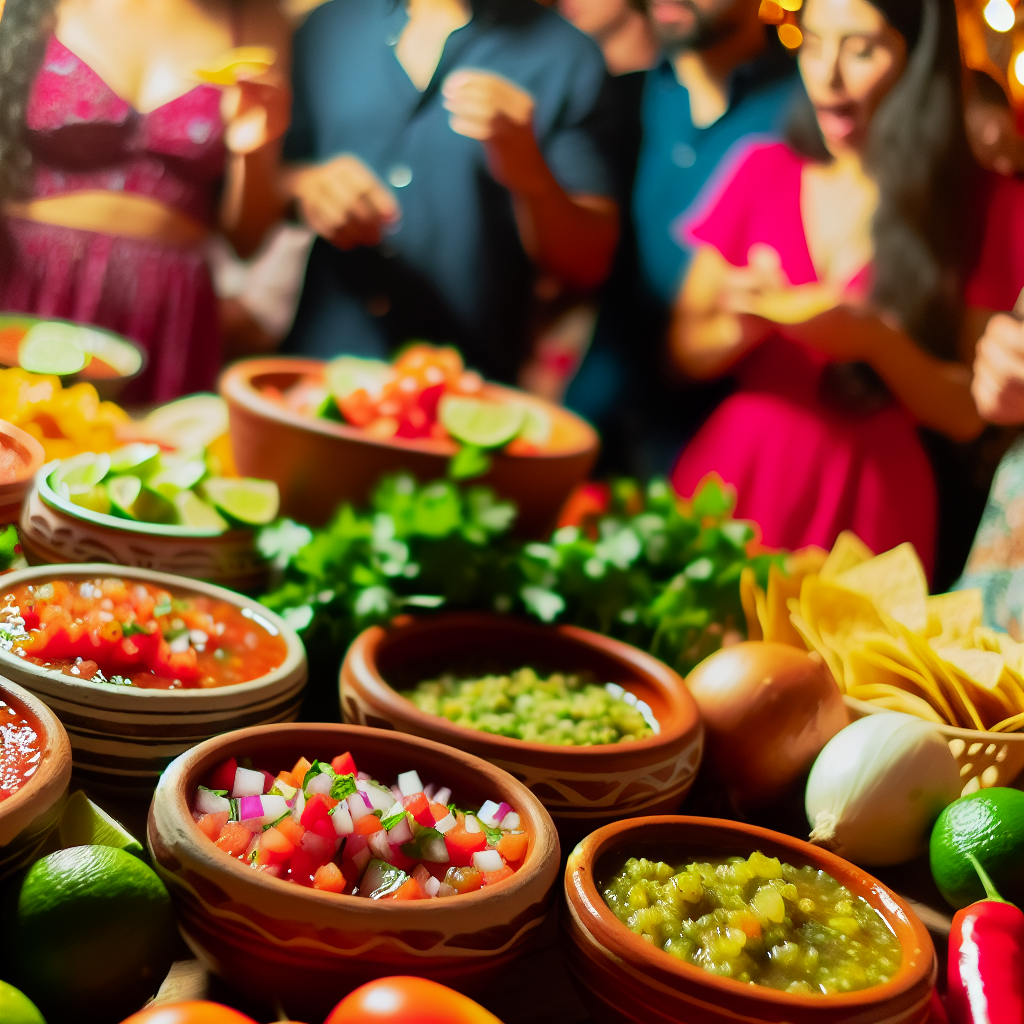

Taco trucks are a staple of street food culture, and one element that truly defines their culinary flair is the vibrant green sauce found drizzled over tacos. Known as salsa verde, this tangy condiment elevates the taco experience with its bright, herbal flavors and versatile applications. From local office workers grabbing lunch to event planners looking to enhance their catering options, understanding this beloved sauce can inspire a deeper appreciation for modern Mexican cuisine. Join us as we break down the ingredients, explore its culinary uses, investigate regional variations, and even learn how to make your own, forging a connection between culture and cuisine that everyone can savor!
Green Fire on the Cart: The Story of Salsa Verde and the Green Sauce That Defines Taco Trucks
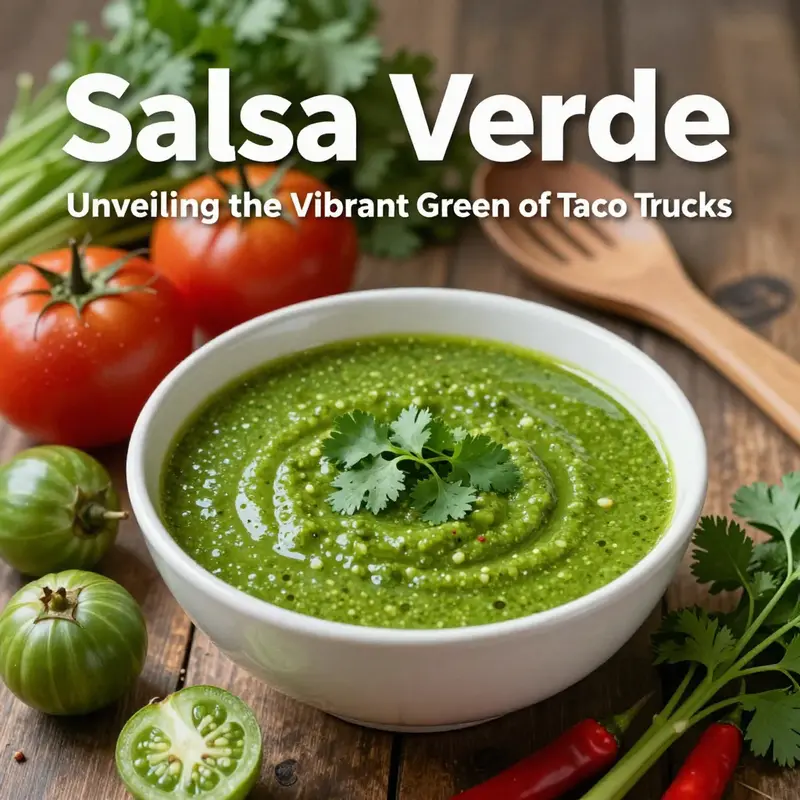
Green fire sits at the heart of taco trucks. Salsa verde, the green sauce many taco lovers recognize, is more than a topping. It is a bright, tart conduit that links carne asada, carnitas, beans, and fresh tortillas. The defining ingredient is the tomatillo, a green fruit cloaked in a husk that looks like a lantern and tastes distinctly citrusy. When roasted or simmered, tomatillos soften and release a tangy nectar that travels through every blend of herbs and chiles. The result is a sauce that feels alive, a balance of brightness and warmth, tartness and bite. The tradition favors fresh ingredients, but many cooks also lightly cook the mixture to mellow sharp edges and deepen the flavor. The presence of cilantro adds herbal lift, while onions and garlic anchor the sauce with aromatics. Heat comes from green chiles such as serrano or jalapeño, chosen to align with the day’s meat and the cook’s preferred level of spice.
At its core, salsa verde is a study in balance. The tomatillos provide body and acidity; cilantro brings garden brightness; garlic and onion offer piercing aroma without heaviness. Salt and lime juice finish the blend, sharpening the edge without stabbing the senses. Some cooks choose a completely smooth finish, while others preserve a light texture that shows the seeds and skin of the peppers. The texture is as much a statement as the taste. In many American-style taco trucks, a quick simmer softens the sharpness and rounds the corners, producing a glossy, velvet-like sauce that clings to tortillas and meat. The technique matters as much as the ingredients: roasting vs boiling can alter sweetness, while the ratio of chiles to tomatillos decides heat and complexity. The humble salsa verde thus becomes a moving target for cooks who want freshness without sacrificing depth.
Beyond topping, salsa verde acts as a versatile kitchen tool. It marinates meats that will be braised later, enriching shredded fillings with pungent, herbal moisture. A braising liquid of salsa verde can coax chicken or pork into tenderness while infusing early-batch sauces with a bright backbone. Finished drizzles highlight the sauce’s vitality on the plate. It can also stand alone as a dip for warm tortillas or chips, inviting nibbling and conversation at the stall. The acidity cuts through fat and richness, which is essential when pairing with fried or heavily sauced fillings. The result is a taco that tastes lighter, even when loaded with savory fillings. The interplay of heat, acidity, and herbal aroma creates a signature that many taco trucks reuse across menus, lending a sense of continuity in a roaming kitchen.
Regional variations reveal the sauce’s flexibility. In central Mexico, some cooks simmer the mixture gently and blend to a silkier consistency, letting the peppers mellow into a fragrant tapestry. In the north, a brisker, chunkier version is common, with a noticeable bite that speaks to bolder peppers and a rougher texture. Some kitchens pound the ingredients in a molcajete for a rustic, pepper-streaked finish that feels handmade and personal. In Puebla and Hidalgo, pollo en salsa verde often accompanies a slow-cooked dish that uses the same green sauce as its backbone. These regional threads remind us that salsa verde is both a condiment and a culinary partner, evolving with the terrain and the pantry it inhabits. The same batch of green sauce, used across a dozen stalls, might still taste different from cart to cart, depending on heat management, water quality, and the balance of herbs.
Modern adaptations entered the scene as street food and casual dining collided with global curiosity. Some cooks introduce subtle spice blends—cumin, oregano, or a touch of smoked paprika—to add warmth without burying the tomatillo’s brightness. Others lean into a sharper lime finish, or a touch more cilantro, to emphasize herbaceous notes that brighten every bite. These tweaks reflect a dynamic palate among customers who crave authentic flavors with just a whisper of novelty. Yet the essence remains: salsa verde should lift the dish, not overpower it. When used judiciously, it clarifies the taco’s identity, making the meat, the tortilla, and the garnish feel harmonized. The green sauce becomes a sensory cue that signals a fresh cart, a careful hand, and a kitchen that respects its roots while letting the street set the tempo.
Serving suggestions tie the sauce to the experience of eating on the go. A spoonful tucked over carnitas or grilled chicken can lift the entire taco with a single whisper of brightness. A spoon on the side invites diners to customize the heat and tang, an invitation that mirrors the egalitarian spirit of street food. In many stalls, salsa verde also appears as a braising liquid turned finishing glaze, brightening every layer as the meat cooks slowly in a shallow pool of its own juices and the green sauce. For vegetarians or those seeking lighter fare, a plant-based filling becomes lively when kissed with salsa verde, shedding heavy richness with every bite. The sauce also pairs surprisingly well with beans, rice, and even fried cheese, introducing a crisp, herbal lift that makes simple dishes feel special. In practice, it is more than a condiment; it is a translator of flavor that makes each taco both familiar and adventurous.
Those who study food in motion will note how salsa verde travels with the taco truck as part of its identity. The recipe travels in the minds of cooks just as surely as in the ingredients themselves. A single batch can adapt across venues while preserving a recognizable brightness. The result is a living tradition, a chorus of voices that echo regional heritage but still feel at home on a curbside cart. For readers seeking a broader view of salsa verde’s preparation and cultural significance, a reliable guide to traditional methods can be found in reputable culinary resources. If you want to explore different takes on salsa verde and how to choose a variety that suits your tacos, you can read a concise guide here: Choosing the right salsa for tacos.
For a deeper dive into traditional salsa verde, see an external reference that outlines its origins and balance of tartness, heat, and herbal brightness. The Spruce Eats provides a thorough overview of the classic preparation and cultural context for salsa verde. External resource: https://www.thespruceeats.com/what-is-salsa-verde-1329570
Green Salsa on the Move: Salsa Verde and Taco Truck Flavor
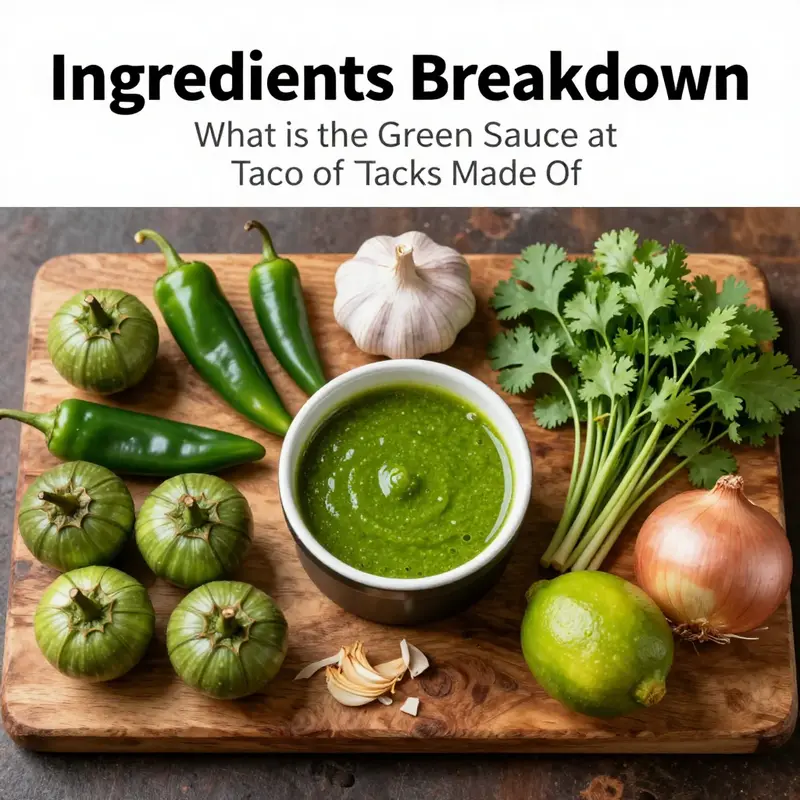
The green salsa known as salsa verde is more than a topping on a paper plate. In taco truck lanes where dusk settles, salsa verde acts as a flavorful backbone, a bright, tart thread that ties together smoky meats, fried tortillas, and crisp toppings. It is simple in its core ingredients and complex in how those ingredients mingle with heat, salt, and time. Tomatillos provide tartness; green chiles add warmth; cilantro seeds the sauce with freshness. When tomatillos are roasted or blistered, their flavors deepen while keeping a bright edge. Serrano, jalapeño, or poblano peppers contribute heat and nuance to bridge the herbs and tomatillos. Cilantro, onions, garlic, lime juice, and sea salt complete the balance, offering brightness, aroma, and savor. The sauce’s texture ranges from smooth to chunky, depending on grinding or chopping, and on how much liquid is left from the tomatillos. In a taco truck, salsa verde can marinade meat, finish a plate, or serve as a zesty base for soups. Its versatility comes from its ability to amplify other flavors without overpowering them, making it a favorite pairing for carne asada, carnitas, or roasted vegetables. In summary, salsa verde is the quick, lively green that gives taco truck meals their signature kick.
Verde as Culinary Conductor: How Salsa Verde Elevates Taco Truck Dishes and Beyond

The green sauce that punctuates the taco truck scene does more than add a splash of color. It acts as a culinary conductor, guiding flavor, texture, and balance across a spectrum of street-food favorites. Salsa verde embodies brightness and depth at once: tart, herbal, and lightly smoky depending on how the peppers are treated. In the bustle of a neighborhood cart, where time and space are at a premium, this verde is a versatile ally. It can wake a slow braise, sharpen a fried tortilla, or nuance a simple crowd-pleasing taco with a few fearless scoops. The sauce’s presence is unmistakable yet adaptable, and that adaptability is what makes it so central to the taco truck ethos. It brings a citrus-like lift that counterpoints rich meats while inviting playful experimentation with heat and herbaceousness. In that sense, salsa verde is less a topping and more a compact flavor system that travels with the dish from grill to plate.
At its core, salsa verde starts with tomatillos, those small husked fruits whose green jackets conceal a tart, lemony tang that can feel almost citrusy on the palate. When paired with green chiles, onion, garlic, and cilantro, the verde becomes a bright, zesty canvas. The ajo and onion contribute rounded savory notes, while cilantro adds a green, almost grassy lift. The balance among these elements is delicate: too much onion can dull the freshness; too much garlic can push the sauce toward weight rather than lift; too many chiles can make the heat overpower, masking the citrusy brightness that defines the profile. The beauty of these components is that, when blended and adjusted, they create a sauce that can be both piercing and comforting, depending on how it’s prepared and served.
Preparation methods matter as much as the ingredients themselves. In many traditional versions, cooks choose to roast the tomatillos and peppers, then blend with aromatics. Roasting introduces a subtle smokiness and deepens the peppers’ sweetness, which softens the sauce’s sharp edges. Alternatively, a raw salsa verde preserves the pure, raw fervor of the herbs and the papery brightness of the tomatillos. A light simmer is another pathway, where brief heat tames the acidity just enough to weave the flavors into a more cohesive, lacquered sauce. Each method yields a different texture—silky and smooth, or with a gentle heartiness—and each texture serves a distinct culinary purpose on the truck.
The flavor profile of salsa verde is defined by its bright acidity and herbal lift. The citrus-like acidity shines through fatty preparations, cutting through the richness of carnitas or barbacoa with a refreshing snap. That acidity does more than sharpen the taste; it acts as a tenderizer in marinade applications, allowing proteins to shed some of their toughness and become more receptive to the subtler notes in the sauce. The cilantro contributes a clean, verdant aroma that can feel almost restorative after a bite of smoky meat, while the allium and garlic add a comforting backbone that keeps the verde from feeling too ethereal. The result is a harmony that can elevate a humble taco to something distinctly memorable, as if the sauce had orchestrated the meal’s tempo from the first bite to the last.
In the daily rhythm of a taco truck, salsa verde wears many hats. It is most commonly a topping that gilds the tortilla with a bright, tart sheen, but it also functions as a marinade that invites moisture and flavor into the meat before it meets the grill or the braising pot. A few spoonfuls can permeate a brisk, slow-cooked pork or chicken, helping to lock in moisture while imparting a herbal note that complements smoky char. Beyond topping and marination, verde also doubles as a cooking liquid in stews like chile verde, where its acidity helps loosen connective tissue and deepen the overall sauce, producing a cohesive layer that carries through the entire dish. And when chefs or vendors want to stretch a dip or sauce into a more substantial component, salsa verde becomes a base for soups and dips, lending a green, tangy glow that brightens heavier ingredients and invites additional seasonings without overpowering them.
What makes salsa verde even more compelling in the taco-truck setting is its adaptability to heat and spice. Many kitchens experiment with subtle spice blends—cumin, oregano, a whisper of smoked paprika—designed to add warmth without erasing the sauce’s inherent freshness. Those additions can reframe the verde from a razor-edged brightness to a warm, earthy hug that lingers on the tongue. The result is a sauce that can mingle with almost any protein, from seared to slow-cooked, and with nearly any tortilla, from corn to flour. In this way, verde becomes a flexible partner, a conduit through which the chef can steer a dish toward brightness, depth, or a comforting balance depending on mood, solo components, or the crowd in front of the truck.
The tactile experience of salsa verde contributes to its role as a culinary conductor. A raw verde offers a crisp snap and immediate zing, encouraging a quick bite that leaves the palate ready for the next layer of flavors. A lightly simmered verde thickens slightly and takes on a silkier texture that clings to meat with a whisper of viscosity, enabling it to coat taco fillings more evenly. Roasted verde, meanwhile, envelopes the tongue in a smoky, resonant finish that lingers, inviting a longer, slower savor of the dish as a whole. The choice among these textures is rarely arbitrary; it’s a calculated decision that affects how the topping interacts with tortilla, meat, cheese, and even toppings like onions or radishes. The sauce, thus, becomes a flavor vehicle that can be tuned to harmonize with the rest of the plate rather than merely sit atop it.
A single scoop of salsa verde can recalibrate a bite, pulling disparate elements into a harmonious union. Its high acidity helps cut through fats and oils that might otherwise dominate the mouthfeel, ensuring that every component—whether bright salsa, tender carnitas, or crisp tortilla—gets its moment in the sun. The herbal brightness from cilantro contributes a layer of aroma that can brighten the entire plate, keeping even heavy dishes feeling lively rather than heavy. This is what makes verde essential: it doesn’t merely add flavor; it modulates and elevates the entire dish, guiding the eater through a sequence of contrasts—tart and toasty, green and smoky, soft and crisp—without ever shouting above the main ingredients.
For readers exploring the spectrum of salsa verde, it’s helpful to consider how a sauce’s preparation can shape the experience. If you’re selecting a verde to accompany tacos, you might reflect on whether you want a cutting-edge, palate-awakening bite or a more enveloping warmth that lingers. In discussions of sauce choice, one often returns to the idea of balance with the broader dish. A verde that leans too heavily into heat can mask delicate meat notes; a version that is too raw may brighten without offering positional depth. The pan-seared, smoky notes from roasting can be an ideal middle ground, offering depth while preserving the sauce’s lift. And, when in doubt, a texture that clings to the meat rather than slides off the tortilla usually yields the most satisfying bite. For practical guidance on choosing the right salsa for tacos, see the discussion linked here: Choosing the right salsa for tacos.
Ultimately, salsa verde is more than a condiment. It is a sensory signal of the taco truck experience—bright, bracing, and warmly flexible. It invites you to lean into the meal, to notice how the acidity trims the richness, how the cilantro refreshes the palate, and how the sauce can carry a protein’s character without swallowing it. In this way, verde becomes an anchor for the craft, a reminder that the simplest combinations can become profound when treated with respect for balance, texture, and the rhythm of cooking. For readers seeking further culinary context, a well-regarded resource delves into the ingredients and method behind salsa verde, offering practical guidance on achieving that essential brightness and depth that define the taco truck version of the sauce.
External reference: Serious Eats provides a detailed look at salsa verde, its ingredients, and how to make it, which can deepen understanding of how the sauce functions across dishes. You can explore that article here: https://www.seriouseats.com/what-is-salsa-verde-ingredients-and-how-to-make-it
From Tomatillos to Street Carts: A Global Journey Through Salsa Verde at Taco Trucks
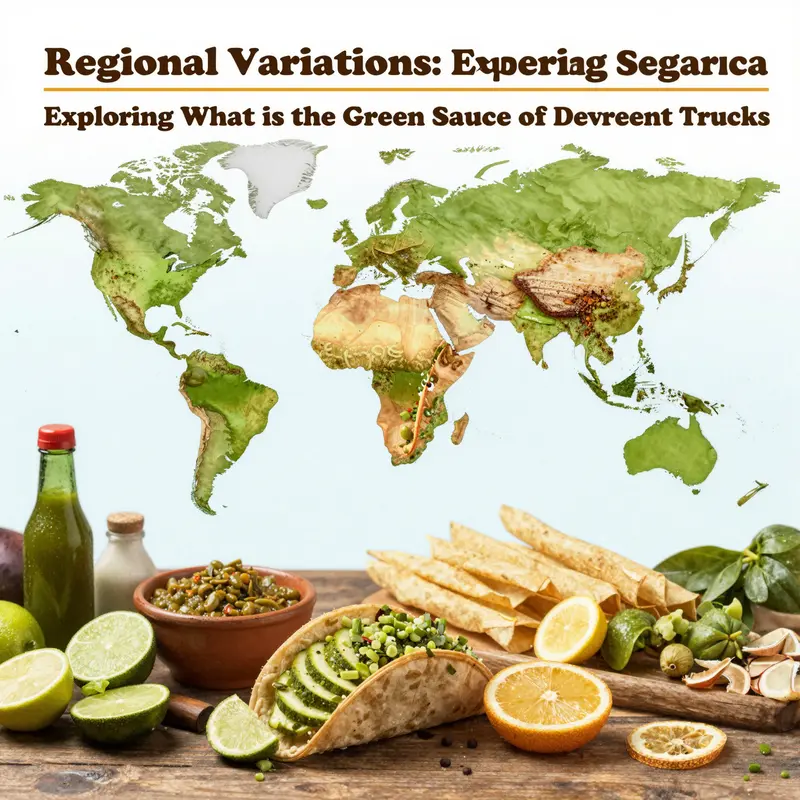
The green sauce that splashes across the menus of taco trucks is more than a condiment. It is a living thread that ties a centuries-old Mexican pantry to the quick-fire improvisation of street cooking in cities far from the border. What begins as a simple blend of tart tomatillos and green chiles becomes a flexible, regionally flavored chorus that can sing raw and bright one moment, or slowly mellow and smoky the next. The result is a sauce that photographs well on a warm tortilla, yet functions as a culinary Swiss Army knife, capable of marinating meat, braising a filling, or lifting a bowl of soup with a single lift of the spoon. The tension between acidity, herbal brightness, and heat is what makes salsa verde so essential on a taco truck’s counter—an everyday reminder that simple ingredients, treated with respect, can carry flavor across cultures and kilometers of road.
In traditional Mexican kitchens, salsa verde is built on tomatillos, those small, husked fruits that arrive with a truth-telling tartness and a citrus-like zing. When you roast or boil them, they shed a sweetness that balances the sharpness of the green chiles, delivering a color that glows with verdant vitality. The chiles themselves play a starring, if often collaborative, role. Jalapeños and serranos are common, bringing heat that can range from a neighborly kick to a bright, mouth-tingling bite. Along with onion, garlic, and a handful of cilantro, the core mix becomes a bright, nearly herbaceous mixture that can be finished raw for a sharper, more direct tang or gently warmed to soften its bite and deepen its fragrance. The texture can be silky and smooth or lightly textured, depending on regional taste and the intended dish. A splash of broth or water may be added to achieve a lighter consistency for dipping, or the sauce may be reduced to a thicker, more spoonable glaze for drizzling over grilled meats.
Within the United States, particularly in the Southwest, what are often described as green sauces on taco trucks emerge from a different lineage—one that blends traditional salsa verde with the comforting, slower-cooked momentum of chili verde. This version leans on roasting green chiles such as Anaheim or poblano to coax a smoky, earthy depth from the peppers. The result is a sauce that still carries the tomatillo’s brightness, but with a rounded, almost comforting warmth. Cumin, oregano, and sometimes a touch of broth or water build a thicker, more substantial texture that makes the sauce feel substantial enough to stand up to robust fillings like pork, chicken, or beef that have themselves been cooked until tender. It is common to avoid dairy in this preparation, preserving the balance between a lively acidity and a savory, herb-scented finish. In many truck preparations, that chili verde base is not merely a topping but a foundational cooking liquid—an ingredient that braises meat, enriches a stew, or becomes a base for soups with a bright, peppery backbone.
Taco trucks, as rotating hubs of regional and personal interpretation, translate these techniques into something distinctly contemporary. A Los Angeles stall might offer a salsa verde that fuses Central Mexican brightness with a punch of crisp, raw freshness—green notes that stay vivid even when a crowd crowds the window. In Dallas or other inland markets, the same foundational elements might be coaxed into a more roasted, deeply savory profile, with hints of cumin and oregano that echo the region’s culinary sensibilities. The same core ingredients can be tuned for a completely different effect by altering the way the sauce is prepared: some cooks keep the blend almost raw to preserve a high vinegar-like acidity and a sparkling herbal edge, while others simmer the mixture longer to create an integrated, mellow character that saunters across the palate rather than dances on it. The effect is a green sauce that can reliably brighten a taco while also carrying a comforting, almost homestyle depth in the finish.
An essential truth about salsa verde is its versatility. It’s not a one-note dip but a flavor engine with multiple personas. It can hydrate a dry taco filling, sharpen the richness of fried meat, or serve as a bright, clean drizzle that cuts through creaminess and oil. In many truck kitchens, chefs layer flavors by starting with a green base and adding subtle tweaks—avocado to soften texture and add a velvety mouthfeel, a whisper of lime zest for extra lift, or a pinch of smoked paprika to introduce a hint of smoke without disguising the sauce’s natural brightness. These refinements are less about chasing a single definitive recipe and more about guiding the sauce to complement the particular taco being assembled and the mood of the customers queuing up at the cart.
This fluidity mirrors the broader cultural mosaic that makes street food so compelling. Salsa verde travels across borders and neighborhoods, gathering stories from cooks who learned their craft in one town, then refined it in another. The result is a story in herbs and heat: the way tomatillos present themselves when kissed by flame, the way green chiles release a citrus-honey aroma when roasted, the way cilantro brightens a bowl of sauce with its own fresh whisper. In this sense, salsa verde on a taco truck is a living document, recording how a dish travels, who it serves, and how it can be adapted to new tastes without surrendering its core identity. The very act of serving it to a customer embodies a dialogue—between tradition and innovation, between the sharpness of acidity and the comfort of a well-seasoned finish.
For operators, the decision about which version to offer is more than a culinary choice. It is part of the truck’s voice, a defining characteristic that travelers remember when they recite their order back to friends and family. The way a truck presents its salsa verde—whether as a bright, almost raw-tresh hold of verde or as a slow-simmered, deeply fragrant chili verde—becomes part of the brand’s storytelling, the flavor signature that customers associate with a particular cart’s personality. This is why many cooks think about salsa verde not just as a sauce but as a strategic element of the business—an edible ambassador that communicates freshness, regional lineage, and the chef’s personal touch. In a broader sense, the sauce offers a culinary map of immigrant experiences and local adaptations, a reminder that street food thrives on the generosity of shared techniques and the willingness to tailor a recipe to what the market demands in the moment.
The dialogue between tradition and modern technique has practical implications for how salsa verde is taught, tested, and refined. Beginners often learn to balance tartness with heat by tasting the blend against a simple taco and adjusting salt, acidity, and spice in small increments. More experienced cooks experiment with timing, roasting temperature, and the degree of smoke in the chiles to achieve a signature profile that remains recognizable even as the sauce evolves. They also pay attention to the oil and water content, recognizing that a glossy sheen can invite a dip, while a thicker, chunkier texture can cling to a tortilla with satisfying resilience. This sensitivity to texture and mouthfeel helps explain why salsa verde is so beloved across a spectrum of street-food traditions: it answers the eater’s hunger with a bright, vibrant note, then lingers with warmth, depth, and a memory of the day’s fire and herbs.
For readers curious to explore the wider culinary landscape connected to salsa verde, consider how a truck’s sauce can resemble the way a business or cuisine evolves. Just as a truck might reference a guide on the best formats for a street-food operation—emphasizing how a signature element like salsa verde anchors identity while allowing each location to adapt—the flavor itself holds a mirror to the way culture travels. It is at once a traditional staple and a flexible craft, a symbol of continuity and change that travels with the cart from one corner of the city to another. The green sauce, in its many forms, remains not simply a dip but a principle: bright, herbal, and a little spicy, capable of carrying the whole meal to a better, more flavorful plane.
Internal reference for further reading on how truck operators shape flavor and business identity can be found in a guide focused on mainline truck models and culinary success: Top food-truck models for entrepreneurs.
External reference for a deeper technical exploration of traditional and modern salsa verde techniques is provided by a comprehensive culinary resource: Serious Eats Chili Verde Sauce Recipe.
Bright Fire on Green Wheels: The Salsa Verde that Defines Taco Truck Flavor

On a street corner, the aroma of roasted tomatillos and fresh cilantro greets you before you see the cart. The green sauce at taco trucks is more than a condiment; it is a living element of the plate. Salsa verde, the green cousin to red salsa, relies on tomatillos—small, lantern-shaped fruits with a husk that looks like a papery shield. When you glimpse the husk peeled back, you reveal a bright green treasure. Raw tomatillos are tart, almost citrusy; roasted or simmered, they shed some of that brashness and expose a gentle sweetness that brings balance to heat and herb. Beyond the tomatillo, the trio of aromatics—onion, garlic, and cilantro— anchors the sauce. Green chiles, whether serrano for a sharper bite or jalapeño for a milder glow, contribute heat and a slightly grassy note that threads through the other ingredients. The result can be as smooth as a silk-voiced melody or as lively and chunky as a street-side conversation, depending on where you are. In Central Mexico, cooks often boil and purée the base into a velvety consistency that lets the limey brightness shine through. In northern regions and in many American taco trucks, a quick roast or sauté helps the sauce hold a bit more texture, with a subtle smoky edge that mirrors the char on carne al pastor or rolled tacos. What makes salsa verde more than a dip is its extraordinary versatility. It is the coin of the realm that can buy flavor in many forms: a marinade that tames a handful of chicken thighs as they braise in a pot, a braising liquid that loosens pork for a chili verde-inspired stew, or a finishing kiss for sizzling tacos straight off the griddle. The high acidity cuts through the fattiness of fried tortillas and the glossy richness of pork, chicken, or beef. It brightens a plate without washing out the complexity of the meat or the spices carrying the tortilla. In a sense, salsa verde is the linguistic shortcut of the kitchen—every drop revives a memory of summer herbs, citrus, and smoke. In modern taco trucks, chefs often layer nuance through gentle spice blends. A touch of cumin or oregano can nudge the dish toward warmth without letting it become one-note. A whisper of smoked paprika or a hint of poblano can lend depth that lingers on the palate after the last bite. Yet the essence remains unchanged: a sauce that is tangy, herbal, and brimming with fresh character, but never so aggressive that it masks the tortilla or the meat beneath. The balance is the secret, and it is a balance that changes with the heat of the day, the quality of the chiles, and the cook’s own instinct for how bright a bite should feel. For anyone who wants to bring this brightness home, the journey begins with the tomatillo. Choose ones that are bright and slightly sticky rather than pale and hard. Rinse them well to remove the sticky residue, then decide whether to roast, boil, or blend raw. A quick roast over a hot skillet or under a broiler wakes the sugars in the fruit and adds a layer of caramelized sweetness. The onions and garlic may be sautéed to mellow their sharp edges, and the cilantro should be washed and seeded with care so its fresh, herbal aroma comes through without bitterness. The chiles can be handled to taste. Some prefer the crisp, clean heat of serrano; others lean into the more forgiving warmth of jalapeño. If you want a softer line of heat, remove the seeds and membranes—though a few seeds will deliver character. Then comes the rite of blending. The roasted tomatillos, onions, and garlic join the chiles, cilantro, and a pinch of salt. A squeeze of lime juice brightens the whole arrangement, while a little water or stock helps it all come together. The texture should reflect your preference: for a salsa verde that coats a tortilla with a silky sheen, purée until smooth; for one that lets the individual voices—the seeds, the bits of onion, the glints of cilantro—show through, pulse until just a few moments remain of chunky texture. This is where tradition meets technique: true green sauces honor simplicity, yet the modern kitchen permits a touch more warmth, a whisper of cumin, a hint of oregano, a curl of smoke from a pan. As you taste, your palate learns the language of balance. You measure acid by its ability to cut fat without staining, heat by the way it lingers on the tongue without burning, and herbal brightness by how long that fresh cilantro note remains after the bite. A good salsa verde never shouts. It speaks in a chorus: tangy, fresh, herbaceous, and round. The variation from stall to stall, and from region to region, speaks to local ingredients, microclimates, and the personality of the cook. In some places, the sauce glides across the tortilla with the quiet certainty of a well-tuned engine; in others, it sits on top with a little more texture, inviting you to explore the small differences between each scoop. If you watch a taco vendor assemble a plate, you can see how the green sauce is integrated across the dish. It might be brushed into grilled meat as a marinade, then spooned on top for the final lift. It can soak briefly into a fried-tortilla shell, making the crust slick with herbal brightness. It can be swirled into a bowl of steaming soup or used to moisten a dense tinga sauce, turning a simple protein into a plate that feels both comforting and lively. The sauce is not a garnish; it is a building block, a hinge that unites tortilla, meat, and lime into a single, satisfying bite. For those who crave an at-home version that tracks the same vitality, there is a practical path. Start with cilantro that smells like a garden after rain, lime that tastes like sun, and tomatillos that invite a gentle bite of tart sweetness. Roast or simmer as you prefer, then blend with a careful hand and taste often. Salt matters as a conductor more than a loud instrument, and lime juice can be added in stages so the acidity never overwhelms the herbaceous backbone. A small amount of oil can add softness to the texture, a touch more water can adjust pourability, and resting the sauce for a few hours or overnight allows flavors to knit. This is not a formula; it is a flavor profile that invites personal adjustment—more heat, more tang, or more cilantro as your pantry dictates. To connect this practice to the broader world of taco culture, consider how a single batch of green sauce becomes a thread in a larger tapestry of street-food storytelling. It tells you where you come from, what you crave, and how you want to feel after the last bite. If you want to see how these trucks manage their ingredients and their setups as they grow more ambitious, you can explore how the scene is evolving, including the design of trucks and what influences their menus. For a look at how these trucks layer flavors and design their setups, see Top taco truck models for culinary success. This connection is a reminder that a sauce is rarely the final word; it is a starting point for a meal that moves with the rhythm of the street. For readers who desire a more structured, tested approach beyond home improvisation, a detailed, tested guide to a classic chili verde sauce is available online. See Chili Verde Sauce Recipe for a deeper dive into a robust version that respects tradition while allowing room for personal adaptation.
Final thoughts
Salsa verde is more than just a condiment—it’s a robust reflection of culinary traditions and creativity found on the streets. By understanding its ingredients, applications, and regional diversities, we embrace a full spectrum of flavors that embodies the heart of taco culture. Whether it’s drizzled on a simple taco or used as a marinade in elaborate dishes, salsa verde is a versatile ally that celebrates the spirit of Mexican cuisine in every bite. So grab some tomatillos, experiment with the recipe, and bring those enticing taco truck flavors into your own kitchen—it’s an adventure worth every zesty splash!