
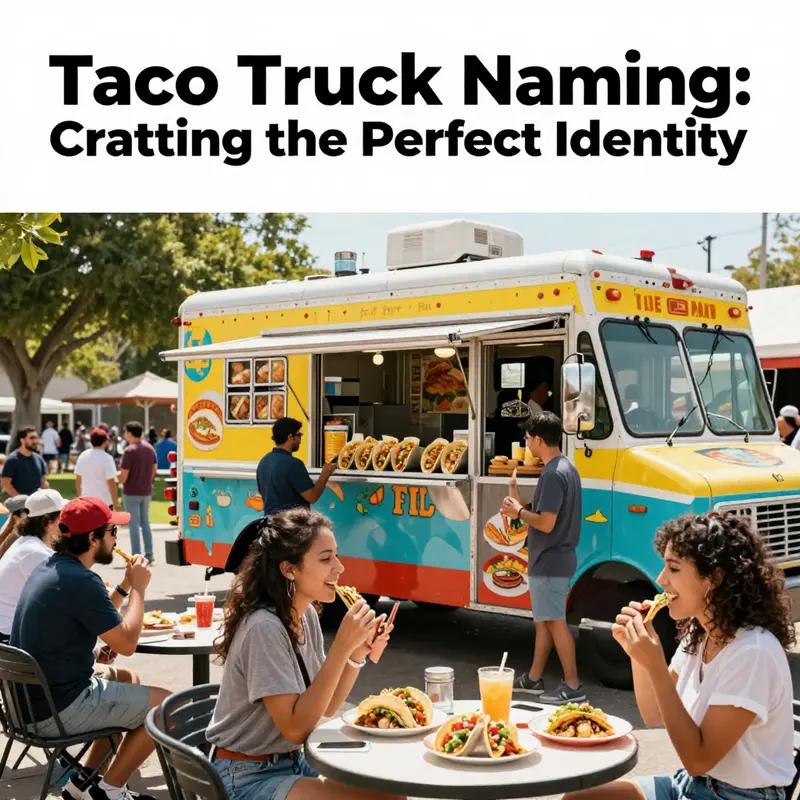
Choosing a name for a taco truck is a delightful blend of creativity and strategy. As taco trucks become staples in culinary scenes, their names play a pivotal role in attracting cuisine lovers, local office workers, and even corporate event planners. The ideal name not only captures the essence of delicious tacos but also reflects the unique vibes of the local community. This article unpacks the elements of selecting a great name through creative inspiration, practical tips, cultural context, and successful branding strategies. Each chapter will guide you towards understanding how a memorable name can elevate your taco truck’s presence and connect with its audience.
Names on the Move: Crafting a Taco Truck Brand That Travels, Tells a Story, and Stays Memorable
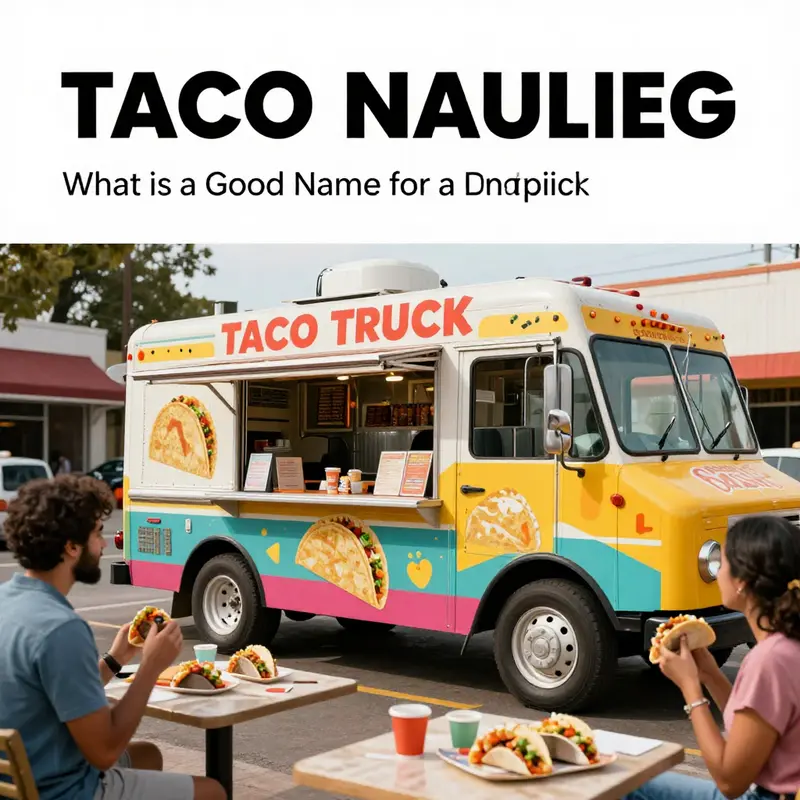
A taco truck isn’t just a kitchen on wheels; it is a rolling invitation to a story, a first impression that travels farther than the food itself. The name that sits above the service window or on a faded sign at a market corner carries the power to stop a passerby, or to keep them moving along. A great name does more than identify; it signals the flavor, the attitude, and the culture behind the sizzling pans. It can whisper of street-corner authenticity, nod to a regional twist, or shout playful hospitality. The art of choosing such a name blends creativity with strategy, taste with practicality, and local flavor with a universal simplicity. In practice, a successful taco truck name acts like a compass for branding: it points toward the personality of the menu, the warmth of the staff, and the story you want customers to remember long after the last bite.
To begin, the aim is not to chase a clever buzzword for its own sake. The most enduring names convey the core essence of the venture. They capture what makes the truck distinct—whether it’s a focus on a signature technique, a particular ingredient, or a cultural reference that resonates with a neighborhood. The name should be legible from a distance, easy to pronounce in passing, and memorable enough to linger in a shopper’s mind as they scan a row of food trucks. Readability is not a small thing; a good name survives in a lineup of signs, banners, and neon. It must work on a napkin, a business card, a signage panel, and a social profile. The journey from concept to signboard is one of testing, trimming, and trusting your instincts enough to share them with others for honest feedback.
Naming is also a gateway to branding. A name carries emotional weight and can guide color choices, typography, and even the silhouette of the truck itself. If a name hints at heat and smoke, designers might lean into warm reds, oranges, and earthy browns. If it evokes street-smart humor, the visual language can be bold, graphic, and a touch irreverent. When a name signals authenticity rooted in heritage, the branding can lean toward artisanal textures, hand-drawn menus, and earthy tones that suggest craft. These connections matter because branding is a web that links name, signage, menu design, staff uniforms, and social media presence into a coherent whole. The final effect is a customer experience that feels intentional, smooth, and deeply personal, even to someone encountering the truck for the first time.
Pragmatic constraints often sharpen the creative edge. A powerful concept must survive practical checks: is the name legally available for trademark in your jurisdiction? Is the corresponding domain name open for a website, and are social handles free of conflict? In today’s crowded market, a distinctive name may still fail to thrive if it collides with existing brands or becomes indistinguishable in quick reads or searches. Yet even those constraints can be turned into strengths. A name that clears the trademark and URL hurdle becomes a stable anchor for all marketing channels. It blazes a clear path for future expansions, whether you add new menu lines, new locations, or new event partnerships. The goal is steady, scalable branding that remains easy to recognize as the truck rolls from park to festival to roadside venue.
Creativity in naming benefits from a broad, playful input. Good practice invites a range of tone—from humor and wordplay to cultural homage and regional cues. Humor can make people smile and recall your truck later, but it must land in a way that feels respectful and appetizing rather than confounding. A nod to local culture or geography can root your truck in the community, creating an immediate sense of belonging for the home crowd while still inviting strangers to try your flavors with curiosity. A heritage reference can honor family recipes, neighborhood traditions, or a founder’s personal journey, turning the name into a mini-narrative customers can share with friends. Above all, the name should invite storytelling. A name that sparks curiosity invites customers to ask questions, which becomes a natural opening for engaging conversations about your ingredients, techniques, and the story behind the dish.
In the creative workflow, many operators begin with a long list of possibilities, then deliberately prune it through a few simple tests. First, does the name evoke a flavor or technique without needing long explanations? A strong candidate speaks in a single breath and prompts an image—whether of sizzling griddles, bright lime wedges, or weekend-day markets. Second, is it easy to pronounce for a diverse street crowd? If locals and visitors mispronounce or misread the name, the word-of-mouth halo can falter. Third, does the name scale across uses? Consider signage, coasters, bags, stickers, and digital banners. It should read well both on a tall sign and on the smaller screens of social feeds. Fourth, does the concept translate internationally if you someday welcome guests from other countries or plan to operate in multi-ethnic neighborhoods? A name that travels well is a gateway to broader appeal rather than a barrier to entry.
Long lists give way to shortlists when you map names to the components of your business model. If your truck emphasizes a signature technique—griddled tortillas, smoky chiles, or a particular spice blend—a name that evokes that technique can become a brand cue. If your menu leans into a regional tradition, a name that nods to that geography creates an authentic aura. If you want a “feel-good” image, a friendly, informal tone can invite casual dining without pressure. The best candidates often occupy a middle ground: memorable, pronounceable, meaningful, and legally clean, with enough room to evolve as your venture grows. When a short list settles in, you test it against real people—neighbors, market-goers, friends who represent your target audience. Their reactions are a compass: which names draw smiles, which prompt questions, which register as clear, trustable options? Those responses matter more than any theoretical fit because they come from the practical reality of street sales and word-of-mouth.
Within this framework, the naming journey becomes a narrative you can carry into every customer interaction. The name acts as a door into a larger conversation about your menu, your sourcing, and your hospitality. A well-chosen name invites stories—how you source your peppers, how you slow-roast your meat, the family recipe that travels with you from one city block to another. The best names are not static slogans. They are living seeds that grow with every new customer, every new event, every new blend of ingredients you introduce. When a name carries a story, it becomes a conversation starter, a hook for social posts, a reason for regulars to return and see what’s new, and a promise for guests who are encountering your truck for the first time. In a busy market, that narrative edge can be the difference between a quick glance and a lasting moment.
As you refine your concept, keep a steady eye on what differentiates your truck in a crowded landscape. People in neighborhoods tell stories with their feet as they wander from one cart to another. They are drawn to names that feel honest and evocative, not to words that feel forced or overworked. A strong name may lean toward elegant simplicity, carrying a refined sense of flavor that aligns with a chef-driven experience, or it may lean toward raw honesty and rugged charm, aligning with a cook-your-own-adventure vibe. The balance you strike will shape how customers perceive the flavor trajectory you offer and how they narrate their own experience to others. The name, in effect, becomes a spark that fuels conversation about spice, smoke, texture, and the joy of sharing food with friends and family.
The cultural layer is essential. A taco truck name that respects and reflects the linguistic and culinary tapestry of its community often resonates more deeply. This means listening to the voices around you, especially from communities whose traditions you may be drawing on in your recipes. It also means recognizing when a bilingual or multicultural approach can widen your appeal without diluting authenticity. When you choose a name that acknowledges local diversity, you show customers that your truck is not an outsider but a friendly neighbor who wants to be part of their daily routines. The most successful names here are not flashy gimmicks but honest connections—names that honor language, memory, and place while staying accessible to newcomers who crave bold flavors and a welcoming smile.
This is why a single name can become a brand’s most valuable asset. It’s a banner people recognize on street corners, a word they remember when they crave a certain taste, a melody they hum as they walk toward your window. It is worth taking the time to test and refine, to collect opinions, and to consider the long arc of how your brand will look on signs, stickers, menus, and digital screens. And when you eventually settle on a name, you pair it with a story. The narrative can be as simple as a founder’s first bite at a late-night market, or as layered as a generations-old family recipe that travels with the truck from city to city. Either way, the name and the story together become the soul of the business, guiding future decisions and inviting customers to become part of the journey.
For readers seeking practical insight into how branding and product strategy can coexist with naming, there are industry discussions that explore how top mobile food ventures shape their growth through models, operations, and customer experiences. A useful touchstone is the idea that branding decisions should align with operational realities. The name you choose should harmonize with your service model, your kitchen setup, and your route map. If you plan a compact, nimble truck that pivots through events and markets, your name may need to communicate agility and approachability. If you envision a larger, more deliberate streetfood concept with a curated menu, the name might carry a touch more sophistication. The interplay between naming and operations creates a coherent platform from which every other decision can spring—from the logo and color palette to the signage design and the voice used in social updates.
In this sense, the naming decision becomes a creative collaboration that benefits from external perspectives without sacrificing the founder’s intent. Conversations with customers, collaborators, and peers can help distill what you want the brand to stand for while revealing associations you may not have anticipated. The aim is not to chase every trend but to cultivate a timeless, adaptable identity that travels well. A name that endures is one that people can share aloud, recall during a busy lunch rush, and trust to represent the food they are about to enjoy. It becomes a memory that travels with them, one they might tell friends about on a ride to a festival or a late-night walk back from a concert. In the end, the most successful taco truck names do more than identify the vehicle—they become a doorway into a shared ritual of gathering, warmth, and flavor on the go.
For those who want a more structured springboard, consider exploring curated lists and inspiration resources that collect diverse naming ideas while emphasizing branding realism. These resources can help you articulate a framework for evaluating potential names, such as memorability, ease of pronunciation, alignment with menu themes, and potential for trademark protection. And if you want to connect naming ideas with broader industry conversations, you can turn to practical guides that discuss how branding supports growth in the mobile food sector. One way to anchor your exploration is to review exemplary approaches to branding and concept development that show how a name can be the first chapter in a longer, evolving story. As you move from hopeful brainstorm to ready-to-serve branding, remember that the name’s power lies not in cleverness alone but in its capacity to summarize your culinary promise, your hospitality ethos, and your connection to the street you call home.
As you weave these ideas into a cohesive naming strategy, you may find yourself returning to a simple, enduring principle: let the name reflect the taste, the journey, and the heart you bring to every service window. When a name embodies the truck’s character, when its visual language follows naturally, and when it can travel across neighborhoods without losing its sense of place, you have a name that keeps moving with you. It invites people to stop, to taste, and to linger a little longer as the wind carries the steam from the grill. In that moment, branding is not a static asset but an active conversation—the name is spoken, smiles are shared, and a new regular is born not just from a dish but from the memory of a name that learned how to travel well.
Internal resources can extend this exploration beyond the page. For a broader sense of how naming fits into the bigger picture of mobile-restaurant success, see the overview of top food-truck models and strategies used by entrepreneurs in the field in Taco Trucks Unleashed: Top 5 Models for Culinary Success. This resource offers a practical lens on how branding, operations, and customer experience converge to shape a truck’s market presence. Taco Trucks Unleashed: Top 5 Models for Culinary Success
To continue your naming journey, you might explore a broad spectrum of ideas gathered for aspiring taco truck operators. It’s helpful to imagine naming as a form of culinary storytelling—one that invites the community to participate, taste, and remember. The process invites you to test, refine, and trust your instincts while staying mindful of legal and practical considerations. The moment you find a name that feels effortless to say, easy to read on a sign, and resonant with your menu’s soul, you’re not just choosing a label. You’re inviting customers to join you on a street-side ritual, to become part of the story you are cooking aloud in real time, and to carry that memory with them long after the last tortilla has cooled.
For more inspiration beyond your local market, consider delving into curated name ideas that span cultural cues, linguistic play, and regional flavor signifiers. These compilations can be a treasure trove for building a shortlist that respects heritage while remaining accessible and brand-ready. If you’d like to access a broad repository of ideas, a comprehensive resource gathers dozens of creative directions that communities have found effective in naming taco ventures. External reference: https://www.scribd.com/document/514327067/89-Awesome-Taco-Truck-Name-Ideas-PDF
Naming the Route to Flavor: How a Taco Truck Name Builds Brand, Signals Craft, and Connects with Community
A taco truck exists as much in memory as it does on the street. Every bite, every shared laugh at a crowded curb, and every line of people waiting for that first warm tortilla begin with an impression. And the impression begins with a name. In a market where countless mobile kitchens chase attention, a name is not merely a label. It is a promise about flavor, a signal about origins, and a cue about what kind of experience awaits. Naming, then, becomes a strategic act as much as a creative one. It asks: What does this truck stand for? Who is it speaking to? How will the name perform when the sign is read from a passing car, when a dimly lit Instagram post shows the sizzle of the grill, or when a first-time customer spots a banner at a bustling street fair? The best names do more than identify; they invite curiosity, convey a sense of craft, and hint at a story listeners can imagine in their own mouths and memories.
The core idea behind a good taco truck name is that it should reflect a unique specialty without becoming misrepresentative. If your truck leans into a particular cooking style—say a traditional preparation, a regional focus, or a fusion twist—then the name should carry a hint of that focus. It is not about forcing a cliché or chasing a trend; it is about signaling purpose. A name that suggests a devotion to a method or a lineage can create instant credibility. At the same time, a name that emphasizes a broader concept—such as street food artistry, family heritage, or a love of smoke and char—can widen appeal without tying you to a single technique. The goal is balance: a name that communicates craft while remaining flexible enough to accommodate growth, seasonal specials, and evolving menus.
To achieve that balance, it helps to start with a simple brief written in plain language. Capture a few anchors: the cuisine’s heart, the vibe you want to project, and the audience you want to reach. If the target includes younger diners who drive food truck culture, the tone may lean toward immediacy, wit, and rhythm. But even with playfulness, the line to avoid is triviality. A name that feels like a joke but never delivers on taste can undermine trust. The best names avoid being one-off gags and instead become touchpoints for a broader narrative about your food and your mission. This is where the research on branding intersects with naming. Branding is the visible, audible, and tactile spine of your business—the colors you pick, the font you choose, the design of the sign, and the way a customer’s eyes travel from logo to serving counter to the steam rising from the trays. The name is the opening act; the branding is the full performance that follows.
The craft of naming is also profoundly connected to the practical realities of operating a food truck. Short, easy-to-pronounce names tend to perform better in the real world. They are easier to call out, to type into social media, to print on menus, and to fit on a compact sign above a window. Long or convoluted phrases often struggle to register in a passing glance. The human brain loves short sequences that roll off the tongue. They become part of a shared vocabulary: a memory cue you can pop into a casual conversation, a friendly shout across a crowd, a quick tag for a photo caption. When a name lands, it becomes a seed around which other branding elements can grow—logo shapes that echo the name’s rhythm, color blocks that reinforce mood, and signage that reads clearly from ten or fifteen feet away on a windy afternoon.
Humor has a powerful role in naming, but it must be used thoughtfully. A playful or cheeky name can humanize the truck and invite approachability, especially in a community-driven street-food scene. Still, humor should serve the cuisine, not obscure it. The joke should be in service of appetite, not a distraction from what’s on the plate. A clever line that sits cleanly with the main concept can spark social sharing and word-of-mouth, yet it should never overshadow the core message of the business. A well-timed pun or a lighthearted turn of phrase can become a brand signature when paired with thoughtful visuals and consistent customer experience. The risk, of course, is that humor dated quickly or relies on pop culture that may feel out-of-date within a few seasons. The strongest names cultivate a sense of timelessness while allowing room for evolution.
Cultural authenticity and sensitivity are non-negotiable when naming a taco truck. A name should honor Mexican culinary traditions and the broader culture from which the cuisine draws its roots. It should avoid stereotypes, caricature, or any sense of irreverence that could alienate the communities most connected to the food. Authenticity is not a static state but a practice: listening to community voices, learning about regional specialties, and recognizing how language, memory, and place shape meaning. A respectful approach can translate into a name that feels earned rather than borrowed, one that signals you are listening before you cook. This is not about preserving a single “correct” name, but about approaching naming as a dialogue with tradition and with the neighborhoods you serve. If a brief, listening-first approach reveals a sense of origin—perhaps a nod to family recipes, a local market, or a regional spice—the name can honor that thread without becoming a museum piece. The result is a brand that speaks with warmth and authority, not just cleverness.
Another vital consideration is the practical reality of legal and digital presence. Before committing to a name, it is essential to check whether the word or phrase is already claimed by another business, and whether social handles and domain names are available. A distinctive, legible name that also has available digital handles reduces the risk of confusion or brand fragmentation. A name that’s too generic invites overlap with other operators and erodes distinctiveness. The intention is to create a single, cohesive identity that carries smoothly from the cart to the website to a storefront banner on a Saturday night. The process of checking trademarks and availability is not a bureaucratic hurdle but a strategic step that saves time and resources down the road. When a name passes this test, it stands a better chance of becoming a lasting symbol in the local food landscape.
Beyond the name itself lies the power of testing. Naming is rarely a one-pass decision. It benefits from early feedback—colleagues, friends, potential customers, even casual passersby who might be drawn in by the sign’s first impression. Listening sessions can reveal how a name sounds when spoken aloud, how it looks on signage, and whether it communicates the desired mood. Feedback helps refine pronunciation, rhythm, and associations. It can also surface unintended connotations in different languages or regional dialects, preventing missteps that could damage a brand’s reputation. In practice, this means gathering impressions in social settings, printing rough mock-ups of signs, and comparing how the name performs across formats—on banners, on the side of the truck, on napkins, and in digital ads. A name that remains legible, resonant, and respectful across these tests earns a stronger foothold in a world where customers meet your brand in many moments, not just at the window.
As you consider inspiration, reflect on the broader landscape of the food-truck scene. In vibrant cities, bold branding often rises from a simple premise: the name communicates a concept, the visuals amplify that concept, and the whole package invites a sense of participation. The most successful names tend to avoid overstatement while embracing a compact, punchy cadence. They plant a seed of curiosity, then invite a deeper taste. An evocative concept—whether it nods to a regional lineage, a cooking method, or a fusion idea—need not rely on explicit geography or a long backstory. The aim is an immediate recognition that promises a flavorful encounter. In the street setting, the name also acts as a social object—a reason to pull out a phone for a photo, a cue for a friend to tag along, a line in a playlist of weekend adventures. The best names become a community artifact, a shared memory that grows as the truck roams from market to market.
The naming journey does not live in isolation. It links to the broader branding ecosystem—the color palette, the typography, the shape of the logo, the texture of the signage, and the tone of the customer interactions. A name should harmonize with the visual language you plan to present: the warmth of the colors that greet guests, the boldness of the letterforms that stand out in sunset rain, and the rhythm of the words when spoken by a crew member calling out orders. The observant owner will recognize that branding is not merely decoration; it is a language with its own grammar. The name is a sentence starter that invites your audience to complete the thought with their sense of taste and community. And because the street is a living, changing stage, the name must be adaptable enough to accommodate seasonal menus, collaborations, and shifts in the neighborhood’s palate.
In practice, this means contemplating how the name will translate into experiences beyond the plate. A name can become a story told in person by the crew, in the music you play while you prep, in the way you package sauces, or in the way you present a small menu card that narrates your culinary focus. It can become the thread that ties your online presence to your curbside persona, a thread you pull when someone shares a photo of a tray and captions it with a memory about the first bite. The strongest names are thus not one-off clever phrases; they are anchors around which customers, staff, and founders co-create a living brand. They are invitations to belong to a community that celebrates good food, good company, and the joy of chasing flavor on wheels.
To anchor this conversation in a practical frame, consider this: your naming process should begin with a compact exploration of what you stand for, then move toward a set of candidate names that feel right in the tongue, the sign, and the social feed. If you keep the focus on authenticity, brevity, and respect for culture, you set yourself up to choose a name that endures. And if you couple the name with a consistent, thoughtful visual identity, you create a branding story that travels as far as the truck can go. The name becomes the first test, the sign the first handshake, and the flavor the final word in the conversation you share with every guest who stops by for a meal that tastes like home and a journey that feels new.
For readers seeking a concrete touchstone on how branding and signage intersect in practice, a deeper dive into the visual and structural considerations behind effective signs can be found in the technical literature on sign design. The field explores how structure, composition, and applications influence legibility, emotional impact, and brand consistency across platforms. This resource complements the naming journey by illuminating how the chosen name will behave in real-world contexts—from large-format banners to tiny social icons, ensuring that every letter contributes to a coherent, legible, and persuasive presentation. To explore these insights further, see the external reference: A Technical Guide to Food Truck Sign: Structure, Composition, and Applications.
Ultimately, a great taco truck name is not a single stroke of genius but a decisive moment in a longer conversation about who you are, what you cook, and why people should gather near your window. It should make the experience feel inevitable: a natural outgrowth of people’s hunger, curiosity, and sense of belonging. It should invite a dialogue with your community, not dictate a monologue. It should promise craft without demanding perfection. And it should travel well—across markets, across time, and across the many smiles you will encounter as you serve nothing but the best of your chosen traditions with warmth, humor, and a clear sense of place. As the road unfolds, the name and the branding it anchors become a map that guides guests toward a memorable meal and a story they want to tell again and again.
For collaborators and owners charting this course, a practical reminder remains: begin by listening to the street. Let the neighborhood’s cadence, spice motifs, and shared memories inform a name that feels earned. Test it in the market’s light and shadow, on napkins and menus, in social chats and sign boards. If the name passes through those tests with loud enough clarity to be read from a passing bus, and soft enough to invite conversation from a curious kid and a seasoned foodie, you have found a route worth following. In time, that name will become the signpost of a beloved, expanding local tradition—a small, bright flame on wheels that draws people in not just for a meal, but for a moment of connection, a sense of discovery, and a taste memory that lingers long after the last bite.
For readers who want to explore ongoing discussions about branding and naming in the street-food world, the blog at Order Taco El Pelón Truck provides ongoing reflections and case studies drawn from real-world experiences. You can learn from the way practitioners think about signage, color, and the arrival of a new concept at a community event by visiting this resource: ordertacoselpelontacotruck.com/blog/. This ongoing dialogue helps translate theoretical principles into everyday practice as you refine your own naming strategy and brand language.
Naming with Heart: Crafting a Taco Truck Identity Rooted in Community and Culture
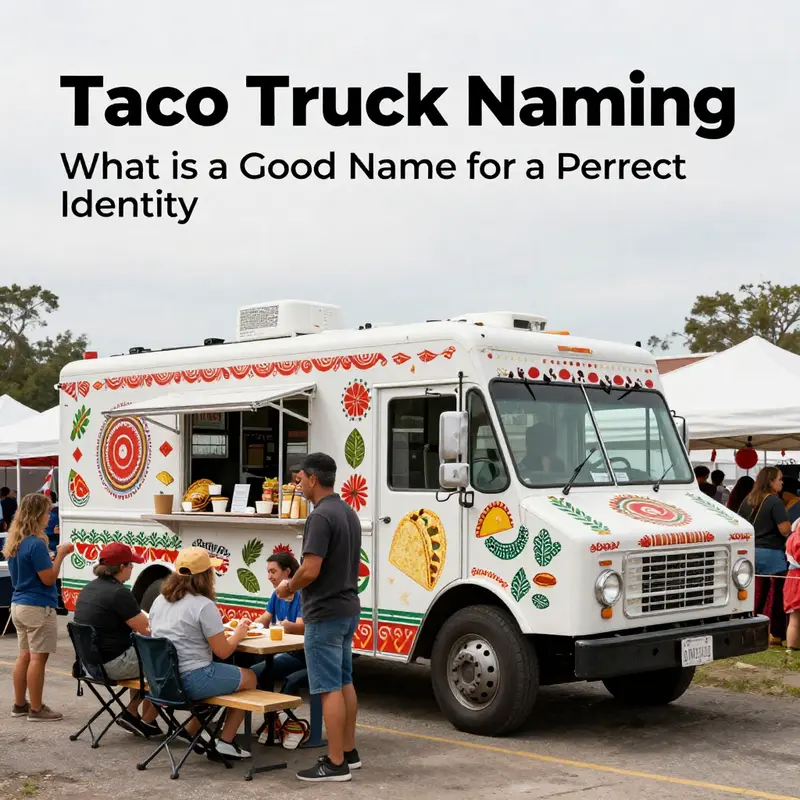
A good name is more than a label; it is the first handshake a taco truck offers to a neighborhood. It carries the aroma of what you serve, the vibe of the people you serve, and the story you want to live in the world. In the crowded street-food landscape, a name that feels specific yet welcoming can be the difference between a passing aroma and a memory that lingers. When a passerby reads it on a sunlit sign or hears it whispered by a neighbor, the name has to do more than identify the food. It should evoke the spirit of the food and the community it serves. It should be easy to pronounce, easy to remember, and distinctive enough to cut through the noise of a busy curb or a storefront window illuminated by evening glow. The best names act as doorways, inviting curious diners to step closer, explore the menu, and return with friends.
The heart of a strong taco-truck name lies in how well it reflects local flavors, heritage, humor, and shared experience. A name anchored in local culture communicates respect for place and people. It signals that the truck is not just selling food in a vehicle, but delivering a culinary memory that fits into the daily rhythms of the community. For instance, a name that nods to regional Mexican culinary traditions can celebrate roots while remaining accessible to a broad audience. The aim is not to claim a monopoly on authenticity, but to signal a genuine connection to the land, the people, and the table where everyone gathers. At the same time, a truck that leans into humor or playful language can create instant approachability, inviting customers to smile before the first bite. A name that balances cultural resonance with warmth—without leaning on stereotypes—tells a story that people want to own as part of their own experiences.
In practice, naming is a collaborative craft. The process benefits from listening as much as brainstorming. Engaging with the community—neighbors, families, workers at nearby shops, students, and long-time residents—helps surface perspectives that pure imagination alone might miss. Names can reflect the rhythms of the neighborhood: a street corner, a festival memory, a family recipe handed down through generations, or a local joke that only regulars understand. The risk of misalignment is real when a name feels detached from the people who will eat there. A locally resonant name, even if it emerges from a small conversation, tends to grow roots quickly: it is easier to pronounce, easier to share, and easier to weave into signage, social media, and packaging with consistent, legible branding.
As you begin this exploration, it helps to think in broad strokes first and then refine. A cultural-reference approach can honor regional culinary traditions without turning the name into a museum exhibit. This strategy invites the audience to sense the cuisine’s origins while still feeling welcome to try something new. A playful-pun approach can spark curiosity and warmth but should be tested for cross-cultural clarity; what lands as a wink in one language or community may land differently in another. The most durable names sit at a crossroad: clear and evocative, locally grounded, and emotionally honest. They imply flavor, atmosphere, and a story that people want to tell about themselves when they eat there.
To support the creative phase, many entrepreneurs consult curated inspiration guides that categorize options by mood and tone. A robust resource can present a spectrum—from traditional and authentic-sounding names to modern, trendy, and humorous options—so a business can compare how a given direction feels in public signage and digital presence. These lists are not a final vote; they are a map. They help teams see the range of possibilities before narrowing to a few contenders that resonate most deeply with the community they serve. In this stage, it is not essential to settle on one perfect choice; it is essential to gather diverse reactions, record impressions, and observe how potential names travel in conversations, menus, and signage.
In evaluating any prospective name, it helps to translate it into practical tests. How does it look on a sign, especially at a distance or in low light? Is it easy to read in a single glance on social media thumbnails, delivery-app icons, or a storefront window? Does it pair well with a logo that captures movement, warmth, and appetite? The visual identity that accompanies the name—color choices, typography, and signage materials—must reinforce legibility and recognition. When the branding feels cohesive, the name becomes a single, durable piece of an overarching mood: the fast-paced joy of street food, the intimacy of a neighborhood pavilion, the glow of a late-night curbside feast. The alignment between name, visual identity, and customer experience is what turns a good name into a trustworthy brand over time.
Beyond readability and aesthetics, practical concerns shape naming choices. A name that travels well across platforms is essential. People search for a taco truck not only by mouth but by the words they type into maps, social profiles, and review sites. A strong name should lend itself to a consistent handle across websites and apps, reducing friction for customers who want to follow menus, post photos, or share recommendations. Equally important is the legal and commercial dimension. Trademark availability matters to prevent conflicts that could fracture your brand across signage, menus, and online presence. A name that locks in clean domain options and social handles from the outset is a gift of time and clarity, saving rerouting and rebranding later. The goal is a brand that remains stable as your truck rolls through different neighborhoods, seasons, and events.
The social and cultural dimension of naming is not a side note but a core driver of loyalty. A name that signals community ownership invites locals to see themselves in the brand. It invites them to show up with stories about their favorite corners, family gatherings, and shared meals. It invites newcomers to imagine what it would feel like to become part of that ongoing table. When a name feels inclusive and specific at the same time, it creates a sense of belonging that translates into repeat visits, word-of-mouth recommendations, and a willingness to advocate for the truck in a crowded market. In communities with diverse languages and backgrounds, a name that remains clear across linguistic lines—without losing cultural texture—demonstrates respect and intention. It signals that the truck is listening as well as serving.
As you navigate the naming journey, you may discover a path best described as listening outward and imagining inward. Listen to how people respond when you say potential names aloud. Observe how they react when the idea sits on a sign in the sun or glows from a corner awning at night. Invite feedback from a cross-section of the community, not only from friends who will tell you what you want to hear but from neighbors who might share ideas you hadn’t considered. The aim is not to appease every taste but to cultivate a name that feels true to the food’s essence and to the neighborhood’s character. This is how a name becomes more than a marketing hook; it becomes a living part of the daily ritual around the table where tacos are shared, stories told, and friendships formed.
In practice, many teams also test their top contenders by cross-referencing broader branding goals. They consider how the name might translate into a menu layout, a logo, and a color palette that speaks to the desired mood. They imagine potential signage materials, from durable metal to weathered wood, and how those choices interact with color-readability, reflection, and durability. They think about signage in the real world—on a storefront, at a festival, or parked in a tight urban block—and they test how the name reads from a distance while vehicles or pedestrians pass by. This is not simply a matter of cleverness; it is a test of endurance. A name must survive the daily rhythms of street commerce, seasonal changes, and the inevitable drift of trend. A name that remains legible, memorable, and meaningful after the first week becomes a true asset, laying a stable groundwork for future growth, seasonal specials, and evolving customer relationships.
For teams seeking structured guidance without sacrificing nuance, an extensive catalog of naming options can offer a helpful scaffold. These catalogs categorize ideas by traditional, authentic-sounding options, modern inspirations, and humorous or lighthearted tones. The value lies in seeing a spectrum of possibilities and then moving to a core set of names that feel most true to the truck’s mission and the community’s heartbeat. The emphasis remains on authenticity, accessibility, and a sense of place. A name that captures these elements is not a gimmick; it is a promise that the truck will show up with intention—the kind of presence that makes people drop what they’re doing to notice it, approach it, and smile at the familiar warmth of a shared meal.
Within this framework, the decision becomes less about chasing a single perfect label and more about cultivating a branding atmosphere that can grow with the business. If the truck later adds a new direction—perhaps a broader spectrum of street foods, or a regional expansion—the foundation laid by a well-chosen name helps accommodate that evolution. The name, in tandem with signage, color, and tone, serves as a compass for future menus, partnerships, and community events. It anchors you in the neighborhood while signaling openness to newcomers. The most durable names are not static trophies but living, adaptable elements of a brand that remains engaged with the very people who first welcomed it to their blocks.
When it comes to finding that balance between culture, humor, readability, and brand stability, the path can feel either exhilarating or daunting. The important thing is to approach naming as a collaborative, iterative process rather than a single-elimination test. A name should emerge from listening and testing, not merely from a quick brainstorm. It should invite conversation, invite participation from the community, and invite trust. In the end, a great name is a foundational element of a vibrant, community-centered food business. It is a doorway into a shared experience, a nod to place and people, and a steady invitation to gather around a table where every bite is a memory in the making. This is the quiet power of a well-chosen name: it makes a street corner feel like home and a new street corner feel like belonging.
As you continue this chapter of the article, you may find value in exploring practical examples and methodologies that can be applied to your own naming journey. For readers who want to survey a broader landscape of branding options beyond spoken tradition, resources that present a range of naming ideas can be a useful launching point. They help you imagine different tones and align them with your visual identity, your target audience, and your local culture. And as you refine your choices, remember that branding is not a static moment but an ongoing dialogue with the community you serve. The name is the first line of that dialogue; let it speak clearly, warmly, and with lasting relevance.
To further align naming with branding strategy and community resonance, consider tools that help evaluate how a name travels across signage, menus, and social media. For teams that want a concise, practical next step, you can explore resources that summarize the top-performing formats for street-food branding and how those formats translate into real-world signage and customer experience. This approach keeps the process actionable while preserving the depth of cultural connection that makes a name meaningful. And as you weave this narrative into your business plan, you’ll discover that choosing a name is not a standalone act but a foundational act of building a neighborhood-centered culinary enterprise. The name you choose will carry the appetite of your story as it travels from curb to kitchen and beyond.
In the spirit of community-driven branding, you may find it helpful to reference established guidance harvested from industry conversations and branding frameworks. If you’re curious to see how top food-truck concepts balance form and function in branding, you can explore a practical overview of top models for entrepreneurship in the broader truck-based dining space Top food truck models for entrepreneurs. This internal resource offers a concise lens on how naming, signage, and identity fit into a complete business model and customer journey. It can help you translate the emotional resonance of a name into tangible design decisions that improve visibility, memorability, and trust across channels.
Ultimately, the naming journey is about more than a catchy phrase. It is about creating a living connection between the food, the people who share it, and the space where it arrives each day. A great name stands beside the cart as it rolls through a morning market or a late-night strip, becoming a familiar signal that signals warmth, consistency, and belonging. The right name invites participation—neighbors come to savor, friends bring neighbors, students schoolyard groupies mock up menus in their minds, and families mark a regular spot on their weekend routes. It is the quiet power of naming, the art of turning flavor into memory, and the craft of making a street food business a lasting part of a community’s story. For anyone embarking on this journey, know that the name you choose is not just a label but a promise—a promise that whenever people see or hear it, they feel the pull of a shared table and the welcome of a place that feels like home.
External resource: https://www.scribd.com/document/524130763/89-Awesome-Taco-Truck-Name-Ideas-PDF
From First Impression to Brand Equity: Crafting a Taco Truck Name That Sells the Story
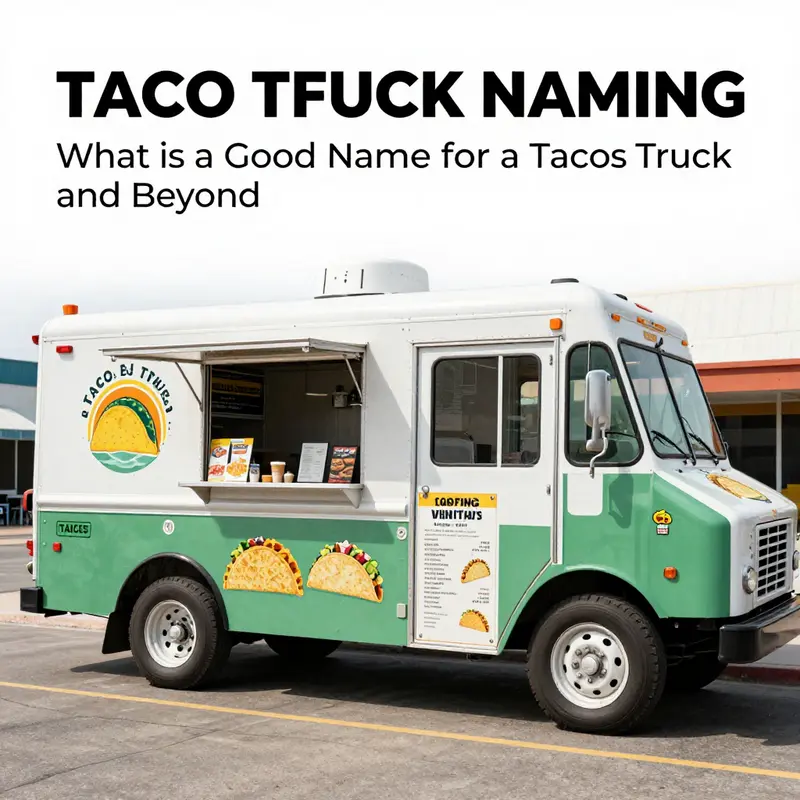
A name is not merely a label. In the bustling world of street food, it is the first conversation you have with a potential customer. It arrives before the aroma, before the menu, and before the line. A thoughtful taco truck name does more than identify a vehicle; it signals personality, promises, and a street-level culture that draws people in. The name acts as a tiny preview of the experience you offer. It hints at tradition or innovation, authenticity or whimsy, and it carries the mood you want to set as soon as someone spots your truck at a crowded corner or a weekend market. In this sense, a name is a strategic asset. It shapes initial perceptions and primes customers for what follows—the care you put into ingredients, the rhythm of your service, and the story you tell through every cart, mural, and tweet. The challenge lies in balancing memory, meaning, and market fit. A great name sticks, but it also aligns with the values you want your brand to embody over time.
If a taco truck name is a flavor, then branding is the full palate. The name should give you a reliable base from which to build a visual identity, a tone of voice, and a consistent experience across touchpoints. A strong name guides color choices, signage design, and even the layout of your menu. It informs photography aesthetics for social media, the vibe of your website, and the way a customer talks about your food with friends. When the name and the branding harmonize, customers can sense a coherent story rather than a random assortment of ideas. The result is a brand that feels deliberate, trustworthy, and alive. In a world where new trucks appear weekly, brand coherence becomes a differentiator that can outlast fads and trends.
Choosing a name also carries an ethical and cultural dimension. The best choices reflect the cuisine’s roots with respect and accuracy. They honor heritage without resorting to stereotype or appropriation. The person behind the truck—perhaps a family lineage, a personal culinary journey, or a dedication to a specific regional style—should feel visible in the name in a way that feels natural, not forced. A name that nods to place, ingredients, or cooking technique can communicate depth. Yet it must avoid clichés that feel tired after a season of street-food posts. It should welcome both locals and visitors, signaling warmth and accessibility while signaling culinary integrity. Naming is the first invitation to conversation; the rest of your branding should honor that invitation by delivering consistency, quality, and personality at every turn.
To translate these ideas into a practical path, think of naming as part of a larger narrative strategy. Start with a clear sense of who your audience is and where they’ll find you. If your truck operates in neighborhoods with a strong sense of place, a name that echoes local culture can create instant affinity. If you’re aiming for a broader audience or a metropolitan crowd, a name with universal appeal and easy pronunciation helps. In addition, consider what makes your tacos distinctive—whether it’s a family recipe, a unique spice blend, or a commitment to fresh, seasonal ingredients. The name should offer a subtle hint about that distinction without spelling out every detail. When you combine a distinct personality with a clear promise, your name becomes a doorway into your world of flavor, rather than a mere label on a hood.
Branding, then, becomes the channel through which that doorway opens. A cohesive visual identity reinforces the name’s promise. A thoughtfully designed logo, a color palette that evokes warmth and appetite, and signage that is legible from a distance all contribute to recognition and trust. The signage should reflect not only aesthetics but also practicality: readability under glare from sun and streetlights, legible typography that can scale on a truck side, and colors that pop on social feeds and in printed menus. The logo should be flexible enough to appear on a chalkboard, a carryout bag, or a barrel-shaped spice jar on the counter. In practice, branding is a marriage of imagination and discipline—creative flair tethered to consistent execution. The name fuels the imagination; branding provides the discipline that keeps imagination coherent across every customer touchpoint.
People often underestimate how much the local context matters. A name that resonates in one city can feel out of place in another. Demographics influence not only what feels familiar but what feels respectful. A family story or a neighborhood nickname can be a wellspring of authenticity, but it can also misfire if it relies on stereotypes or whispers of cultural misappropriation. The right choice listens more than it talks. It invites curiosity while signaling respect. It makes it easy for people to remember, pronounce, and share. It makes room for stories to emerge around the truck as customers become regulars who bring friends and strangers into the circle. And because street-food branding travels online as well as on wheels, the name and its accompanying visuals should easily translate to social media handles, menu design, and event signage. The goal is not merely to be seen; it is to be memorable in a way that invites return visits and word-of-mouth recommendations.
A practical path to a durable name begins with listening. Listen to the markets you serve, the cuisines you honor, and the moments you want to create. You can gather impressions informally by chatting with neighbors and fellow vendors, or you can run a quick swirl of informal surveys at local events. The responses help distill what people feel and expect when they see a taco truck in their neighborhood. Do they want a name that signals tradition, or something that feels playful and modern? Are they drawn to bilingual cues, or do they prefer a moniker that feels universal? The goal is not to please everyone but to connect with the core audience you expect to serve and to stand out in a crowded street-scene. Once you sense the vibe, you can experiment with categories of names rather than fixed options. Consider alliteration for rhythm, cultural nods for resonance, or emotion-laden language for immediate impact. The best names often arise when you blend two or more of these threads into a single, coherent message.
As you test ideas, remember that the name is the first chapter of your broader storytelling arc. If you choose a name that hints at a specific recipe or technique, your menu and your kitchen rituals should echo that emphasis. If you lean into regional pride, your menu might favor regional specialties, sourcing stories, or partnerships with local producers. The customer’s journey—from hearing the name to tasting the first bite to recommending the truck to a friend—depends on that cohesive thread. This is why a name must be compatible with your entire brand strategy. It should be adaptable enough to grow with you, yet anchored enough to remain authentic to your roots. A name that ages with the business becomes less a faddish label and more a fixture in the neighborhood’s culinary memory.
In the spirit of practical exploration, you can imagine naming as a creative process that benefits from some structure without suffocating spontaneity. Start with a brief that captures your essence: who you are, what you serve, and the mood you intend to evoke. Then brainstorm through three or four lenses: heritage, flavor, and experience. Heritage might explore family stories or regional influence; flavor could highlight ingredients or cooking style; experience might emphasize speed, service, or sense of place. From there, you can let ideas simmer and return to them with fresh eyes. When a candidate name feels right, test it against a few simple criteria: ease of pronunciation across languages, clarity in signage, and availability for domain and social handles. Run a quick trademark search to avoid future friction. The aim is a name that travels well in conversations, on receipts, and across screens, while still feeling intimate when spoken by a regular. A strong name is not a final decree; it is an invitation to people to try what you offer and to tell others about their experience.
If you’re searching for a practical gateway to the broader branding conversation, consider a resource that blends naming ideas with branding guidance. It offers a spectrum of playful, memorable, and culturally aware options to spark imagination while keeping marketing strategy in view. For a broader sense of how branding can align with equipment choices and operational identity, see taco-trucks-unleashed-top-5-models-for-culinary-success. As you refine your concept, this alignment helps ensure the name, the truck design, and the menu system form a single, cohesive experience rather than separate parts. And while the naming process is creative, stay mindful of legal and digital realities. A great name that cannot be protected or cannot be consistently represented online will struggle to translate into lasting brand equity. With care, your chosen name can become a symbol of trust, warmth, and delight. It can spark conversations on a corner, in a market, and across social feeds, turning a simple label into a memory that customers carry with them long after the last bite.
For additional inspiration on naming ideas and branding philosophy, you may find the broader collection of approaches useful. The resource catalogs a wide range of playful and culturally resonant possibilities that can seed your own thinking without prescribing a one-size-fits-all formula. The goal remains clear: a name that not only sticks but also invites people to discover more—more flavor, more stories, and more moments of shared joy around the table of street food. As you move forward, remember that a name is a promise you keep with every dish and every interaction. When the promise feels true, the customers feel it too, and your taco truck becomes more than a stop along the street—it becomes a destination in the memory of the neighborhood.
Internal reference for broader branding context can be found in the related article on truck models and culinary success, which offers a complementary view on how equipment and branding harmonize to amplify the overall experience. taco-trucks-unleashed-top-5-models-for-culinary-success. As you continue, you may also explore the wider universe of naming ideas through accessible resources such as the 89 Awesome Taco Truck Name Ideas guide, which can provide a springboard for fearless, creative thinking and help you refine your own, unique approach.
External resource for broader inspiration: https://www.scribd.com/document/561470228/89-Awesome-Taco-Truck-Name-Ideas-PDF
Final thoughts
Naming your taco truck successfully involves a blend of creativity, cultural significance, and awareness of your target audience. A strong name can foster connection and loyalty among customers, from food lovers to corporate teams. As you embark on this exciting naming journey, keep in mind the communal flavors, unforgettable branding, and playful spirit at the heart of every taco. A great name is just the beginning—a vibrant taco truck experience awaits beyond.

