
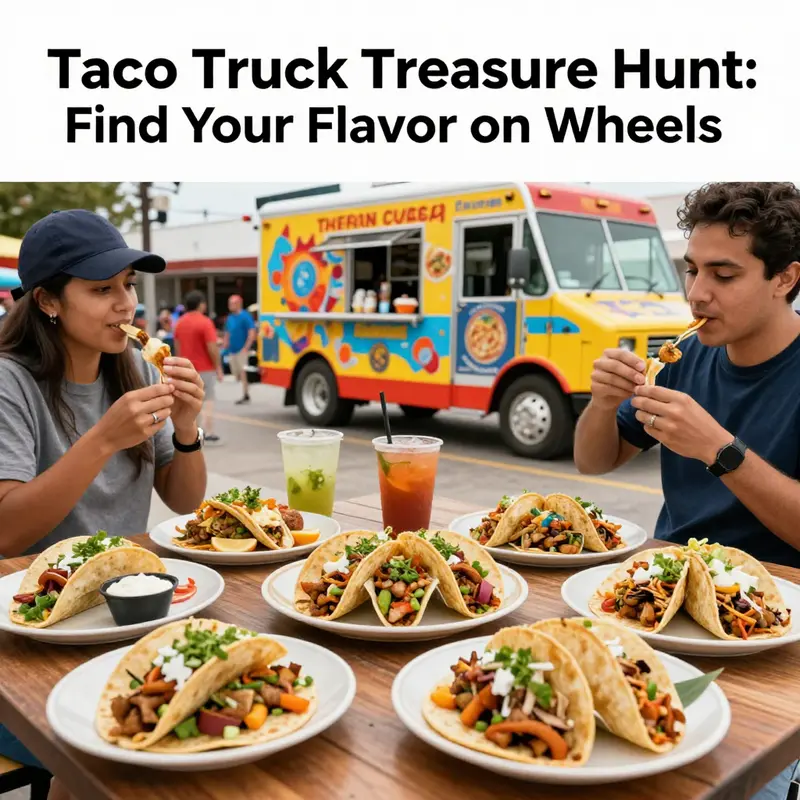
Taco trucks are culinary gems that bring delicious, authentic flavors right to your neighborhood. Whether you’re a taco enthusiast hunting for the newest spot, a local office worker craving a mid-day treat, or an event planner seeking the perfect food option for a gathering, knowing how to effectively find these mobile kitchens can elevate your dining experience. In this guide, we will explore three exciting ways to discover taco trucks near you: utilizing dedicated apps, leveraging social media for real-time updates, and tapping into the powerful capabilities of Google Maps. Each method offers unique advantages, ensuring that you can indulge in the taco truck goodness whenever the craving hits.
Tracking Flavor on the Move: A Cohesive Guide to Using Apps for Finding Taco Trucks Near You
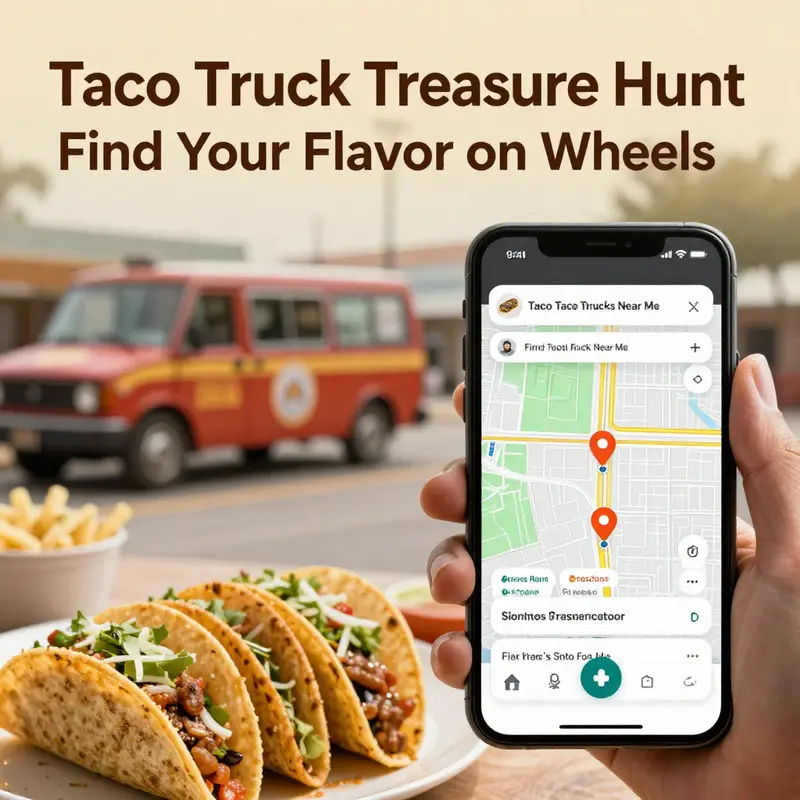
Finding great tacos often starts with a simple question: where can I find a taco truck nearby? In communities where street food is part of the daily fabric, mobile apps have transformed that search from a guess into a reliable quest. They turn wandering cravings into organized adventures, guiding you through a landscape of sizzling grills, folded tortillas, and bright salsas with real time accuracy and dynamic menus. This is not just about locating a truck; it is about orchestrating a small, delicious expedition. You begin by letting your phone carve out a neighborhood map of possible stops, then you filter by flavor, price, distance, and the hours when the trucks are likely to be parked and ready to serve. The result is a personalized food chase that can unfold in the window of a lunch rush, a late night stroll, or a weekend street fair, all coordinated through a few taps on screen. The beauty of this approach lies in its adaptability; it is not a fixed map but a living guide that responds to movement, weather, and the social rhythms of a city’s taco scene. You move with the city, not against it, chasing steam and aromas across boroughs, neighborhoods, and corners you might otherwise overlook.
To understand how to use these locator tools well, you should first consider what the modern taco truck ecosystem looks like. Some trucks stake their claim on a single corner, while others roam on rotating schedules, hopping from one popular stop to another as the day unfolds. A well designed locator app integrates a mix of real time location data, posted schedules, and user generated updates so the map feels alive. It can show where a truck is right now, what it is serving today, how long the line is, and whether the truck is just arriving or about to roll out to the next stop. It can also present menus and prices, sometimes offering the option to order ahead for pickup or even curbside delivery. The best experiences emerge when you can pair the live pin with a short window for pickup, ensuring you arrive just as the aroma hits your senses. In this setting, timing becomes part of the flavor, and the app helps you time your bite with more precision than a casual stroll would allow.
With the right locator tool, privacy and practicality become a balanced duo. The first practical step is to understand what permissions you grant and why. Most apps request location access so they can display trucks near your current position. Granting this permission improves accuracy and reduces the guesswork of driving around with a vague sense of where a truck might be parked. Some apps also offer a radius setting, letting you narrow or widen the search area. This is especially helpful if you are in a dense urban cluster with a lot of trucks converging in a small space, or if you want to avoid zigzagging across a sprawling neighborhood. Turning on notifications can keep you posted as trucks move, but you can also control alert frequency to avoid a constant barrage of updates. Battery usage is another practical concern; some apps optimize update intervals or switch to lower power modes when the device is idle. If you are exploring new neighborhoods, you may want to keep your device plugged in or carry a portable charger so the locator stays active during a long stroll.
The difference between a good experience and a frustrating one often comes down to how the app presents information. A streamlined interface that layers location pins on a clean map, with trucks color coded by genre or popularity, makes it easier to scan options at a glance. The ability to tap a pin and reveal a compact card with the current status—location, hours, the menu highlight, average wait time, and user tips—can save precious minutes. Some apps go further, showing an optional route that links two or more trucks into a sensible tasting itinerary. If you are planning a small taco crawl through a particular district, this feature helps you make a practical sequence so you do not chase a truck that is parked on the far side of town after a long detour. The most intuitive tools allow you to switch between a list view and a map view, and to filter by flavors such as carnitas, al pastor, barbacoa, or veggie-focused options for dietary preferences. It is remarkable how quickly a simple filter can transform a tentative plan into a confident, delicious route.
In practice, the locator apps function as a trip planner and a tasting companion rolled into one. The moment you unlock the app, you are asked to enable location access and optionally to tailor your preferences. You might set a preferred radius of one to five miles, or a broader range if you are traveling across a city for a food festival or weekend market. As you walk or drive, the map updates in real time, with trucks lighting up as they arrive at new stops. If you notice a truck pulling into a market lot that is known for lunchtime crowds, you can adjust your route to catch the tail end of that wave, then pivot to a nearby truck known for a late afternoon sprint. The idea is to leverage the live nature of the information, not to lock yourself into a rigid plan that becomes obsolete the moment you step out the door. In this sense, locator apps resemble dynamic guides more than static directions; they encourage a flexible approach to street food, one that matches the improvisational spirit of the trucks themselves.
A subtle but powerful aspect of using these tools is reading the subtle signals behind the data. Real time location is essential, but it is equally important to pay attention to hours, menus, and the frequency with which trucks update their status. Some trucks post a schedule in advance, shouting out their weekly rotation and favorite spots in a way that rewards early planning. Others move with the weather, choosing days when the wind is favorable for certain griddles or when a festival draws larger crowds. In practice, you learn to cross reference three sources: live location, posted hours, and the current menu snapshot. If the live pin for a truck shows it parked near a park on a sunny afternoon, and the hours card confirms that location is open, you can expect a consistent lineup and the chance to sample your chosen dishes. If the menu picture or item list is missing, you might rely on user reviews and photos to gauge what is likely on offer. This triangulation—location, hours, and menu—transforms a random drift into a high-probability dining window.
To illustrate the breadth of the locator landscape without naming brands, imagine a scenario where you are exploring a bustling neighborhood known for rotating trucks. You open a map view and set a one mile radius, then apply a quick filter for a specific cuisine style. A red pin indicates a truck currently serving carne asada, while a blue pin marks a second truck offering al pastor with pineapple and a sign that highlights a spicy red salsa. A third truck nearby has a rotating special that changes daily, and a fourth is experimenting with a vegetarian taco option that uses plant based protein and a bright cilantro-lime slaw. Each pin carries a short status update, a time stamp, and an ETA for the next move. You tap each card to see more details: the current price range, popular add-ons such as onions or cilantro, and a note from a nearby user about the line length. The flow from pin to card to route suggestion becomes almost cinematic, a micro-drama of taste and time unfolding across a city block. If you are curious about the broader hardware and mobility that support these street operations, you can explore a related discussion in the industry blog that covers how mobile culinary ventures adapt to changing markets and regulations. For a deeper dive into that side of the ecosystem, you can read about top taco truck models and what makes them effective in different contexts taco-trucks-unleashed-top-5-models-for-culinary-success.
Another layer of practical wisdom is how to use these tools in real time to maximize convenience and minimize waste. The simplest strategy is to combine a live search with a humane time window. If you head out to sample several trucks in one area, you can plan a sequence that starts with a truck that tends to run out of popular items early in the day, followed by a truck known for late arrivals and updated menus as the afternoon progresses. In this way, you preserve variety and reduce the chance of arriving after a tray is sold out. It also helps to watch for lines and crowd dynamics in the app itself. Some days the crowd has a particular energy—a line that snakes neatly around a corner, a group of coworkers sharing a quick bite, or a family stopping by after a recital. These patterns are often reflected in user comments and photos, and they can guide you to less obvious but equally compelling options just a short walk away. The social dimension of these apps—the ability to rate experiences, share quick tips, and add a photo to a growing mosaic of recommendations—transforms solo food hunting into a communal ritual. You gain a sense of belonging to a moving map of flavor, a network of taste that travels with you.
From a technical perspective, it is worth understanding how these tools balance accuracy with accessibility. The best experiences rely on a combination of precise GPS, robust server updates, and a thoughtful user interface that surfaces essential information without overwhelming the user. The live pin is only as useful as the information behind it. If a truck changes its location, the update should propagate quickly, and the app should gracefully degrade when data is delayed, perhaps by showing an approximate area or by highlighting trucks with historically reliable hours. The menus, too, need to stay relevant; kitchens change, specials rotate, and new items enter the spotlight. A well designed app helps you notice these shifts without forcing you to scour social feeds indefinitely. You should be able to inspect yesterday’s menu if you want context or review a short customer note about a spicy sauce that might not be listed on the current card. The interface should feel forgiving yet precise, offering you confidence that a bite will arrive hot, fresh, and with the flavor you expected.
In practice, this approach makes the act of chasing tacos both practical and adventurous. It enables a culinary itinerary that respects time, budget, and appetite. If you are new to the taco truck scene, you may begin with a simple plan: pick one neighborhood, scan the map for two or three trucks that show current activity, and choose a route that minimizes backtracking. As you gain experience, you can expand your radius, include more trucks, and design a tasting sequence that optimizes variety. The more you use the locator tools, the better you become at reading the data behind the pins. You may start to notice patterns—certain trucks rotate through a cluster on weekdays, while others gather near events on weekends. The insights become practical knowledge you carry with you for future visits, much like a personal guidebook that evolves with your own taste and pace.
The social and community dimensions are not mere side effects. They are integral to the experience because street food culture thrives on shared knowledge, crowd-sourced tips, and real time chatter. When you see a photo caption mentioning a standout tender and a quick salsa verde, you gain a sense of what to expect before you even order. When you read a tip about a truck that layers its tortillas with a particular lime zest or a peculiar green salsa that glows under certain lights, you gain a sensory forecast for the meal ahead. In this ecosystem, the app becomes a hub of collaborative discovery, where your cravings meet the city’s improvisational energy. The more you engage, the more the map feels like a living street, narrating a continuous sequence of flavor encounters. You are not just following a route; you are participating in a shared ritual that blends navigation with appetite, planning with spontaneity, and curiosity with comfort.
To close the loop on strategy and technique, remember that technology should serve your taste, not control it. Use location and menus as guides, not as constraints. Let the map introduce you to unfamiliar corners and unexpected flavor combinations, but stay flexible enough to pivot when crowds surge or when a particular truck runs out of a beloved item. If you ever feel overwhelmed by options, pause, take a breath, and let the app show you a short list of trusted contenders with reliable hours and fresh menus. The right balance of structure and spontaneity is what makes using locator apps a rewarding practice rather than a frenetic chase. Over time, you will internalize a rhythm: check the map, pick two or three strong candidates, align them into a compact loop, and enjoy a sequence of bites that feels like a city in conversation with your appetite. When the city speaks in sizzling sound, you should be ready to listen, and the locator app is your translator, turning data into a delicious conversation that travels with you.
External resource: official app page
http://www.example.com
Internal note: for readers who want to explore how a particular class of taco trucks stay flexible and mobile across markets, see the discussion on Top taco trucks unleashed and the models that empower culinary mobility taco-trucks-unleashed-top-5-models-for-culinary-success.
External resource: official app page
https://apps.apple.com/us/app/rosas-find-sj-taco-truck/id1546732803
null
null
Trail of Tacos: Navigating the Map to Find Taco Trucks Nearby
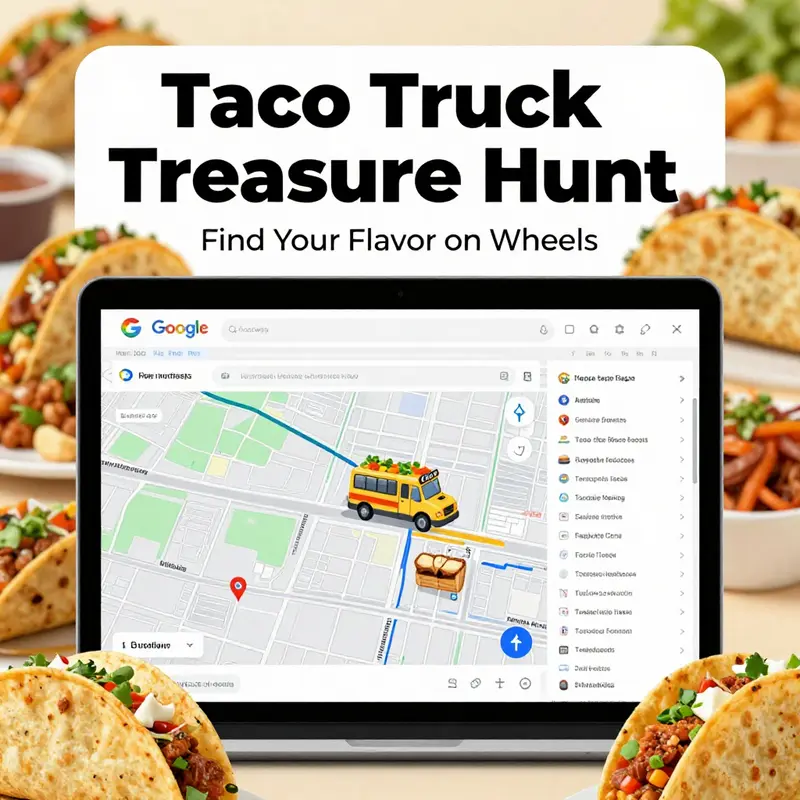
On a warm afternoon when the city feels like a simmering skillet, you step out with a plan and a pulse that quickens at every distant sizzle. The map on your phone becomes more than a tool; it’s a compass that translates the city’s breathing into directions you can follow. Instead of wandering, you move with intention, chasing steam, smoke, and the promise of a perfectly crisp shell. The moment you type or tap the search for taco trucks near you, a constellation of dots blooms across the screen. Each dot represents a bite you could take, a flavor you haven’t tried, a recipe that whispers from the curb. The magic is not merely in listing every truck; it’s in the way the map blends live data, user feedback, and practical filtering to turn a potential feast into a feasible plan.
What unfolds next is not a single destination but a guided journey through a dynamic ecosystem. The map platform, in its essential form, aggregates location data from trucks that announce themselves through their own posts, their schedules, and the occasional update from the operators who pivot their routes with the weather, events, or the city’s rhythm. The user experience hinges on three intertwined capabilities: accurate proximity, trustworthy signals, and the speed with which you can move from curiosity to a plate of something delicious. When you search for taco trucks near me, you are engaging with a live map that continually recalibrates as trucks glide through neighborhoods and as new hours or pop-up appearances enter the scene. In this way the hunt for a good taco becomes a collaborative, where the map, the vendor, and the eater share a moment of mutual convenience and anticipation.
The first and most obvious advantage is proximity. Distance is not the only metric that matters, but it is a decisive one. The map’s ability to compute straight-line distance, then translate it into practical travel time, helps you decide whether a truck is a quick grab on a lunch break or a late-day indulgence after a long afternoon. In dense urban centers, where a few blocks can feel like a leap through time, the map also translates traffic patterns into realistic walking or driving durations. You see not only where a truck is located but how long it will take to reach it, given the city’s heartbeat at that hour. This is more than convenience; it’s a way to respect your own limits and appetite. You don’t want to chase a moving target only to find the line is too long or the truck already served its last turn of the day.
The second pillar rests on the signals that the map pulls in from the field. Real-time updates from operators, sporadic posts, and even user feedback coalesce into a living picture of where the trucks will be and what they will serve. When a truck is rolling from one corner to another, the map’s live indicators can show you the next likely stop, allowing you to adjust your course with minimal friction. This isn’t just about catching a good meal; it’s about catching a moment when the flavors align with your mood and the timetable you can keep. You may notice that certain trucks appear to drift through a corridor of neighborhoods every day or follow a specific rhythm tied to markets, college campuses, or nightlife districts. The map captures those patterns and presents them as possibilities rather than mere curiosities.
The third dimension is the credibility of the information. Rating and review signals help you weigh options in a noisy field of choices. The map aggregates opinions from many diners—some quick, some meticulous—and distills them into a useful guidepost. A high rating often correlates with consistent quality, but the map also reminds you that a truck’s popularity can surge for a limited window when a chef unveils a signature dish or a new daily special. It’s not about chasing perfection; it’s about finding a balance between freshness, reliability, and your own taste preferences. You might discover a truck that has earned a humble, repeatable reputation for well-crowned carnitas or a bold, punchy salsa that changes with the day’s supply. The map helps you compare these flavors side by side, in the moment, when decisions feel most satisfying.
As you begin to rely on a map-driven approach to locating taco trucks, you start noticing the subtle ways the system supports a richer, more intentional experience. Some trucks publish rotating schedules, a common practice in the street-food world where versatility and adaptability define the enterprise. The map’s strength is that it doesn’t pretend every truck remains static; it acknowledges the nomadic reality of mobile kitchens and makes that reality navigable. When a truck announces a new stop or a chef tests a pop-up concept at a neighborhood festival, the map can reflect that shift quickly, so you don’t miss out because you relied on an outdated impression of where the food will be.
This fluidity is where the map becomes a partner. It doesn’t simply show you pins; it helps you construct a plan that feels like a natural extension of your day. You learn to read the pins not as fixed destinations but as living pointers that invite exploration. You might start with a nearby option that has a robust rating and a predictable schedule, then pivot to a second choice further away because a truck with a new, enticing menu appears in the same time window. The process becomes a dialogue with the city itself, a conversation that translates urban movement into edible memory. In those moments, the map is less about technology and more about timing, appetite, and the shared human pleasure of discovering something delicious in the midst of a bustling street.
To make this approach practical, a few grounded habits emerge. First, be explicit about your starting point and what you value most: shortest travel time, highest-rated flavor, or the one that offers the most reliable hours. Your map usage becomes a personal calibration tool. If you’re in a rush, you may set a stricter distance filter and a tighter time window, letting the platform surface a handful of dependable options that fit the moment. If you have more time and a sense of adventure, you might expand the radius, accept longer travel, and let the map present a broader range of culinary possibilities, including trucks with rotating menus that challenge your palate and expand your repertoire.
Second, don’t rely on a single signal. While a well-rated truck is a good anchor, it’s worth glancing at several options to understand what the day holds. Sometimes a lower-rated truck offers a surprising bite that reshapes your cravings for the evening, or a newer operator brings a fresh twist that becomes your new standard. The map’s reviews act as a chorus rather than a verdict, supplying texture to your decision rather than dictating it. When you approach the screen with curiosity and a plan, you transform a quick meal into a small adventure that fits neatly into a city’s tempo.
Third, recognize the map’s limits and use your senses. Real-time location data can slip when networks falter or when trucks pause to restock. Hours may change for weather, events, or supply delays. The most reliable approach pairs the map’s information with a few quick checks from the trucks’ own posts or official update feeds. If a truck promises a late opening or a special taco of the day, you’ll want to confirm before heading out in the heat or cold. In other words, the map is a navigator, not a guarantee. Your awareness and flexibility complete the experience.
There is also a social dimension to this practice that deserves attention. Modern map platforms are not solitary tools; they operate in a shared space where the crowd contributes a continuous stream of observations. When you leave a quick rating, add a note about the serving pace, or post a short photo of your plate, you participate in a feedback loop that helps other eaters decide where to go and when. The act of sharing becomes a community act, reinforcing reliability and signaling subtle shifts in a truck’s operation. In a city that lives on the energy of food trucks, this communal knowledge is as valuable as the gas in your tank or the map’s route optimization.
As you integrate these practices, you begin to notice the more nuanced advantages the map provides. You can plan for the best-time-to-visit windows when traffic eases and lines shorten, or you can exploit the queue dynamics around popular lunch hours so you catch a reliably hot batch of tortillas. The map can reveal patterns that aren’t obvious to a casual passerby: when a truck tends to move through a certain corridor, or when a vendor chooses a particular corner near a transit hub to maximize foot traffic. This awareness makes the experience both efficient and satisfying. It also invites you to savor the city as a living pantry, where each block contains the possibility of a new flavor profile, a new story, a small ritual that you can anticipate and honor with good navigation.
The practical value of this map-based approach extends beyond a single afternoon or a single city block. It becomes a repeatable method for exploring, whether you’re a local who wants to augment lunch with a rotating lineup of favorites or a traveler who seeks the quintessential street-food moment in a new metropolis. The map rewards curiosity and reliability alike, giving you a streamlined way to sample the city’s edible landscape while keeping your plans nimble and your pockets in order. In this sense, the hunt for taco trucks near you is less a scavenger chase and more a choreography—a sequence of well-timed steps that culminates in a satisfying meal and a memory you’ll want to repeat.
If you want a deeper look at how street-food operators think about growth and the ways their mobile kitchens adapt to markets, you can explore a perspective that ties business strategy to the culinary craft. The linked resource offers a thoughtful look at how operators balance movement, inventory, and customer expectations to sustain flavor and vitality across changing environments. It’s a reminder that the map’s usefulness rests not just on the pins it shows, but on the people behind each stall and their daily decisions. And while you’re navigating this circuit, remember that the map is part of a larger ecosystem that includes social channels, in-person chatter, and the occasional serendipitous encounter with a cook who shares a story as compelling as the dish on the plate. In that intersection lies the richest reward—the sense that you have not merely found food but joined a living, rotating city of flavor.
For readers curious about the broader culinary and logistical implications of mobile street-food operations, there is a related exploration of how flavor networks, supply chains, and on-the-road innovation converge in compact, movable kitchens. This perspective helps explain why some days feel effortlessly seamless while others present a puzzle of hours and routes. The map, again, remains central to decoding that puzzle, offering a practical frame through which to view the day’s possibilities and to decide which path to take to reach the next tempting bite. The result is a holistic understanding: the map helps you navigate, taste, and participate in a vibrant, evolving food culture that thrives on mobility and shared discovery.
To connect this experience with a broader example, consider the way a typical culinary route evolves when a truck moves through several neighborhoods in succession. The map captures this movement, updates the user interface, and invites you to chase or reroute with minimal effort. It also highlights how a single bite can become a doorway to new neighborhoods, new ingredients, and new friends who gather at the curb to exchange tips, share a moment of laughter, and savor a batch of tortillas that tastes like a postcard from the city. The practical upshot is clear: the right map-enabled approach converts a casual hunger into a reliable, enjoyable ritual that fits your schedule and your appetite while revealing the city’s regulatory and cultural nuances that keep street food alive and thriving.
If the distance and the pace matter to you, the map’s behavioral cues become a kind of tacit mentor. It teaches you to balance speed with savor, efficiency with exploration, and independence with community input. You learn that the best moments often come from an overlap of factors—location, timing, menu variety, and the anecdotal warmth that a cook shares as they plate your order. And as you become more fluent in reading the map’s signals, you begin to plan not just for a meal but for a memory—the memory of discovering a truck at the corner, of stepping into a breeze of sizzling fat and bright herbs, and of walking away with a bag heavier than you expected because every bite was worth the detour.
This is the essence of using a map to find taco trucks near you. It is a practice that honors both urban mobility and culinary craft. It respects the fact that food trucks are not static fixtures but living, breathing participants in the city’s ongoing story. And it invites you to become part of that story—to map, to wander, to taste, and to return with a richer sense of where flavor lives in your own neighborhood and beyond. In that spirit, the map is not a mere gadget but a partner in curiosity, a guide that helps translate the day’s errands into a series of delectable discoveries. The more you lean into this partnership, the more every outing reveals: a new favorite, a familiar route, a small ritual that makes the city feel intimate, flexible, and wonderfully edible.
For those who want to glimpse how other practitioners conceptualize success in this mobile food landscape, the chapter highlights a resource that delves into the entrepreneurial side of the taco-truck world. It is a fitting companion to the map-based approach, offering a window into the choices operators make about routes, menus, and timing that ultimately shape what you see on your screen. If you follow the link, you’ll find a thoughtful discussion of how mobility, branding, and local engagement intersect in this vibrant niche. And as you read, you may find your own map becoming a living document—one that you continually revise based on new spots, new tastes, and the evolving pulse of the street.
Internal link note: To explore a complementary perspective on how mobility and menu design influence mobile culinary success, consider this related piece: Top Food Truck Models for Entrepreneurs. It offers a broader context for the decisions that shape what you eventually encounter on the curb and how those choices echo back into your map-based searches.
External resource: For a broader understanding of how live location data and map-based directions are maintained and improved, see the official help center dedicated to map platforms. https://support.google.com/maps
Final thoughts
Finding taco trucks near you is a delicious adventure waiting to happen. By leveraging dedicated apps, engaging with social media platforms, and utilizing Google Maps, you can easily locate the best taco trucks the culinary world has to offer. Each of these methods allows you to discover unique flavors and support local businesses in your community. Next time your taco cravings strike, you’ll be prepared to step out and savor every bite. Welcome to the vibrant world of taco trucks—every meal is a celebration!

