
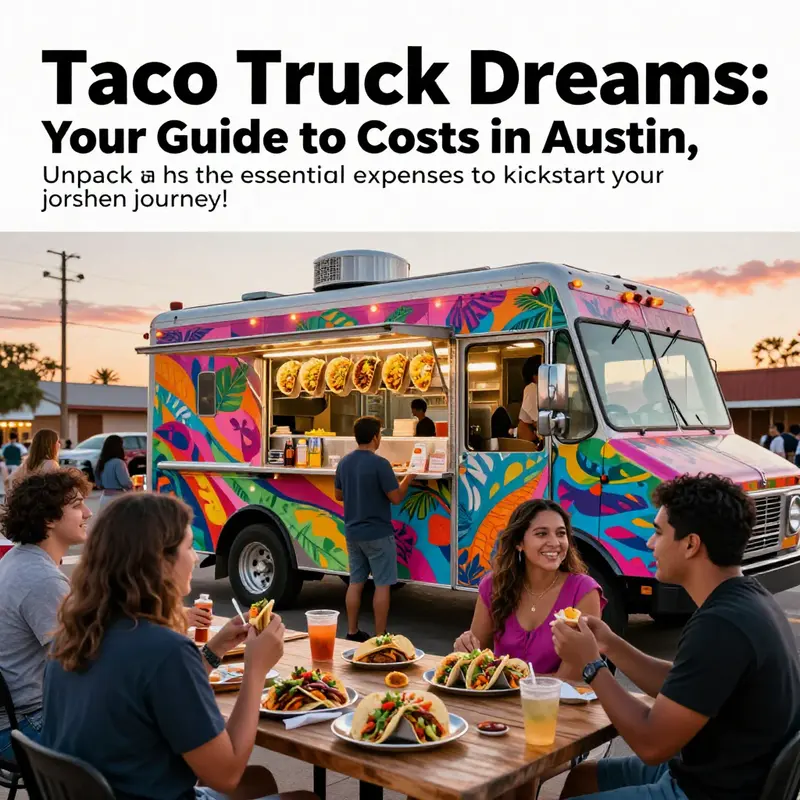
Ever dreamt of starting your own taco truck in the vibrant city of Austin? The aroma of sizzling tortillas, the vibrant colors of fresh ingredients, and the cultural celebration of flavors await you! However, turning that dream into reality requires careful budgeting and insight. With startup costs ranging from $50,000 to $150,000, understanding the different components is essential. In this guide, we’ll delve into each crucial aspect of starting your taco truck: from the vehicle costs and equipment expenses to the necessary permits, insurance considerations, and initial inventory estimates. Let’s embark on this taco adventure together!
Rolling Budget on Four Wheels: A Practical Look at Vehicle Costs on the Road to a Taco Truck Startup
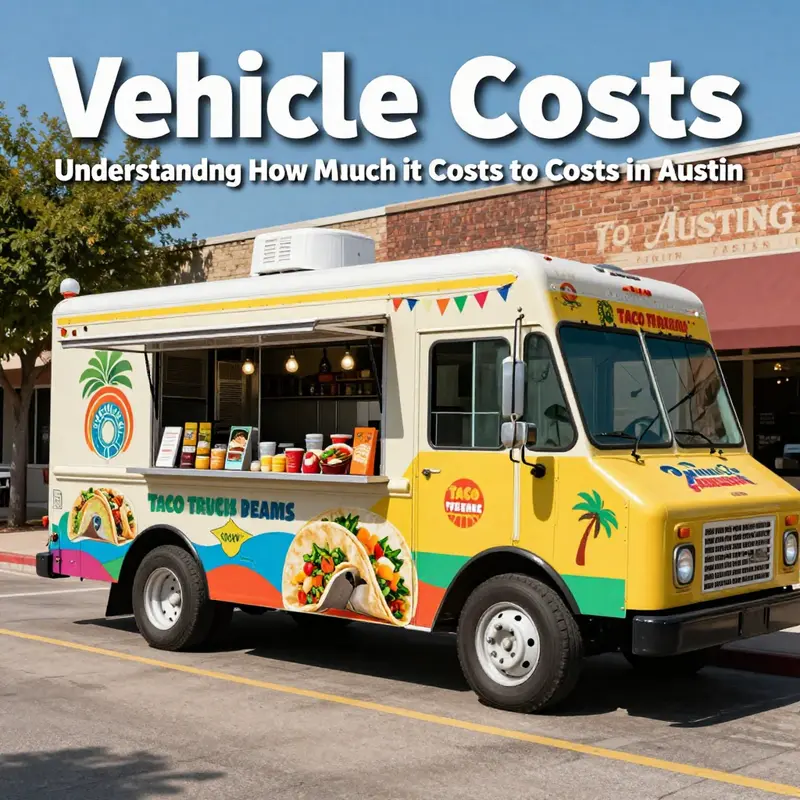
When you set out to start a taco truck, the vehicle is more than transportation; it is the core of your business. It carries your kitchen, your brand, and your day-to-day hopes of turning a simple idea into a steady stream of meals and revenue. Because the truck represents both a sizable upfront investment and a long-term operating asset, understanding vehicle costs is essential to building a realistic budget and avoiding surprises that could stall your plans before you even hit the streets. The core reality is simple: you can start lean, but the leanest option still requires careful planning around how you will acquire the vehicle, outfit it, and keep it compliant with local rules. The numbers vary widely, and the range is driven by a few fundamental choices about age, condition, and size. A used food truck can be a bargain, trading lower upfront price for higher maintenance risk and additional outlays for equipment compatibility and reliable performance. A typical used truck might fall somewhere in the $20,000 to $100,000 range, with the variance reflecting how recently it was built, the door count and work area, and the quality of any installed kitchen components. In this context, the size and layout of the truck often determine what you can cook efficiently and how quickly you can turn a profit during busy shifts. On the other hand, a brand-new unit can push well above $100,000, but it brings the benefits of the latest design, possibly improved fuel efficiency, modern safety features, and longer warranty protection. For many first-time operators, the choice narrows to a practical balance: a reliable used vehicle with solid bones and a thoughtfully added kitchen, or a newer shell that minimizes the risk of early failures and costly repairs. Either path requires disciplined financial planning and a clear sense of what you can responsibly borrow or allocate from savings. The vehicle itself is only the tip of the iceberg when you map out total startup costs, but it anchors the budgeting conversation and informs every subsequent decision about equipment, permits, and initial inventory. The next layer—fitting the truck with cooking equipment—spirals logically from your chosen vehicle. Outfitting a truck means more than installing a grill or a fryer. It means integrating a compact, efficient workflow that supports a line of customers and meets health and safety standards. The kitchen package typically includes a combination of cooking equipment, refrigeration, handwashing and drain systems, sinks, prep surfaces, storage cabinets, and fire suppression components. The scale of this outfitting exercise often adds a broad band of expense, commonly in the $20,000 to $50,000 range, depending on how complete you want your setup to be at launch and how much you rely on pre-owned components versus new, purpose-built units. If you choose to purchase a shell and retrofit it yourself, you might modestly trim early cash outlays but increase the time and expertise you must invest before you can operate. Conversely, if you buy a truck that already has some kitchen infrastructure, you may reach readiness more quickly but at a higher upfront price. Either way, the quality of the equipment you install matters a great deal for reliability, food safety, and the speed with which you can serve customers during peak periods. The cost range for outfitting is a critical guardrail in your planning discussions, because it interacts directly with the base vehicle price and with ongoing maintenance needs. The permitting landscape is another crucial factor in the broader cost equation. In many jurisdictions, you will need a city or county permit to operate a food truck, along with a health department clearance and possibly a business registration. The aggregated permit and license costs can be surprisingly modest compared to the vehicle and outfitting outlays, often landing in the low hundreds up to a thousand dollars or so, depending on your location and the regulatory complexity you face. While permits are a recurring consideration for compliance and periodic renewals, they tend to be a one-time or annual expense rather than a large, front-loaded payment. It’s worthwhile to budget for these items early in the planning process, since delays in obtaining permits can derail a launch timeline and increase carrying costs during the waiting period. Insurance is the shield that helps you absorb risk as you navigate the road and the busy hours of service. Commercial auto coverage, general liability, and sometimes product or cargo insurance all factor into your ongoing annual costs. In many markets, annual insurance costs can run roughly from $1,500 to $3,000, depending on vehicle value, coverage limits, driving history, and the geography of your planned routes. These premiums are not merely a formality; they also reflect the inherent variability of operating in different neighborhoods and at various events. In the early days, savvy operators treat insurance as part of the regular operating budget rather than a veto on startup momentum. The other essential line item to account for, alongside the vehicle and the kitchen, is your initial inventory and ongoing supplies. A conservative starter stock of pantries, spices, tortillas, sauces, produce, napkins, and packaging materials constitutes an operating buffer that keeps you serving customers without frequent trips to a supplier. A practical range for this initial inventory and the first round of marketing materials is roughly $2,000 to $5,000. The marketing component, while not a unique “equipment” cost, plays a surprisingly large role in telling your story and establishing a consistent brand presence in a crowded market. A modest investment in signage, a simple digital footprint, and initial menu design can help you attract the first customers and build word-of-mouth momentum. With all these factors in play, the bottom-line startup investment for a taco truck tends to fall in a broad band, commonly cited as about $50,000 to $150,000. This range reflects the reality that you can start lean with a solid used truck and careful outfitting, or you can opt for a newer chassis and a more turnkey kitchen setup that accelerates your launch timeline. The numbers come with caveats: a higher price tag can bring peace of mind in terms of reliability and compliance, while a lower price tag requires a more hands-on approach to maintenance and repairs, plus a tighter grip on cash flow. It’s worth noting that many successful taco truck operators in markets with vibrant street-food scenes begin with modest budgets and gradually scale as they gain customers and refine their recipes and service model. The mobility, flexibility, and lower fixed overhead compared with bricks-and-mortar restaurants are the decisive advantages that attract newcomers to the industry, even when the initial price tag looks daunting. In the context of Austin and similar bustling cities, the right mix of vehicle, equipment, and permits opens the door to a flexible route-to-market. It’s not uncommon to see operators who started with a refurbished truck and then incrementally upgraded to enhance performance or expand menu capabilities. The learning curve is real, but the payoff—being able to greet a line of customers with a freshly made taco in minutes—can be substantial for those who plan thoughtfully. For a broader, practical synthesis of cost considerations across equipment standards and operational applications, many aspiring operators consult comprehensive guides that help translate these numbers into concrete budgeting steps and decision trees. This broader view underscores that the vehicle cost is the anchor, but the overall startup financial plan must harmonize vehicle choices with kitchen outfitting, permits, insurance, and initial working capital. If you’re curious about how aspirants balance these elements in practice, a look at the best-performing models for entrepreneurs can be illuminating: Top food truck models for entrepreneurs. The idea is to align your expectations with proven configurations that support efficient service, durability, and a brandable presence on the street. Finally, as you refine your financial plan, remember that the numbers are a starting point, not a fixed decree. Your local regulatory environment, the scope of your menu, the degree of automation you’re willing to invest in, and your financing strategy will shape the exact mix of costs you encounter. The life of a taco truck entrepreneur is a balance between pragmatism and aspiration, with the road ahead shaped by how you choose to invest in the vehicle, the kitchen, and the compliant framework that makes daily operations possible. For a deeper dive into cost-effective strategies and industry benchmarks, you can explore broader analyses on the topic of affordable food-truck composition and applications, which offer practical guidance on how to stretch dollars without compromising safety or quality. External resources such as Understanding Cheap Food Truck provide a structured look at composition, standards, and applications that inform sensible choices about equipment standards and operating budgets.
The Equipment Equation: Unraveling the Startup Costs Behind a Lean, Mobile Taco Kitchen
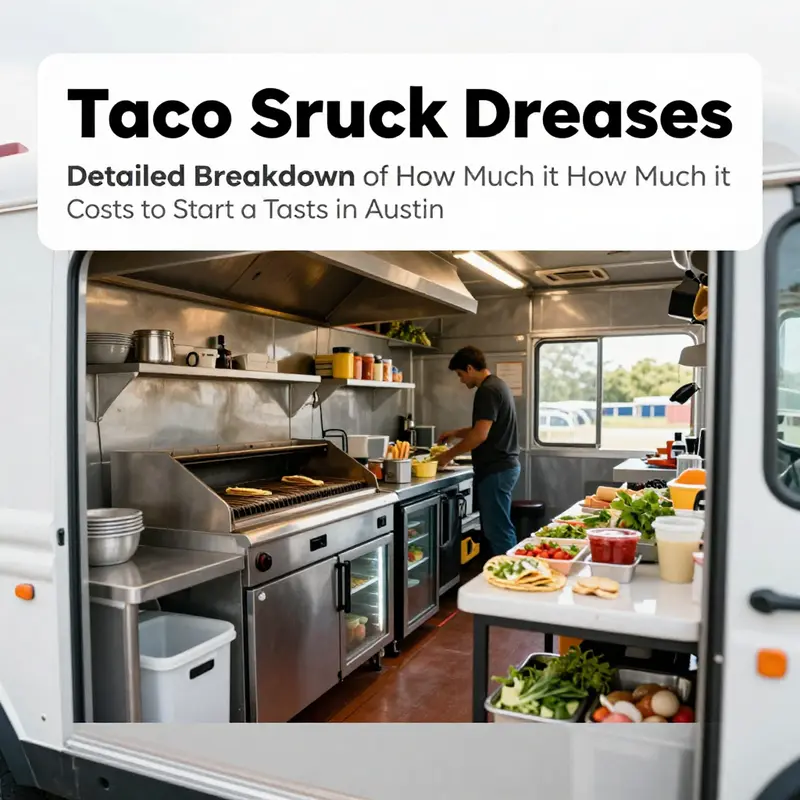
When a would-be taco entrepreneur asks how much it costs to start a taco truck, the answer is rarely a single number. The equipment and infrastructure that turn a bare vehicle into a working kitchen are the hinge on which the venture balances. In markets like Austin, the starting bill climbs with how you buy, how much you customize, and how far you lean on refurbished assets. The most expensive line item is often the vehicle itself and the kitchen backbone inside it. Read together, the truck body, the core cooking systems, and the supporting utilities form an equipment equation that can push a lean startup from dream to driveway in a season, or slow things to a crawl if misjudged.
On the vehicle front, choosing between a new truck and a used one cascades into every decision. A new truck, built for food service with insulation and ventilation, carries a price tag in the range of twenty five thousand to seventy five thousand dollars. It offers predictable layouts, equipment compatibility, and warranty protection, but requires a larger upfront investment. A used truck, by contrast, can land in the ten to thirty thousand dollar range. The upside is lower entry costs and the ability to allocate more funds toward upgrades and inventory. The caveat is reliability and the need for immediate maintenance or upgrades to meet health and safety standards. There is also the option of a pre fitted package that includes much of the kitchen equipment and interior fit-out, a route that can dramatically cut setup time. Such packages are designed to get an operator cooking quickly, though they typically do not cover the full vehicle cost or the regulatory steps. Even with a lean approach, most founders acknowledge that a well chosen vehicle budget remains the backbone of the start up plan.
Within the kitchen, the core cooking systems dominate the equipment tally. The essential tools begin with a grill or flat top for meats and tortillas. A basic line can cost about one thousand five hundred to four thousand dollars for a reliable unit, though larger or higher end models can creep toward the upper end of that range. A deep fryer, necessary for crispy shells and popular sides, typically sits between eight hundred and two thousand five hundred dollars. Refrigeration is non negotiable; a walk in cooler or freezer s price tag tends to land in the three thousand to eight thousand dollar range, depending on size and insulation quality. Sanitation rules require a sink and a dedicated dishwashing station, often bundled with a hot water heater, priced around five hundred to one thousand five hundred dollars. An oven or convection oven can expand the menu and generally costs one thousand to three thousand dollars. Finally, durable prep tables and storage cabinets round out the core workspace, typically one thousand to two thousand five hundred dollars. When these components are loaded efficiently, a truck can perform a clean, compliant service in a tight space without frequent restocking of makeshift gear.
Electrical and plumbing systems are the quiet workhorses. Power reliability is non negotiable for safety and consistency, and operators make different choices based on where they park and how often they work at events. A generator or a robust electrical hookup can range from one thousand to five thousand dollars, depending on capacity and code compliance, while plumbing and waste handling—think grey water tanks and compliant drainage—often run one thousand to three thousand dollars. The goal is to secure a system that keeps hot plates, refrigeration, and sanitizing equipment running through long shifts and outdoor gigs without surprises. For many teams, this means planning for redundancy: a backup power option or a second potable water supply line. The incremental cost of reliability pays dividends in consistency, customer satisfaction, and the ability to operate in venues that demand uninterrupted service.
Technology, the point of sale (POS) setup and wireless connectivity, adds a modern edge to the equipment dashboard. A mobile POS terminal, with card readers and receipt printing, typically costs five hundred to fifteen hundred dollars. A reliable Wi Fi router and a modest backup power plan might add another two hundred to five hundred dollars. While these figures may seem modest, they translate into smoother transactions, faster line turnover, and fewer payment friction points during peak hours. The portability of a taco truck and the variability of outdoor environments make a properly configured POS and connectivity stack essential, more so than many operators anticipate at first planning.
Permits, licenses, and insurance sit on the boundary between equipment and operation. Regulators want to see that the kitchen sanitary standards are met and that the vehicle remains insurable on public streets and at events. In practice, that line can be a moving one. A city health permit, a business license, and a standard mobile vendor permit can range from a few hundred to about a thousand dollars, depending on jurisdiction and the scope of operation. Insurance, a critical line for a mobile business, typically falls in the one thousand to three thousand dollars per year band for commercial vehicle and liability coverage. A food handler’s permit or certification for staff is a smaller but still necessary line item, usually fifty to two hundred dollars per person. The key takeaway is that permits and insurance are not afterthoughts; they are prerequisites that unlock daily operations and long term growth. Budgeting with a buffer here reduces the risk of costly delays when opening doors to the public.
Initial inventory and ongoing supplies complete the kitchen picture. The first wave of ingredients, tortillas, cheeses, vegetables, salsas, and spices must bridge the gap between concept and the first sale. A prudent starter stock might be one thousand to five thousand dollars, scaling with menu breadth and anticipated event cadence. Packaging—taco liners, containers, napkins, utensils—adds another five hundred to one thousand five hundred dollars, with attention to regulatory and environmental considerations. The branding and marketing layer, though ancillary to core cooking, is not optional for a standout launch. Logo design and branding packages can be five hundred to two thousand dollars, while signage and truck wraps to attract foot traffic typically fall between one thousand and three thousand dollars. These branding investments help convert curious bystanders into paying customers and set expectations for quality and consistency before taste becomes the deciding factor.
All told, the total startup cost paints a wide arc. On the low end, a lean build with a used vehicle and essential equipment can approach the neighborhood of thirty nine thousand dollars, while a fully equipped new vehicle with high grade appliances and additional security, technology, and branding can push toward one hundred twenty thousand dollars or more. The spread matters: it defines not just the day to day cash flow but the pace at which a business can scale, whether through incremental improvements or more ambitious expansions. The journey from a refurbished shell to a polished, regulatory compliant, and market ready taco operation is as much about disciplined budgeting as about culinary edge. Many successful operators start with a modest kitchen footprint, then methodically upgrade equipment, expand menu options, and extend their geographic reach as revenue stabilizes. That gradual scaling often preserves cash liquidity and guards against overextension during early growth.
Even with a conservative budget, there are tactics to keep costs in check without sacrificing reliability. Lean teams frequently emphasize refurbishment and reconditioning of the truck interior mechanics, while choosing energy efficient appliances that reduce ongoing electricity demands. A practical approach favors modular design: equipment that can be upgraded piece by piece as demand grows, rather than a total replacement when a single machine becomes outdated. Financing options and depreciation schedules can also ease cash flow, spreading the cost of capital equipment over several years while preserving working capital for ingredients and wages. The choice between a new, compliant platform and a proven, reliable used model often comes down to risk appetite, the expected event mix, and the entrepreneur’s readiness to manage maintenance and permits from day one.
From a culinary standpoint, the equipment list also shapes the menu you can confidently offer. A compact setup with robust refrigeration and a dependable grill can sustain a focused sonic identity; think signature meats, fresh salsas, and a few crowd pleasing sides. Expandability becomes a feature rather than a burden when the truck’s heart is modular: spaces that can accommodate a second cooler or an additional prep area for peak events, or the option to install a second fryer for variations on staples. The broader takeaway is that the equipment budget is not just about what fits through the door on opening day; it is about designing a kitchen that grows with you, scales with demand, and meets the practical demands of local health codes and event logistics.
For readers planning ahead, consider one contemporary lever that blends equipment strategy with future friendly power supply: lithium based battery systems. These systems can reduce generator dependence and improve efficiency, a consideration that may reshape equipment purchases today as you forecast longer shifts and multi site gigs. Lithium battery systems in modern food trucks offer a glimpse into how energy flexibility can influence both upfront costs and ongoing operating expenses.
At the same time, it is useful to scan the broader market for packaged solutions that align with a disciplined budget. Pre fitted truck configurations and kitchen modules can shorten the path to launch, though they rarely cover every regulatory hurdle or the full vehicle cost. For operators hungry for a quick start, such configurations can be a practical stepping stone toward a fully custom build. For more context on ready to use configurations and how they are positioned in the market, see industry highlights and model discussions in the broader culinary on wheels literature. This is not a substitute for due diligence with local permits and health codes, but it provides a practical frame for evaluating cost versus speed to market. External resource tips guide you toward options that balance the need for speed with compliance and reliability.
Ultimately, understanding the equipment equation means balancing upfront capital with the long arc of operating costs. The numbers outlined here reflect typical ranges drawn from industry practice and municipal guidance, but the real world price is shaped by location, the scale of your operation, and how you choose to deploy power, water, and food safety processes. The most resilient taco trucks are built on a foundation of dependable gear, prudent budgeting, and a clear plan for incremental upgrades. When you align the vehicle choice with cooking systems, electrical and plumbing reliability, and a thoughtful inventory strategy, you create not just a mobile kitchen but a scalable business engine that can adapt to markets, events, and taste trends as they evolve.
The Fine Print Behind Juicy Tacos: Navigating Permits, Licenses, and Their Price Tags in a Taco Truck Startup
The dream of a rolling taquería often travels with a checklist that grows louder as the sizzle hits the pan: permits, licenses, inspections, and fees. For anyone launching a taco truck, those official requirements are not obstacles to skip but essentials to budget around. In practice, permits and licenses shape not just compliance but the very rhythm of a startup—from when you can roll out onto a street corner to how often you’ll renew and what paperwork you must bring to the next event. The numbers may seem dry, but the cost tag attached to these approvals has a real impact on cash flow and on how lean you can start. In Austin and many other U.S. cities, the core needs cluster around four core licenses, with a few optional or circumstance-based add-ons. At first glance, these costs can appear modest, perhaps a few hundred dollars here and there. Yet the total can escalate quickly once you factor in vehicle registration, possible CDL considerations, and the time value of money while you wait for permissions to come through. The lesson is simple: permit planning is not the glamorous part of a taco truck dream, but it is the bedrock that keeps the dream from being a one-way permit into a lengthy, expensive delay.
In many places, you’ll start with the basics that prove you’re a legitimate business and that you won’t serve food in a kitchen hazard zone. A business license establishes the legal existence of your venture and your right to operate within a given jurisdiction. A food handler’s permit or certification ensures the people handling food understand hygiene and safety practices, which protects customers and reduces the risk of costly recalls or shutdowns. A mobile food vendor permit—sometimes called a street vendor permit or a special permit for vehicles that serve food in public spaces—permits you to operate a food truck on designated streets or within certain districts. And a sales tax permit, sometimes called a resale or seller’s permit, authorizes you to collect and remit sales tax on eligible items. Each of these carries its own process, its own renewal cadence, and its own price tag. When you add in vehicle-related obligations, the cost map becomes a little more intricate but still navigable with a clear plan.
Austin’s outlined path provides a useful example: the City of Austin imposes a City of Austin Food Truck Permit and a Health Department permit, and you may also need a general business license. The explicit wording from local guidance points to costs in the range of five hundred to two thousand dollars for these core permissions, a bracket that fits many early-stage startups in Texas’s capital. That figure gives you a concrete sense of one layer of startup cash and a baseline for budgeting. Across the country, the rhythm is similar but the numbers swing, sometimes significantly, depending on the scale of the operation, the size of the city, and the local enforcement climate. In large metropolitan hubs, mobile vendor costs can climb, with some mobile vendor permits pushing above five hundred dollars as a base fee, while smaller towns often charge less than two hundred. Those differences reflect not only regulatory complexity but the willingness of local governments to cultivate street food entrepreneurship as an economic engine.
Beyond the core licenses, there are additional checks that merchants should anticipate. If you’re operating a motorized cart rather than a non-motorized unit, you may face vehicle registration demands. A Commercial Driver’s License might come into play if the weight of your apparatus crosses defined thresholds, or if your operation mixes with heavier equipment on the road. Each of these potential requirements contributes to the overall cost landscape and can influence financing decisions and the speed at which you can begin serving customers. The broader lesson remains: cost is not a static number but a moving target shaped by location, vehicle type, and how aggressively you pursue compliance on the front end.
From a budgeting viewpoint, permits and licenses are in two camps. The first is the explicit price you’ll see on an application or renewal notice. The second is the time value of that money, because permit processing can delay opening by weeks or even months. In a busy market, delays breed more costs: extra insurance during a prolonged pre-launch period, storage fees for an unused unit, or the cost of keeping staff ready while you wait for approvals. It’s wise to cushion the budget with a contingency, perhaps ten to twenty percent, explicitly earmarked for regulatory steps. This approach helps keep the core plan intact, so you don’t have to siphon funds from essential equipment or inventory just to cover a paperwork hiccup.
One practical way to navigate costs is to treat permits as a phased investment that aligns with the build-out schedule of the truck. Early in the process, when you’re deciding between a used or a refurbished truck, you’ll want to confirm the minimum licensing requirements and whether any of those licenses can be pre-approved or filed in a way that accelerates later steps. The lean startup lesson here echoes across many food-venture stories: begin with the most essential permissions, establish a compliant baseline, and then layer in additional licenses only as you scale or broaden your service area. If you start with a limited footprint—a permitted, smaller footprint operation near a popular market—you may manage a tighter schedule and cash flow while you demonstrate viability to lenders or investors.
For entrepreneurs who want practical clarity, a direct line to local guidance is invaluable. While budgets and timelines vary, you can glean reliable, jurisdiction-specific expectations by contacting your local health department and small business office. They can provide a detailed estimate tailored to your area, including estimated turnaround times for permits and renewal costs. The official SBA resource offers broad guidance on obtaining licenses and permits as part of a coherent launch plan. Access to reliable, up-to-date guidance is essential when you’re mapping cash flow and ensuring that every dollar you invest in permits translates into a productive, compliant operation. If you’re curious about how truck configurations affect the budget and the permitting process, you can explore industry perspectives on form and function in one of the published model roundups that discuss the top paths to culinary success on wheels.
For a practical sense of how truck configurations influence budget, see taco-trucks-unleashed-top-5-models-for-culinary-success. This internal reference helps you connect the dots between the physical platform you choose and the regulatory frame you’ll navigate. The idea is simple: every choice about the truck—from size and layout to electrical capacity and water systems—interacts with licensing, inspections, and potential permit scope. A larger, more complex kitchen aboard a bigger vehicle may trigger additional credentials or more stringent inspections, while a compact unit configured for quick-service windows may ride a lighter regulatory route. The balance you strike between capability and simplicity often translates directly into both upfront costs and ongoing compliance expenses.
As you plan, keep in mind the broader ecosystem surrounding permits. In many jurisdictions, the health department’s oversight will steer the sanitary standards you must meet, including sanitation facilities, food storage temperatures, and waste disposal protocols. The city or county may require your commissary arrangement to meet specific standards, and some areas expect a site agreement with a compliant tracking system for the sales events or daily operations. These layers, while adding complexity, can also provide a consistent framework that reduces risk and protects your customers. If something changes—an inspection uncovers a minor deficiency, or a new ordinance modifies vendor routes—you’ll be prepared and less likely to face unexpected, cash-draining penalties.
From a narrative of numbers to the texture of daily operations, the way permits and licenses weave into a taco truck startup is telling. It explains why many successful family-run ventures begin small, secure the essential permissions, and then scale. The mobility of a truck—its ability to move to different neighborhoods, pop up at events, and respond to customer demand—remains a significant advantage over stationary restaurants. But mobility is not a bypass around compliance; it intensifies the need for a meticulous, forward-looking budget that accounts for the full spectrum of licenses, renewals, inspections, and potential delays. In this sense, permits are less a hurdle and more a framework within which you design a resilient business model. They anchor credibility with customers and lenders, ensuring that the very first taco you serve is backed by a network of regulated practices that protects both the operator and the public. The practical takeaway for prospective operators is straightforward: map the permit landscape early, confirm the costs up front—acknowledging that Austin’s baseline is often in the five-hundred-to-two-thousand-dollar range—and build a launch plan that accepts regulatory steps as a core, non-negotiable element of the budget. By embracing this approach, the startup narrative stays intact, the cash flow remains breathable, and the road from dream to rolling kitchen stays navigable.
External resource: For broader guidance on licenses and permits during business launch, consult the Small Business Administration’s official guide on obtaining licenses and permits: https://www.sba.gov/business-guide/launch-your-business/obtain-licenses-and-permits
Under the Shield: How Insurance Shapes the Price of Launching a Taco Truck
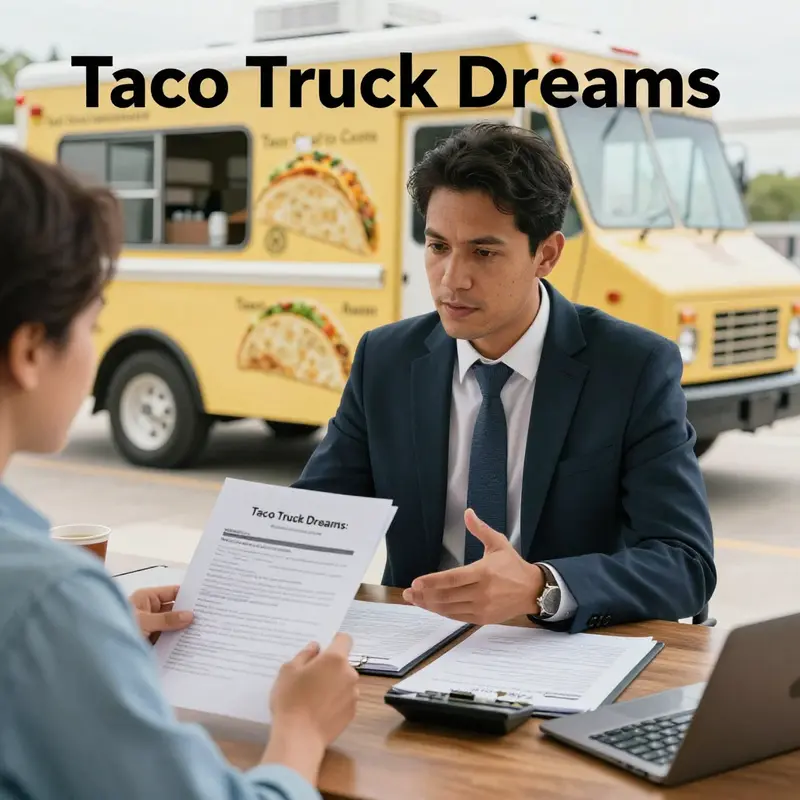
Insurance often feels like the quiet partner in a taco truck startup—present, essential, and easy to overlook until a claim arrives. In a mobile kitchen, risk travels with you. A dent in the truck, a burst water line, spoiled ingredients, or a claim of illness can derail plans faster than a missing permit. The cost of protection is not a single line item; it is a layered calculation that interacts with where you operate, how big your crew is, and what you decide to serve. For anyone plotting a launch, understanding this layer is not a luxury. It is a strategic choice that keeps your dream from becoming a debt spiral when the wheels start turning.
From a financial standpoint, the baseline is straightforward: most small food truck operations in the United States pay roughly between $1,500 and $3,000 annually for basic liability coverage. That band represents coverage for third-party injuries, property damage, and some food-related liability, but it is only the starting point. The exact premium you pay will hinge on a constellation of factors that accumulate over time, shaping your whole startup budget in ways you may not anticipate at first glance. The same premium that covers a minor fender-bender or a slip-and-fall claim can also become a buffer against a sudden equipment breakdown in the middle of a busy lunch rush. If you have ambitions to expand into multiple trucks or to operate in several neighborhoods, those ambitions also push premiums higher, reflecting the increased exposure that comes with scale.
Where you park your truck and how dense the foot traffic around your route might be are not cosmetic considerations. Location matters because urban cores, busy business districts, and high-visibility events heighten the likelihood of accidents, theft, or errors that lead to claims. Premiums in a bustling city block can be notably higher than in a quieter corridor, because exposure—the probability and potential cost of a claim—rises with more vehicles, pedestrians, and unpredictable interactions. This isn’t about fear; it’s about risk awareness and pricing that mirrors real-world exposure.
If your concept includes serving alcohol, the financial math shifts again. Liquor liability coverage is an add-on that protects against claims arising from alcohol service. It is not simply a permission to pour; it is a specialized risk product that recognizes the unique ways alcohol can heighten liability. The cost of liquor liability is layered on top of standard auto and general liability, reflecting the added risk. For operators who choose to keep this option open, it’s essential to understand that the price stretch is real, and it should be planned for in advance rather than discovered after a first event turns complicated.
Beyond liability, there are other core coverages that protect the practical engine of the business. Property insurance guards the kitchen equipment you rely on—grills, refrigeration, sinks, and prep surfaces. Commercial auto insurance is specifically for the vehicle that moves your kitchen to the next site, ensuring that a collision or theft doesn’t wipe out the entire venture. Workers’ compensation protects crew members if an injury occurs on the job, a consideration many lean startups may not initially anticipate but quickly realize when growth happens and staff numbers rise. Each of these lines adds a layer to the total insurance cost, and together they form the shield that keeps the business viable after a worst-case scenario.
These categories are not abstract. They translate into real, concrete decisions when you are crafting a startup plan. For instance, if you operate with a single owner-operator model and no employees, you might skip some workers’ compensation considerations initially, but as you bring on staff to scale service, the compliance and premium implications rise. If your truck carries premium equipment or specialized refrigeration, the property coverage becomes more critical and potentially more expensive. If you park and operate in a region with higher incident rates, both liability and auto coverage can reflect that risk with modest increases. Understanding how these factors interplay allows you to budget more accurately rather than reactively.
The process of obtaining a quote is more nuanced than a quick online form. While many insurers offer online capabilities, the most valuable insights often come from engaging with a provider who understands food trucks as a distinct risk class. An experienced broker can translate your menu, service area, crew size, and operating schedule into a package that covers the most likely scenarios without paying for what you do not need. It’s not only about price; it’s about right-sizing coverage so that a minor incident does not derail your entire operation. As you shop, gather details about vehicle type, engine size, and fuel type, the kind of equipment in the galley, whether you plan to serve alcohol, your typical service hours, and the geographic areas you intend to operate in. These data points help tailor a policy that aligns with your risk profile.
The value of ongoing policy management cannot be overstated. A policy you bought in year one may become too lean or misaligned as your business grows. It is prudent to review coverage regularly, particularly when you add new equipment, expand your menu, hire employees, or venture into new service zones. In the world of mobile food operations, risk is not static. A change in the number of events you attend, a shift in your staffing model, or even a different supplier set can alter your exposure in meaningful ways. Regular reviews provide a mechanism to adjust coverage before gaps appear, and before price changes catch you off guard. This is where a proactive approach pays off, turning insurance from a fixed expense into a dynamic ally that scales with your enterprise.
For those who want to ground these concepts in practical risk management, there is a useful body of guidance on safety and best practices for mobile kitchens. The best defense is a culture of prevention: meticulous food safety procedures, equipment maintenance schedules, and disciplined incident response plans. By investing in staff training and routine checks, you can reduce the likelihood and severity of claims, which, in turn, can influence premium costs over time. It is also worth noting that insurance is most effective when paired with a robust safety framework that reflects the realities of a truck-based kitchen—where space is at a premium, mobility is constant, and the flow of customers is highly variable. In other words, protection and prevention go hand in hand.
From a budgeting standpoint, the insurance line is not a negotiable expense in the sense of optional. It is a risk management strategy that protects both the assets and the cash flow of the business. For many aspiring operators who begin with refurbished or modestly equipped trucks, insurance can still be affordable when viewed through the lens of risk reduction and continuity. In practice, that means choosing a policy that covers the essential risks—liability, auto, and property—while thoughtfully evaluating the value of workers’ compensation and liquor liability based on planned staffing and service type. The aim is to avoid a scenario where a single accident or claim drains the startup’s capital, forcing costly repairs or, worse, closure. A well-structured policy gives you the confidence to bid for spots, negotiate with organizers, and commit to a schedule that builds a loyal following without compromising financial stability.
When you integrate insurance into the broader cost framework for starting a taco truck, you begin to see how the numbers you plug into your business plan are interconnected. The initial startup costs—vehicle, equipment, permits, and inventory—are only part of the story. Insurance adds a protective layer that influences both cash flow planning and risk posture. A lean operation might lean on lower premiums by maintaining rigorous maintenance routines, tight control over alcohol service, and careful site selection. A growth-minded operation may incur higher costs but reap the benefits of a more comprehensive risk shield as the brand expands. Either path is viable when informed by a clear picture of how premiums are shaped by location, coverage choices, and strategic decisions about staff and service offerings.
For readers seeking a broader perspective on insurance costs and types for food trucks, the National Restaurant Association offers detailed resources that illuminate industry norms and best practices. This external resource can be a valuable companion as you build your plan and negotiate with insurers. National Restaurant Association.
As you finalize your early-stage budget, remember that insurance is not a hurdle to clear and forget. It is a living component of your business model, one that should be revisited with your growth projections and operational tweaks. The right coverage protects your investment, your team, and your customers. It also gives you the steadiness to pursue opportunities—whether that means a regular weekend market circuit, a cooperative with other vendors, or private events. With a thoughtful approach to risk and a plan that aligns with your appetite for growth, you can keep the wheels turning and your operation thriving, even when the unexpected happens. You can also explore practical risk-management improvements that reduce exposure, creating a virtuous cycle where safer operations translate into lower premiums and more opportunities to scale.
To reinforce this point with a concrete example from the field, consider how risk-aware operators review their policies after major changes in their service model. They look at the impact of new equipment, new staff, or a shift to evenings and weekends when demand patterns differ. They incorporate those changes into updated quotes and adjust their budgets accordingly. The result is a startup that begins with a realistic protection plan rather than a shot in the dark, and a business that remains resilient as it grows. The path to a successful taco truck launch is not merely a matter of cooking great food; it is a careful balance of ambition, prudent risk management, and disciplined financial planning. Insurance, properly understood and managed, sits at the core of that balance.
From First Purchase to First Tasting: Mapping Startup Costs for a Taco Truck That Travels
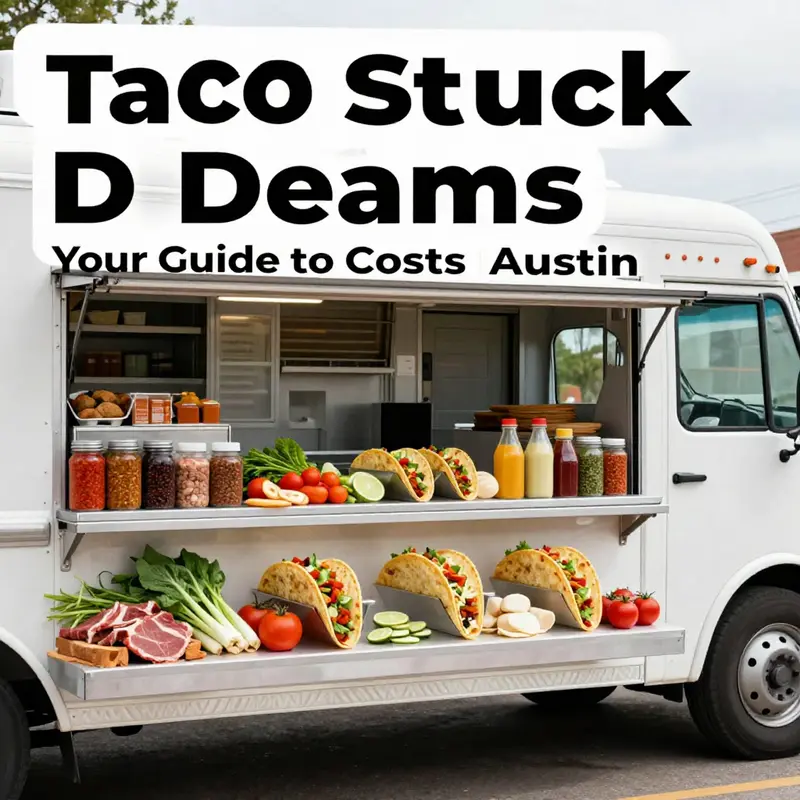
Launching a taco truck is as much about precision budgeting as it is about chasing bright spices and bold flavors. The figures that guide a practical startup aren’t just rough guesses; they map the path from a rolling kitchen to a sustainable business. In markets like Austin, estimates converge on a broad spectrum: total startup costs can span from roughly fifty thousand dollars up to a hundred fifty thousand or more, depending on how lean you start and how ambitious your equipment needs become. This range reflects fundamental choices that every aspiring operator must negotiate: whether to buy a used vehicle or a brand-new rig, how robust the kitchen setup should be, the speed at which permits and insurance are secured, and how much inventory you carry in those crucial early weeks. The starting point is simple to state, yet the effect ripples through every decision you’ll make later: your upfront investment sets the ceiling on what you can grow in the first year, and it shapes your ability to weather slow days, changing permits, or a few missteps in supply.
The vehicle is the first hinge. A used food truck typically lands somewhere between about twenty-five thousand and fifty thousand dollars, with more capable or better-conditioned units drifting higher. Some buyers end up paying toward the upper edge when they’re chasing a specific footprint, upgraded power systems, or more generous storage. A new truck, by comparison, can easily exceed six figures, driven by the costs of a modern chassis, compliant equipment packages, and the added assurance that comes with factory warranties. Those gaps matter because the vehicle is not only a transportation asset; it’s a core cooking space. Everything that follows—from the grill to the walk-in cooler to the sink configuration—often sits outfitted on or inside that chassis. And because a truck is a mobile business platform, its condition directly influences efficiency, downtime, and the quality of the food that is served on busy weekends or at crowded events. When you’re estimating, it helps to picture two paths in parallel: a prudent, budget-conscious option and a more expansive setup that anticipates rapid growth.
Equipment constitutes the next major line item. Essential kitchen gear—griddles, refrigerators, sinks, prep surfaces, a stove, and proper storage—adds roughly ten thousand to thirty thousand dollars. The exact total tracks with the size of your operation and the grade of equipment you select. If you’re refurbishing a used truck, you may reconfigure the layout and upgrade some components, which can lower upfront costs but may invite additional maintenance down the line. If you’re starting fresh with a new truck, you’ll likely see a higher outlay upfront, but you may gain efficiencies from newer energy systems, better insulation, and streamlined cleaning processes. The balance between cost and reliability is personal: some operators emphasize durability and ease of use, while others aim for a glossy, high-output setup that keeps pace with peak lunch-rush periods.
Permits and licenses are a steady, required cost that sometimes surprises first-timers with its local flavor. In cities like Austin, you’ll need a City food truck permit, a health department permit, and often a general business license. These regulatory steps matter not just for legality but for smooth operation. Expect permit and licensing costs to be in the ballpark of five hundred to two thousand dollars, depending on the jurisdiction and the exact scope of your operation. The paperwork is a one-time hurdle, but it does require careful timing; delays can push back launch dates and raise carrying costs during the first few weeks of activity.
Insurance is the shield that allows a dream to travel safely. Commercial vehicle and liability insurance typically runs between one thousand five hundred and three thousand dollars annually. The exact premium varies with vehicle value, coverage limits, and your driving record, but this cost is predictable enough to plan around. It’s easy to underestimate insurance, especially when you are financing a vehicle or when you operate at multiple events where the risk exposure can fluctuate. Including a cushion for insurance in your startup budget is prudent because it helps prevent the kind of cash flow crunch that can derail a month’s worth of planned sales.
Initial inventory and supplies round out the core upfront needs. The first stock of ingredients—tortillas, proteins, vegetables, spices, and the packaging materials that get you from grill to customer—typically runs between one thousand and five thousand dollars. The exact amount hinges on your menu breadth, supplier relationships, and whether you’re pursuing signature, high-margin items or a more streamlined, repeatable lineup. Early purchases should also cover basic consumables like napkins, to-go containers, utensils, and cleaning supplies. It’s easy to overlook these items in favor of the “showpiece” equipment, but they are the engine behind consistent service and repeat customers. A practical approach is to stage purchases in two phases: the critical kitchen needs to open the doors, followed by a small replenishment buffer that you can dip into if you encounter a busy week or a supply hiccup.
In many Austin stories, the path to a thriving taco truck starts with a lean, family-community model that scales gradually. Entrepreneurs begin with refurbished trucks and a carefully chosen equipment package, then reinvest the early profits to upgrade spaces, expand the menu, and improve efficiency. The mobility of a food truck—its ability to move to where the customers are, rather than waiting for diners to come to a fixed location—often reduces overhead compared to a traditional restaurant. This mobility becomes part of the value proposition: the flexibility to attend seasonal celebrations, pop-up markets, or high-traffic food events without committing to permanent real estate. Each new gig can help justify a larger investment later, but the strategic question remains: how much capital does it take to reach the first tipping point—the moment when daily sales cover all ongoing costs and begin to generate a modest profit?
To illuminate that point, consider a practical, direct path to budgeting. Start with a base scenario: an affordable used truck at about thirty thousand dollars, a modest but reliable equipment package totaling around twelve thousand, permits at roughly one thousand, and insurance near two thousand per year. Add initial inventory around three thousand, plus a contingency of a few thousand for branding, initial marketing, and minor repairs during the first weeks. In this lean frame, the upfront investment hovers near sixty thousand dollars, with a reserve cushion that can push the total toward the mid-sixties. If you choose a more robust route—new truck, premium equipment, and a more aggressive launch schedule—the number quickly climbs toward the upper end of the spectrum, potentially surpassing one hundred thousand dollars before you even start regular operations. That escalates the risk but also the potential scale of early revenue, and it demands a disciplined plan for cash flow, event booking, and supplier terms.
The numbers matter not only for the wallet but for the narrative of your business. A careful layman’s estimate can prevent misalignment between what you want to create and what you can responsibly invest. It also frames the conversation with lenders or investors, who will want to see both a realistic capital requirement and a clear route to cash flow positivity. In practice, many owners begin with a conservative estimate, then adjust after a few months of operating data. A practical way to keep this honest is to build a simple financial plan that projects food cost, portion yield, and sales volume against your fixed and variable costs. A robust budgeting mindset also includes setting aside a reserve for operating expenses during the first few months—a cushion of three months is commonly recommended in small-business guidance. This buffer can cover unexpected rent, fuel, maintenance, or a slow week while you scale your customer base.
If you’re curious about how equipment configurations influence overall cost and taste, a look at the broader landscape of taco truck models can help. For an overview that highlights how different layouts support volume and efficiency, see top taco truck models for culinary success. The point is not to chase a specific model but to understand how layout choices shape prep time, service speed, and the customer experience, all of which feed back into your cost structure and pricing strategy. With that perspective in hand, you can tailor your initial purchase to the realities of your market, your skill set, and your long-term goals.
As the planning unfolds, keep in mind that the numbers above are starting points, not fixed rules. The local regulatory environment, the availability of skilled labor for setup, access to dependable suppliers, and the pace at which you can book events all influence the ultimate cost-to-start. The broader lesson is straightforward: your startup cost is not merely a price tag; it’s the foundation of your operation’s resilience and its potential for growth. A thoughtful, staged approach—choose a lean vehicle and equipment package, secure permits early, protect cash with a reserve, and plan for incremental upgrades—often yields the most sustainable path to success. That approach aligns with the experiences shared by many operators who began with modest budgets and grew through disciplined reinvestment, careful menu design, and relentless attention to service quality. The journey from first purchase to first tasting is rarely a straight line, but with a clear cost map, you can chart a course that keeps flavor at the forefront while protecting the business you’re building.
External resource: https://www.sba.gov
Final thoughts
Starting a taco truck in Austin is an exciting culinary venture that blends passion with potential. From vehicle purchases to the vital permits and insurance, attention to each detail ensures your path is both smooth and satisfying. Now that you have a comprehensive understanding of the costs involved, it’s time to craft the perfect taco truck experience that reflects the heart and soul of Austin’s food culture. Are you ready to bring your taco dreams to life?

