

Taco trucks have become a beloved staple for busy professionals, foodies, and event planners seeking vibrant flavors on-the-go. But how healthy are those tantalizing tacos? With a mix of savory fillings, fragrant herbs, and fluffy tortillas, it’s easy to enjoy a healthy taco truck experience. In this immersive journey, we’ll dissect the nutritional aspects, key ingredients, healthier iterations, and cooking methods that shape the taco truck diet. Whether you’re craving traditional carne asada or veggie-loaded delights, we’ll guide you to make informed decisions that align with your health goals.
Beyond Flavor: Unpacking the Nutritional Truths of Taco Truck Tacos

Taco truck tacos sit at the crossroads of quick, comforting flavor and daily dietary choices. They tempt with bright, zesty toppings and the convenience of a meal that travels with the street. Yet the question of whether they are healthy is not a single yes-or-no verdict but a spectrum shaped by ingredients, preparation methods, portion sizes, and the context of an overall diet. When we talk about street tacos, there is real variety beneath the colorful shells and aromatic salsas. Some offerings are built around crisp vegetables, lean proteins, and corn tortillas; others lean on fried components, dense toppings, and salted condiments that can push calories and sodium higher. The healthfulness of taco truck fare, then, hinges on choices made in the moment and a broader pattern of eating throughout the week. A single taco, enjoyed mindfully, can be part of a balanced diet; a basket of fried tacos, a pile of cheese-laden toppings, and a heavy sauce can quickly tilt a meal away from healthful goals. The nuance matters as much as the flavor, especially when street meals become a regular habit rather than an occasional treat.
The nutritional landscape of taco truck tacos becomes clearer when we zoom in on the typical components that drive calories and nutrients. A common reality is that a lot of emphasis is placed on taste and convenience rather than on sustainable nutrition. The result is a meal that can be dense in calories and fats or, with careful ordering, surprisingly balanced with lean proteins, vegetables, and fiber-rich tortillas. A useful data point from the broader research landscape is the nutrition profile of a dry mix used in some taco pack offerings. A standard serving—three tablespoons of such a dry mix—delivers around 60 calories with a macronutrient distribution of roughly one-third carbohydrates, about 15 percent fat, and a little over half protein. That protein dominance reflects the fact that processed seasoning blends can be high in protein relative to total calories because they typically contain flavor enhancers, salt, and spices rather than large fat contributions. But this snapshot has its limits. It does not account for what happens in a full order, where cheese, sour cream, fried shells, and fatty meats often join the mix. The same recipe that shows a relatively lean protein ratio can still become a high-calorie meal once the chef adds layers of cheese, cream-based sauces, and fried components.
This disparity between a processed blend’s profile and a final plate is a central theme in evaluating taco truck healthfulness. In other words, the math of a single product does not automatically translate to the math of a complete meal. The same 60-calorie dry mix can become part of a dish that pushes the calorie tally into a higher range if cheese and fried shells are added, or it can remain comparatively modest if the preparation emphasizes fresh vegetables, grilled proteins, and lighter toppings. The essential question, then, is not simply “how many calories?” but “what does the meal look like when served?” and “how does it fit into the day’s overall energy intake, nutrient balance, and dietary goals?.” In this sense, the healthfulness of taco truck fare is less about absolutes and more about mindful assembly.
That mindful assembly is the gateway to healthier choices on the street. A straightforward strategy is to favor whole, minimally processed ingredients wherever possible. Lean proteins such as chicken or fish, when grilled or seared rather than fried, deliver valuable protein without excessive saturated fat. Fresh vegetables—crisp lettuce, tomatoes, onions, cilantro, and shredded cabbage—provide fiber, vitamins, minerals, and the kind of satiety that helps manage appetite. Choosing corn tortillas over flour tortillas is a practical, widely recommended tweak because corn tortillas tend to be lower in calories and higher in fiber, while still offering a satisfying chew. The more vegetables and the fewer heavy toppings you add, the more a taco becomes a balanced bite rather than a calorie-dense indulgence. In this approach, every bite becomes a micro-conversation with health: you narrate your own meal by selecting the components that support energy, fullness, and nutrient variety rather than simply chasing the strongest flavor hit.
The potential for healthful texture and taste is not limited to traditional fillings. Contemporary culinary trends have introduced plant-forward options that align well with wellness goals. One prominent example is using cauliflower as a meat substitute in taco preparations. Cauliflower has a dense texture when roasted or grilled, which can mimic the chewiness of carnitas or the crispness of certain fried fillings when prepared with the right technique. Beyond texture, cauliflower brings meaningful nutritional benefits. It is relatively low in calories per volume and rich in dietary fiber, which supports digestion and fullness. It also supplies vitamins such as C and K and acts as a source of antioxidants that are increasingly valued in modern eating patterns. The appeal of cauliflower tacos lies in their ability to honor traditional Mexican flavors—taco spicing, zesty salsa, lime, and cilantro—while tapping into contemporary wellness trends that favor fiber-rich, vegetable-forward meals. This alignment between familiar flavors and modern nutrition can make healthier street options feel like natural extensions of a beloved cuisine rather than a hard compromise.
In practical terms, adopting healthier taco truck choices involves a few clear and repeatable decisions. Prioritize whole-food ingredients over highly processed components. Lean proteins such as grilled chicken or fish offer a reliable protein punch without excessive saturated fat. When in doubt, ask for extra veggies and for sauces on the side so you can control portions. This approach also invites a more dynamic eating experience: you can customize the flavor with herbs, salsas, and fresh lime without tipping the nutritional balance toward overload.
Salsa, in particular, emerges as a pivotal element in both flavor and nutrition. Salsa options can elevate a dish with vibrant taste while adding meaningful micronutrients like vitamin C from tomatoes and chilies, plus antioxidants from herbs and spices. However, many street salsa choices can also contain high amounts of sodium, especially when combined with other heavy toppings. The better practice is to select salsas that emphasize fresh ingredients and to use them judiciously. For instance, choosing a salsa that relies on chopped vegetables, herbs, and peppers rather than heavy cream or mayo-based bases can help maintain a lighter profile. And it is worth noting that a well-made salsa can boost satiety without adding excessive calories, making it a smart ally in a healthier taco plan. For those who want to explore practical guidance on salsa selection, the concept of “Choosing the right salsa for tacos” provides a useful framework for balancing flavor, texture, and nutrition. Choosing the right salsa for tacos.
Another dimension that shapes the health profile of taco truck meals is portion size. Even when ingredients are relatively wholesome, large portions of tortilla, meat, and cheese can accumulate calories quickly. A practical approach is to visually estimate portions and aim for a meal that emphasizes vegetables and lean protein in a ratio closer to balance. In many street-cart contexts, two small tacos with generous vegetables and a lean protein can yield a satisfying, nutrient-dense meal without tipping into excess. If one or more of the components is fried or heavily cheese-laden, reducing the number of tacos, or choosing a lighter representation of those toppings, can restore a more balanced profile while preserving the culinary experience.
To anchor these ideas in a more concrete frame, consider how a complete street meal compares to a home-prepared version. A homemade version of a seared pork taco with fresh veggies—tender pork, onions, cilantro, tomatoes, and a modest amount of cheese on a corn tortilla—can be described as flavorful and healthful when portioned sensibly and served with a generous vegetable complement. That description reflects the essence of a healthy taco Tuesday: a meal that leverages the tenderness of meat with the brightness of herbs and vegetables, while keeping fats moderate and fiber content steady. In contrast, a dish that leans heavily on fried proteins, creamy dressings like sour cream or mayonnaise-based sauces, and thick shells naturally climbs in calories and fat. The contrast between these two paths illustrates a broader truth: healthful potential exists in taco truck fare, but it is not automatic. It arises from a mindful approach to ingredients, preparation methods, and portioning that honors both flavor and nutrition.
From a broader public health perspective, this nuanced view aligns with how nutrition science generally evaluates fast and street foods. The same foods that can contribute to a well-rounded diet when chosen thoughtfully may, if selected unwisely, contribute disproportionally to daily sodium, fat, or energy intake. Moderation, variety, and balance are the guiding principles. The overarching implication for readers who enjoy tacos from trucks is not to abandon this beloved format but to sharpen the lens through which meals are chosen and assembled. By integrating lean proteins, vegetables, whole-grain tortillas, and careful sauce choices, a taco truck meal can be part of a diverse and healthful eating pattern. In this sense, the street becomes not just a venue for flavor but a site for practicing practical nutrition in real time.
For readers who want to connect these ideas to actionable choices, the next steps lie in applying a few simple habits. First, seek out grilled or steamed fillings rather than fried options. Second, ask for extra vegetables and request less cheese or sauce to trim excess calories while preserving texture and taste. Third, favor corn tortillas when available, both for the lower calorie count and for the higher fiber profile relative to refined flour. Fourth, lean into fresh toppings—onions, cilantro, lettuce, tomatoes, and peppers—that add volume and nutrients without piling on calories. And fifth, when experimenting with plant-forward options, embrace cauliflower-based fillings or other vegetable-forward preparations that can provide satisfying chew and a complex, savory flavor profile that echoes traditional carnitas or fish without regular reliance on high-fat components. In the end, the healthfulness of taco truck tacos is a function of choice, preparation, and restraint as much as of tradition and taste.
As you move through the day or the week, these decisions can accumulate into meaningful outcomes. A single healthier taco, enjoyed without guilt and paired with a balanced lunch or dinner, can contribute to a varied diet that supports energy, satiety, and nutrient intake. A regular habit of mindful ordering—favoring fresh produce, lean proteins, and whole-food components—can translate street-food pleasure into a sustainable part of a health-conscious lifestyle. The key is to carry the understanding that flavor and nutrition are not opposing forces but complementary elements of a cuisine that has long celebrated vibrancy and community. When that realization sinks in, taco night on the curbside becomes less about sacrifice and more about a flexible, flavorful approach to nourishment.
External resource: https://www.hsph.harvard.edu/nutritionsource/foods-and-drinks/cauliflower/
From Tortillas to Toppings: An Ingredient-Driven Look at the Healthiness of Taco Truck Tacos
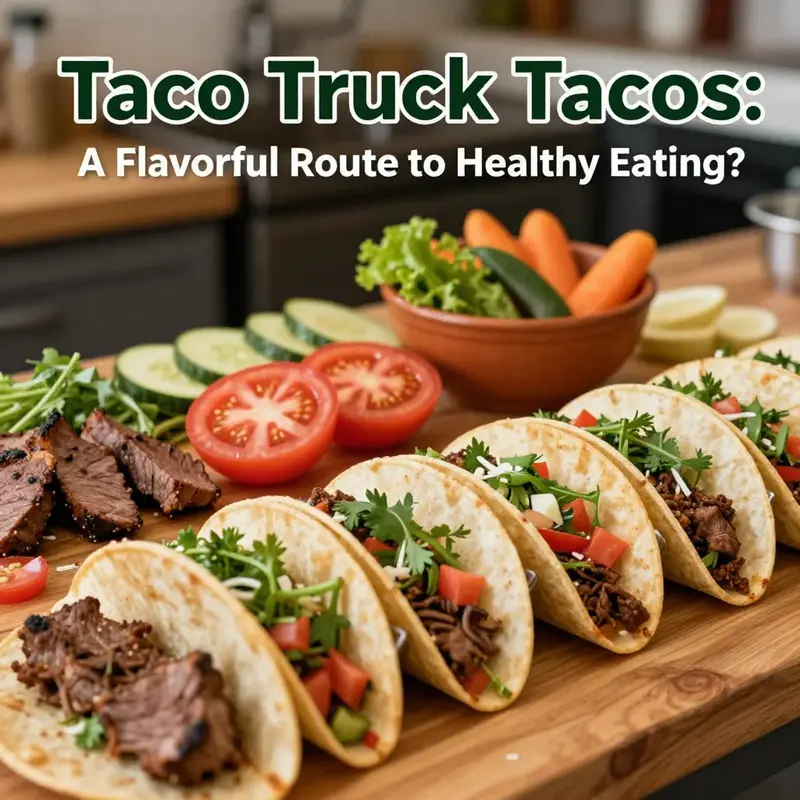
In the world of street food, the taco truck stands as a mobile promise of quick pleasure and bold flavor. Yet for anyone trying to thread health into a busy week, the question often returns: are taco truck tacos healthy? The honest answer depends less on the name of the vehicle and more on the ingredients that ride inside it. Health is rarely a single item on a menu; it is the sum of carbohydrates, protein, fats, and fiber, tempered by portion size, preparation method, and the presence of vegetables and spices. When a taco truck can balance these elements, it offers a meal that is nourishing as well as satisfying. When it leans toward deep-fried fillings, heavy sauces, and high-sodium toppings, the same dish becomes a reminder that convenience can come at a nutritional cost. The key to understanding healthiness at a taco truck is to follow the thread of ingredients through the bowl or tortilla and to see how each choice shifts the balance toward or away from wholesome eating.
The carbohydrate foundation of a taco matters more than most people realize. The tortilla is not just a wrapper; it is a primary source of energy, fiber, and sometimes micronutrients. Tortillas made from whole grains or those enriched with legumes like black beans or pinto beans deliver complex carbohydrates and fiber that slow digestion, help maintain steady blood sugar, and contribute to fullness. In contrast, refined flour tortillas provide simpler carbohydrates with less fiber, which can lead to quicker hunger cues after a meal. Beyond the tortilla, the choice of beans themselves can be a strong health signal. Beans contribute protein and fiber, and they often carry a stable, plant-based fat profile that supports satiety and gut health. When a taco truck uses these options, the meal becomes more than a quick bite; it becomes a balanced plate that respects energy needs without overloading calories in a single sitting.
Protein choices on a taco truck carry similar importance. Lean proteins such as grilled poultry, seafood, or lean cuts of pork deliver essential amino acids with fewer saturated fats when prepared without heavy sauces. Tofu or other plant-based proteins can broaden options for vegetarians or those seeking lower saturated fat. The concern arises when heavier, fattier cuts or processed meats slip into the lineup. High-fat meats can raise the calorie count and increase saturated fat and sodium levels, potentially tipping a meal from balanced to indulgent in ways that are easy to overlook in the moment of flavor excitement. A well-built protein strategy on a taco truck can support muscle repair, satiety, and energy balance, all while keeping the plate light enough to be enjoyed without residual heaviness.
Fats deserve careful attention too, because they influence both flavor and health outcomes. The inclusion of avocado or a light guacamole adds heart-healthy monounsaturated fats and a creaminess that reduces the need for heavier toppings. Cooking oil used to sauté vegetables or sear meat also contributes fats, and the type and amount of oil matter. It is possible to reduce excess fat by asking for oil-light preparations or by choosing toppings that provide healthy fats in moderation. However, the temptation of cheese and sour cream is real; these toppings can pack calories and saturated fat quickly, especially when used generously. A practical approach is to prioritize avocado or a modest sprinkle of cheese rather than heavy dressings, and to savor the fats as a flavor accent rather than the main vehicle of the dish. In this way, the Taco once again becomes a vehicle for nourishment, not just indulgence.
Fiber, the often-underappreciated partner in a healthy meal, is most reliably found in vegetables and beans. Crisp lettuce, juicy tomatoes, zesty onions, and a handful of cilantro can transform a taco from a simple protein delivery into a nutrient-dense, colorful plate. Fiber improves digestion, contributes to fullness, and supports long-term metabolic health. Yet fiber is frequently the first thing skipped or replaced with more calorie-dense fillings. The best taco trucks make room for a generous array of vegetables, which can also provide a spectrum of micronutrients and antioxidants that support immune function and overall well-being. In practice, this means choosing a vegetarian topping option or a combination that emphasizes vegetables alongside lean proteins, not a scant garnish that leaves the plate feeling undernourished after the first bite.
A brief nod to sodium and flavor enhancers is essential. Street foods thrive on bold seasoning, and salt helps build that appeal. That same salt load, however, can add up quickly, especially when sauces, pickled onions, and preserved toppings are involved. Excessive sodium is a concern for people managing blood pressure or those seeking to reduce cardiovascular risk. The savvy eater can counterbalance this by selecting fresh vegetables, requesting sauces on the side, and opting for lighter dressings. The garlic, lime, cilantro, and chili that often accompany a taco truck order can deliver excitement without tipping the scale toward excess sodium if used with awareness. It is also worth noting that fresh herbs and bright acids can amplify flavor without adding calories, letting the eater savor bold profiles without the risk of overdoing fats, sugars, or sodium.
With these components in mind, a simple framework emerges for healthier taco truck choices. First, prioritize whole-grain tortillas or tortilla-based dishes that incorporate beans or other fiber-rich components. Second, lean proteins should take center stage, with the option to add plant-based proteins where available to diversify the amino acid profile and reduce saturated fat. Third, favor toppings that bring fiber and micronutrients to the plate—fresh vegetables, herbs, and moderate amounts of healthy fats like avocado. Fourth, minimize reliance on high-sodium condiments and heavy dairy sauces; when possible, ask for sauces or dressings on the side to control portions. Fifth, balance the plate to avoid one-ingredient dominance; even the most flavorful taco can become a nutrition challenge if it relies on a single high-calorie component without counterbalancing vegetables and beans.
These guidelines naturally invite a reflection on the broader context of health and eating patterns. It is not just about choosing one healthy item at a time but about how a meal fits into a day or a week. A single taco truck meal that checks many boxes—vegetables, fiber, lean protein, and moderate fats—can be a credible part of a balanced diet. The temptation to view street food as inherently unhealthy can overshadow the truth that, when mindful choices are made, street cuisine can exist comfortably within a healthful eating pattern. Moderation, of course, remains the watchword. A couple of small tacos with vibrant fillings can be preferable to a large plate with overlapping layers of fat and salt. And when a person eats at a taco truck, the total daily intake across meals matters more than a single popular lunch. The same logic applies to other fast-casual options; health is a pattern, not a moment.
In contemplating the healthiness of taco truck tacos, it becomes clear that preparation methods can shift a dish from pleasure to potential risk. Frying, heavy cheese, and creamy sauces can add calories, saturated fat, and sodium quickly, transforming a meal into a high-density option that may crowd out other nutrients. Conversely, grilling, steaming, and the use of fresh vegetables can magnify the positive aspects of the choice. This is not an absolutist verdict against indulgence but a practical invitation to smarter ordering. For those who want to make this point tangible, a couple of concrete steps work across most trucks. Opt for grilled fillings rather than fried; choose corn tortillas or whole-grain wraps when available; load up on vegetables rather than sauces; and ask for sauces and cheese on the side so you can moderate intake. These moves do not strip the dish of its personality; they preserve the integrity of its flavors while elevating its nutritional profile.
To ground this discussion in a framework for decision-making, consider the core literature that maps the nutrient profiles of typical taco ingredients. Tortillas, beans, meats, and avocados each carry distinct nutrient signatures, and the balance among them shapes overall health outcomes. The carbohydrate contribution from tortillas is not merely about calories; it is about the quality of the carbohydrate and its fiber content. Protein sources influence satiety and muscle maintenance, while fats contribute to flavor and energy density. Fiber, in turn, anchors digestive health and helps regulate appetite. The interplay among these components is what ultimately determines whether a taco truck meal supports a nutritious diet or contributes to excess calories and unhealthy fats if mismanaged. For people seeking empirical context, the USDA FoodData Central serves as a reliable resource for nutrient data on tortillas, beans, meats, and avocados, offering detailed insights into portions, macro-, and micronutrient contents that inform smarter choices on the curbside menu.
In practice, the dishes that emerge from a taco truck can be both delicious and nourishing when framed by this ingredient-focused lens. A seared pork or chicken taco paired with fresh lettuce, tomatoes, onions, and cilantro, wrapped in a corn tortilla, and topped with a modest amount of avocado can be described as a balanced plate. The pork example mentioned in research contexts—described as tender and flavorful with a bright vegetable topping—illustrates how the right ingredient mix can create a satisfying meal that aligns with health goals. The same principle applies across other protein options, including fish, lean beef, or plant-based proteins, each paired with vegetables to maintain volume, fiber, and micronutrient variety. This approach respects the culinary identity of taco truck fare—the interplay of spice, texture, and brightness—while ensuring that nourishment remains central rather than incidental.
One practical way to explore healthfulness without sacrificing flavor is to treat tacos as a vehicle for vegetables. A taco loaded with peppers, onions, cilantro, shredded lettuce, and fresh salsa delivers color, texture, and flavor while expanding the volume of the meal without a proportional increase in calories. The salsa, in particular, can be a bright, flavorful addition that contributes vitamins and antioxidants with minimal calories, provided it is not loaded with high-sugar add-ins or heavy oils. The salsa also embodies how a single component can shift the overall health profile: a bright, tomato-based topping with herbs and a touch of citrus provides acidity and brightness that heightens satisfaction while preserving balance.
For readers who want to apply these ideas to real-world order decisions, a practical reminder is to treat the ordering process as a moment of nutritional negotiation. If the vendor allows customization, lean on vegetables as the default, request lean cuts, and be vocal about seasoning. A simple ask—less cheese, more fresh vegetables, and salsa on the side—can yield a meal that is both satisfying and measured in calories and fat. The social and cultural appeal of taco trucks—their communal atmosphere, shared plates, and dynamic flavors—need not be relinquished in the name of health. Instead, health can be woven into the experience by making deliberate ingredient choices and savoring the process as a mindful, flavorful practice rather than a rushed, indulgent exception.
The broader take-away from this ingredient-centric view is both practical and hopeful. The healthiness of taco truck tacos is not a fixed property tied to a single item on the menu but a feature that emerges from how ingredients are chosen and combined. The core components—carbohydrates from tortillas, protein from lean sources, fats from avocado and controlled dairy or oils, and fiber from vegetables and beans—form a spectrum. In this spectrum, the most healthful meals are those that emphasize whole-food components, moderate portions, and a balance that favors satiety and nutrient density. If a taco truck can offer even a few options that align with this framework, it positions street food as a viable part of a health-conscious lifestyle rather than an outlier on the plate.
The conversation about health and street food also invites a broader professional perspective: the practical tasks of kitchen workflow, menu design, and vendor education. When truck operators understand how ingredient choices translate to nutrition outcomes, they can tailor menus to public health needs without sacrificing flavor or efficiency. Customers, in turn, benefit from clarity: a dependable, transparent line between what goes into a dish and how it supports daily nutrition. This alignment between producer and consumer, mediated by the ingredients themselves, is how a tacit cultural romance with street food can evolve into a thoughtful, health-aware practice. The result is not a sterile diet plan but a living, evolving food culture that honors taste, convenience, and well-being in equal measure.
To readers who want to delve deeper into the nutritional profiles behind these choices, consider consulting comprehensive nutrient data for common taco ingredients. The USDA FoodData Central offers nutrient data that can illuminate the concrete differences between a corn tortilla and a flour tortilla, lean chicken versus fatty cuts, avocado versus high-fat sauces, and the fiber contribution of beans and vegetables. This resource provides the empirical backbone that supports the everyday decisions made at the curbside and helps translate flavor into meaningful nutrition guidance. For a practical, shop-floor reference, another helpful step is to explore content about salsa selection and how different preparations influence overall health and satisfaction on a busy eating day. A thoughtful choice of salsa can amplify taste while contributing minimal calories when balanced with other ingredients. As you navigate menus and street-food stalls, this ingredient-centered approach can help you savor the experience and protect your health at the same time.
In closing this chapter, the healthiness of taco truck tacos rests on a triad of choices: the tortilla, the protein, and the toppings. When these elements are selected with an eye toward whole-food components, lean protein, and fresh vegetables, the result is a meal that respects energy needs, supports satiety, and delivers flavor without excess. The real power lies in small, intentional decisions—choosing a whole-grain or bean-based tortilla, prioritizing lean proteins, piling on vegetables, moderating fats, and keeping dairy sauces modest. In this way, the vibrant, social, and delicious experience of taco trucks can align with a practical, evidence-informed approach to healthier eating. And for readers seeking actionable links to related ideas and deeper dives on the subject, a related resource on the topic of salsa and taco ingredients offers further context on how separate components contribute to a balanced plate. For more on the topic of salsa choices and how they can influence health outcomes, check the article linked here: Choosing the Right Salsa for Tacos. Additionally, for broader nutritional data and comparison across common ingredients, the USDA’s detailed nutrient database provides the empirical foundation that informs these everyday decisions.
External resource: For detailed nutritional insights into common taco ingredients, refer to the USDA FoodData Central at https://fdc.nal.usda.gov/.
Healthy on the Street: Crafting Nutritious Taco Truck Tacos Without Sacrificing Flavor
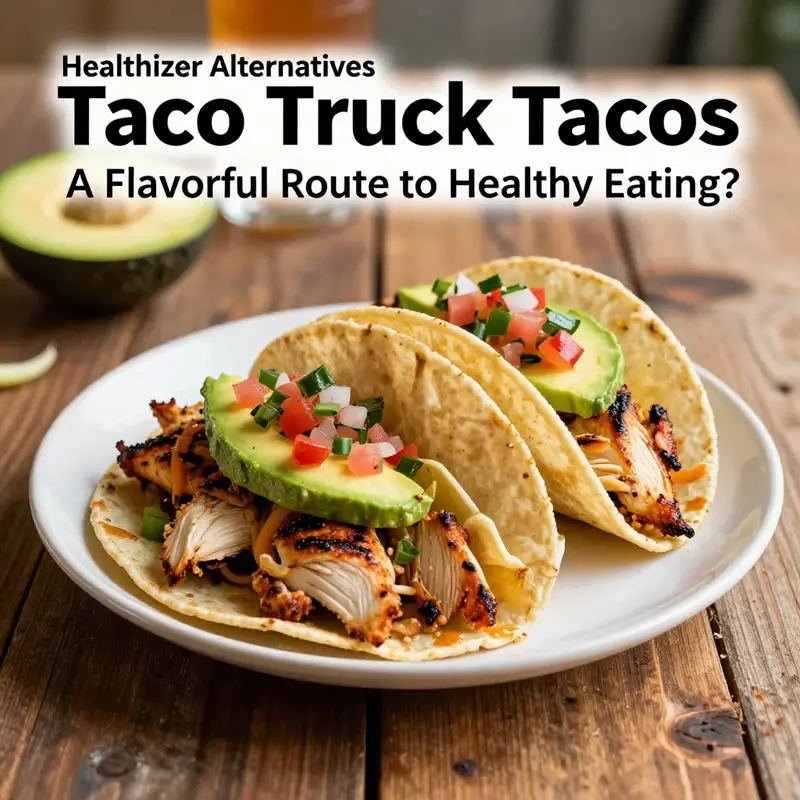
A line of steam and sizzling sound marks the arrival of a taco truck, and for many, the moment becomes a decision about health as much as a moment of hunger. The street-food promise is immediate: bold flavors, quick service, and a meal that fits the rush of a busy day. But health, too, can be part of that promise, not as a distant goal but as a practice baked into the choice of ingredients and how they are prepared. The question, then, is not whether every taco truck taco is healthy, but how a diner can navigate a myriad of options to assemble a meal that satisfies waistline goals and taste buds alike. It is possible to experience the vibrant, satisfying experience of street tacos while keeping portions reasonable, fat types cleaner, and vegetable content generous. The framework for this balance rests on three intertwined decisions: the protein at the center, the tortilla that carries it, and the vegetables and toppings that round out the plate. When read together, these choices demonstrate that health and street-tome flavors are not mutually exclusive but can coexist in a single, satisfying mouthful.
Lean protein stands at the heart of a healthier taco. This is not a moral imperative but a practical one: protein fuels fullness and helps preserve muscle mass, especially for people who rely on street meals as a frequent or habitual option. Grilled chicken and carne asada, often offered by taco vendors, are examples of lean proteins that deliver substantial protein with relatively moderate energy density. The key is how the protein is prepared. A simple sear with a light brush of oil and a peppery, citrusy, or smoky marinade can boost flavor without stacking calories. By contrast, frying a protein or coating it in heavy batter markedly increases calories and fat, shifting the meal away from a balanced choice. When protein choices skew toward grilling or steaming instead of frying, the plate becomes both more satisfying in the short term and more sustainable in the long term, because it contributes to appetite control rather than an immediate post-meal heaviness. The goal is not to deprive the palate but to invite it to savor the meat’s true character—the tenderness, the interaction with herbs, the way a quick char enhances aroma—without inviting excess fat or salt.
Tortilla choice serves as a second essential hinge in the health equation. The vehicle matters as much as the filling because tortillas provide the base that carries the entire flavor profile and contributes to the meal’s overall energy and fiber. Whole-wheat or corn tortillas generally offer a healthier profile than flour varieties, which are often higher in calories and lower in fiber. Corn tortillas, in particular, bring a modest calorie count while contributing dietary fiber and minerals, when made from traditional masa. The fiber not only helps with digestion but also moderates blood sugar spikes after a meal, which can be especially relevant for people balancing energy levels during a workday or a busy schedule. When possible, choosing a corn tortilla aligns with a practical approach to everyday health, because it supports a healthier baseline without demanding dramatic changes in taste. If a specific tortilla is not an option, a smaller portion or a soft-tortilla alternative can be a reasonable compromise. The idea is to blend texture and flavor with responsible portioning, so the tortilla remains a supportive carrier rather than a source of excess calories.
Where health begins to feel tangible is in the vegetables, the third leg of the stool that anchors taco meals in real, fresh nutrition. A generous bed of crisp lettuce, juicy tomatoes, pungent onions, and bright cilantro introduces volume and freshness without piling on problematic fats. Fresh vegetables contribute a notable array of micronutrients, antioxidants, and plant-based fibers that help regulate digestion and promote satiety. When the vegetables are allowed to shine, the taco becomes more balanced, less greasy, and more satisfying over time. The same vegetable-forward approach can extend to toppings, which often transform a simple taco into a calorie-dense meal. Consider incorporating fresh pico de gallo, salsa verde, or a squeeze of lime as major flavor contributors that require little to no added fat. By prioritizing vegetables, a taco can offer a robust flavor profile—zesty, bright, and complex—without sacrificing dietary goals. The interplay between the heat of the peppers, the brightness of the cilantro, and the acidity of the tomato gives a sense of fullness that can reduce the need for heavy toppings and sauces.
Toppings deserve careful attention because they can swing a meal from balanced to indulgent in a single mouthful. Cheese and sour cream are traditional standbys that deliver creaminess and richness but also add substantial saturated fat and calories. A pragmatic strategy is to minimize these higher-calorie toppings and to lean toward lighter, flavor-forward alternatives. Pico de gallo, a light salsa, or salsa verde contribute depth and brightness without tipping the energy balance. A squeeze of lime brings brightness that can lift flavors and reduce the need for additional salt or fatty dressings. Guacamole, while delicious and nutritious in moderation, should be used with awareness of portion size, as it can be calorie-dense due to its healthy fats. In many cases, simply tailoring toppings at the source—asking for extra vegetables and less cheese or sauce—can yield a meal that remains satisfying while delivering more nutrients per bite. The art lies in balancing the richness of the fillings with the crisp, clean notes of vegetables and fruit acids that refresh the palate.
Health at a taco truck also hinges on mindful selection of cooking methods and ingredient quality. A truck that emphasizes grilled, seared, or steamed fillings avoids the extra calories and fats associated with deep frying or heavy oil. The cooking method matters as much as the ingredients themselves because it shapes the meal’s immediate aftereffects: a lighter, cleaner finish that leaves the eater energized rather than weighed down. Salt is another factor to consider, especially in street foods where flavor can come from bold seasoning and sauces that are high in sodium. Asking for sauces on the side, or opting for lighter dressings and salsa, can help manage sodium intake without compromising flavor. This is particularly relevant for people who monitor blood pressure or fluid balance, or who simply want to avoid post-meal discomfort that can accompany highly salted meals. The broader takeaway is that healthful choices at a taco truck are not about rigid rules but about a mindful approach to three interfaces: protein, tortilla, and produce. Each choice feeds into the next, and together they form a meal that feels both indulgent and prudent.
The practical act of ordering becomes a moment of negotiation between taste and health. It is a negotiation that, when done well, yields a meal that delights the senses while supporting ongoing wellness. One approach is to think of the plate as a balanced whole rather than a collection of separate items. A single taco with lean protein, a corn tortilla, and a generous handful of vegetables offers a balanced flavor profile with a moderate energy load. If two tacos feel more satisfying, pairing them with a side of vegetables or a light salsa can help maintain balance. The measure of success is not simply the absence of guilt after a bite but the presence of satisfaction that endures beyond the meal. In this light, a healthy taco is about sustainable choices that can be repeated throughout the week, not a one-off experiment, and the street can be a place where healthy habit formation begins as easily as it ends in a craving for something fried.
The narrative of health at taco trucks also intersects with the responsibilities and realities of street food culture. Vendors often operate with tight margins and fast-paced service, which can influence ingredient selection and preparation practices. Yet the same constraints can foster innovation: lean protein options can be emphasized, fresh vegetables can be offered as standard, and chefs can refine marinades and seasonings to maximize flavor without resorting to heavy fats. The result is a system where healthful eating becomes accessible rather than exceptional. A thoughtful vendor can invite patrons to customize, keeping core options like grilled chicken or carne asada, corn tortillas, and vegetables readily available, while offering lighter sauce choices. In this way, the taco truck ecosystem can model practical healthy eating in a way that feels organic and enjoyable, rather than prescriptive or punitive.
For readers who want a broader framework beyond individual meals, it helps to view street-food health through the lens of established nutrition guidelines. The idea is not to chase perfection in every bite but to create patterns that are sustainable across meals and days. MyPlate recommendations emphasize balancing portions, choosing varied vegetables, and moderating portions of higher-fat condiments. By aligning taco-truck choices with these principles, one can enjoy the sensory pleasures of street food while keeping a steady course toward diet quality. To extend this perspective, readers can consult general guidance that translates the plate model to on-the-go eating, offering a practical way to apply nutrition science to real-world dining occasions.
The layered strategy described above is not only about reducing calories; it is about building a meal that sustains energy, supports satiety, and fosters a positive relationship with food. The pleasure of a well-made street taco rests in these elements—the texture of a warm tortilla, the aroma of seared meat, the brightness of fresh herbs, and the crisp snap of vegetables. When these experiences are balanced with mindful choices, the result can be a satisfying, health-conscious meal that travels well and satisfies the soul as much as the stomach. The dynamic of street-food nutrition is, in effect, a microcosm of everyday eating: a blend of choice, portion, and preparation that can be adapted to a range of dietary goals. As the taco truck scene continues to evolve, it offers a living laboratory for experimenting with healthful eating while honoring the cultural and culinary traditions that make street tacos so beloved. The message to readers is clear: you do not have to give up flavor to eat well on the go. By prioritizing lean proteins, corn or whole-wheat tortillas, and vegetables, and by moderating high-calorie toppings, you can craft a meal that feels like a celebration rather than a compromise.
For readers seeking a practical, well-rounded reference as they navigate fast-casual and street-food dining more broadly, there are resources that help translate nutrition guidance into actionable choices during a quick service meal. One useful way to deepen this approach is to explore content that explores culinary strategies in the street-food space, including how trucks optimize menus and preparation practices to deliver both flavor and nutrition. Such resources can illuminate the everyday decisions behind the scenes that influence what ends up on your plate. And while the exact recommendations will depend on the specific truck and the options it offers, the overarching principles—prioritize lean proteins, favor corn or whole-grain tortillas, load up on vegetables, and be selective with high-fat toppings—remain consistent and practical across many settings.
When a person contemplates a taco truck meal, the decision can feel more consequential than it needs to be. The truth is simpler: you can enjoy authenticity, color, and crunch while maintaining a healthy dietary stance by choosing foods that align with moderate energy intake and nutrient density. It is not about a single perfect order but about a pattern of choices over time. The taco truck, with its quick service and vibrant flavors, can become a reliable partner in a healthy eating plan, provided the orders consistently reflect those core principles. As with any culinary practice, consistency matters more than occasional perfection. By gradually incorporating these practices into regular dining habits, a person can experience the pleasure of street food without compromising health goals. For a broader understanding of how to apply nutrition guidelines to fast-casual settings, readers can consult widely available dietary resources that translate plate-based guidance into everyday choices. As the culinary landscape evolves, the street becomes a shared classroom where taste and health learn to walk together, one carefully chosen taco at a time.
culinary-adventures-in-the-wild-the-jeep-gladiators-role-in-modern-street-food
External resource for broader guidance on balance and portions: https://www.myplate.gov
null

null
Final thoughts
Taco trucks represent more than just convenient dining; they are a vibrant part of our culinary landscape, offering nutritious delights waiting to be explored. With the right knowledge, you can savor delicious tacos without sacrificing health. Focus on fresh ingredients, smart preparation methods, and mindful choices at the counter. Next time you visit a taco truck, embrace the array of healthier options and make it a flavorful adventure that fuels your body and soul!