
Whether you’re planning a vibrant office party, a festive birthday bash, or a community event, tacos are a beloved addition that can elevate any gathering. But as with any catering option, the cost of hiring a taco truck can vary widely based on a smattering of factors—from where you are to the specific dining experience you crave. This guide will delve into the various elements influencing taco truck costs, unveil pricing models, explore how location can sway your budget, highlight the allure of specialty trucks with unique menus, and finally, equip you with tips on how to find and compare services effectively. Let’s taco ‘bout it!
Pricing the Sizzle: What Really Drives the Cost to Hire a Taco Truck
When event planning meets street cuisine, the taco truck stands out as both centerpiece and incentive. Guests remember the flavor and the vibe long after the last bite, so organizers often weigh the cost of bringing in a taco truck with the same care they devote to a guest list or a stage lineup. The typical price band for hiring a taco truck weaves together a few core threads: location, timing, the truck’s equipment and branding, and the event’s specific demands. In broad terms, most events fall into a familiar range—roughly from seven hundred fifty dollars to about one thousand five hundred dollars per event. Some operators offer hourly rates starting around two hundred fifty to three hundred fifty dollars, while others prefer flat daily fees. And for the most discerning appetites—premium concepts that boast distinctive cuisines, chef-driven components, or standout branding—the bill can climb beyond two thousand dollars. This pricing spectrum is not random. It mirrors a dynamic market where location, timing, and setup requirements pull pricing in different directions, while the operating realities of a mobile kitchen pull the other way, keeping the math complex but navigable with a mindful approach to planning.
The first axis to understand is location. In bustling metropolitan corridors—think major cities with dense event calendars and high foot traffic—the same menu fetches a higher charge simply because demand is a constant drumbeat. City centers, convention districts, or neighborhoods famous for nightlife tend to command premium rates, even before you consider the specifics of the event. By contrast, smaller towns or rural or suburban settings can produce more favorable terms as vendors compete for limited opportunities and a less crowded festival circuit. The geography thus tilts the cost scale, and it often collides with a few nearby realities: parking constraints, space for queuing and service, and the need for city or event permits. These logistical factors creep into the price as line items that are easy to overlook when a glossy menu shines on a flyer, but they can be sizable when tallied against a multi-hour service window.
Timing and season are second cousins to location in the pricing puzzle. Summer seasons, holiday celebrations, and weekend peak times or late-evening service windows tend to carry premium charges. The logic is straightforward: higher demand for popular time slots translates into higher compensation for operators who free up their schedules to serve crowds at these precisely chosen moments. Additional hours of operation—overslow service, extended weddings, or post-event celebrations—also push costs upward. This is a reminder that a seemingly modest shift in event timing can meaningfully shift the final invoice. For planners, the lesson is practical: if a flexible schedule can unlock a more favorable price window, it may be worth exploring a slightly different timing strategy to balance cost against guest experience.
The type of taco truck and its equipment forms the third major axis. A basic, pre-owned unit with a minimal setup will come in at the lower end of the spectrum. A fully outfitted, purpose-built mobile kitchen with robust refrigeration, diverse cooking appliances, and a strong branding package typically costs more. The branding and exterior design are more than cosmetic; they contribute to perceived value and return on investment, especially at branded events where the truck doubles as a moving advertisement and a photo backdrop. A well-branded vehicle with a clean, efficient workflow can command premium pricing because it promises reliability, consistency, and a compelling guest experience. The equipment quality also matters for capacity and menu diversity. A truck that can handle high-volume service without compromising food safety or speed may justify a higher rate, particularly when time-constrained events require rapid service during peak hours.
Beyond the chassis and the burners, event-specific requirements can swing the bill in significant and sometimes surprising ways. City permits are a noteworthy example. Securing the right to operate in a public space or at a major venue can run into hundreds of dollars, depending on local regulations and the event’s scale. Liability insurance is another fixed cost that may feel invisible until you tally it at the end. For operators, annual insurance can be substantial, and some events layer additional insured requirements for their vendors. Then there is staffing. If an event asks for a larger team, or even specialized culinary roles, labor costs rise accordingly. This is particularly true for events that require the chef or crew to curate a more complex menu, manage live cooking demonstrations, or maintain a high standard of food safety across a busy service window. In some cases, the need for dedicated event staff, or for multilingual or specialized culinary teams, adds a layer of labor expense that isn’t always obvious at first contact.
Another axis worth noting is market dynamics—demand and competition. In markets with a dense food-truck ecosystem, pricing can tighten as vendors chase off-peak opportunities or offer more competitive quotes to secure bookings. Yet in areas where food trucks are rarer or where an event has a particular food-interest draw, providers can command higher rates by offering a unique experience, a signature menu, or a historically reliable track record. The result is a price spectrum that reflects not only the quality of the unit and the service, but also how many other options exist for the planner and how much effort is required to stand out in a crowded field.
The total cost also encompasses the practical, on-the-ground realities of service. Travel and distance can add fees for fuel, driver time, and the opportunity cost of a truck being away from its usual route. Site setup and teardown, power supply considerations, and any required on-site logistics coordination can translate into additional line items on a quote. For events with complex layouts or when power is not readily available at the venue, generators or alternative energy sources may be necessary. Each of these elements adds a layer to the price tag, and each layer has a corresponding justification: reliability, safety, and the speed with which guests are served. In short, the cost is a reflection of both the visible moment of serving food and the invisible infrastructure that makes service smooth and safe from kitchen to guest.
To translate these factors into a practical budgeting approach, consider how a few concrete decisions can shift the final number. If you are fixed on a precise date in a high-demand location, you should expect to meet the higher end of the price band. If, however, you can be flexible about timing, you may unlock cost savings by aligning with non-peak hours or shoulder-season events. If your concept is truly distinctive—perhaps offering a curated or fusion menu, or a brand package that translates into a memorable guest experience—you may be drawn toward premium operators who can deliver that extra dimension of value, even if the upcharge is meaningful.
An informed quote will typically distinguish between a base rental and the add-ons that shape the final figure. The base covers the truck’s presence and standard service, while extras—permits, insurance, staffing, and duration—are itemized separately so a planner can see where value lies and where potential cost savings might exist. This level of transparency helps avoid sticker shock and fosters a collaborative approach to budgeting. It also emphasizes that the cost of hiring a taco truck is not merely the price of the food, but the sum of a carefully orchestrated ecosystem designed to deliver consistent, high-quality guest experiences over a defined window of time.
For planners seeking a broader framework, it helps to view the process as a decision-tree rather than a single price. Consider the core question: what level of reliability and experience does your event require? If the event is a large, high-visibility gathering, investing in a well-equipped truck with branding, skilled staff, and solid permit coverage makes sense. If the event is smaller or more casual, you may opt for a leaner setup that reduces complexity without sacrificing safety or flavor. In both cases, the pricing must capture not only the food but the entire service delivery, from the moment the truck arrives and the first sizzle hits the pan to the moment the last guest leaves with a warm memory and a full plate.
As you navigate the landscape of quotes and portfolios, a practical tactic is to gather a few tailored quotes that reflect your event’s specifics—date, location, expected guest count, service duration, and any special menu requests. Platforms that collect vendor data and enable direct quote requests can streamline this process and help compare apples to apples rather than a patchwork of one-off bids. And as you refine your expectations, keep in mind that the most flexible and communicative vendors often deliver the strongest value, because they align pricing with clear service levels, predictable peak times, and a shared vision for guest satisfaction. For readers who want a deeper dive into how equipment variety and branding influence value, a helpful resource on top food truck models for entrepreneurs can shed light on what to look for when evaluating the truck itself and its capacity to scale with your event demands. See the linked discussion on Top food truck models for entrepreneurs for a closer look at how model selection intersects with pricing, reliability, and guest experience.
Ultimately, the total cost reflects a careful balance of location, equipment quality, staffing needs, and market dynamics. It is not a fixed equation but a negotiation guided by priorities: guest experience, reliability, and brand impact on the event. Understanding the levers—where price comes from and how much each factor contributes—empowers planners to optimize for flavor, timeliness, and value. If you are new to the process, treat the price as a signal, not a verdict. A well-structured package can deliver a memorable culinary moment within a reasonable budget. As you explore options, remember to review the broader regulatory and operational context, which can influence both cost and feasibility. For a foundational overview of food truck businesses and the regulatory landscape, see the U.S. Small Business Administration guide Understanding Food Truck Businesses. Finally, the journey from interest to booking is smoother when you use a clear, itemized approach to quotes, ensuring that you are comparing cost components on a level field and choosing the option that best fits your event’s flavor, footprint, and finances.
Pricing on Wheels: Decoding the Costs, Models, and Trade-offs of Hiring a Taco Truck
Getting a taco truck for an event can feel like a mix of art and arithmetic. The price you see in an initial quote often reflects more than the number of tacos that will leave the truck window. It captures the vendor’s approach to service, the equipment on site, the staff needed to handle the crowd, the distance traveled, and the level of customization that turns a simple meal into a memorable experience. When you ask, you won’t just be buying food; you’re purchasing a system of delivery that includes timing, setup, and cleanup, as well as the mood and efficiency that live cooking brings to a party. Because of that, pricing isn’t a single line item but a collection of models that cater to different kinds of events, risk tolerances, and budgets. Understanding these models helps you forecast costs more accurately and avoid surprises when the bill arrives. It also clarifies the trade-offs you’ll make as you balance what you want with what you can afford.
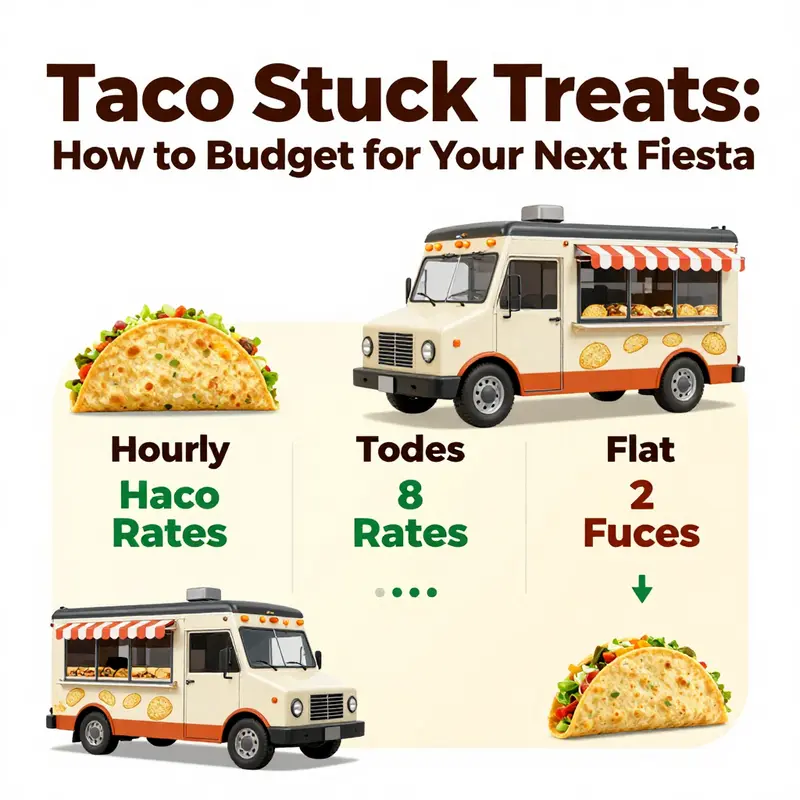
The most straightforward way to picture the landscape is to think in terms of five common pricing models, each designed to fit different needs and planning styles. The flat-rate daily hire is the simplest, offering a single all‑in price for the entire day. The per-head model ties the cost to the number of guests, which aligns well with events where attendance can swing wildly. The hourly approach is a flexible option for shorter windows or when you only need the truck itself without a full staff. Package deals bundle the truck with a curated set of add-ons—staff, beverages, decor, or entertainment—creating a turnkey solution. Finally, regardless of the model, most vendors use a deposit-and-final-payment rhythm to lock in the date and manage cash flow. Each path has its logic, its sweet spots, and its pitfalls, and together they sketch a pricing map that’s worth studying before you start calling vendors.
Flat-rate daily hires sit at one end of the spectrum. They offer predictability, which is why they’re popular for backyard reunions, company picnics, and larger gatherings where the schedule is fixed and the guest count is uncertain. In practice, the daily fee covers the truck’s use, a chef or staff if included, basic equipment, and often utilities such as electricity or water. The range you’ll typically encounter runs from roughly $500 to $1,500 per day, with higher figures in regions with higher living costs or larger, more capable rigs. If your event lasts all day, and you expect a steady stream of guests without strict per-person accounting, this model can streamline budgeting. The risk is that long hours don’t automatically translate into better value if the event ends up with a smaller crowd or if you don’t need full staffing for the entire period. In such cases, you’ll be paying for capacity you don’t use, so it’s essential to clarify what is included and whether any portions of the package are negotiable.
Per-head pricing, in contrast, aligns cost directly with the number of people you serve. This approach is common for weddings, corporate receptions, and private parties where guest counts are known in advance or can be estimated with a degree of confidence. Vendors quote a price per person that generally includes the truck, staff, ingredients, and the setup and teardown process. Typical ranges fall between $15 and $35 per guest, though higher-end offerings with premium ingredients, artisanal salsas, or additional menu items can push that figure upward. The beauty of this model is its scalability: you pay in proportion to attendance, which makes it easier to forecast a budget when guest counts are firm. The risk, however, is that last-minute changes to headcount can create a whiplash in cost if the vendor’s minimums or incremental pricing aren’t structured cleanly. To avoid surprises, request a fully itemized quote that shows the per-person price, any minimums, and how overtime or staffing adjustments would alter the total.
Hourly rates form a more incremental model, useful for shorter events or when you only need the truck without a full staff. In many markets, hourly pricing ranges from about $100 to $300 per hour, with the total cost determined by the number of hours and any additional services tacked on. This model is less common for large, multi-hour celebrations that require full staffing, but it can be attractive for a quick lunch service, a pop-up moment during a conference, or a tasting event where the spectacle of live cooking is the primary draw. The caveat with hourly pricing is predictability. Costs can creep upward if the event runs late, if extra staff are needed, or if there are on-site requirements like power hookups, water access, or special permits. To keep hours aligned with spend, ask for a ceiling price for the window you’re booking and confirm whether overtime fees apply and how they’re calculated.
Package deals represent a blended approach, often appealing to hosts who want a one-stop solution. Vendors may offer bundles that couple the taco truck with staffing, catering, decor, music, or beverage service. The advantage is convenience and the potential for savings when these services would otherwise be booked separately. A typical package might price out around a fixed amount, say a few thousand dollars, and include the truck, two chefs, all ingredients for a specified number of tacos, disposables, and a signature cocktail or beverage service. Packages can simplify procurement and reduce coordination load, but it’s important to scrutinize what is truly included and whether you’re paying for elements you won’t use. For instance, a package that includes decor and entertainment may be overkill for a casual gathering, while a more pared-down bundle could offer better value for a smaller event. As with any bundled offer, read the fine print, confirm the menu scope, and compare against constructing the same setup à la carte to measure real value.
Across all models, deposits and final payments form a common thread. Most vendors require a deposit—often in the 25% to 50% range—to secure the booking. The balance is typically due before or on the event date. This structure provides a cushion for the vendor to manage ingredients and staffing and gives you leverage to confirm final guest counts and any last-minute changes. When negotiating, be clear about cancellation policies, rain dates, and what happens if the event date shifts. Some contracts allow a partial refund of the deposit if you rebook within a certain window, while others apply the deposit to future services only if the event is rescheduled under specific conditions. Understanding these terms ahead of time helps prevent disputes and preserves your flexibility if plans change.
Beyond the mechanics of the price tags, other factors cast a long shadow over final costs. The location of the event matters: urban areas with higher labor costs and permit fees can push prices upward, while rural locations might incur longer travel or setup fees. The duration of service directly maps to cost, but so does the complexity of the menu. A simple menu with a few core options will be cheaper than a chef-driven menu with multiple regional specialties and premium ingredients. The reputation and demand behind a vendor can tilt pricing as well; in-demand cooks and mobile kitchens with unique concepts may carry premium charges, particularly for weekend dates or peak seasons. Logistics such as electricity, water supply, trash handling, and insurance are often invisible line items that vendors bake into the quote but rarely appear in a single glance. If your venue requires generators, a dedicated water source, or special permits, those costs must be accounted for and reflected in the contract.
When you’re budgeting, start with a clear guest count and event duration, then map those against the pricing models. A wedding of 150 guests with a four-hour reception might land in a per-head range of roughly $2,250 to $5,250, depending on menu complexity and how inclusive the quote is. A corporate milestone party for 200 guests requiring a full-service package with beverages could land in the $2,500 to $6,000 territory or higher if premium ingredients and extensive staffing are involved. A family reunion with 60 attendees and a half-day schedule might be well served by a flat-rate daily hire around the lower end of the spectrum or a modest per-head quote, avoiding the risk of paying for services you won’t fully utilize.
To compare quotes fairly, ask vendors to present apples-to-apples comparisons. Request a breakdown that lists the base price, any staffing surcharges, travel fees, power or water charges, and any minimum spend requirements. Clarify whether overtime is billed at a separate rate and what triggers it. If a quote is unusually low, probe for hidden costs that could appear later, such as surcharges for peak times or fees for additional equipment. Conversely, if a quote seems high, don’t hesitate to negotiate or ask about alternative package options that fit your budget while preserving the core experience you want. The key is clarity and consistency across all proposals.
For precise pricing tailored to your situation, it helps to reach out to local vendors directly and leverage platforms designed for event planning and catering inquiries. Platforms like The Knot or Eventbrite can provide listings of verified food truck rental services, detailed pricing, and customer reviews. These platforms enable you to request quotes tailored to your event needs and compare options side by side. If you’re curious about how the physical setups influence pricing, you can explore insights on the top taco truck models for culinary success, which highlights different configurations and the implications for cost. For a deeper dive, see top taco truck models for culinary success.
In the end, the right pricing model for your event aligns with your goals as a host: you want reliability, speed, and a memorable dining experience without overspending. Flat-rate hires are appealing when predictability matters; per-head pricing shines when crowd size dominates the budget; hourly rates offer flexibility for shorter or more fluid agendas; and package deals provide convenience for planners juggling multiple vendors. Deposit policies anchor the contract, while location, duration, and menu ambition shape the bottom line. With thoughtful questions, a few side-by-side quotes, and a clear sense of which aspects of the taco experience matter most to you, you’ll arrive at a cost that reflects both value and enjoyment. External resources can offer broader budgeting guidance as you prepare for the conversation with a vendor; consider consulting event planning platforms for benchmarks and comparisons, such as https://www.eventbrite.com. For related reading and further context on how event budgets are shaped by logistics and vendor relationships, these sources can be helpful references as you refine your approach to hiring a taco truck.
null
null
The Flavor Premium: How Specialty Taco Menus Shape Hiring Costs for Your Event

Choosing a taco truck for an event is rarely just about the number on a price tag. When a truck offers a specialty menu, flavor becomes a visible premium that shows up in more than taste. The same premium often touches staffing costs. For most events, the going rate to hire a taco truck falls between seven hundred fifty and fifteen hundred dollars per engagement, though location, duration, menu complexity, and vendor reputation bend that range. Some operators bill by the hour, typically two hundred fifty to three hundred fifty dollars. Others prefer flat daily rates, especially for multi-hour pop-ups or road shows. Premium or specialty trucks, featuring regional ingredients, fusion concepts, or high end ingredients, can push costs well above two thousand dollars. These figures reflect not just food but the labor, sourcing, and time needed to deliver a dependable, memorable experience. For precise pricing and availability, contacting local vendors or using platforms that list verified truck rentals helps. These routes offer tailored quotes and honest reviews.
Specialty tacos carry a dual draw. They entice guests with novel flavors, yet they demand staff who understand the technique, sourcing, and plating that make those flavors sing. Chefs or cooks may require formal culinary training or deep training in a specific regional style. The scarcity of qualified applicants translates into higher wages and more selective recruitment. As a result, the labor line item grows not just from the hours worked but from the premium attached to expertise. In turn, event organizers should expect a more involved recruitment process, perhaps longer lead times, and a greater emphasis on consistency across service windows. A kitchen team that can execute intricate preparations while staying within food safety guidelines adds value, but it also adds cost. The result is that unique menus, while attractive, often raise the cost ceiling beyond standard catering expectations.
Key factors influencing hiring costs include: Expertise requirements; Recruitment efforts; Training and onboarding; Menu design efficiency; and Operational balance. Expertise means that specialized menus rely on culinary education or training in certain techniques and cultural knowledge. The demand for these skills tends to raise wages and compensation packages. Recruitment efforts grow because the pool of qualified candidates is smaller and competition for skilled cooks is sharper in urban markets. Advertising roles, screening applicants, and coordinating interviews all add to the expense. Training and onboarding become continuous investments. High proficiency in assembling high quality tacos with consistent taste demands practice, standardized recipes, and safety protocols. Some operators run targeted training programs, mentorship, and tastings to align new staff with brand expectations, which costs time and money but reduces waste and errors in service.
Menu design efficiency can offset some of these costs. A tightly curated menu allows staff to master a handful of items, produce consistently, and minimize waste. This approach reduces the need for a sprawling kitchen staff and lowers the chances of errors during peak service. It also helps with inventory planning, since a focused lineup uses fewer ingredients with predictable turnover. A thoughtful balance between variety and depth keeps customers excited without overwhelming the team. From a business perspective, a simplified menu translates into faster ticket times, higher throughput, and more reliable portions. For specialty trucks, this equilibrium is essential. The more complex the components, the more energy must go into quality control, sourcing, and cross-training. In practice, many operators pursue menu simplification as a path to manage labor costs while preserving culinary distinction.
Operational balance is the thread that ties the labor story to profitability. Even premium menus can remain profitable if the crew operates with clear workflows, standardized prep, and disciplined portioning. When cooks know the rhythm of a four to five item lineup, they can scale up for larger events without a corresponding spike in mistakes. Conversely, a bloated menu can absorb hours of extra prep and handoffs, driving up payroll hours and overtime risk. Budgeting for specialty trucks also requires factoring in onboarding time, extra safety training, and the costs of sourcing authentic ingredients, which may come with higher minimums or longer lead times. In this sense, the cost of hiring becomes part of a broader strategy to preserve flavor, quality, and guest satisfaction under demanding conditions. The aim is to protect the brand promise while avoiding untenable labor spirals.
For planners, the numbers matter, but context matters more. A robust quote should itemize labor, ingredients, travel, and setup. The flavor story matters as much as the bill, so ask about regional specialties, sourcing practices, and kitchen logistics. If a menu requires on-site fire safety arrangements or extra prep space, those needs should appear in the contract. Platforms that connect clients with vendors can streamline this process, letting you request quotes tailored to your event. When evaluating proposals, compare not only the total price but also the proposed staffing levels, shifts, and backup plans. Ask how staff handle peak periods and what contingencies exist for ingredient shortages or equipment hiccups. A specialty menu may justify a higher price if it comes with reliable on-site expertise that minimizes risk and ensures smooth service across a long window.
For readers curious about how menu design, kitchen workflow, and equipment choices influence cost, see the discussion of top taco truck models for culinary success.https://ordertacoselpelontacotruck.com/blog/taco-trucks-unleashed-top-5-models-for-culinary-success/
Budget empathy is essential. If a vendor commands a premium, look for ways to tailor the engagement without compromising the signature appeal. Proposals can include a shorter event window, a streamlined menu, or a phased service plan that spreads labor costs across two sessions. Some clients find value in hiring a specialty truck for a focused moment of the event and pairing it with a more cost-effective option for the rest. The key is transparency: clear expectations about service levels, portion sizes, and response time reduce the chance of sticker shock later. The best approach balances the thrill of a distinctive menu with the realities of a manageable labor bill, while still delivering a remarkable guest experience.
External reference: The rise of specialty taco trucks and the labor impact on the Austin Chronicle can provide context for labor trends and pricing pressures. https://www.austinchronicle.com/food/2026-01-14/the-rise-of-specialty-taco-trucks-and-their-labor-impact/
The Price Behind the Sizzle: Planning, Comparing, and Budgeting for a Taco Truck at Your Event
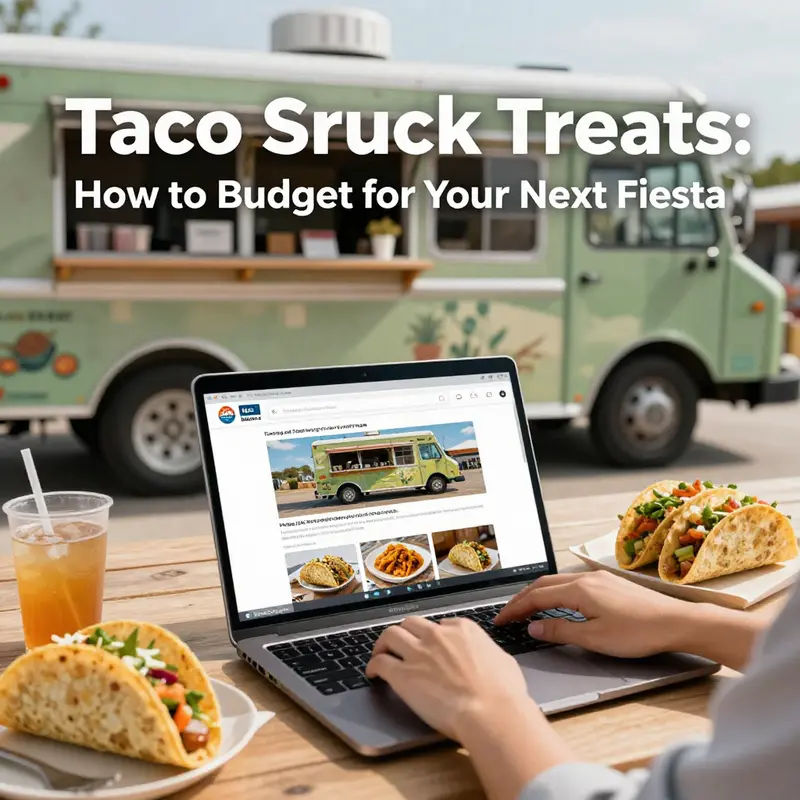
Hiring a taco truck for an event is more than securing a food option; it’s about aligning flavor, service style, and a price tag that fits your budget and expectations. The magic of a taco truck—the aroma, the theater of a bright kitchen on wheels, the crowd-pleasing variety—often comes with a price that reflects location, duration, menu complexity, and the reputation of the vendor. To plan well, it helps to move from an abstract idea of “cost” to a practical budgeting framework that maps your guest count to a serving strategy, and then to the most realistic way to procure that mobile kitchen. In many markets, the typical ballpark for hiring a taco truck falls between seven hundred fifty dollars and fifteen hundred dollars per event. That broad range exists because no two events are the same. If you’re hosting a short, intimate gathering in a dense urban center with a simple menu and a single vendor, you’ll sit toward the lower end. If your affair runs longer, stretches into the evening with a multi-dish menu, or features a well-known operator with a robust process, the price can climb toward the higher side. Some operators price by the hour, typically from two hundred fifty to three hundred fifty dollars per hour, which can suit longer gatherings where labor and travel time quickly add up. Others prefer flat daily rates for full-day service, which simplifies budgeting but may still reflect demand, location, and the degree of customization. And for premium or specialty trucks that push the envelope—think unique regional cuisines, premium ingredients, or a show-stopping presentation—costs can exceed two thousand dollars or more for a single event. This is not merely a surcharge; it is a reflection of sourcing, skill, and the distinctive experience that such trucks promise. As you wade through options, the path to clarity often starts with a simple question: what is the event trying to achieve, and how does the taco truck contribute to that goal? If the aim is a high-energy, photo-worthy moment with a robust tasting experience, it might justify a higher price for an operator who can deliver quick, high-volume service and a memorable guest interaction. If the goal is a casual, walk-up style service with a lean team, the math will lean toward more economical choices. Because the market is dynamic, proactive research matters. Platforms such as Eventbrite or Thumbtack can be valuable tools for gathering verified listings, pricing guidance, and customer reviews. They offer you the ability to request quotes that are tailored to your event’s date, location, guest count, and menu aspirations. The act of requesting proposals from several vendors helps reveal the baseline economics—the typical range you’ll see, the premium for specialty offerings, and how travel charges or staffing adjustments shape the final number. If you’re unsure where to begin, a practical starting point is to estimate your event’s core costs and then layer in the taco truck decision as a line item designed to enhance guest experience rather than simply fill a food need. The process becomes a balancing act: you want to create a memorable experience without overloading the budget, and you want a vendor who can deliver efficiently without sacrificing quality. That balance is easier to achieve when you separate the upfront investment from the ongoing costs that accompany operation. A broader view of the options reveals a spectrum of financial commitments. On one end, rental or short-term support arrangements can be appealing for one-off events or temporary pop-ups. For example, there are scenarios where organizers consider transporting or supporting a taco truck with a separate vehicle. In markets like Dallas, data from late 2025 into early 2026 show full-size pickup truck rental rates starting around fifty-one dollars per day, with occasional deals dipping toward the mid-sixty-dollar range. While these figures pertain to the transporting logistics rather than the food-service contract itself, they illuminate how rental deals for equipment and support can add a practical layer to your budgeting. If you are planning to run a taco operation more permanently or seasonally, the alternative is purchasing or leasing a dedicated fast-food trailer or a food cart built for mobile culinary service. In the U.S. market, a basic hot dog cart or a taco-truck trailer is available with a price range starting around five thousand two hundred dollars and climbing to about eight thousand dollars, depending on the level of customization and the included warranty. This purchase route represents a longer-term investment that can be amortized over multiple events, staff training, and operating periods. It also invites you to consider how much flexibility you want in your menu, setup, and branding, because a purchased trailer can be redesigned or repurposed to accommodate various concepts over time. Then there are ongoing costs that quietly accumulate no matter which path you choose. Fuel becomes a recurring line item based on distance traveled and the fuel efficiency of the support framework. Maintenance is another constant, from routine servicing to unexpected repairs that keep the kitchen on the move. Insurance is essential, covering the vehicle and liability, and permits or licenses for food service ensure compliance with local regulations. Staffing costs, often the largest ongoing expense, reflect wages for cooks, servers, and any crew responsible for setup, service, and teardown. When you combine initial outlay with these ongoing costs, the decision between renting and owning shifts from a one-time consideration to a long-term budgeting exercise. The ability to compare options becomes crucial here. Online tools that aggregate rates across providers can be helpful in benchmarking daily or hourly costs for mobile food events, allowing you to compare apples to apples by location and date. But the most valuable approach remains direct quotes from multiple operators. This is where specificity matters: reliability, service windows, and the exact menu shape affect pricing as much as the distance and setup demands. For readers seeking additional context on equipment choices and how they influence price and service quality, consider exploring the article on Top food truck models for entrepreneurs. It offers practical insights into what configurations tend to accompany different price points, helping you align your choice with both your guests’ expectations and your event season. Top food truck models for entrepreneurs.
In shaping your cost picture, it’s useful to imagine both the short-term event and the longer-term business implications. If your goal is to test demand for a mobile-taco concept, renting a truck and its support can be a prudent way to start, keeping your upfront costs manageable while you validate interest and refine your operating model. If the test is successful and you foresee recurring events across a season or year, a purchase with a warranty and potential customization may prove more economical in the long run, especially when you factor in the ability to reuse equipment for multiple dates without renegotiating every contract. The equation becomes more nuanced when you layer in platform-driven quotes. Event platforms enable potential customers to request quotes tailored to their exact event profile, which can reveal the true range of costs for a given city and season. Such quotes often include travel fees, labor surcharges, and any required permits, making it easier to compare total costs rather than just menu prices. In practice, many organizers start with a rough budget target, say around a thousand dollars for a modest event, and then request at least three detailed proposals from different operators. The proposals should list all line items: base service, travel, setup time, menu configuration, number of staff, any required permits or certifications, and the tipping point where costs rise due to demand or premium offerings. This disciplined approach helps prevent sticker shock on event day and encourages transparency from vendors about what you are paying for. It also makes it easier to adjust particular levers to stay within budget—for instance, narrowing the menu, reducing service hours, or simplifying the setup to reduce labor and travel time. The decision path also benefits from a broader understanding of ongoing costs, which can be easy to overlook in the excitement of booking a vibrant street-food experience. Fuel and maintenance, often shared between the truck and any support vehicle, accumulate with every mile traveled. Insurance is a fixed requirement that scales with risk exposure and crew size. Permits and health-code compliance can vary by city or county and may include annual or seasonal license fees, health inspections, and food-handler certifications for staff. Staffing choices—how many cooks, servers, or cashiers are needed to deliver efficient service—will directly influence hourly or daily rates. And because no two events are the same, it is prudent to build a small contingency into your budget for unforeseen costs, such as last-minute menu adjustments, weather-related delays, or an extended service window that guests may request as the party unfolds. As readers move from planning toward execution, the practical steps include not only collecting quotes but also clarifying logistics. Where will the truck park, and how will guests access it? What is the flow for food pickup, toppings, and napkins, and who is responsible for restocking during peak hours? These questions, though logistical, have real cost implications. They affect staffing requirements, equipment needs, and even the potential for delays that can push an event past its planned duration, thereby increasing the overall spend. For professionals who want a structured approach without losing the human, experiential element of a taco truck, the key is to treat the truck as a dynamic partner in your event design. The vehicle becomes a stage, a portable kitchen, and a branded experience all at once. When you see it this way, the cost estimates you assemble begin to reflect not just a price tag but a value proposition—the ability to deliver a memorable moment, to keep guests nourished with vibrant, responsibly sourced food, and to do so with a level of reliability that matches your event’s ambitions. For readers who wish to explore further the practical implications of equipment choices and model configurations beyond the immediate cost discussion, the linked resource above offers a deeper dive into model types and their potential impact on budgeting and outcomes. And to round out your benchmarking, external resources such as general rental marketplaces can provide context for how equipment costs translate across regions and seasons. External reference: https://www.kayak.com/.
Final thoughts
Navigating the taco truck hiring scene can be both exciting and slightly overwhelming, but understanding the various costs involved is the first step towards deliciousness! Recognizing the factors that influence pricing—from location dynamics to menu uniqueness—helps you craft a memorable taco experience that fits your budget and satisfies your crowd’s cravings. With the insights provided here, you can confidently approach your taco truck vendor, negotiate pricing, and secure the perfect taco solution for your event. ¡Buen provecho!

