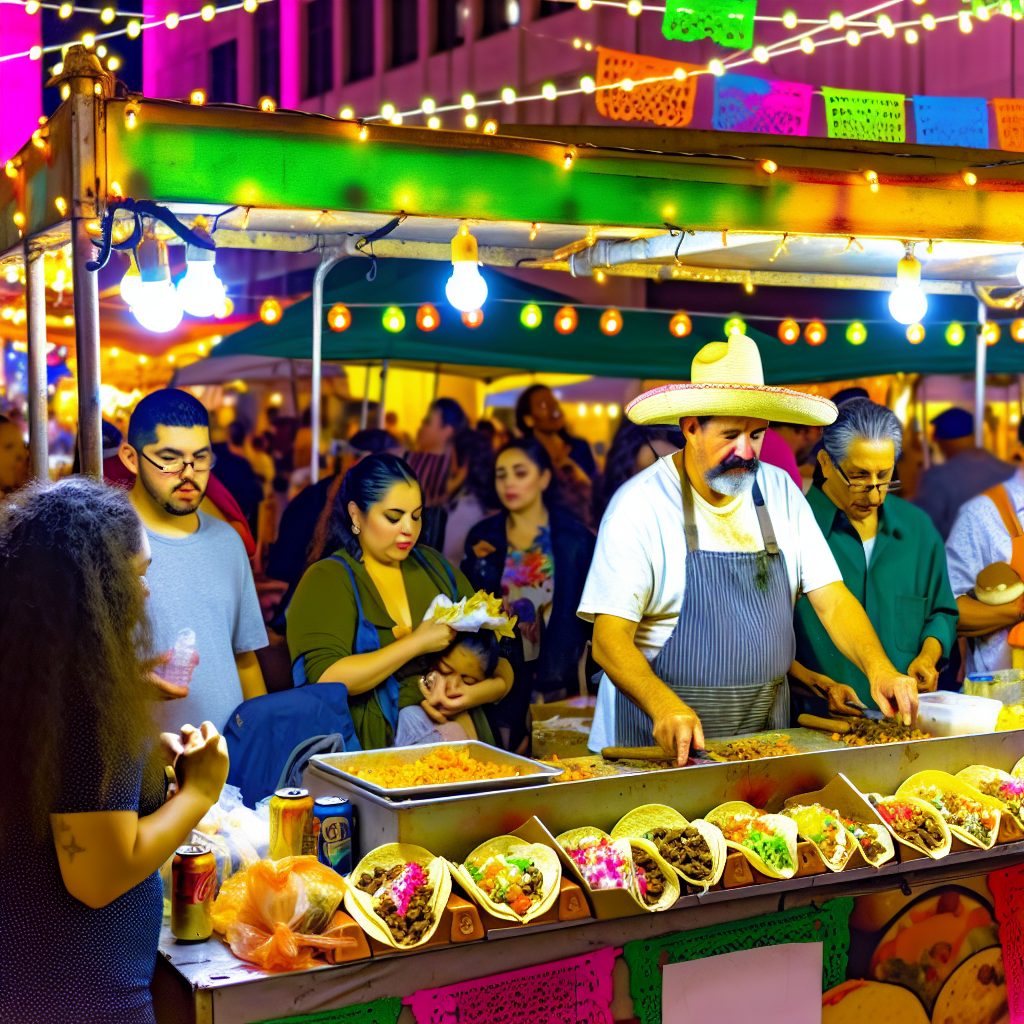
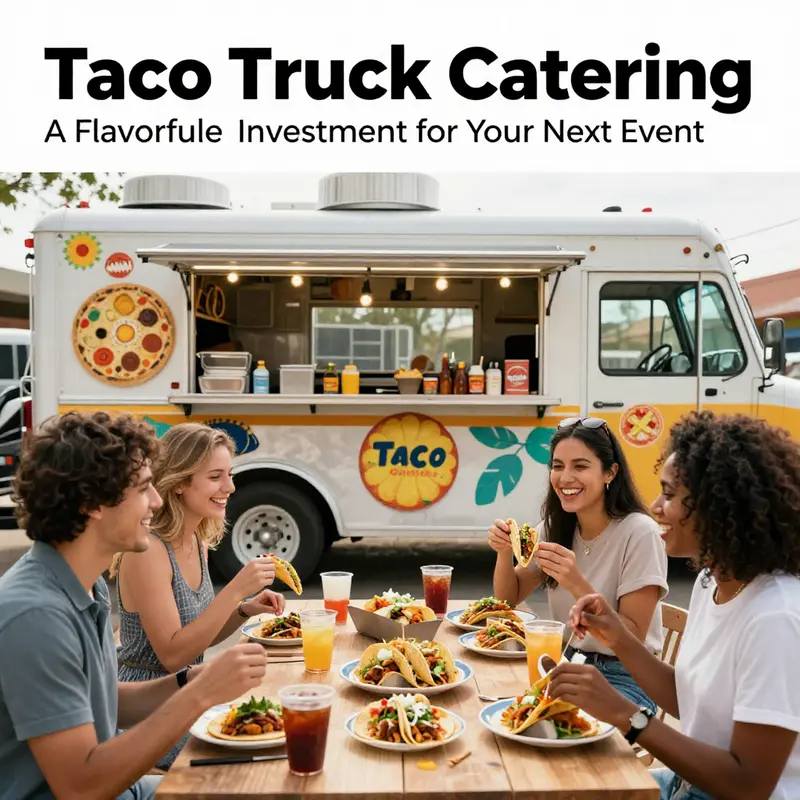
Taco truck catering has taken the culinary scene by storm, blending convenience with vibrant flavors that bring joy to every event. Whether you’re a cuisine lover craving authentic Mexican delights, a local office worker seeking an exciting lunch break, or an event planner wanting to dazzle guests with delightful bites, taco truck catering offers something for everyone. Understanding the costs associated with taco truck catering is essential to planning a successful gathering. In this article, we will explore three major aspects: the pricing for basic services, the investment required for advanced features, and how various factors contribute to the overall cost evaluation. Let’s taco ’bout it!
Pricing the Sizzle: A Practical Guide to Taco Truck Catering Costs
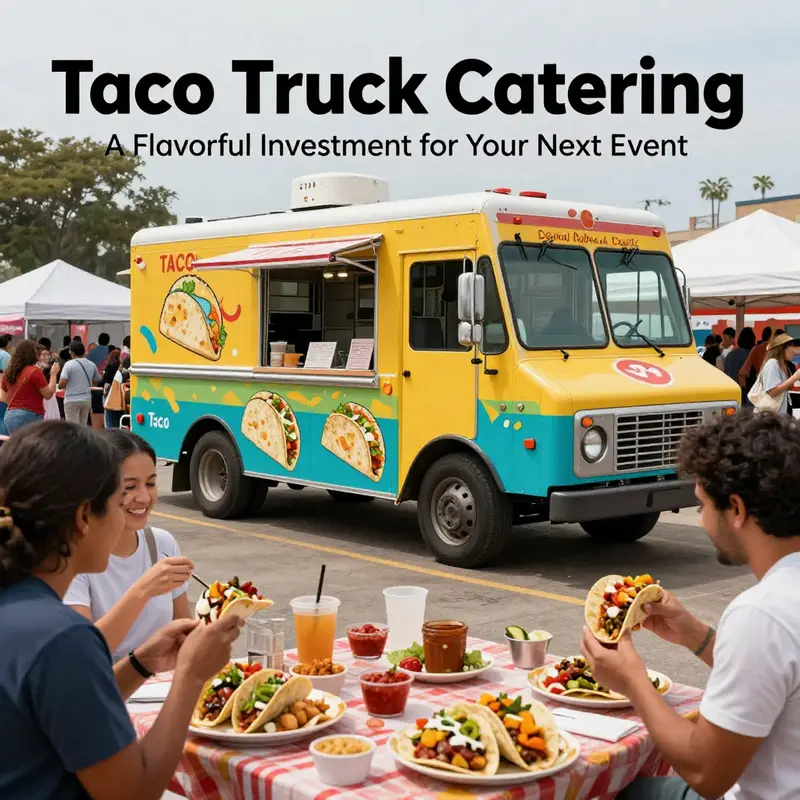
When you start planning a taco-focused catering operation, the question on every organizer’s mind is simple and consequential: how much does taco truck catering actually cost? The short answer is nuanced. Price hinges on three broad levers: the size and type of the mobile kitchen, the features and customization you require, and whether you purchase outright, lease, or rent for a single event. Add to that the reality that permits, insurance, and ongoing operating expenses quietly shape the bottom line. What begins as a surface-level estimate can quickly become a detailed budgeting exercise once you account for the full lifecycle of the vehicle and the business that runs it. In this chapter we navigate the spectrum with a practical lens, so the number you carry into the planning stage reflects not just sticker price but the true cost of keeping the sizzle alive over weeks, months, and seasons of events.
On the most basic rung of the market ladder, there are entry-level trailers designed for on-site assembly and serving rather than heavy on-board cooking. These trailers often come without refrigeration or built-in heating. They are the simplest tools for a first foray into mobile catering and can be attractive for one-off venues, wedding receptions, or pop-up collaborations where cooks bring portable stoves and warmers to the site. In many listings, the starting point for a basic setup hovers around the four-figure mark, roughly four thousand U.S. dollars. This category is appealing precisely because it lowers the initial barrier to entry and allows an operator to test the market with minimal risk. Yet the trade-off is notable: without integrated temperature management, you’ll rely on add-ons and external solutions to keep ingredients safe and ready for service. The portability of such units often means a lighter frame and fewer built-in features, which, in turn, can limit what you can offer at peak demand or in more controlled environments like indoor venues where power and space are constrained.
Beyond the most austere options, a step up in sophistication brings in electric heating and cooking capabilities. Electric-powered taco carts and trailers strike a balance between functionality and reliability. They are designed to operate with a steady energy supply—either from a plugged-in outlet or a generator—and they typically offer better temperature control, cleaner operation, and quieter performance than gas-powered counterparts. In market discussions, these models commonly start around just under five thousand dollars. This price point is not a mere upgrade in convenience; it expands your menu flexibility. You can sustain longer service windows, maintain safer food temperatures, and present a more polished setup at events where crowd sizes demand speed and consistency. The incremental cost here is often justified by the ability to serve more meals per hour and to work in venues that restrict open flames or require certain safety standards.
A further tier of investment introduces customization and branding. When a business decides to tailor a fleet for a distinctive look—the circle of branding, a unique cart shape, specialized interior equipment, or integrated refrigeration—prices rise. Customization transforms a generic mobile kitchen into a channel that communicates your concept and differentiates you in a crowded market. The price impact of personalization can be substantial, as it covers not only aesthetic choices but also practical features tailored to your workflow, such as added cold storage, enhanced ventilation, or specialized food-prep zones. For organizers who plan to scale, these higher-end builds become strategic assets, redefining the guest experience and enabling repeat business through recognizable design and reliable performance.
The marketplace also reveals a broader early-cost landscape. Some listings emphasize bulk opportunities, particularly when a buyer is looking to acquire multiple units at once. In such cases, the per-unit price can appear more attractive, especially for sellers who can leverage volume to reduce marginal costs. Industry chatter often mentions lower entry prices for multi-unit purchases in the seven or more unit range, where the base price on the table can be significantly different from a single-unit purchase. This bulk dynamic is not to be dismissed; it can be an effective route for food-service startups planning a fleet of mobile kitchens or for catering companies expanding into events in multiple locations. Yet even with bulk pricing, the total investment remains a function of the same core variables: size, capability, and the amount of customization you require to meet your service goals.
A useful frame for budgeting emerges if you separate the vehicle cost from the ongoing operating expenses. The vehicle cost represents the upfront price tag and, if financed, the related loan terms, interest, and depreciation. Ongoing operating expenses cover fuel or electricity, maintenance, insurance, permits, health and safety compliance, and routine restocking. These ongoing costs are not optional; they determine profitability as you deliver meals over a project timeline. Fuel costs fluctuate with driving patterns between events, while electricity consumption hinges on the power requirements for cooking and refrigeration at each site. Insurance is a non-negotiable shield that protects the vehicle, equipment, and staff, and it often scales with the value of the trailer or truck and the geographic risk profile of your operation.
As you map out your budget, certain context helps you anchor expectations. First, geography matters. In more regulated markets, permit fees, fire-safety inspections, and local health department approvals can add a predictable, recurring line item each year. In other locales, those costs may be bundled or waived for temporary events but require a separate permit for long-term operation. Second, the event mix you anticipate will shape your pricing strategy. A lineup that emphasizes large festivals and corporate gatherings may justify investing in a higher-end trailer with robust service capabilities; smaller, intimate events, weddings, or farmers’ markets might be perfectly well served by a leaner setup with modular add-ons. Third, seasonality matters. In certain climates, heating or cooling needs, and the capacity to preserve ingredients for longer service days, become central to cost decisions. A unit designed for all-season operation is not the cheapest option, but it reduces the risk of seasonal downtime and lost revenue.
From a financial planning perspective, buyers often weigh two distinct paths: ownership and access. Owning a unit gives you full control of the asset and potential tax benefits, but it ties up capital and brings maintenance responsibilities. Financing can spread cost, but interest and depreciation erode the asset’s value over time. Leasing or renting a unit offers flexibility and lower immediate cash outlay, yet the cumulative cost over a multi-event season can surpass the purchase price if you scale aggressively. The choice depends on your business plan, your access to capital, and your confidence in sustaining demand across events. In practice, many operators experiment with a basic trailer to test the market, then upgrade to a more capable or branded setup once demand proves itself. Others choose a staggered approach: acquire a core unit for core events, while supplementing with smaller carts or pop-up configurations for peak periods. Either way, a disciplined budgeting process helps avoid sticker shock when the permit fees or refrigeration upgrades come due.
Cost perception also interacts with the reality of hidden or ancillary expenses. A basic price tag can conceal a set of ongoing commitments that matter as much as the ticket price itself. Insurance premiums may depend on the number of drivers, the vehicle’s value, and the coverage scope. Permits can require annual renewals, inspections, or environmental compliance checks. A generator’s maintenance plan and fuel requirements must be accounted for, especially in locations with inconsistent power access. Refrigeration units require regular servicing, and when doors fail to seal or compressors wear out, operational downtime becomes a real risk. Even something as simple as branding, decals, and wrap materials adds to the upfront cost and to maintenance budgets when you want to refresh the look after a season or two. Because these costs can be recurring and sometimes non-obvious, a robust budgeting method will separate anticipated one-time investments from predictable recurring expenses, enabling you to forecast cash flow with greater accuracy.
This landscape of prices and costs helps us place the initial target range in a realistic frame. The baseline cost for a basic taco truck catering setup tends to sit around the four-thousand-dollar mark when you focus on a minimal, mobile-catering-ready trailer. If you want a unit with reliable electric heating and cooking and a more controlled service environment, you should plan for just under five thousand dollars as a starting point. If your ambitions include a fully customized, branded mobile restaurant with refrigeration, a better ventilation system, and interior organization tailored to your workflow, the price climbs accordingly, though you gain in long-term efficiency and guest experience. And if your strategy hinges on scaling across multiple events and locations, bulk or multi-unit pricing can shift the economics in your favor, giving you a more favorable per-unit cost and a stronger operational footprint.
To translate these ranges into actionable budgeting for a specific event or season, you’ll want a clear sense of your expected volume and service style. Start with a conservative projection: how many meals per hour do you anticipate serving, and what is the likely duration of your event? If you expect a high throughput and long service windows, the investment in a more capable unit pays off in speed and temperature control, reducing waste and ensuring food safety. If your events are shorter, smaller, or less frequent, a leaner setup may be the smarter risk-adjusted choice. In either path, pairing the vehicle with dependable, portable equipment—gas or electric grills, cold storage for ingredients, and a dependable warming station—ensures you can deliver the experience you promise without surprising guests with delays or compromised food quality. The cost argument thus becomes a question of balancing the capacity to serve with the discipline to manage margins under variable conditions.
As you refine your plan, it is also useful to think about the branding and customer experience as an investment rather than a mere cosmetic upgrade. A cohesive visual identity across the cart, signage, and staff outfits helps you differentiate in markets with many similar operators. It also supports faster service, because guests recognize your concept at a glance. This kind of investment often translates into higher ticket averages and repeat business, turning the cost into a driver of revenue rather than a pure expense. The challenge is to align branding with practical needs: storage for supplies, workflow efficiency for the kitchen crew, and an outfit that is durable enough to withstand frequent setup and breakdown. When done well, branding becomes a strategic asset that justifies a larger upfront investment because it accelerates guest acquisition and supports premium pricing through a well-articulated promise.
To anchor the discussion further, consider how the broader market frames these choices. The range of options—from ultra-basic to highly customized and electric—exists because operators come from diverse backgrounds and pursue different business models. A charity carnival might prioritize low upfront costs and portability, while a corporate event service may seek reliability, speed, and a branded presence for a high-end guest experience. Each path has its own calculus for when and how to upgrade equipment, and each is legitimate so long as the business plan remains coherent and the cash flow remains sustainable. It’s not merely about the initial price tag; it’s about the total cost of ownership over the unit’s life, the reliability of service, and the degree to which the equipment supports your growth goals. In practice, those who succeed in the taco truck space do more than price their offerings well; they design a practical toolkit that can scale with demand and a brand that can travel between markets with consistent quality.
For readers seeking a practical foothold into model options and the broader landscape, there is value in exploring model families and configurations as described in industry-forward discussions. A navigational aid can be found in a resource that surveys the top configurations used by culinary operators on the move. See the discussion on top configurations here: taco-trucks-unleashed-top-5-models-for-culinary-success. This piece helps frame how different builds optimize for crowd size, speed, and how the space inside the trailer is organized to streamline prep and service. It is not a substitute for a formal specification from a manufacturer, but it does frame the decision matrix when you start searching for a specific unit. You will come away with a sense that there is no single right answer; instead, there is a spectrum of configurations designed to match risk tolerance, capital availability, and the appetite for branding and scale.
In sum, the cost of taco truck catering is a function of scope, capability, and commitment to ongoing operation. A basic trailer can be surprisingly affordable and effective for trial runs or small events, while a more capable electric setup enables broader menus, safer food handling, and faster service, which collectively justify a higher upfront investment. Custom branding compounds both upfront costs and potential long-term gains in customer recognition and loyalty. The most prudent budgeting approach is to forecast your demand with care, separate upfront capital needs from recurring operating costs, and build a plan that allows you to scale responsibly. If you anticipate growing your event calendar, plan for a gradual upgrade path rather than a single all-in purchase. If your calendar stays lean, a simpler, modular approach may be the better balance, preserving flexibility while controlling risk. Either way, the core objective remains clear: align the equipment and the economics so that every taco sold moves you closer to a sustainable, scalable business.
External reference for market context: https://www.alibaba.com/product-detail/California-Camping-Trailer-Food-Truck_1600825379327.html
From Trailer to Trust: The Real Cost of a Taco Truck Catering Setup for a Mobile Kitchen
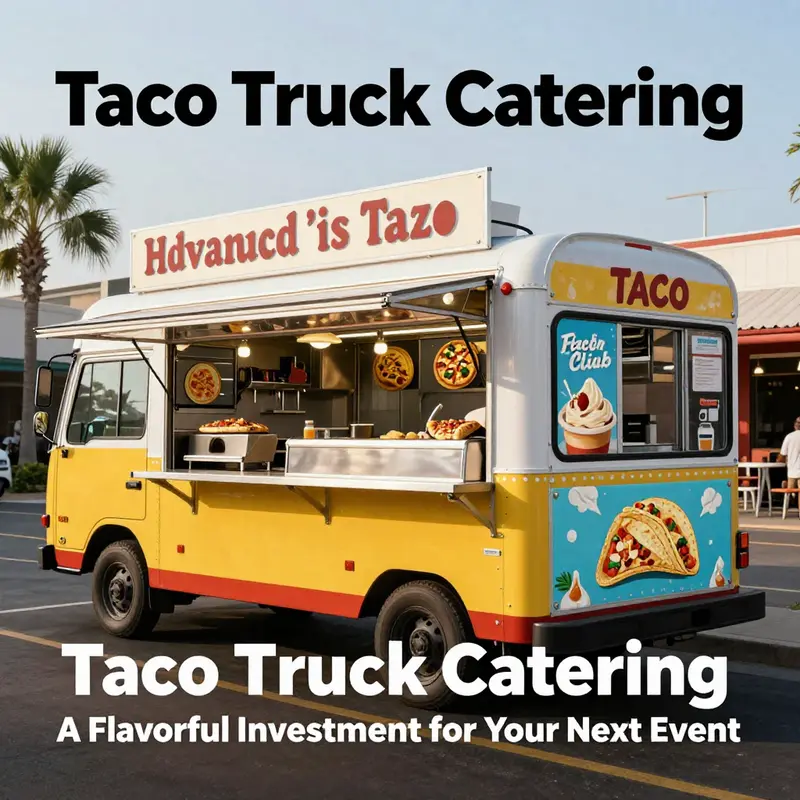
The appeal of serving hot, fresh tacos from a street-side trailer or a compact mobile kitchen is undeniable. It promises speed, flavor, and a portable presence that can move with crowds and events. Yet the question that listeners and readers consistently return to is simple: how much does it actually cost to run a taco truck catering operation? The answer is not a single price tag. It is a layered calculation that begins with the unit itself and expands to a web of essentials, from permitting to power needs, branding to ongoing maintenance. In practice, the market shows a broad spectrum. Basic, affordable catering trailers can begin in the low thousands when you are purchasing a bulk lot, especially for simple snack setups. More complex mobile restaurant trailers, which might host a pizza cooking bar or ice cream functionality, command higher starting points, and the fully equipped electric food truck, with multiple cooking functions and a robust all-in-one kitchen, sits at the top end of the scale. What looks like a simple purchase quickly expands into a long-term budgeting exercise, where upfront costs interact with recurring expenses and future upgrades.
To understand the full picture, it helps to map out the price ladder as it appears in current market listings. A basic, compact catering trailer designed for tacos or snacks has appeared in bulk offerings around US$1,680 for seven or more units. This price point reflects a “you-get-the-bare-minimum” approach—a functional frame, basic cooking surfaces, and standard storage. It’s the kind of option that works for pilot projects, fall-back fleets for seasonal events, or entrepreneurs who want to test concept viability with minimal capital. But there is a caveat: those price tags almost always exclude the critical add-ons that keep a kitchen legally compliant and operational day to day. Permits, insurance, a suitable generator or fixed electrical supply, dedicated refrigeration, ventilation, and meat handling equipment are not typically included in the sticker price. The overall cost of ownership rises quickly when these matrices are added.
Stepping up from the most economical tier, a more comprehensive mobile restaurant trailer with features such as a pizza cooking bar and ice cream functionality commonly starts around US$4,000 for bulk orders of seven or more units, according to market listings. Those numbers signal a more capable kitchen footprint—one that could support multiple menu items and provide a smoother customer experience during peak service. The upgrade path here often includes better insulation, heavier duty countertops, more robust ventilation, improved electrical systems, and perhaps a more durable trailer chassis. It is a meaningful difference because it touches safety, service consistency, and versatility. Buyers in this segment are often balancing the desire for more complex offerings with the reality of shifting to a more professional image, where branding and reliability become differentiators as much as cooking capacity.
At the upper end of the spectrum, a high-end, fully equipped electric food truck with multiple cooking functions—tacos, chips, and even ice cream—is priced around US$7,000 when considering a single piece, though this kind of figure sometimes appears in markets as part of larger, multi-unit deals. The higher price here is not simply about more burners or fancier equipment; it usually signals a complete, ready-to-operate kitchen with heavy-duty appliances, energy management systems, durable insulation, and a trailer built to endure frequent, long hours on the road. Buyers in this tier often have more ambitious plans: they intend to operate more days, attract larger crowds, perhaps run events back-to-back, and project a professional, food-hront approach that can justify the upfront capital with stronger revenue streams.
To enrich this snapshot, another dimension emerges when you explore global marketplaces and wholesale listings that cater to micro-entrepreneurs and mobile operators alike. A fully equipped street taco food cart, described as a mobile restaurant trailer, has been listed at approximately US$2,300 for a single unit, with prices climbing to US$2,600 for two or more units. This tier remains accessible for those who want a simple, reliable platform to begin selling food from a fixed or rotating pitch. The setup typically includes essential cooking appliances, basic refrigeration, storage, and a durable frame. It is functional and practical, though it may require additional customization or upgrades to meet local health codes, energy requirements, or branding ambitions. For some operators, this is the sweet spot—the balance between cost control and the ability to deliver steady, consistent service across markets.
Another category within the market mix is a retro-style mobile restaurant trailer that aims to evoke a certain ambiance. These units, designed to combine nostalgia with real kitchen utility, can come up to around US$7,000 for a complete, custom setup. The apparent premium reflects not only the visual appeal but also the technical ambition: more elaborate cooking modules, perhaps integrated pizza or dessert stations, and a design ethos that enhances the customer experience. Deals of this magnitude, particularly when priced competitively, can make sense for operators who want a standout presence at events, markets, or busy streets where branding and atmosphere translate into higher ticket averages.
In another cost vein, a mobile food truck designed for coffee, tacos, and BBQ presents around US$4,800 as a complete kitchen setup. This figure illustrates a middle path: a capable, event-ready vehicle that can support multiple revenue streams while offering a compact footprint and efficient flow inside the trailer. It suggests a kitchen designed to maximize throughput without overwhelming the operator with unnecessary extras. The appeal here lies in the potential to diversify offerings while maintaining a manageable operating model. The higher end of these prices often correlates with more rigorous safety standards, better energy efficiency, and more polished brand integration, which can be critical when the business scales beyond weekend markets into regular locations or corporate catering.
These snapshots reveal a broader truth: the base price for a taco catering unit is only the opening line. Real-world budgeting must account for additional costs that accumulate quickly. Permits and licenses vary by city and state, and they can be a material portion of start-up expenses if the unit requires specific health, fire, or emissions clearances. Insurance is not optional in most jurisdictions; it protects against a range of risks from property damage to liability arising from foodborne illness or accidental injury. Equipment upgrades—such as more efficient refrigeration, better insulation, or a dedicated hand-wash station—often come with upfront costs and ongoing maintenance. Then there is the always-on question of fuel or power. Some operators opt for propane or diesel, while others invest in electric power systems paired with batteries and charging infrastructure. Each path carries different implications for performance, reliability, and long-term energy costs.
Beyond the unit price, the commercial reality includes ongoing operating expenses. Power consumption, generator fuel, and energy efficiency drive monthly bills, especially for fleets that run multiple events per week. Maintenance intervals, replacement parts, and unexpected repairs can erode margins if not planned for. When a unit is used in hot climates or high-volume settings, wear on vents, seals, and cooking surfaces escalates, potentially lifting service downtime and repair costs. Operators who plan to automate or streamline service—such as using integrated POS systems, digital menus, or branding that requires durable vinyl wraps—should budget for installation, subscription fees, and periodic updates. Even branding, while largely aesthetic, contributes to the total cost of ownership because a well-designed wrap or paint scheme protects the unit and communicates a professional image that can attract repeat business.
The decision between a new unit and a used one also shapes the cost and risk profile. While a used trailer or cart can offer substantial savings, it can come with hidden costs: outdated electrical systems, compromised insulation, or non-compliant ventilation. A newer, higher-quality unit may incur a larger upfront cost but deliver reliability, lower maintenance, and longer warranty coverage. The choice depends on how quickly the business intends to scale, the planned service locations, and the operator’s comfort with potential downtime. For many new entrants, a blended strategy makes sense: start with a modestly priced, reliable trailer to test demand, then upgrade as revenue stabilizes and a repeat customer base emerges. This approach reduces the pressure on cash flow while preserving the option to raise the bar in subsequent purchases.
What all these price points share is a common thread: the unit cost is only the starting point. Realistic budgeting would map out a first-year cost structure that includes permits and licensing, insurance, vehicle registration, generator or electrical upgrades, ventilation and fire suppression equipment if required, basic food safety gear (handwashing stations, trash handling, cleaning supplies), storage solutions, utensils, cookware, and serving ware. Then there are the operating costs that stay with the business year after year: fuel or energy costs, routine maintenance, replacement parts, and periodic inspections. If the business intends to operate in multiple jurisdictions or during diverse seasons, contingency funds for weather-related delays or market access restrictions should also be included. A conservative approach recognizes that the initial price tag will rarely capture the full journey of getting a mobile kitchen running reliably over the first 12 months.
To navigate this landscape with confidence, many operators lean on a mix of market intelligence and practical planning. It helps to review current listings not only for base prices but also for what the packages typically include—and what they explicitly exclude. A unit that claims to be a full kitchen may still require additional appliances, refrigeration units, or a power system upgrade to meet health codes or local fire safety requirements. A seller that emphasizes “one-year warranty” or “support services” adds a level of reassurance, yet it is essential to read the fine print to confirm what the warranty covers and for how long. In practice, buyers often weigh the benefits of a turnkey package against the flexibility of modular upgrades. A modular path may allow piecemeal improvements that better align with cash flow, while a turnkey setup can deliver faster time-to-service and a shinier brand presentation from day one.
For readers who want a more actionable sense of real-time market dynamics, there are direct channels to explore customization and pricing beyond standard listings. Platforms that connect buyers with manufacturers frequently offer warranties and after-sales support, with the caveat that prices can fluctuate with the exchange rate, material costs, and the scope of customization. If you want a concrete starting point for ballpark budgeting, consider a single-vehicle plan that balances a modest unit with essential safety and compliance features, paired with a bundle of core equipment. This approach helps preserve capital while testing a market, gathering data on demand, and refining a menu that can be scaled with a second trailer or a series of units. It is also worth noting that many operators who begin with a lean setup eventually upgrade to more specialized configurations as revenue grows and customer expectations rise. The incremental path, rather than a giant leap, often proves the most sustainable way to grow a mobile kitchen business.
Within this broader ecosystem, a single sentence often anchors decision-making: the price tag on the unit is a reflection of capacity, reliability, and the potential to generate revenue. A more expensive configuration typically signals stronger performance, better energy efficiency, and a branding edge that can translate into higher customer trust. Conversely, a lower entry price might be appropriate for pilots, events with predictable turnout, or markets where competition is intense and profit margins are tight. The key for operators is to translate the sticker price into a realistic, month-by-month plan that accounts for permits, insurance, equipment needs, and daily operating expenses. When viewed through this lens, the question shifts from “How much is the unit?” to “What level of upfront investment, ongoing cost, and potential revenue will maximize return over the first year?”
To tie these threads together, the prudent path often begins with a careful inventory of needs: what menu items will you offer, what cooking methods are required, how many hours will you operate each week, and where will you service markets? From there, estimate the minimum viable setup that satisfies health and safety codes, supports your menu architecture, and offers a reliable service experience. Then layer in optional upgrades that elevate speed, consistency, and branding. This staged budgeting mirrors the market realities described earlier: a spectrum of options exists, each with its own mix of upfront cost and long-term value. Recognizing this continuum helps buyers avoid sticker shock and instead plan a sustainable growth trajectory.
For readers who appreciate a concrete, real-world reference point without getting lost in product names, consider the following synthesis: small-scale, basic trailers with seven or more units can be found around US$1,680, while more feature-rich ventures with multi-function kitchens tend toward the US$4,000 to US$7,000 range for bulk orders or single-unit deals. The most comprehensive, fully equipped models with advanced electrical systems and premium materials can push beyond these ranges, especially when a seller bundles warranties, branding, and after-sales support. It is essential to verify what is included and what must be sourced separately. The total investment will hinge on your growth plan, regulatory environment, and operational ambitions. Importantly, the model you choose should align with a realistic revenue projection that accounts for daily capex, labor costs, and the variability of event demand. In short, the price of admission to the mobile kitchen world is not fixed; it is a stepping-stone in a calculated, strategic journey toward a sustainable, scalable catering business.
For those who want direct access to current options and to gauge how a particular unit might fit with a regional market, a helpful path is to review curated model rundowns and then contact suppliers for quotes and customization possibilities. A well-curated shortlist can illuminate the practical implications of different configurations—how much more it costs to add a pizza bar, how much extra refrigeration is required to support a multi-item menu, and what kind of electrical infrastructure is necessary to run multiple appliances simultaneously without tripping circuits. Such conversations are the bridge between a list price and the real-world price you will pay once you are ready to purchase. They also reveal the degree of certainty you can expect in terms of warranty coverage and post-sale support, which matters when you plan to operate across multiple locations or weather a heavy service calendar.
As you weigh the numbers, it is useful to keep in mind a few guiding principles. First, treat the unit price as the starting line. The total cost of entry includes permits, insurance, licensing, and power infrastructure. Second, consider how the unit design influences operating efficiency. A well-laid-out kitchen with a smart ventilation plan speeds service, reduces waste, and lowers labor costs, all of which improve the bottom line. Third, remember that branding matters. A professional wrap or a coherent color story helps attract customers, encourages repeat visits, and supports a premium pricing strategy in competitive markets. Fourth, plan for contingencies. A rainy festival season, a supply disruption, or a vehicle downtime can alter your cash flow, so a financial cushion and a flexible procurement plan are prudent investments. Lastly, acknowledge that the world of mobile catering is dynamic. Prices change with demand, materials costs, and regulatory shifts, so staying informed and adaptable is a core competency for any operator seeking traction in this space.
To anchor these reflections with a practical touch, consider how a single, thoughtful chromatic and functional setup can translate into operational confidence. A unit designed for easy cleaning, efficient heat management, and reliable power can lead to fewer downtime incidents, quicker turnaround between events, and more opportunities to book gigs. The marketing payoff comes when customers encounter a consistent experience across markets—clean lines, quick service, and dependable performance. In turn, this reliability can boost repeat business and justify a higher average order value, helping to amortize the upfront investment over time. The math becomes a balance between the desire for advanced capabilities and the discipline to allocate resources where they yield durable returns. That balance is the essence of budgeting for taco truck catering: you pay for what matters to your business, you protect what you invest, and you grow by aligning capability with opportunity.
For readers seeking a directional cue from the marketplace, note that an array of listings suggests a spectrum rather than a single solution. A stream of offers indicates continued appetite for mobile kitchens across varied scales and ambitions. If you want a practical step after reading this chapter, start with a candid assessment of your shortest viable menu, your target events, and your preferred level of brand presence. Create a cost estimate that places your unit on the scale from “lean pilot” to “fully branded flagship.” Then simulate a few monthly service calendars to estimate fuel, maintenance, and supply costs. This exercise clarifies how much you must invest upfront to achieve your intended service level. And remember: the unit is the vehicle, but the real engine of success is a well-planned operation that meets demand reliably while protecting margins.
For readers who want to explore further options and current configurations, consider the following resource as a springboard. A widely circulated piece on the topic aggregates models and frames a narrative around the top contenders in culinary mobility, offering a readable sense of how features map to price and how operators justify upgrades as revenue scales. top taco truck models for culinary success. This link provides a curated sense of how different kitchen footprints translate into menu versatility, service speed, and brand impact, while keeping the discussion anchored in practical budgeting and market realities. While the exact product names and configurations will evolve, the underlying logic remains constant: match capability to demand with a clear eye on cost, reliability, and the customer experience.
As a capstone thought, the world of taco truck catering sits at an intersection of craft and commerce. The unit you choose is more than a metal shell with burners; it is a platform that carries your concept into a crowded street, a festival lineup, or a corporate campus. The price you pay is part of a larger investment—the investment in a portable kitchen that can travel, adapt, and deliver consistent, high-quality meals. The better you design that platform, the more predictable your service becomes, and the more quickly you can translate that consistency into a growing, resilient business. In other words, be precise about your needs, prudent about your costs, and intentional about your growth. The numbers will follow from this disciplined approach, and with time you will see how initial expenditures convert into recurring revenue, brand equity, and a sustainable path in the vibrant world of mobile catering.
External resource: https://www.alibaba.com/product-detail/Retro-Mobile-Restaurant-Trailer-Truck-Taco_1600585294676.html
Counting the Cost: A Practical Guide to the Total Investment Behind Taco Truck Catering
When you start planning a taco truck catering venture, the sticker price of a trailer or truck is only part of the financial picture. The true footprint extends beyond the base vehicle to include customization, compliance, equipment, and ongoing operating costs that determine profitability. This chapter walks through the layers that shape total cost, offering a practical budgeting frame for entrepreneurs who want a clear view of what it takes to be operational and profitable in mobile catering. The point is to treat cost as a mosaic where each piece matters for long term viability.
Base cost first: a simple mobile unit designed for tacos can start around US$6,000 to US$8,000 depending on configuration, plumbing, and electrical. Yet this base often must be upgraded to support a full menu and reliable service; think of it as the scaffold rather than the final tag. Next comes customization and branding, which can add between US$1,000 and US$5,000 and affects workflows and perceived value. Branding is not just cosmetic: a cleaner layout and better visibility can raise throughput and reduce labor costs over time.
Equipment and appliances drive the next tier of spend. For many taco concepts, core items such as a grill, a refrigerator, a hand sink, and basic ventilation can push total costs higher by roughly US$3,000 to US$10,000 beyond the base unit. The exact figure depends on capacity and choice of energy source. Align equipment with menu needs and planned event cadence to avoid overbuilding or under provisioning.
Permits, licenses, and insurance complete the compliance footprint. Local health permits, business licenses, and vehicle permits vary widely but commonly range from a few hundred to a couple thousand dollars upfront, with annual renewal costs thereafter. Insurance coverage for a mobile operation—vehicle liability, general liability, and equipment coverage—tends to run roughly US$1,000 to US$4,000 per year depending on vehicle value and risk profile.
Ongoing costs like fuel, maintenance, and consumables also shape the total economics. Fuel is variable and tied to routes and event density; maintenance protects uptime and asset longevity and should be planned on a schedule that matches the mileage and workload. Inventory and packaging complete the cycle, balancing just-in-time stock with necessary buffers for popular items and peak weekends.
Putting it together, the widely cited rough range for a fully operational taco truck business sits somewhere between US$15,000 and US$30,000 in upfront capital, depending on market and ambition. In practice, many operators begin with a solid base, layered upgrades over time, and careful budgeting that links capital decisions to demand and service quality. The result is a scalable path that aligns with growth, cash flow, and risk tolerance.
A practical approach is to explore affordable entry points such as a well maintained used unit, combined with selective upgrades that deliver the highest impact on throughput and reliability. The right sequence allows you to test concepts, refine recipes, and build supplier relationships without overextending cash. As demand expands, you can scale by adding capacity, branding, and compliance infrastructure while managing the burn rate and preserving financial flexibility.
External resources on pricing benchmarks and cost analysis can help readers calibrate expectations and plan budgets more precisely. The key takeaway is to treat total cost as a dynamic framework that informs strategy, rather than chasing a single headline price.
Final thoughts
Taco truck catering presents not just a meal but an experience that brings people together. By understanding the pricing for basic services, advanced features, and the multiple factors influencing the overall investment, you’re well-equipped to make informed decisions for your next event. Whether it’s an office gathering, a lively celebration, or an intimate party, opting for a taco truck can add that flavorful twist that leaves a lasting impression. So gather your friends, coworkers, and loved ones—let the taco festivities begin!