

Imagine the sizzle of fresh tortillas on the grill, the vibrant colors of fresh toppings, and the unmistakable aroma of mouthwatering tacos filling the air. Renting a taco truck can elevate any gathering, whether it’s a corporate event, a birthday party, or a casual office lunch. However, before you dive into taco utopia, it’s essential to understand how much it truly costs to rent a taco truck. In this journey, we will explore the cost analysis, the impact of location on pricing, the additional expenses you may not have considered, and long-term rental options that allow you to bring taco joy to your life regularly. Buckle up, taco lovers; it’s about to get deliciously educational!
Crunching the Tally: A Practical Guide to the Cost of Renting a Taco Truck
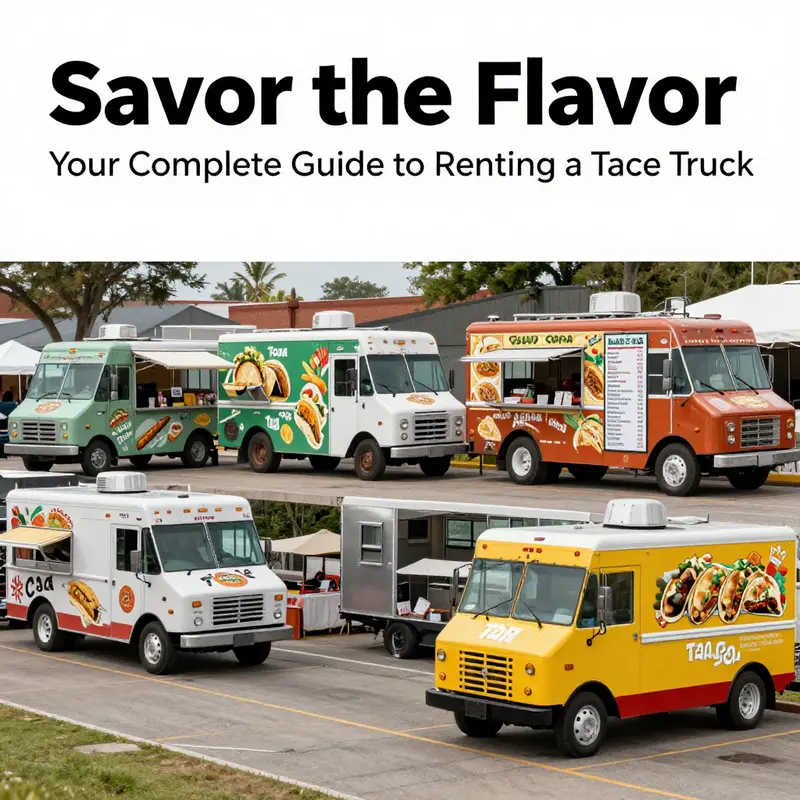
Renting a taco truck sits at the intersection of appetite and planning. For entrepreneurs eyeing a mobile-food venture, the question isn’t just what it costs to rent a truck, but how the cost fits into a broader budget that includes permits, staff, ingredients, and the seasonal rhythms of local markets. The appeal of a taco truck is clear: a compact kitchen on wheels, the flexibility to move to high-traffic events, and the potential to build a recognizable brand around a signature menu. Yet the price tag to get that rolling can surprise even the most prepared planner. The picture that emerges from industry chatter is that taco-truck rentals come in a broad range, shaped by the truck’s type, its condition, the locale, and what the rental package actually covers. The most consistent thread is that there is no single price; there is a spectrum where a basic, well-maintained unit can be affordable for many pop-ups, while a top-tier setup with built-in amenities raises the daily figure markedly. This variability matters because it pushes planners to think through what they truly need versus what would be nice to have—and how much of a cushion they must build into the budget for an upcoming event or a new business launch.
In practical terms, the daily rental rate for mobile food trucks, including taco-focused units, tends to sit roughly in a band from about one hundred to five hundred dollars per day. On the lower end, a basic truck with standard kitchen equipment and reliable maintenance can surface around two hundred dollars a day, give or take. On the higher end, a fully equipped unit featuring premium branding, robust kitchen systems, a larger prep area, and perhaps an upgraded power and water setup can approach five hundred dollars per day. Those numbers aren’t carved in stone, but they reflect the way owners price for the value they provide—from reliable generators and refrigeration to efficient exhaust systems and sanitation facilities. The exact price, of course, hinges on the market. In megacities where foot traffic is abundant and event calendars run dense, the same truck may carry a premium that pushes the daily rate toward the upper end of the range. In smaller towns or rural corridors, the demand pressure eases, and the price can dip closer to the lower end. It’s not unusual for the same truck to command different quotes depending on the time of year, the day of the week, and the specific event or venue contract being negotiated.
To visualize how this translates into a budgeting exercise, imagine a three-day event in a metropolitan area. If you rent a mid-range unit at roughly $300 per day, the base truck cost would be about $900 for the event. Add essentials that often accompany the rental—fuel, insurance, and a basic cleaning—plus a modest staffing plan if you’re not bringing your own team, and the number can rise quickly. If the same three days occur in a different city where demand is lower, a comparable truck might drop toward $200 per day, bringing the base rate closer to $600. Between those two anchors, the rest of the budget begins to take shape: permits and licenses required by the city, health-and-safety inspections, and any local fees tied to street vending or vendor spaces. Those items aren’t optional in many markets; failing to account for them can derail a carefully laid plan and complicate revenue projections.
Another layer to consider is the equipment mix that comes with the rental. Some packages include the basics: a functioning kitchen setup, a generator, a water tank, a basic handwashing station, and standard safety features. Others bundle more—brand-new kitchen appliances, upgraded refrigeration, specialized ventilation, or even a tailored branding package with preprinted signage and menu boards. For planners who want a turnkey experience, the premium tier can be attractive because it reduces the number of external vendors you must coordinate. However, the premium tier also solidifies a larger daily expenditure. The decision often hinges on the scope of your menu, the volume you expect, and how much you want to control quality from day one. If your concept depends on precise temperature control or a particularly high-volume service window, investing in a more robust, better-integrated unit can pay off in consistency and speed, even if the daily price is higher.
Beyond the truck itself, there are persistent ancillary costs that can materially affect the all-in price. Fuel is an obvious line item, especially for operators who plan to move frequently between events or drive significant distances to and from markets. Insurance is another essential, and the cost can vary with factors like the driver’s history, the coverage limits, and whether you’re insuring just the truck or the business as a whole. Staffing can be included in the rental package, but more often it’s an add-on or a contractual obligation you handle separately. If staffing isn’t included, you must budget for cooks, servers, and possibly a dedicated manager during busy shifts. Permits and licensing fees are notoriously location-specific; some cities require a vendor permit, health-permit, fire-safety certification, and even a separate street vending permit. These can be recurring costs if you operate frequently in the same area or if you set up at multiple sites with distinct regulatory regimes. Maintenance and cleaning post-event are common add-ons, especially when kitchens see heavy use. A thorough cleaning, disposal of waste oil, and the replenishment of consumables can add up, particularly if the event schedule is tight and downtime is limited.
All these elements point to a simple truth: the sticker price of renting a taco truck is only part of the financial picture. The true cost is the total of the rental rate plus fuel, insurance, staff, permits, maintenance, cleaning, and any other services you might rely on to bring a seamless operation to a market or festival. What looks like a modest daily rate at first glance can, when multiplied across a season, become a significant figure if you don’t plan for the extras. Conversely, savvy buyers can lock in lower per-day prices by negotiating longer-term arrangements, bundling services, or choosing a lean package that covers the essentials while allowing them to source or handle the rest. In markets where competition among rental providers is fierce, even small advantages—like a longer rental term, a bundled permit package, or a shared credit on future bookings—can translate into meaningful savings.
For someone weighing a first foray into taco-truck rental, the practical route is to translate these broad price bands into a concrete quote tailored to the intended use. If you’re testing a concept—participating in a handful of weekend markets—the most prudent approach is to start with a three-to-five-day window around your target events. This provides a realistic test of demand and service flow, while also offering a baseline to compare against other operators in the area. In this scenario, you’d request quotes for a mid-range unit with the basic amenities and choose whether to add a few upgrade features like a better ventilation system or a larger prep space. If you find yourself replying strongly to a cluster of weekends in the same venue or city, a longer rental arrangement could unlock a discount or more predictable scheduling, enabling you to lock in a more favorable rate while you calibrate your menu and staffing plan.
The broader challenge, however, lies in bridging the gap between a rental quote and a viable business plan. It’s one thing to price a single festival or weekend pop-up; it’s another to project revenue across a season while absorbing the recurring costs that accompany this line of work. A thoughtful model looks at cost per service window, per event, and per week across a calendar, then weighs that against the expected turnout, average ticket size, and the margin on each item sold. Even with a favorable rental price, a taco operation must also account for competition, market tastes, and the ability to scale up to meet demand without sacrificing quality. In practice, the more you can standardize your menu, the more you can optimize labor and prep workflows, and the more predictable your sales can become. A streamlined operation reduces risk and helps you justify the fixed costs of renting rather than owning.
In recent months, several operators have found value in partnering with rental platforms that specialize in mobile food service vehicles. These platforms can offer real-time pricing, availability updates, and a range of trucks calibrated to different budgets and event sizes. They also illuminate the trade-offs between different configurations, from compact two-tank setups suitable for quick-service runs to larger, multi-kitchen arrangements designed for high-volume production. Yet even with these platforms, the pricing landscape remains fluid. It’s not unusual for two identical trucks to yield different quotes because one contract includes a generator and water tank while another lists those items as separate add-ons. The lesson for an aspiring taco entrepreneur is to treat each quote as a structured proposal rather than a single price tag. Break down what’s included, confirm who is responsible for permits and insurance, and verify whether the unit will be delivered with a staffed crew or if you’ll supply your own team.
When you start to assemble a comprehensive cost model, it pays to keep a simple, disciplined approach. First, establish your target event profile: the city, the expected crowd size, the typical duration, and the number of events you anticipate per month. Second, map out the core rental cost for the truck that fits your mission, plus the expected ancillary costs: fuel, insurance, staff, permits, and post-event cleaning. Third, build in a contingency for unexpected charges: perhaps a spill cleanup, a late-hour delivery complication, or a sudden weather-induced delay. Fourth, compare scenarios side by side. A lean operation may carry a lower base rate but higher staffing and permit costs, while a more modular setup may reduce staffing needs at the expense of a higher rental charge. The goal is to identify a realistic, sustainable balance that supports consistent production, reliable service, and predictable cash flow.
For those seeking a practical rule of thumb, begin with the daily rate range as your anchor: roughly $200 to $300 per day for a solid, reliable mid-range unit, and up to $500 per day for a top-tier, fully equipped configuration in high-demand markets. Use that anchor to estimate three-day, five-day, and weekly blocks, then layer in the other recurring costs. Don’t forget to check whether the rental includes essential services such as basic insurance coverage and a narrow limit for personnel if you require staff. If you’re unsure, ask for a transparent breakdown and a two- or three-page quote that lists every line item. This transparency reduces friction during negotiations and helps you compare apples to apples when you’re evaluating multiple providers.
As you work toward a plan, you will likely discover that the cost of renting a taco truck is not simply an expense but a catalyst for clarity about your business model. The process of translating a price into a viable operation often reveals where you can optimize, such as by choosing a location with lower permit barriers, bundling services for efficiency, or aligning your schedule with peak market windows to maximize revenue per hour of operation. It also highlights the importance of controlled experimentation: by testing in a few venues, you gain data about customer preferences, which informs menu adjustments, portion sizing, and pricing strategy. The best operators treat rental costs not as a fixed overhead to be endured, but as a variable that can be steered through careful planning, strategic purchasing, and thoughtful collaboration with event organizers and venue owners.
For those who want to delve deeper into the range of equipment configurations and the business logic behind different truck models, a recent industry overview highlights how various setups support different culinary strategies. This resource offers a closer look at the kinds of configurations that top performers use to deliver reliable service in a variety of settings. It provides a useful yardstick when you’re evaluating what to rent, how to price your offerings, and how to position your brand in a crowded street-food landscape. If you’re seeking practical guidance on model variety and culinary adaptability, you can explore the broad spectrum of “top taco truck models” in the linked article: Top taco truck models for culinary success.
As you connect these pricing insights to your planning horizon, you’ll also want to consider how your operating philosophy aligns with local market realities. Some operators prioritize speed and turnover, investing in smaller, efficient setups and shorter service windows to maximize the number of events they can cover in a month. Others pursue high-volume, high-margin menus at fewer, larger venues, which may justify a larger upfront rental and a more robust kitchen. Either path requires a disciplined budgeting approach, careful vendor selection, and a willingness to adapt to the cadence of the market. In all cases, the rent-versus-own decision remains central. While owning a taco truck creates a long-term asset and potential equity, renting offers flexibility, lower upfront costs, and the ability to test concepts without taking on depreciation risk. The right choice depends on your risk tolerance, your growth ambitions, and the scale at which you plan to operate in the near term.
Finally, for readers who want a concise gateway to current pricing, remember that external pricing resources can provide a real-time sense of market rates and availability. While individual quotes will always trump generalizations, a sense of the prevailing price bands helps you set expectations and bolster negotiation leverage. For further pricing research, you can consult widely available external resources that track mobile-food-vehicle rentals and provide live quotes, which can be a practical tool as you draft proposals and budget scenarios. To explore real-time pricing and availability, visit the external pricing resource at https://www.rentmytruck.com.
Location Variability and How Much It Is to Rent a Taco Truck
Figuring out how much it costs to rent a taco truck can feel like chasing a moving target. The price you see in one city, or from a single vendor, is rarely what you will pay elsewhere. The wheel steer system of the market includes the truck’s size, its age and condition, whether you are leasing or paying daily rates, and how far you are from dense urban centers or remote hospitality hubs. The math behind these numbers is not one-size-fits-all; it is a tapestry of location-driven factors, operational needs, and the broader business model you intend to run with the vehicle. You might start with a rough sense of cost by looking at daily rental bands that commonly appear in market chatter: a basic, well-maintained taco truck can rotate around a couple hundred dollars per day, while a larger, more fully equipped unit with branding that commands attention could flirt with the ceiling around five hundred dollars per day. Yet those figures are a starting point, not a verdict. They are the scaffolding on which you build a budget that makes sense for your local landscape and your long-term plan.
Location is the most powerful driver of price. In major metropolitan areas where space is scarce, regulations are strict, and event calendars are crowded, the same truck that rents for two hundred dollars a day in a mid-sized town might demand closer to three hundred or even four hundred in a high-demand neighborhood. The same logic applies to weekly or monthly arrangements. A city with a vibrant festival circuit, a dense cluster of nightlife districts, and a steady flow of corporate events will push the baseline numbers upward. In contrast, smaller cities or rural locales often present a price relief, with daily rates tapering toward the lower end of the spectrum. The economic calculus expands beyond the sticker price on the rental contract. When you take into account travel time, fuel costs, and potential parking fees, the daily sticker price can multiply or shrink depending on how the truck is deployed. The difference between operating in a high-traffic corridor and a location with limited footfall is not simply about hours logged behind the wheel; it is about the incremental revenue the truck can generate during peak windows and the cost of maintaining a presence in those windows.
The underlying economics of rental arrangements also reflect what is included in the package. Some operators offer the truck with a basic cooking setup, gas lines, and a generator, while others may throw in premium equipment, upgraded branding elements, and a staffed service model. When staffing is included, the daily rate will carry a premium but can flatten some of the variable costs you would otherwise incur by hiring labor separately for events, weekends, or multi-day festivals. If staffing is not included, you must fold in wage expectations, payroll taxes, and workers’ compensation into the cost envelope. Similarly, some contracts cover insurance and maintenance for the truck, while others leave those costs to the lessee to secure separately. Insurance, in particular, is a nontrivial expense because it protects against property damage, liability, and the unique risks associated with mobile food service. These fixed costs and contingencies are essential to quantify alongside the base rental price because they affect your true monthly outlay and, by extension, your break-even point.
Beyond the core rental price, many operators confront a suite of additional charges that can alter the bottom line. Fuel is a common external cost, especially when the truck is used across multiple events in a single week or travels between urban centers. Some rental agreements estimate fuel at market rates and require you to reimburse the vendor for fuel on top of the daily rental. Others structure fuel into the base price, offering a more predictable monthly or weekly spend but potentially at a higher baseline rate. Permits and licensing are a recurring friction in the mobile food space. Permit fees vary not only by city but also by venue type, and they can include health inspections, street vending licenses, and event-specific credentials. In many cases, the permits you secure for a single city will apply to recurrent appearances, reducing administrative friction over time, but the initial outlay can be substantial. Maintenance and cleaning add another layer of cost discipline. A well-run operation will incur routine servicing, tire wear, brake checks, and kitchen-system maintenance, and cleaning between events is not merely cosmetic; it is a hygiene and safety necessity that affects the readiness of the truck for back-to-back commitments.
There is a second tier of costs that is easy to overlook until you get into the rhythm of operation. Parking and curb usage fees can accumulate quickly if your service footprint includes high-demand districts or venues with fixed charges for the right to park and serve. In some markets, event spaces or farmers markets impose daily access costs that can range from modest to considerable depending on the scale of the event and the expected crowd. In other regions, fee structures favor long-term relationships with steady clients and thus offer price stability that favors a monthly budgeting approach. The interplay between permit costs, venue fees, and the availability of municipal parking for trucks creates a mosaic of financial pressure points. To navigate this landscape, many aspiring operators map out anticipated revenue against a layered cost structure that includes not only the obvious line items but also the less visible fulcrums that tilt profitability. The objective is not merely to minimize the rental number but to maximize the portion of revenue that remains after the truck is deployed across the events that matter most to your concept and your audience.
An alternative dimension of variability emerges when you consider long-term rental strategies. For people who want to test a concept without a full purchase commitment, month-to-month leases can present an attractive bridge to ownership. In many markets, long-term rentals can come with discounted weekly or monthly rates, sometimes making a weekly cost competitive with or even favorable to weekend-only usage. The savings can compound when you are operating multiple events per week or planning a seasonal push that requires consistent access to a kitchen-on-wheels. The math here is subtle: a lower monthly rate can be offset by higher venue fees and fuel if the truck is continually on the move, while a more stable arrangement with predictable location schedules can reduce risk and simplify cash flow. This is where the business model choice starts to become as important as the price itself. A flexible, scalable model—one that can adapt to events, pop-ups, and private gatherings—tends to weather shifting demand more resiliently than a fixed, high-cost plan that relies on a single revenue channel.
To translate all this into something practical, imagine you are planning to deploy a taco concept across a mid-sized region with a handful of regular events each month. You would begin by surveying the market for daily rental brackets in your target locales, then layer on estimates for permits, venue access, and basic compliance costs. If you expect to run at a weekly cadence with a strong slate of weekend events, you would compare a straightforward daily rate against a weekly or monthly lease and assess whether the bundled costs of maintenance and staffing ease your cash flow. The question of what to prioritize—price versus predictability—depends on your appetite for risk and your confidence in demand. The best practice is to assemble a simple budget that captures the minimum viable cadence of events you anticipate, the geographic spread of those events, and the time it will take to scale from a test phase to a consistent pattern of revenue. This approach reduces the cognitive load of chasing the perfect price and instead optimizes for a viable path to sustainable operation.
In this light, the path from rent to revenue becomes more of a strategic exercise than a single-line shopping decision. You may discover that the most meaningful savings come not from the daily rental figure alone but from the way the truck is integrated into a broader portfolio of offerings. A flexible approach to staffing, cross-utilized equipment, and a repertoire of menu items designed to travel well between venues can shape how much you actually spend per event and how much you earn per event. The local ecosystem matters: if you operate in a market with a dense schedule of street fairs, corporate gatherings, and campus events, the value of a reliable vehicle that can be deployed quickly at multiple sites increases. Conversely, if your footprint is small and your seasonal demand is uneven, a leaner arrangement that prioritizes cost control and a staged growth plan may be wiser. This nuance, the distinction between price at the contract level and price realized in practice, is where most operators learn to read the subtle signals of the market and calibrate their expectations accordingly.
As a closing thread that ties the thread back to the broader topic, consider the way a rental decision behaves inside a full business model. The taco truck is not merely a vehicle with a kitchen; it is a mobile asset that carries credentials, permits, and the potential to unlock brand experiences in places where a fixed storefront would be less practical. This is why a robust budgeting framework, anchored in location-driven pricing and a clear understanding of what is included in the rental package, is essential. It helps you separate the noise of advertised daily rates from the signal of total cost of ownership for the period you intend to operate. It also makes it easier to compare apples to apples when you begin to talk to vendors or to platforms that list mobile food service vehicles. In the end, what you pay to rent a taco truck reflects where you want to operate, how often you want to operate, and how confidently you can translate every event into sustained customer engagement and revenue. For readers who want a deeper dive into the specifics of market pricing and available inventory, there are resources that catalog listings for food service vehicles and offer real-time pricing, which can help refine your expectations as you craft your business plan. And for those who are inclined to explore related topics that influence ingredient sourcing and supply chain choices, a related discussion on nearshoring in Mexico boosting taco ingredients can provide context for the overall cost structure of running a mobile kitchen in a connected, regional network. See the linked topic here: nearshoring in Mexico boosting taco ingredients.
From a broader standpoint, the actual dollar figures you commit to for renting a taco truck are a function of market dynamics, regulatory environments, and the strategic design of your business model. The numbers can appear small in isolation, yet they accumulate into a meaningful portion of startup and operating costs when multiplied by the number of events and the duration of a season. It is both a science and an art to balance the cost of mobility with the value of the guest experience. A well-priced vehicle that arrives ready to serve can be the difference between a sporadic pop-up and a thriving mobile brand. When you consider the price range on daily rates and the monthly leases, when you weigh the friction costs of permits and parking, and when you recognize how much value a predictable schedule can bring to your planning, the decision begins to resemble a financial throttling exercise: you adjust speed to sustain momentum without burning too much fuel—and you do so with the knowledge that the truck is more than a kitchen on wheels. For readers seeking broader context on pricing frameworks and cost breakdowns in the mobile food space, external resources offer detailed perspectives and case studies that illustrate how other operators structure their costs and revenue streams. Visit a widely recognized external resource at https://www.foodtruckspace.com/ for a broader framework that complements the local market insights discussed here.
Beyond the Base Fee: Hidden Costs of Renting a Taco Truck
When you picture renting a taco truck, the price tag that first comes to mind is the daily or weekly rate printed in bold on a contract or a rental platform page. Yet the real cost of bringing a mobile kitchen to life extends far beyond the base fee. The base rate typically reflects only the vehicle itself, its size, and its condition. In practice, the total investment for a functioning taco operation blends several layers of expense that can shift with location, project length, and the scale of your operation. Understanding this layered reality is essential for anyone who wants to avoid cash flow surprises and make a rental decision that serves the business plan rather than undermines it. As you navigate the decision, you’ll discover that every line item on a rental quote carries a purpose, a risk, and a potential saving if managed with intention.
To begin, consider the base rental range—commonly described as a daily rate for mobile food trucks, which can vary from modest to premium based on size, equipment, and branding standards. This baseline gives you a starting point, but it is not the final figure. In major markets, demand and operating costs push prices higher, while in smaller towns or rural areas, you may find more favorable numbers. The geography of your operation matters as much as the truck’s physical attributes. If you are chasing a flagship culinary identity in a dense urban corridor, you should expect that the base rate might be elevated to accommodate the market’s expectations for reliability, sanitation standards, and branding polish. This is a good reminder that “rent per day” is a loose metric unless you consistently pair it with what you’ll pay out of pocket to keep the truck running and compliant over the life of the contract.
Beyond the truck itself, permits and licenses loom large in the cost matrix. Every city or county tends to require a menu of approvals for a mobile food vendor: a mobile vending permit, a health department clearance, and a business license at minimum. Some jurisdictions demand inspections, annual renewals, or special event permits for large gatherings. Even if you opt for a short-term engagement, you may face processing fees, background checks, and administrative costs tied to local regulations. These aren’t cosmetic expenses; they are critical to legal operation and risk management. If you’re operating in a city with rigid inspection cycles, you might encounter scheduling constraints that affect how often you can deploy the truck and how many events you can book in a given month. In budgeting, it’s prudent to reserve a separate fund for permits and license renewals, rather than letting them blend into daily operating costs. When these items are neglected, a single renewal setback can threaten your entire schedule and revenue stream.
Insurance is another non-negotiable pillar in the rental cost structure. A comprehensive policy stack covers a spectrum of contingencies: general liability to address accidents or injuries that occur near the service window, property insurance to protect the vehicle and its kitchen equipment, and, if you employ staff, workers’ compensation. The premiums you’ll pay depend on location, coverage limits, and past claims history. In high-traffic markets or venues with tight safety requirements, insurers may impose higher minimums or require additional risk mitigation measures. You should also expect to carry certain endorsements or add-ons: product liability, spoilage coverage for perishables, and possibly coverage for equipment that travels between sites. While these costs can be predictable within a range, the exact price hinges on your business model, the number of events, and the truck’s equipment suite. A careful, documented risk analysis ahead of rental commitments helps quantify these costs and prevents gaps in protection that could jeopardize the operation.
Fuel and ongoing maintenance roll into the operational budget with a regular cadence. Fuel costs rise and fall with fuel prices and the miles you rack up between events. If your rotation includes multiple city blocks, airports, fairs, and neighborhoods with varying traffic conditions, fuel usage can be less predictable than a storefront business. Maintenance, meanwhile, encompasses routine servicing—oil changes, tire checks, brake inspections—and more substantial repairs if the truck experiences wear from frequent use. Even the best-maintained units can require unexpected repairs, especially those that travel long distances or operate in challenging climates. The cost of maintenance isn’t only about parts and labor; it also includes downtime. A malfunctioning truck cannot serve customers, which translates into missed revenue and, potentially, a loss of trust with event organizers who rely on consistent performance. To guard against this, many operators build a maintenance reserve into their monthly budgets and negotiate service terms with the rental company that guarantee timely support and predictable triage for urgent issues.
Supplies and inventory form another continuous expenditure stream. Ingredients, tortillas, sauces, napkins, utensils, cups, and packaging materials must be stocked to match demand patterns. The cost of perishables can swing widely with menu choices, seasonal trends, and supply chain disruptions. A smart rental strategy recognizes that inventory is not just food; it is the ecosystem that enables the business to function smoothly from one event to the next. Wastage is not merely a financial concern; it is a quality and branding issue. Customers notice inconsistencies in portioning or plating that can arise when supply levels run unexpectedly low or when ingredients are recalled or unavailable. Effective inventory management—tracking usage, anticipating demand, and securing reliable suppliers—helps stabilize costs and preserves the integrity of the customer experience. In a rental context, where the truck operator may have limited control over the upstream supply chain, it becomes even more important to align inventory planning with the events calendar and the truck’s capacity.
Marketing and branding costs are often underestimated in a turnkey rental scenario. A mobile business thrives when it stands out in saturated markets. Even if the truck comes with a basic brand, the practical requirement is to attract and retain a loyal customer base across events. This means investing in signage, menu boards, social media presence, and sometimes promotional activities at events. The branding package attached to a rental unit can influence both the perceived value and the actual sales performance. For some operators, the rental agreement includes brand-ready graphics or access to specialized equipment that enhances the customer experience. For others, the unit is a blank canvas, and the business must finance its own branding from day one. In either case, it is essential to earmark growth-oriented marketing funds within the budget so that visibility and demand can rise in step with the operation’s footprint.
Labor costs are a particularly consequential line item that interacts with practical realities and regulatory requirements. If staffing is included in the rental package, you may still encounter payroll taxes, workers’ compensation, and benefits that push the total cost beyond the sticker price. If staffing is not included, you must hire cooks, front-of-house assistants, and sometimes drivers or dedicated event coordinators. Even when you operate with a lean crew, you’ll face wage pressures, overtime rules, and scheduling complexities that complicate event logistics. Labor costs are not only monetary; they shape service quality, speed, and the capacity to scale. A well-planned labor budget considers peak event days, staff rotation, and contingency plans for illness or last-minute changes in the schedule. When you assess a rental quote, it can be tempting to view labor as an external cost, but in reality, it is a core component of your unit economics and affects the viability of renting versus buying.
Wear and depreciation, often overlooked in quick-read cost summaries, is a subtle but lasting factor. Even when you rent, the financial planning should account for the vehicle’s aging and the gradual loss of resale value over time. If you eventually decide to purchase or upgrade, depreciation becomes central to tax planning and cash flow projections. Some rental programs provide maintenance-inclusive terms that help reduce the anxiety around wear, but those benefits come with trade-offs in terms of upfront pricing or monthly charges. On the other hand, negotiating favorable terms for a longer rental period can create predictable, manageable depreciation or transfer the risk of asset decline to the rental partner. The practical upshot is simple: treat the truck as an asset in your financial model, not a mere expense, and ensure you have a clear view of how wear affects your long-term plans.
A crucial consideration in any rental decision is the length of engagement. Short-term rentals offer flexibility but can result in higher per-day costs and fragmented scheduling. Long-term arrangements, while potentially cheaper on a per-week basis, introduce longer commitment and the need for deeper coordination with event calendars, insurance, and regulatory compliance. The research and practitioner guidance in this space show that some operators negotiate weekly or monthly terms that, in aggregate, reduce the daily rate to a range that becomes competitive with owning a truck outright. When contemplating long-term rentals, it is worth comparing a few options side by side: the pure daily rate, the inclusive package (maintenance, insurance, and staffing where applicable), and the total cost of ownership if the truck were owned instead of rented. A disciplined comparison helps prevent a misalignment between operational needs and financial exposure. You may find that a hybrid approach—renting for peak seasons while keeping a smaller, fixed kitchen for off-peak demand—offers the best balance of flexibility and cost control.
For readers who are actively planning a rental, a practical reminder sits at the intersection of budgeting and strategy: the numbers are not static. Prices shift with market dynamics, event calendars, and regulatory changes. As you approach a rental decision, gather multiple quotes from reputable providers, compare inclusions with the line items above, and stress-test scenarios that reflect your actual calendar. A well-structured projection should show the base daily rate, all mandatory and optional fees, and an explicit allowance for unexpected costs. It should also reveal the point at which renting ceases to be advantageous relative to alternative formats, such as prefabricated pop-up kiosks, commissary collaborations, or a smaller, secondary kitchen vehicle. The objective is not to chase the cheapest option but to secure a predictable, scalable solution that supports consistent service quality and sustainable margins. When this clarity exists, the decision to rent—and for how long—becomes a strategic lever rather than a financial gamble.
For those weighing hardware options as part of their broader strategy, exploring the options and trends around taco truck models can inform a wiser rental choice. The landscape includes several distinct configurations, from compact setups focused on speed and efficiency to larger, fully equipped units designed for multi-brand menus and high-volume events. If you’re evaluating whether renting is the right path, you might consult resources that overview top models and their capabilities. See the discussion of the top taco truck models for culinary success for context on how different configurations align with menu complexity, branding needs, and service speed. Fascinatingly, the choice of model can influence not only your upfront costs but also the execution of your operating plan, affecting how you stage events, how you manage staffing, and how you present a consistent customer experience. You can access a consolidated overview here: top taco truck models for culinary success.
In addition to the internal budgeting exercise, it helps to consult external benchmarks and industry frameworks as you finalize a rental decision. Real-world planning often benefits from a structured view of cost drivers, as well as practical tips on negotiating favorable terms. For readers who want a broader frame of reference, reputable external resources provide market data, best practices for managing vehicle costs, and insights into how to calculate business motor vehicle expenses for tax and cash flow purposes. While the exact figures will depend on your local context and the specifics of the rental agreement, the underlying principle remains constant: successful renting requires a holistic view of all costs, not just the daily rate. This approach helps prevent sticker shock and supports a smoother path from contract signing to a thriving food event calendar.
As you prepare to move from curiosity to a formal rental inquiry, a structured, comprehensive view of costs can be your most valuable tool. The goal is to align your financial plan with your operational ambition—so you can say yes to the right events at the right price, without compromising service, compliance, or brand integrity. The chapters ahead will connect these budgeting insights with practical decision-making, including how to assess event pipelines, negotiate inclusions, and track performance once the truck hits the road. If you’re curious about how these considerations translate into concrete planning, you can explore the broader landscape of mobile culinary equipment and the paths other operators have taken to maximize value from rental arrangements. For readers who want to map the numbers to real-world practice, the following resource can offer a useful, external reference: https://www.rentmytruck.com
In sum, renting a taco truck is rarely a single-figure decision. It requires a careful alignment of regulatory compliance, insurance protection, fuel and maintenance budgets, inventory planning, marketing, labor economics, asset wear, and strategic flexibility. When assembled thoughtfully, these components produce a reliable, scalable platform for street-food entrepreneurship. The effort you invest in forecasting, negotiating, and monitoring these costs pays dividends in the form of smoother operations, steadier cash flow, and the confidence to expand toward bigger events and bolder menus. The risk of underestimating any one line item is not merely a financial setback; it is a constraint on your capacity to deliver quality, consistent service across venues and seasons. With a clear, comprehensive view of the hidden costs—and a plan to manage them—it becomes possible to pursue a rental path that supports both growth and compliance, turning a seemingly simple price tag into a well-structured, profitable venture.
External resource: https://www.rentmytruck.com
Long-Term Paths to a Mobile Kitchen: Understanding How Much It Costs to Rent a Taco Truck Over Time

Entering the world of mobile catering often starts with a decision about ownership versus rental. Long-term rental of a taco truck can offer a practical bridge between a startup concept and a fully functioning street kitchen. The monthly price you pay hinges on more than a single number: truck configuration, included services, market demand, and the terms of the contract all shape the bottom line.
Typical monthly ranges. A fully equipped used taco truck commonly rents for about $1,500 to $4,000 per month. A newer or custom built unit can command $6,000 or more per month. In some markets, higher end packages may include branded interiors, energy efficient appliances, or on-site support.
Beyond the sticker price, you must map the ongoing costs. Some leases bundle maintenance, insurance, and certain kitchen equipment into one fixed monthly payment. Others bill these items separately, meaning your base rent is just the tip of the iceberg. Fuel costs depend on travel distance between events, the truck’s fuel economy, and how aggressively you run refrigeration and power systems while on site. Insurance ranges from basic liability to full coverage that protects the truck and its equipment. Permits and licensing are essential and can be recurring per season or per event. Maintenance and cleaning may be included or may require you to pay out of pocket for routine service and repairs.
Pricing models vary. Fleet operators sometimes charge a base monthly plus a percentage of sales, or a flat rate tied to branding and service levels. In franchised models, you may pay for use and branding, while the actual vehicle remains owned by the operator. The upside is predictable cash flow and standardized maintenance; the downside is less flexibility to alter the truck or switch brands.
Decision framework. Start by listing must-have features such as a kitchen layout that supports your menu, sanitation features, and branding aesthetics. Then identify nice-to-have extras like energy efficiency, advanced refrigeration, integrated point-of-sale hardware, or a remote maintenance dashboard. Request written proposals that itemize what is included in the monthly rate and what would trigger extra charges. Check references from operators with similar trucks and markets.
Practical sourcing tips. Look for platforms that offer flexible pricing, real-time quotes, and a range of trucks. Compare total cost of ownership rather than sticker price.
Cost modeling. Build a simple model with a base rent, plus recurring costs like insurance, fuel, and maintenance, plus a contingency for permits and cleaning. Estimate variable costs based on event volume and distance. If you plan to staff the truck, add labor costs. Location matters. In big cities rent tends to be higher but sales opportunities are more abundant; in smaller markets rent is lower but you may have fewer events.
Using long-term rental as a testing ground can let you validate recipes, supply chains, and demand without a large upfront investment. If growth demands scale, a higher-end package may help, but only with a plan to sustain the monthly outlay. Bottom line: a long-term rental can be a powerful tool if you negotiate inclusive terms and maintain a flexible mindset. When you model the total cost against expected revenue, you will see whether renting, rather than owning, makes strategic sense for your timeline. External benchmarks show pricing varies by geography, truck specs, and included services. Seek updated data from credible sources and compare across providers. See resources such as mobile food truck rental market reports for context.
Final thoughts
Understanding the cost to rent a taco truck is more than just noting the daily fee; it’s about embracing the entire experience that tacos bring. By dissecting the costs, considering geographical influences, and being aware of additional charges, you’re now equipped to make an informed decision for your next event or occasion. Whether you’re gathering friends for an incredible taco feast, planning a memorable team lunch, or organizing a standout wedding, a taco truck can be a delightful addition to any menu. Ready to spice up your next event with tacos? Prepare to indulge in flavors that turn any ordinary day into a fiesta!

