
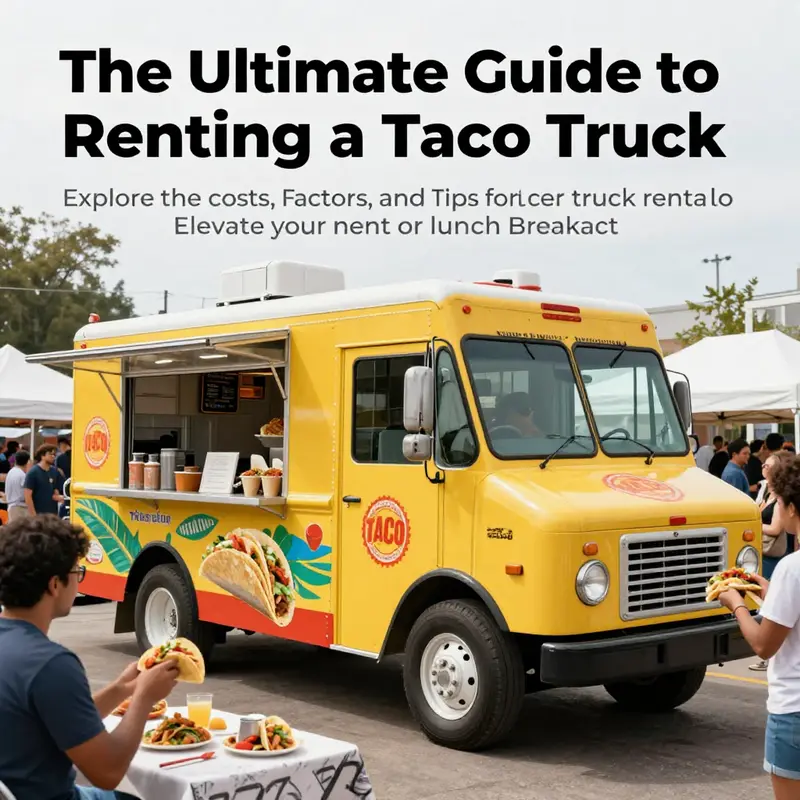
Renting a taco truck can transform any ordinary gathering into an extraordinary culinary fiesta! Whether you’re tantalizing the taste buds of local office workers, catering a fantastic corporate event, or simply treating yourself to delicious tacos at home, understanding how much it costs to rent a taco truck is essential. This guide will demystify rental expenses, explore various pricing factors, different rental options, permits and fees, and what to look for in rental companies. By the end, you’ll be well-equipped to make informed decisions for your taco truck adventure.
null

null
The Real Cost Map: Unpacking What Drives Taco Truck Rentals
Renting a taco truck is rarely just about the monthly sticker price. The figure you see on a lease or a short-term rental sits atop a landscape of variables that together determine whether a truck makes sense for your business, and whether it will stay profitable over time. When you start to map out how much to rent a taco truck, you quickly realize that the cost isn’t a single line item. It is a constellation of expenses that shifts with location, equipment, and the regulatory environment. The practical effect is that two trucks listed at similar monthly rates can end up with very different total ownership costs, because what you pay at the rental desk may only be the tip of the iceberg. Understanding this cost map is essential for anyone who wants to turn a mobile kitchen into a sustainable venture rather than a temporary showpiece.
Location remains the loudest driver of price. In bustling urban cores, where foot traffic is high and parking spots are scarce, rental rates rise to capture the value of exposure. A high-traffic corridor can justify a higher monthly fee because the vendor benefits from more potential customers, quicker line turnover, and the ability to offer a broader menu with longer hours. In contrast, suburban or smaller-market options tend to come with lower sticker prices, but the upside is different: perhaps more predictable sales during a lull in city life or fewer days when permits and street closures complicate service. The economics must be weighed against the expected volume—the same truck you rent in a dense district might earn more per day, but you pay for that privilege with a higher fixed cost.
The condition and quality of the truck also shapes what you pay and what you gain. A newer unit with a modern kitchen, efficient refrigeration, and a branded exterior tends to carry a higher rental price. Yet this premium can pay for itself in operational reliability, reduced downtime, and easier maintenance. A well-maintained truck doesn’t merely perform better; it reduces the risk of health-code violations or costly last-minute replacements during a busy event. For operators planning to run back-to-back events or long-term pop-ups, the assurance that the kitchen meets current standards can smooth budgeting and avoid unexpected repair bills that erase margins.
Size and capacity are the next big levers. Bigger trucks with more cooking surface, additional storage, and multiple service windows can handle higher throughput and support a wider menu. They enable speed during peak hours and can justify a higher rental price because they offer the scalability many operators crave. Conversely, compact trucks draw lower rents but constrain menu scope and daily sales, which makes sense for someone testing a concept, focusing on a specific niche, or targeting smaller venues. The challenge is to calibrate size to the planned menu and the expected service cadence. A misalignment—too much space for a simple menu or too little room for a growing list of offerings—can pressure profitability by forcing costly overtime labor, frequent mid-shift restocking, or missed sales opportunities.
Market demand and seasonality looming over every rental decision cannot be ignored. The calendar itself becomes a pricing signal. Festivals, summer weekends, and special events push rental costs upward because the opportunity cost of a vacant unit becomes visible in sharper relief. Off-peak periods, conversely, may bring discounts, shorter lease terms, or flexible payment options as truck owners seek occupancy. The pattern may be predictable, yet it remains a factor to quantify. If you rely on events for your volume, your cost structure should reflect the probability of hot days, rainouts, and competing vendors, all of which can compress margins just when you need them to hold steady.
Regulatory requirements and licensing costs are a silent but substantial part of the equation. The city or municipality where you operate can add fees for health department permits, street vending licenses, and parking compliance. In some places, permit renewals align with calendar year, while others charge per event or per day. Parking restrictions and loading zone rules can also add layers of compliance expenses, including potential security deposits, insurance mandates, and inspection fees. Beyond permits, you must account for insurance, maintenance plans, and fuel. Insurance protects you against liability and equipment loss, while maintenance contracts or scheduled servicing mitigate the risk of breakdowns that could derail a busy schedule. Fuel costs may not seem monumental day to day, but they accumulate across weeks of mobile operation. All told, regulatory costs and compliance obligations frequently rise into the thousands of dollars annually, shaping the baseline rent you can sustainably absorb.
Taken together, these factors create a practical framework for evaluating rental offers. The baseline monthly rent matters, but so too do what’s included in that rate. Some rental packages bundle essential equipment, hydrant-to-grill configurations, and refrigeration with the price. Others appear cheaper upfront but charge add-ons for permits, insurance, or maintenance. The total cost of ownership becomes a moving target when you factor in service intervals, replacement parts, and potential downtime when a kitchen component requires service. A careful comparison requires an itemized quote that lists every included element and every potential extra charge. It’s not unusual to see a quoted rate of, say, $2,500 per month in a market, only to discover that the permit and insurance costs push the real monthly cost well above that figure. The reverse can also occur: a higher headline rent that includes permits, insurance, and maintenance may deliver a lower all-in monthly expense than a leaner package that leaves those essentials to the operator to source separately.
Beyond the numbers, there is a strategic layer to rental selection. A prospective renter should consider the compatibility of the truck with their concept, branding, and service model. A unit that aligns with the event profile you aim to serve—whether it’s a quick-service taco concept at lunchtime in a business district, a weekend festival staple, or a neighborhood pop-up—can optimize throughput and customer experience. The right truck is not merely a kitchen on wheels; it is a portable platform for a brand promise. As you weigh offers, you should imagine a typical week in your schedule: how many days do you expect to operate, how many hours per day, and what menu complexity you plan to execute? Each of these questions maps back to the rent you can reasonably sustain and the revenue you must generate to cover it.
To translate the rental price into a practical budget, you’ll want to build a simple, disciplined forecast. Start with the all-in monthly rent and add the cost of insurance, routine maintenance, and any scheduled licensing renewals. Then estimate fuel and consumables on a per-day basis, along with the salaries you plan to pay for staff, if any, and a modest contingency for repairs. If you’re operating a highly efficient, compact kitchen with a branded presence and a steady line, you may be able to translate a high-city rent into relatively steady daily sales and a comfortable margin. If your plans rely on fewer events or a volatile venue mix, you’ll want more conservative estimates and perhaps a leaner rental package.
For a closer look at how trucks are positioned in the market and how entrepreneurs think about the big decisions, consider exploring a resource that outlines various truck models and configurations. This overview discusses the kinds of models that can support different culinary approaches and service styles, providing a useful context for rental decisions and concept planning: top food-truck models for entrepreneurs. As you scan rental listings, use the model context to assess whether the unit on offer is capable of delivering the throughput you expect without compromising quality or safety. A truck that matches your concept reduces friction in the kitchen and helps you realize a faster path to profitability.
When you finish the comparison, you’ll likely see that the sticker price is only part of the picture. The total cost of renting a taco truck hinges on a balance between location, equipment quality, size, demand, and regulatory demands. A higher monthly rent in a prime urban market can be a sound investment if it translates into consistent, high-volume service and minimal downtime. A lower rent in a less crowded area can be a solid starting point if you’re ready to manage greater variability in demand and more carefully control operating costs. Either way, the key to success is a clear, data-driven plan that captures the true all-in monthly cost over a band of operational scenarios. It’s this disciplined approach that turns a rented kitchen into a reliable platform for growth.
External links and further reading can deepen your understanding of the technical and standards considerations that influence the practical life of a mobile kitchen, including material properties and compliance. For a detailed, standards-focused perspective, refer to an external resource on food-truck materials and engineering: https://www.example.com/food-truck-materials-standards. This resource provides context on how equipment durability and regulatory compliance intersect with rental decisions and long-term reliability.
Decoding the Price Tag: How Much It Really Costs to Rent a Taco Truck and What It Covers
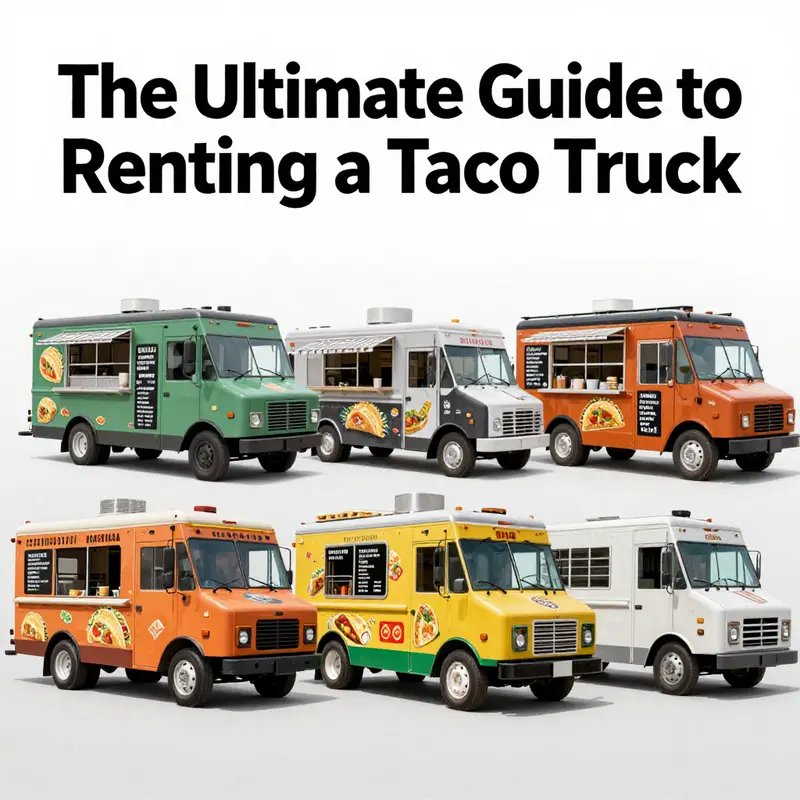
Renting a taco truck is rarely a single number on a contract. The price tag you see is the sum of several moving parts that together determine how feasible a given option is for your concept, schedule, and location. A practical starting point is the recognition that most commercial food trucks fall into a broad rental band, with monthly rates typically ranging from roughly $1,000 up to $5,000. That spread reflects differences in region, truck size, the kind of equipment included, and the length of the agreement. Shorter, event-focused rentals can swing from about $200 to $1,000 per day, a cadence that may suit pop-up launches or festival pop-ins. Yet even these figures are only rough signs of the real costs behind a taco operation. To understand what you are paying for—and what you might still be paying for after you sign—it’s essential to look beyond the headline price and into the details that suppliers sometimes tuck away in the fine print, in the form of required permits, insurance, maintenance, and overheads that can dramatically alter the monthly total.
When you start comparing options, picture the rental as a bundle rather than a stand-alone machine. The truck’s base rent is the anchor, but the true cost envelope includes kitchen equipment, power sources, water and waste systems, refrigeration, ventilation, and sometimes specialized grease management. A well-equipped truck might include a commercial stove setup, a exhaust hood, a sanitation sink, handwashing stations, and a commercially rated refrigerator or freezer. Some rental packages bundle these necessities with the price, while others offer the shell and let you source add-ons separately. In the latter case, your total bill can rise quickly if you need to lease or install an oven, deep fryer, or extra refrigeration units that aren’t already included. This is where a simple monthly quote becomes a shopping trip with a sense of timing and intent. If your calendar is jam-packed with events, a higher monthly rate might be offset by fewer headaches and less downtime, but if your season is light, the daily rate matters more and the total cost of ownership remains a critical consideration.
A fundamental decision revolves around whether the rental fee includes the core requirements to operate legally and safely. In many markets, a truck rental price assumes you already have access to a commercial kitchen or a commissary where you can store and prep foods, as well as a licensed operator who can handle permits and inspections. If the rental quote omits permits, health department fees, and insurance, the true monthly operating cost can exceed the stated price by a substantial margin. Permit requirements can vary quite a bit by city and county, influencing when a truck can park, what kind of water disposal is permitted, and whether a grease trap or backflow prevention system is needed. Insurance is more than a monthly expense; it is a baseline protection for your business and for the vendor’s equipment. Depending on coverage limits and the specifics of your operation—outdoor servicing, alcohol service, or high-risk food categories—the premium can add a notable line item to the budget.
The maintenance line in the rental agreement is another critical factor that deserves close attention. Some operators promise “maintenance included,” but that can mean different things. In some plans, maintenance covers regular servicing, tire replacement, and major repairs; in others, it covers only basic system checks, leaving you to foot the bill for more substantial problems or for wear-and-tear that accumulates over a season. You will want to clarify who is responsible for routine wear items such as tires, belts, hoses, and generator service. Speaking of generators, power reliability is not merely a convenience; it is a business risk in itself. A truck might be wired to run most appliances off a built-in generator, but if the generator fails during a peak service window, you stand to lose a valuable sales opportunity. Some rental agreements require you to arrange separate generator coverage or to purchase a specific fuel plan. These considerations can turn a modestly priced rental into a higher, steadier expense that you must account for in your cash flow.
Location is a decisive, often overlooked dial on the cost knob. The rent you pay for a taco truck in a high-traffic urban corridor will differ from a suburban or rural setting where visibility and footfall are lower. Parking permissions, curbside time limits, and the need for a designated commissary can also affect ongoing costs. In some areas, the right to park and operate in a particular zone may require you to lease a specific lot or to participate in a local event calendar, both of which can alter your monthly commitments. When you negotiate, factor in the cost of optional add-ons that seem minor but carry real implications. A generator rental or fuel plan, a water service contract, or a warranty extension might add a few hundred dollars a month but could save you from unexpected surge costs during peak periods. Conversely, walk-away flexibility—such as month-to-month terms instead of a fixed year-long contract—may carry a premium that makes the opportunity more expensive in aggregate, even if the monthly rate appears lower.
A disciplined budgeting approach starts with a baseline forecast. Estimate the number of events you anticipate per month and the average duration of each event. Multiply by the expected incremental revenue per event, then subtract overhead. The key is to keep your assumed revenue in line with operational realities: the average check size, the typical crowd you expect, the proportion of sales that are cash versus card, and the likelihood of weather disruptions that could shorten events. When you add the cost of the rental itself, plus permits, insurance, maintenance, power, water, gas, and waste disposal, you begin to see whether a rental makes sense for your business plan or if a different model—such as owning a truck outright or partnering with a co-op kitchen—would yield a better return.
To translate costs into a more tangible decision, think in terms of flexibility versus commitment. Short-term rentals can be ideal for seasonal launches, brand experiments, or testing a new menu idea without long-term debt. These offers provide agile access to a turnkey platform, letting you deploy quickly at multiple venues. The downside is a higher per-event cost and less predictability in routing and scheduling. Long-term leases, in contrast, tend to offer more stable monthly rates and sometimes better terms on add-ons, financing for equipment, or maintenance packages. They can lock you into a routine that aligns with seasonal demand and can be easier to manage from a cash-flow perspective. The trade-off is reduced flexibility should your concept pivot or your market conditions shift. In both cases, asking the right questions up front helps prevent surprises. Inquire about what exactly is included in the listed price, what is excluded, and what would trigger a price adjustment—such as a change in location, an increase in required insurance limits, or the addition of new equipment mid-contract.
As you begin to parse quotes, use a simple framework to compare apples to apples. Confirm the base rental rate, the length of the contract, and any upfront deposits or fees. Then map each line item to a business need. Do you have a commissary access, a verified health permit, and a suitable power and water plan? If a vendor offers a turnkey package that includes kitchen equipment and compliance support, that can simplify administration and reduce friction, though it might come at a premium. If you decide to customize, request a detailed break-even analysis that shows how many events you’d need to cover the incremental costs introduced by the additional equipment or services. This exercise helps reveal whether the rental option will support the kind of scale you envision or if you should pursue parallel arrangements—such as a shared kitchen, a mobile unit with a driver-for-hire, or a seasonal pop-up that leverages other catering spaces during lean periods.
In this landscape, visualizing the truck as more than a machine can help you negotiate more effectively. Consider the truck as a platform for your menu, your brand, and your service model. If your concept hinges on a particular workflow—say, a high-volume, high-speed service or a cuisine that demands precise refrigeration and waste disposal—prioritize vendor configurations that support those needs. It is easy to be swayed by the sleekest truck or the most aggressive daily rate, but the long-run cost and reliability will be determined by whether the setup reliably supports your service model, your health and safety compliance, and your capacity to deliver a consistent guest experience across events.
For readers who want to picture the market and the options in a broader sense, it can be helpful to explore curated perspectives on what tends to work in different contexts. See the discussion on Top food truck models for entrepreneurs for a sense of how different configurations align with various business goals and event calendars. This kind of reference can illuminate the tradeoffs between space, equipment, and efficiency, helping you translate a price tag into a practical operating plan. Top food truck models for entrepreneurs
In the end, the price you pay to rent a taco truck is a compass, not a verdict. It points to the kinds of opportunities you can pursue, the level of operational complexity you can sustain, and the pace at which you can grow. A careful buyer will weigh the sticker price against the full spectrum of costs that support a compliant, reliable, and scalable mobile dining experience. The right rental agreement aligns with your market, your menu, and your plans for seasonal or year-round activity. It provides the necessary permits, the required insurance, the dependable maintenance, and the practical power and water provisions that prevent service interruptions. It also leaves room for learning and iteration—the kind of room that matters most when you are building a brand on wheels and turning Mexican street flavors into a repeatable, shareable guest experience.
As you move from price to practicality, remember that a well-chosen rental can accelerate your path to market, reduce upfront risks, and give you the flexibility to adjust course as your customer base, menu, and offsets evolve. The cost equation becomes more than a number; it becomes a framework for your operational discipline, your compliance mindset, and your capacity to deliver on the promise of delicious, accessible street food. The right combination of rental terms, included services, and risk-managed add-ons can transform a single truck into a sustainable, repeatable platform for culinary outreach—one that travels with your ambitions rather than waiting for you at a fixed storefront. By focusing on what is truly included, what will be required of you beyond the base rent, and how those pieces fit into your anticipated schedule, you can move toward a decision that supports both your culinary vision and your business health.
External resource: https://www.sba.gov/business-guide/launch-operate-your-business
The Hidden Price Tag: Permits and Fees That Shape Taco Truck Rentals
Renting a taco truck is rarely as simple as signing a monthly check for a flashing mobile kitchen. The advertised rental price often covers the chassis, the basic equipment, and the space to operate. But many operators learn the hard way that the real cost of running a taco truck includes a suite of permits and ongoing fees that can tilt monthly budgets. Understanding these requirements is not just about compliance; it is a practical way to forecast cash flow, price menu items competitively, and avoid unexpected lulls when licenses lapse or inspections raise the bar. In this sense, permits and fees are as integral to the rental decision as engines and awnings, because they determine when and where you can serve, how smoothly you can operate, and what you must set aside each year for compliance-related expenses.
The core permits typically begin with the Mobile Food Vendor Permit. This is not a mere formality. It is a guarantee that the truck meets sanitation, food safety, and operational standards established by the health department or a city agency. The permit signals to customers and event organizers that you have a track record of maintaining cleanliness, proper food handling, and safe cooking practices. It accompanies a framework of inspections and record-keeping that keeps your operation within the boundaries of public health guidelines. If you intend to park near residential neighborhoods, parks, or other public spaces, this permit often serves as a baseline requirement to prove you meet minimum health and safety standards in those contexts as well.
Zoning permits come into play when you plan to operate in specific areas or at certain times. A truck that stays within a fixed lot may have a straightforward path, but a truck that roams from pop-up to festival floor or a farmers’ market must prove that the chosen location aligns with zoning regulations. Some zones restrict street vending, others permit it only during designated hours or within set buffers from schools or daycares. Understanding these constraints in advance helps you avoid the costly mistake of securing a rental only to discover that the spot you intended to work in is off-limits. Even if you intend to operate primarily as a mobile caterer, having a clear zoning assessment in hand makes it easier to negotiate with event organizers and landowners who want assurances that you are compliant.
Beyond health and zoning, a general Business License is often required to operate legally. A business license confirms that your enterprise exists within municipal boundaries and is subject to local business tax regimes, annual reporting, and basic consumer protections. In many jurisdictions, even a sole operator selling tacos from a truck must register the business, obtain a state or local tax ID, and maintain a presence that shows you operate a legitimate enterprise rather than a casual side hustle. The license is a reminder that running a taco business is, in essence, running a small, formal enterprise with responsibilities toward customers, employees, and the community.
A Seller’s Permit is another crucial piece in the licensing puzzle. If your jurisdiction collects sales tax on prepared foods, a seller’s permit enables you to collect and remit the appropriate tax. This permit connects to the backend financial workflow: every sale contributes to tax obligations, and the permit helps you maintain accurate records for reporting periods. It may seem like a minor administrative task, but mismanaging sales tax can trigger audits, penalties, and funding gaps that ripple through every line item in your budget.
Special Event Permits occupy a different lane altogether. When you sign on for pop-ups, fairs, or city-sponsored street food nights, you may need a special event permit that is time-bound and location-specific. These permits often come with shorter validity windows and may require proof of insurance, a revised food safety plan for the event, or extra health inspections. They can be the difference between a lucrative weekend and the frustration of last-minute cancellations if a permit stalls at the finish line.
In addition to the permits themselves, there are several recurring fees that tick away at the budget. Annual Renewal Fees are common across health departments and city clerks’ offices. Even if you operate steadily, you must budget for the renewal of the Mobile Food Vendor Permit, the Business License, and any related registrations. Renewal cycles vary by city, and some jurisdictions check for continued compliance, updated insurance documents, or changes in the underlying health codes. Missing a renewal can suspend your ability to operate, so many operators treat these fees as a non-negotiable line item, much like fuel or payroll.
Inspection Fees are another recurring cost that deserves attention. Health inspections are not optional most of the time; they ensure ongoing compliance with sanitation and food handling standards. Some regions schedule periodic inspections, while others trigger inspections after specific incidents or if you make significant changes to the truck’s layout or equipment. Each inspection carries a charge, and frequent inspections, especially after equipment upgrades, can add up quickly. A healthy inspection history, while it costs time and administrative effort, can translate into smoother operations and safer, more reliable service for customers.
Application Processing Fees are less visible but equally real. Some municipalities charge to process new permit applications, reassignments, or changes in ownership. Even modest processing fees can accumulate if you are testing multiple locations, switching operators, or upgrading equipment. These fees are a reminder that the administrative infrastructure supporting mobile food businesses operates like a small bureaucracy, and budgeting for it avoids cash flow shocks when you scale or relocate.
The practical approach to these costs is not merely to tally fees but to integrate them into a coherent operating plan. Start with a permit and licensing map that aligns with your intended schedule and footprint. List every permit you will likely need across a typical year, along with the expected renewal dates and typical charges in your city. If you plan to operate in multiple municipalities, you should build a separate budget for each jurisdiction. You may find that some markets have friendlier fee structures or more permissive zoning, which can influence your location strategy and, ultimately, rental decisions. It is not just about whether you can rent a truck but about how affordable and sustainable your operations will be over time.
A practical budgeting step is to pair permits with insurance and maintenance considerations. Insurance is not a permit, but it is closely connected to compliant operation. Most operators carry general liability insurance and may need additional coverage for food contamination, product liability, or vehicle liability. The cost of insurance is directly affected by the risks associated with your operation and the locations you target. When you add permit costs, it becomes clear why some rental options look affordable in the short term but become costly when compliance and maintenance are factored in. In other words, the sticker price on a rental is only part of the story. The total cost of ownership includes permits, renewals, inspections, and the administrative overhead of staying current with regulations.
To navigate this landscape, communication with local authorities is essential. Reach out to the city or county clerk, the health department, and the tax office to confirm the exact permits required in your area. Regulations change, and staying up to date helps you avoid expensive missteps. For detailed, up-to-date guidance tailored to small food businesses, the U.S. Small Business Administration offers practical resources and references that can help you map out the regulatory terrain and align it with your financial plan. When you’re evaluating rental options, consider the following practical approach: first, document the permits you will need for your target markets; second, estimate renewal and inspection costs based on current fee schedules; third, add a realistic buffer for processing fees and administrative tasks that accompany each permit; and finally, adjust your rental strategy to optimize your price-to-service balance. If you want a concrete way to balance equipment choices with regulatory costs, consider reviewing the inventory of truck models and configurations that best suit your planned venues and menus. For example, one resource highlights the range of taco truck models designed to support a spectrum of culinary styles and operating contexts. It can be instructive to see how different layouts influence your ability to comply with health codes and to streamline inspections, which in turn affects the time and money you invest in maintaining permits. top taco truck models for culinary success.
When it comes to actual numbers, the landscape remains highly local. A single permit in one city might cost a few hundred dollars, while renewal every year could run into a few thousand. Inspection fees can be modest, yet they accumulate across multiple locations and trucks. Application processing charges may be a few dozen to a few hundred dollars per change or addition. The variability means a rental decision cannot be made in a vacuum. It must account for the regulatory climate you will operate within, the frequency with which you plan to move between venues, and the ceiling you set for annual compliance costs. A thoughtful operator builds these expectations into every price cue offered by rental suppliers and into every menu price decision. If you price the experience correctly, you cover not only the kitchen’s output but also the regulatory scaffolding that keeps customers safe and communities satisfied.
As you weave these considerations into your planning, the broader implication emerges: the cost to rent a taco truck is not just about the rental rate. It is about the total cost of being allowed to serve—every permit, every renewal, every inspection, and every processing fee that keeps the operation compliant. This broader framing helps you compare rental offers more accurately. A deal that looks cheap at first glance may become expensive if it lacks essential permits or imposes steep annual inspections. Conversely, a higher upfront rental cost may be justified if it bundles the core permits, licenses, and some inspections into the package, reducing administrative headaches and helping you keep your focus on the tacos and the line of hungry patrons.
To deepen your understanding and ensure you cover all bases, consult your local authorities and review the guidelines they publish for mobile food operations. The SBA’s official guidance is a reliable reference point for general small-business questions, including licensing, taxes, and compliance considerations. Keeping a running permit and fee calendar can save you from cascading delays and unexpected pauses in service during peak events. The real art of renting a taco truck, then, lies not just in choosing the right vehicle and kitchen layout but in stacking your regulatory plan with the same care you bring to menu design and supplier negotiation. In that integrated approach, the price you quote to clients and the profits you preserve depend as much on compliance discipline as on culinary craft.
In sum, permits and additional fees are the quiet force shaping the economics of taco truck rental. They determine when you can operate, where you can operate, and how smoothly your daily workflow runs. By mapping out required permits, anticipated renewals, and variable inspections, you gain a clearer line of sight into the true cost of ownership. This awareness helps you negotiate rental terms more effectively, budget with greater precision, and deliver a consistent, safe, and compelling street-food experience. The conversation about “how much to rent a taco truck” sharpens when you frame the inquiry around regulatory readiness as much as vehicle readiness. The result is not only compliance but confidence—confidence that every dollar spent on renting, insuring, and licensing translates into a steady stream of satisfied diners and a business that can scale without funding gaps or operational interruptions. External resources, including guidance from the SBA, provide a foundation you can lean on as you finalize agreements, secure the necessary permits, and chart a path toward long-term success in the dynamic world of mobile dining.
Choosing a Taco Truck Rental Partner: Costs, Coverage, and Compliance

A taco truck is more than a vehicle; it is a small, mobile kitchen built to meet strict food-safety standards while navigating city streets and quiet spaces alike. When you start sizing up rental options, the quest is not simply about the sticker price. It is about the sum of costs, the quality of coverage, and the practicality of the setup you want to operate. A rental decision in this space blends transportation economics with compliance realities, and the outcome will shape your kitchen’s ability to serve customers consistently and legally. In practice, most would-be taco operators find that there is no single, turnkey rental product created specifically for a mobile taquería. Instead, they must evaluate a spectrum of base vehicle offerings and then decide how much to invest in modifications, licensing, and ongoing care. The math is almost always a conversation between budget control and risk management, with each choice pulling you toward a different equilibrium between upfront outlay and long-term viability.
The first and most essential realization is that dedicated taco-truck rental programs do not dominate the market in most regions. Large, traditional auto-rental brands do offer pickup trucks or similar work-ready platforms in certain markets, but these are not designed as a turnkey restaurant on wheels. They provide the raw canvas—an extended-cab or crew-cab pickup, a cargo van, or a small delivery-style vehicle—that you would paint with your own kitchen, exhaust systems, and safety equipment. This distinction matters because it shifts the decision from choosing a single package to assembling a compliant fixture from multiple pieces. It also means the price you pay per month or per day is only part of the story. The real cost picture includes how easily you can install cooking gear, how you manage heat and ventilation, and whether the vehicle can carry the extra weight without compromising safety or performance.
From the outset, a practical guidepost is the range you can expect to encounter. Typical monthly rates for a commercial food-truck-class vehicle, when used as a base for a taco operation, generally fall in a broad band. In many markets, you might see somewhere between $1,000 and $5,000 per month for a reliable vehicle, depending on size, drivetrain, and included maintenance or mileage allowances. Short-term, event-driven rentals—great for a launch, a pop-up season, or a single festival—often run between roughly $200 and $1,000 per day. These figures are starting points; actual pricing will pivot on geography, vehicle state, insurance requirements, and the scope of the fit-out you need. Be prepared for ancillary costs that can push the monthly all-in expense well beyond the sticker rate if you don’t negotiate the right inclusions from the outset. In particular, the cost of permits, inspections, and ongoing maintenance can add up quickly if they are not bundled or clearly defined in the agreement.
When you compare rental options, the devil is in the details of what is included—and what is not. This is where a disciplined approach pays off. If you are eyeing a base vehicle that can function as a mobile kitchen, you must ask whether the rental agreement includes or excludes essential elements such as basic kitchen equipment, HVAC or ventilation considerations, sanitation fixtures, and electrical capacity. Does the price cover routine maintenance, or is maintenance charged separately as a variable expense? Are tires, brakes, and transmission considered within the standard service package, or are these items excluded and thus add to your monthly total? And crucially, does the contract allow for the modifications necessary to install heavy equipment like commercial-grade fryers, griddles, refrigeration units, and a compliant hand-washing station? These questions determine not only the feasibility of your concept but also your cash flow stability.
The compliance terrain is perhaps the most underestimated factor in rental comparisons. A mobile food operation must meet local health department rules, which often require a separate, or at least clearly delineated, kitchen space, proper fire suppression, a robust waste-disposal plan, and an approved means of food storage. Some jurisdictions require a dedicated vehicle permit or a specific type of mobile unit certification that validates the vehicle’s suitability for cooking on wheels. Even if the base rental vehicle is technically acceptable, the modifications needed to pass inspections—ventilation hoods, grease interceptors, back-splash containment, and leak-proof plumbing—must be designed, installed, and documented to satisfy inspectors. The cost and complexity of these regulatory steps can dwarf the base rental rate if they catch you unprepared. It’s therefore vital to view the rental as a platform for a broader business build-out rather than a simple, one-time purchase.
Insurance is another edge of the pricing knife. A standard rental agreement includes basic coverage, but a taco operation introduces new risk profiles: handling perishable inventory, operating in busy streets, and exposing kitchen equipment to heat, steam, and potential spills. The policy that protects a passenger vehicle is not automatically the policy that guards a mobile kitchen. The operator typically needs additional liability coverage for food operations, cargo insurance for equipment, and possibly equipment breakdown protection for the kitchen gear. Ensure that the rental provider will accommodate an “additional insured” endorsement specific to your food-operations risks, and verify whether you can include your own supplier or contractor for the kitchen fit-out as an approved vendor under the lease. If the insurer won’t recognize the kitchen modifications, or if the provider requires you to use their preferred installers, you risk higher costs and less control over timelines. These insurance decisions, negotiated up front, materially influence the bottom line and the feasibility of a month-to-month rental strategy.
While assessing cost, it’s helpful to consider how the rental pathway aligns with your broader business planning. Some operators start with a base vehicle rental and a lean, modular kitchen fit-out that can be removed or reconfigured as the business evolves. Others pursue a more permanent compromise: a longer-term lease on a slightly larger truck with a more integrated kitchen module and fixed permits. Either approach can work, but each carries a different risk-and-reward profile. A lean approach keeps initial cash flow lighter and offers more flexibility, yet it may require repeated disassembly and reassembly if you shift locations or menus. A more integrated, semi-permanent setup can be efficient for consistent venues and steady crowds, but it locks you into a single platform and larger up-front costs. In both cases, the budgeting discipline must extend beyond the monthly rental to include the fit-out, licenses, and risk protections that truly enable a compliant, sustainable operation.
If you want to get a sense of what to look for in a vehicle-hosted kitchen, consider the evolving dialogue around truck chassis and models, which often highlights how certain platforms lend themselves to conversion. A practical touchpoint for readers exploring this path is to review model options and fit-out scenarios, balancing weight, space, and ease of modification. For a closer look at notable taco truck chassis and models, see taco-trucks-unleashed-top-5-models-for-culinary-success. This resource can help you align your expectations about how much space you’ll need, how the load will be distributed, and how a kitchen system might be mounted to a given base vehicle without compromising safety or compliance.
Another practical dimension is how a rental program in your region is configured. In some markets, there are regional or local outfits that specialize in mobile food but market themselves as vehicle-leasing or fleet solutions rather than as restaurant equipment providers. In these cases, you may find more flexible terms, including shorter cycles, easier customization permissions, and closer collaboration on permits and inspections. The challenge, of course, is that such outfits can vary dramatically in their reliability, maintenance practices, and after-sales support. Therefore, a careful, evidence-based comparison is essential: you should request a written breakdown of what is included in the monthly rate, a schedule of maintenance, a description of any non-included wear items, and explicit language about who handles modifications and who bears the responsibility for compliance gaps. If a provider cannot clearly articulate these elements, your risk of unexpected costs and operational delays grows significantly.
In practice, the path forward often involves a two-pronged approach: first, secure a reliable base vehicle with predictable terms; second, plan the fit-out as a separate but integral project with clear milestones, cost estimates, and regulatory checkpoints. This separation helps you preserve flexibility—particularly if your concept or menu shifts—and it makes the budgeting process more transparent. The economics of “rent first, build later” differ markedly from “build now, and rent later,” so you must map your expected revenue, seasonality, and location strategy before committing to a long-term financial arrangement. A skillful planning process will also consider the timing of permits and inspections in relation to the vehicle handover date, ensuring you don’t pay for idle inventory or stranded equipment during the licensing phase.
From a sourcing perspective, you’ll want to establish a framework for evaluating proposals that focuses on three core questions: Can the vehicle support the necessary kitchen infrastructure within safety and weight limits? Do the terms cover or facilitate the essential compliance steps, including permits, inspections, and insurance, without creating a punitive cost burden? And, crucially, is the supplier willing to collaborate on a realistic fit-out timeline that aligns with your launch goals? Answering these questions helps you avoid the most common missteps—rushing a fit-out before permits are in place, choosing equipment that exceeds the vehicle’s electrical capacity, or selecting a rental plan whose maintenance overhead undermines your profitability.
This thoughtful approach to rental comparisons does not require a flawless algebraic formula. It requires a disciplined conversation with potential providers, a clear cost map that includes the base rate plus all add-ons, and a realistic schedule for obtaining licenses and health approvals. It also invites you to reflect on the long arc of your entrepreneurship. A rental strategy that prioritizes flexibility, predictable cash flow, and compliance readiness is often the safest way to gain traction, test a concept, and iterate toward a profitable model. If your ambitions extend into multiple markets, you’ll find that the ability to relocate without crippling penalties is a meaningful advantage, even if it means paying a bit more each month for the right terms and a vehicle that truly accommodates a mobile kitchen.
In sum, the decision to rent a taco truck is a blend of price awareness, risk management, and regulatory literacy. It is about choosing a base that can bear the weight of truthfully installed cooking systems, securing insurance that reflects the realities of a food operation on wheels, and coordinating with licensing bodies so that your business can serve customers with confidence and consistency. The numbers—ranging from roughly $1,000 to $5,000 per month for the base vehicle, or $200 to $1,000 per day for shorter commitments—are only a starting point. The real value comes from understanding what those dollars buy in terms of space, safety, compliance, and the ability to adapt as your team and your menu grow. When you approach rental options with this holistic lens, you can select a partner who does not just hand you a vehicle but equips you with a platform to deliver delicious meals to the streets with reliability and integrity.
External reference: https://www.enterprise.com/en/car-rental/locations/palmdale-ca.html
Final thoughts
With the right knowledge and preparation, renting a taco truck can be a smooth and rewarding experience. Whether it’s for a fun work lunch, a vibrant event, or a unique celebration, knowing the costs involved and the factors that influence pricing can make a significant difference in your planning process. Now you’re ready to embark on a taco truck journey that will satisfy your cravings and impress your guests!

