
Imagine the mouthwatering aroma of cooked tortillas and seasoned fillings wafting through the air, drawing in customers from every corner of the street. Taco trucks have carved their niche in urban landscapes, offering delicious meals on wheels and becoming favorite go-to spots for cuisine lovers, local workers, and event planners alike. But have you ever wondered how much these colorful trucks actually make? In this energetic deep dive, we’ll uncover the fascinating financial world of taco trucks—from bustling urban earnings to monthly revenue breakdowns and profit margins—helping you appreciate not just the tacos, but the business behind them. Each chapter builds on these insights, leading to a holistic understanding of how much taco trucks can make and what it takes to keep those wheels turning.
Urban Earnings Decoded: What a Taco Truck Really Makes in City Centers
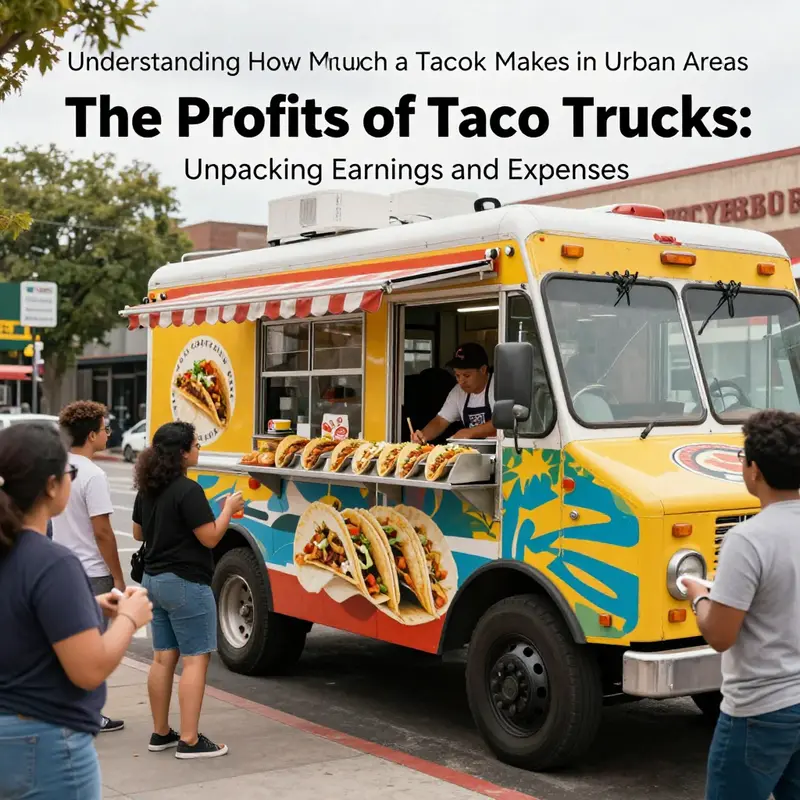
The idea of cashing in on a taco truck in a bustling city is seductive. The image of a bright, rotating menu and a steady line of hungry professionals is powerful enough to lure someone away from a desk and into the street with a sizzling skillet in hand. But numbers tell a sharper truth than romance. In dense urban cores, where foot traffic, competition, and ever-shifting regulations collide, the money a taco truck makes is less a fixed jackpot and more a function of disciplined operations, smart pricing, and relentless market sensing. This chapter aims to translate the general notions of “how much” into a practical, grounded understanding of urban earnings. It is not a one-size-fits-all forecast; it is a map of the terrain, with realistic ranges, decision points, and the invisible levers that can push a truck from decent to thriving on the city’s streets. Start with the basics, then weave through the realities of daily cycles, cost structures, and the strategic moves that shape whether a given location becomes a reliable income source or a fleeting burst of revenue that barely covers the bus fare to the next spot.
In urban settings, daily revenue potential is the most visible indicator. Across well-trafficked downtowns, near office clusters, and at major events, a well-managed taco truck can pull in between several hundred to several thousand dollars per day during peak hours. Estimates from industry benchmarks suggest that daily sales in high-traffic urban areas commonly fall in the range of roughly $800 to $2,500. That spread matters more than it looks at first glance because it reflects the heterogeneity of city environments—where a few blocks can swing the day’s outcome from solid to spectacular. Taken over a standard month, this translates into gross revenue roughly between $24,000 and $75,000 for a single truck operating consistently, assuming a typical 30-day month. Those figures are not guarantees; they are the envelope within which actual results tend to land, shaped by the weather, the day of the week, and the intensity of demand from workers, residents, and visitors.
But revenue is not profit. The arc from gross sales to net income is where the urban cash flow curve reveals its true shape. Food trucks typically carry gross margins in the neighborhood of 60% to 70% on food costs, which seems attractive at first glance. Yet the real picture includes a constellation of ongoing expenses that chip away at that margin. In an urban truck, you must budget for fuel, routine maintenance, equipment wear, permits and licensing, insurance, payroll for cooks and cashiers, and the inevitable small repairs that city life inflicts on a vehicle and a kitchen on wheels. When all those costs are tallied, net profits for a single operator in a typical urban setting often land in a broad band—roughly $1,500 to $5,000 per month. That range captures the reality that many trucks operate leanly, pulling modest margins to maintain cash flow, while a smaller number push into higher profitability through efficient operations, longer hours, and stronger customer loyalty.
The variation often comes down to one or two decisions: location strategy and operational discipline. A truck parked in a high-traffic district near office centers might see hotter lunch crowds, but it may also face stiffer competition and higher street fees or permit costs. A truck in a neighborhood with steady residential demand can build a loyal local following but may experience slower, more predictable sales rather than big spikes. The sweet spot—where a truck can approach the upper end of those daily revenue ranges—often lies in a carefully chosen blend: steady daily throughput in a high-traffic corridor, supplemented by occasional participation in events or markets that attract large crowds without sacrificing core operations. Events can be a powerful multiplier when accessed strategically; they bring crowds, but they also require scheduling, additional staffing, and a plan to maintain quality and speed under pressure.
As you visualize this, it’s useful to recognize that the urban market rewards efficiency. The cheapest, fastest menu items tend to move best in fast-paced environments. A lean menu with carefully portioned ingredients reduces waste, keeps prep times predictable, and helps maintain a consistent pace from open to close. In cities, where time is money for both the operator and the customer, speed and reliability are competitive advantages. Pricing strategy plays a parallel role. Urban customers expect value, but they also expect quality and convenience. A straightforward, transparent price structure reduces friction at the window and keeps the line moving. It’s common to see a mix of core crowd-pleasers with occasional premium offerings that justify higher price points, especially when ingredients are sourced with care and preparation is consistently excellent. The takeaway is not to chase every trend, but to maintain a tight alignment between the menu’s value proposition, the truck’s operating rhythm, and the costs required to sustain it.
If you are evaluating the city’s potential for a taco venture, start with a practical forecast that accounts for the realities of startup and ongoing costs. Startup investments for a taco truck, including the vehicle, kitchen equipment, and initial inventory, can fall roughly in the range of $60,000 to $150,000. Financing such an investment often means facing a longer runway to profitability, with break-even points typically stretching over 12 to 24 months depending on financing terms, interest, and the speed at which the truck can ramp up revenue. This upfront structure matters because it shapes cash flow decisions in the early months: you may need to balance debt service, working capital, and the need to hit a minimum daily revenue to cover fixed costs. In urban markets, where rents for stalls or street permits can be steep and where maintenance and fuel costs scale with usage, the cost side of the ledger is not a minor detail. It is the frame that determines whether the business model remains viable as it scales and whether the path to steady profit is within reach for a single operator.
There is also the psychology of urban foot traffic to consider. Dense populations create opportunities for impulse buys, quick service, and predictable repeat visits. But density also invites saturation. A crowded street with several competing vendors can split the same pool of customers, lowering average check size if not managed with clear differentiation. The most successful operators tend to stand out not by price alone, but by consistency, speed, and the clarity of their value proposition. This often means investing in a distinctive, reliable process: a quick and friendly service at the window, a dependable recipe, and a schedule that customers learn to anticipate. In turn, repeat traffic grows—office workers who pass by on their lunch hour who remember you for the next visit, residents who see your cart as a familiar option, and event organizers who know your truck for catering smaller gatherings or large celebrations. Each recurring customer reduces the pressure of daily sales and adds to the predictability of revenue.
In practice, urban operators who optimize location and workflow may reach higher end figures not only through volume but through the quality of each sale. A day that nets a few high-margin items or a few well-timed promotions can push daily revenue toward the upper end of the spectrum without a dramatic increase in throughput. The breadth of possibilities means that a one-truck operation can exist on a wide spectrum of outcomes. The lower bound is not “no money,” but rather a circumstance in which a truck does not consistently hit a sustainable daily revenue level because it is under-penetrating the market, mispricing, or incurring prohibitive operating costs. The upper bound, conversely, is realized when the truck consistently serves high-demand windows, sustains a reliable gross margin, and leverages smart ancillary streams—pop-up events, partnerships with local businesses, or selective catering—that expand revenue without a linear rise in fixed costs.
A useful way to frame this is to consider the long-term picture. In major metropolitan markets, industry analyses have found that (beyond the day-to-day variances) with disciplined operation and steady demand, mobile vendors can accumulate annual profitability that surpasses modest thresholds—especially when they operate multiple days per week and build a loyal following that results in repeat business. These findings align with broader industry data showing that urban mobile vendors often achieve higher sales volumes due to dense populations and the demand for quick, affordable meals. The practical implication is simple: in the right urban setting, with a well-run operation and a compelling offering, a taco truck has the potential to become a reliable income stream rather than a speculative venture. The likelihood of success rises when the operator blends tight cost control with deliberate market engagement and a willingness to adjust strategy as the city’s rhythms evolve.
To connect strategy with the real world, consider the path of a truck that aims to optimize its asset more than its menu alone. A smart operator studies not only what to cook, but where and when to park, how to price, and how to scale responsibly. It’s common to hear of trucks that increase profits by extending hours on the busiest days, deftly managing inventory so that the most popular items remain evergreen, and using data from sales to forecast demand and cut waste. Some operators find that attending local markets or festivals—where foot traffic is concentrated and the audience is receptive to new flavors—can dramatically lift monthly revenue, especially when the truck is prepared to handle larger crowds without sacrificing service speed. While these opportunities can boost earnings, they also require planning: additional staffing, portable restrooms, backup power, and contingency plans for weather or regulatory changes. In other words, the city rewards preparation more than bravado.
For those who want a more concrete starting point, there is value in exploring how to choose the right chassis for urban realities. One can read about the best-fit models for entrepreneurial food ventures, which helps frame the decision about what kind of kitchen to operate, what equipment to install, and how robust a setup must be to sustain peak hours across weeks and months. A practical takeaway is to approach truck selection with a forecast that includes maintenance schedules, fuel efficiency, and the anticipated pace of service. The marriage of the right vehicle with the right location often determines whether daily revenue translates into meaningful monthly net income or whether the costs of operation erode the margin. In cities, the dance between supply, demand, and operating constraints is continuous; success depends on staying in step with it rather than trying to choreograph a single perfect day.
The broader management implications are clear. Urban taco entrepreneurship is not simply a matter of cooking well; it is a discipline of operating on time, controlling costs, and delivering consistency. The entrepreneur who treats the business as a living system—one that can absorb fluctuations in demand, adapt to changing pricing pressures, and evolve with city regulations—builds a foundation that supports stable profitability. The numbers, when interpreted through this lens, reveal both caution and opportunity. Caution, because the path to profitability is rarely instantaneous and is heavily influenced by neighborhood economics, permit costs, and the efficiency of procurement. Opportunity, because the city’s vast and varied demand for affordable, flavorful meals means there is a scalable route to earning real income, whether through a single truck or a small fleet that leverages shared supply chains and blended revenue streams.
A final point hinges on the practical tools and resources that ground these estimates in real-world planning. For those who want more formal benchmarks and structured guidance, professional resources can provide validated data and scenarios tailored to your region and business plan. In particular, industry associations and small-business support organizations offer market intelligence and frameworks to project revenue, costs, and profitability with greater precision. As you sharpen your plan, you might also consider exploring how other street-food operators in similar urban contexts structure their days, price points, and event participation. The aim is not to copy a blueprint but to learn from patterns that consistently appear in successful urban taco ventures. The bottom line is straightforward: urban earnings are real, but they are earned through disciplined operations, precise location choices, and deliberate engagement with the city’s tempo.
For readers who want a quick, practical anchor on what the truck itself should look like in a city setting, a deeper dive into vehicle models and configurations can be illuminating. A resource focused on the top food truck models for entrepreneurs offers a useful overview of how certain setups align with speed, reliability, and profitability in urban contexts. This resource can help you translate the abstract numbers into a concrete purchasing and operating plan, ensuring that the chosen vehicle supports the intended daily rhythm and financial targets. Top food-truck models for entrepreneurs.
In sum, the urban earnings picture for a taco truck is a tapestry of possibilities woven with careful choice of location, disciplined cost management, and a menu designed for fast, dependable serving. The daily revenue ceiling in cities is high, but the ceiling only lifts when you align your truck’s capabilities with the city’s patterns, maintain tight control of costs, and cultivate a dependable, repeatable experience for customers. The numbers—$800 to $2,500 in daily sales, $24,000 to $75,000 in monthly gross—frame the space in which a smart operator can work. The conversion to net profit remains a function of operational excellence, not dreams. A thoughtful operator who plans for variable demand, builds a loyal base, and uses the city’s opportunities without overextending can approach the upper limits of earnings without sacrificing long-term viability.
External resources can anchor your planning with broader benchmarks. For a formal, industry-backed lens on mobile food service economics, consult the National Restaurant Association’s mobile food service report, which aggregates city-specific dynamics and profitability considerations across major markets. This external reference provides a macro view that complements the micro-forecasts described here and helps frame your local plan within a national context: National Restaurant Association Mobile Food Service Report.
Profits on Wheels: A Realistic, Month-by-Month Look at How Much a Taco Truck Can Make
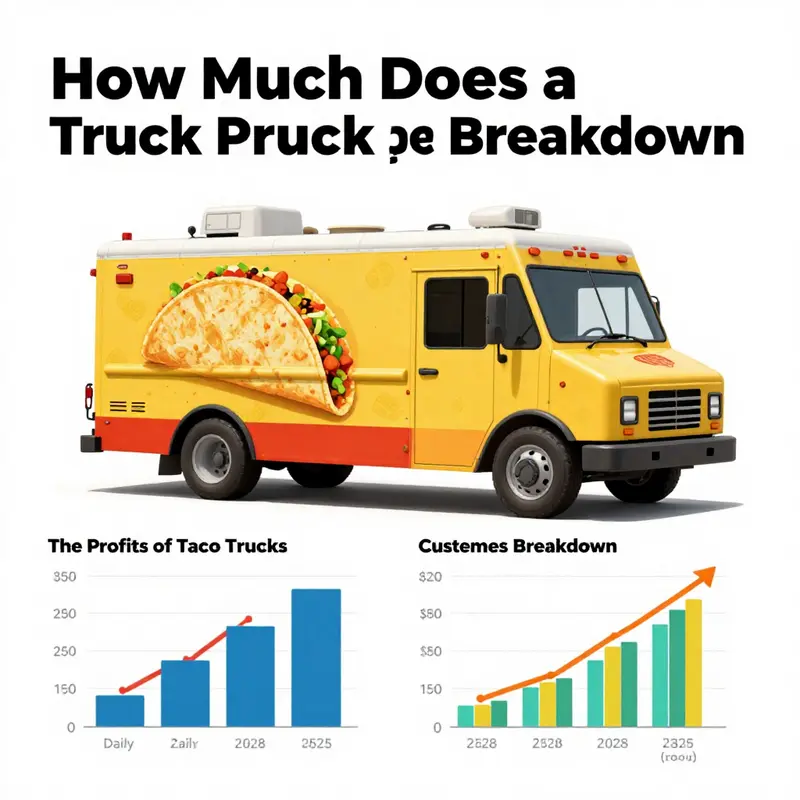
A taco truck rolls into a crowded urban lane, the air alive with the scent of cilantro, grilled meat, and citrus. The scene unfolds in waves: the sun climbs, the lunch rush hits, and a crowd forms, glancing between the sizzling pan and the chalkboard menu. This is where the math of street-food success becomes real: revenue tallies rise and fall with foot traffic, timing, and how efficiently a crew can turn orders into plates. The question that anchors every aspiring owner is simple in form, but complex in its answer: how much does a taco truck actually make in a month? The short answer is that there is no one-size-fits-all number. The longer answer maps a spectrum, baked into location dynamics, operating choices, and the discipline of daily execution. The numbers can look generous at first glance—thousands of dollars every month—but the margins that convert those dollars into profit are where the story often bends. When you examine the typical month from start to finish, a coherent picture emerges, one that helps set expectations and shape strategy for anyone considering a taco truck as a livelihood or a scalable business model.
To understand monthly earnings, it helps to start with the drivers of revenue. The best-located, well-managed trucks in high-traffic urban settings have a higher ceiling for gross sales. Industry estimates suggest that a well-run taco truck in a busy area can generate substantial gross revenue each day during peak hours. Some operators report daily gross ranges in the upper hundreds to the low thousands, particularly around lunch crowds and later in the day at festivals or events. If a truck operates consistently across a typical 30-day month, it can push gross revenue into the mid-range of tens of thousands of dollars. That upper end is not guaranteed; it depends on the cadence of service days, the length of hours, and how effectively a truck taps into demand during both ordinary days and special occasions.
Even with a high daily take, the total monthly revenue is shaped by the frequency and duration of operation. Some trucks run five days a week, others seven, and a subset focus on weekend-only service or event-driven gigs. The core truth remains: more days and longer hours generally translate to more gross revenue, but also to higher operating costs and more wear on equipment. When you average across typical patterns—five to seven operating days per week, lunch hours plus occasional dinner coverage, and some weekends for events—the monthly gross revenue forecasts can be anchored in a broad band. A conservative, well-managed truck operating in a bustling city can see monthly gross sales in the range of roughly $15,000 to $30,000. This reflects the reality that even in dynamic markets, not every day hits peak sales, and some days are affected by weather, competing lunch options, or neighborhood footfall that ebbs and flows with the calendar.
On the other hand, there are scenarios where the monthly numbers climb higher. In prime neighborhoods, at large events, or when a truck cultivates a devoted following and capitalizes on signature, crave-worthy offerings, monthly gross sales can push toward the upper end of the spectrum, occasionally beyond $30,000. In such higher-velocity environments, operators sometimes augment daily revenue through catering engagements or pre-sold private events, which can help stabilize income even when normal street traffic dips. The essential nuance here is that while the top line can reach impressive figures, the monthly reality for many operators sits closer to the mid-twenties, with substantial room for variation depending on location, weather, season, and marketing prowess.
What often surprises newcomers is how quickly gross revenue coexists with variable expenses, and how those costs shape net income. The same market forces that lift revenue—dense foot traffic, near-perfect weather during peak lunch periods, and a well-marketed presence—also drive costs that insidiously erode margins if not managed with discipline. The cost structure of a taco truck is relatively straightforward, but very real. Food costs typically run as a percentage of sales, with many operators targeting a cost of goods sold in the range of 30% to 40% of sales. In practice, this means that for every $1,000 of sales, between $300 and $400 is spent on ingredients, disposables, and packaging. While that margin may seem high in absolute terms, it becomes a meaningful share of revenue when combined with other ongoing expenses.
Labor costs are the other major category, often reflecting the number of crew members, their skill level, and the hours worked. A lean operation might rely on a small team for peak periods, yet even then labor can represent a sizable portion of monthly outlays. Fuel, maintenance, and utilities are predictable, but their sum has a habit of creeping up with longer routes, crowded streets, or frequent travel between busy sites. Permits, insurance, and food-safety compliance add to fixed costs that trucks must absorb regardless of daily sales levels. Equipment upkeep is an ongoing concern as well; the cost of keeping a stove, refrigeration, and electrical systems in good working order is not merely a maintenance line item but a prerequisite for consistent service. In aggregate, these costs establish a margin that, for many operators, is far more revealing than the gross revenue figure alone.
Against this backdrop, the typical monthly net profit for a single-owner taco truck tends to fall into a practical band. Industry observations indicate that net profits commonly range from about $2,000 to $8,000 per month after all costs are accounted for. That spread reflects both the efficiency of the operation and the scale of opportunity—location, hours, and demand can either compress or expand profits substantially. It’s not unusual to encounter tales of exceptionally profitable months that exceed $10,000, especially when premium ingredients, distinctive recipes, or niche catering broaden the revenue mix beyond street-level sales. Yet it’s prudent to treat those as high-water marks rather than the baseline. For many operators, the month-to-month cash reality is steadier when anchored in the $2,000–$8,000 window, with the upside shaped by a combination of event work, catering, and a well-optimized cost structure.
To translate these numbers into something actionable, it helps to sketch a concrete, orthodox example. Suppose a truck brings in about $25,000 in gross sales in a typical month. A plausible expense allocation might look like this: food costs around $9,000, labor about $4,000, fuel and utilities near $1,000, permits and insurance around $1,500, and equipment upkeep roughly $1,000. In that scenario, the net profit would be approximately $8,500. This is not a guaranteed outcome, but it illustrates how a solid top line can translate into a robust bottom line when costs are kept in check and the operation remains efficient. The numbers also underscore the importance of disciplined menu pricing and careful cost control. Pricing can be tuned to reflect quality, audience, and competition, but it must be matched by an equally disciplined approach to ingredient sourcing and waste reduction. The goal is not merely to maximize daily receipts but to protect gross margins through thoughtful purchasing, portion control, and streamlined workflows.
Startup costs set the stage for profitability as well. Launching a taco truck typically demands an investment that can range widely, from around $30,000 up to $100,000 or more, depending on whether the truck is used or new, the equipment configuration, the quality of refrigeration and cooking gear, and the scope of initial permits and renovations. Some entrepreneurs begin with a towable trailer kitchen, seeking a lower upfront cost and potentially reduced overhead. This approach emphasizes efficiency and flexibility, allowing operators to deploy at events with minimal fixed investment while still delivering a professional, restaurant-like experience on wheels. The broader takeaway is that the initial capital outlay matters, but it does not dictate the ultimate revenue potential. A carefully sourced vehicle, smart equipment choices, and a clear path to profitability can help shorten the payback period, especially when combined with a strong location strategy.
Location continues to be the strongest single determinant of monthly revenue. A truck that can anchor a stable, repeatable lunch crowd in a dense daily corridor will often outperform a similar unit chasing sporadic pop-up opportunities. Weather and climate add another layer of complexity. A sunny Friday in a business district can yield a rush of orders, while a rainy Tuesday may dampen sales, pushing a portion of the month into a slower pace. Savvy operators compensate by building a brand presence that helps them ride these fluctuations, leveraging social media, pre-orders, and a steady schedule that customers can anticipate. The more consistently a truck can show up with reliable quality, the more predictable its monthly revenue becomes.
The broader ecosystem around taco trucks also matters. Strong branding, a clear value proposition, and memorable menu items create a gravitational pull that draws repeat customers and converts casual passersby into loyal fans. A truck that leans into a distinctive culinary identity—whether it’s a signature style, a carefully crafted sauce, or a creative set of toppings—can command a premium on a given day. In turn, this supports higher ticket averages and can reduce the relative burden of fixed costs. Marketing, partnerships with nearby businesses, and the ability to participate in local events all compound revenue opportunities. The bottom line is that revenue is not merely a function of price or traffic; it’s the product of a coordinated system that stretches from the first bite to the last byte of a social media post that announces where the truck will be parked next.
Striking a balance between revenue opportunities and cost discipline requires a careful, data-driven approach. Regular cost tracking, a monthly revenue forecast, and a plan for lean operations during slower periods are essential. Some operators adopt a tiered approach to pricing, offering value meals during peak traffic and more premium combos during specialized events or at dinner markets. Others build a rotating menu that keeps the kitchen efficient while maintaining customer interest. The most successful practices combine a reliable routine with occasional strategic bets—booking extra event days, partnering with schools or organizations for catered lunches, or participating in food festivals while managing the logistics of long days and heavy foot traffic.
For readers who want a clear path toward evaluating a potential taco truck venture, it helps to consider a few concrete steps. Start by mapping a realistic month: how many days per week can be consistently staffed, what are the expected footfalls in the target locations, and what are the anticipated weather and event calendars for the coming season? Then model costs against projected sales. Use a range for food costs (30–40% of sales) and for labor (adjusted for the number of crew members and the hours worked). Don’t forget to set aside a reserve for maintenance and unexpected repairs; trucks are mechanical systems that demand ongoing attention. Finally, test pricing and portion control early, measuring how small changes in menu mix affect both customer satisfaction and profitability.
As you read these numbers and consider your own market, it’s worth noting how flexible the business model can be. A taco truck is not a fixed asset that only serves one street corner. It can pivot toward higher-margin opportunities, such as corporate catering, private events, or partnerships with local venues that value timely, high-quality street food. That flexibility is part of what makes the space compelling: a truck can be a lean, nimble operation that yields meaningful monthly profit when guided by disciplined operations and a keen eye for demand. At the same time, the model demands a clear understanding that the top-line revenue is not a guarantee of bottom-line success; the margin is earned through efficient purchasing, waste reduction, precise labor management, and a constant, customer-focused drive to deliver consistency in product and service.
For readers seeking a practical starting point, a focused study of vehicle options and kitchen layouts can illuminate how to maximize efficiency without sacrificing quality. The vehicle choice, the layout of the cooking and service areas, and the flow of orders all influence speed, accuracy, and customer experience. An elegant, well-organized kitchen design can shave minutes off each ticket, reduce errors, and shorten queues during peak periods—benefits that compound across a month to boost net profit. Acknowledging this, many operators invest time in planning and modeling their setup before purchase, selecting configurations that optimize space, ventilation, and safety while enabling rapid service. This careful planning often pays for itself by freeing up labor to serve more customers and maintain consistent service during busy windows.
In sum, monthly earnings for a taco truck sit at the intersection of location, hours, efficiency, and the ability to convert busy days into steady, repeatable revenue. While the upper ends of the spectrum can be impressive, the most reliable path to meaningful profit lies in disciplined cost control, a predictable service schedule, and a menu that resonates with the local palate. The numbers support this: a well-managed operation can see monthly gross sales in the tens of thousands in robust markets, while net profits typically fall in a more moderate band, often in the low to mid thousands, with the potential for higher performance when events, catering, and premium pricing converge. For many operators, the sweet spot lies in a steady rhythm—enough volume to cover costs, a comfortable profit margin that rewards effort, and a business model that can adapt to changing conditions without losing its core values. The road to profitability is iterative, built on data, disciplined cost management, and a deep understanding of the customer dynamics that govern street-food success.
If you’re drawn to this path, a good starting point is to study the broader ecosystem—the way successful trucks attract foot traffic, brand themselves, and integrate with the local economy. Explore how other operators optimize their routes, how menus evolve with customer feedback, and how events and catering become meaningful revenue streams. The objective is not simply to chase higher daily receipts but to design a resilient operation that sustains solid monthly profitability across a range of market conditions. In this way, the taco truck becomes not only a vibrant street-food enterprise but a disciplined, scalable business model with the potential to grow beyond the single vehicle and into a small culinary footprint on wheels.
For those curious about the broader landscape of mobile culinary ventures, a helpful resource highlights how different truck configurations can support culinary success and cost efficiency over time, offering a comparative view of layouts, equipment choices, and operational strategies. You can dive into the broader discussion here: Top food truck models for entrepreneurs.
External resource: https://www.hino.com/foodtruck
Behind the Sizzle: Reading Real Profit Margins for Taco Trucks After Expenses
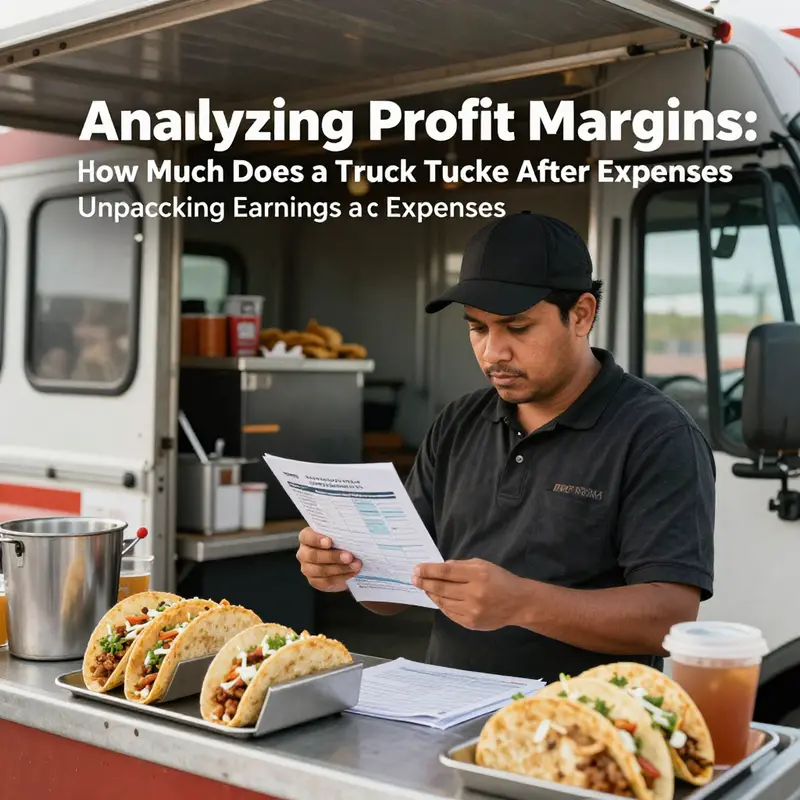
The appeal of a taco truck often rests on the image of sizzling grills, long lines, and bright salsa colors. Yet the real question for an operator is not just what the truck can bring in during a single lunch rush, but what remains after every expense is accounted for. When you strip away the romance of street food, the math becomes the compass that guides pricing, inventory, and even dream scale. Analyzing profit margins after expenses means tracing revenue from the moment a customer places an order to the moment the last payment is counted, and then subtracting the costs that keep the wheels turning. In practice, that means looking at two layers of numbers: gross revenue, the top line that comes from sales, and net profit, what’s left after food, labor, fuel, permits, maintenance, insurance, and a host of smaller costs have been paid. It’s a story told in ranges rather than absolutes, because every city, every block, and every season bends the curve in its own way.
In busy urban locales, a well-positioned taco truck can generate substantial sales during peak hours. The daily revenue can range from roughly $800 to $1,500, a spread that depends on foot traffic, proximity to offices or nightlife, and the degree to which the brand has built a habitual crowd. Multiply that by a month of operational days—typically around thirty for a full-time operation—and the gross revenue climbs into the neighborhood of $24,000 to $45,000 per month. Those numbers, however, sit at the surface of a deeper ledger. They reflect the reality that a truck is a business with fixed costs and a variable appetite for ingredients, fuel, and people. When you consider the margin between what the customers pay and what you spend to deliver that food, the picture becomes more nuanced.
Industry data consistently point to a healthy gross margin for food trucks, often cited as between 60% and 70%. In plain terms, for every dollar of revenue, the cost of goods sold (COGS)—the ingredients and disposables used to prepare and package the food—consumes somewhere around 30 to 40 cents. That leaves a gross profit of 60 to 70 cents on every dollar before you deduct operating expenses like fuel, truck maintenance, and labor. Yet even that strong gross margin doesn’t tell the whole story. After you subtract labor costs, fuel, vehicle maintenance, insurance, permits, commissary fees (where many trucks restock and prep), and ongoing depreciation of equipment and the truck itself, the net profit tends to land in a more modest band. In most steady, well-managed operations, net profits for a single truck can fall in the range of $1,500 to $5,000 per month. The spread reflects differences in overheads, management, and the level of cost discipline an operator maintains, not merely sales volume.
It’s important to anchor these numbers with real-world dynamics. In high-traffic zones—think major cities with dense office clusters or weekend hubs near stadiums and concert venues—sales volumes rise, and the higher revenue supports a greater kitchen efficiency and more favorable per-sale costs. A truck that consistently draws strong foot traffic may push toward the upper end of the monthly gross revenue spectrum, and if its menu choices deliver value with relatively low waste, the net profits can become meaningful even in a tight market. Conversely, trucks that operate in neighborhoods with less predictable demand, or that face higher municipal fees, stricter health and safety costs, and greater insurance burdens, may see a thinner margin. In some instances, enterprising operators who cater premium events or offer specialty ingredients can push monthly profits beyond baseline expectations, sometimes surpassing six figures on a calendar month, though those cases are the exception rather than the rule. The key for any operator is to recognize where their business sits on that spectrum, then adjust the levers that influence profitability accordingly.
What does that mean for the daily rhythm of a taco truck? It means recognizing where costs live and how to control them without compromising the customer experience. A typical, disciplined operation looks closely at each category of expense and asks whether there are safer, smarter ways to manage it. Waste is a prime target. Perishable ingredients, once wasted, become a double cost: the money spent on the item and the opportunity cost of the sales that ingredient could have generated. Effective inventory management—tracking usage against sales, rotating stock, and forecasting menu demand by day of week, weather, and season—can meaningfully improve margins. A well-run system minimizes spoilage, reduces the need to discount food past its prime, and preserves cash flow. When you keep waste in check, the apparent price of a single burrito or taco can be less daunting to a customer, while the cost per unit of food remains within an efficient band.
Pricing strategy sits at the core of profitability. Pricing too low eats into gross margin, invites a race to the bottom, and makes it harder to cover fixed costs. Pricing too high risks suppressing demand, especially in dense urban markets where customers compare options quickly. The sweet spot lies in a balance that covers the cost of goods, labor, and operations while delivering perceived value. A thoughtful price structure often involves a base price for the core menu and carefully calibrated add-ons—toppings, premium proteins, or sides that customers can choose to upgrade. The math must account for all variable costs per item, as well as the share of fixed costs that must be recovered per sale. In markets with significant competition, the ability to adjust prices rapidly in response to demand, while preserving quality, becomes a competitive advantage. A well-planned pricing strategy also supports promotions and loyalty programs that encourage repeat visits without eroding margins.
From a structural viewpoint, the cost of running a taco truck is not simply about what’s eaten on the plate. Permits and licensing, insurance, and health and safety compliance form a fixed skeleton that every operator must carry. These costs can be substantial, especially when a truck travels across multiple jurisdictions or parks in a municipal environment that imposes frequent inspection or additional fees. Maintenance and depreciation are the other enduring anchors. The truck, the grill, the refrigeration, and the exhaust system all wear with time and use. Routine maintenance avoids expensive emergency repairs and protects consistency in cooking temperatures and food safety. Some operators treat maintenance as a cost of doing business, while others dial it into a capital plan and set aside a predictable monthly reserve for major repairs or replacements.
Fuel and vehicle operations also shape profitability. A route that minimizes deadhead travel—the time the truck is on the road without serving customers—reduces fuel consumption and driver time. Smart route planning, especially for trucks with multiple stops in a day, translates into tangible savings. In many cases, labor is the single largest variable cost. The easiest path to higher net profits is not simply to squeeze more meals out of a truck, but to optimize staffing: scheduling people for peak periods, cross-training staff to handle prep and service, and using part-time help during events rather than carrying a larger full-time crew. Labor costs reflect not only wages but the efficiency with which the crew prepares and serves food. A streamlined operation—where prep happens efficiently, orders move quickly, and low-complexity tasks are automated or shared among team members—reduces the time per order and, in turn, lowers labor per unit of sales.
The startup phase adds another layer of financial reality. Initial investment for a mobile food business can range broadly—from roughly $30,000 to $100,000 or more—depending on whether one buys new equipment, refurbishes an existing vehicle, or acquires a used truck with reliable infrastructure. Even with a modest mobile kitchen, the upfront costs touch every broken-down calculation that follows. Financing costs, interest payments, insurance premiums, and the ongoing requirement to replenish equipment as it ages all feed into the monthly P&L. It’s not unusual for new entrants to operate at a temporary loss or near break-even during the first several months as they learn demand patterns, tune pricing, and optimize their sourcing networks. Experienced operators survive this early phase by tightening inventory, building a loyal customer base, and selecting locations that offer stable cash flow while they build brand trust.
All of this points toward a practical takeaway: margins after expenses are not a fixed target but a dynamic range shaped by location, discipline, and the capacity to evolve. In the typical, steady operation, net profits after all costs tend to land in the range of about $1,500 to $5,000 per month for a single truck, provided the owner maintains a careful grip on costs and maintains a consistent operational tempo. In prime locations or during large events, or when a truck pairs with premium ingredients and distinctive recipes, monthly profits can bend higher, at times exceeding $10,000. Those cases rely on strong demand, efficient supply chains, and a willingness to invest in branding and customer experience that justifies a premium price point and a premium event footprint.
To put the numbers in context, consider a hypothetical but plausible scenario: a truck operates thirty days a month in a high-traffic urban corridor. The daily gross revenue sits at $1,100 on average, yielding roughly $33,000 in gross monthly revenue. If COGS accounts for about 30% of revenue, that leaves $21,900 as gross profit before fixed costs. Subtract fixed costs—labor for two crew members, fuel, maintenance, insurance, permits, and commissary fees—that total around $15,600, and net profit hovers near $6,300 per month. It’s a sum that feels substantial but is achievable only when the operation executes with tight controls on waste, supplies, and schedule reliability. In other words, the math rewards discipline and demand: the more predictable your volume and the less waste you accrue, the closer you approach the higher end of the margin spectrum.
For operators who are considering expansion or route optimization, the numbers become an argument for diversification: catering private events, corporate lunches, or festival appearances can provide a lift in the monthly revenue without a linear increase in fixed costs. Events often deliver higher per-unit margins because they can justify premium pricing, reduce per-unit costs through bulk preparation, and fill idle time with service opportunities. Yet events also introduce complexity—logistics, insurance coverage, additional permits, and sometimes a need for extra manpower. The decision boils down to a simple calculation: does the incremental revenue from an event, after adding associated costs, raise the overall margin enough to justify the extra effort? For many operators, the answer is yes, provided the events align with the brand and deliver consistent customer experiences.
This is where the idea of long-term planning intersects with short-term execution. A taco truck is as much a brand ambassador as it is a kitchen on wheels. A strong brand supports higher prices without eroding demand and helps convert one-off customers into repeat visitors. Effective branding includes a recognizable menu, a clean and inviting service, a dependable schedule, and a marketing approach that leverages social media, local partnerships, and community events. The more customers perceive the value in a dish, the more willing they are to pay a price that sustains profits. And because customer demand can be seasonal, a savvy operator builds a plan that anticipates these fluctuations: stocking up for peak seasons, planning promotions during slower periods, and ensuring that inventory quality remains high when demand returns.
For readers seeking more structured guidance on industry benchmarks and planning, the U.S. Small Business Administration offers a comprehensive framework to understand your specific market and sector dynamics. This external resource provides deeper context on industry trends, regulatory considerations, and strategic planning that can help you translate the numbers in your own city into credible financial projections. It’s a valuable companion to the practical, on-the-ground calculations described above and can help refine forecasts for licensing, compliance, and business growth. Understand Your Industry.
If you want a concise comparison of different truck configurations and how they influence profitability, you can explore a resource that compares popular mobile formats and their operational implications. Such guidance helps you choose the right setup for your revenue targets, reliability, and lifestyle goals. For a compact overview that many operators find helpful, see the discussion on Top food-truck models for entrepreneurs. The linked article offers a snapshot of how different layouts, equipment packs, and service flows can impact speed, efficiency, and customer satisfaction, all of which feed back into margins after expenses. This internal reference can serve as a starting point for imagining how design choices affect the bottom line while you focus on the core question: how much does a taco truck make after expenses?
In the end, the beauty and challenge of running a taco truck lie in balancing speed, flavor, and cost. The truck must deliver a reliable, high-quality product quickly enough to meet demand, while costs stay disciplined enough to preserve a healthy margin as the business scales. A well-run operation does not rely on a miracle month or a single lucky venue; it builds resilience through smart sourcing, precise budgeting, and a relentless focus on the customer experience. And above all, it treats margins as a living metric—one that moves with your strategy, your market, and your willingness to adapt. If you can keep waste low, price intelligently, plan for maintenance, and choose locations with sustainable demand, the post-expense take-home can become a steady, practical force in your entrepreneurial journey. The numbers are not a dream; they are the result of daily choices translated into a predictable cash flow that, when managed well, turns a tail of sizzling peppers and smoky grills into a reliable, legitimate business.
Profit on Wheels: Realistic Earnings, Costs, and Forecasts for a Taco Truck Business
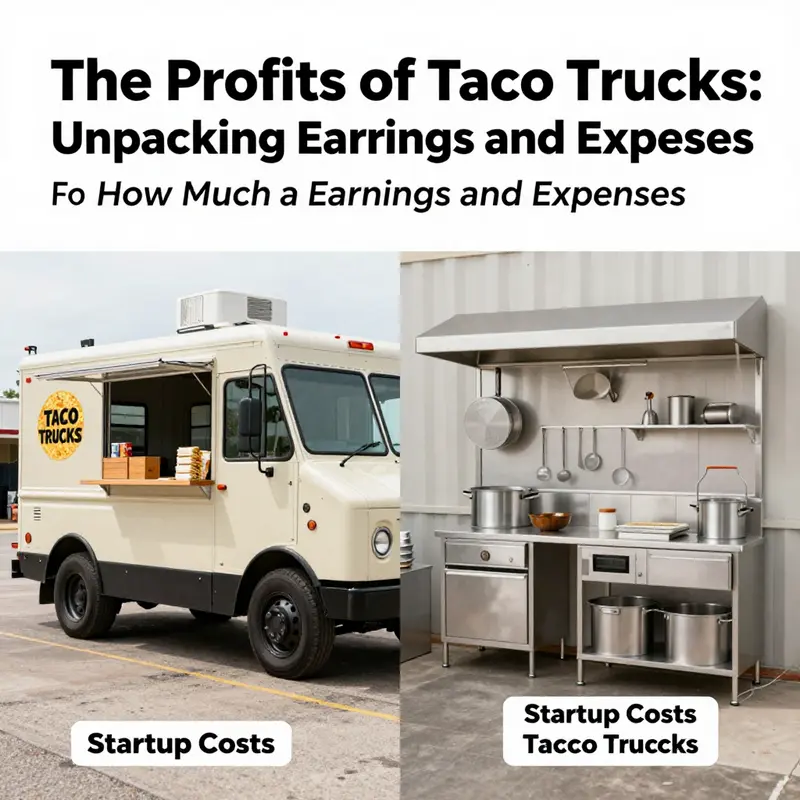
Turning a dream of serving sizzling street food into a steady cash flow is a mix of appetite and arithmetic. A taco truck, with its compact kitchen and mobile footprint, sits at a curious crossroads where culinary craft meets real-world economics. The numbers can be generous, but they hinge on more than tasty tortillas. They depend on location, timing, supply costs, and the discipline of the operator who treats the truck like a rolling business rather than a hot cart on a schedule. This chapter threads together the practical truths behind how much a taco truck can make, what it costs to begin, and how forecasts take shape over the first few years of operation. The aim is a faithful map through the math, not a glossy sales pitch, so readers can gauge whether a taco truck fits their appetite for risk, effort, and reward. The journey begins with the most visible driver of revenue: the place and the hours when the taco truck is open for business.
Peak urban streets with high foot traffic and a steady stream of office workers, students, and nightlife tend to be the most reliable magnets for a taco truck. In such places, daily revenue tends to cluster in a broad band. A well-positioned truck during peak hours can bring in roughly eight hundred to one thousand five hundred dollars in a single day. That range, of course, presumes a blend of robust demand, efficient service, and prices that reflect the caliber of ingredients and the speed of delivery. If the truck operates in a dense market or at a popular event, those daily figures can drift toward the higher end of the spectrum, especially when the menu includes premium fillings, chef-driven sauces, or distinctive regional flavors that spark a sense of urgency among hungry passersby. Yet the same market pressure that drives high sales can also compress margins when competition is intense or when permits, insurance, and labor costs rise disproportionately. The practical implication is clear: revenue is a function of location, volume, and how well the operation scales during the busiest windows. For many operators, the target is to capture a steady cadence of days in the two to four hundred dollar range during ordinary weeks, punctuated by bigger wins during festivals, lunch rushes, or private events.
From the daily rhythm to the monthly canvas, the typical portrait is that monthly revenue in a thriving street-food setting hovers between twenty-four thousand and forty-five thousand dollars, assuming the truck runs roughly thirty days in a month. This is not a universal rule, but it reflects an important pattern: the more the truck can participate in high-traffic hours and reproducible days, the more the monthly picture looks like a revenue ladder rather than a single peak. The numbers become more meaningful when paired with cost structure. In the world of food trucks, gross margins commonly range from sixty to seventy percent. That means the share of revenue left after paying for the raw ingredients, packaging, and basic consumables can be sizable, but it is not the whole story. The journey from gross revenue to net profit travels through fuel and maintenance, cleaning, overtime or payroll, licenses and insurance, truck depreciation, and the sometimes stubborn reality of inventory waste and shrinkage. In practice, a single truck operator who manages overheads with discipline might land on a net profit range of roughly one thousand five hundred to five thousand dollars per month. Those numbers reflect a lean, efficiency-driven operation where labor costs are controlled, waste is minimized, and fixed costs are spread across a high-volume footprint.
The upside, as the story often goes, presents a more ambitious horizon for those who chase premium markets or curate events. A taco truck that has carved out a niche—say, a signature protein, a regionally loved salsa, or a collaborative menu with local farms—can push net monthly earnings beyond the ten-thousand-dollar mark in prime locations or at large-scale festivals and private gatherings. The allure of such outcomes is real, but they require a combination of standout product, reliable operations, and a marketing approach that keeps the line moving and the orders recurring. It is here that the line between sustenance and spectacle blurs into business strategy. The operator who consistently converts foot traffic into orders, who maintains a quick service pace, and who protects the bottom line through careful procurement and efficient fuel use, finds the path toward elevated earnings without sacrificing the quality that makes customers come back.
With revenue and margins sketched, the chapter turns to the often overlooked but crucial starting point: the startup costs that fuel the dream. A taco truck is not a low-cost hobby but a movable kitchen that must meet health, safety, and local regulations. The preliminary outlay is typically divided into three core areas: the vehicle and kitchen setup, the licenses and insurance, and the working capital that keeps the business running as it scales. The vehicle itself—whether purchased used or new or leased—sits in the range of fifty thousand to one hundred fifty thousand dollars. This wide band reflects variations in age, condition, and whether the vehicle is ready to operate or requires retrofit for commercial kitchens, ventilation, and food safety needs. Inside the truck, the kitchen equipment—grills, refrigerators, sinks, prep counters, storage units—tends to demand another twenty thousand to fifty thousand dollars. The figure here captures the cost of food-grade appliances that endure regular washing, heavy use, and the rigors of a mobile environment. Then come permits and licenses, a cost that can swing from a modest hundred to a couple of thousand dollars depending on the jurisdiction, followed by insurance in the neighborhood of one thousand five hundred to three thousand dollars per year to protect against liability, property, and vehicle risks.
Beyond these mandatory components lie branding and marketing, which not only help attract customers but also set expectations about the experience and flavor profile that define the truck’s identity. This is a one-time upfront investment that supports visuals, menus, online presence, and sometimes a launch event that gets the truck in front of the right audience. Initial inventory, including meat, produce, tortillas, toppings, and disposables, is another upfront cost, though it quickly becomes a rolling expense tied to daily sales volume. Working capital, the cushion that covers payroll, fuel, repairs, and unexpected contingencies during the early months, is perhaps the most pragmatic anchor of the startup phase. Taken together, the typical fully operational taco truck sits in the range of seventy thousand to two hundred thousand dollars in startup costs. The variance is not mere math; it reflects a combination of asset quality, regulatory environment, and the willingness of the operator to commit to a strong early cadence of sales and service.
Forecasting, in this context, becomes less a fantasy and more a disciplined exercise that translates aspirations into measurable milestones. The heart of the projection rests on a few practical inputs: the expected daily sales volume, usually in the ballpark of a hundred to two hundred tacos per day, priced between three and five dollars per taco. A few anchors shape the forecast: the number of operating days per week, typically five to six; the breakdown of variable costs that scale with volume; and the fixed costs that persist regardless of sales. Variable costs, the ingredients, packaging, and fuel that turn raw materials into finished meals, shrink or expand with the appetite of customers. Fixed costs—loan payments if financing was used, ongoing insurance, and maintenance—are the guardrails that determine how high sales must climb before profits appear. A sober projection asks for a scenario analysis: what happens if demand dips in a season, or if the truck lands in a particularly competitive market, or if a new permit adds a cost? The best forecasts explore multiple futures, not a single optimistic line.
A common rule of thumb in the industry is that break-even can arrive within twelve to eighteen months if the truck is in a favorable location and maintains a consistent selling pace, while still balancing quality and speed. This horizon is not guaranteed and depends heavily on the operator’s discipline: managing food costs, avoiding waste, optimizing staffing, and negotiating favorable terms for supplies and fuel. The 3 to 5 year view often shows a progression from a tight early operation toward a steadier mature business, with opportunities for expansion through more sophisticated scheduling, a slightly larger crew, or perhaps a second truck once the first vehicle has proven its profitability. In practice, the path to scale usually begins with refined routes, repeat customers at office parks or neighborhoods, and a calendar that structures appearances at events, farmers markets, or food festivals. Each of these channels can shift the daily cost structure and the revenue mix, sometimes in favor of premium offerings that support higher margins and more predictable sales.
Operational discipline plays a central role in translating the forecast into actual cash flow. The taco truck, unlike a fixed restaurant, must manage fuel and vehicle wear, which are variable but unavoidable costs that can erode profits if not tracked. Routine maintenance becomes a strategic saver when it prevents unexpected downtime, and investing in durable, efficient equipment often pays for itself in reduced repair costs and faster service. Labor costs, too, demand careful calibration. A lean crew that can keep lines moving during peak periods without sacrificing food quality is the holy grail of street-side profitability. Scheduling, cross-training, and clear standard operating procedures help keep the pace brisk while ensuring consistency in portions, taste, and presentation. Inventory management—tracking what is used, what spoils, and what tends to be wasted—becomes a daily habit that directly influences the bottom line. In a business where margins already sit in a narrow corridor, even small improvements in waste reduction or speed can tilt the balance toward higher net profits.
The narrative of a taco truck’s earnings is never a monologue of numbers alone; it is a story about customer experience and operational rhythm. A truck that delivers hot, flavorful food with quick service earns more than its price tag might suggest. The trust built with customers—through reliable hours, clean equipment, and consistent taste—creates a loop of repeat business and word-of-mouth referrals that can drive steady growth across months and seasons. The operator who blends culinary craft with practical business sense often sees that revenue stability translates into a more predictable profit trajectory. It is not merely about maximizing price or expanding volume; it is about aligning the entire operation with a cadence that customers can rely on and a cost structure that can sustain it. For many operators, this alignment manifests in a deliberately chosen niche, a consistent schedule that meets the needs of a core customer base, and a plan to reinvest earnings into better equipment, more efficient fuel strategies, or a second truck when the market signals demand.
To ground these ideas in a tangible frame, consider a typical, modestly ambitious scenario. Picture a single taco truck stationed near a busy office district five days a week. The menu is compact but popular, priced at an average of four dollars per taco. The operator serves roughly one hundred to one hundred fifty tacos on most days, with weekends drawing a bit more traffic at markets or events. Over the course of a thirty-day month, gross revenue sits around the upper mid-range of the earlier estimates, perhaps forty thousand dollars. If gross margin averages around sixty-five percent, gross profit hovers near twenty-six thousand dollars. From there, subtract the fixed costs—insurance, permits, loan payments if any, and maintenance—and the remaining amount represents net profit that could range from around one thousand five hundred to five thousand dollars each month. It is a wide band because the inputs are volatile: a bad week of weather can slash foot traffic, a permit issue can raise regulatory costs, or a sudden surge in commodity prices can tighten margins. Yet with disciplined purchasing, effective marketing, and a calendar that helps the truck appear during the most fruitful hours and events, the operator can navigate these ebbs and flows. In such a scenario, the break-even point might be reached within the first year to year and a half, assuming a reasonable level of ongoing investment in equipment and a path toward some scale, such as a second vehicle or a slightly larger footprint at lucrative events.
Beyond the arithmetic lies a practical reminder: the numbers are a compass, not a guarantee. The art of turning potential into profit rests on three pillars. First, the location and timing must align with demand. A truck that appears where people work, study, or shop and stays during peak windows earns more than one that drifts across a few hours here and there. Second, the operating model has to be lean enough to protect margins while still delivering quality. That means smart procurement, careful portion control, and a menu that can be efficiently prepared and served. Third, the resilience of the business must be nurtured through financial planning, reserving capital for slow periods, and keeping a buffer for equipment maintenance and unexpected regulatory costs. The ending of this chapter is not a conclusion but a reminder that every dollar earned on the curb is a result of careful decisions that blend flavor with forecast. For readers pursuing a practical reference, a well-structured forecast is a living document that is updated as the business learns what works in its own neighborhood. It should be tested against real sales data, seasonal patterns, and the pace of local events, with the goal of gradually narrowing uncertainty over time.
For readers who want a tangible path to market insight, there are practical resources that offer frameworks and case studies—tools that help convert assumptions into a credible financial model. One helpful starting point is a resource that surveys the landscape of taco truck models and culinary success, offering insights into how different setups perform in various settings. As you explore these models, it is worth keeping in mind the broader context: the economics of a taco truck sits at the intersection of appetite, time, and place. A highly efficient operation in a crowded market can yield robust returns, while a less optimized one can struggle even with high demand. The difference comes down to the details: how reliably the truck is present during the busiest windows, how well inventory is managed, and how wisely capital is deployed to support growth rather than simply fund day-to-day operations.
To deepen practical understanding, consider this embedded reference to industry-facing guidance that distills lessons from a range of operating contexts. A concise guide on the top food truck models for entrepreneurs explores how different configurations—from compact two-person kitchens to more complex setups—impact speed, cost, and customer experience. It offers a framework for comparing the upside of premium ingredients against the risk of higher variable costs, and it discusses the role of branding and route planning in sustaining a steady cash flow. For readers who want to skim a concise, actionable resource, the link provides a gateway to a broader discussion about the mechanical choices behind a successful street food venture. See the discussion here: Top food truck models for entrepreneurs.
In summary, the earnings of a taco truck are not a single headline figure but a spectrum shaped by where the truck goes, how long it stays, and how effectively the operator converts traffic into sales while guarding costs. The numbers presented in industry sketches—daily revenue in a broad range, monthly revenue thought in tens of thousands, margins in the mid-range, and profits that can be strong with premium offerings—are benchmarks. They are not guarantees. The practical path to stable earnings involves thoughtful startup planning, disciplined cost control, a forecast that accommodates seasonality, and a clear strategy for growth that aligns with a genuine customer need and a dependable schedule. When these elements align, a taco truck does not merely churn meals; it sustains a business that can weather fluctuations in the market and still deliver a tangible, measurable return for the effort and risk involved.
External guidance can further illuminate the planning process. For readers preparing to take the next step, consulting official sources that cover funding, licensing, and financial planning provides a solid foundation for decision-making. The U.S. Small Business Administration offers comprehensive resources on starting a business, including how to plan, finance, and operate with resilience in mind. Accessing these resources can help translate the forecast into a structured business plan that supports funding discussions and long-term growth. See the SBA guidance here: https://www.sba.gov/business-guide/plan-your-business/start-your-business. While the specifics will vary by city, state, and neighborhood, the framework remains a reliable compass for anyone considering a taco truck as a path to independent entrepreneurship. The numbers may dance with market conditions, but the approach to forecasting, budgeting, and scaling remains a constant discipline that underpins a successful, sustainable, and delicious business on wheels.
Final thoughts
As we’ve journeyed through the savory world of taco trucks, it’s clear that these mobile food marvels represent not just delicious cuisine but also a dynamic business model poised for profitability. From understanding the daily earnings in bustling urban locales, breaking down monthly revenues, to analyzing profit margins, we’ve unearthed the various financial dimensions of running a taco truck. It’s more than just serving tacos; it’s about effective business management, strategic marketing, and knowing your localized market well. So, whether you’re a taco fan or considering starting your own food truck venture, remember: behind every tasty taco is a smart business operation fueled by passion and strategy.

