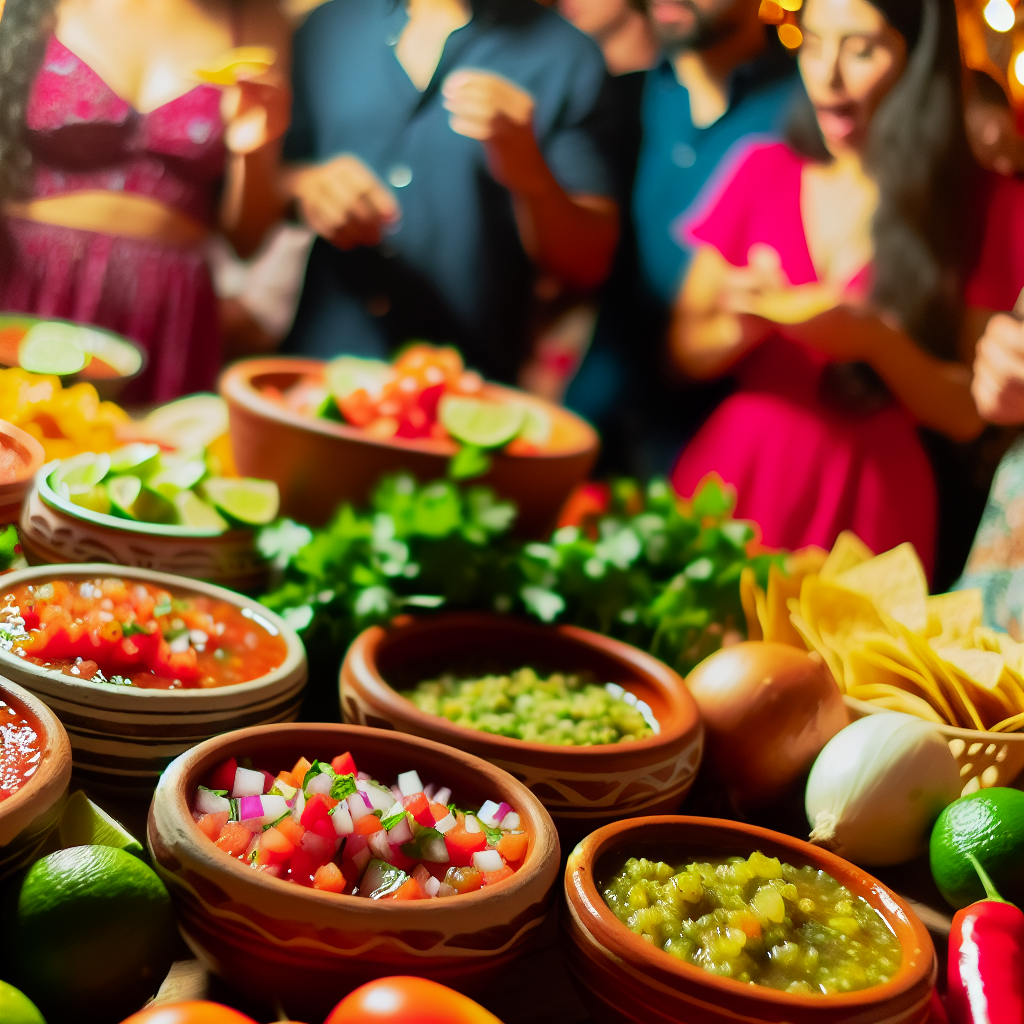
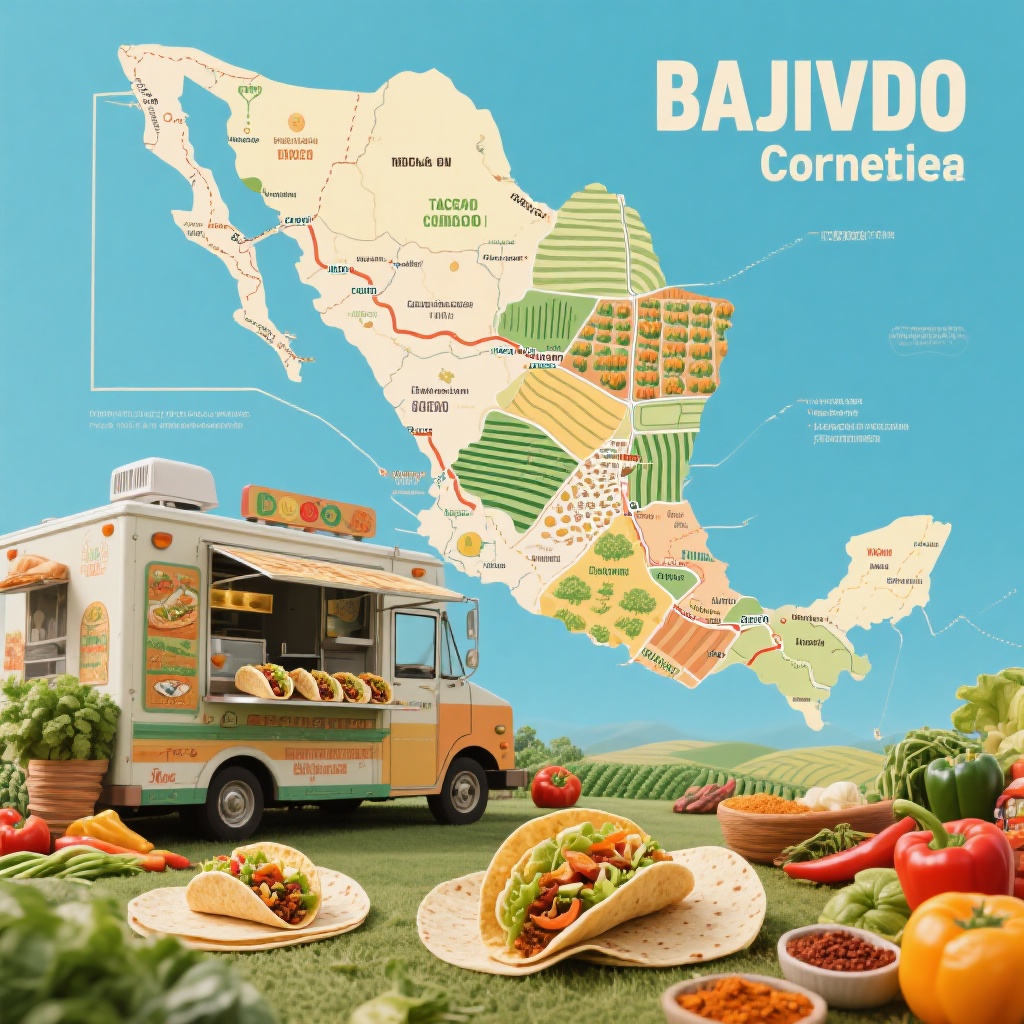
In an era where global supply chains are being re-evaluated and optimized, nearshoring in Mexico has emerged as a pivotal solution for sourcing taco ingredients. Taco culture in Mexico is not just a culinary practice; it is a profound expression of the country’s social and historical identity. Rooted in traditions that date back centuries, tacos have evolved from humble street food to symbols of Mexican heritage admired around the world. The preparation of tacos is an art form, with regional variations showcasing the diverse culinary landscape of Mexico.
As Mexico celebrates its agricultural richness and vibrant flavor profiles, the nation stands as a crucial ally in the increasingly complex world of food sourcing. With its stunning agricultural diversity and proximity to the United States, Mexico is not only a hub for fresh produce but a vital partner in meeting the demands for quality ingredients that reflect authentic culinary experiences.
As taco trucks and restaurants adapt to shifting consumer preferences and demand for quality, understanding the opportunities presented by Mexico’s manufacturing growth and cross-border trucking advantages is essential. This shift is not just about efficiency; it represents a significant leap towards sustainability and resilience in the food supply chain, ensuring that authentic flavors can reach the plates of taco lovers across North America with speed and reliability.
Join us as we explore how nearshoring in Mexico is shaping the future of taco ingredient sourcing.

Nearshoring and Supply Chain Resilience
In recent years, supply chain resilience has become a focal point for businesses across various industries, particularly in the dynamic field of food sourcing. Nearshoring, the practice of relocating production closer to the end consumer, plays a crucial role in enhancing this resilience for taco ingredients. By sourcing ingredients from Mexico, companies can significantly mitigate risks associated with global disruptions and geopolitical tensions.
The proximity of Mexican suppliers allows for quicker response times and more efficient logistics, which are critical in maintaining a consistent flow of fresh taco ingredients to Mexican restaurants and food trucks. As global events can dramatically impact international shipping—whether through delays at ports or fluctuations in freight costs—nearshoring provides a strategic advantage. This close-knit supply chain reduces dependencies on far-flung sources and promotes a more agile approach to inventory management.
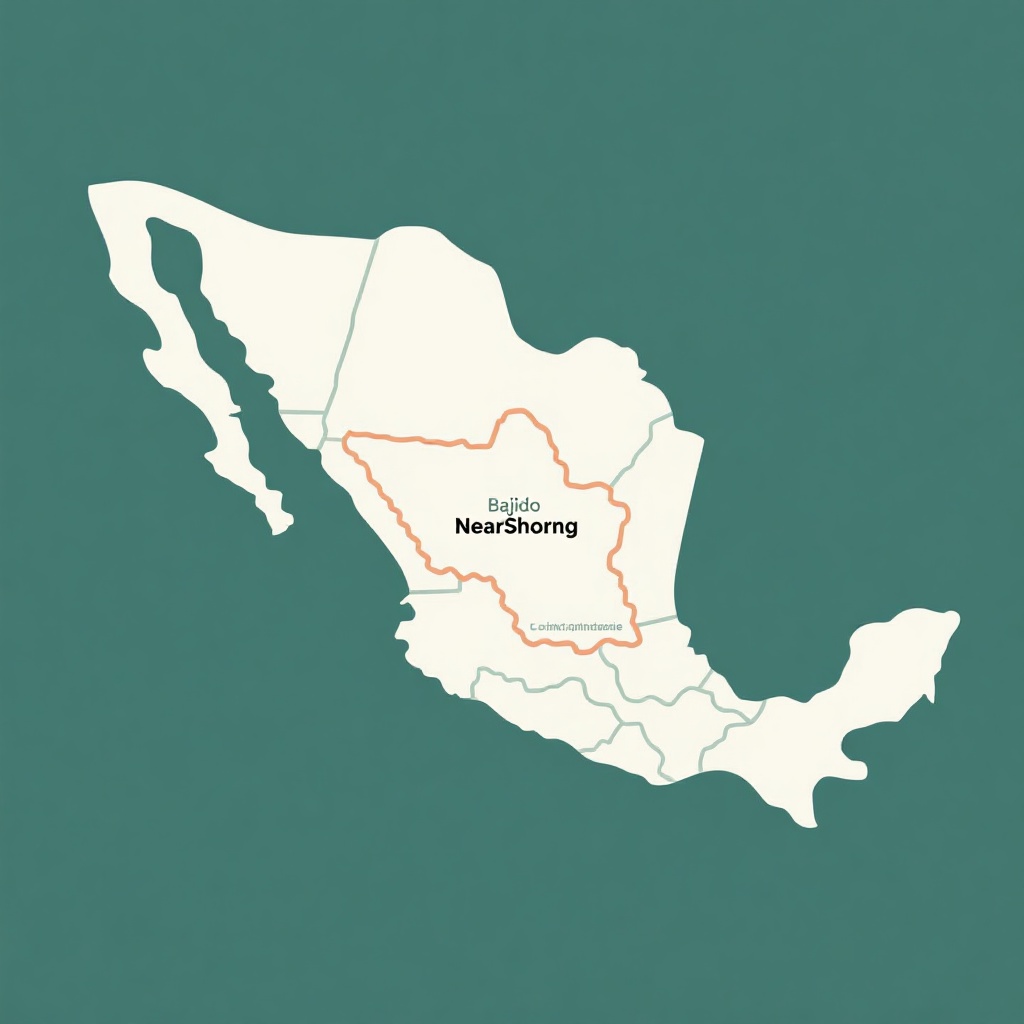
Additionally, the robust transportation infrastructure in Mexico, particularly within the Bajío corridor, ensures that the movement of goods is both swift and reliable. This growth in logistics capabilities not only benefits businesses financially but also enhances their ability to respond effectively to market changes or unforeseen disruptions.
As one industry expert aptly puts it, “Companies are prioritizing proximity to mitigate risks from global disruptions and geopolitical tensions, while also gaining a competitive advantage in speed-to-market for products entering the U.S. consumer base.” Such statements echo the sentiments of many stakeholders involved in the cross-border supply chain.
Moreover, the ongoing investment in Mexico’s manufacturing capabilities increases confidence in sourcing quality ingredients. The expectation of stability paired with the natural agricultural advantages of the region means that restaurants can look forward to a consistent supply of essential taco ingredients, from tortillas to fresh produce.
In summary, nearshoring is not just a trend but a strategic necessity for ensuring supply chain resilience. It allows businesses to navigate challenges more effectively, ensuring that taco lovers across North America continue to enjoy authentic flavors while supporting a sustainable and resilient food supply chain.
Nearshoring and Supply Chain Resilience
Recently, supply chain resilience has been crucial for many businesses, especially in food sourcing. Nearshoring means moving production closer to consumers. This strategy helps secure taco ingredient sources. By getting ingredients from Mexico, companies can lower risks that come from global issues and political tensions.
Mexican suppliers are closer, allowing faster shipping and better logistics. This means fresh taco ingredients can reach restaurants and food trucks quickly. Global events can impact shipping, causing delays or increasing costs. Nearshoring helps companies avoid these problems. It also makes inventory management easier by relying less on distant suppliers.
Additionally, Mexico’s strong transportation system, particularly in the Bajío corridor, makes moving goods fast and reliable. Improved logistics not only saves money but also helps businesses respond quickly to market shifts.
An industry expert noted that companies focus on staying close to suppliers to minimize risks from global issues while speeding up product delivery to U.S. customers. This idea reflects the views of many involved in the cross-border supply chain.
Furthermore, investments in Mexico’s manufacturing increase confidence in sourcing quality ingredients. The natural farming advantages of the region lead restaurants to expect a steady supply of taco essentials, like tortillas and fresh produce.
To sum up, nearshoring is a key strategy for building supply chain resilience. It helps businesses face challenges better, ensuring taco lovers across North America can enjoy authentic flavors and a strong, sustainable food supply chain.
| Company | Services Offered | Strengths | Potential Impact on Taco Ingredient Sourcing |
|---|---|---|---|
| Uber Freight | Freight brokerage, digital logistics | Scalable solutions, technology-driven | Enhances efficiency in transportation and reduces costs for sourcing. |
| Sunset Transportation | Logistics management, cross-border shipping | Strong network connections, reliability | Improves speed of delivery for fresh ingredients, ensuring quality. |
| Redwood Mexico | Full-service logistics, warehousing | Comprehensive supply chain solutions | Facilitates seamless connection from suppliers to food trucks. |
| Walmart de México | Supply chain management, distribution | Vast infrastructure, economies of scale | Guarantees consistent supply and access to a wide range of ingredients. |
The Role of Foreign Direct Investment in Mexico’s Manufacturing Growth
Foreign Direct Investment (FDI) has emerged as a driving force behind the economic development of Mexico’s manufacturing sector, especially impacting how taco ingredients are sourced. In 2023, Mexico attracted a record $36.58 billion in FDI, reflecting a 27% increase from the previous year. Notably, manufacturing accounted for 38% of total FDI inflows, emphasizing the sector’s central role in Mexico’s growing economy.
The importance of FDI in food manufacturing cannot be overlooked, as it has provided a significant boost to the local supply chains that taco trucks rely on. The food and beverage manufacturing sector alone attracted about $2.1 billion in FDI, underlining the increasing interest of multinational corporations in Mexico’s agri-food landscape. As a result, food trucks and vendors benefit from greater accessibility to a diverse array of high-quality ingredients, sourced from locally established suppliers who are backed by international investment.
In specific terms, the food truck industry sees direct benefits from this influx of FDI. For instance, research indicates that food truck operators in areas with higher FDI report up to 18% lower ingredient costs compared to those in regions with less investment. This reduction is attributed to improved local production infrastructure that offers competitive pricing and quality for essentials such as tortillas, meats, and spices essential for authentic taco recipes.
Additionally, major food corporations like Nestlé and PepsiCo have committed over $3.2 billion in new manufacturing facilities in Mexico, focusing on processed foods and snacks. This trend allows food truck operators to not only establish partnerships with suppliers for exclusive products but also ensures a consistent and reliable sourcing of ingredients, which is crucial for their operational success.
Moreover, a report from the Mexican Institute for Competitiveness shows that regions with enhanced manufacturing capabilities—often fueled by FDI—have witnessed a 23% growth in food service businesses, including food trucks. This symbiotic relationship between FDI and the local food sector distinctly illustrates how investments are transforming taco ingredient supply chains, fostering an environment that champions accessibility and quality.
In summary, FDI plays a pivotal role in Mexico’s manufacturing growth, significantly influencing the sourcing dynamics for taco truck operators. The direct investments not only stabilize local ingredient prices but also enhance the variety and quality available, ultimately supporting a thriving taco food culture across North America.
Nearshoring and Supply Chain Resilience
In recent years, supply chain resilience has become a focal point for businesses across various industries, particularly in the dynamic field of food sourcing. Nearshoring, the practice of relocating production closer to the end consumer, plays a crucial role in enhancing this resilience for taco ingredients. By sourcing ingredients from Mexico, companies can significantly mitigate risks associated with global disruptions and geopolitical tensions.
The proximity of Mexican suppliers allows for quicker response times and more efficient logistics, which are critical in maintaining a consistent flow of fresh taco ingredients to Mexican restaurants and food trucks. As global events can dramatically impact international shipping—whether through delays at ports or fluctuations in freight costs—nearshoring provides a strategic advantage. This close-knit supply chain reduces dependencies on far-flung sources and promotes a more agile approach to inventory management.
Additionally, the robust transportation infrastructure in Mexico, particularly within the Bajío corridor, ensures that the movement of goods is both swift and reliable. This growth in logistics capabilities not only benefits businesses financially but also enhances their ability to respond effectively to market changes or unforeseen disruptions.
As one industry expert aptly puts it, “Companies are prioritizing proximity to mitigate risks from global disruptions and geopolitical tensions, while also gaining a competitive advantage in speed-to-market for products entering the U.S. consumer base.” Such statements echo the sentiments of many stakeholders involved in the cross-border supply chain.
Moreover, the ongoing investment in Mexico’s manufacturing capabilities increases confidence in sourcing quality ingredients. The expectation of stability paired with the natural agricultural advantages of the region means that restaurants can look forward to a consistent supply of essential taco ingredients, from tortillas to fresh produce.
In summary, nearshoring is not just a trend but a strategic necessity for ensuring supply chain resilience. It allows businesses to navigate challenges more effectively, ensuring that taco lovers across North America continue to enjoy authentic flavors while supporting a sustainable and resilient food supply chain.
Conclusion
In summary, the strategic shift towards nearshoring in Mexico is poised to revolutionize the sourcing of taco ingredients, benefiting food trucks and restaurants alike. Throughout this article, we have highlighted the significant growth in Mexico’s manufacturing capacity and the vital role of the Bajío corridor in enhancing logistics efficiency. By prioritizing proximity, businesses can effectively mitigate risks tied to global disruptions, allowing for a more resilient supply chain tailored for the demands of the North American market.
The integration of local producers into a cohesive North American supply chain not only supports the culinary authenticity of taco offerings but also fosters sustainability and innovation in ingredient sourcing. As investment continues to pour into Mexico’s manufacturing sector, taco trucks can look forward to a diverse range of high-quality ingredients, available at competitive prices, ensuring that the rich flavors of Mexico remain accessible to taco lovers across the continent.
With this optimistic outlook, the nearshoring trend stands as a testament to the resilience and adaptability of supply chains—ready to meet the challenges of the future while enhancing the gastronomic experience of consumers in North America.
Logistics Infrastructure in the Bajío Corridor
The Bajío corridor, which encompasses the states of Querétaro, Guanajuato, Aguascalientes, and San Luis Potosí, has emerged as a crucial logistics hub in Mexico. This region is strategically located between Mexico City and the U.S. border, making it an optimal area for cross-border trucking opportunities. Modern highways, including the Mexico-Querétaro and Querétaro-Irapuato corridors, facilitate the efficient movement of goods, significantly reducing transit times for suppliers and food trucks alike. In fact, cross-border trucking volumes in the Bajío are experiencing an impressive growth rate of 15% annually, underscoring the potential for expanding trade in the region.
The logistics infrastructure in the Bajío is supported by a network of industrial parks and intermodal facilities that cater to nearshoring needs, especially as manufacturers seek to strengthen their supply chains in response to global disruptions. Major investments in cold chain logistics have also emerged as critical features, ensuring that perishable taco ingredients can be transported quickly and safely from producers to consumers.
Furthermore, the Bajío is home to over 500 maquiladoras, which are manufacturing facilities that leverage tariff incentives under the United States-Mexico-Canada Agreement (USMCA). These companies benefit from streamlined customs processes and bonded warehouses that mitigate border delays. Expansion projects, such as the upcoming high-speed rail connection between Mexico City and Querétaro, promise to enhance logistical efficiency even further.
The infrastructure challenges in the region are being addressed through public-private partnerships aimed at improving last-mile logistics solutions and increasing warehousing capacities. With Mexico having attracted over $45 billion in foreign direct investment in 2024, the Bajío corridor is set to thrive, creating a reliable and responsive supply chain that benefits taco ingredient sourcing.
As the demand for authentic taco flavors continues to surge across North America, the robust logistics infrastructure in the Bajío corridor offers food trucks and suppliers significant opportunities. This region not only enhances the speed and efficiency of ingredient sourcing but also positions Mexico as a vital player in the North American supply chain, ensuring that taco enthusiasts can enjoy fresh, quality ingredients with minimal disruption.
User Adoption of Taco Food Trucks in the US and Canada
Taco food trucks are witnessing a notable surge in popularity and adoption across North America, largely reflecting broader trends within the food truck industry. According to market analysis, North America commands over 40% of the global food truck market share. The United States food truck market is projected to reach $2.04 billion by 2030, spurred by increasing urbanization, consumer preferences for convenience, and a penchant for diverse culinary experiences.
Particularly in the taco segment, these food trucks stand out for offering authentic and innovative dishes that resonate with consumers seeking unique dining options. This consumer inclination is not limited to just food trucks; the inherent taco culture deeply rooted in Mexico underpins this growth. Reports indicate that 90% of the Mexican population consumes tacos at least once a week, highlighting the integral role of tacos in everyday life. Such habits create a steady demand for taco food trucks in North America, as these establishments often bring authentic flavors and culinary richness to local markets.
Adding another layer to this trend is the influence of nearshoring in Mexico, which significantly enhances the quality of taco ingredients available to food trucks. By relocating production closer to end consumers, nearshoring allows for fresher sourcing of essential ingredients such as tortillas, meats, and spices. Food truck operators benefit from this emphasis on quality, as they glean access to a wider variety of ingredients at competitive prices, ultimately contributing to better menu offerings and customer satisfaction.
In summary, the user adoption of taco food trucks in the US and Canada is on the rise, buoyed by urbanization trends and a robust taco culture amplified by nearshoring in Mexico, making quality ingredients more readily available. This synergy presents a promising outlook for the taco food truck market as it continues to expand its reach across North America.
Conclusion
In summary, the strategic shift towards nearshoring in Mexico is poised to revolutionize the sourcing of taco ingredients, benefiting food trucks and restaurants alike. Throughout this article, we have highlighted the significant growth in Mexico’s manufacturing capacity and the vital role of the Bajío corridor in enhancing logistics efficiency. By prioritizing proximity, businesses can effectively mitigate risks tied to global disruptions, allowing for a more resilient supply chain tailored for the demands of the North American market.
The integration of local producers into a cohesive North American supply chain not only supports the culinary authenticity of taco offerings but also fosters sustainability and innovation in ingredient sourcing. As investment continues to pour into Mexico’s manufacturing sector, taco trucks can look forward to a diverse range of high-quality ingredients, available at competitive prices, ensuring that the rich flavors of Mexico remain accessible to taco lovers across the continent.
With this optimistic outlook, the nearshoring trend stands as a testament to the resilience and adaptability of supply chains—ready to meet the challenges of the future while enhancing the gastronomic experience of consumers in North America.
Encourage Local Purchases
Supporting local taco trucks is not only a delightful culinary experience but also a vital way to strengthen communities and promote sustainable food sourcing. Here are some actionable steps you can take to encourage local purchases:
- Visit Local Taco Trucks: Make it a point to eat at local taco trucks in your area. Try different trucks to discover the unique flavors and specialties they offer. Enjoying a meal from these trucks helps support small businesses directly.
- Spread the Word: Share your experiences on social media. Post pictures of your delicious taco meals and tag the local taco trucks. Word-of-mouth referrals can significantly boost a truck’s visibility and patronage.
- Participate in Community Events: Attend local food festivals, farmer’s markets, or street fairs where taco trucks are present. This interaction not only enhances the community vibe but also gives trucks a platform to showcase their culinary skills.
- Prioritize Fresh Ingredients: Understand that local taco trucks often source their ingredients from nearby farmers and suppliers, making their offerings fresher and more environmentally friendly. The closer the source, the smaller the carbon footprint.
- Support Sustainability: Appreciate the sustainable practices many local taco trucks adopt, such as using compostable packaging or showcasing seasonal ingredients. By purchasing from these vendors, you support their commitment to reducing environmental impact.
- Create Loyalty: Consider becoming a regular customer at your favorite local taco truck. Loyalty can help these small businesses thrive, and you may receive special offers or insider information about upcoming menu items.
By choosing local taco trucks, you contribute to the vitality of your community while enjoying delicious, authentic food. Each taco purchased brings you one step closer to supporting a resilient food supply chain that emphasizes quality and sustainability.
| Ingredient | Cost Without Nearshoring | Cost With Nearshoring | Savings (%) |
|---|---|---|---|
| Tortillas | $1.50 per dozen | $1.00 per dozen | 33% |
| Fresh Vegetables | $2.00 per pound | $1.25 per pound | 38% |
| Meats | $5.00 per pound | $3.50 per pound | 30% |
| Spices | $10.00 per jar | $7.00 per jar | 30% |
| Cheese | $4.00 per pound | $2.80 per pound | 30% |
Outbound Links to Source Statistics
Here are some valuable statistics and data that support the claims made in various sections of the article:
-
Foreign Direct Investment
- Mexico attracted a record $36 billion in FDI in 2023, with manufacturing accounting for the largest share at 38%. This surge in investment is significantly enhancing local supply chains for taco ingredients. Read more here.
- The Mexican government reported that $49.2 billion in agricultural products were exported in 2023, 80% of which went to the U.S., emphasizing Mexico’s role in supplying key taco ingredients. Explore further details.
-
Cross-Border Trucking Volumes
- Cross-border trucking volumes have surged 62.6% since 2017, particularly benefiting from the strategic location of the Bajío corridor. This uptick underscores the effectiveness of nearshoring in enhancing the logistics of taco ingredient sourcing. Check the full article.
- During 2025, cross-border freight volumes from Mexico to the U.S. showed consistent growth, with major corridors like Bajío experiencing an 8% year-over-year increase in daily shipments, indicating a strong and expanding market for taco ingredients. See details here.
-
User Adoption of Taco Food Trucks
- The number of food truck businesses in the U.S. reached 58,064 in 2024, a 10.3% increase from the previous year. This growth reflects the increasing popularity of taco food trucks as part of the broader food truck industry. Find out more.
- Taco food carts hold approximately 20% of the mobile food market share in 2023, driven by the rising demand for diverse culinary experiences—including authentic taco flavors. Learn about the market trends.
-
Benefits of Nearshoring
- Nearshoring reduces transportation costs by 30-40% compared to sourcing from Asia, enabling quicker delivery times for fresh taco ingredients. Read the analysis.
- Companies sourcing from Mexico experienced 85% fewer supply chain disruptions during logistics crises compared to those relying on Asian suppliers due to the geographical advantage. Explore this research.
In an era where global supply chains are being re-evaluated and optimized, nearshoring in Mexico has emerged as a pivotal solution for sourcing taco ingredients. Taco culture in Mexico is not just a culinary practice; it is a profound expression of the country’s social and historical identity. Rooted in traditions that date back centuries, tacos have evolved from humble street food to symbols of Mexican heritage admired around the world. The preparation of tacos is an art form, with regional variations showcasing the diverse culinary landscape of Mexico.
As Mexico celebrates its agricultural richness and vibrant flavor profiles, the nation stands as a crucial ally in the increasingly complex world of food sourcing. With its stunning agricultural diversity and proximity to the United States, Mexico is not only a hub for fresh produce but a vital partner in meeting the demands for quality ingredients that reflect authentic culinary experiences. As taco trucks and restaurants adapt to shifting consumer preferences and demand for quality, understanding the opportunities presented by Mexico’s manufacturing growth and cross-border trucking advantages is essential. This shift is not just about efficiency; it represents a significant leap towards sustainability and resilience in the food supply chain, ensuring that authentic flavors can reach the plates of taco lovers across North America with speed and reliability. Join us as we explore how nearshoring in Mexico is shaping the future of taco ingredient sourcing.
Nearshoring and Supply Chain Resilience
In recent years, supply chain resilience has become a focal point for businesses across various industries, particularly in the dynamic field of food sourcing. Nearshoring, the practice of relocating production closer to the end consumer, plays a crucial role in enhancing this resilience for taco ingredients. By sourcing ingredients from Mexico, companies can significantly mitigate risks associated with global disruptions and geopolitical tensions.
The proximity of Mexican suppliers allows for quicker response times and more efficient logistics, which are critical in maintaining a consistent flow of fresh taco ingredients to Mexican restaurants and food trucks. As global events can dramatically impact international shipping—whether through delays at ports or fluctuations in freight costs—nearshoring provides a strategic advantage. This close-knit supply chain reduces dependencies on far-flung sources and promotes a more agile approach to inventory management.
Additionally, the robust transportation infrastructure in Mexico, particularly within the Bajío corridor, ensures that the movement of goods is both swift and reliable. This growth in logistics capabilities not only benefits businesses financially but also enhances their ability to respond effectively to market changes or unforeseen disruptions.
As one industry expert aptly puts it, “Companies are prioritizing proximity to mitigate risks from global disruptions and geopolitical tensions, while also gaining a competitive advantage in speed-to-market for products entering the U.S. consumer base.” Such statements echo the sentiments of many stakeholders involved in the cross-border supply chain.
Moreover, the ongoing investment in Mexico’s manufacturing capabilities increases confidence in sourcing quality ingredients. The expectation of stability paired with the natural agricultural advantages of the region means that restaurants can look forward to a consistent supply of essential taco ingredients, from tortillas to fresh produce.
In summary, nearshoring is not just a trend but a strategic necessity for ensuring supply chain resilience. It allows businesses to navigate challenges more effectively, ensuring that taco lovers across North America continue to enjoy authentic flavors while supporting a sustainable and resilient food supply chain.
The Role of Foreign Direct Investment in Mexico’s Manufacturing Growth
Foreign Direct Investment (FDI) has emerged as a driving force behind the economic development of Mexico’s manufacturing sector, especially impacting how taco ingredients are sourced. In 2023, Mexico attracted a record $36.58 billion in FDI, reflecting a 27% increase from the previous year. Notably, manufacturing accounted for 38% of total FDI inflows, emphasizing the sector’s central role in Mexico’s growing economy.
The importance of FDI in food manufacturing cannot be overlooked, as it has provided a significant boost to the local supply chains that taco trucks rely on. The food and beverage manufacturing sector alone attracted about $2.1 billion in FDI, underlining the increasing interest of multinational corporations in Mexico’s agri-food landscape. As a result, food trucks and vendors benefit from greater accessibility to a diverse array of high-quality ingredients, sourced from locally established suppliers who are backed by international investment.
In specific terms, the food truck industry sees direct benefits from this influx of FDI. For instance, research indicates that food truck operators in areas with higher FDI report up to 18% lower ingredient costs compared to those in regions with less investment. This reduction is attributed to improved local production infrastructure that offers competitive pricing and quality for essentials such as tortillas, meats, and spices essential for authentic taco recipes.
Additionally, major food corporations like Nestlé and PepsiCo have committed over $3.2 billion in new manufacturing facilities in Mexico, focusing on processed foods and snacks. This trend allows food truck operators to not only establish partnerships with suppliers for exclusive products but also ensures a consistent and reliable sourcing of ingredients, which is crucial for their operational success.
Moreover, a report from the Mexican Institute for Competitiveness shows that regions with enhanced manufacturing capabilities—often fueled by FDI—have witnessed a 23% growth in food service businesses, including food trucks. This symbiotic relationship between FDI and the local food sector distinctly illustrates how investments are transforming taco ingredient supply chains, fostering an environment that champions accessibility and quality.
In summary, FDI plays a pivotal role in Mexico’s manufacturing growth, significantly influencing the sourcing dynamics for taco truck operators. The direct investments not only stabilize local ingredient prices but also enhance the variety and quality available, ultimately supporting a thriving taco food culture across North America.
Conclusion
In summary, the strategic shift towards nearshoring in Mexico is poised to revolutionize the sourcing of taco ingredients, benefiting food trucks and restaurants alike. Throughout this article, we have highlighted the significant growth in Mexico’s manufacturing capacity and the vital role of the Bajío corridor in enhancing logistics efficiency. By prioritizing proximity, businesses can effectively mitigate risks tied to global disruptions, allowing for a more resilient supply chain tailored for the demands of the North American market.
The integration of local producers into a cohesive North American supply chain not only supports the culinary authenticity of taco offerings but also fosters sustainability and innovation in ingredient sourcing. As investment continues to pour into Mexico’s manufacturing sector, taco trucks can look forward to a diverse range of high-quality ingredients, available at competitive prices, ensuring that the rich flavors of Mexico remain accessible to taco lovers across the continent.
With this optimistic outlook, the nearshoring trend stands as a testament to the resilience and adaptability of supply chains—ready to meet the challenges of the future while enhancing the gastronomic experience of consumers in North America.