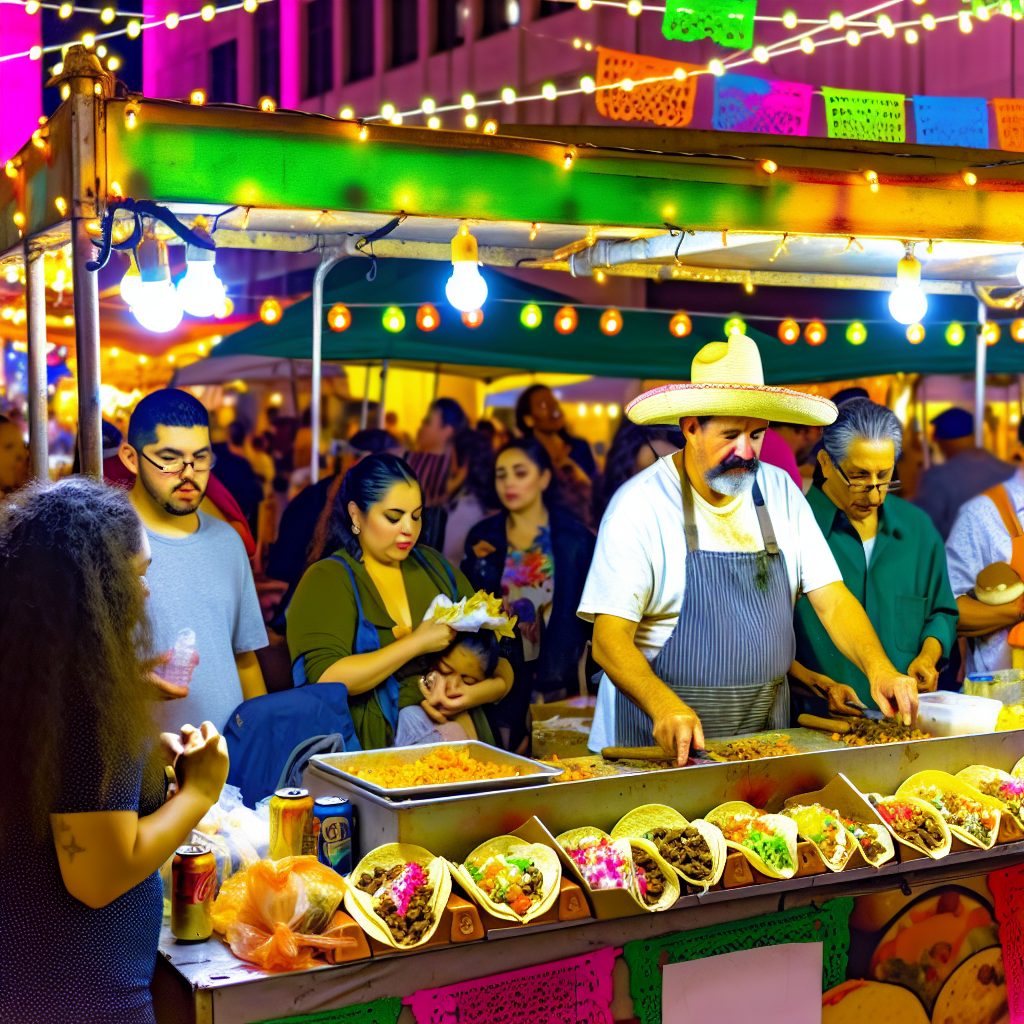

In a plot twist you wouldn’t believe even the most imaginative comedy writers, a group of thieves has managed to pull off a heist that would make any chip lover weep – they stole a truck carrying a whopping $35,000 worth of dips and salsas! Yes, you heard that right. Instead of robbing a bank or jewelry store, these criminals opted for the gastronomic gold mine of tasty salsas, potentially leaving the streets of Ontario holding an empty bowl of guacamole.
It is a shocking reminder of how even our most beloved street food staples can become targets for brazen crime. As odd as this incident may seem, it raises a serious concern: What does this mean for the street food culture and the supply chains that sustain it? Imagine a world where your favorite taco truck runs out of salsa – terrifying, isn’t it?
The implications might go beyond just fewer flavor options at our local food joints. This incident could affect retailers, farmers, and the intricate web of suppliers who keep those irresistibly tasty goods flowing. So, guard your chips tight, because without salsas, what do we have? Just plain old chips!
Supply Chain Vulnerabilities in Street Food
Street food vendors face considerable challenges, especially when it comes to perishable items like salsas and dips. The intricate balance of maintaining product freshness while ensuring adequate security during transport often leads to vulnerabilities that affect vendors’ operations.
Spoilage
Spoilage is a significant concern for vendors dealing with perishable products. Without proper cold storage and handling systems, items can spoil quickly. This not only results in wasted inventory but also pushes vendors to sell compromised goods at a loss, undermining their financial stability. Additionally, fluctuations in supply due to factors such as natural disasters can create surges in costs or shortages, further complicating operations and impacting profit margins. [source]
Theft
Theft adds another layer of complexity. With the rising value of food and beverage products, they have become prime targets for theft. In recent years, companies have reported catastrophic losses due to cargo theft, including high-demand items like dips and salsas. Without effective tracking and security measures in place, vendors are left vulnerable. The impact of theft is twofold: it not only leads to direct financial losses but also disrupts the entire supply chain, causing delays and further burdens on operations. In 2023, the food and beverage sector accounted for a significant portion of stolen cargo, revealing a troubling trend that necessitates immediate attention. [source]
Impact on Vendors
The combined effects of spoilage and theft result in devastating outcomes for street food vendors. Financial losses threaten their livelihood while constant supply shortages compromise their ability to serve fresh, high-quality products to customers. The operational costs of adapting to these challenges often require vendors to invest in better cooling solutions, improved logistics, and enhanced security measures, which can strain their already limited resources.
In essence, the vulnerabilities within the street food supply chain not only affect vendors and their operations but also resonate with consumers, who may find diminished options and quality in their favorite street food. Mitigating these challenges thus becomes an urgent task to preserve the vibrancy and resilience of street food culture.
“If you ask me, that sounds like a local crime boss who loves to buy steal in bulk and simply hates paying taxes.”
Consequences of the Theft: A Salsa Situation
In the aftermath of the brazen salsa heist, local street food vendors find themselves in quite a pickle. With $35,000 worth of salsas spirited away, you can bet taco trucks and food carts are feeling emptier than a chip bag at a party.
- Imagine pulling up to your favorite taco stand, ready for a loaded taco, only to be told:
- “Can I interest you in… no salsa?”
The horror! A salsa shortage leaves flavor-loving fans high and dry, with a collective gasp from salsa enthusiasts everywhere.
The repercussions for vendors are serious and humorously relatable:
- Many rely heavily on salsas and dips to elevate their offerings. Without them:
- They’re merely serving mediocre tacos.
- They risk reduced sales and lower customer satisfaction.
But the ripple effects extend beyond just the taco lovers:
- Vendors may face exorbitant prices for substitute salsas from distant locales to meet demand.
- This inflation could spark a salsa renaissance, leading to:
- Creative artisan dips made from leftover ingredients.
- Experimental concoctions like “wasabi avocado salsa.”
Thus, the theft may have seemed like just another bizarre headline, but the consequences are tangible and far-reaching. Local vendors—along with those limiting carbs—will remember this incident while searching for elusive salsa in the dark corners of the food universe. As we navigate this salsa shortage, may we all learn to guard our chips more diligently!

Case Studies of Culinary Crime: When Food Goes Missing
As we dive into the shocking world of food theft, we see that our stolen $35,000 dips and salsas are not alone in the pantheon of culinary crime. Here are a few famous cases where food – or the adorable vessels carrying it – took a stroll without permission.
-
The Tiki Mug Heist
In Portland, Maine, the tiki bar Rhum faced a peculiar problem when $10,000 worth of custom-made tiki mugs mysteriously disappeared. Patrons seemingly couldn’t resist these nautical relics, which, let’s face it, are probably just as important to party culture as salsa is to tacos. As one would-be mug thief explained, “It’s just sitting there looking so cute, how could I not?”
Ultimately, theft took its toll, and this beloved establishment closed its doors. The moral of the story? Mug heists can lead to tiki nightmares. -
The Disappearing Decor
Miami’s vibrant restaurant scene is not just about food; it’s a treasure trove of colorful decorations too. At Taquiza, quirky ceramic skulls and pillows disappeared faster than freshly made guacamole. Just imagine the shock as the staff realized they were now running a taco restaurant without its lively vibe! Just goes to show, even decor can disappear quicker than you can say “please pass the salsa!”
-
A Candle in the Wind
Dallas’s Bijoux Restaurant encountered an interesting scenario when a customer made off with one of their votive candles. After several amusing email exchanges between the restaurant and the thief, the guest eventually confessed (because who wants candle theft to ruin their reputation?). One thing is for sure: leaving the restaurant without your pickled jalapeños is one thing, but walking out with a candle is a whole new level of brazen behavior!
-
A Croissant Caper
A woman in Richmond, Australia, broke into a bakery dressed in a catsuit, only to perform yoga poses before snatching a handful of almond croissants. Apparently, even the thought of potentially getting caught wasn’t enough to stop her from fulfilling a carb craving! But hey, if yoga can reclaim a plate of pastries, maybe we need to start some salsa-themed yoga classes to retrieve our stolen dips?
-
The Spicy Lunch Incident
And then there’s the notorious case of a workplace thief who unwittingly stole a fiery curry. The thief, who was simply looking for an average lunch, ended up facing spicy consequences. As it turns out, making a meal disappear can lead to a blistering regret!
These anecdotes are proof that theft has permeated many layers of the food culture. From stolen mugs to unexpected yoga thieves, the comedy of culinary crime is alive and well! Let us remember: we not only guard our salsas but, more importantly, our culinary treasures, from pretentious tiki mugs to spicy surprises!
| Theft Incident | Scale | Consequences | Business Responses |
|---|---|---|---|
| Stolen Salsa Truck | $35,000 worth | Loss of inventory, potential customer dissatisfaction | Increased security measures, higher prices for replacements |
| Tiki Mug Heist | $10,000 worth | Closure of the establishment | Loss prevention strategies, community engagement |
| Disappearing Decor at Taquiza | Numerous unique items | Altered dining experience, loss of atmosphere | Inventory tracking, security installations |
| Candle Theft at Bijoux Restaurant | N/A | Embarrassment for the establishment | Staff vigilance training, audits of inventory |
| Croissant Caper | N/A | Loss of product, potential legal issues | Increased surveillance, staff intervention training |
| Spicy Lunch Incident | N/A | Possible customer health issue, reputation risk | Employee training on food security, liability waivers |
| General Food Cargo Theft | Varies widely | Significant industry losses, supply chain disruption | Enhanced logistics, better tracking technologies |
Insights on the Future of Salsa Supply
The salsa shortage has had significant long-term effects on supply chains and consumer behavior within the street food sector.
Supply Chain Adaptations
Street food vendors have faced challenges due to disruptions in the availability of key ingredients like tomatoes and peppers, essential for salsa production. These disruptions have been exacerbated by climate change-induced weather events, such as droughts in key growing areas, significantly reducing harvest yields. For instance, a severe shortage of red jalapeños from Northern Mexico in 2022-2023 devastated sriracha production globally, causing prolonged out-of-stocks for major brands. source
To mitigate these challenges, vendors have diversified their ingredient sources, seeking alternative suppliers or local producers to ensure a steady supply. Some have also adjusted their menus to incorporate alternative condiments or modified recipes that require less affected ingredients. Additionally, embracing digitalization and e-commerce has allowed vendors to streamline operations and reach a broader customer base, enhancing resilience against supply chain disruptions. source
Changes in Consumer Preferences
The salsa shortage has influenced consumer behavior, leading to a heightened appreciation for authentic and locally sourced ingredients. Consumers are increasingly seeking out vendors who offer traditional flavors and are transparent about their sourcing practices. This shift has prompted vendors to emphasize the authenticity and origin of their ingredients, aligning with the growing demand for sustainable and locally produced foods. source
Impact on Street Food Culture
The shortage has underscored the importance of adaptability within street food culture. Vendors have demonstrated resilience by innovating their offerings and business models to navigate supply chain challenges. This period has also fostered stronger community ties, as consumers rally to support local vendors facing hardships. The emphasis on local sourcing and sustainability has enriched the cultural tapestry of street food, highlighting the sector’s ability to evolve in response to external pressures. source
In summary, the salsa shortage has catalyzed significant changes in supply chain strategies, consumer preferences, and the overall dynamics of street food culture, emphasizing the sector’s resilience and capacity for innovation.

As we’ve dived into the surprising saga of the stolen dips and salsas, we have unraveled not just a tale of culinary crime but also a deep examination of the vulnerabilities woven into the fabric of the street food supply chain. The theft is a sobering reminder that taco trucks can melt into mediocrity without their salsa accompaniments, leaving loyal fans in dismay. Beyond the humorous anecdotes of salsa theft, we face genuine concerns about spoilage, rising costs, and the broader implications of crime on the supply chain. Piecing together these reflections, one must realize the reality of vendors struggling to keep their operations vibrant while wrestling against the tides of unpredictability.
When taco lovers unite in solidarity—even as we chuckle at the absurdity of a salsa thief making headlines—we also champion the cause of those who bring our favorite flavors to life. The stakes are enormous; vendors are not just serving food; they are crafting experiences that resonate within their communities. Our commitment to supporting local food culture and vendors, especially when faced with challenges like the salsa shortage, is paramount. Only then can we hope to guard our culinary treasures and, by extension, our collective heritage.
So, as you stroll through your local market or line up at a taco truck, remember this: the next jar of salsa could very well be the last in your area. Treat it with the reverence it deserves. Who knows, there might even be a salsa showdown lurking around the corner, complete with chip hoarders awaiting their moment to strike! Engage wholeheartedly in the fight against supply chain challenges—the tastiest victory awaits on your plate!
Impact on Vendors
The implications of supply chain disruptions, particularly those related to theft, significantly impact street food vendors on multiple fronts. High-profile theft incidents, like the recent $35,000 salsa heist, are not isolated events but symptomatic of a larger crisis that street food vendors are grappling with in today’s economic climate.
Real-World Impacts:
Take, for instance, the experience of Karla Rosales-Barrios, owner of Pass the Sauced in San Francisco, who has seen her supplier enforce minimum order quantities that require pallet-sized purchases. This push towards bulk ordering increases operational costs, forcing vendors to pass these expenses onto consumers or risk losing out on popular products. This case illustrates how theft can ripple through the supply chain, magnifying existing pressures on vendors who are forced to adapt rapidly to maintain a viable business. Source
Similarly, Janeen Mendoza Cruz from Kuali Salsa faced significant delays in procuring glass jars essential for her salsa production. These delays, stemming from broader supply chain issues, not only jeopardized her ability to meet holiday demands but also underscored the vulnerability of food vendors whose entire business model hinges on reliable supply chains. Source
Theft as a Catalyst for Change:
The theft isn’t just a financial loss; it significantly alters operational dynamics. Max Hipolito, a vendor in Los Angeles, faced harsh penalties when health officials disposed of food after permit issues arose. Each confiscation not only equates to a loss of inventory but raises questions about the safety and legality of vendors who are often already operating with limited resources under precarious conditions. Source
In the backdrop of all these challenges, street vendors must navigate a complex landscape often marred by inequities. The political and regulatory frameworks tend to favor larger, established businesses, leaving street vendors vulnerable to both economic shifts and regulatory actions. Moreover, safety concerns abound, as incidents of theft can escalate to aggression against vendors, exacerbating their struggles for legitimacy and security while operating on the streets.
In conclusion, the interplay of theft, supply chain issues, and vendor resilience highlights the fragility and complexity of street food culture. As theft persists and supply chains remain unpredictable, vendors are forced to adapt, innovate, and sometimes suffer, revealing the need for comprehensive support systems to secure not just their livelihoods but also the vibrancy of the street food scene.
Supply Chain Challenges in Street Food: The Salsa Shortage Story
In a plot twist you wouldn’t believe even the most imaginative comedy writers, a group of thieves has managed to pull off a heist that would make any chip lover weep – they stole a truck carrying a whopping $35,000 worth of dips and salsas! Yes, you heard that right. Instead of robbing a bank or jewelry store, these criminals opted for the gastronomic gold mine of tasty salsas, potentially leaving the streets of Ontario holding an empty bowl of guacamole. It is a shocking reminder of how even our most beloved street food staples can become targets for brazen crime. As odd as this incident may seem, it raises a serious concern: What does this mean for the street food culture and the supply chains that sustain it? Imagine a world where your favorite taco truck runs out of salsa – terrifying, isn’t it? The implications might go beyond just fewer flavor options at our local food joints. This incident could affect retailers, farmers, and the intricate web of suppliers who keep those irresistibly tasty goods flowing. So, guard your chips tight, because without salsas, what do we have? Just plain old chips!
Supply Chain Vulnerabilities in Street Food
Street food vendors face considerable challenges, especially when it comes to perishable items like salsas and dips. The intricate balance of maintaining product freshness while ensuring adequate security during transport often leads to vulnerabilities that affect vendors’ operations.
Spoilage
Spoilage is a significant concern for vendors dealing with perishable products. Without proper cold storage and handling systems, items can spoil quickly. This not only results in wasted inventory but also pushes vendors to sell compromised goods at a loss, undermining their financial stability. Additionally, fluctuations in supply due to factors such as natural disasters can create surges in costs or shortages, further complicating operations and impacting profit margins. Moreover, theft incidents have exacerbated food supply chain issues, with food products increasingly becoming prime targets for theft. Recent analyses reveal a 79% increase in food supply chain thefts, making this an urgent issue for vendors reliant on fresh produce.
Theft
Theft adds another layer of complexity to street food supply chains. In recent years, companies have reported catastrophic losses due to cargo theft, particularly of high-demand items like dips and salsas. With the rising value of food and beverage products, they have become prime targets for theft. In 2023, there was an almost 50% year-over-year increase in thefts within this category. Specific incidents underscore the severity of this issue, exemplifying how food supply chain issues impact not just the market but also the culture of street food. The impact of theft is twofold: it leads to direct financial losses and disrupts the entire supply chain, causing delays and further burdens on operations.
Consequences of the Salsa Theft: A Salsa Situation
In the aftermath of the brazen salsa heist, local street food vendors find themselves in quite a pickle. With $35,000 worth of salsas spirited away, you can bet taco trucks and food carts are feeling emptier than a chip bag at a party.
- Imagine pulling up to your favorite taco stand, ready for a loaded taco, only to be told:
- “Can I interest you in… no salsa?”
The horror! A salsa shortage leaves flavor-loving fans high and dry, with a collective gasp from salsa enthusiasts everywhere.
The repercussions for vendors are serious and humorously relatable:
- Many rely heavily on salsas and dips to elevate their offerings. Without them:
- They’re merely serving mediocre tacos.
- They risk reduced sales and lower customer satisfaction.
But the ripple effects extend beyond just the taco lovers:
- Vendors may face exorbitant prices for substitute salsas from distant locales to meet demand, pushing budgets to the brink.
- This inflation could spark a salsa renaissance, leading to:
- Creative artisan dips made from leftover ingredients.
- Experimental concoctions like “wasabi avocado salsa.”
Thus, the theft may have seemed like just another bizarre headline, but the consequences are tangible and far-reaching. Local vendors—along with those limiting carbs—will remember this incident while searching for elusive salsa in the dark corners of the food universe. As we navigate this salsa shortage, may we all learn to guard our chips more diligently!
Impact on Vendors
The implications of supply chain disruptions, particularly those related to theft, significantly impact street food vendors on multiple fronts. High-profile theft incidents, like the recent $35,000 salsa heist, are not isolated events but symptomatic of a larger crisis that street food vendors are grappling with in today’s economic climate.
Real-World Impacts:
Take, for instance, the experience of Karla Rosales-Barrios, owner of Pass the Sauced in San Francisco, who has seen her supplier enforce minimum order quantities that require pallet-sized purchases. This push towards bulk ordering increases operational costs, forcing vendors to pass these expenses onto consumers or risk losing out on popular products. This case illustrates how theft can ripple through the supply chain, magnifying existing pressures on vendors who are forced to adapt rapidly to maintain a viable business.
Similarly, Janeen Mendoza Cruz from Kuali Salsa faced significant delays in procuring glass jars essential for her salsa production. These delays, stemming from broader supply chain issues, not only jeopardized her ability to meet holiday demands but also underscored the vulnerability of food vendors whose entire business model hinges on reliable supply chains.
Theft as a Catalyst for Change
The theft isn’t just a financial loss; it significantly alters operational dynamics. Many vendors must grapple with heightened theft risks within their supply chains, leading to increased costs for insurance and security. Each confiscation not only equates to a loss of inventory but raises questions about the safety and legality of vendors who are often already operating with limited resources under precarious conditions.
In the backdrop of all these challenges, street vendors must navigate a complex landscape often marred by inequities. The political and regulatory frameworks tend to favor larger, established businesses, leaving street vendors vulnerable to both economic shifts and regulatory actions. Moreover, safety concerns abound, as incidents of theft can escalate to aggression against vendors, exacerbating their struggles for legitimacy and security while operating on the streets.
In conclusion, the interplay of theft, food supply chain issues, and vendor resilience highlights the fragility and complexity of street food culture. As theft persists and supply chains remain unpredictable, vendors are forced to adapt, innovate, and sometimes suffer, revealing the need for comprehensive support systems to secure not just their livelihoods but also the vibrancy of the street food scene.